LEGO Mindstorms: The robot kit that taught a generation to code
First released in 1998, LEGO Mindstorms blended bricks, motors, and code into a hands-on robotics kit that quietly shaped how kids—and adults—learned programming.
Compare prices and availability
Check current prices and availability for this guide on eBay.
As an eBay Partner, we may be compensated if you make a purchase.
Long before "learn to code" became a common refrain in schools, LEGO Mindstorms was already doing it—quietly, playfully, and on kids’ bedroom floors. Launched in the late 1990s, Mindstorms turned familiar plastic bricks into programmable robots, giving a generation its first taste of logic, debugging, and engineering without ever feeling like homework.
Where it came from
LEGO Mindstorms debuted in 1998, the result of a collaboration between the LEGO Group and researchers at the MIT Media Lab. The name itself was a nod to Seymour Papert’s book *Mindstorms*, which argued that children learn best when they actively build and experiment. The kit was designed to bring that philosophy into the home using LEGO’s already well-loved construction system.
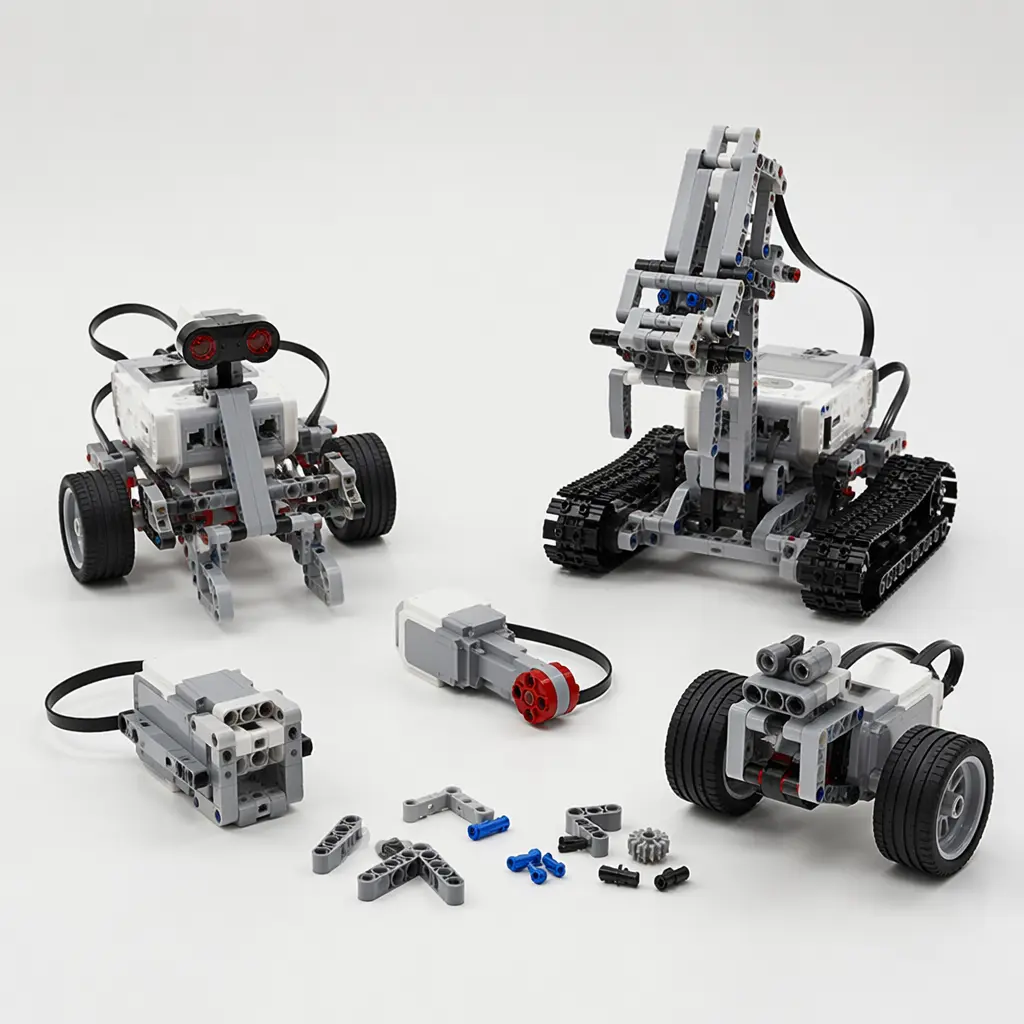
At its heart was a programmable “brick” that could control motors and read sensor input. Early versions used simple, visual programming software that ran on a home computer and uploaded instructions to the robot. The goal wasn’t to train professional engineers, but to let kids explore cause and effect: if the robot bumps into something, what should it do next?
Why it works
Mindstorms works because it turns abstract ideas into physical outcomes. Code isn’t just lines on a screen—it makes a robot roll forward, stop at a wall, or follow a line on the floor. That immediate feedback loop keeps players engaged and encourages experimentation, even when things go wrong.
The system also leaned into LEGO’s core strength: rebuilding. There was never just one “correct” robot. Kids could tear down a design, reuse the parts, and try again, learning resilience and problem-solving along the way.
- Modular design that encourages endless rebuilding
- Simple programming concepts that scale with experience
- Hands-on learning through trial and error
- A balance of structure and open-ended play
Who it's for
Originally aimed at older children and teenagers, Mindstorms found an enthusiastic audience among adults too. Kids around 10 and up could grasp the basics with guidance, while teens and grown-ups often pushed the system much further. Hobbyists, educators, and robotics clubs embraced it as a serious learning tool disguised as a toy.
Variants and what to look for today
Over the years, LEGO released several generations of Mindstorms, each with improved processing power, sensors, and software. While newer educational robotics kits now exist, Mindstorms sets are still sought after on the second-hand market for their flexibility and build quality.
If you’re looking for one today, completeness matters. Sensors, motors, and cables are essential to the experience, and missing parts can limit what you can build. It’s also worth checking software compatibility, as older kits may require workarounds to run on modern computers.
Frequently asked questions
Is LEGO Mindstorms still relevant today?
Yes, especially as a learning platform. While newer kits may offer more modern interfaces, Mindstorms still teaches core concepts that transfer easily to other programming and robotics systems.
Do you need prior coding experience?
No. Mindstorms was designed for beginners, using visual programming to introduce logic step by step. More advanced users can explore deeper concepts as they gain confidence.
Is it suitable for classroom use?
Very much so. Schools around the world used Mindstorms in STEM lessons and robotics clubs because it supports teamwork, problem-solving, and hands-on learning.
What ages benefit most from it?
Upper primary through secondary school students benefit the most, though motivated younger builders and adults can enjoy it with support.
LEGO Mindstorms didn’t shout about teaching code—it simply invited players to build something that moved, reacted, and improved with practice. In doing so, it helped normalize programming as a creative skill, not a specialist one. That quiet influence may be its most lasting achievement.