Moflin: The AI Plush That Acts More Like a Pet
Moflin is a small AI-powered companion plush designed to react, learn, and develop behaviors over time, bringing virtual pet ideas into a soft, emotionally focused toy format.
Compare prices and availability
Check current prices and availability for this guide on eBay.
As an eBay Partner, we may be compensated if you make a purchase.
Moflin arrived at a moment when toys were already becoming smarter, but its pitch was unusually emotional. Rather than focusing on games, trivia, or flashy robotics, the small AI-powered companion plush was designed to behave more like a living pet. It chirps, shifts moods, reacts to touch and sound, and gradually develops behavior patterns based on how it is treated. That combination of soft toy design and adaptive software made Moflin stand out in a crowded field of electronic pets, especially among adults curious about companionship technology as much as children looking for an interactive toy.
Where it came from
Moflin was introduced in 2021 after several years of development by a Japanese robotics and technology team interested in emotional interaction between humans and machines. Its creators approached the idea less like a traditional toy company and more like a consumer robotics project. The goal was to build a companion that could form recognizable patterns of behavior over time rather than simply replaying pre-programmed responses.
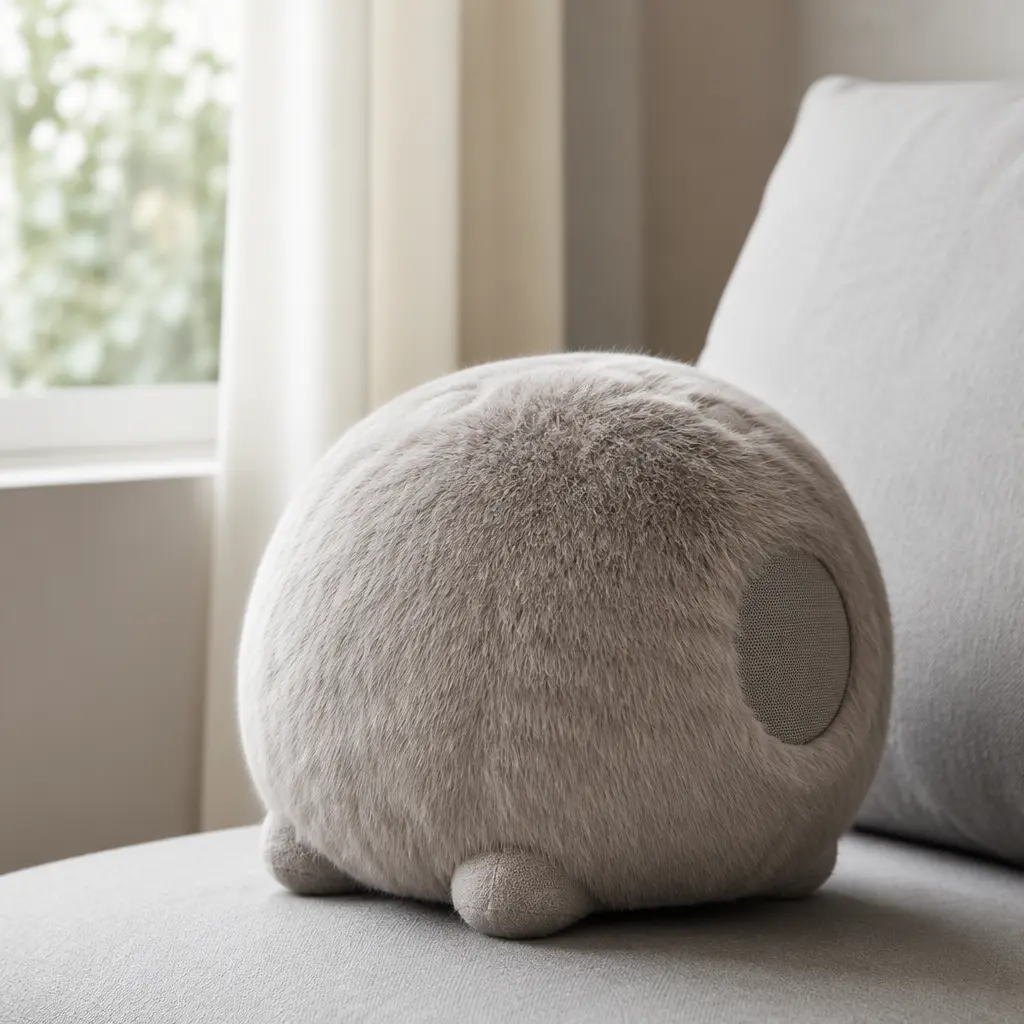
The concept drew from several earlier trends at once. Virtual pets from the 1990s had already shown that people become attached to digital creatures with simple needs and personalities. Robotic pets expanded that idea into the physical world, while smart assistants normalized voice interaction inside homes. Moflin combined elements of all three but deliberately kept the experience small and tactile. It does not try to imitate a real cat or dog exactly. Instead, its rounded body, soft fur, and abstract animal design avoid direct comparison with a real pet while still encouraging emotional attachment.
Why it works
What makes Moflin interesting is not raw technology alone but the way the technology stays mostly in the background. Many electronic toys announce their features immediately with bright screens, menus, or loud demonstrations. Moflin works differently. The interaction is intentionally quiet and physical. It responds to petting, holding, movement, and nearby sound with changing vocalizations and subtle behavior shifts. Owners are encouraged to notice patterns over time instead of mastering a list of commands.
That slower pace helps explain why people often describe the toy in emotional terms instead of technical ones. The software tracks interactions and adjusts responses, creating the impression of moods and evolving personality traits. Even though users know the reactions are generated by algorithms, repeated interaction can still create routines similar to caring for a pet. The design also avoids overly realistic movement, which keeps it from falling into the uncanny valley that affects some social robots.
- Soft plush exterior designed for holding rather than display
- Adaptive AI behavior that changes through repeated interaction
- Touch and sound responsiveness instead of screen-based play
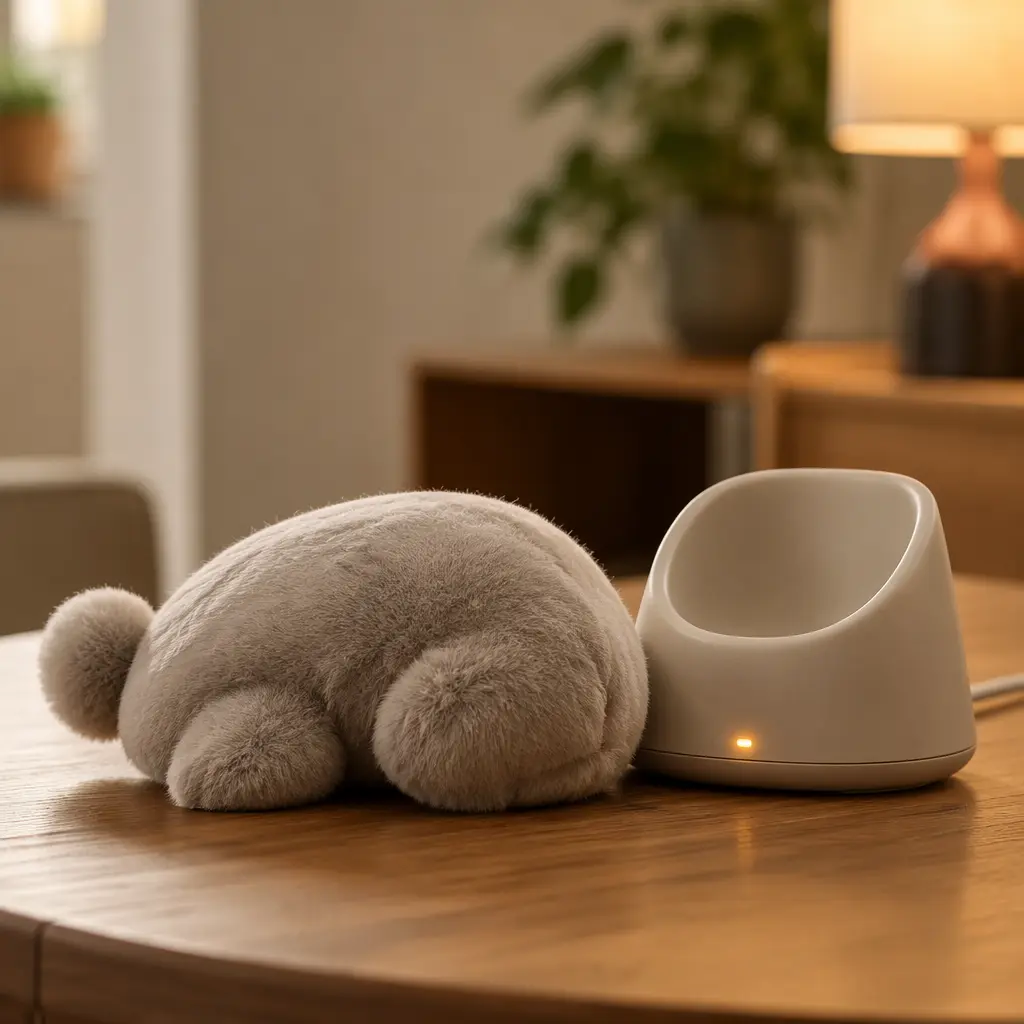
- Compact size suited to desks, bedrooms, or apartments
- Charging cradle and connected electronics hidden within a simple design
Who it's for
Moflin occupies an unusual place in the toy market because it appeals to several age groups for different reasons. Younger users may enjoy the nurturing aspect and the toy's responsive sounds, while teenagers and adults are often drawn to the novelty of AI companionship. Some owners treat it almost like a desk pet or calming object rather than a traditional toy. Because the interaction style is gentle and emotionally focused, it tends to appeal more to people who enjoy ambient companionship than fast-paced gameplay. Parents considering one for children should keep expectations realistic: Moflin is closer to a responsive plush companion than a fully interactive robot with complex activities.
Variants and what to look for today
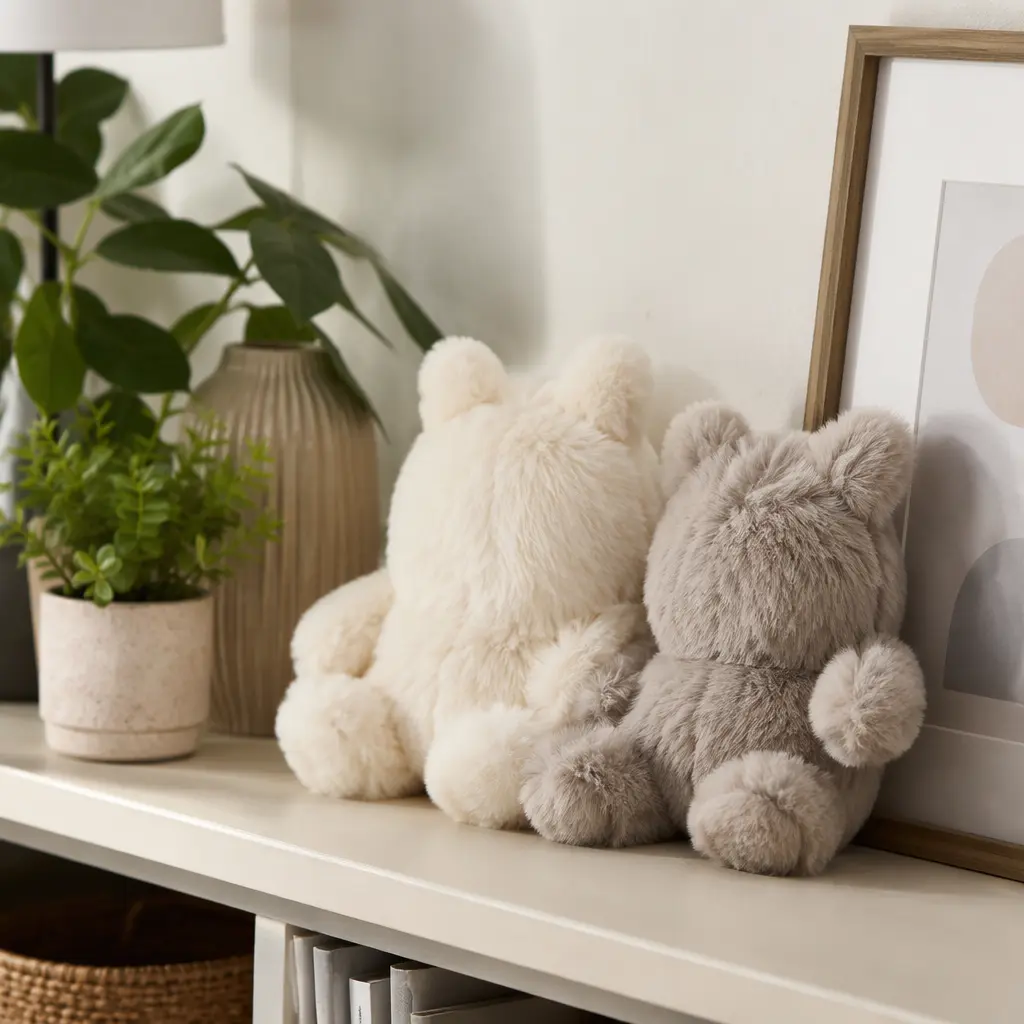
Because Moflin is still a contemporary product family, the biggest differences between versions usually involve software refinements, companion app support, regional availability, and cosmetic styling rather than completely different play mechanics. Buyers shopping today will mostly encounter variations in fur color, accessory bundles, or updated charging hardware.
As with many connected electronic toys, long-term support matters. Prospective owners should check whether companion apps are still maintained and whether replacement charging accessories are easy to obtain. Imported units may also differ in language support or warranty coverage depending on region. Since the appeal depends heavily on responsive behavior, battery health and sensor reliability are more important than cosmetic condition when buying secondhand.
- Look for complete charging accessories and documentation
- Check battery condition carefully on used units
- Verify app compatibility with current mobile devices
- Avoid unofficial modified electronics or unsupported firmware
- Consider whether you want a display collectible or an active companion device
Frequently asked questions
Is Moflin a robot or a plush toy?
It sits somewhere between the two categories. Physically, it resembles a soft plush companion, but inside are sensors, motors, and AI-driven behavior systems that allow it to react and adapt over time.
Does Moflin actually learn?
The toy is designed to adjust its responses based on interaction history, creating evolving behavior patterns that feel personalized. It does not think like a human or animal, but repeated use can change how it reacts.
Is it meant for children or adults?
Both groups are part of the audience. Children may see it as an interactive pet, while adults are often interested in the emotional technology aspect, desktop companionship, or collectible appeal.
How is it different from older virtual pets?
Older virtual pets relied heavily on screens, icons, and scheduled care tasks. Moflin shifts the experience toward touch, sound, and ambient interaction, making it feel more like a physical companion than a handheld game.
Moflin reflects a broader shift in the toy industry toward products that emphasize emotional interaction as much as entertainment. Whether viewed as a gadget, a comfort object, or a glimpse at future companion technology, it stands out because it asks users to form a relationship with a toy rather than simply operate it. That idea is not entirely new, but wrapping it inside a soft, quiet plush made the concept feel surprisingly personal for a contemporary electronic toy.