Pound Puppies: The plush dogs that taught a generation empathy
Launched in the 1980s, Pound Puppies turned a simple plush dog into a lesson about care and adoption—becoming one of the era’s most emotionally resonant toy lines.
Compare prices and availability
Check current prices and availability for this guide on eBay.
As an eBay Partner, we may be compensated if you make a purchase.
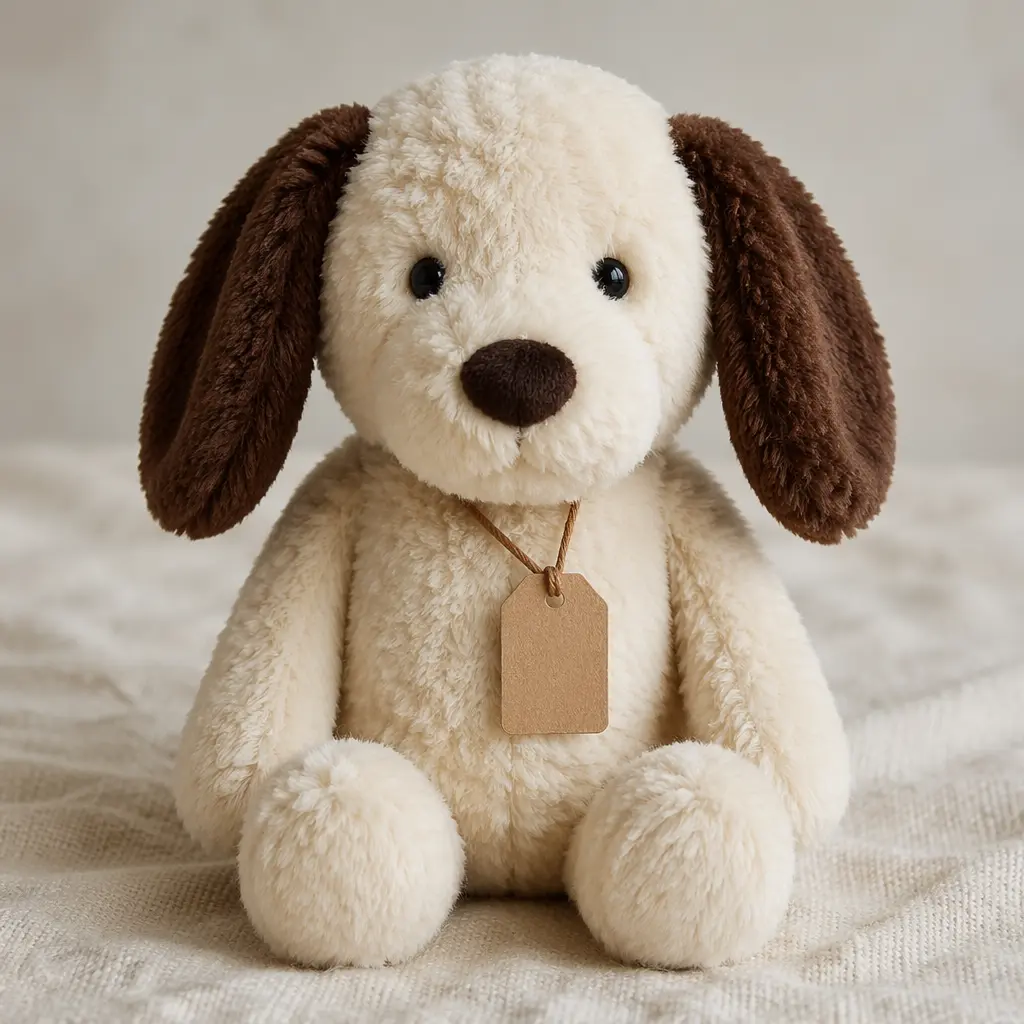
In a decade crowded with flashy action figures and high-concept cartoons, Pound Puppies stood out by being gentle. They were soft, floppy plush dogs with soulful eyes and a simple backstory: these puppies came from the pound and needed a loving home. For many children in the 1980s, that idea landed with surprising emotional weight. Pound Puppies weren’t about collecting power or mastering a gimmick—they were about caring, choosing, and belonging.
Where it came from
Pound Puppies were introduced in 1984 by toy company Tonka, a brand already well known for sturdy, child-focused designs. The idea was deceptively simple: create a plush dog that represented a rescue animal waiting to be adopted. Each toy came with a paper tag or story framing the puppy as having been saved from the pound, turning the act of receiving the toy into a symbolic adoption.
This theme resonated strongly with parents and children alike. At a time when public awareness of animal shelters and pet adoption was growing, Pound Puppies aligned a commercial toy with a moral message. The line quickly expanded beyond plush toys into books, accessories, and an animated television series, cementing its place in 1980s pop culture.
Why it works
At their core, Pound Puppies succeed because they invite emotional play. Unlike toys that dictate a storyline or objective, a plush dog leaves space for imagination. The added layer of being a "rescued" puppy gives children a role: caretaker, protector, and friend. That dynamic encourages nurturing behavior rather than competition.
Design-wise, the toys were intentionally approachable. They were soft enough for toddlers, expressive without being realistic, and durable enough to survive years of hugs and trips through the washing machine.
- Soft, huggable plush designed for comfort
- Friendly, expressive faces without sharp or hard parts
- Adoption-themed storytelling that encourages empathy
- Simple design that supports open-ended imaginative play
Who it’s for
Originally aimed at young children, Pound Puppies found fans across age groups. For kids, they worked as first plush companions—bedtime buddies and travel friends. For adults, especially those who grew up in the 1980s, they’ve become nostalgic keepsakes tied to early lessons about kindness and responsibility. Even today, the concept appeals to parents looking for toys that reinforce gentle values rather than loud trends.
Variants and what to look for today
Over the years, Pound Puppies have appeared in various forms, from the original 1980s plush dogs to later revivals with updated fabrics and brighter colors. Some versions leaned more heavily into cartoon styling, while others returned to a softer, more classic plush look. Sizes have ranged from small carry-along pups to oversized cuddle toys.
If you’re looking for Pound Puppies today—whether new or vintage—it’s worth paying attention to build quality. Well-made plush toys should feel evenly stuffed, with securely attached features and soft, durable fabric. Generic knock-offs may imitate the look but often lack the same attention to stitching and materials, which matters for a toy designed to be hugged often.
Frequently asked questions
Why were Pound Puppies so popular in the 1980s?
They combined a comforting plush toy with a meaningful story about adoption and care. That emotional hook set them apart from many other toys of the era.
Were Pound Puppies connected to real animal shelters?
The toys weren’t directly tied to specific shelters, but their theme reflected and supported broader conversations about pet adoption and humane treatment.
Are vintage Pound Puppies safe for kids today?
Many vintage plush toys were well made, but older items may show wear or have materials that don’t meet modern safety standards. They’re often better suited for display or supervised play.
Do Pound Puppies still appeal to modern children?
Yes. While styles change, the idea of caring for a soft, friendly animal remains timeless, especially for younger children.
Decades after their debut, Pound Puppies remain a reminder that toys don’t need complexity to make an impact. By centering play around empathy and care, they carved out a lasting place in toy history—one soft hug at a time.