Razor RipStik: The caster board that reshaped sidewalk riding
Part skateboard, part scooter alternative, the Razor RipStik turned side-to-side carving into a generation-defining ride-on trend after its 2006 debut.
Compare prices and availability
Check current prices and availability for this guide on eBay.
As an eBay Partner, we may be compensated if you make a purchase.
The Razor RipStik arrived during a moment when traditional skateboards, scooters, and BMX bikes were all competing for space at parks, driveways, and schoolyards. Introduced in 2006, the two-wheeled caster board stood out immediately because it moved differently from almost anything else on the market. Riders did not need to push constantly with one foot like a skateboard. Instead, they generated momentum by twisting their hips and carving side to side, creating a flowing motion that felt closer to snowboarding or surfing than standard street skating. For many kids, the RipStik became a bridge between skateboards and scooters: easier to pick up than advanced skate tricks, but more dynamic and physical than simply coasting on two inline wheels.
Where it came from
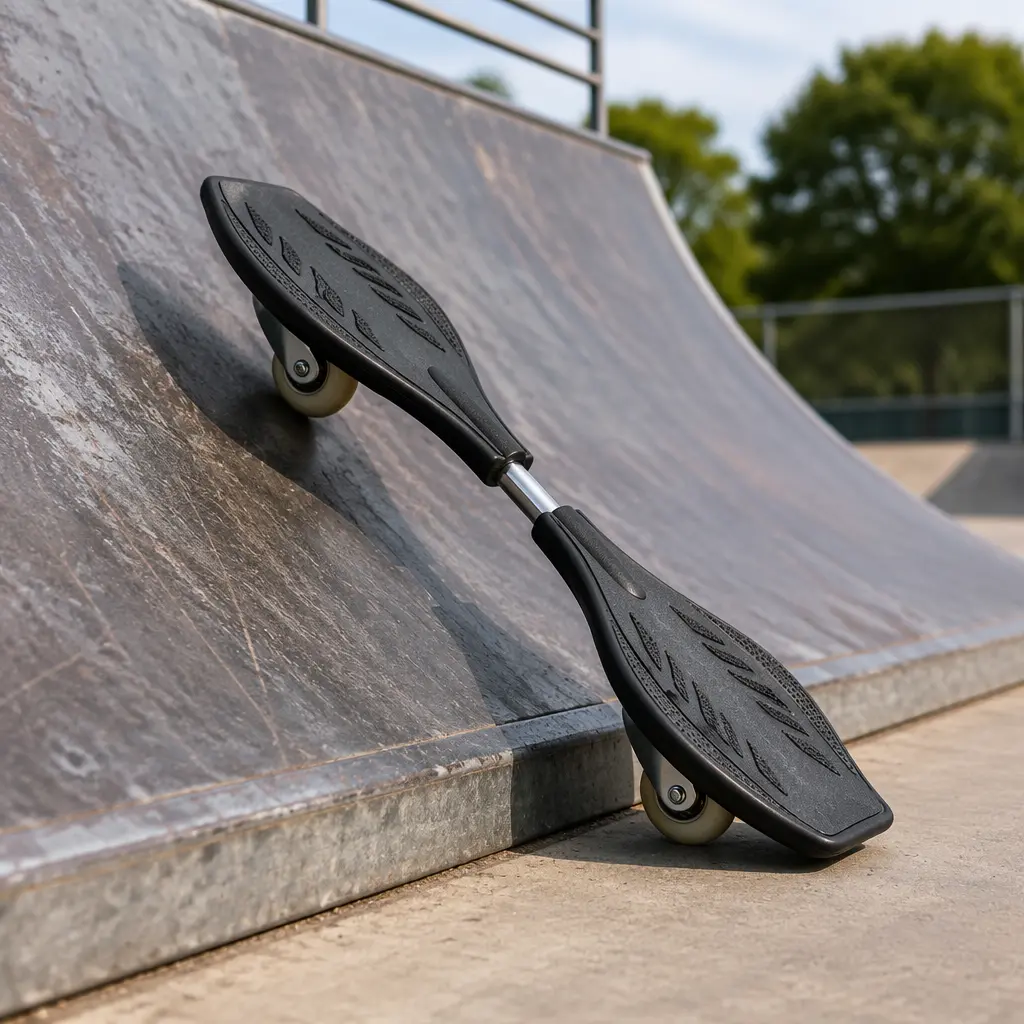
Caster boards first appeared before the RipStik, drawing inspiration from waveboards and other experimental ride-ons that tried to combine surfing motion with pavement riding. Razor, already well known for kick scooters in the early 2000s, helped push the format into the mainstream by refining the design and distributing it widely through toy stores and sporting goods retailers. The company launched the RipStik in 2006, right as interest in action sports toys was expanding beyond traditional skateboarding.
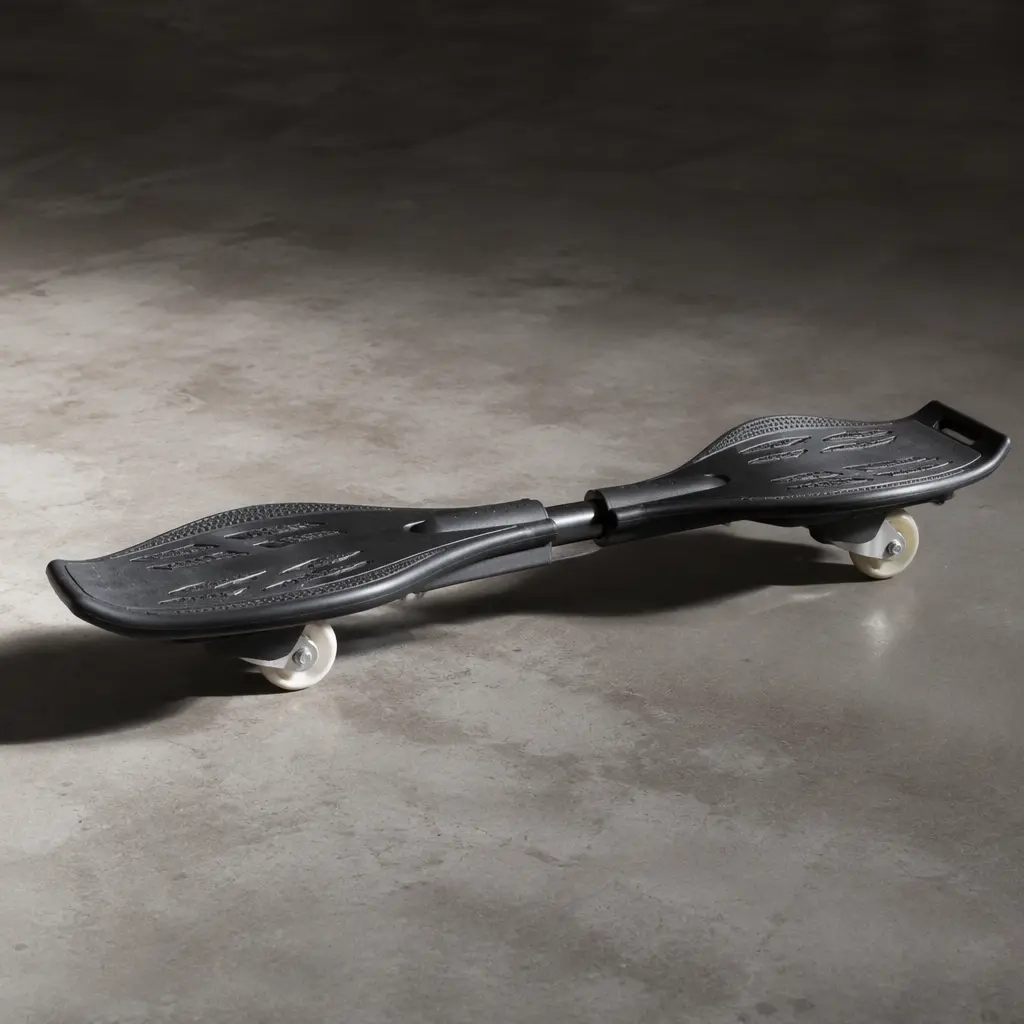
The key idea behind the RipStik was deceptively simple. Instead of four skateboard wheels attached to a rigid deck, the board used two large caster wheels mounted on pivoting trucks. The front and rear platforms were connected by a flexible torsion bar that allowed the rider to twist the board while maintaining balance. That twisting action translated directly into forward movement. Riders could accelerate without stepping off, and the unusual steering feel made even casual cruising feel active and engaging.
Why it works
The RipStik succeeds because it turns balance into motion. Beginners often describe the first few minutes as awkward because the board reacts differently from a skateboard or scooter. Once the rider understands the carving rhythm, however, the movement becomes surprisingly intuitive. Small hip motions create momentum, and the independently rotating caster wheels allow for tight turns and smooth carving arcs. The result is a ride that feels kinetic even at moderate speeds.
Another reason the design endured is that it rewards progression without demanding immediate tricks. Riders can start by learning balance and carving, then move toward spins, ramps, curb transitions, and skate-park riding. Unlike many toys that lose appeal once the basic mechanic is understood, the RipStik encourages experimentation. It also appeals to kids who like board sports culture but may not feel ready for the steep learning curve of ollies and technical skateboard tricks.
- Two-wheel caster design creates a carving motion instead of straight pushing
- Torsion bar allows the board to flex naturally during turns
- Large angled wheels handle pavement cracks better than many small skate wheels
- Continuous motion keeps rides active and physical
- Compact shape makes it easier to carry than many scooters or bikes
Who it's for
The RipStik generally appeals to older children, teenagers, and even adults who enjoy active outdoor play. Many riders first try one around late elementary school age, when balance and coordination are developed enough to handle the side-to-side motion. Adults often rediscover the board because its carving movement resembles surfing, snowboarding, or longboarding. Compared with traditional skateboards, the learning curve can feel more approachable for casual riders, though it still requires practice and protective gear. Riders looking for a relaxed cruise experience may enjoy it as much as those interested in skate-park style riding.
Variants and what to look for today
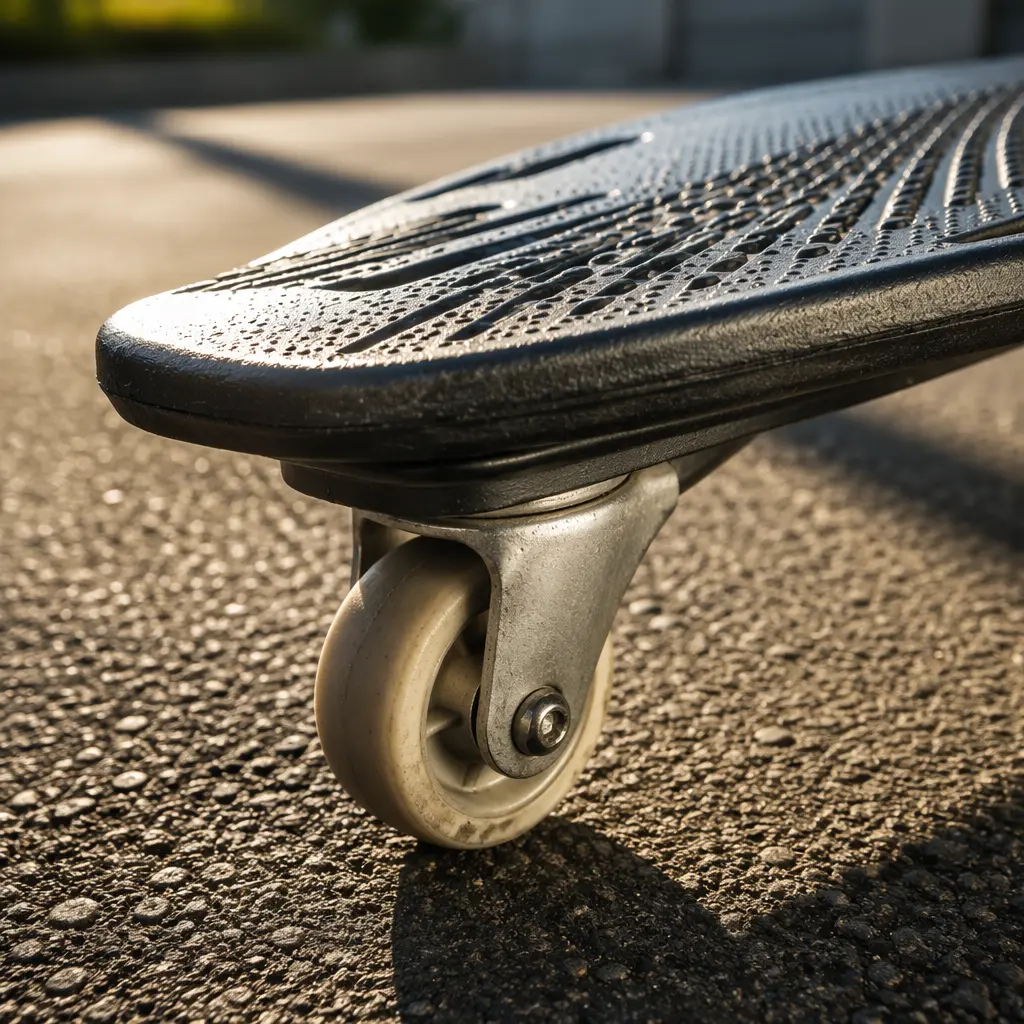
Over time, the RipStik family expanded into smaller versions for younger riders, lighter designs aimed at tricks, and compact models intended for tighter turning. Many competing caster boards also entered the market once the format became popular. While the overall riding concept remains similar across brands, build quality can vary noticeably. Strong wheel mounts, smooth caster rotation, and a sturdy torsion bar make a major difference in ride feel and durability.
Buyers shopping today will notice that caster boards occupy an unusual middle ground between toys and sports equipment. Some inexpensive versions focus mainly on appearance while sacrificing wheel quality or deck strength. Parents and casual riders should pay attention to weight recommendations, wheel condition, and grip surfaces, especially when buying secondhand boards. Because the riding motion depends heavily on smooth caster movement, worn or poorly aligned wheels can make learning much harder than it should be.
- Standard full-size caster boards suit most teens and adults
- Compact versions can be easier for smaller riders to control
- Look for durable grip surfaces and solid wheel attachment points
- Avoid boards with cracked torsion bars or loose caster assemblies
- Protective gear remains important even for experienced riders
Frequently asked questions
Is a RipStik harder to learn than a skateboard?
Most riders find the first few minutes challenging because the balancing motion is unfamiliar. After that adjustment period, many people feel comfortable cruising sooner than they would on a traditional skateboard because there is no need to learn pushing and foot placement separately.
Can adults ride caster boards?
Yes. Full-size caster boards are commonly used by teenagers and adults, particularly riders interested in carving sports such as surfing, snowboarding, or longboarding. Weight limits vary by manufacturer, so checking recommendations is still important.
Do you need a skate park to use one?
No. Many owners use caster boards mainly for neighborhood riding, paved trails, and driveways. Smooth pavement is usually more important than ramps or obstacles, especially for beginners learning balance and carving control.
Why did the RipStik become so popular in the late 2000s?
The board arrived at a time when action sports culture was highly visible in games, television, and youth products. It also offered something visually different from skateboards and scooters, while still feeling attainable for kids who wanted movement and speed without learning advanced tricks immediately.
Nearly two decades after its release, the RipStik remains one of the most recognizable caster boards because it captured a specific kind of outdoor play: fast, active, portable, and just unusual enough to feel exciting. It borrowed ideas from skateboarding and surfing without fully belonging to either category, and that hybrid identity helped it endure. For many riders, the appeal is still the same today as it was in 2006: the satisfying feeling of carving forward under your own momentum.