Sea-Monkeys: The tiny science kit that promised a miracle
Born from mail‑order ads in the 1950s, Sea‑Monkeys turned brine shrimp into a rite of passage. Part science lesson, part wish‑fulfilment, their strange appeal has endured for decades.
Compare prices and availability
Check current prices and availability for this guide on eBay.
As an eBay Partner, we may be compensated if you make a purchase.
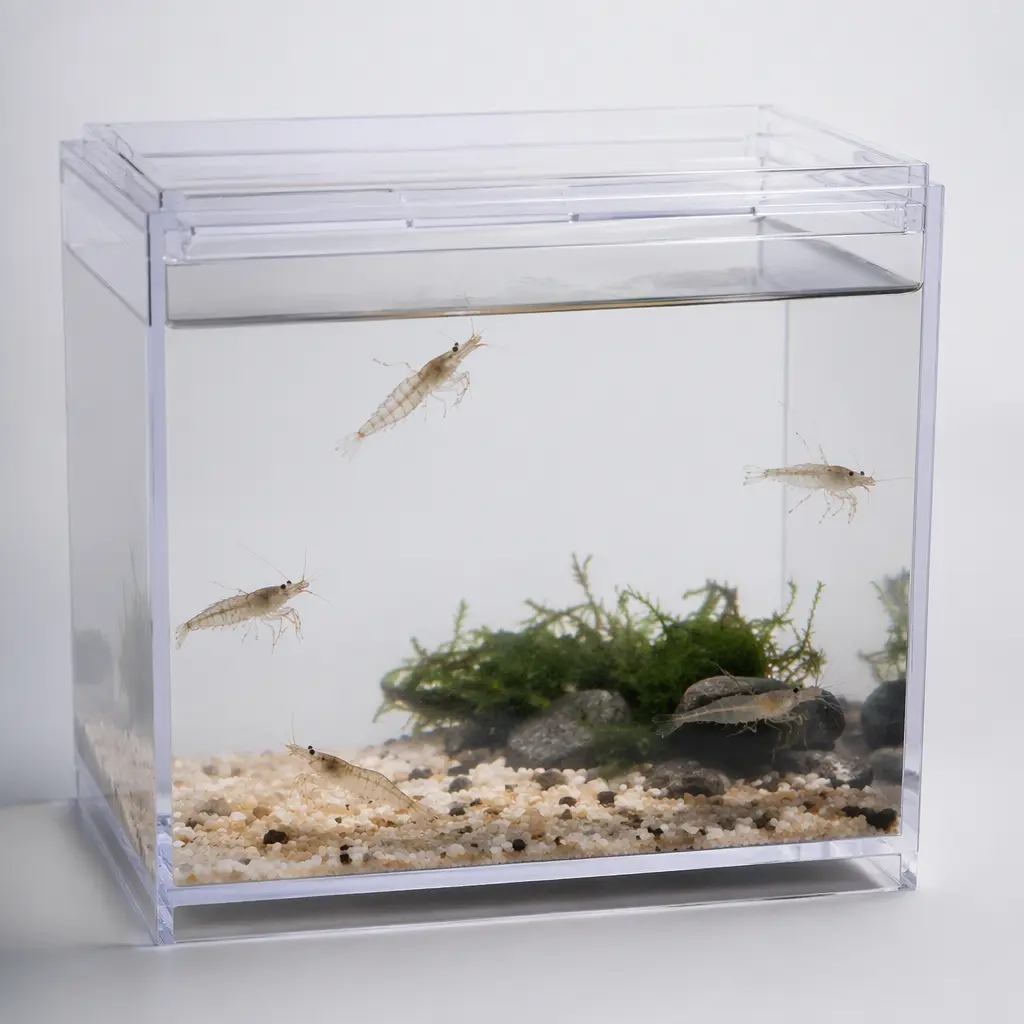
Few toys have promised so much from so little as Sea‑Monkeys. Sold as a handful of packets and a plastic tank, they offered children the thrill of creating life at home. Watch closely, the ads implied, and you might see a tiny underwater civilisation spring into being.
Where it came from
Sea‑Monkeys first appeared in 1957, created by American inventor and marketer Harold von Braunhut. The core idea was not new: brine shrimp eggs can survive for long periods in a dried, dormant state. Add water, and they hatch. Von Braunhut’s insight was to package that biological quirk as a mail‑order marvel.
Early ads ran in comic books and magazines, promising exotic aquatic pets that could be raised at home with almost no effort. The reality was humbler than the illustrations, but the underlying science was real. Children were, often unknowingly, running a tiny biology experiment on their bedroom shelves.
Why it works
At heart, Sea‑Monkeys succeed because they make an invisible process visible. Life appears where there was none, within days. That sense of transformation is powerful, especially for young children encountering basic biology for the first time.
The design is intentionally simple. A clear tank, pre‑measured packets, and straightforward instructions remove barriers to success. There’s just enough uncertainty to feel magical, but enough structure to usually work.
- Dormant eggs that hatch when hydrated
- Clear containers that encourage observation
- Minimal setup with step‑by‑step pacing
- A feeding routine that creates responsibility
Who it’s for
Sea‑Monkeys are typically aimed at primary‑school children, often around ages 6 and up, with adult help for setup. They’re also popular with nostalgic adults who remember them from their own childhoods. For parents, they sit in a sweet spot: more engaging than a novelty, less demanding than a traditional pet.
Variants and what to look for today
Modern Sea‑Monkeys kits are broadly similar to the originals, with small changes in tank shape, included tools, and presentation. Some lean more heavily into the science angle, while others emphasise fantasy themes.
When choosing a kit today, look for clear instructions, a stable tank that won’t tip easily, and replacement food availability. Avoid generic kits with vague labelling or unclear care guidance; the biology is simple, but poor packaging can lead to disappointment.
Frequently asked questions
Are Sea‑Monkeys real animals?
Yes. They are a type of brine shrimp, a real aquatic crustacean used widely in science and aquaculture.
How long do they live?
With proper care, they can live for several months. Lifespan depends on water quality, feeding, and temperature.
Do they need special equipment?
No pumps or filters are required. The kits are designed to work without electricity, relying on low population density and careful feeding.
Sea‑Monkeys endure because they sit at the crossroads of curiosity and care. They don’t just entertain; they invite children to observe, wait, and learn. In a world of instant screens, that quiet magic still has a place.