Hexbug: How tiny robots turned curiosity into play
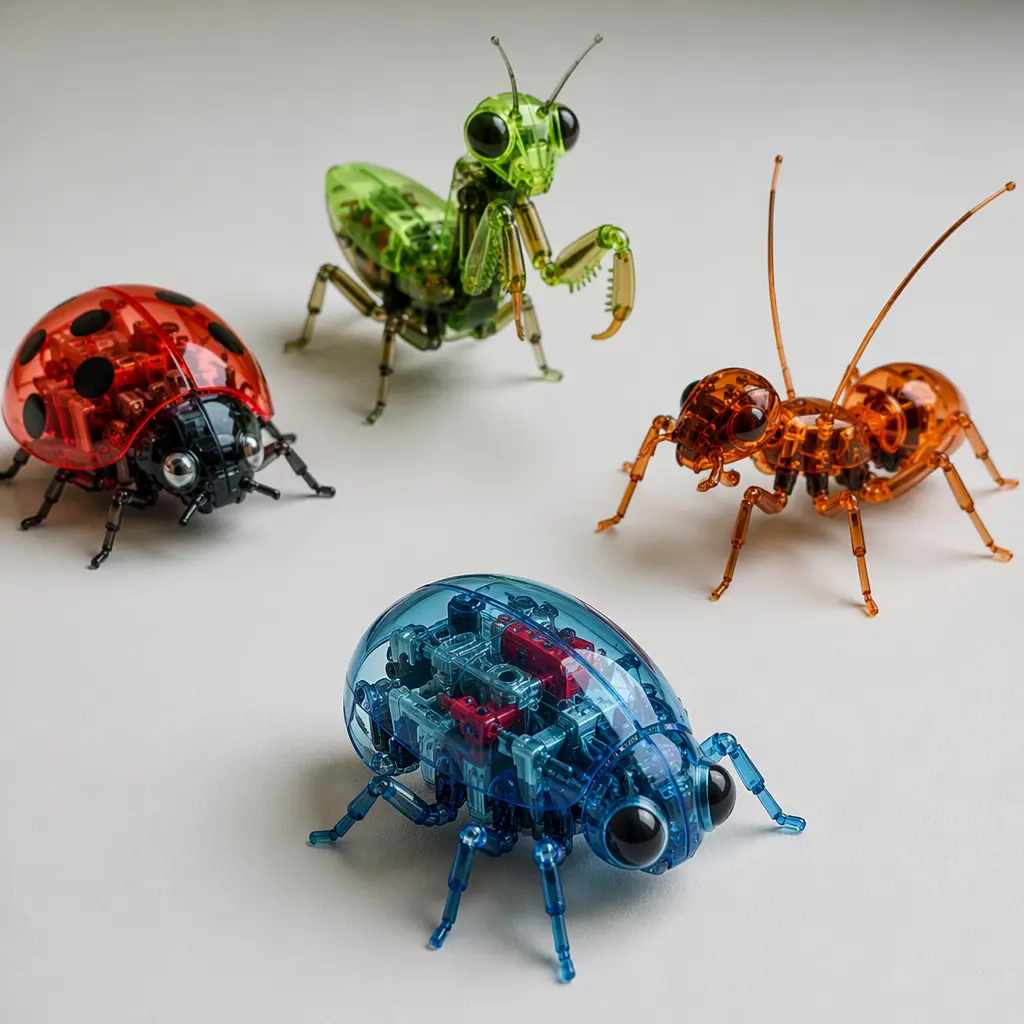
Since 2007, Hexbug has blended simple robotics with hands-on play. These palm-sized, self-propelled toys endure because they invite kids to build, test, and tinker—without screens.
Compare prices and availability
Check current prices and availability for this guide on eBay.
As an eBay Partner, we may be compensated if you make a purchase.
Hexbug toys look simple at first glance: tiny, battery-powered creatures that skitter, crawl, or zip across the floor. But that simplicity is exactly the point. Since their debut in the late 2000s, Hexbug has turned basic robotics into something kids can understand with their hands, not a screen. The brand sits at the intersection of toy and tool—playful enough to feel like a novelty, clever enough to spark real curiosity.
Where it came from
Hexbug launched in 2007 under Innovation First International, a company already known for educational and competitive robotics. The original idea wasn’t to make a character or a collectible; it was to shrink the basics of robotics—motors, vibration, sensors—into a form factor that felt approachable for kids. The earliest Hexbugs were insect-inspired, using vibration motors and angled legs to create lifelike, unpredictable movement.
At the time, robotics kits were often expensive and adult-led. Hexbug flipped that script. These toys worked straight out of the box, yet quietly demonstrated cause and effect. Put one on a flat surface and it moves. Add a wall and it changes direction. Drop it into a homemade maze and suddenly you’re experimenting. That balance helped Hexbug gain traction in toy aisles and classrooms alike.
Why it works
Hexbug’s staying power comes from how it rewards observation. The toys don’t need instructions to be interesting; kids learn by watching what happens next. Movement is slightly unpredictable, which keeps play from feeling scripted. Importantly, Hexbug toys invite kids to build around them—tracks, arenas, obstacles—turning passive motion into active problem-solving.
- Simple mechanics that visibly translate power into motion
- Compact size that encourages experimentation on tables or floors
- Durable plastic shells designed for repeated crashes and rerouting
- Expandable ecosystems, from standalone bots to buildable environments
Over time, Hexbug expanded beyond vibration-based bugs into wheeled robots, remote-controlled models, and construction systems. Even so, the core idea remains the same: make robotics feel intuitive. You don’t program a Hexbug so much as you react to it, learning through trial, error, and adjustment.
Who it’s for
Hexbug is generally aimed at primary-school-aged kids, often around ages five and up, depending on the set. Younger children enjoy the movement and cause-and-effect play, while older kids get more out of building tracks or competing in races. Adults tend to appreciate Hexbug as a gateway toy—something that introduces engineering concepts without feeling like homework.
Variants and what to look for today
Today’s Hexbug range is broader than ever. You’ll find classic crawling bots, faster wheeled robots, remote-controlled versions, and construction-style sets that lean into STEM learning. Some sets focus on open-ended building, while others emphasize competition through races or challenges.
When choosing a Hexbug toy now, think about space and play style. Small bots are great for spontaneous play, while track or arena sets need room to stay assembled. Battery access is another practical consideration—tools-free compartments make life easier. As with many popular toys, there are generic robotic lookalikes on the market; sticking with well-reviewed sets helps ensure consistent movement and sturdier materials.
Frequently asked questions
Are Hexbug toys educational?
They’re not lessons in a box, but they do encourage STEM thinking. Kids naturally explore concepts like motion, balance, and problem-solving as they build environments and watch how the robots respond.
Do Hexbugs need programming?
Most Hexbug toys are designed to work without coding. Some advanced sets introduce logic or construction elements, but the emphasis remains on hands-on experimentation rather than screens.
How durable are they?
Hexbug toys are built for bumps and falls, especially the smaller bots. Like any electronic toy, they’ll last longer with gentle handling and proper battery care.
Do kids outgrow Hexbug quickly?
Interest often evolves rather than disappears. Younger kids enjoy free movement, while older ones gravitate toward building more complex tracks or challenges.
Nearly two decades on, Hexbug remains a reminder that technology in toys doesn’t have to be flashy to be meaningful. By keeping robotics small, visible, and playful, Hexbug continues to invite kids to ask a simple question—and then chase the answer across the floor.