Sock Monkey: How a DIY plush became a comfort icon
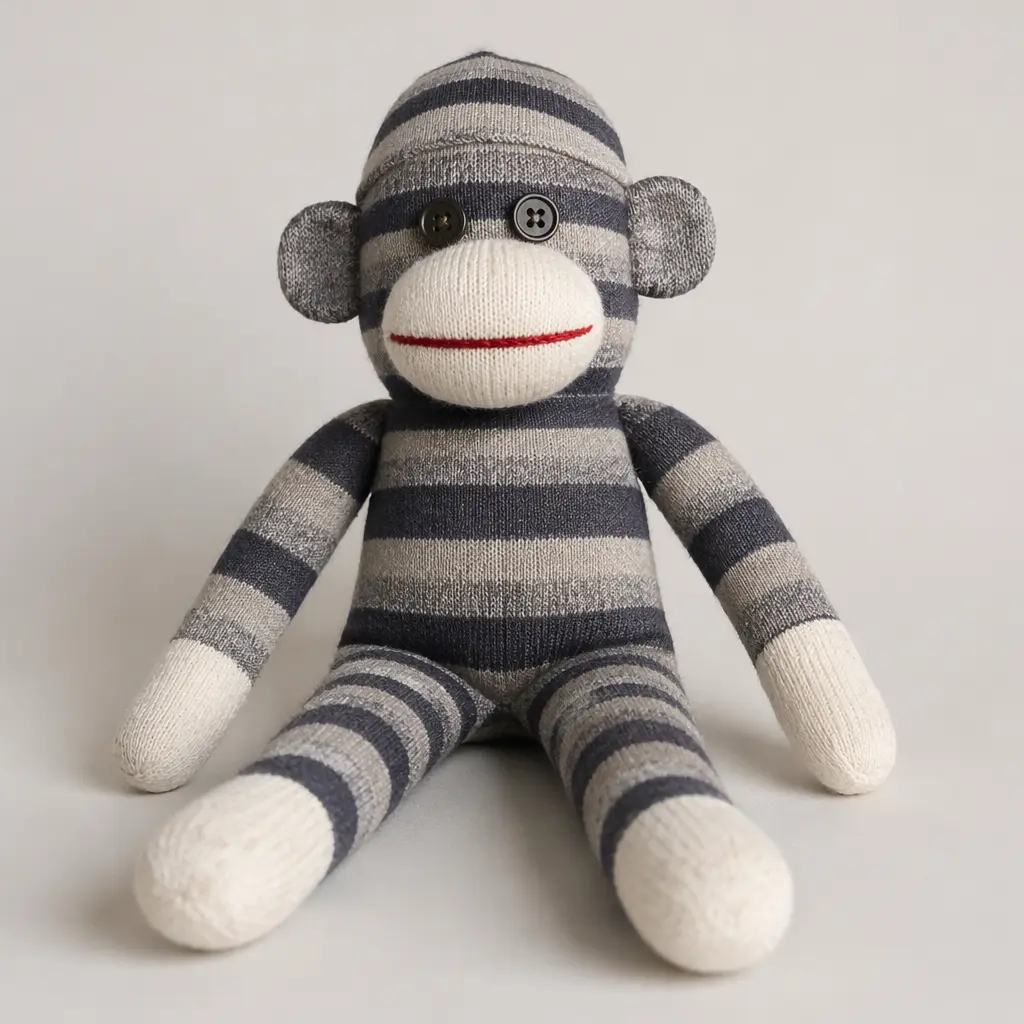
Born from thrift during the Great Depression, the sock monkey turned everyday work socks into a friendly plush that’s endured as a handmade symbol of comfort, creativity, and nostalgia.
Compare prices and availability
Check current prices and availability for this guide on eBay.
As an eBay Partner, we may be compensated if you make a purchase.
The sock monkey is one of those toys that feels less like a product and more like a story you can hold. Simple, a little wonky, and unmistakably friendly, it began as a homemade answer to hard times and grew into an enduring symbol of comfort. Long before factory plush toys filled shelves, families stitched these monkeys by hand, turning worn socks into something playful and reassuring.
Where it came from
The sock monkey’s roots are usually traced to the early 1930s, when the Great Depression forced families to make do with what they had. Work socks with red heels and toes were common household items, and a popular pattern circulated showing how to turn a single sock into a monkey with long arms, legs, and a tail. Around 1932, the idea appeared in company materials and newspapers, helping spread the design far beyond one household.
What began as a thrifty craft quickly took on a life of its own. Parents, grandparents, and older siblings made sock monkeys as gifts, often personalising them with different stitches, faces, or clothes. Because each one was handmade, no two were exactly alike, and that individuality became part of the charm. Over time, the sock monkey shifted from a necessity-driven project to a nostalgic keepsake.
Why it works
At its heart, the sock monkey works because it’s approachable. The design is simple enough to be comforting, yet expressive enough to feel like a character. Long limbs make it easy to hug, drape over a shoulder, or pose on a bed, while the soft fabric invites touch. There’s no mechanism to learn and no right way to play.
Key features that have helped the sock monkey endure include:
- Soft, flexible body that’s easy for small hands to hold
- Friendly, exaggerated proportions that read as playful rather than realistic
- Handmade look that feels personal and comforting
- Durable fabric that can handle years of affection
Who it's for
Sock monkeys have a wide appeal. For young children, they function as a classic plush companion—something to cuddle, carry, and include in imaginative play. For adults, they often tap into nostalgia, recalling handmade toys or gifts from relatives. They also appeal to crafters and collectors who appreciate their folk-art roots and the idea of toys made with care rather than complexity.
Variants and what to look for today
Today’s sock monkeys range from traditional, handmade-style versions to factory-produced plush toys inspired by the original look. You’ll find different sizes, colour schemes, and levels of detail, from very simple designs to more decorative interpretations. Some modern versions use softer fabrics or embroidered features to meet contemporary safety expectations.
When choosing one today, consider whether you want a classic feel or a modern plush. Look for sturdy stitching, securely attached features, and materials that feel soft but substantial. The charm of a sock monkey lies in its simplicity, so overly stiff or overly detailed versions can lose some of the original warmth.
Frequently asked questions
Are sock monkeys still handmade?
Many are now produced in factories, but handmade sock monkeys are still common through craft markets and small makers. Both types coexist, with handmade versions often prized for their individuality.
What age is a sock monkey suitable for?
With child-safe features, sock monkeys can be suitable from toddler age onward. Always check for secure stitching and avoid small parts for very young children.
Why are sock monkeys associated with nostalgia?
Because they originated as homemade toys, many people associate them with family members who made or gifted them. That personal history gives the toy emotional weight beyond its simple design.
Can you still make one at home?
Yes. Patterns and tutorials are widely available, and making a sock monkey remains a popular beginner sewing project that connects modern crafters with the toy’s origins.
Nearly a century after its rise, the sock monkey remains a reminder that toys don’t need batteries or screens to matter. Its endurance comes from warmth, familiarity, and the sense that someone took the time to make something just for you.