Tonka Trucks: How indestructible toys defined rough‑and‑tumble play
Born in 1947, Tonka Trucks became a symbol of real‑world play. Built tough for sandboxes and sidewalks, these metal workhorses showed generations of kids what durable, imaginative toys could be.
Compare prices and availability
Check current prices and availability for this guide on eBay.
As an eBay Partner, we may be compensated if you make a purchase.
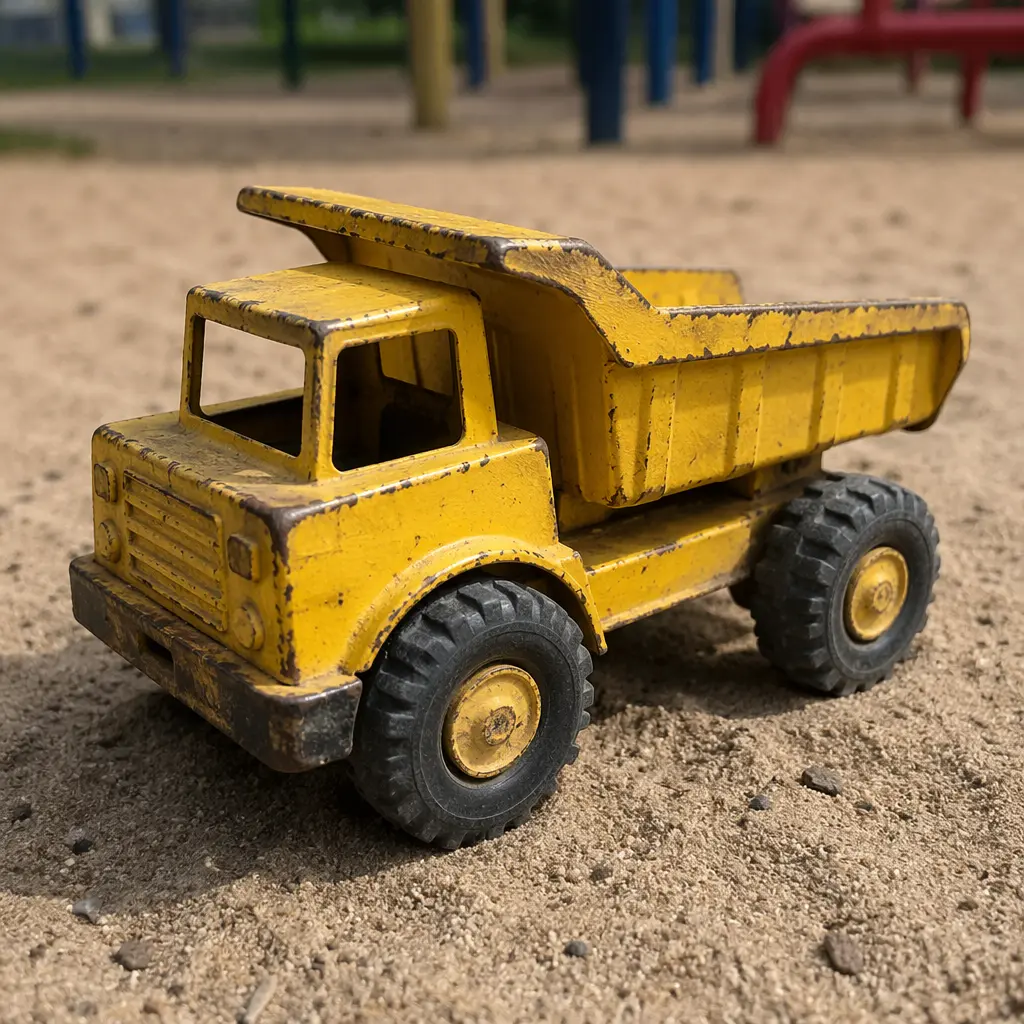
Few toys feel as confidently physical as a Tonka Truck. Heavy in the hands and unapologetically tough, these construction vehicles became a shorthand for real‑world, rough‑and‑tumble play. They weren’t precious toys kept on a shelf; they were meant for dirt piles, driveways, and whatever terrain a child could find. For decades, the name “Tonka” has been used as a compliment for durability, a rare achievement in the toy world.
Where it came from
Tonka Trucks trace their roots to 1947, when a small Minnesota company began making steel toys inspired by real construction equipment. The name “Tonka” itself comes from Lake Minnetonka, a nod to the brand’s Midwestern origins. At a time when many toys were made from thin tin or early plastics, Tonka went in the opposite direction, leaning into heavy‑gauge steel and simple mechanical parts.
The original idea was straightforward: scale‑down versions of dump trucks, bulldozers, and loaders that looked and behaved like the machines kids saw at building sites. Post‑war America was in a building boom, and construction equipment was a familiar, exciting sight. Tonka’s founders understood that children wanted toys that felt like the real thing, not cartoon versions of it.
Why it works
The enduring appeal of Tonka Trucks lies in their physical honesty. They are heavy, simple, and engineered to survive real use. There’s no complicated setup or prescribed storyline. A child can load, dump, push, crash, and repeat, discovering how things move and balance along the way.
- All‑metal bodies that add weight and realism
- Working parts like tilting beds and rolling wheels
- Bright, high‑visibility colours associated with real machinery
- A scale that works equally well indoors or outside
- Minimal decoration, leaving room for imagination
Because the play pattern is open‑ended, Tonka Trucks don’t age out quickly. The same dump truck can be a sandbox workhorse at age three and a prop in more elaborate construction scenarios years later. Parents also tend to notice that these toys survive hand‑me‑downs, a quality that has helped the brand endure.
Who it's for
Traditionally, Tonka Trucks have been aimed at preschool and early primary‑age children, especially those who enjoy active, outdoor play. Their weight and sturdiness make them satisfying for younger kids, while their realism keeps older children interested. There’s also a strong adult appeal: many parents and grandparents buy Tonka Trucks as nostalgic gifts, remembering the same toys from their own childhoods.
Variants and what to look for today
Over the years, the Tonka name has appeared on many different styles of construction vehicles, from classic dump trucks to cranes and loaders. Older, vintage pieces are often fully metal, while modern versions may mix metal bodies with plastic components. Both can offer satisfying play, but the overall feel can be quite different.
When shopping today, it’s worth paying attention to scale, materials, and wheel quality. Heavier models tend to behave better in sand and dirt, while cheaper look‑alikes may focus on bright colours without the same toughness. As with many iconic toys, the market includes generic construction trucks that look similar but don’t deliver the same long‑term durability.
Frequently asked questions
Are Tonka Trucks still made of metal?
Many modern Tonka‑branded trucks still include metal bodies, but they are often combined with plastic parts for wheels or details. The overall durability remains a focus, though vintage models are typically heavier.
What age are Tonka Trucks best for?
Most are suitable from around age three and up. The simplicity of the play makes them accessible to younger children, while their realism keeps older kids engaged.
Do they work well outdoors?
Yes. Sandboxes, gardens, and driveways are where these toys shine. Their weight and wheel design help them move through loose material better than lighter plastic trucks.
Why are vintage Tonka Trucks so collectible?
Collectors value the early all‑metal construction, simple engineering, and strong nostalgia factor. Many vintage trucks also show honest wear, which adds to their story rather than detracting from it.
In a toy landscape that often favours screens and quick novelty, Tonka Trucks stand out by doing very little—and doing it extremely well. Their success is a reminder that children don’t always need more features; sometimes they just need something solid enough to meet their imagination head‑on.