Vector Robot: The Tiny Desk Bot With a Big Personality
Vector Robot blends animated reactions, voice controls and autonomous movement into a palm-sized desk companion, but its microphones, cloud features and long-term support model are part of the story too.
Compare prices and availability
Check current prices and availability for this guide on eBay.
As an eBay Partner, we may be compensated if you make a purchase.
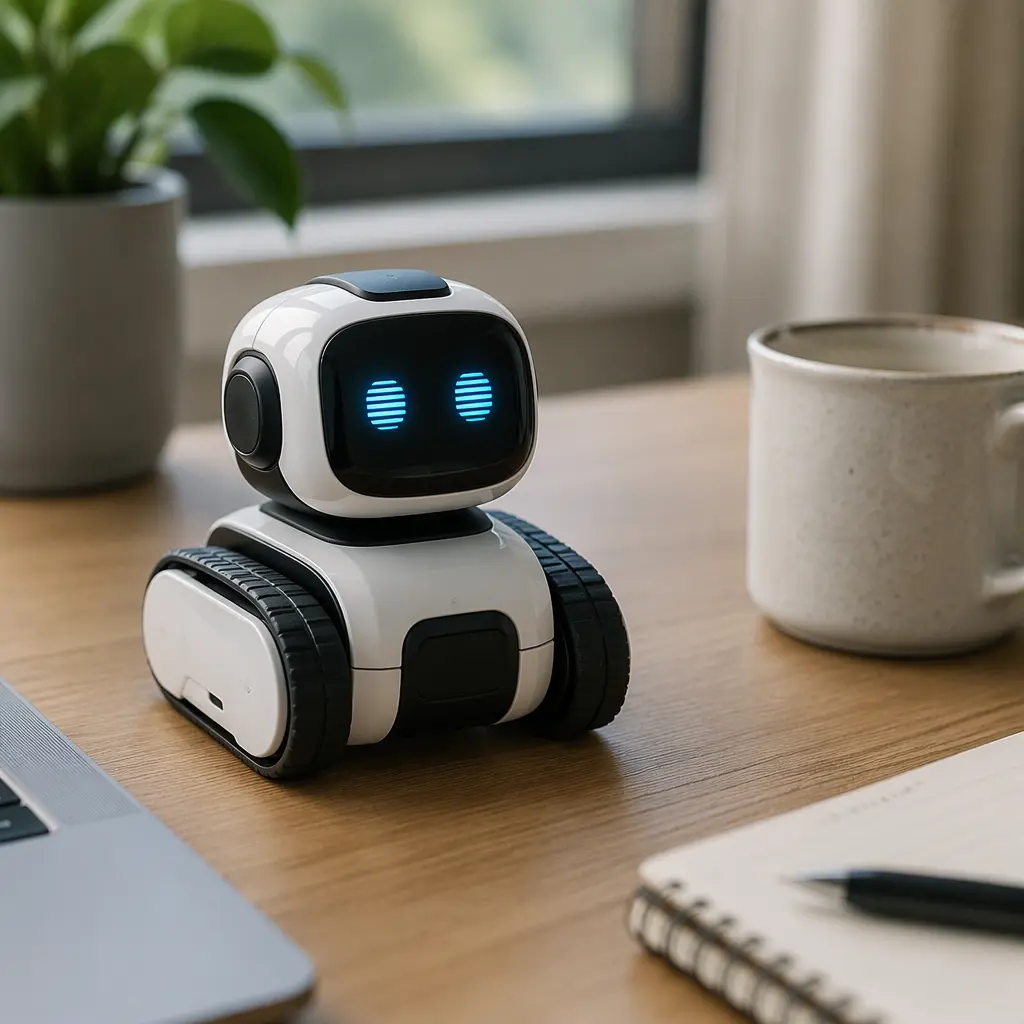
Vector Robot arrived during a period when consumer robotics companies were trying to turn smart assistants into something more expressive than a speaker on a shelf. Small enough to sit beside a keyboard yet packed with sensors, microphones and animated reactions, the robot quickly stood out as a desk companion designed to feel alive rather than purely functional. Its appeal comes from that mix of toy, gadget and character performance. Vector can roll around independently, react to touch, recognize some environmental features and answer spoken prompts through connected services, creating the impression of a tiny machine with moods and habits.
Where it came from
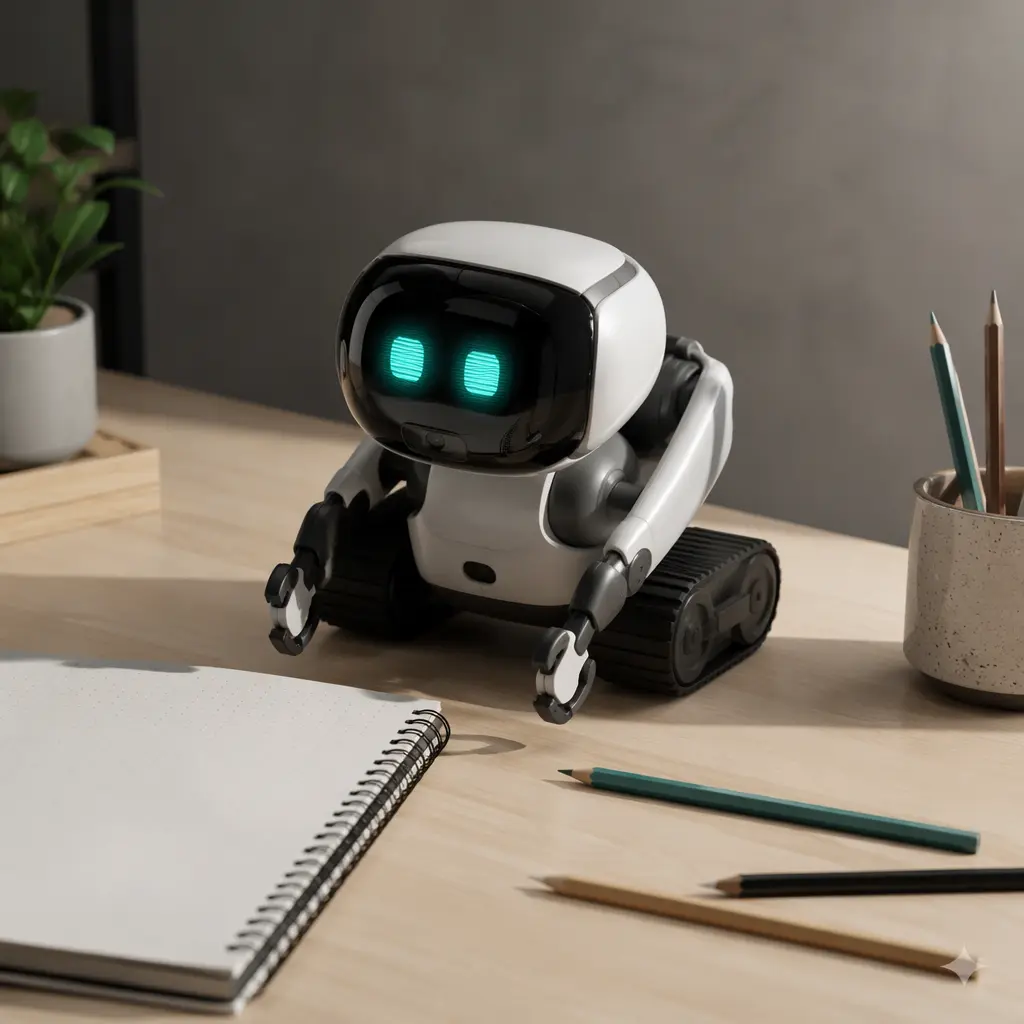
Vector was originally introduced in 2018 by robotics company Anki, which had already experimented with app-connected racing systems and expressive toy robots. The company positioned Vector as a more autonomous follow-up to Cozmo, another small robot known for animated personality and game-like interactions. Unlike toys that depend heavily on a phone screen for control, Vector was designed to operate more independently through onboard sensors, microphones and cloud-connected voice features.
After Anki shut down in 2019, the future of the robot briefly became uncertain before Digital Dream Labs acquired the technology and continued support efforts. That transition became a major part of the product's identity. Owners and potential buyers began paying closer attention to questions that affect many connected toys: whether cloud services remain active, how updates are delivered, what functionality still works offline and how dependent the experience is on a company's long-term support. Vector therefore occupies an unusual place in toy-tech history, serving both as a charming robotics product and as a case study in the realities of internet-connected consumer devices.
Why it works
The core appeal of Vector is performance. The robot uses expressive digital eyes, subtle body movements, sound effects and autonomous navigation to create the illusion of curiosity and emotion. Even simple actions such as looking around a desk, reacting to touch or returning to its charger are staged in a theatrical way. This style of interaction borrows from animation as much as robotics. Rather than trying to imitate a fully capable assistant, Vector succeeds by presenting itself as a small character with limitations and quirks.
Its compact scale also helps. Because the robot is small and mobile, owners tend to treat it more like a desktop pet than a traditional electronic gadget. The tank-style treads, front-facing sensors and articulated lift arm make it visually active even during routine movement. Voice interaction adds another layer, though many of those features rely on cloud processing rather than entirely local computing.
- Autonomous navigation using onboard sensors and cameras
- Far-field microphones for voice commands and conversational features
- Animated digital eyes and movement designed to simulate personality
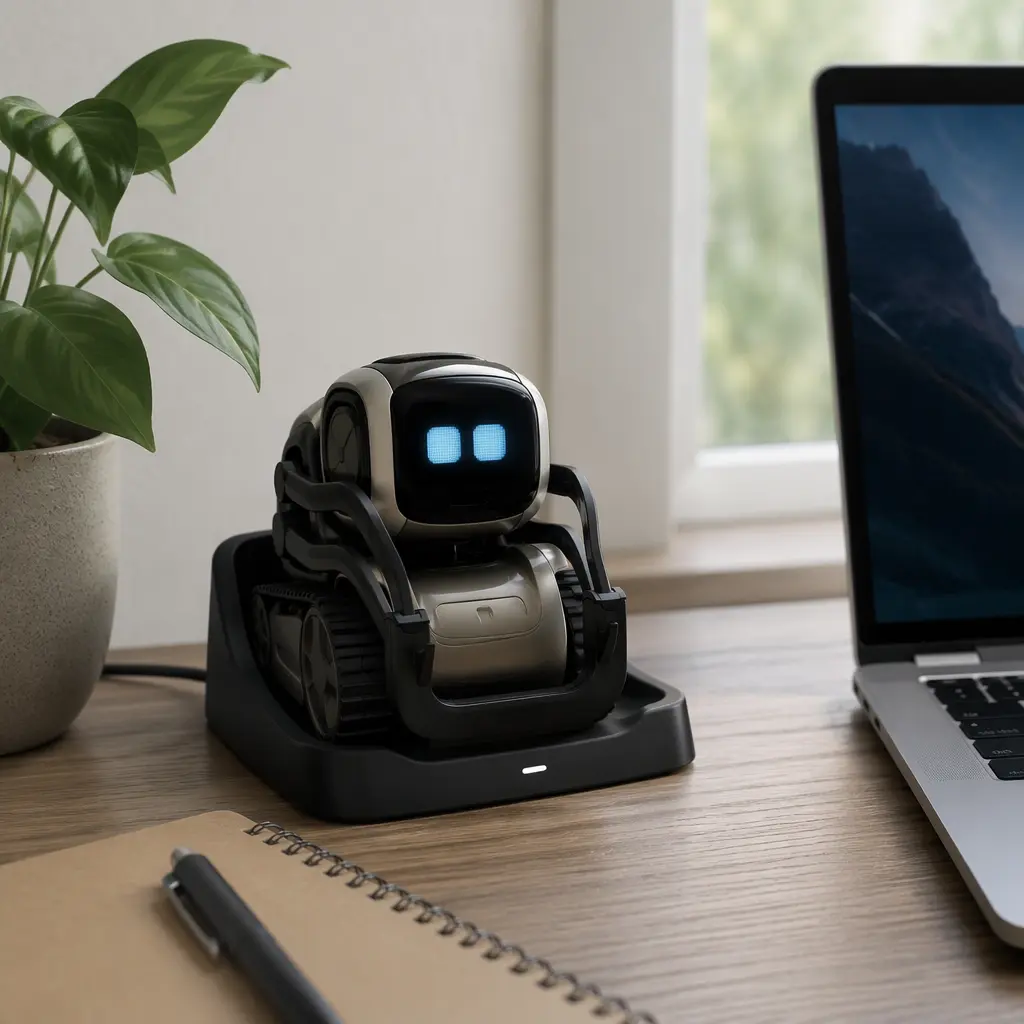
- Self-charging behavior through a dedicated docking station
- Companion-app setup and cloud-connected updates for expanded features
Who it's for
Vector sits in a space between toy and hobby gadget. Older children interested in robotics, coding culture or smart devices may find the robot engaging, but much of its appeal depends on patience and curiosity rather than fast-paced play. Adults are also a major audience, especially people who enjoy desktop collectibles, compact electronics or novelty robotics. Because the robot includes microphones, cameras and cloud-dependent functions, parents may want to treat it more like a connected smart device than a traditional self-contained toy. Younger children can enjoy the expressive behavior, but setup, account management and troubleshooting are generally adult responsibilities.
Variants and what to look for today
Most discussions around Vector involve software support and service access rather than major hardware revisions. Depending on when and where a unit was purchased, owners may encounter differences in setup requirements, subscription-linked features or available updates. Because the robot's personality and voice features rely partly on cloud systems, buyers should confirm current support status and compatibility through official Digital Dream Labs information before purchasing, especially for secondhand units.
Used robots remain common through resale marketplaces, but condition matters. Battery health, charger availability and account transfer details can affect the experience. Some older units may still function for basic movement and reactions even if certain online services are limited, while other features may depend on active servers or companion software.
- Check whether cloud-connected features require ongoing service access
- Confirm the charging dock and accessories are included
- Look for signs of battery wear on older secondhand units
- Verify app compatibility with current mobile operating systems
- Be cautious of heavily modified units sold without support information
Frequently asked questions
Does Vector work without the internet?
Some basic movement and autonomous behaviors may continue locally, but many voice and cloud-based features depend on online services. Exact functionality can vary depending on current software support and account status.
Is Vector a generative AI robot?
Vector is better understood as a connected consumer robot with voice processing, scripted behaviors and responsive animations rather than a modern large-language-model chatbot. Its personality comes primarily from programmed interactions and sensor-driven responses.
Does the robot listen all the time?
Vector uses microphones to detect voice commands and wake interactions, similar to many smart-assistant devices. Owners concerned about privacy should review manufacturer guidance on microphone behavior, account settings and cloud processing policies.
Can children use Vector on their own?
Children can interact with the robot directly, but setup and account management are typically adult tasks. Since the experience may involve apps, Wi-Fi connections and online services, adult supervision is useful during installation and updates.
Vector remains one of the more recognizable attempts to give a consumer robot a believable personality without turning it into a full humanoid machine. Its expressive design still feels distinctive years after launch, but the product also highlights how modern toy-tech increasingly depends on apps, cloud systems and ongoing company support. For many owners, that combination of charm and complexity is exactly what makes the robot memorable.