Yoto Mini 2024 Edition: Why families still pack this tiny audio player
The Yoto Mini 2024 Edition arrives as parents continue looking for lower-screen entertainment. Its compact card-based audio system, travel focus and app controls keep it prominent in the kids audio market.
Compare prices and availability
Check current prices and availability for this guide on eBay.
As an eBay Partner, we may be compensated if you make a purchase.
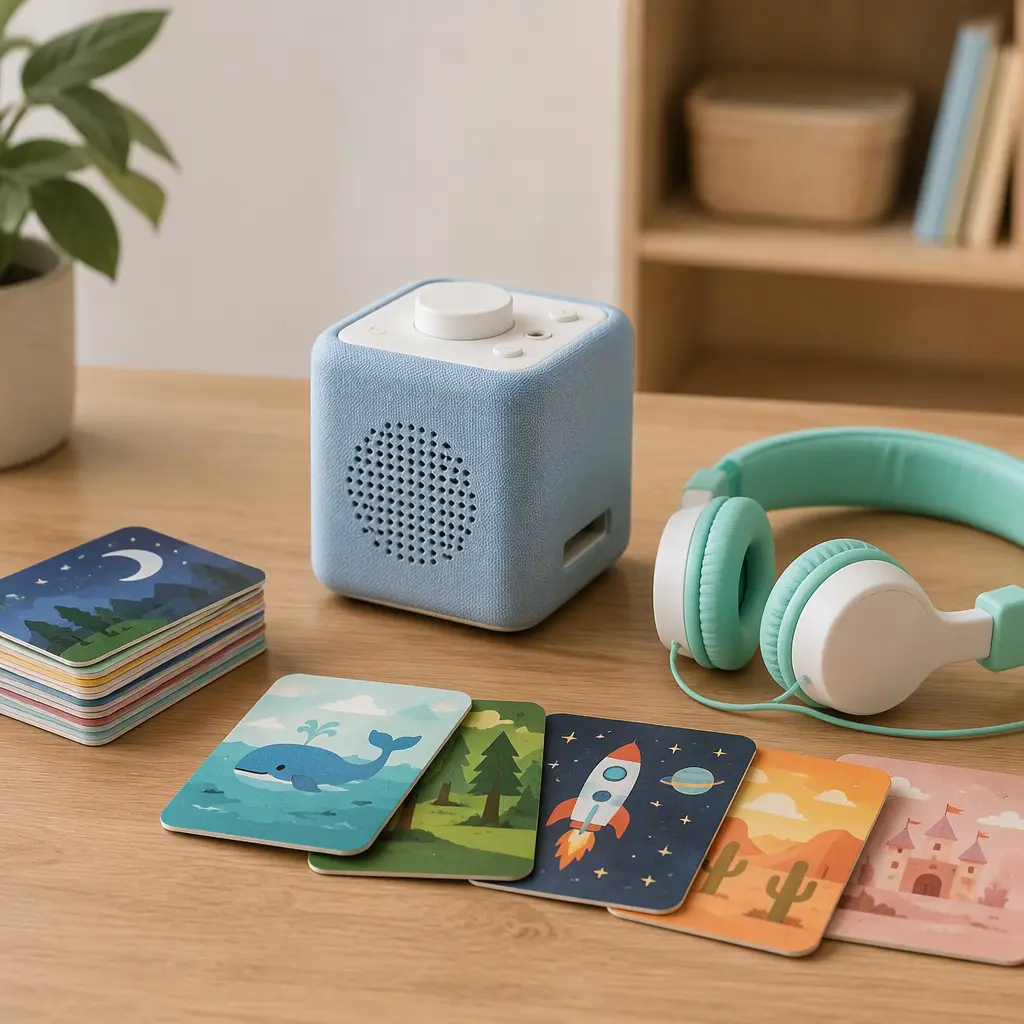
The Yoto Mini 2024 Edition sits in a growing category of kid-focused audio devices designed to pull attention away from tablets and phones without removing technology entirely. Smaller than the original Yoto Player and built around physical audio cards, the Mini has become especially visible with families who travel frequently, rely on audio for quiet time, or want children to control stories and music independently. Its popularity has also come during a period of scrutiny around connected children's products, including attention on battery safety and recalls affecting some earlier units. Even with that backdrop, the compact player remains one of the better-known names in the UK screen-light entertainment space.
Where it came from
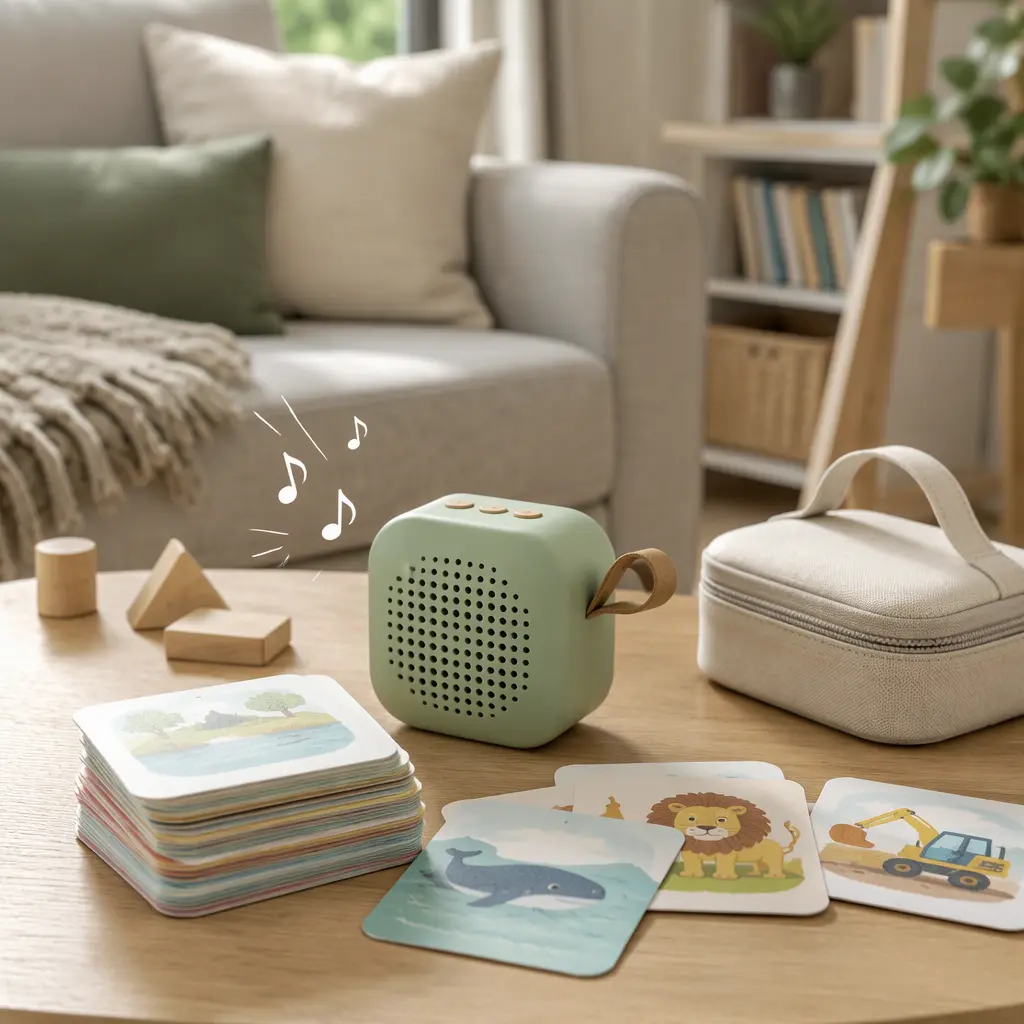
Yoto launched as a child-focused audio platform that combined simple hardware with curated audio content. Instead of relying on touchscreens, the system uses physical cards that trigger stories, music, radio stations and educational material when inserted into the player. The approach landed at a moment when many parents were actively looking for alternatives to video-heavy entertainment, especially for younger children who were becoming familiar with smartphones at earlier ages.
The Mini version arrived as a more portable companion to the larger home-oriented player. It leaned into travel use with a smaller frame, rechargeable battery and easier packing size. The 2024 edition continues that travel-first identity while appearing in a market that now includes several child audio ecosystems competing around durability, licensing and app integration. Public attention around lithium-ion battery safety and earlier recall activity involving some Yoto Mini units also shaped how families discuss the device today. Retailers and the manufacturer have continued providing guidance around identifying affected products and updating or replacing units where necessary.
Why it works
The strongest idea behind the Yoto Mini is that it turns digital audio into something children can physically manage. Inserting a card to start playback is easier for many younger users than navigating menus or voice assistants, and it gives parents a clearer sense of what content is being played. The device also avoids cameras and open web browsing, which makes it feel more contained than a multipurpose tablet. Audio itself remains the main attraction: stories, music, podcasts, ambient sounds and educational material can all fit into routines like bedtime, car journeys or independent play.
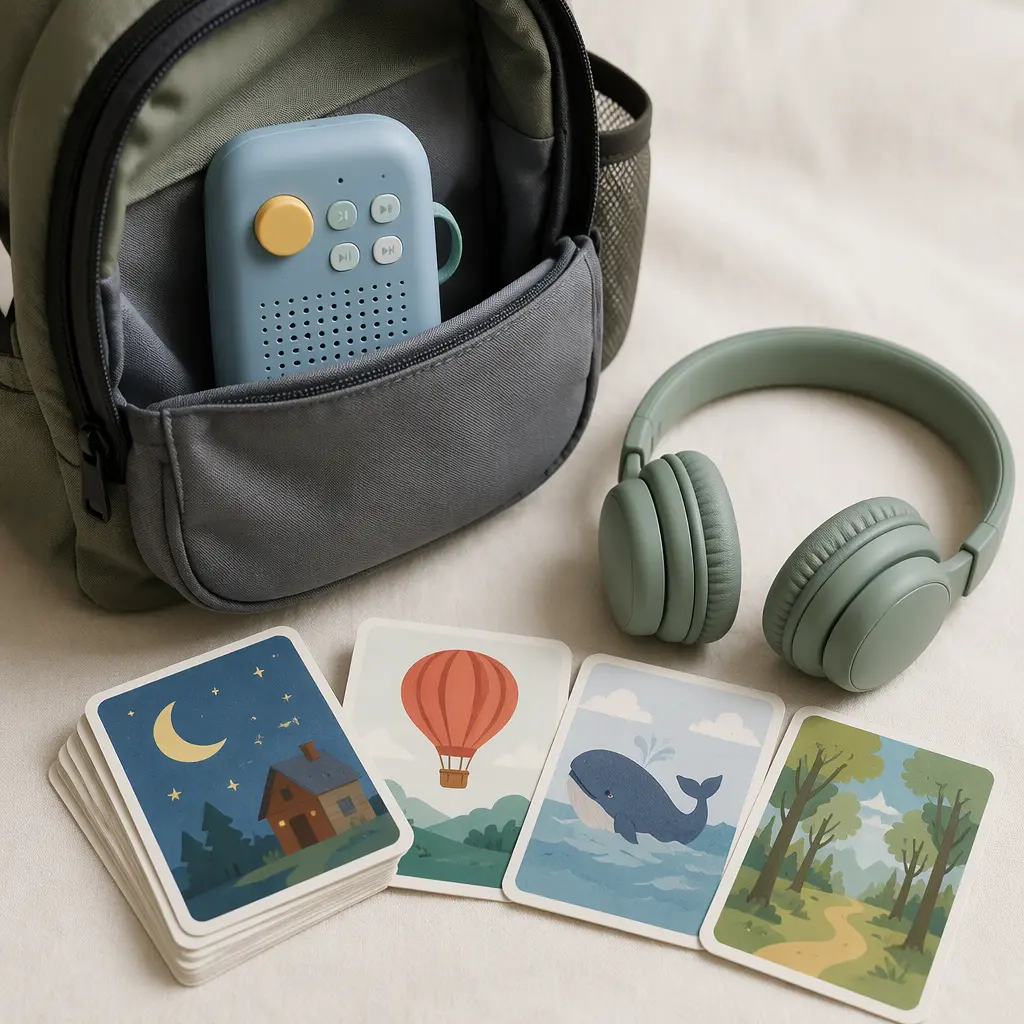
The Mini format changes the way the product fits into family life. It is easier to carry than larger audio boxes, can sit in a backpack or bedside area without taking much space, and supports headphone listening for shared environments. App connectivity adds another layer for adults, who can typically manage settings, content access and custom cards through a companion phone app. That connected element also means buyers should expect some dependence on software support, wireless setup and regional service availability.
- Compact travel-oriented design intended for portable listening
- Physical audio cards instead of touchscreen navigation
- Companion app support for setup and content management
- Headphone compatibility for quieter listening
- Mix of stories, music, radio and educational audio content
- Rechargeable battery designed for everyday portable use
Who it's for
The Yoto Mini is mainly aimed at children who are old enough to handle simple independent controls but may not be ready for unrestricted smart devices. Many families use it with early readers and primary-school-aged children, although audio stories can appeal to younger listeners during supervised use. Adults also use the platform for bedtime routines, long drives and quiet-time activities. The appeal for parents is often less about removing technology completely and more about narrowing the type of interaction: listening rather than scrolling. Because the system depends partly on cards, app support and wireless setup, adults still play an important role in managing content libraries and device settings.
Variants and what to look for today
The Yoto ecosystem now includes both the larger Yoto Player and the smaller Mini line, with differences mainly centered on portability, speaker size and bedside-style features. Buyers looking at the 2024 Mini should pay attention to retailer listings and manufacturer support information to confirm they are purchasing current stock and to understand any guidance related to earlier recalled units. Refurbished or second-hand devices may still appear in circulation, so checking serial information and battery guidance can be worthwhile.
Content selection matters as much as hardware. Some families build collections around story franchises, while others focus on educational audio, music or calming sleep sounds. The platform also supports custom audio cards in some regions, which adds flexibility but may require app familiarity and ongoing account access. Since the player relies on connected features for parts of the experience, buyers should also confirm compatibility with their phones, home wireless setup and regional app availability.
- Choose between the travel-focused Mini and larger home-oriented player
- Check manufacturer guidance regarding recalls and battery support
- Look for durable protective cases if the player will travel often
- Compare headphone and speaker listening needs before buying
- Be cautious with unofficial accessories or unclear second-hand listings
Frequently asked questions
Does the Yoto Mini need Wi-Fi all the time?
Not necessarily. Wireless setup and content management are important parts of the ecosystem, but downloaded audio can still be used away from home in many situations. Features tied to streaming, updates or account syncing may require internet access.
Is the Yoto Mini an AI toy?
The player is better described as a connected audio platform than a generative AI toy. Its main functions revolve around audio playback, app management and curated content rather than open-ended AI conversation.
What ages tend to use it most?
The strongest audience is generally younger school-age children and families seeking lower-screen entertainment. Simplicity is part of the appeal, although older children may still use it for audiobooks, music or sleep audio.
Can it replace a tablet on trips?
For some families it can reduce tablet use during journeys, especially for listening-focused activities. It does not provide video, gaming or web browsing, so expectations should match its audio-first design.
The Yoto Mini 2024 Edition reflects a broader shift in children's technology toward focused devices with narrower purposes. It is still a connected gadget with batteries, apps and platform dependence, but its continued popularity shows how many families remain interested in simpler forms of digital entertainment. The combination of portability, physical media and audio-led play has helped the Mini stay visible even as competition and scrutiny around children's tech products continue to grow.