Zoomer Interactive Pets: When Robot Dogs Ruled Playtime
In the mid-2010s, Zoomer robotic pets felt almost alive. This profile looks at how they captured kids’ imaginations, what made them work, and why they mattered.
Compare prices and availability
Check current prices and availability for this guide on eBay.
As an eBay Partner, we may be compensated if you make a purchase.
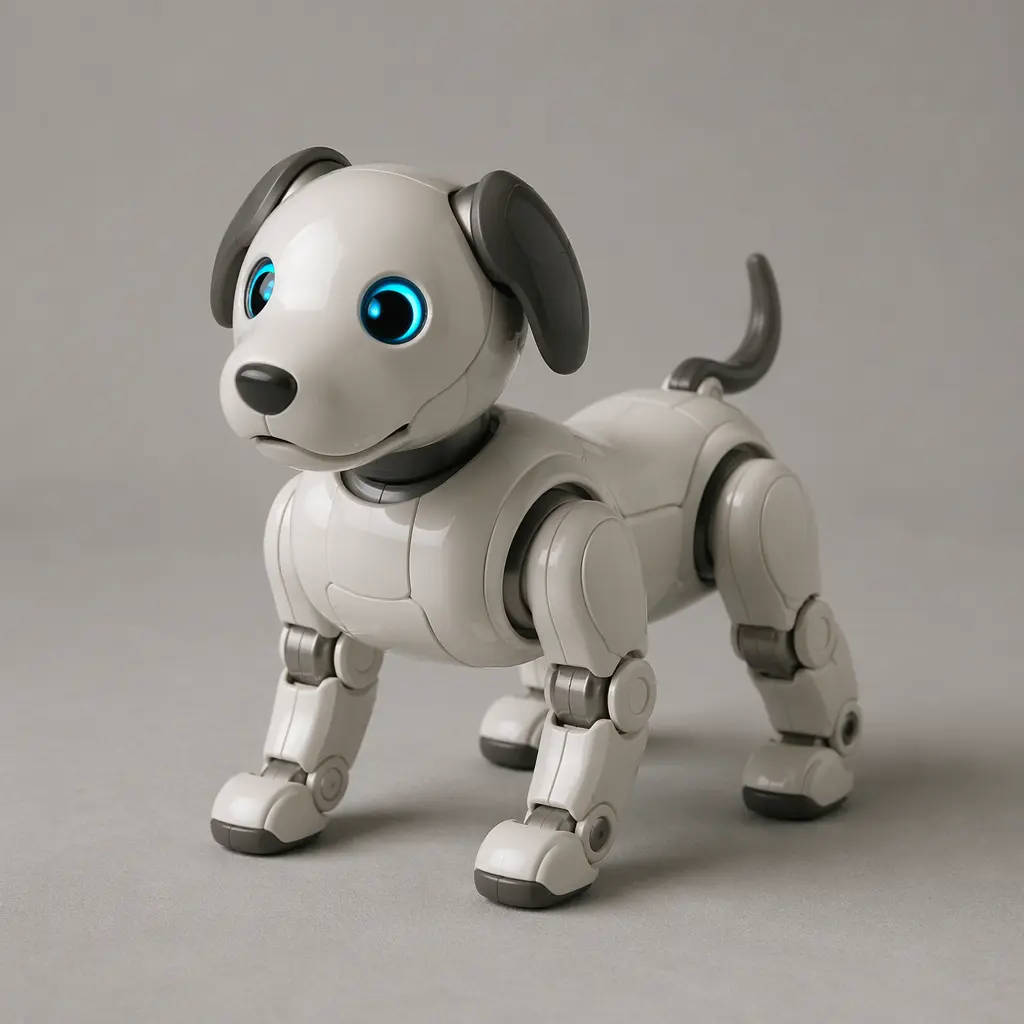
For a brief moment in the mid-2010s, robotic pets didn’t just supplement traditional toys — they competed with real animals in kids’ imaginations. Zoomer Interactive Pets, best known for their robot dogs, could bark, sit, chase, and respond to commands in ways that felt startlingly lifelike at the time. For families not ready for the mess, cost, or commitment of a real pet, Zoomer offered something that felt close enough to be thrilling.
Where it came from
Zoomer Interactive Pets launched around 2014, created by Spin Master, a company already known for blending technology with play. The idea wasn’t new — robot pets had existed for decades — but Zoomer arrived at a moment when sensors, small motors, and onboard processing had finally become affordable enough for mainstream toys.
The original Zoomer dog was marketed as a “pet that obeys,” responding to voice commands and hand gestures. It was designed to mimic everyday pet behaviors rather than perform scripted tricks. This focus on interaction over spectacle helped Zoomer stand out during a crowded era of app-connected and screen-heavy toys.
Why it works
Zoomer’s appeal came from feedback. The toy didn’t just do something when a button was pressed; it reacted. Sensors detected sound, motion, and touch, creating the impression of a personality. For children, especially those in early primary years, that responsiveness encouraged nurturing, role-play, and experimentation.
- Voice and sound recognition for basic commands
- Touch sensors that trigger different behaviors
- Motorized legs that allow real movement, not rolling
- Expressive lights and sounds that suggest moods
Importantly, Zoomer was imperfect in a way that felt familiar. It didn’t always listen, sometimes misread commands, and could behave unpredictably. Those small flaws mirrored real pet ownership and made the experience feel less like programming and more like play.
Who it’s for
Zoomer Interactive Pets were aimed primarily at children aged roughly 5 to 10, old enough to understand commands and patient enough to learn how the toy responds. They also appealed to parents looking for a pet-like experience without long-term responsibility. Even adults found them intriguing, especially as a glimpse of how far consumer robotics had come.
Variants and what to look for today
After the original robot dog, the Zoomer family expanded to include different animal types and personality themes. Some versions emphasized tricks and games, while others focused on emotional responses or caretaking. While many models are no longer in active production, they remain easy to find through second-hand marketplaces and leftover retail stock.
If you’re considering one today, look for a unit with a healthy battery and responsive sensors. Because these toys rely heavily on motors, wear and tear matters more than cosmetic condition. Generic robotic pets inspired by Zoomer are widely available, but they often lack the same level of responsiveness that made the originals memorable.
Frequently asked questions
Did Zoomer pets need an app?
Most Zoomer Interactive Pets were designed to work straight out of the box without a smartphone or tablet. Interaction happened through voice, gestures, and touch, which made them accessible to younger children.
Are Zoomer pets still made?
Some Zoomer-style interactive pets appear periodically, but the original models from the mid-2010s are no longer the focus of new releases. Availability today is mostly through remaining stock or resale.
How durable are robotic pets like Zoomer?
They’re reasonably sturdy for indoor play but not designed for rough handling. Falls, especially down stairs, and outdoor use can damage motors and sensors.
Do kids lose interest quickly?
Interest varies. Children who enjoy imaginative and nurturing play tend to stay engaged longer, while those looking for fast-paced action may move on sooner.
Zoomer Interactive Pets didn’t replace real animals, but they didn’t need to. For a few years, they captured something rare: the feeling that a toy was watching, listening, and responding. In doing so, they marked a turning point in how lifelike electronic toys could feel — and hinted at a future where play and robotics continue to blur.