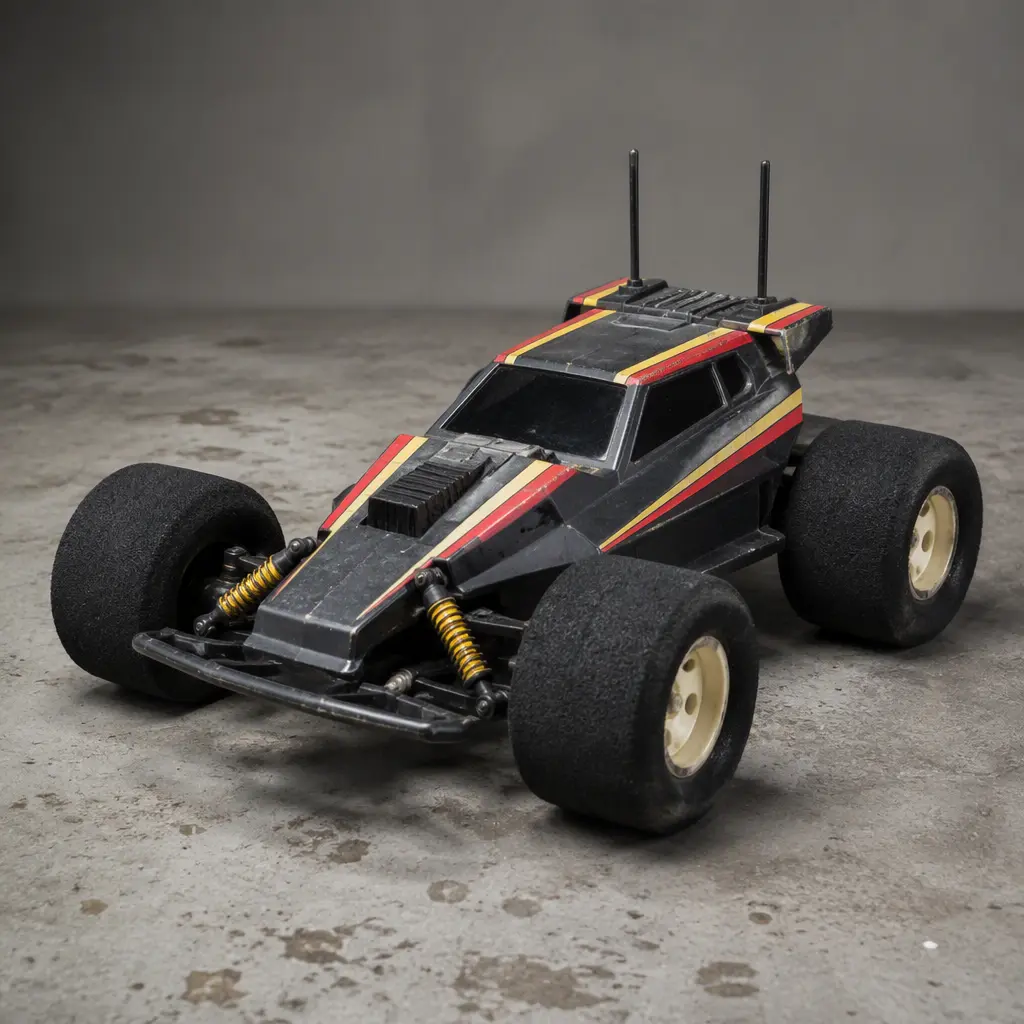
Classic · 1991
Tyco's Super Rebound made radio-controlled cars feel less fragile by treating flips, rollovers, and wall hits as part of the experience. Its oversized tires and reversible design helped define 1990s RC play.
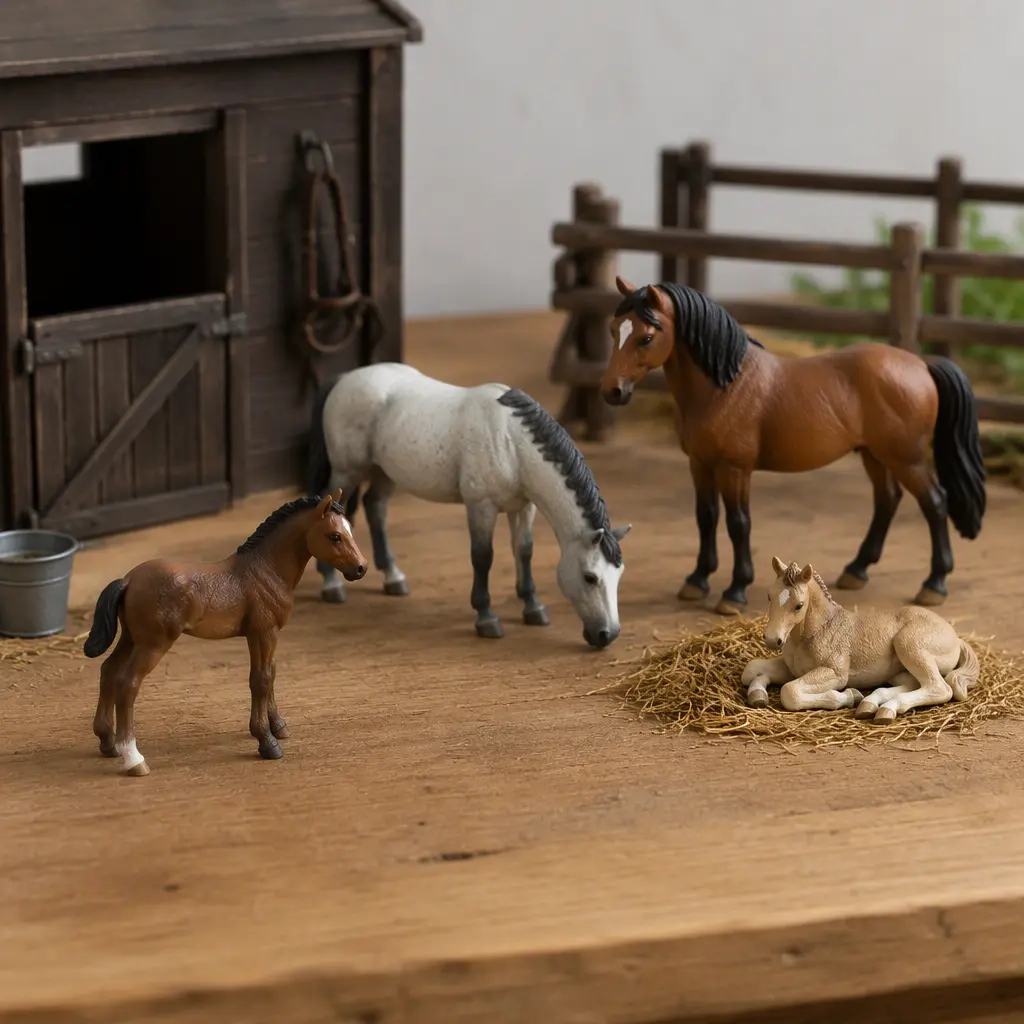
Classic · 1975
Breyer Stablemates turned detailed miniature horses into a lasting hobby for kids and collectors alike, blending pretend play, realism, and a thriving community since the 1970s.
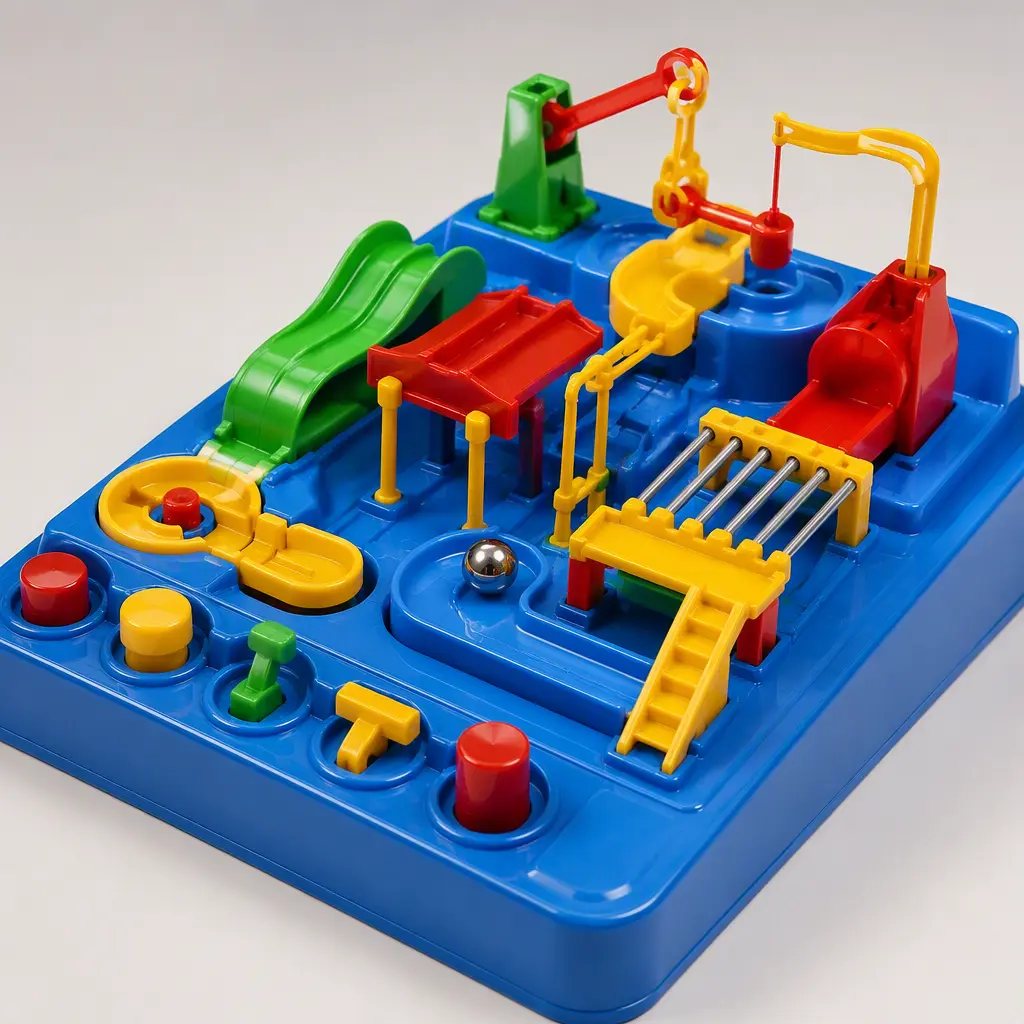
Classic · 1979
First released in 1979, Screwball Scramble turned a simple marble run into a tense tabletop challenge. Its chain of levers, bridges, and traps still tests patience, timing, and coordination today.
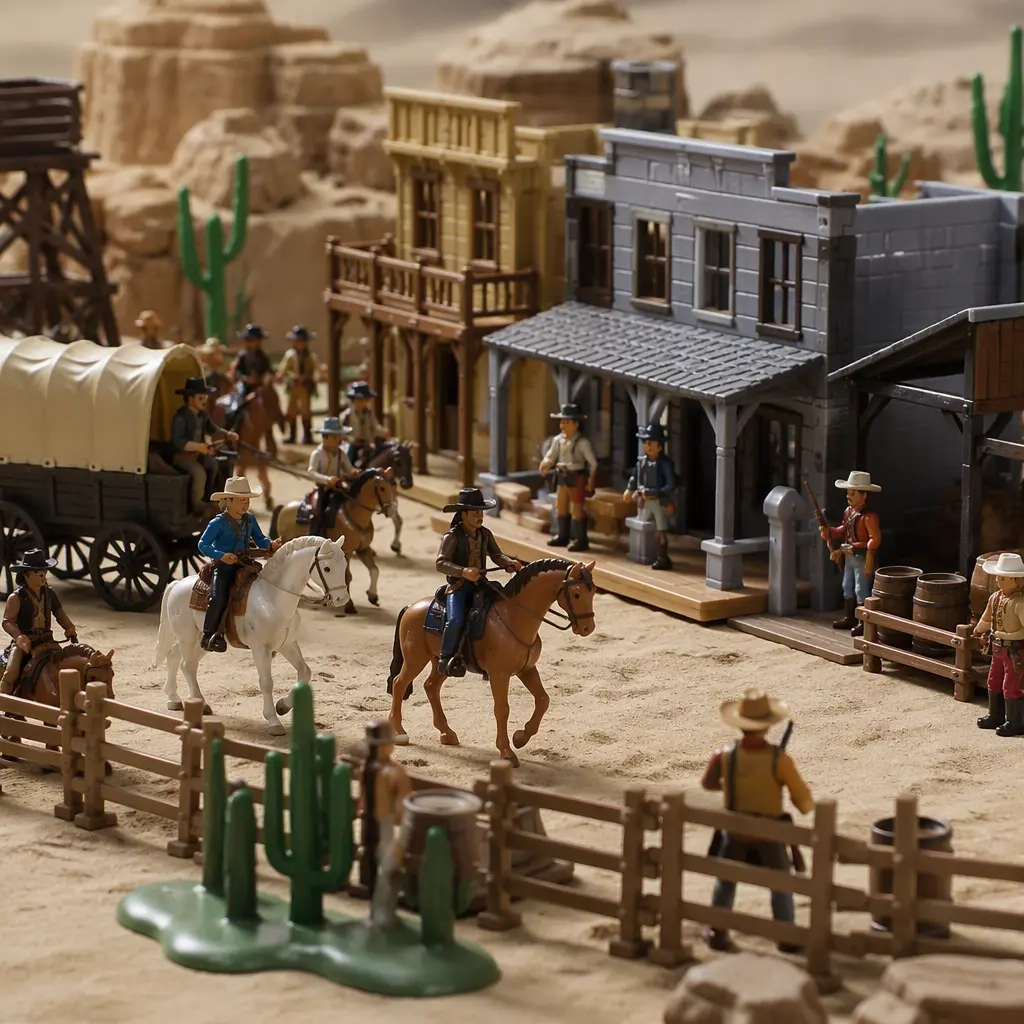
Classic · 1975
Playmobil Western turned frontier myths into calm, open-ended play. Decades after its 1970s debut, the line still stands out for durable figures, modular towns, and imaginative storytelling.
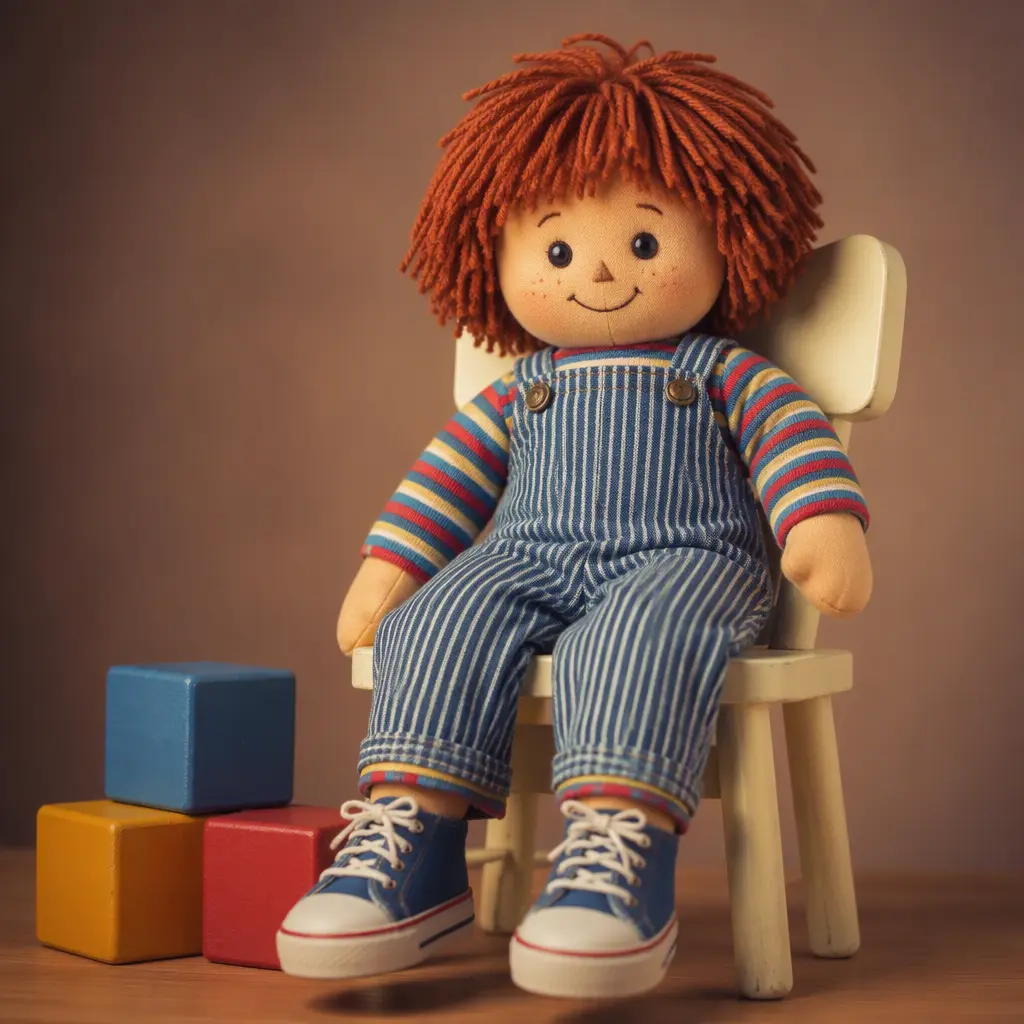
Classic · 1985
Launched in 1985, My Buddy turned the companion doll into a mainstream toy for boys, reflecting changing ideas about caregiving, friendship, and pretend play in the toy aisle.
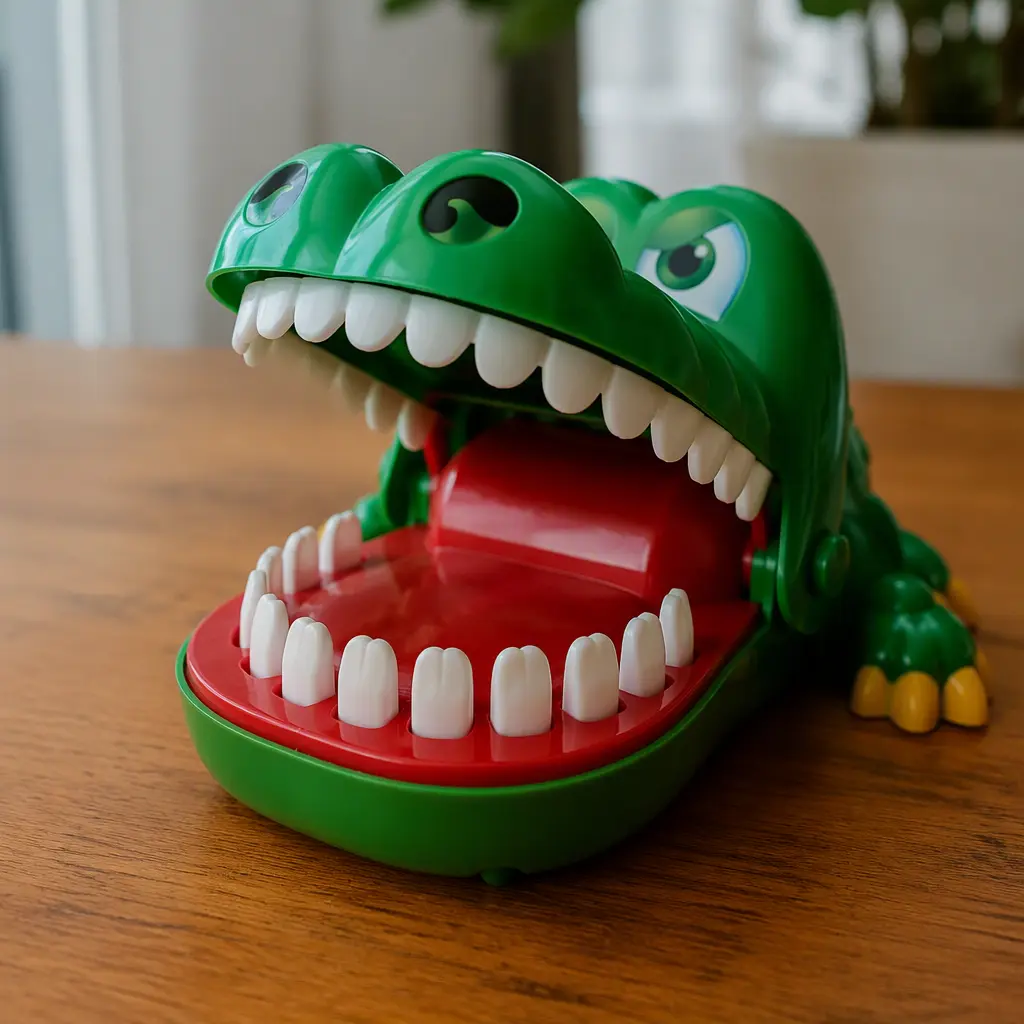
Classic · 1990
Crocodile Dentist turned a basic plastic crocodile into a fast, suspenseful family game. Its random snapping mechanic and easy rules helped it become a lasting party favorite.
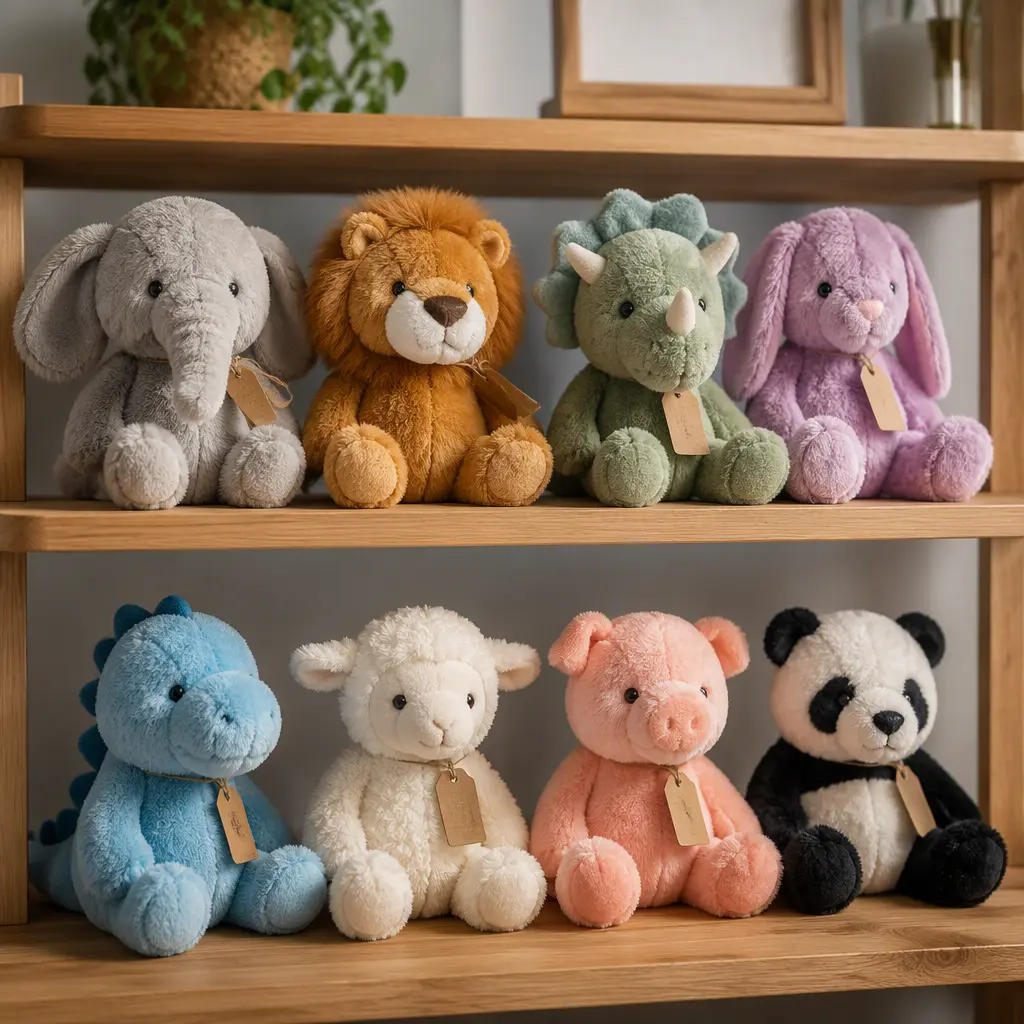
Classic · 1986
Ty plush toys turned small stuffed animals into playground collectibles through clever branding, retirements, and perceived scarcity that reshaped the toy market in the 1990s.
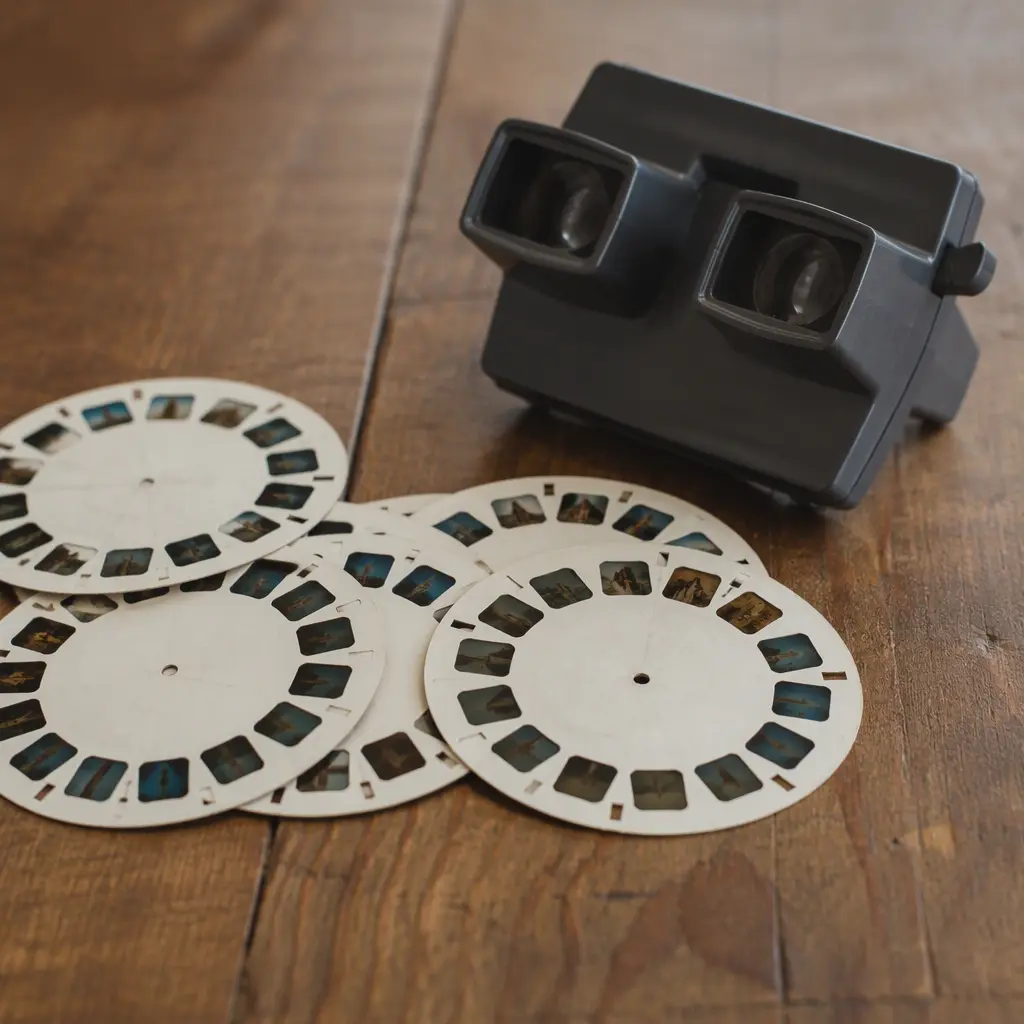
Classic · 1966
Long before digital slideshows, Viewfinder-style 3D reels turned small plastic discs into collectible windows to cartoons, travel scenes, and movie tie-ins that children revisited for years.
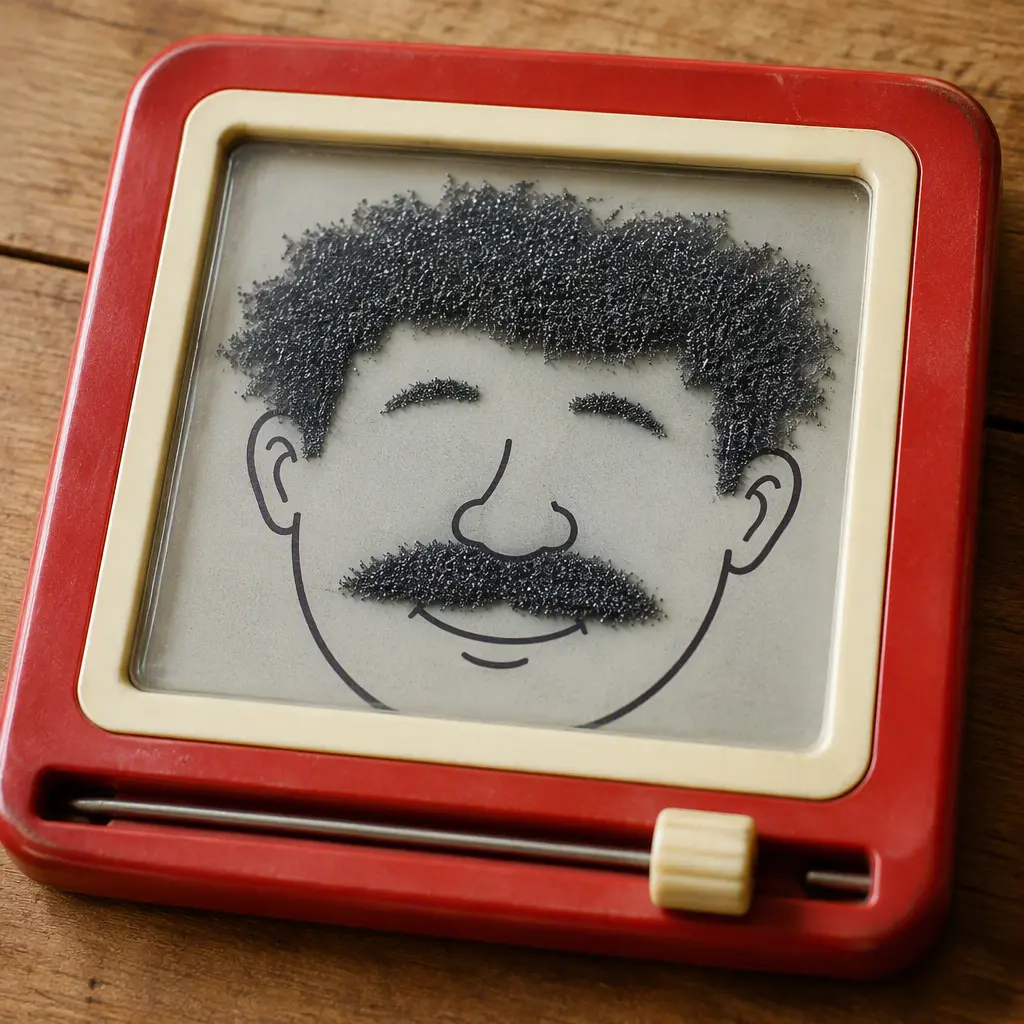
Classic · 1955
Wooly Willy turned loose iron filings into eyebrows, hair, and mustaches in 1955, and the simple magnetic drawing trick still has a strangely satisfying pull decades later.
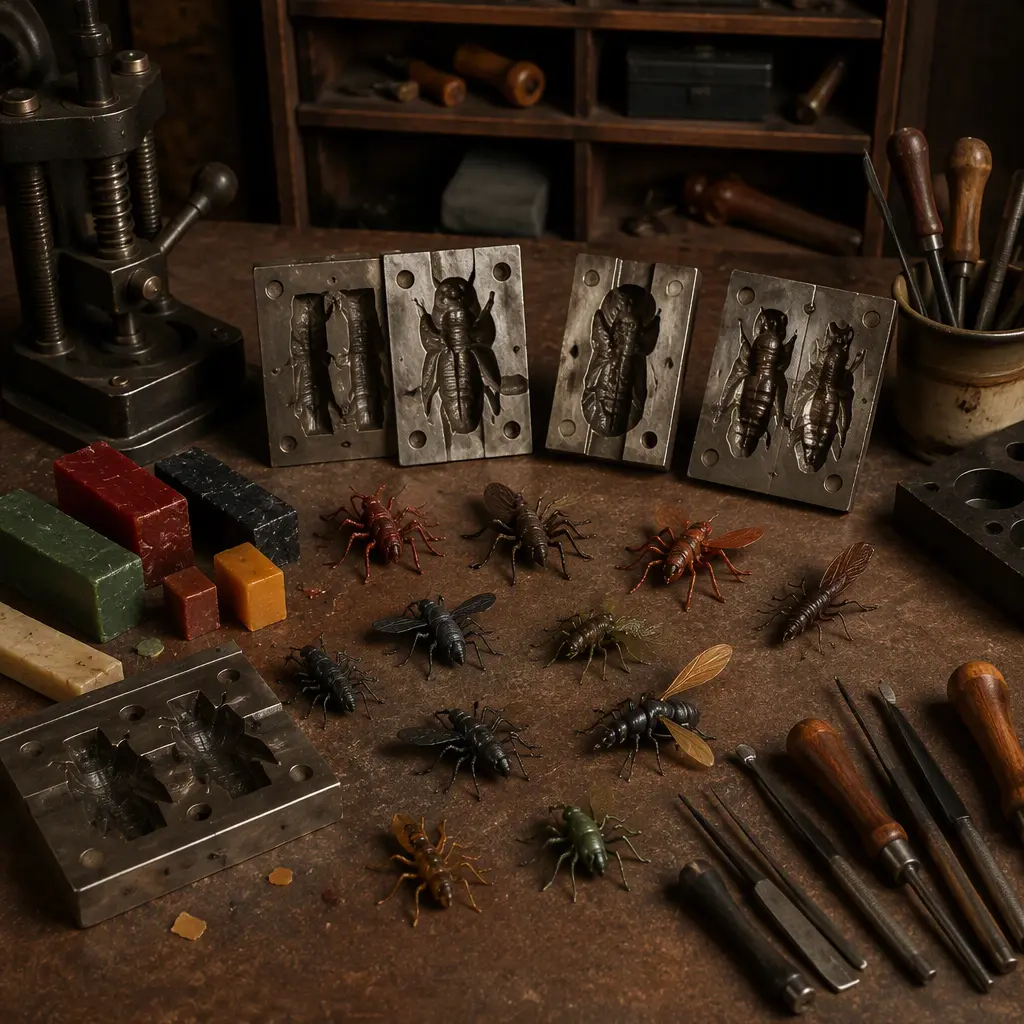
Classic · 1964
Mattel’s 1964 ThingMaker turned kitchen tables into miniature workshops, letting kids mold rubbery creatures with real heat. Its mix of creativity, chemistry, and risk still fascinates collectors.
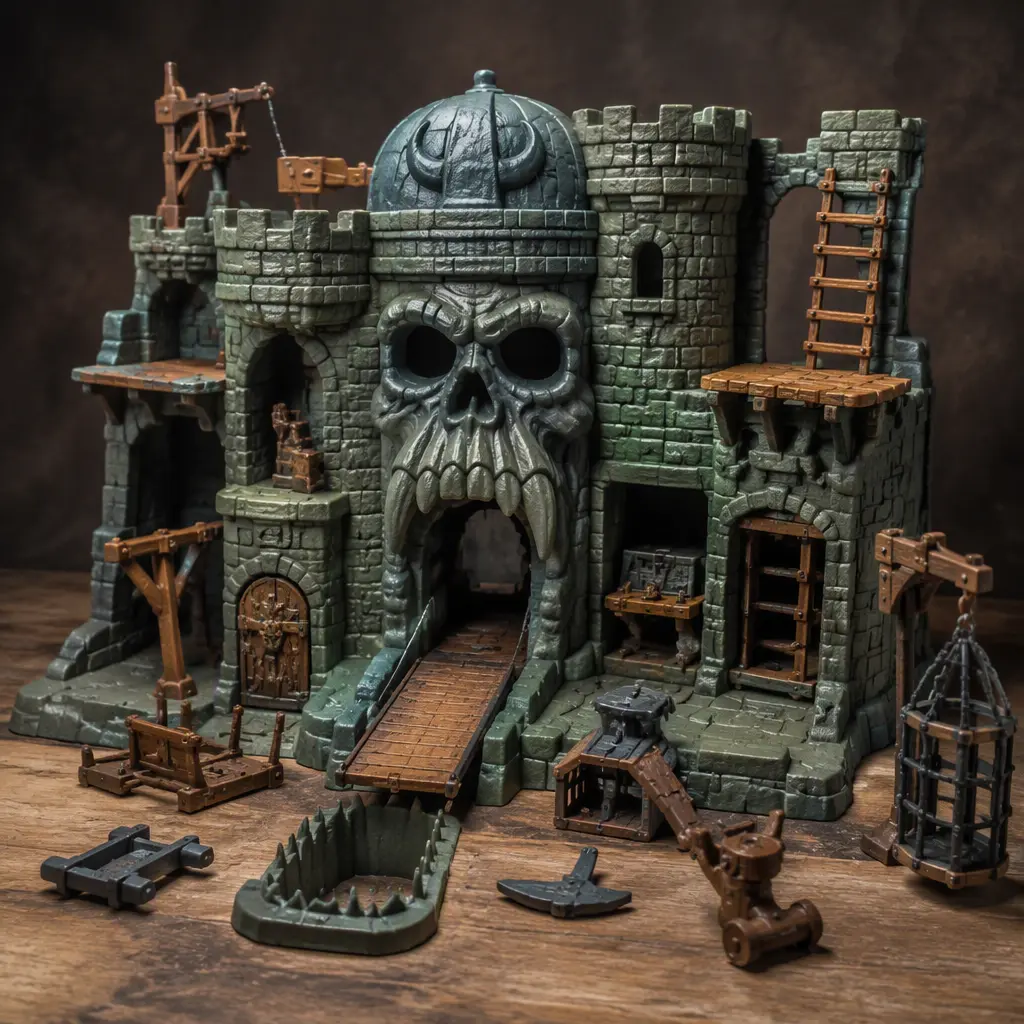
Classic · 1982
Castle Grayskull turned action figures into sprawling fantasy adventures with trap doors, secret chambers, and a design built for long-form storytelling in 1980s bedrooms.
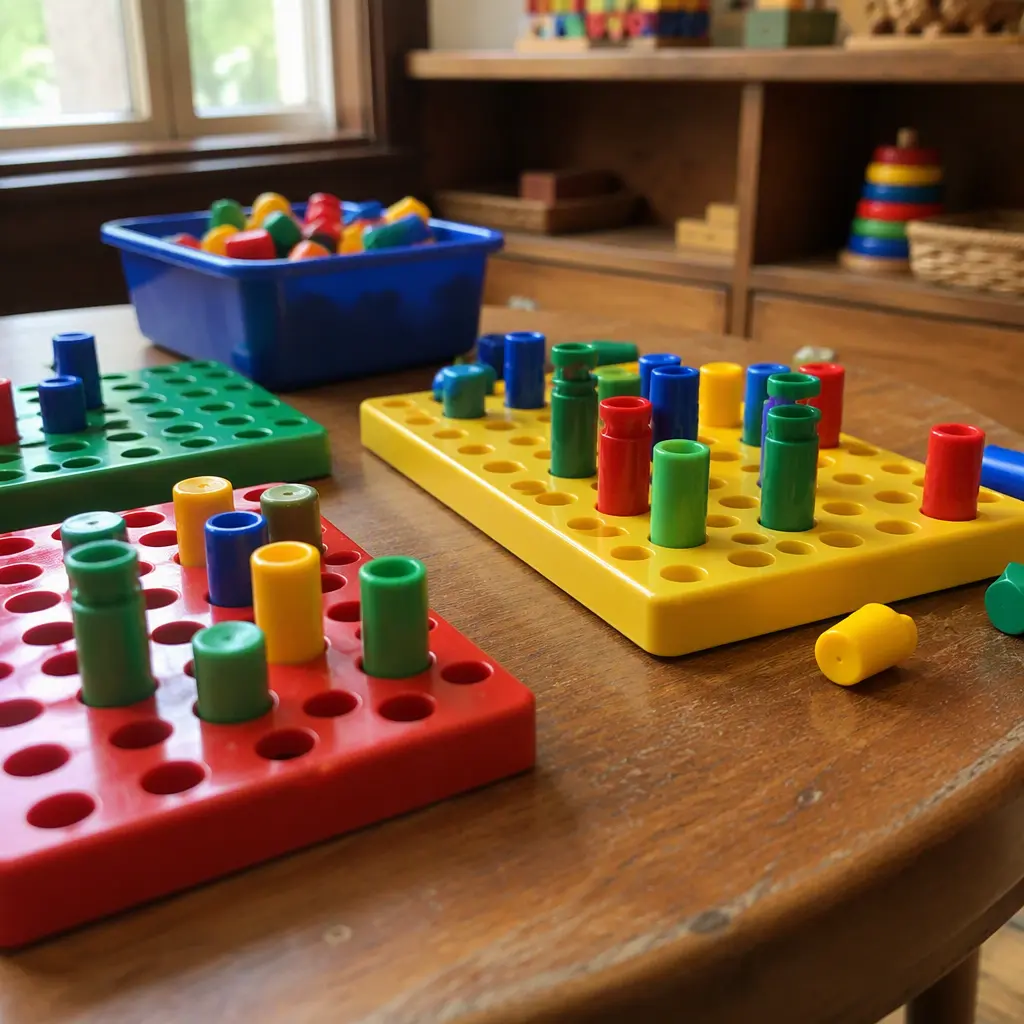
Classic · 1953
Lauri Pegboards turned a simple set of chunky pegs and sturdy boards into a lasting early-learning toy, helping generations of children build fine-motor skills through open-ended play.
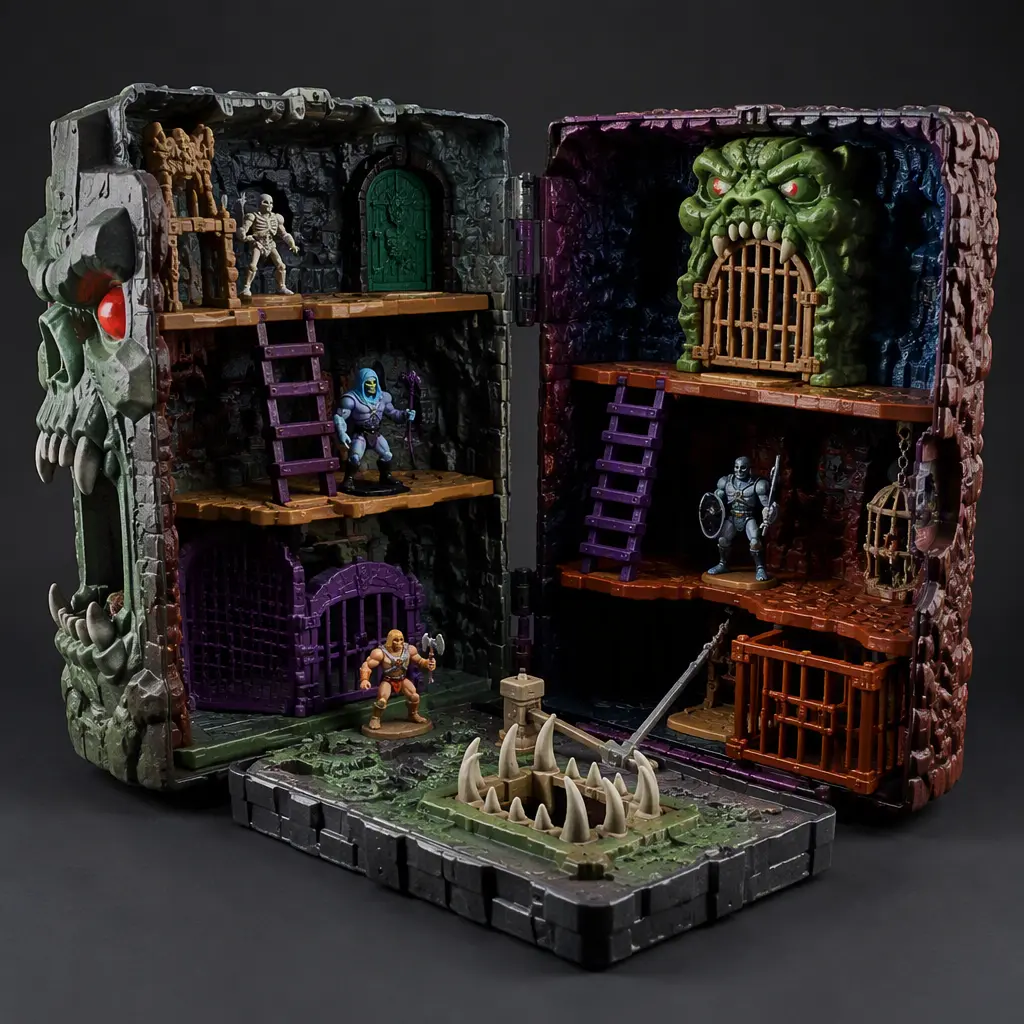
Classic · 1992
Mighty Max transformed compact toys into miniature adventure worlds in the early 1990s, blending monsters, traps, and fold-out environments into a collectible alternative to traditional dollhouse play.
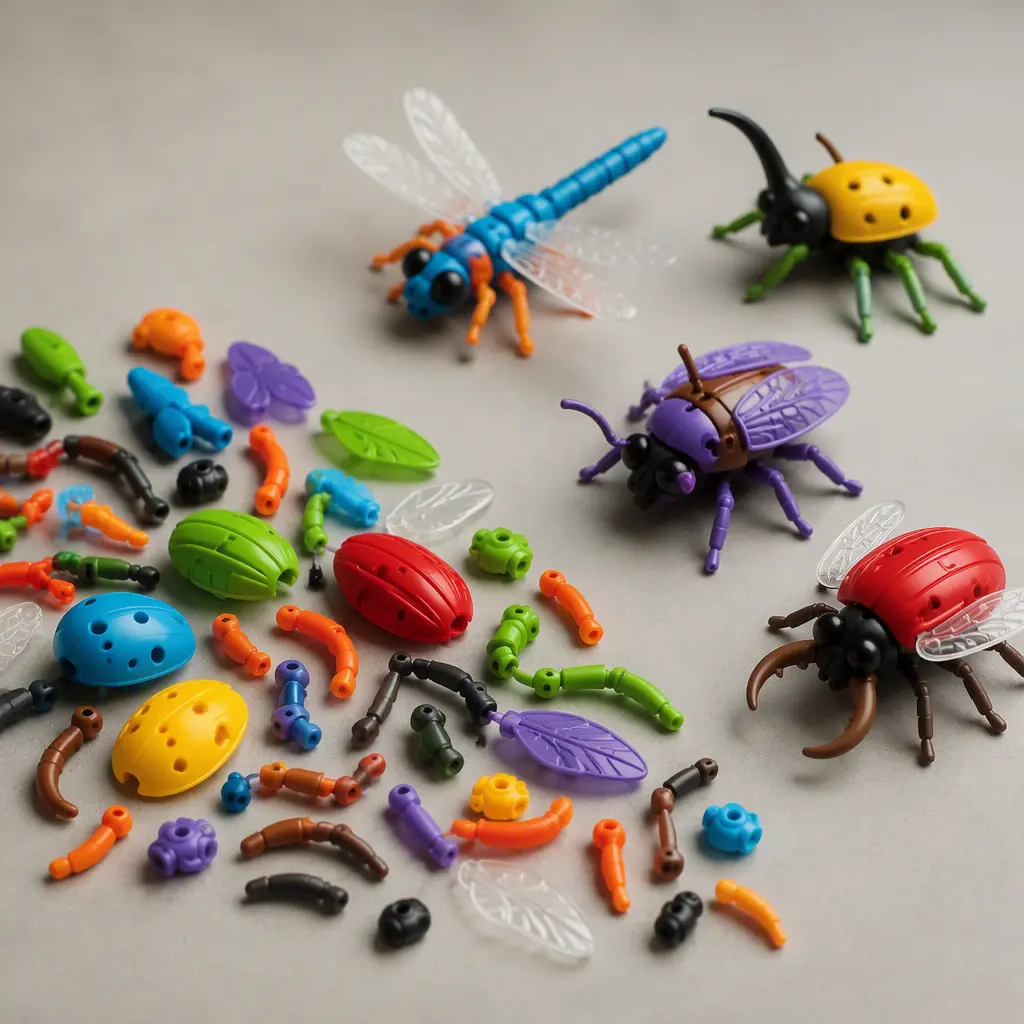
Classic · 1949
Cootie Bugs turned simple plastic bug parts into one of the earliest preschool board games. Its mix of luck, building, and silliness still makes it an easy first game for young kids.
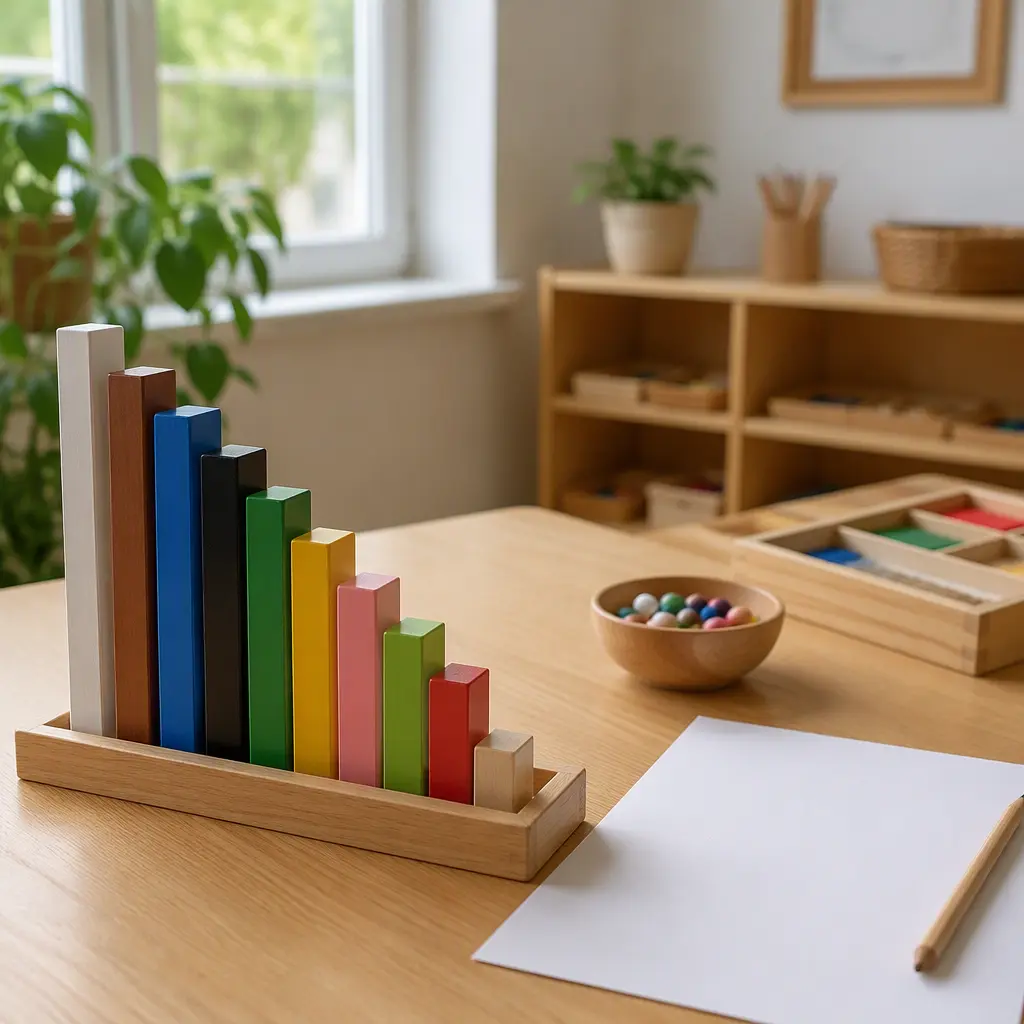
Classic · 1952
Invented in the early 1950s, Cuisenaire Rods turned arithmetic into a hands-on visual system. Their simple color-coded design still shapes classrooms, tutoring, and home learning today.
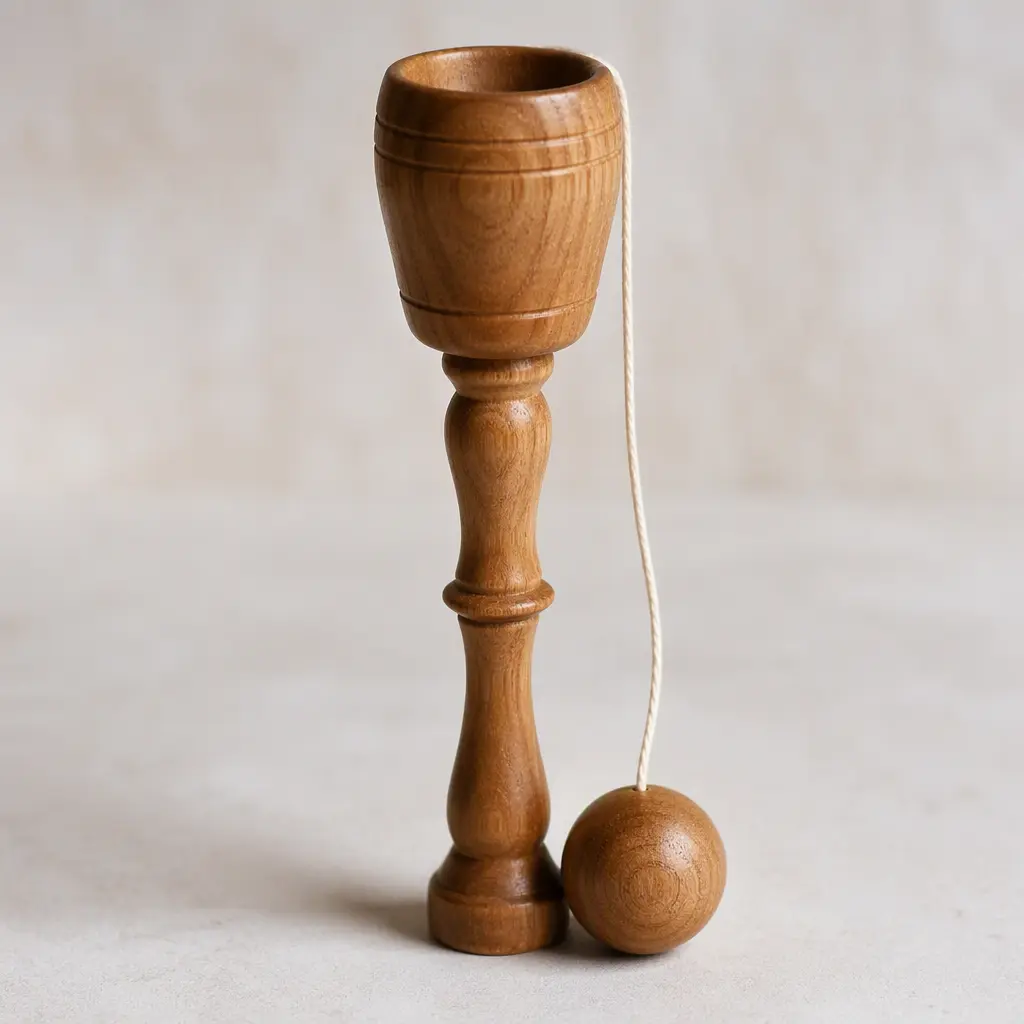
Classic
The kendama has existed in various forms for centuries, but short-form video turned the wooden cup-and-ball toy into a modern trick phenomenon shared by kids, teens, and adults.
Classic · 1985
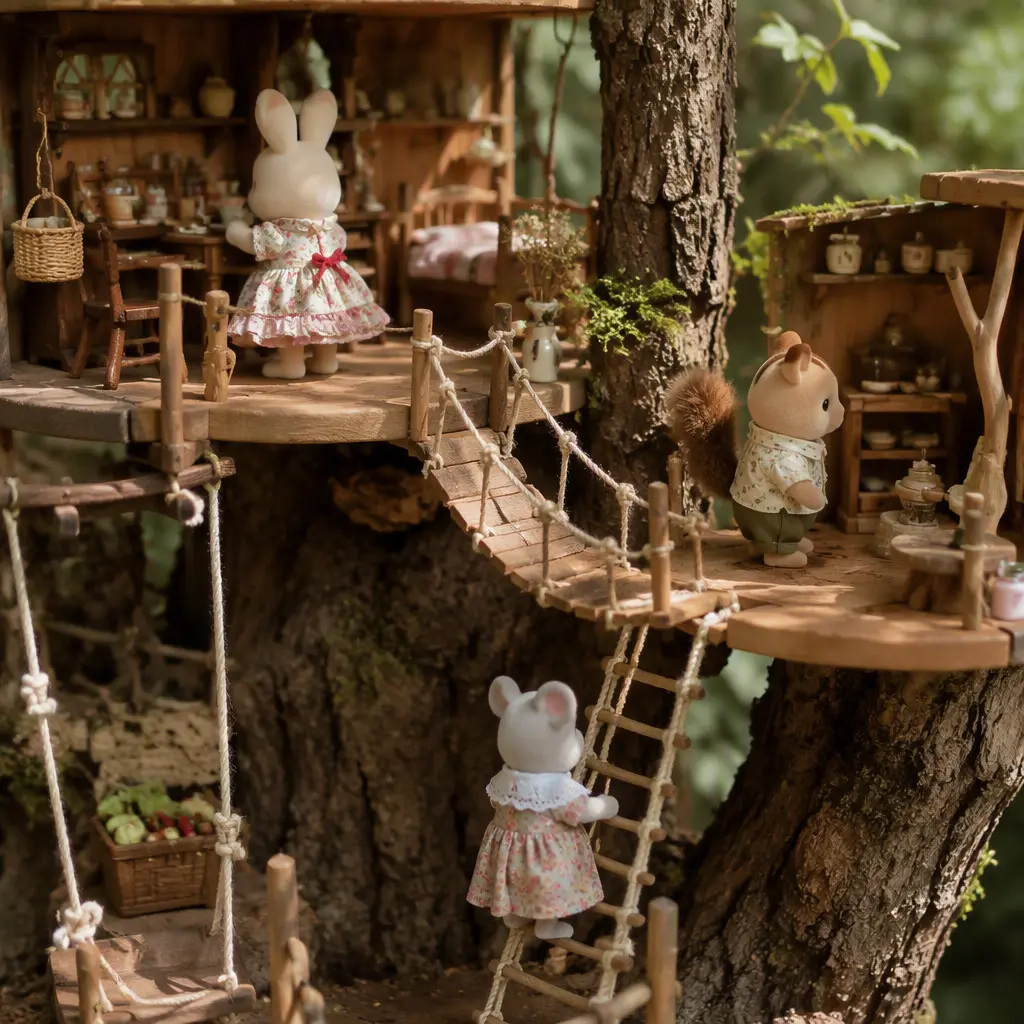
The Sylvanian Families Treehouse helped define a quieter style of imaginative play, pairing woodland animal figures with detailed homes that encouraged storytelling over competition.
Classic · 1992
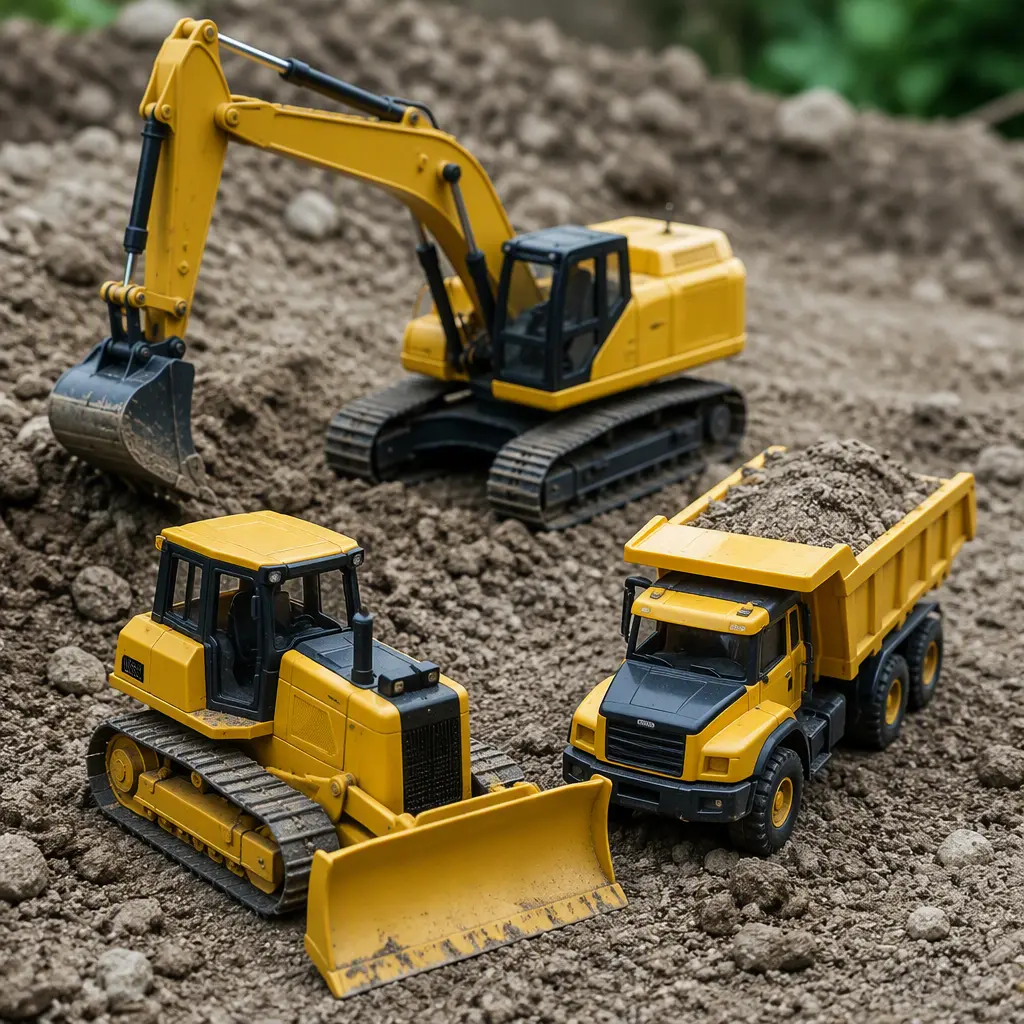
CAT construction toys turned bulldozers, dump trucks, and excavators into durable playroom staples by mirroring real job-site machines that children already see in everyday life.
Classic · 1982
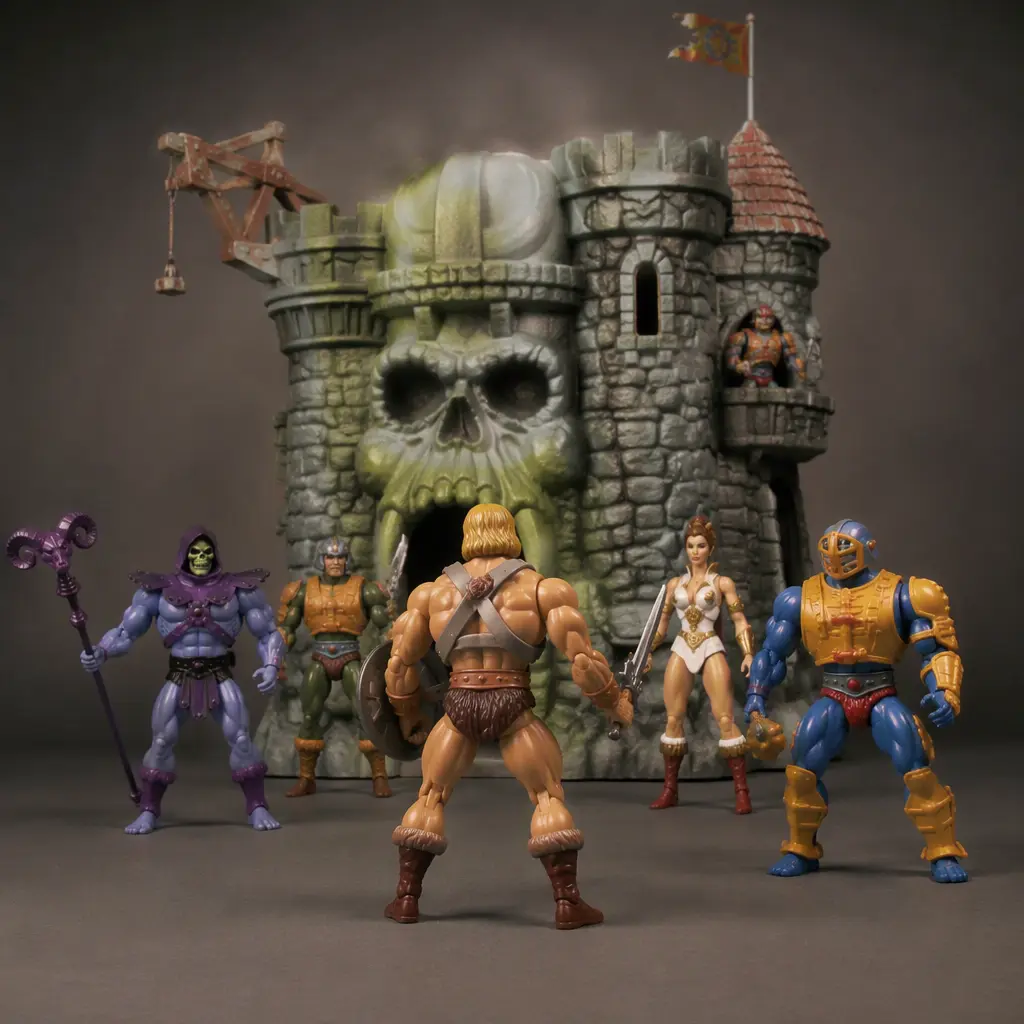
Launched in 1982, Masters of the Universe blended fantasy, science fiction, and muscular action figures into a multimedia toy phenomenon that reshaped Saturday-morning marketing.
Classic · 1989
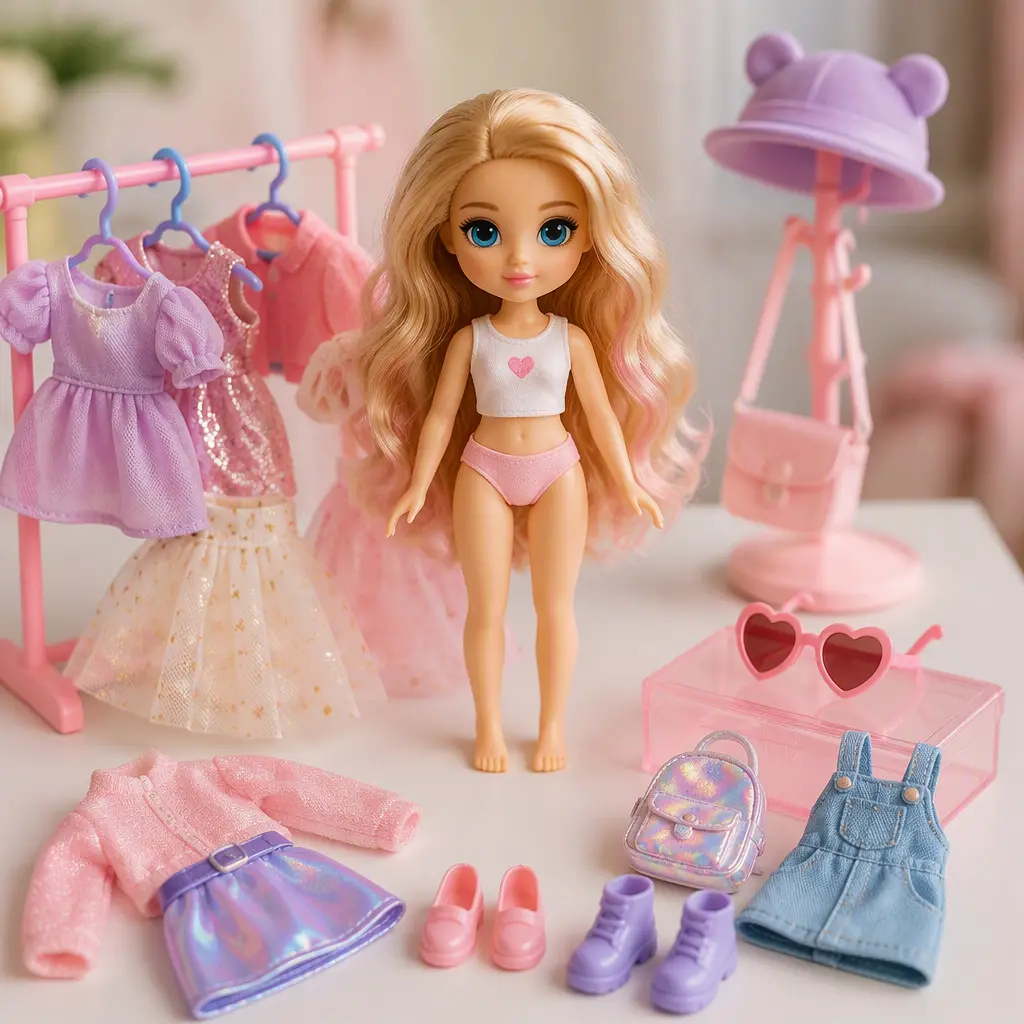
Fashion Polly marked a dramatic shift from the tiny compact dolls of the late 1980s to larger, dress-up-focused figures that chased changing trends in the toy aisle.
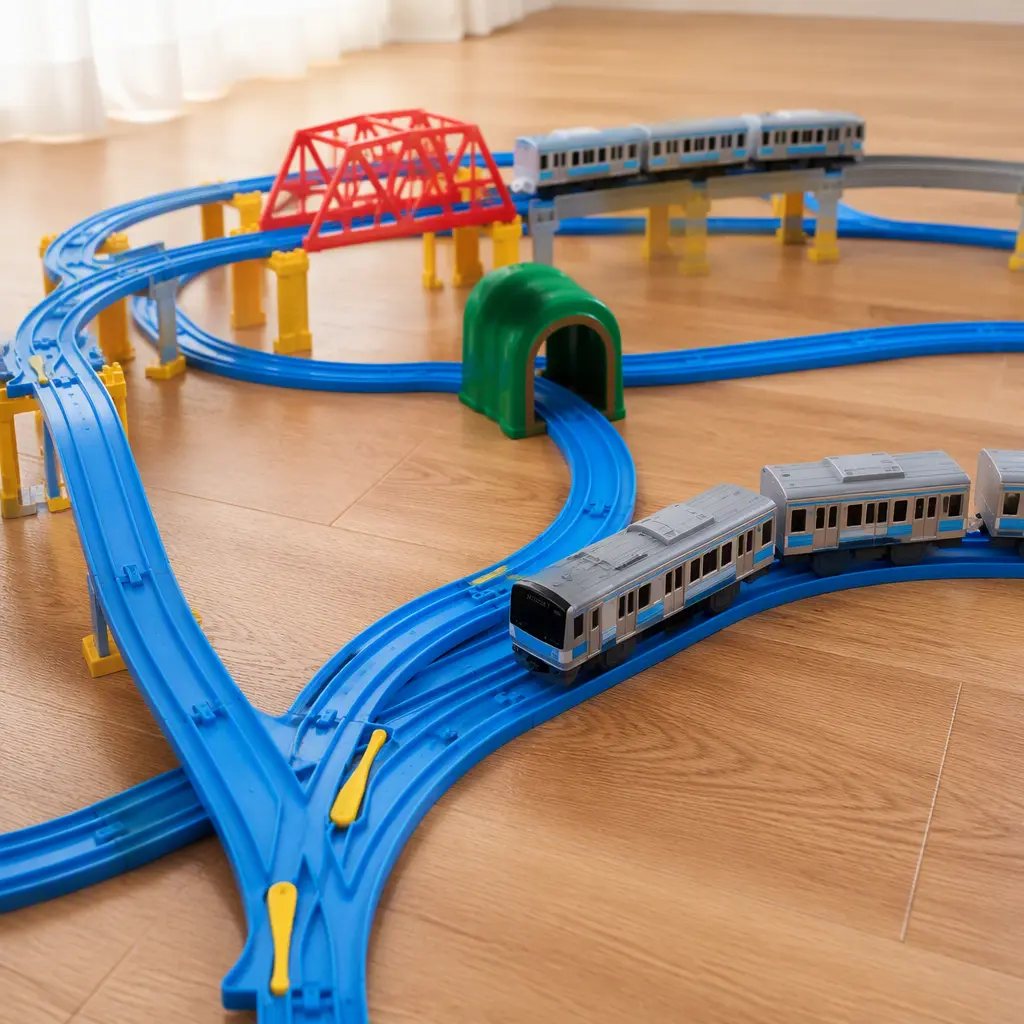
Classic · 1959
Introduced in Japan in 1959, Plarail turned battery-powered toy trains into an expandable play system that has lasted for generations through durable design, simple mechanics, and constant reinvention.
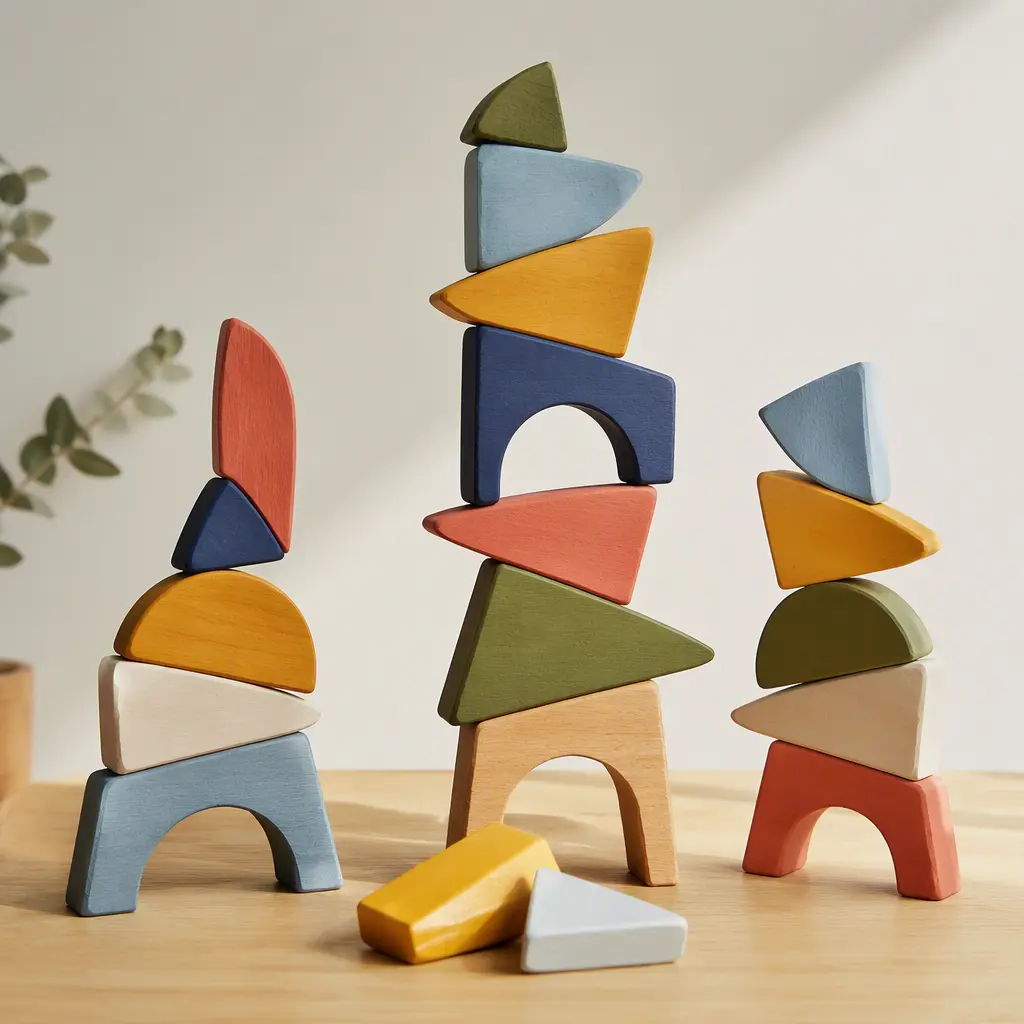
Classic · 1992
Introduced in the early 1990s, Wedgits turned simple geometric forms into an open-ended building toy that rewards symmetry, balance, and experimentation across age groups.
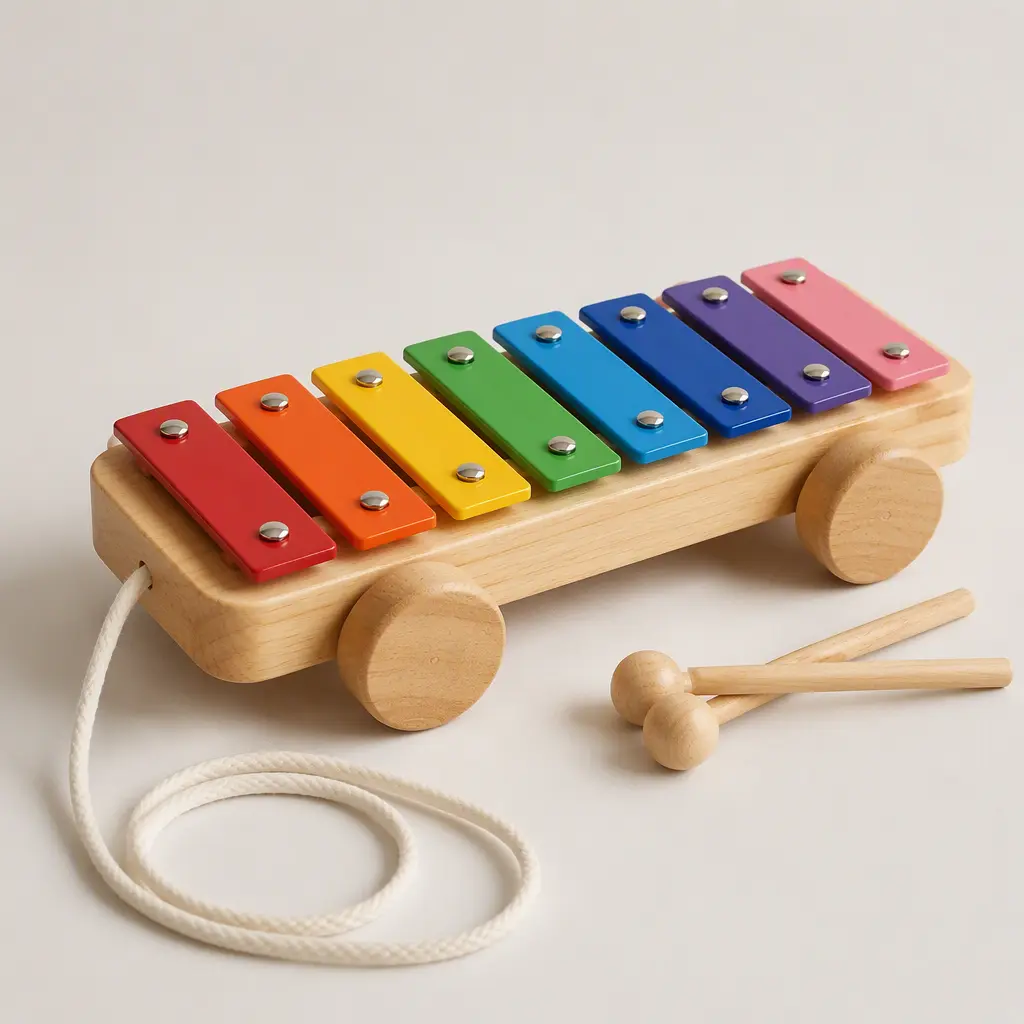
Classic
Part instrument, part pull toy, the wooden xylophone cart became a nursery staple by blending movement, sound, and hands-on discovery into one durable early childhood toy.
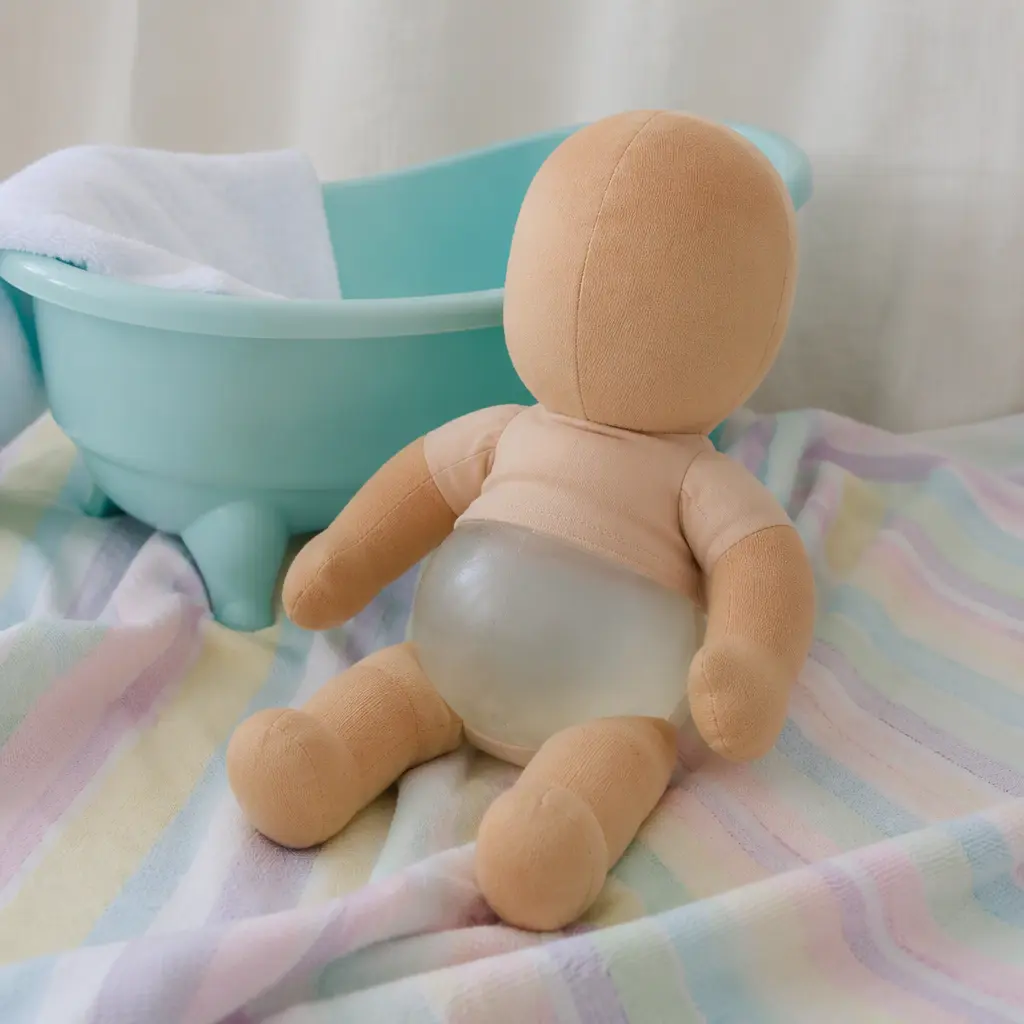
Classic · 1989
Water Babies became a late-1980s sensation by combining soft doll play with a water-filled body that gave the toy unusual weight and movement, making it feel more lifelike than many dolls of the era.
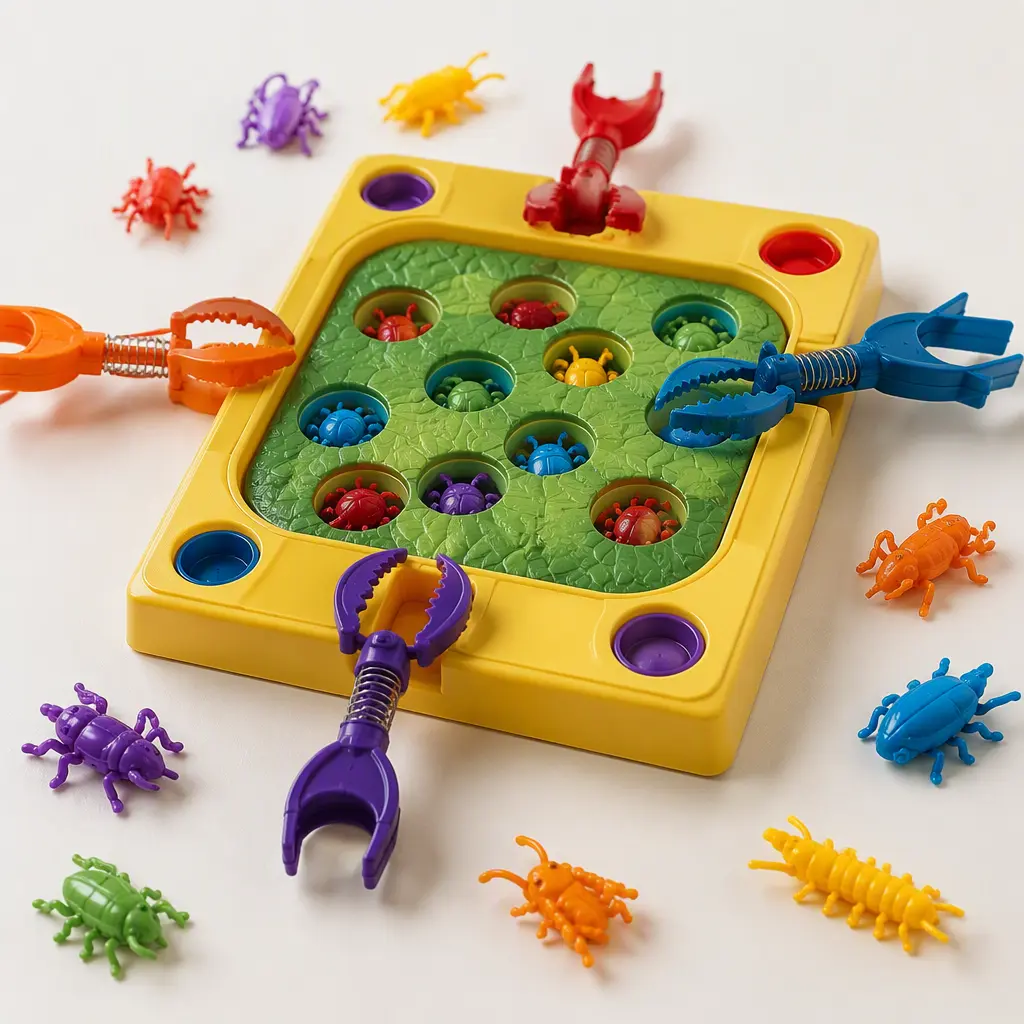
Classic · 1985
Released during the high-energy toy boom of the 1980s, Bed Bugs turned frantic bug-catching into a noisy tabletop race that still stands out for its simple mechanics and memorable physical play.
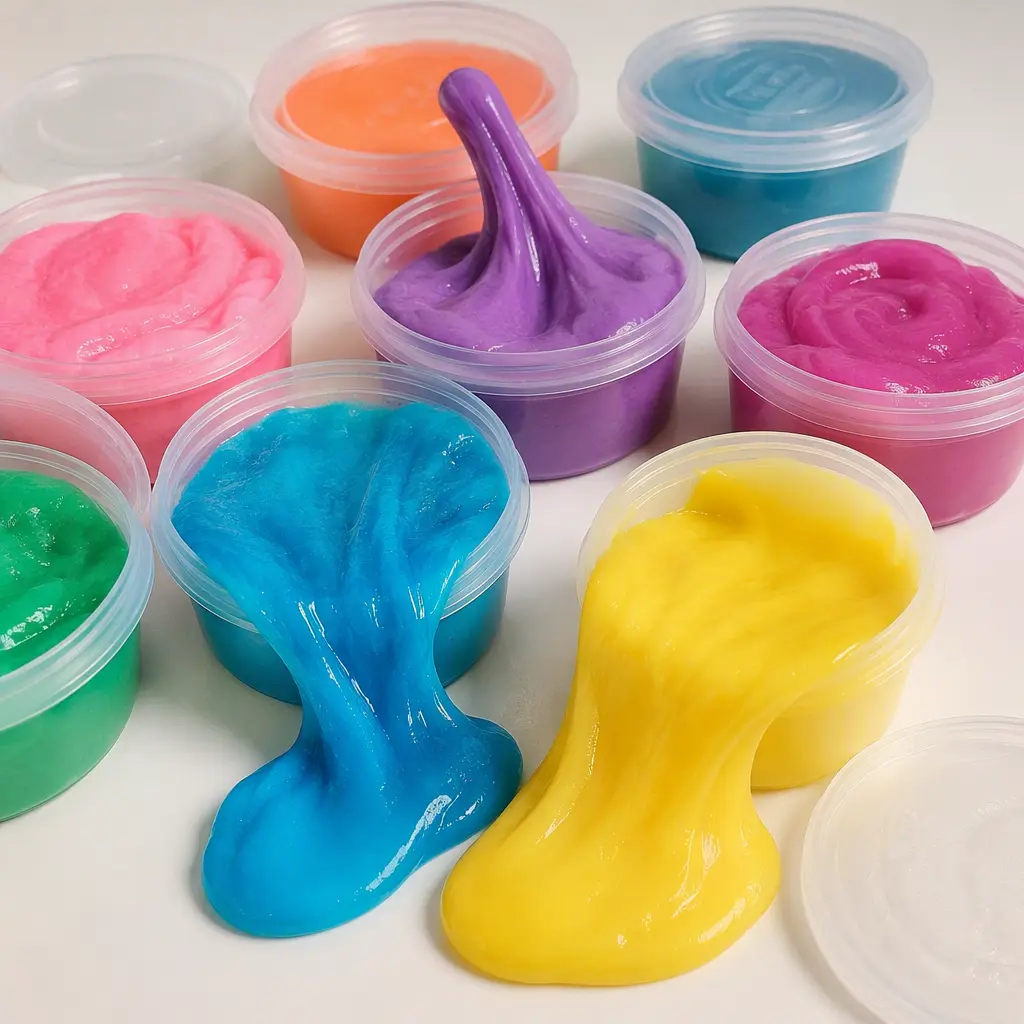
Classic · 1992
Nickelodeon’s Gak turned stretchy slime into a mainstream toy in the early 1990s, blending gross-out humor, sensory play, and television-era branding into one of the decade’s messiest fads.
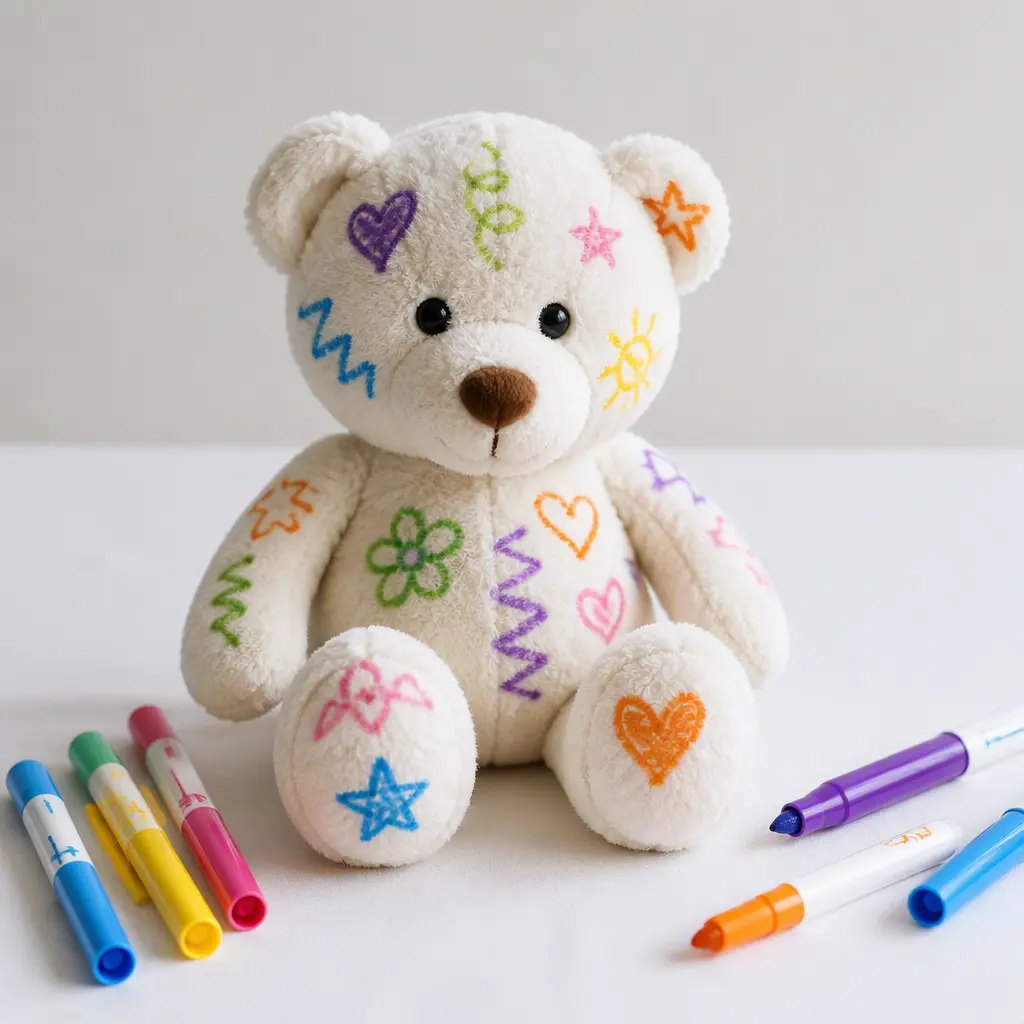
Classic · 1995
Doodle Bear turned a plush toy into a reusable canvas. Introduced in the mid-1990s, the washable stuffed bear encouraged kids to draw, decorate, wash, and start over again.
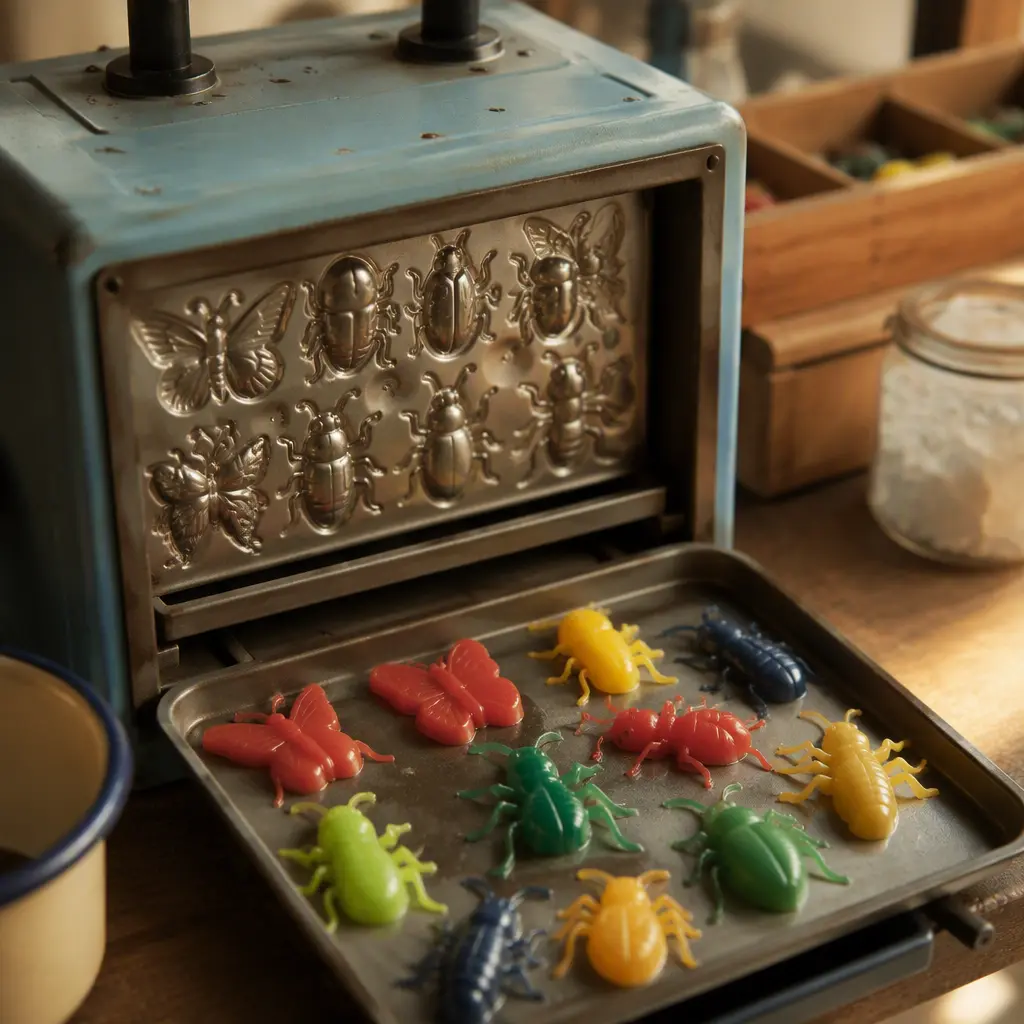
Classic · 1964
Creepy Crawlers turned a miniature hot plate into a strange, unforgettable craft toy. Generations of kids poured liquid goo into metal molds and baked rubbery insects at home.
Classic · 1985
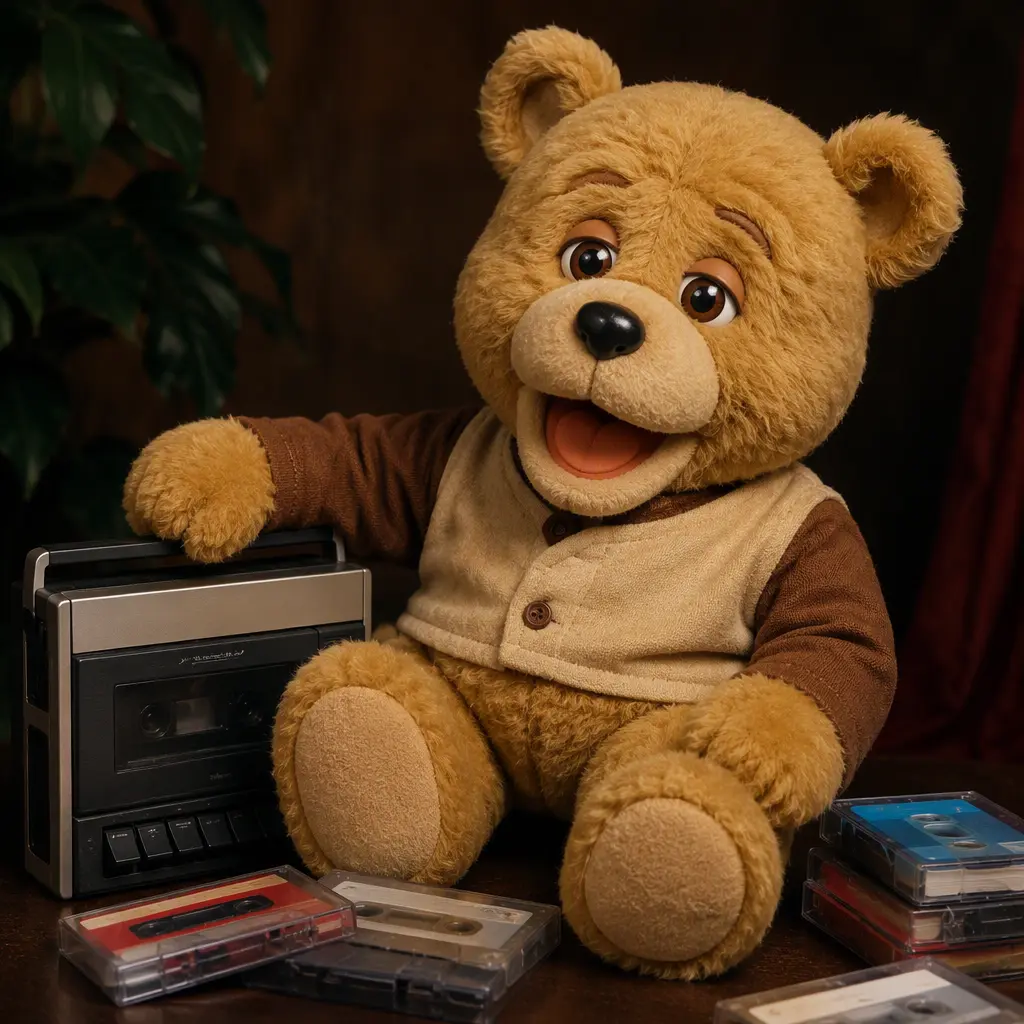
Long before tablets and smart speakers, Teddy Ruxpin blended cassettes, animatronics, and bedtime storytelling into one memorable toy experience for children of the 1980s.
Classic · 1992
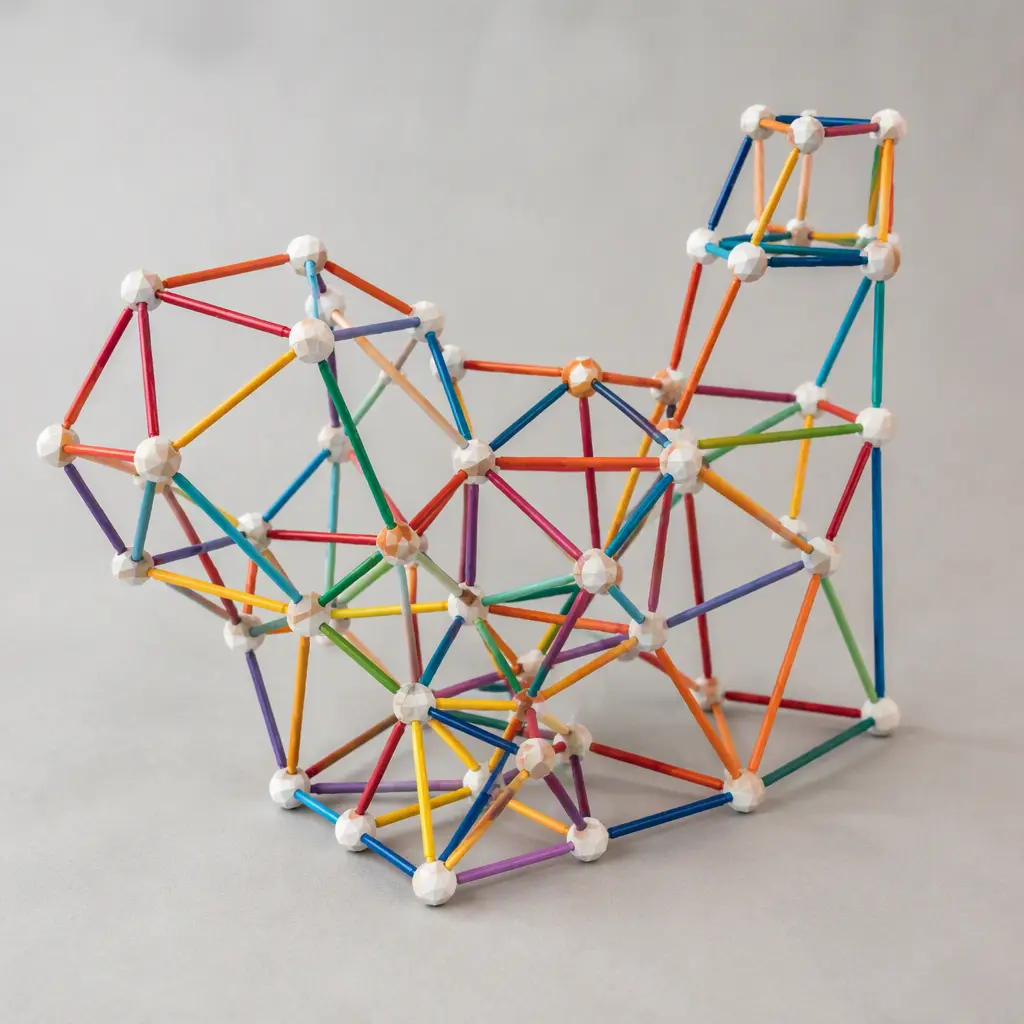
Zometool turned abstract geometry into something people could hold, building a following among teachers, museum educators, designers, and space-minded hobbyists since the early 1990s.
Classic · 1986
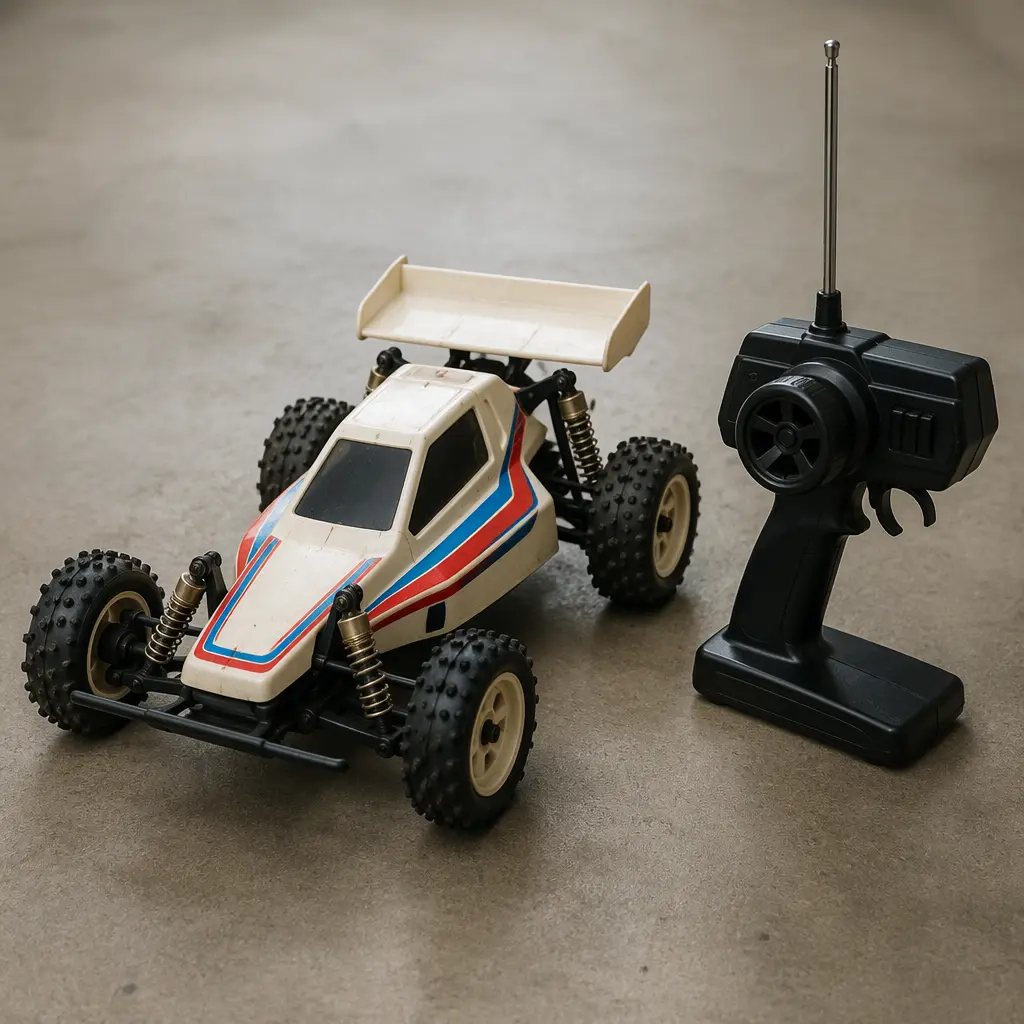
Tyco RC cars turned radio-controlled driving into an everyday toy in the late 1980s and 1990s, bringing fast, affordable racing and stunt play to living rooms, driveways, and backyards.
Classic · 1991
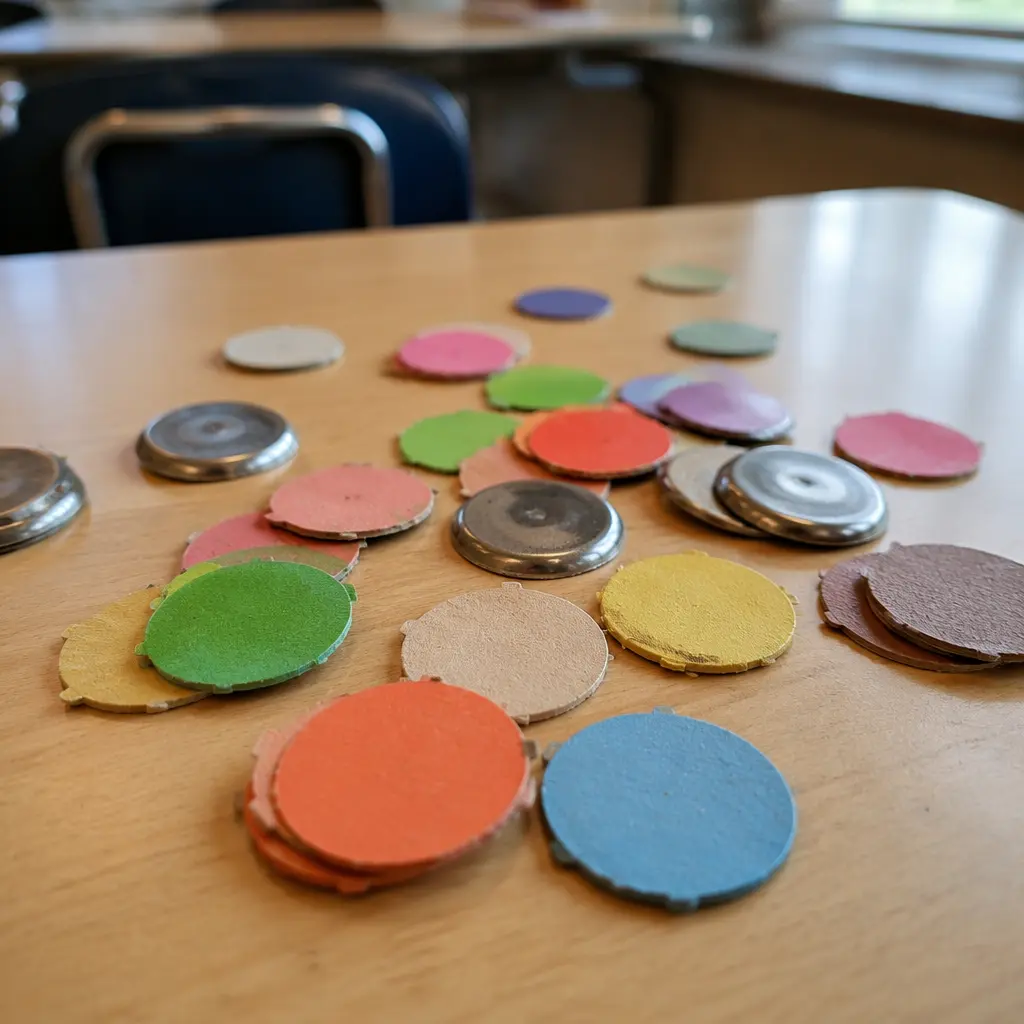
Pogs turned simple cardboard milk caps into one of the biggest playground crazes of the 1990s, blending collecting, competition, and colorful design into a fast-moving social game.
Classic · 1992
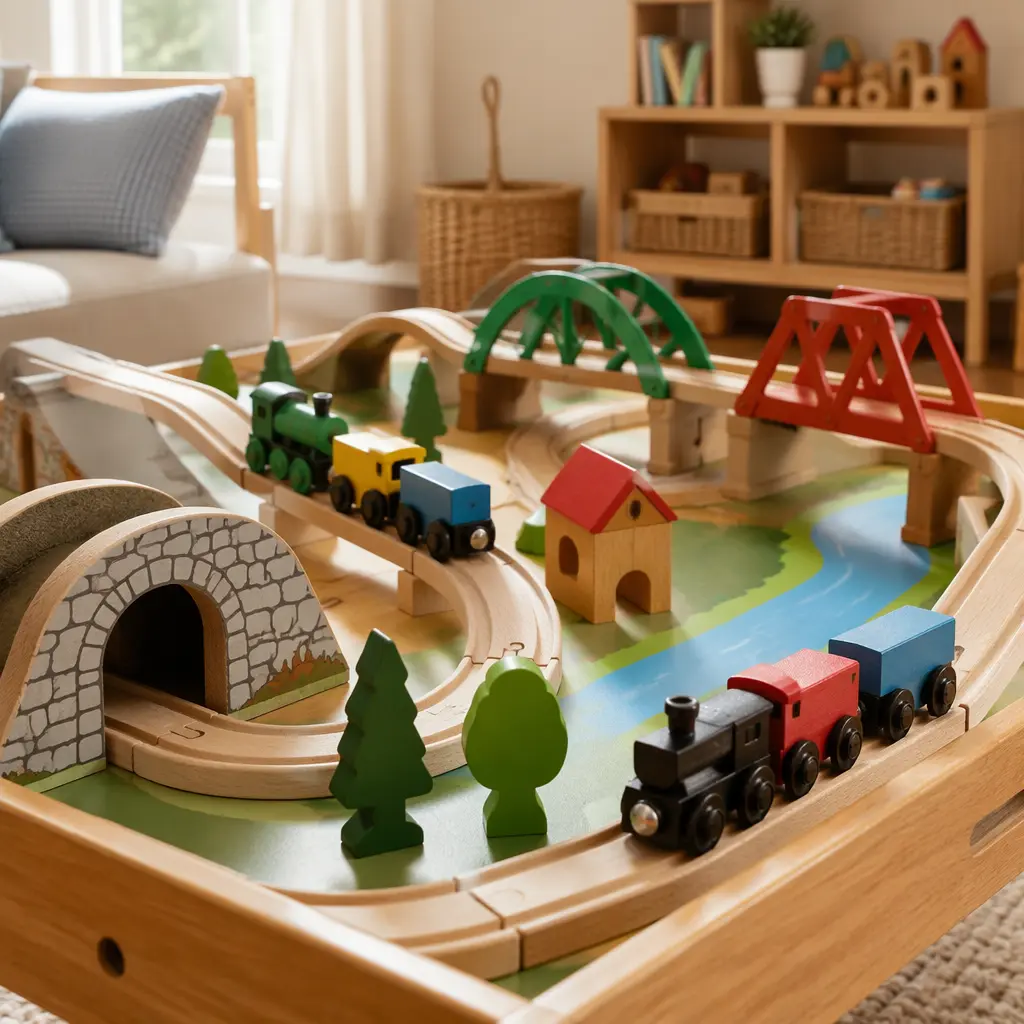
Wooden Thomas trains turned a TV character into an open-ended play system that still fills train tables decades later, blending sturdy design, storytelling, and cross-generational appeal.
Classic · 1974
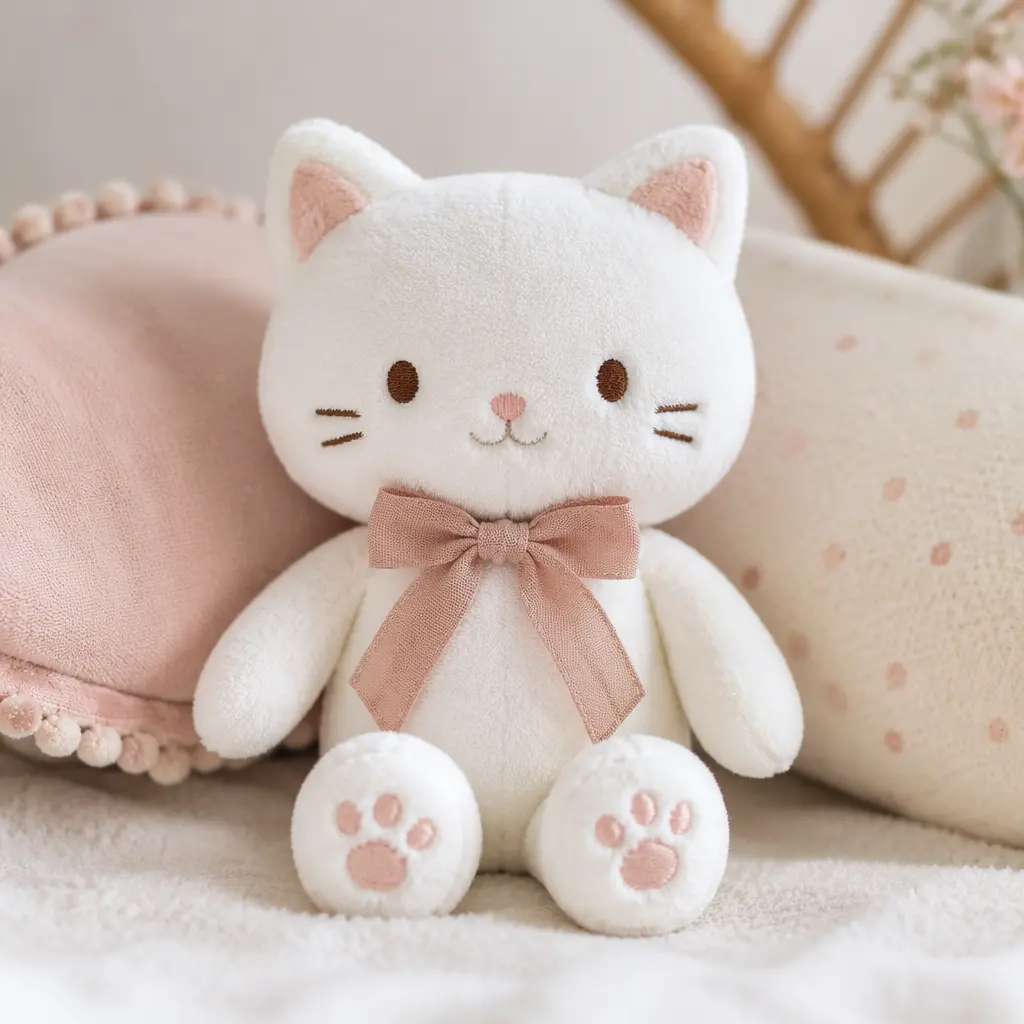
From a small 1970s character design to a worldwide plush phenomenon, Hello Kitty toys turned minimalist styling and collectible variety into lasting appeal across generations.
Classic · 1978
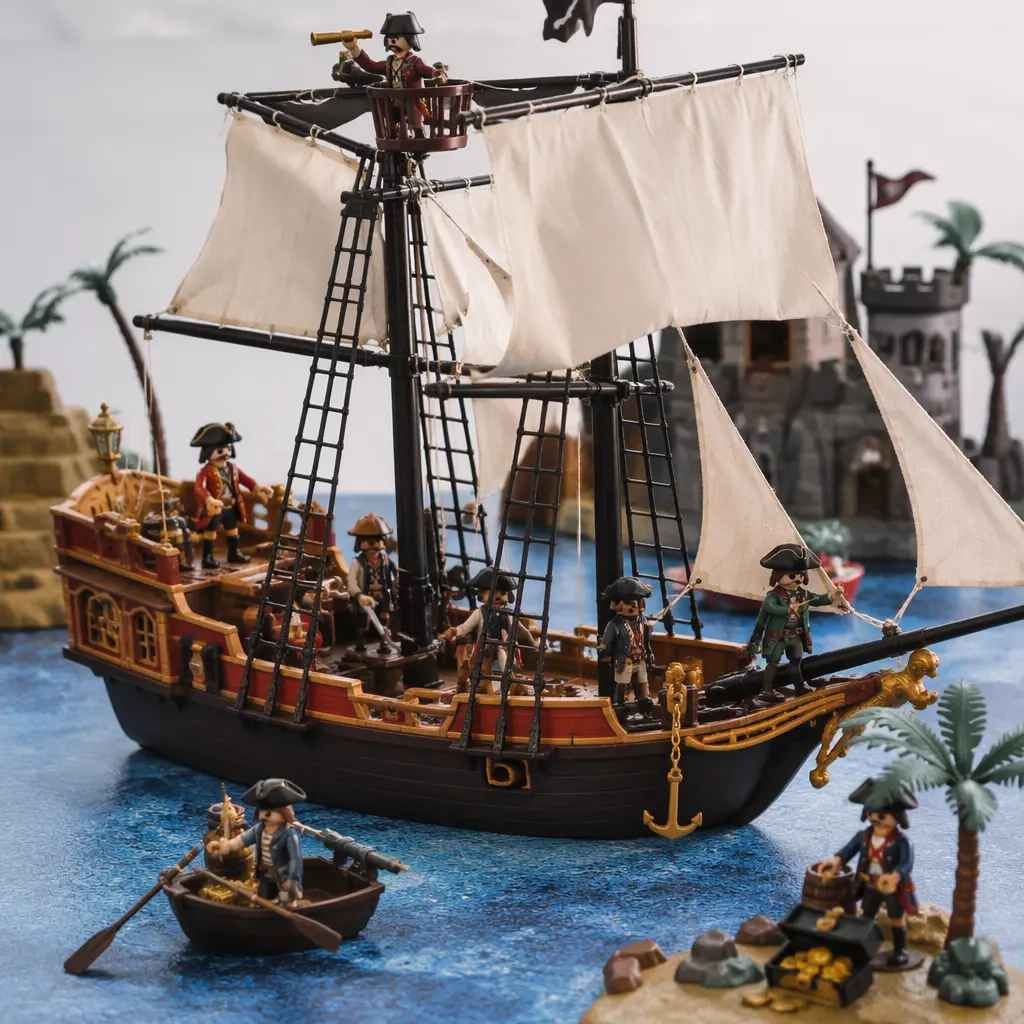
Playmobil pirate ships turned simple plastic figures into sprawling seafaring adventures, blending detailed world-building with open-ended pretend play that still appeals to collectors and kids today.

Classic
Toy typewriters turned pretend play into an early writing habit for generations of children. Their clacking keys, paper rollers, and simple mechanics made storytelling feel real.
Classic · 1996
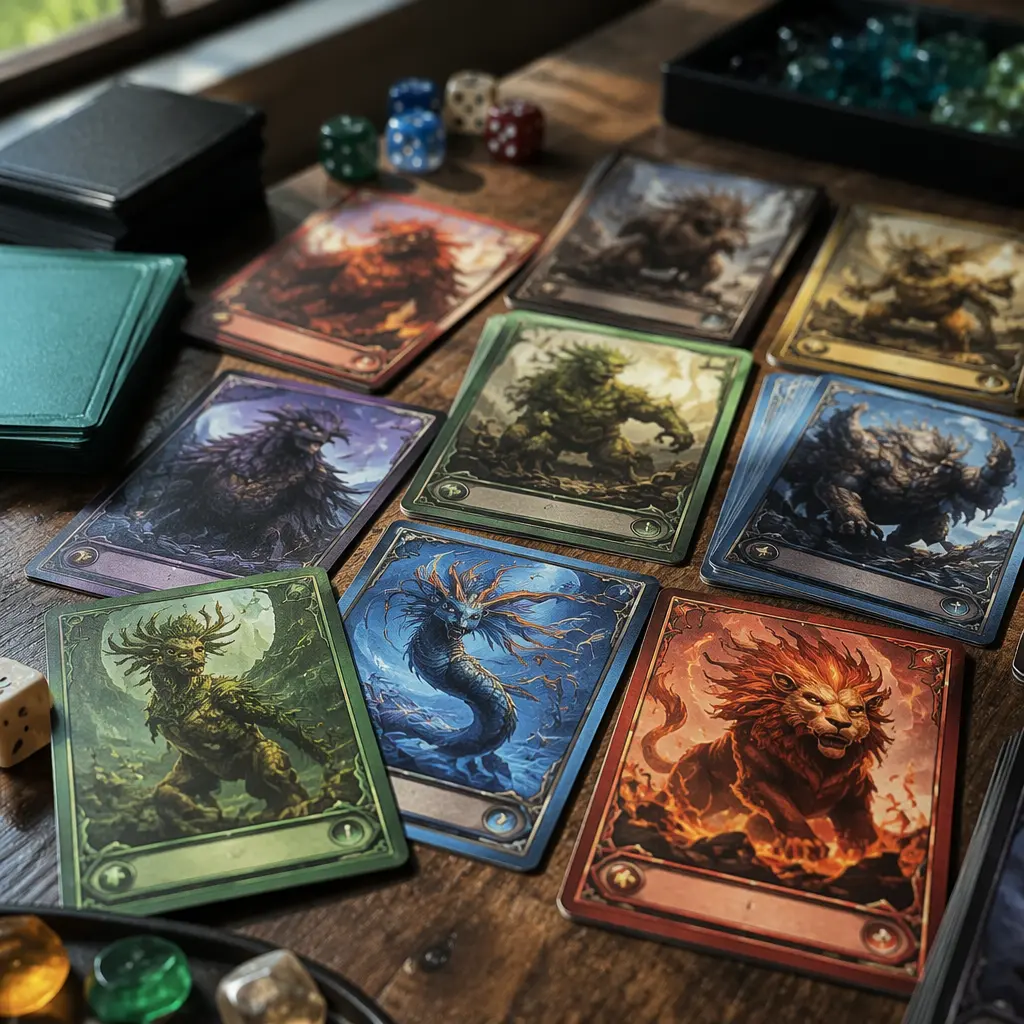
The Pokémon Trading Card Game began as a simple collectible card game in 1996 and grew into a worldwide hobby built on strategy, trading, tournaments, and nostalgia across generations.
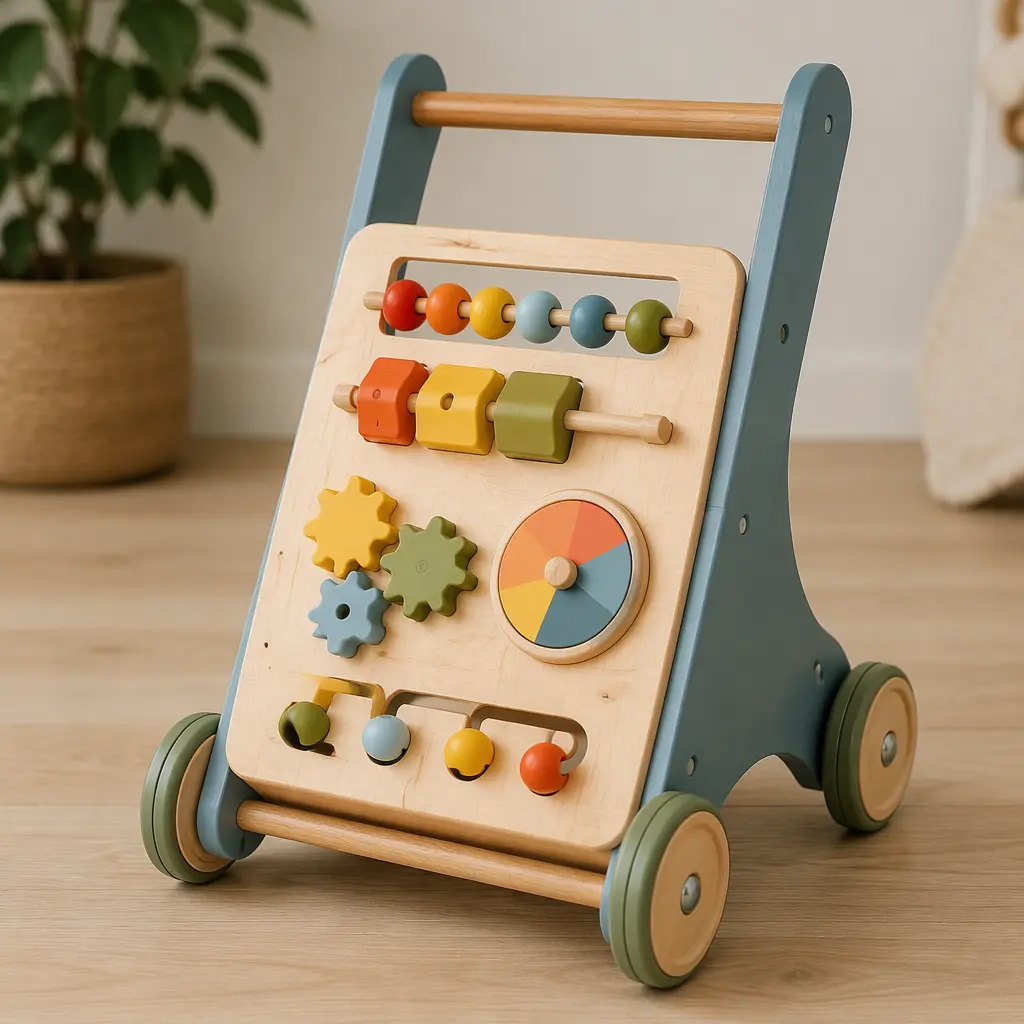
Classic
For decades, the Fisher-Price Activity Walker has blended stability, sound, and simple hands-on play into one of the most recognizable push toys for early walkers.
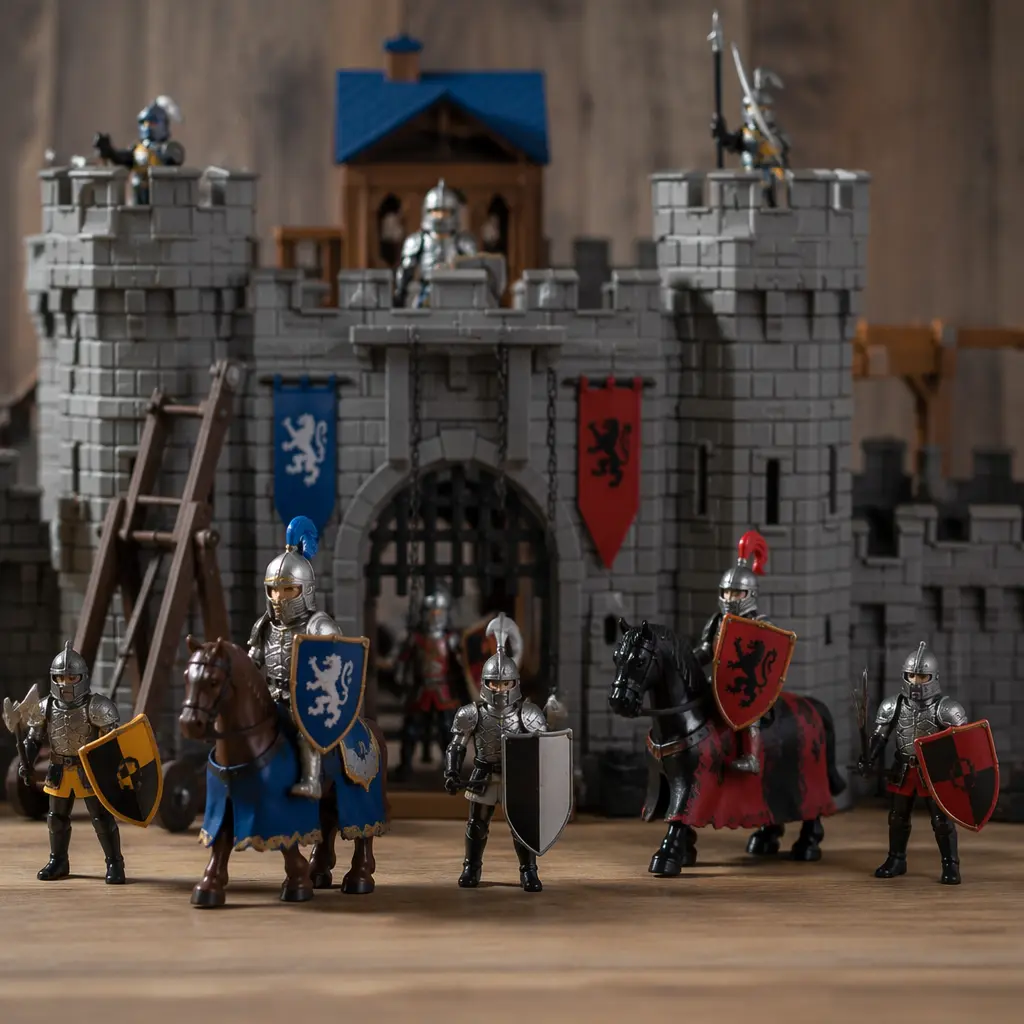
Classic · 1974
Playmobil Knights turned simple medieval play into expansive worldbuilding. Since the 1970s, the modular figures, castles, and accessories have encouraged imaginative storytelling across generations.
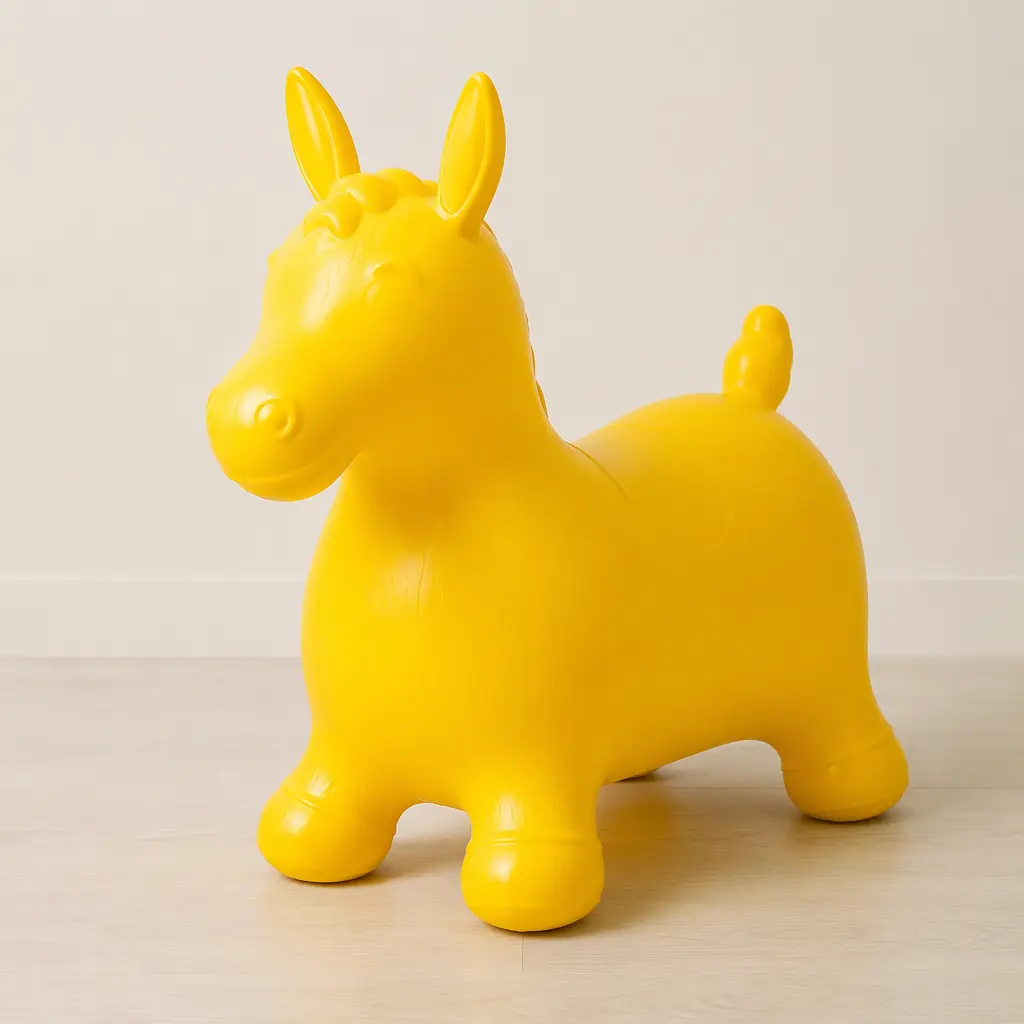
Classic · 1984
Originally launched in Italy in the 1980s, the Rody Horse turned a simple inflatable hopper into a lasting favorite in homes, classrooms, and pediatric therapy spaces.
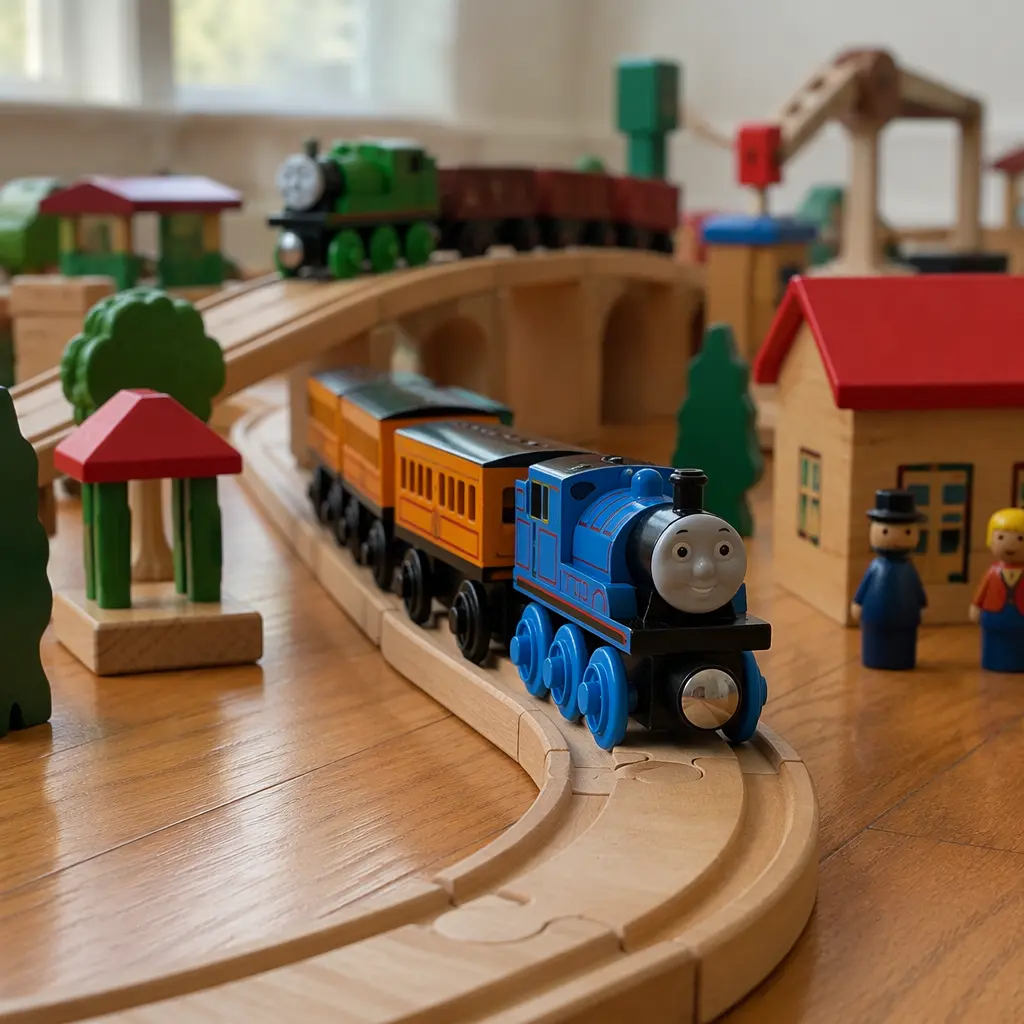
Classic · 1992
Thomas & Friends Wooden Railway turned simple wooden tracks into a storytelling ritual shared across generations, blending durable construction play with familiar railway characters and open-ended adventures.
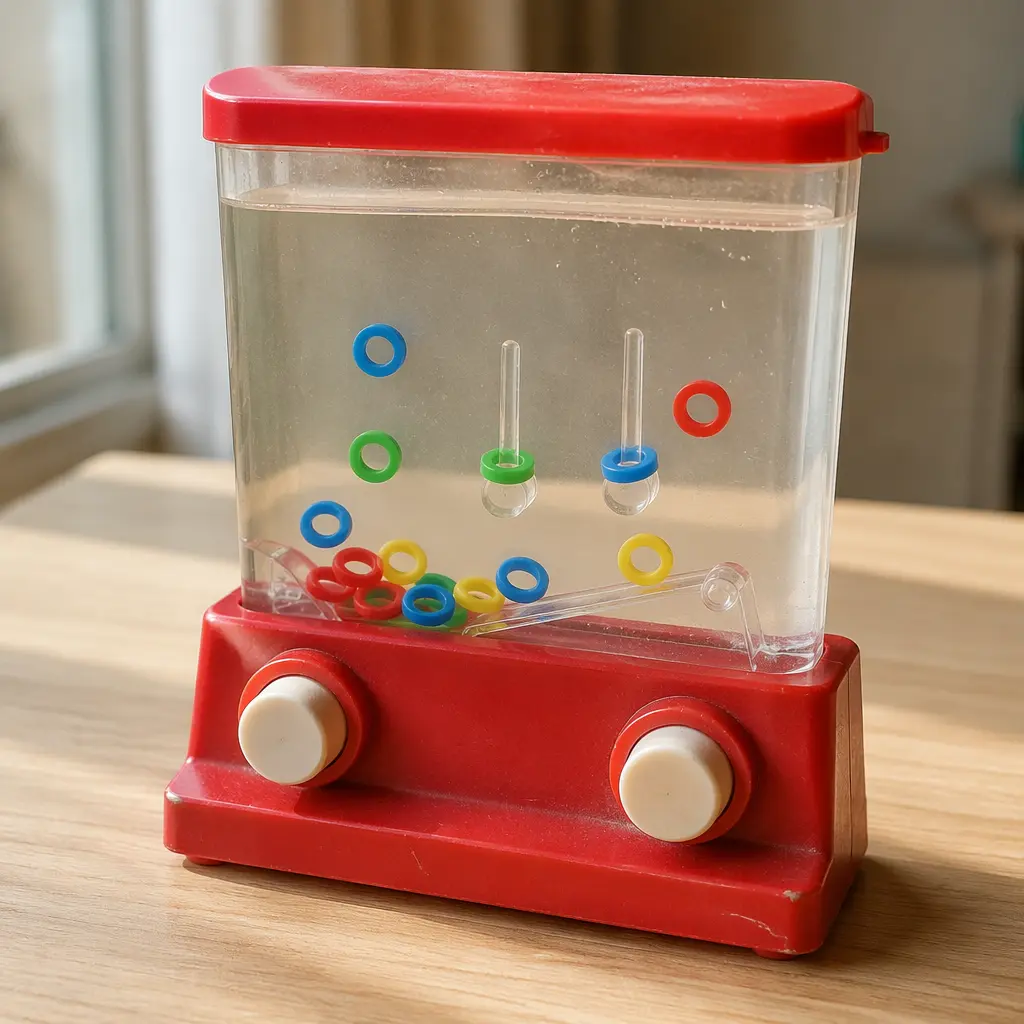
Classic · 1970
The Waterful Ring Toss turned simple hand pressure and floating rings into a lasting travel toy. Its quiet, screen-free design still appeals to families more than 50 years later.
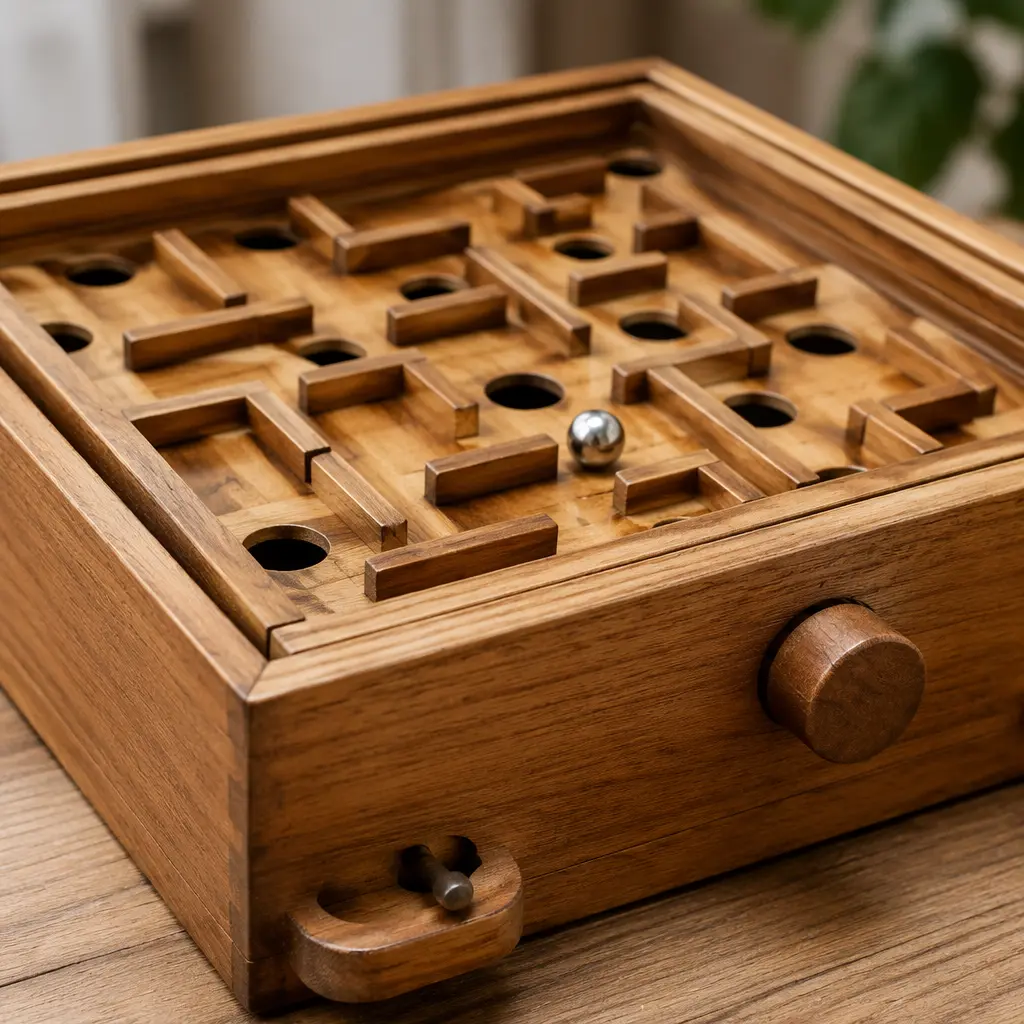
Classic · 1946
First introduced in 1946, the Brio Labyrinth turned a simple steel ball and wooden maze into one of the most enduring dexterity toys ever made, surviving decades of changing technology and play trends.
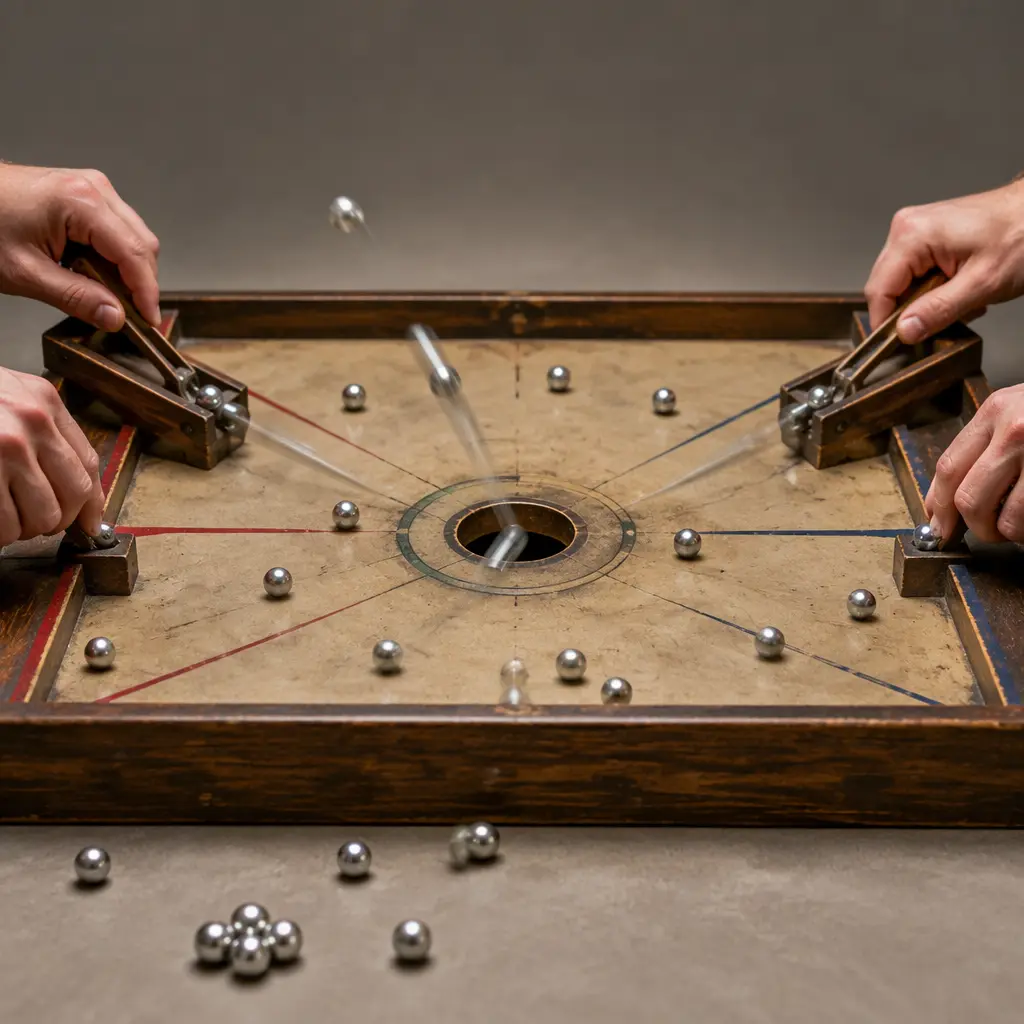
Classic · 1971
Crossfire turned a simple tabletop setup into a noisy, fast-moving contest of reflexes. Decades after its debut, the marble battle game still stands out for pure kinetic energy.
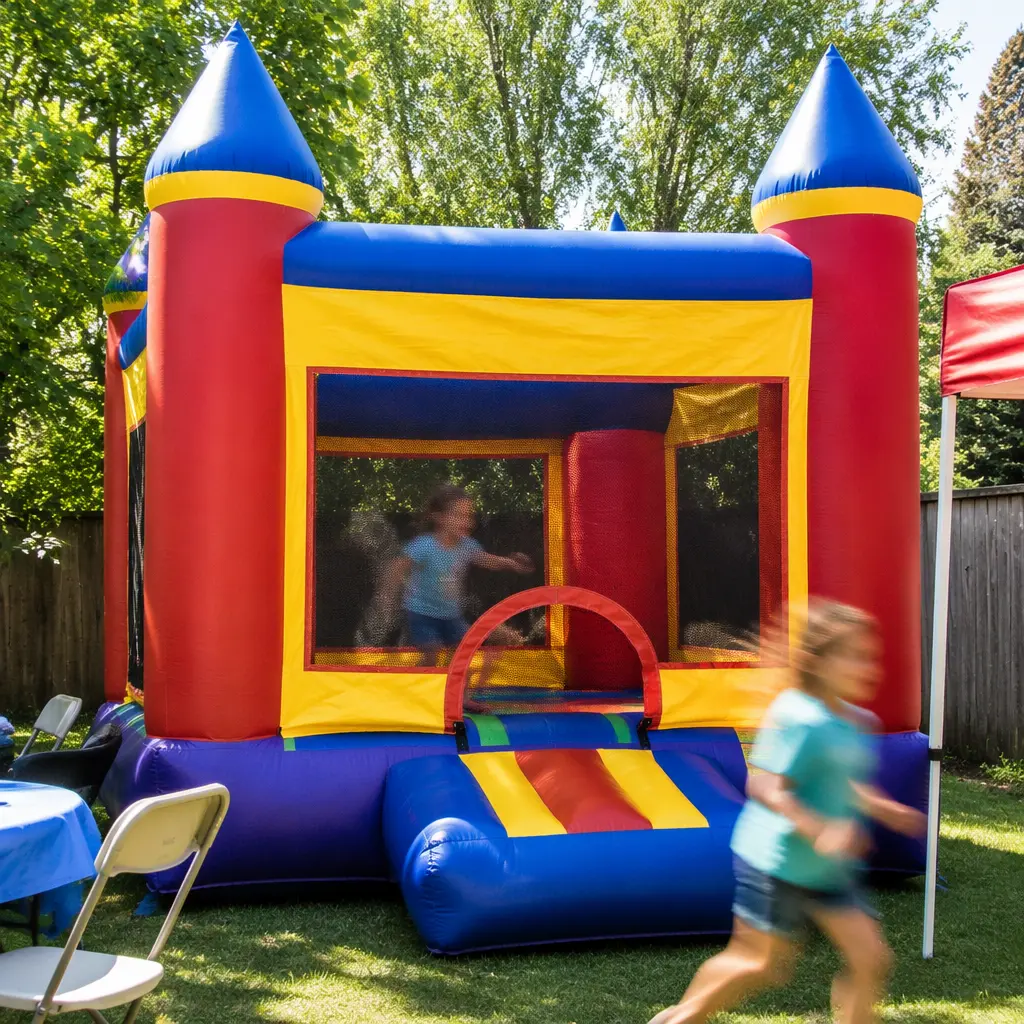
Classic · 1959
Originally created by accident in the late 1950s, the bouncy castle turned a simple inflatable experiment into one of the most recognizable centerpieces of birthday parties and community events.
Classic · 1950
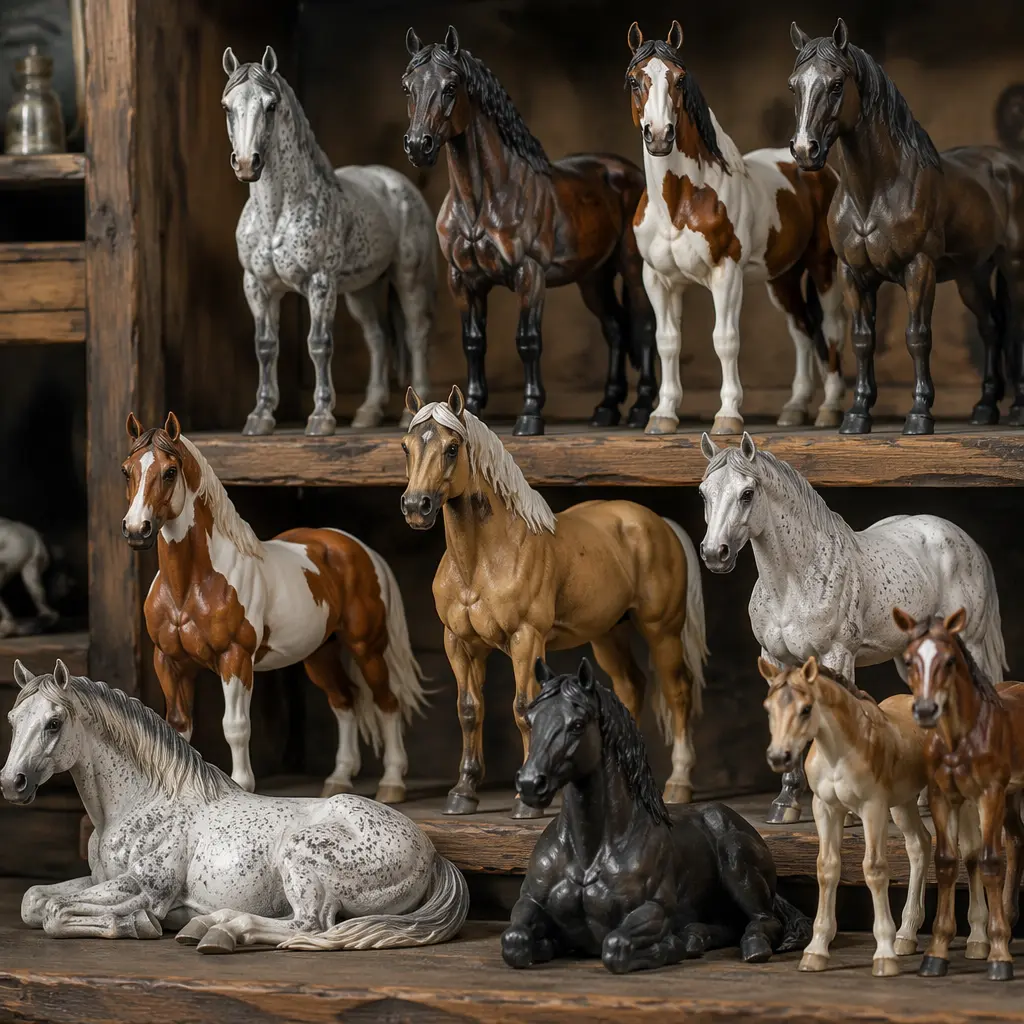
Breyer Horses began as realistic horse figures in the 1950s and grew into one of toy culture’s most dedicated collector communities, blending pretend play, craftsmanship, and horse fandom.
Classic · 1969
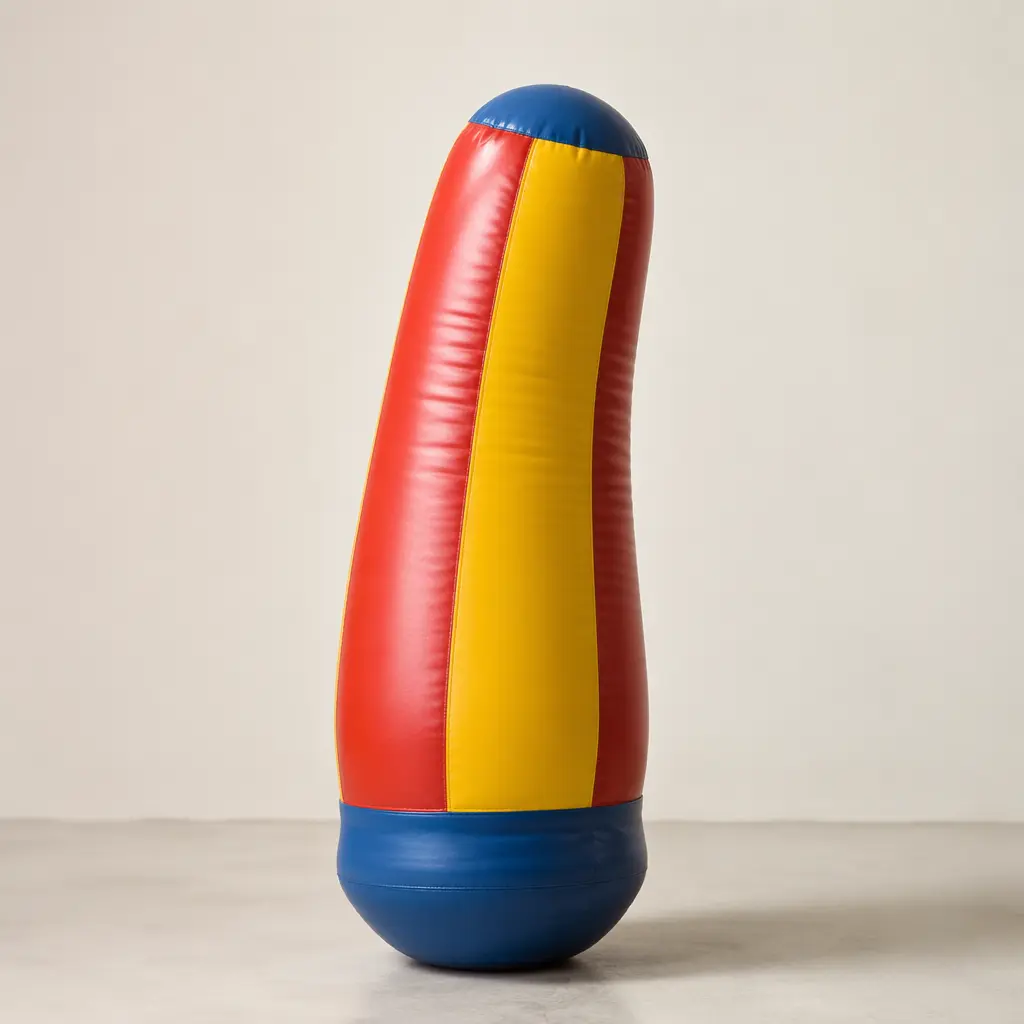
Weighted inflatable bop bags have absorbed decades of energetic play with a simple idea: punch, bounce, repeat. Their durability, movement, and low-stakes roughhousing still appeal across generations.
Classic
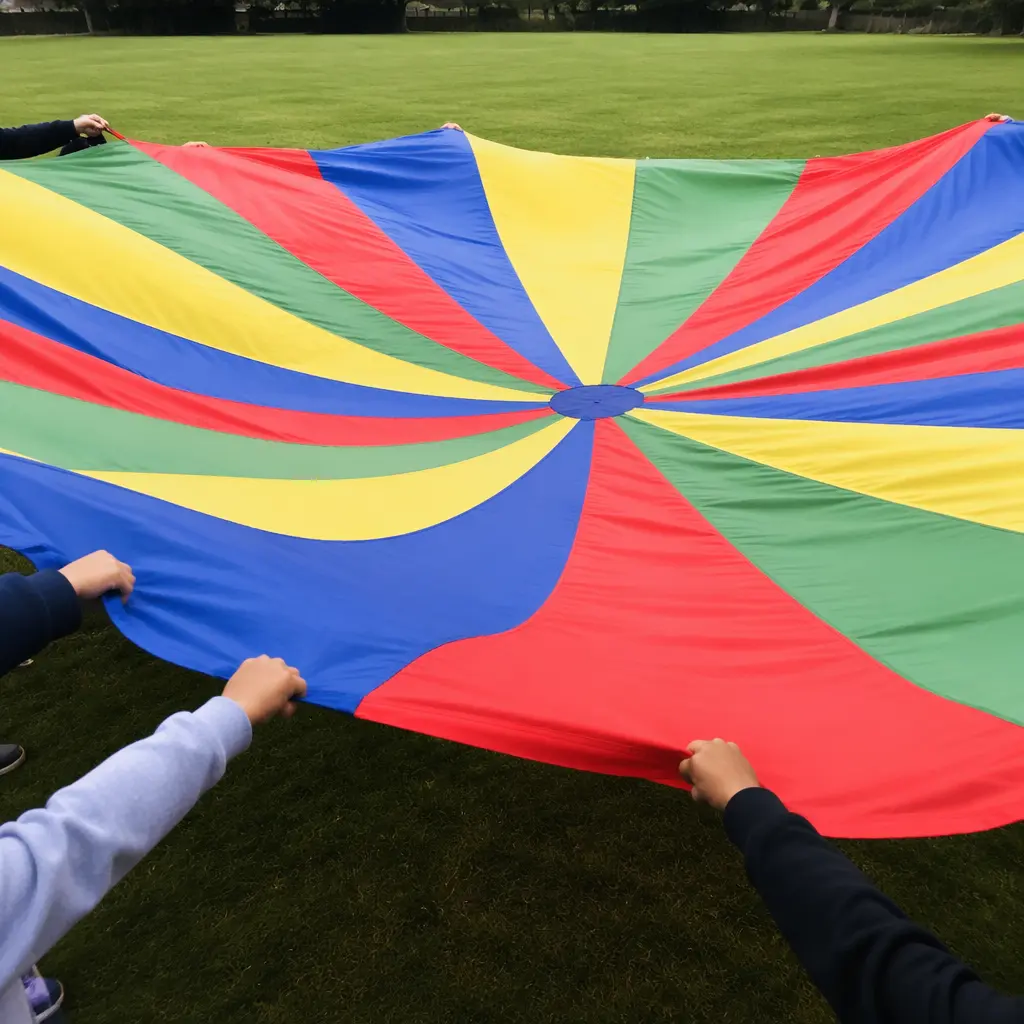
The playground parachute turned gyms and schoolyards into cooperative play spaces, using nothing more than a circle of fabric to teach timing, rhythm, movement, and shared fun.
Classic
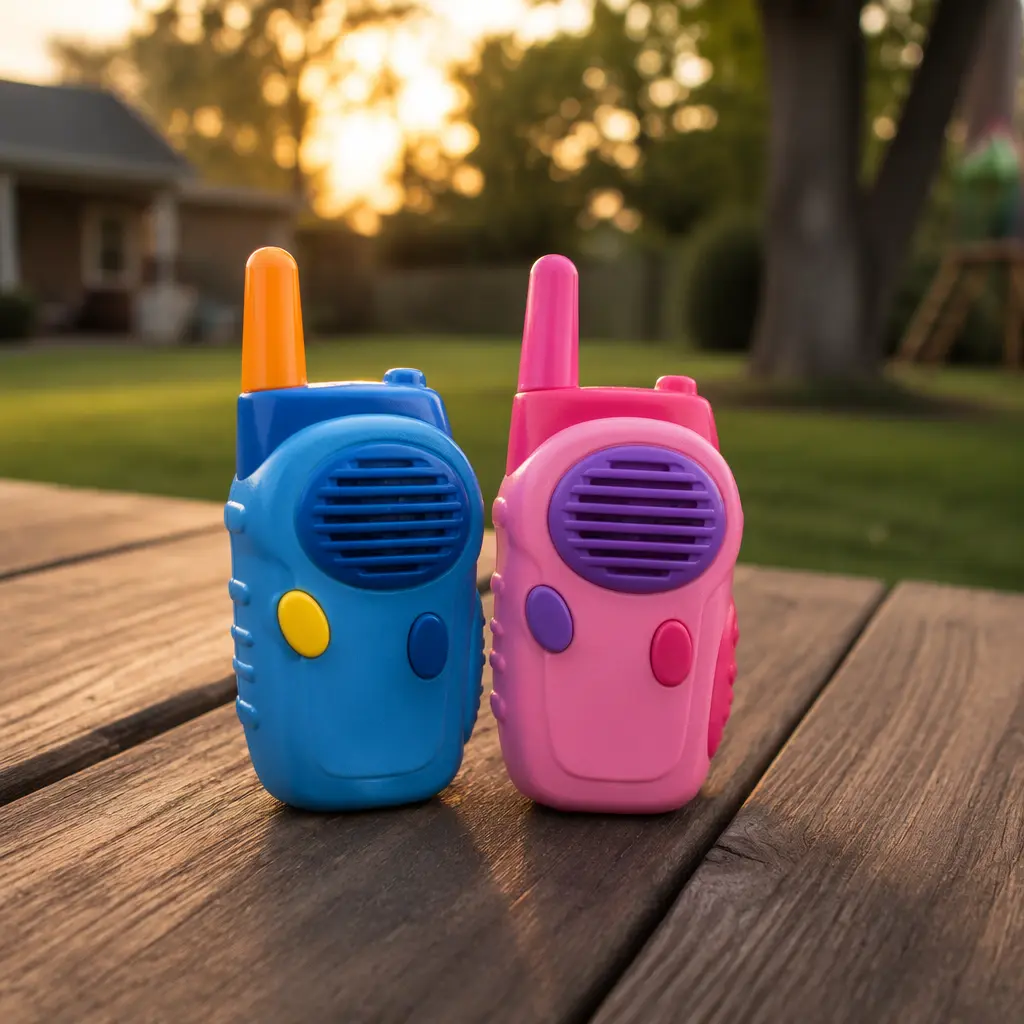
Long before smartphones, walkie talkies gave kids private channels for backyard missions, neighborhood games, and imaginative teamwork. Their simple push-to-talk design still holds up today.
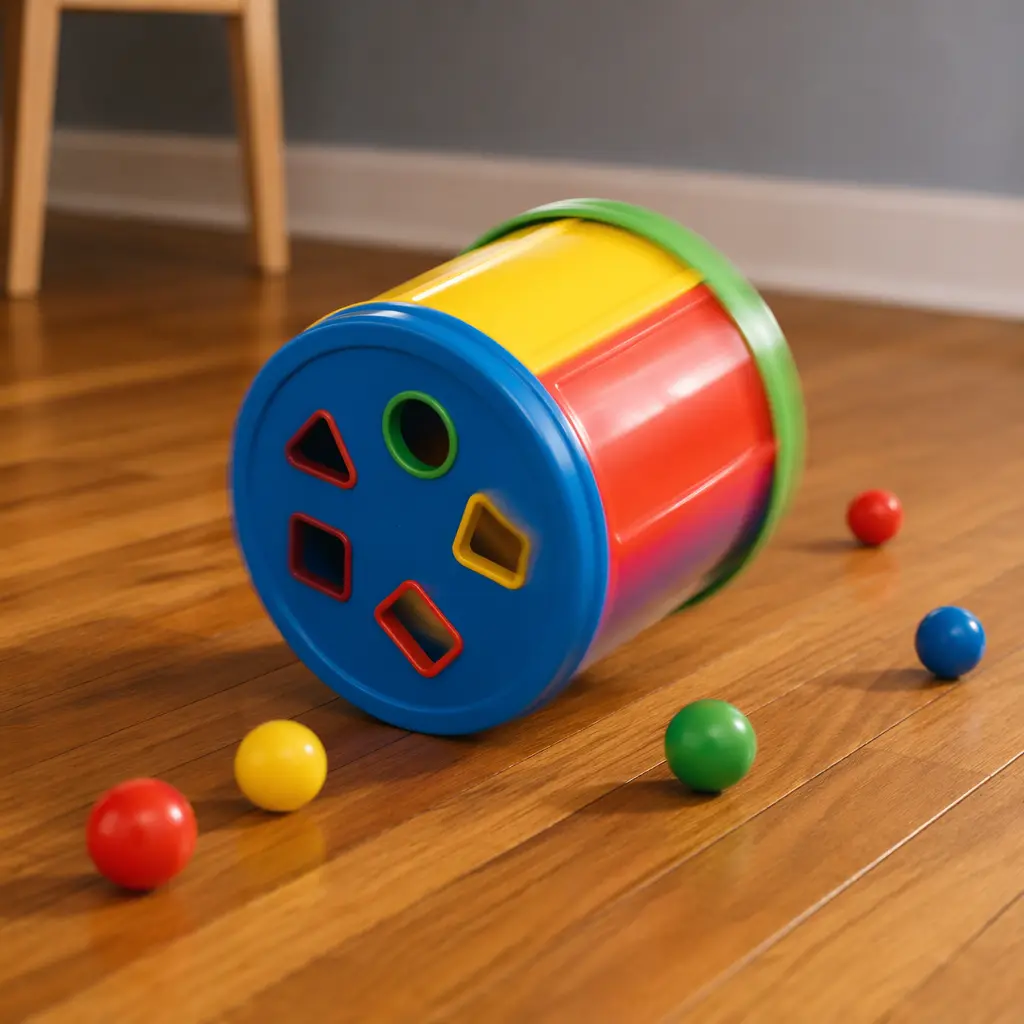
Classic · 1991
Mr. Bucket became a staple of 1990s family game nights by turning a simple cleanup task into a loud, fast-paced race against a runaway plastic bucket.
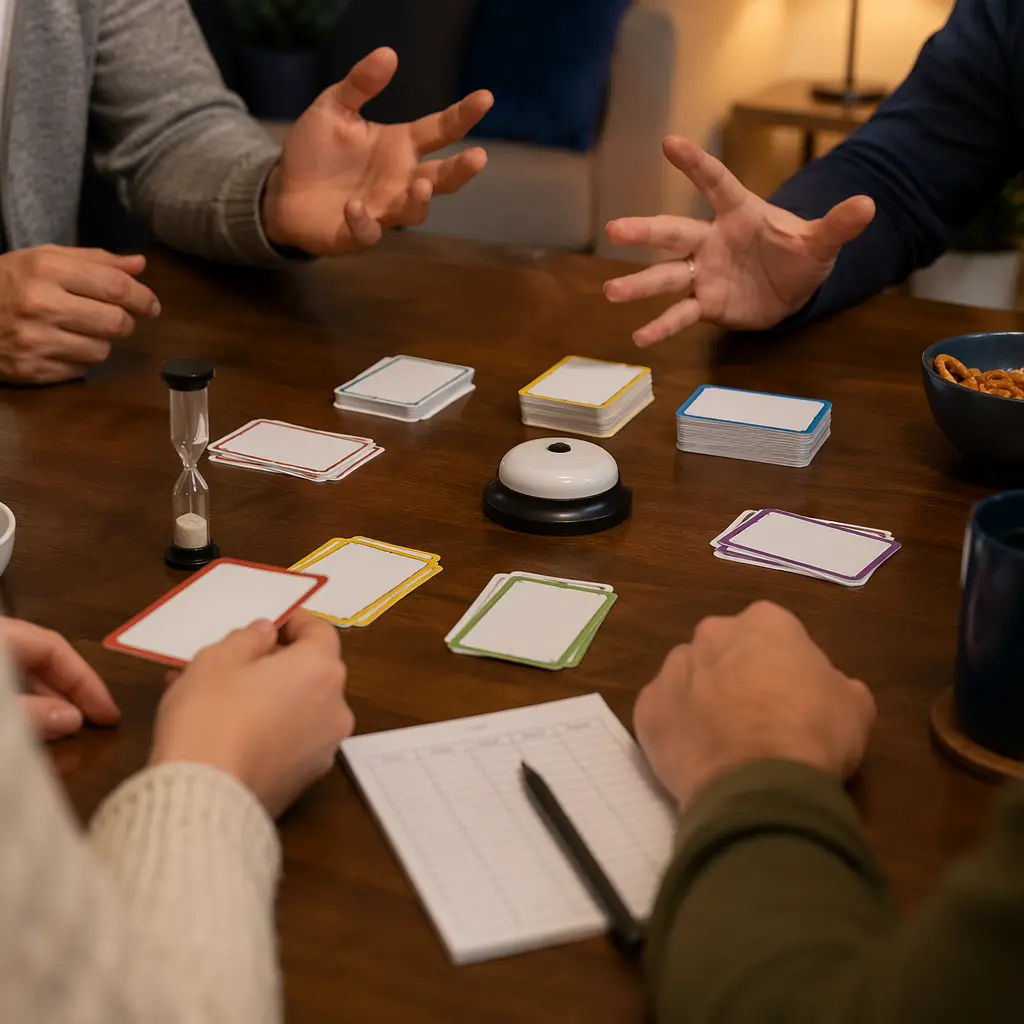
Classic · 1989
Since 1989, Taboo has turned ordinary conversation into fast, funny chaos. Its simple word-guessing format keeps families, friends, and party guests talking across generations.
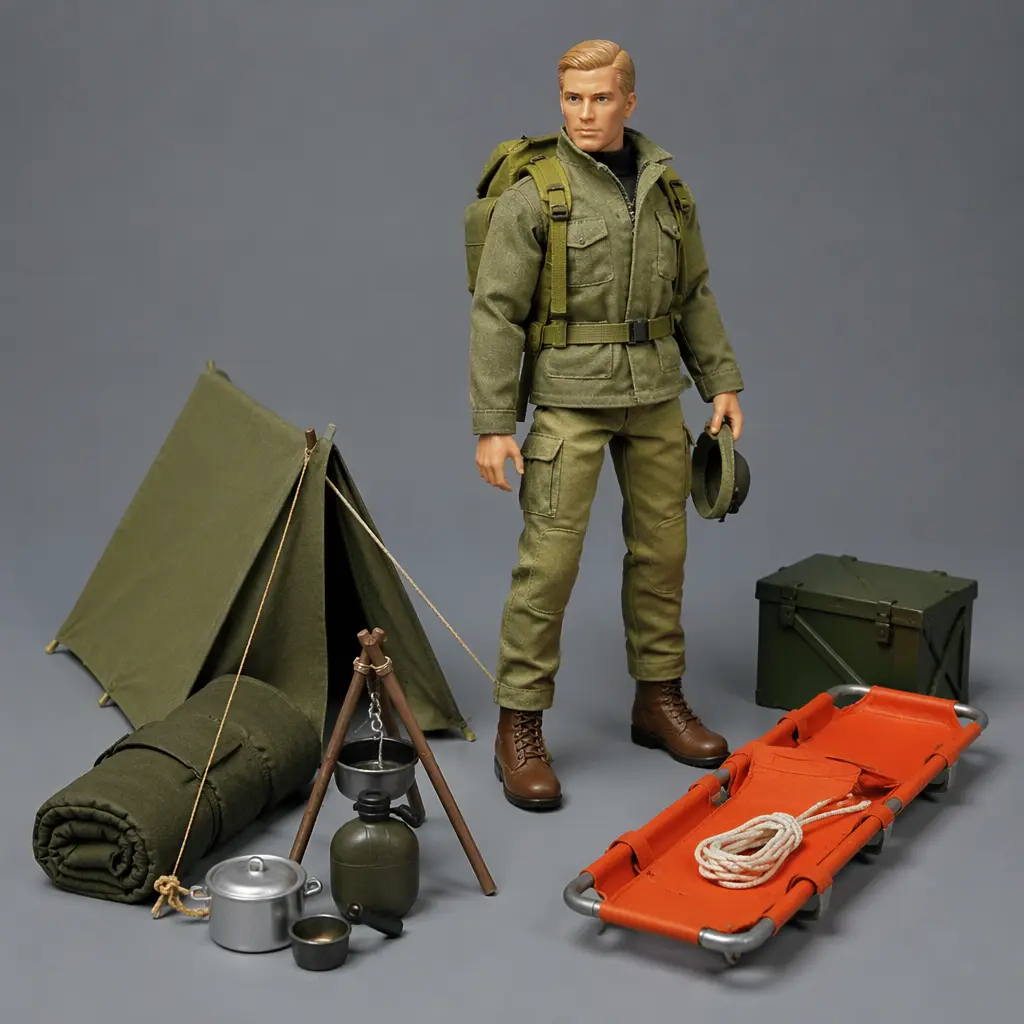
Classic · 1966
Introduced in 1966, Action Man brought military role-play and detailed accessories into European toy rooms, influencing generations of action figures and imaginative storytelling.
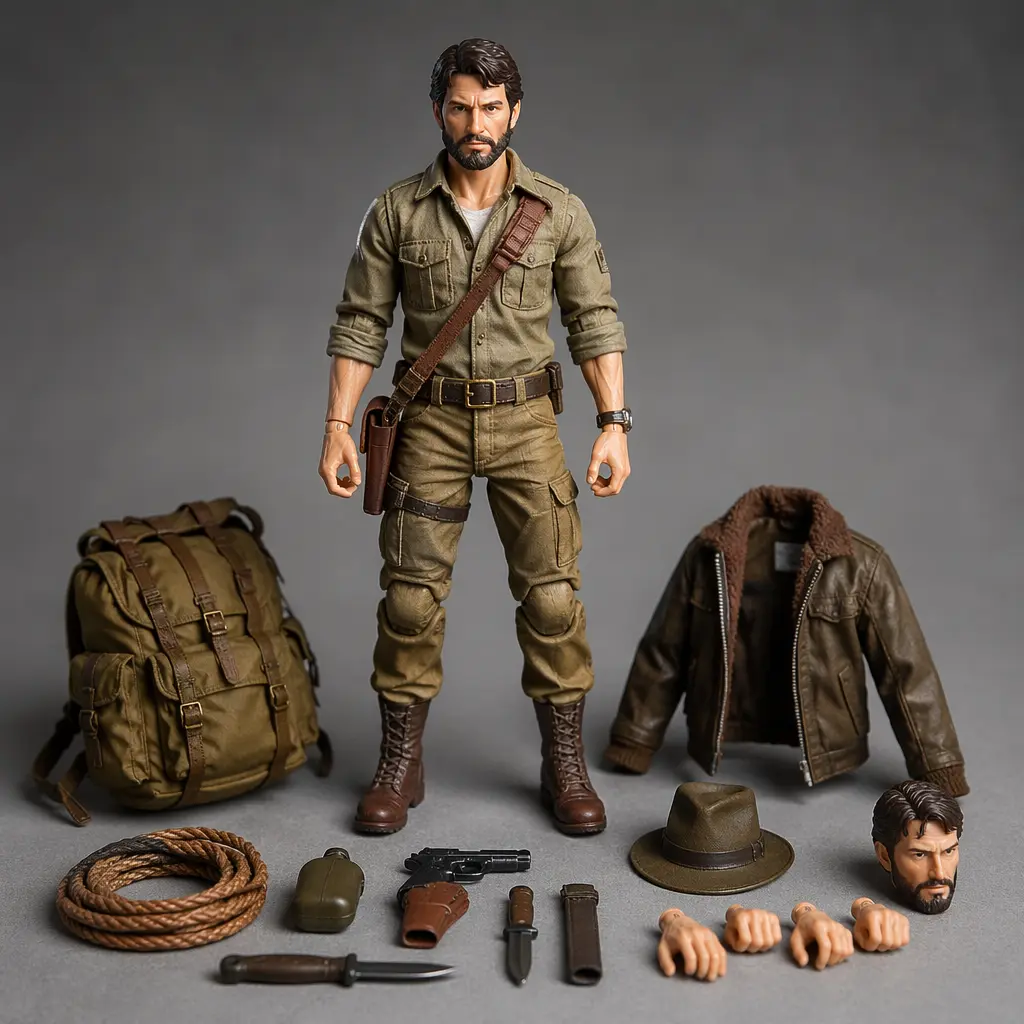
Classic · 1971
Mattel’s Big Jim line mixed sports gear, spy gadgets, and rugged adventure themes into a flexible action figure that helped shape the modern action-hero toy aisle.
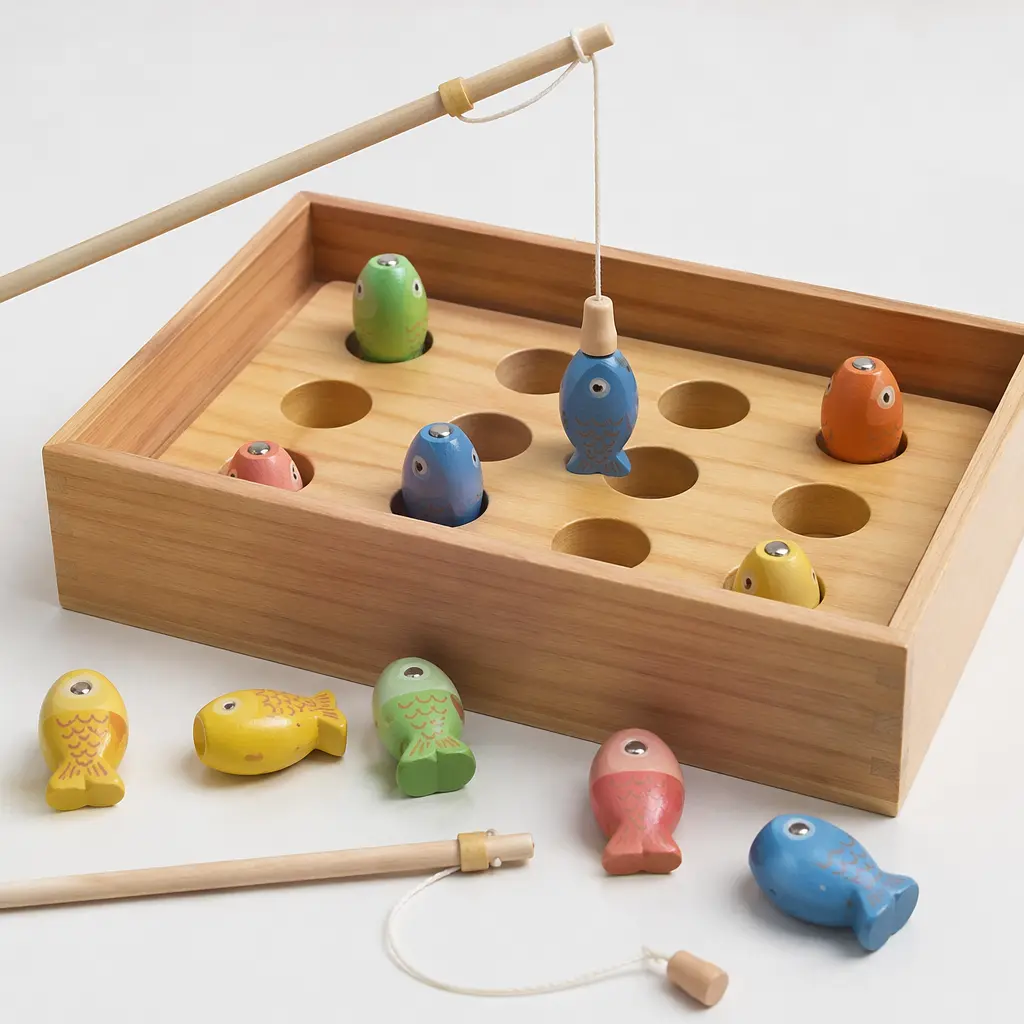
Classic
A quiet classic, the magnetic fishing game turns simple wooden fish into lessons in patience, coordination, and focus—one careful catch at a time.
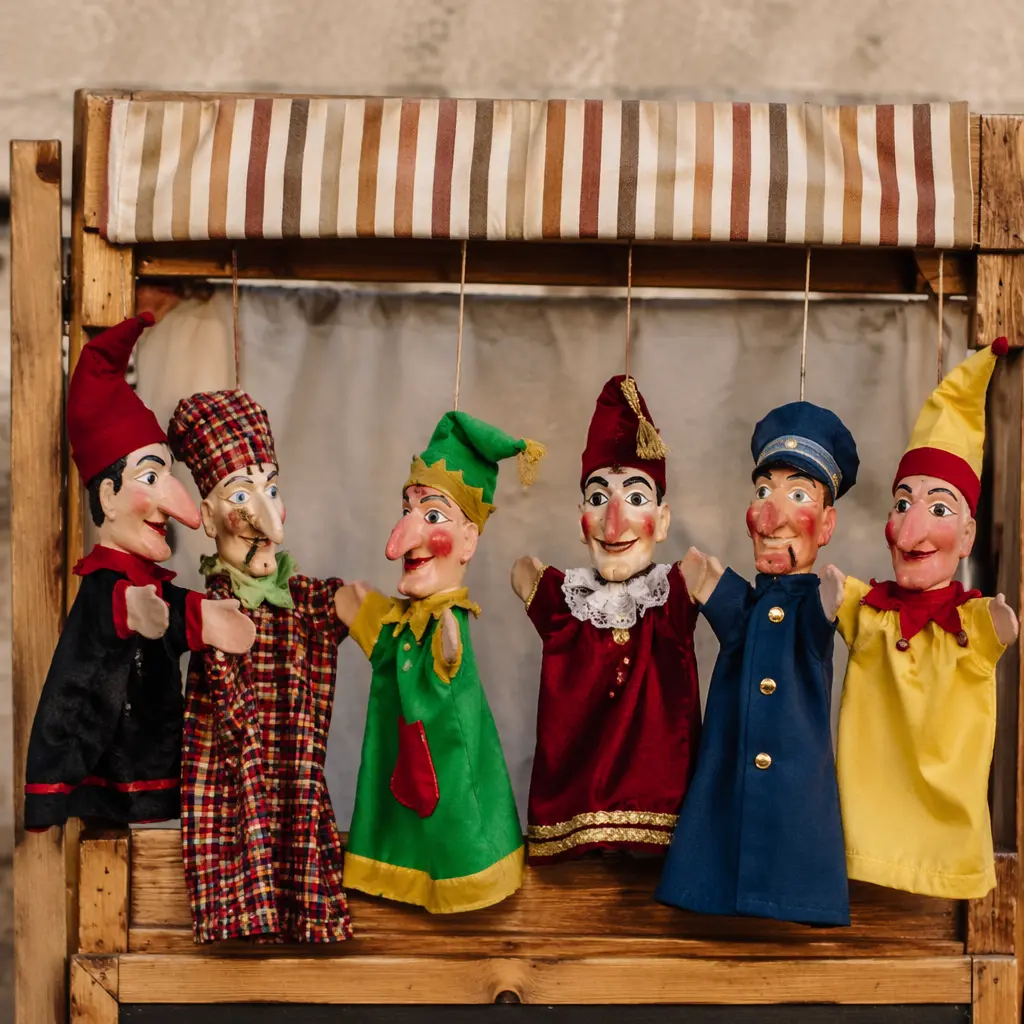
Classic
From seaside booths to living rooms, Punch and Judy puppets show how a simple glove puppet set has carried slapstick humour and storytelling across centuries—and why kids still love taking control of the show.
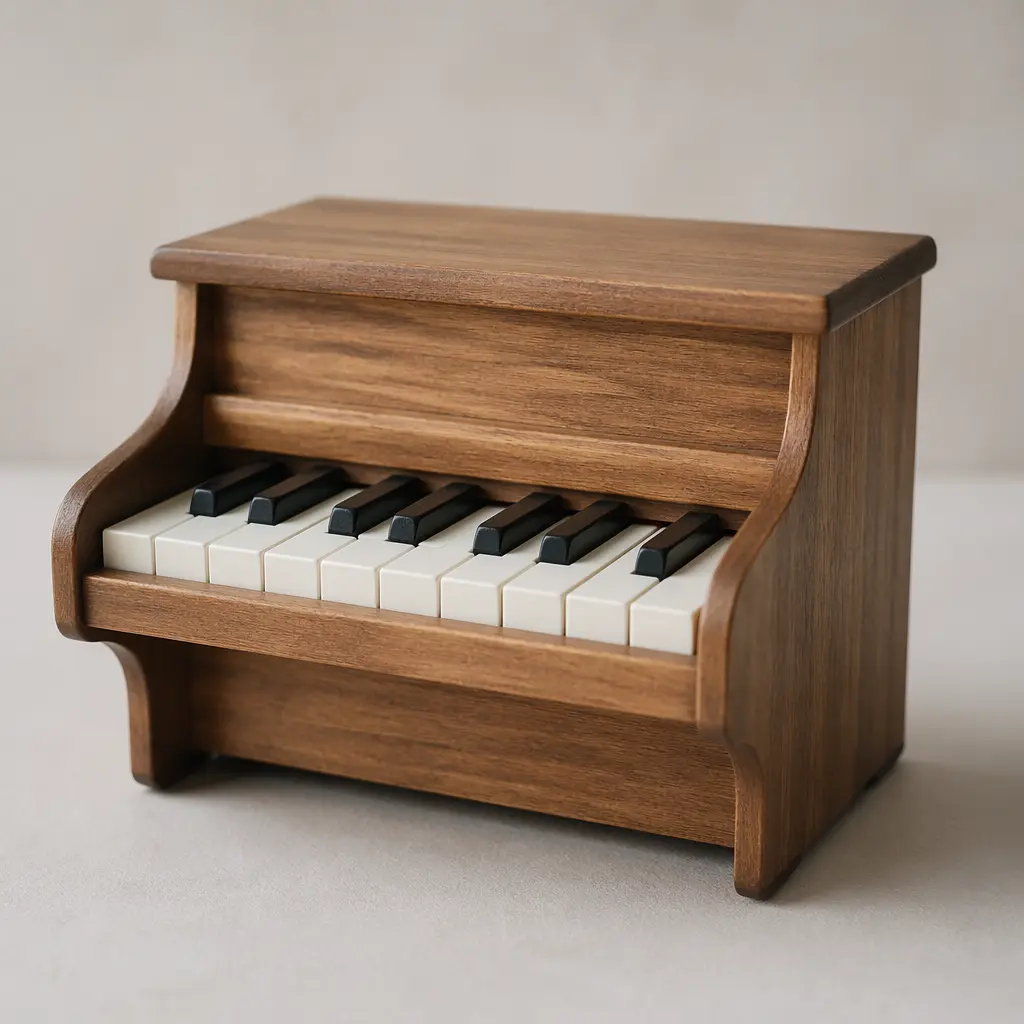
Classic
From nursery playrooms to concert halls, the toy piano has quietly introduced generations of children to music through curiosity, repetition, and play.
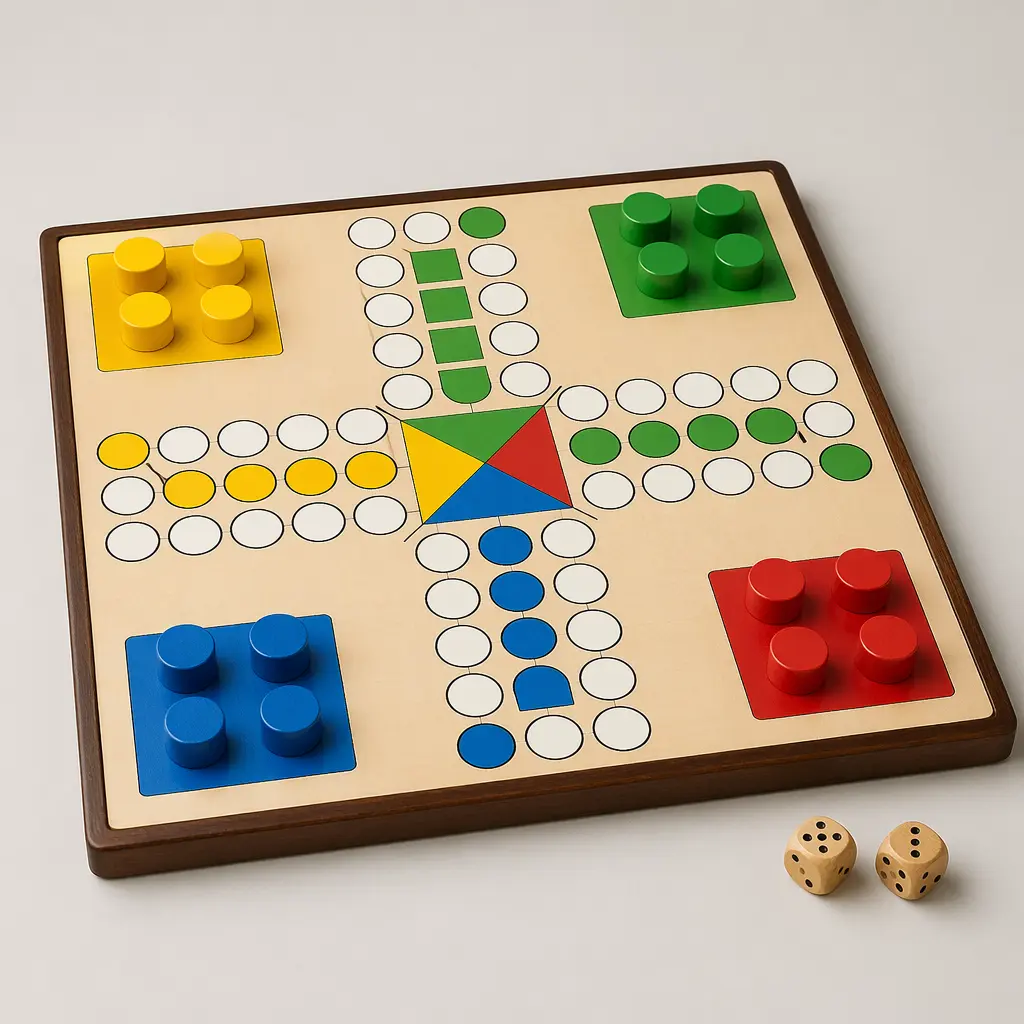
Classic · 1896
From Victorian Britain to living rooms around the world, Ludo has endured as a simple, social race game that bridges generations, cultures, and skill levels with ease.
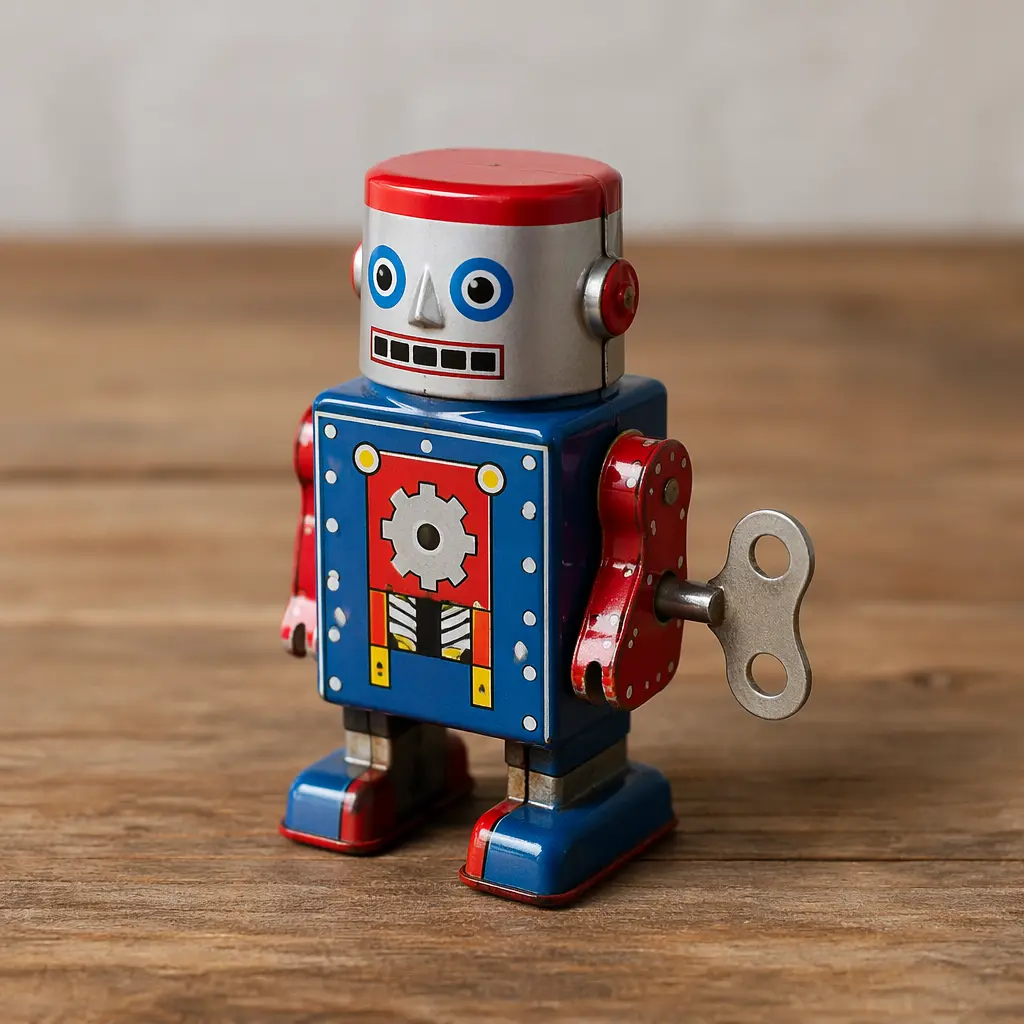
Classic
Before batteries and screens, tin wind‑up toys taught kids how motion works. A look at the clanking keys, simple gears, and lasting appeal of these classic mechanical playthings.

Classic
Long before screens, marbles taught aim, counting, and patience. This profile traces the toy’s ancient roots, why its simple physics still work, and what to look for if you’re buying a set today.

Classic · 1949
From postwar plastics to bedtime routines, the rubber duck’s simple float-and-squeak design turned bath time into play and made it one of the most recognizable toys of the 20th century.
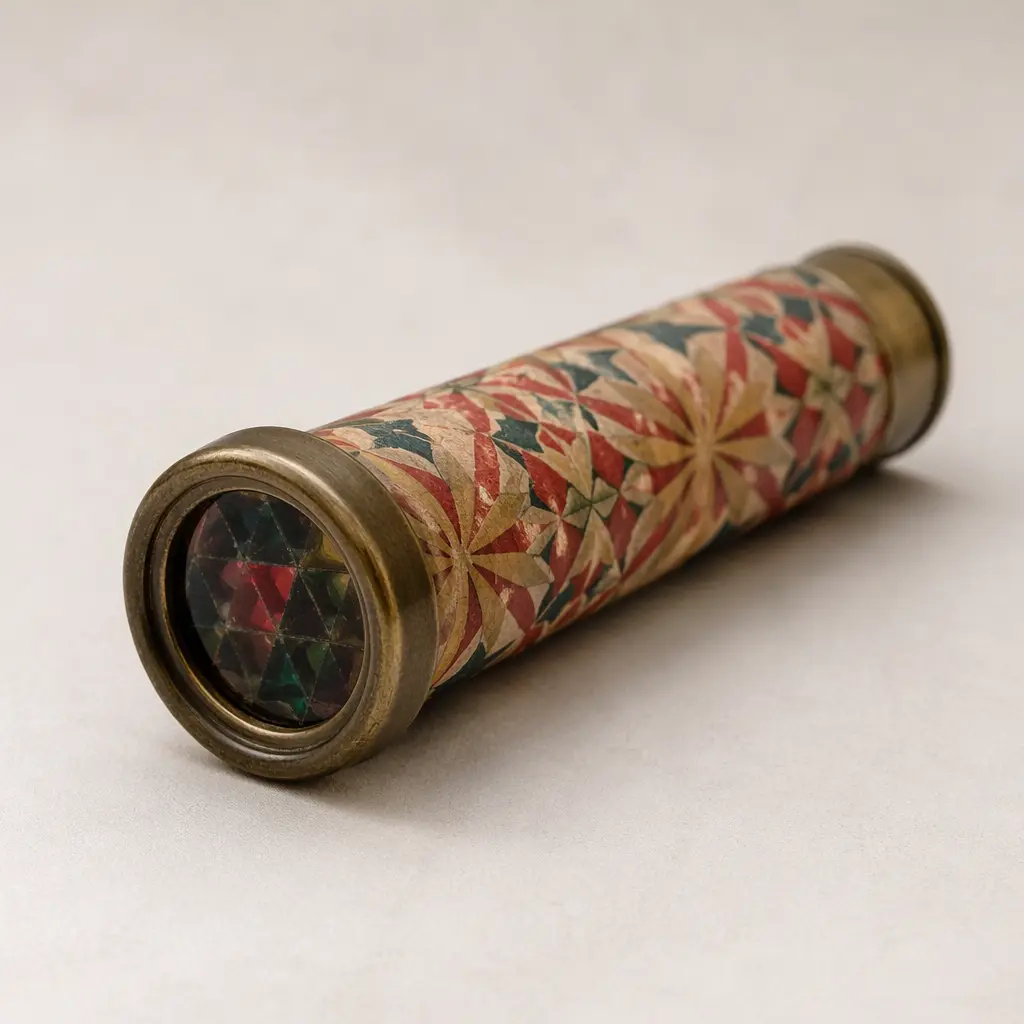
Classic · 1816
Invented in 1816, the kaleidoscope proves that mirrors, light, and chance can be endlessly entertaining. Here’s why this simple optical toy still captivates children and adults today.
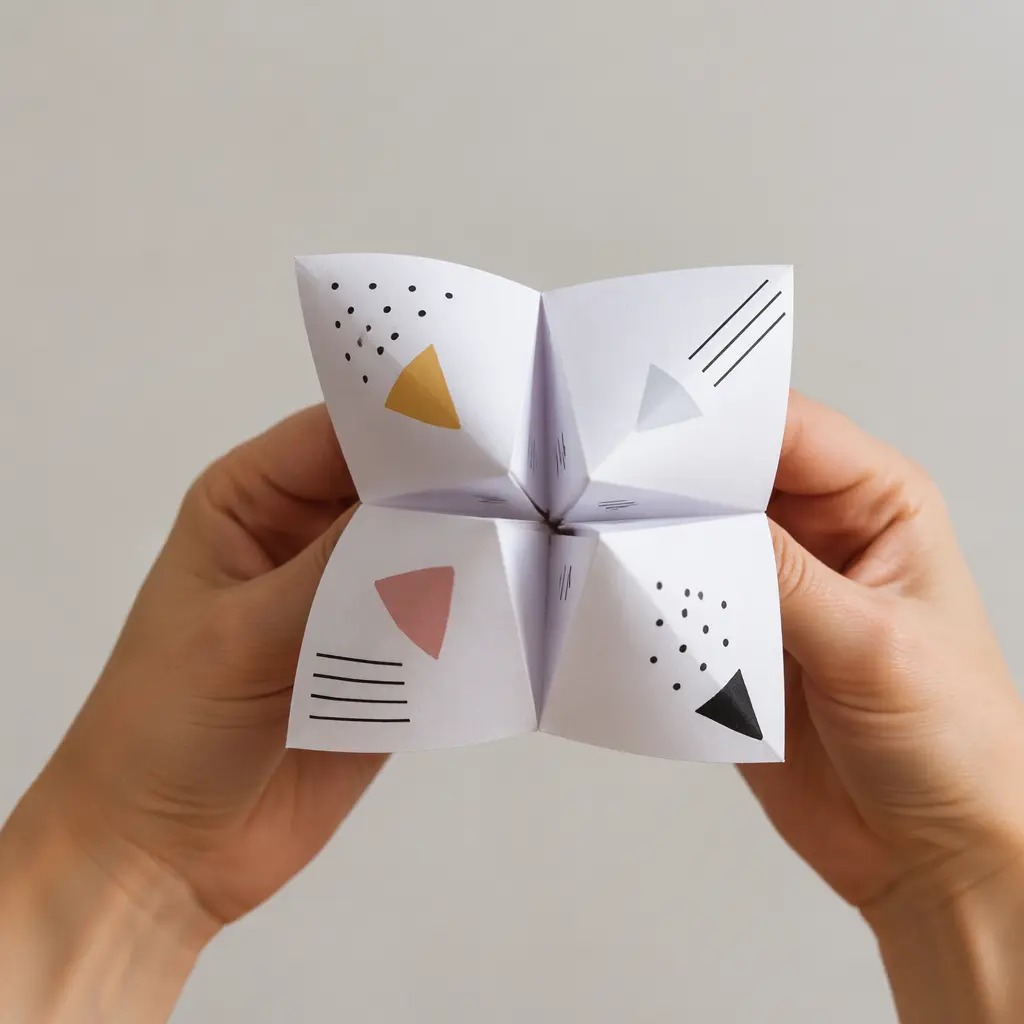
Classic
Made from a single sheet of paper, the cootie catcher became a playground game, craft project, and social ritual—proof that imagination can turn the simplest materials into lasting fun.

Classic
Parachute Men are pocket-sized toys built for big drops. From playground tosses to stairwell tests, their slow, drifting falls explain why this simple classic never lost its pull.
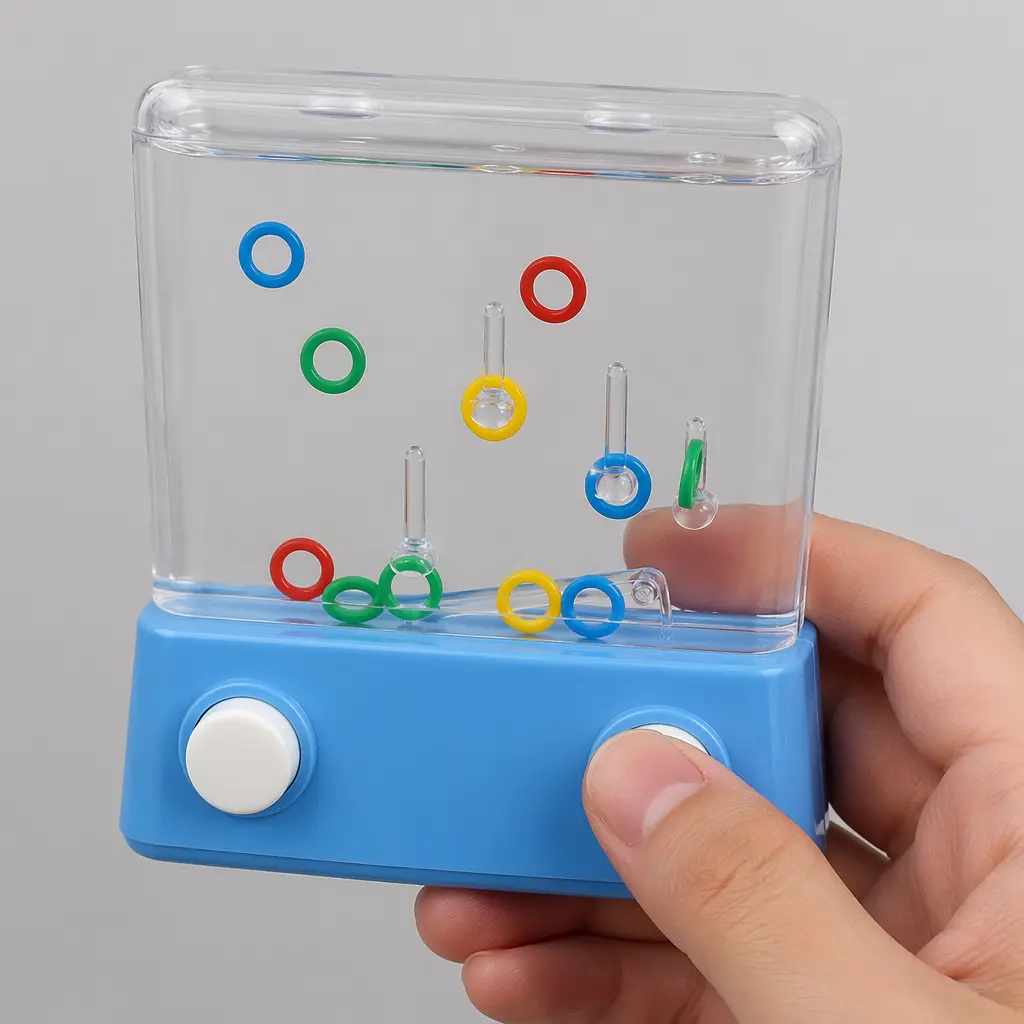
Classic
The pocket-sized water ring toss game turns a simple squeeze-and-release into a lesson in patience, focus, and quiet satisfaction—no batteries, no rush, just calm play.
Classic · 1972
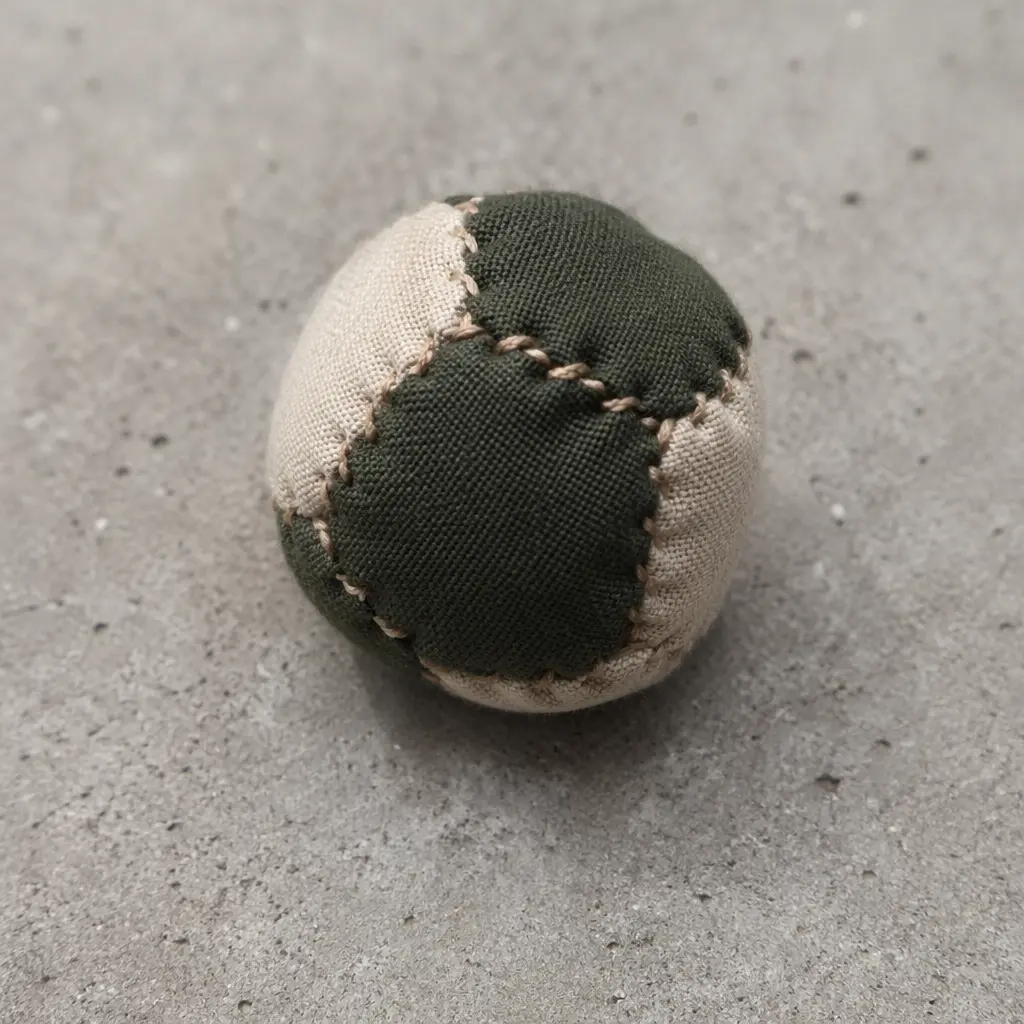
Born in the 1970s, the Hacky Sack turned a simple bean-filled ball into a cooperative, drop-in game. Its staying power comes from easy rules, social play, and a design that invites everyone in.
Classic · 1959
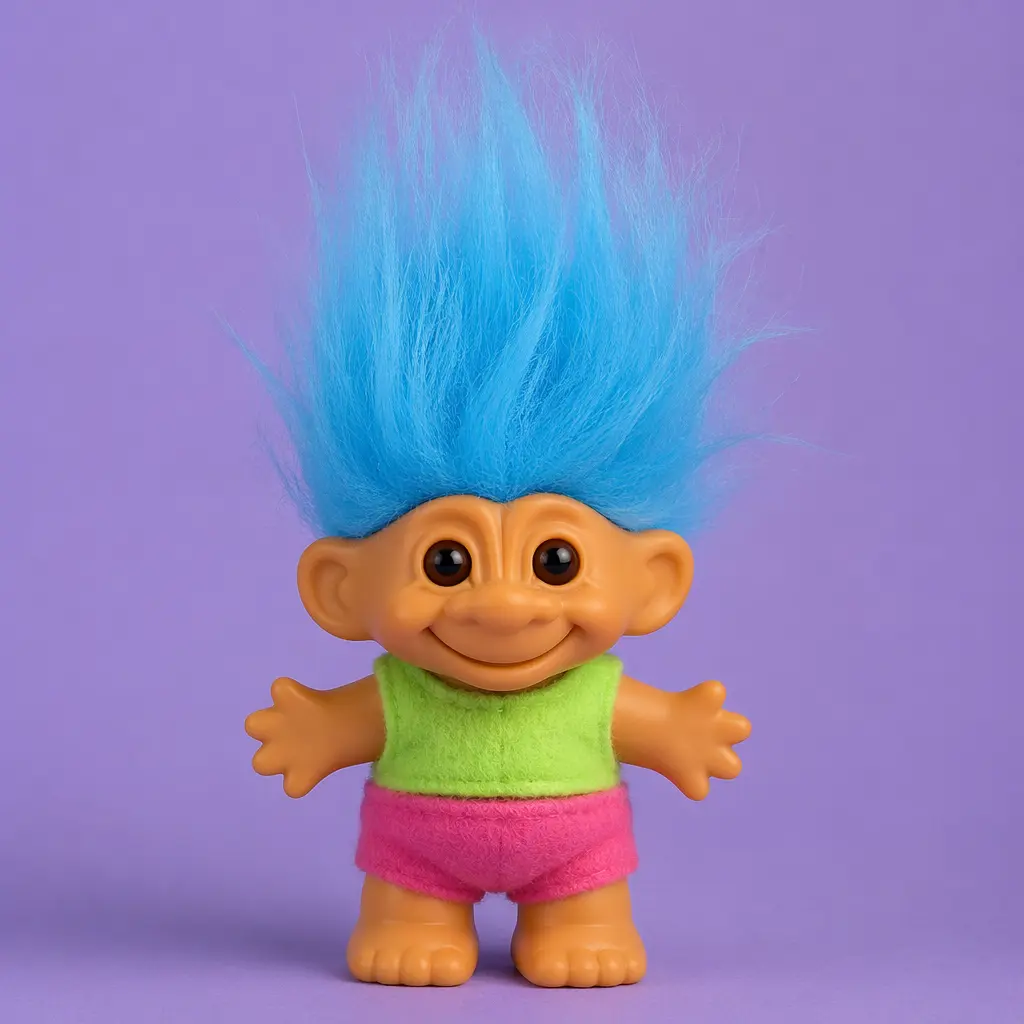
Born in Denmark in 1959, Troll Dolls have bounced from good-luck trinkets to global craze to pop-culture punchline—and back again. Here’s how the wild-haired dolls endured across generations.
Classic
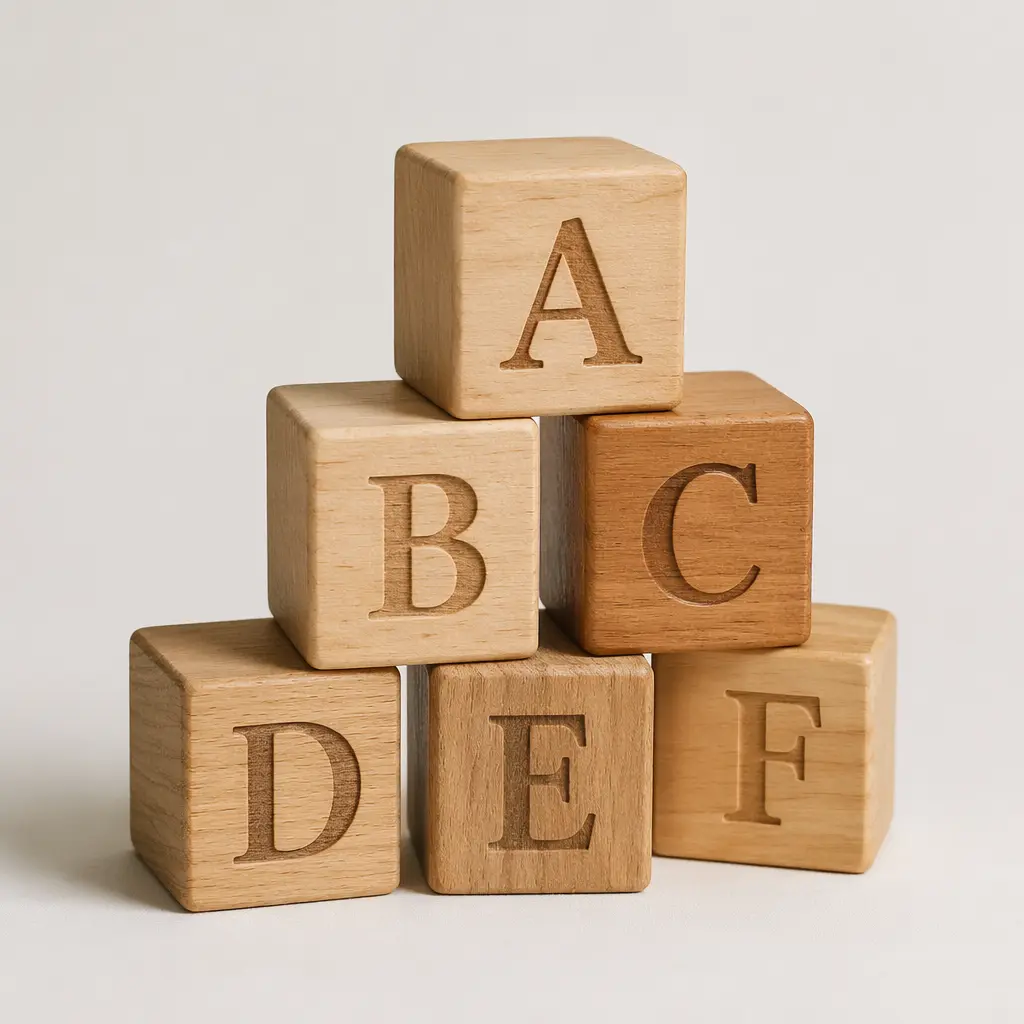
From nurseries to classrooms, wooden alphabet blocks have helped generations stack, spell, and imagine—proof that simple design can teach language, balance, and creativity all at once.
Classic
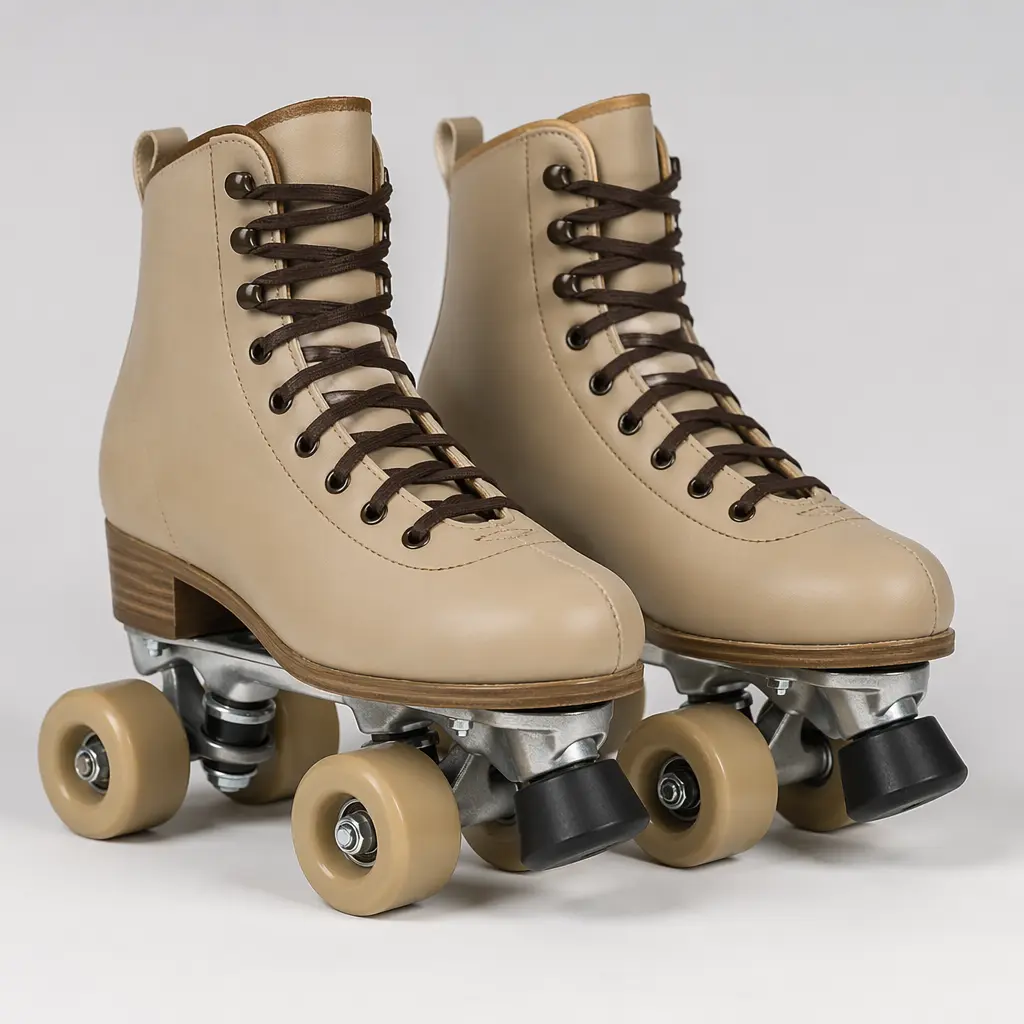
From seaside promenades to school gyms, roller skates teach balance, resilience, and joy. A look at how a classic ride-on endured by turning falling down into a reason to get back up.
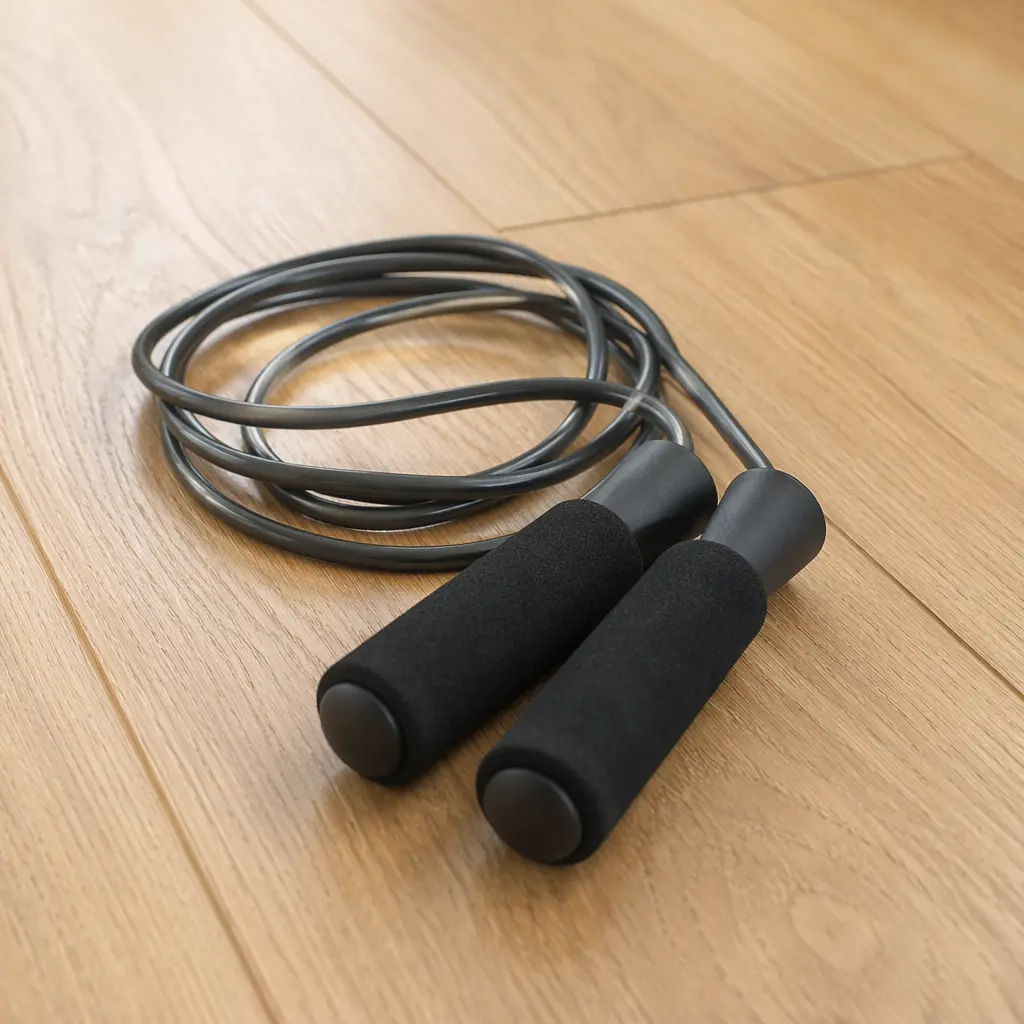
Classic
From schoolyards to gyms, the jump rope proves that a simple design can fuel decades of play, fitness, and friendly competition.
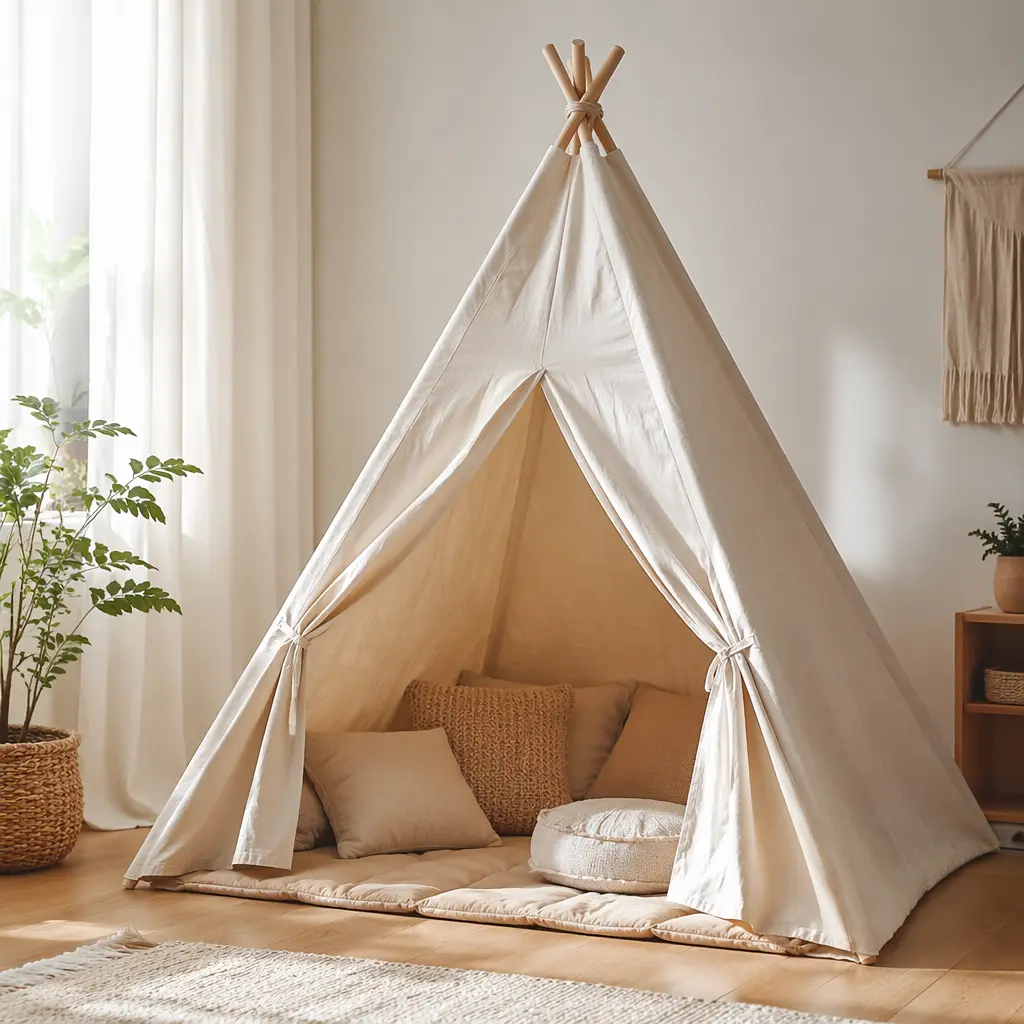
Classic
From living-room camps to secret reading nooks, the play tent endures by turning a simple fabric shell into a private world kids can own, rearrange, and imagine into anything.
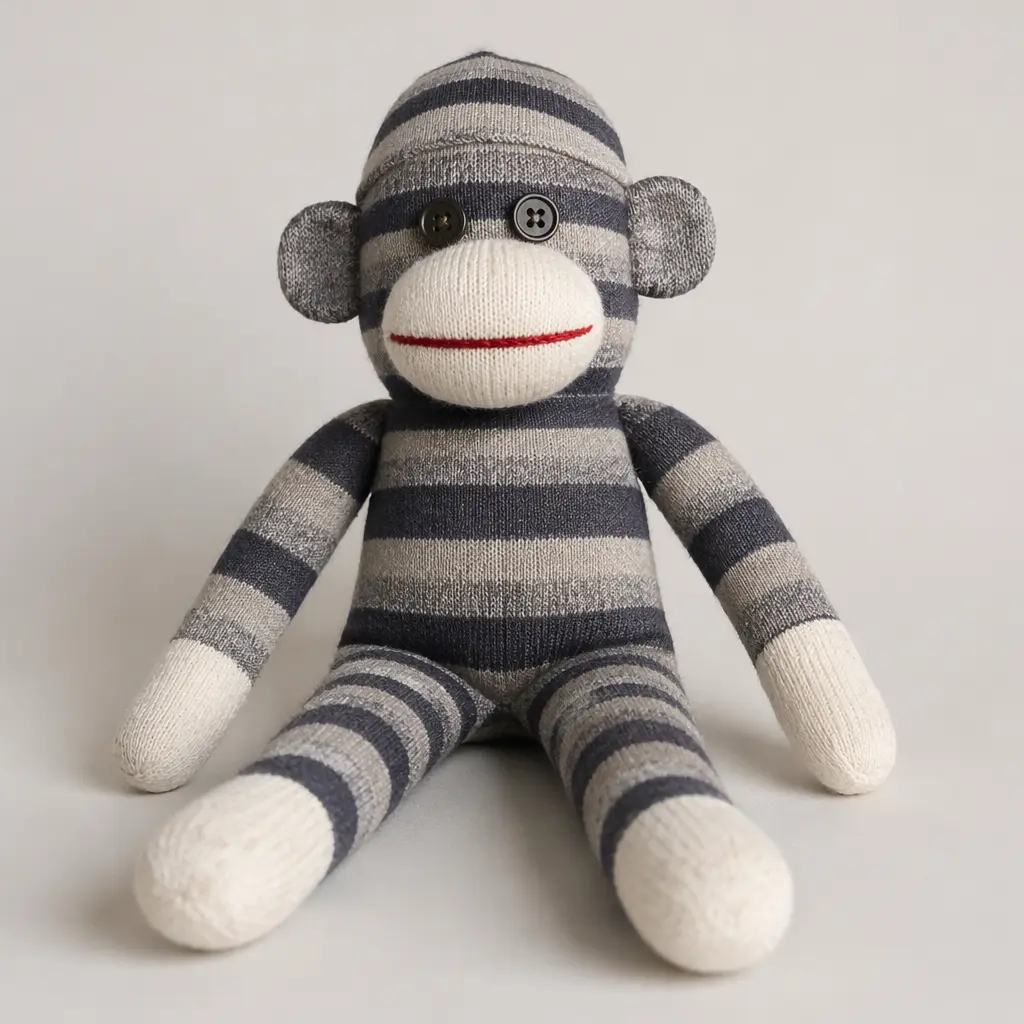
Classic · 1932
Born from thrift during the Great Depression, the sock monkey turned everyday work socks into a friendly plush that’s endured as a handmade symbol of comfort, creativity, and nostalgia.
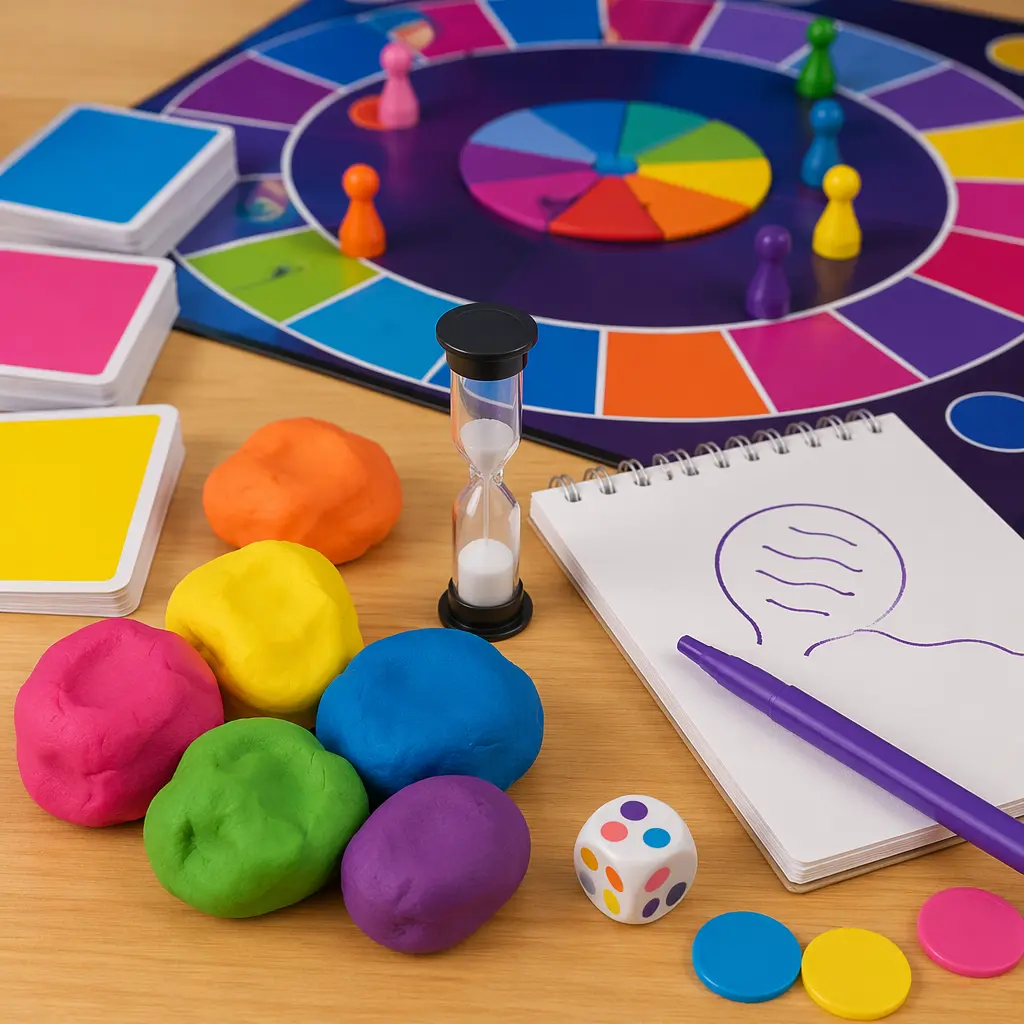
Classic · 1998
Launched in 1998, Cranium reshaped party games by celebrating many kinds of intelligence—creative, verbal, physical and logical—and turning group play into an all-skills affair.
Classic · 1986
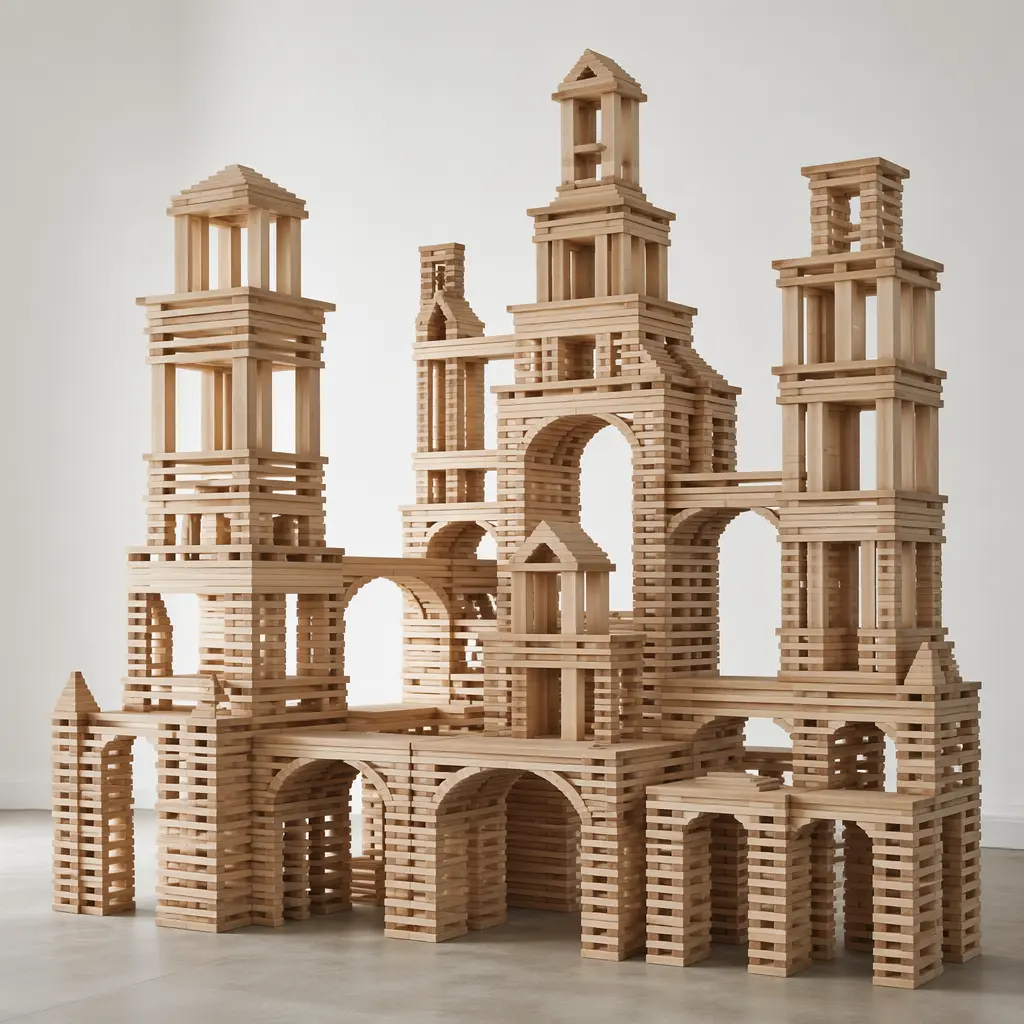
KEVA Planks proved that simple, identical wooden boards could teach balance, gravity and design without instructions. Since the 1980s, they’ve turned free play into hands‑on engineering.
Classic · 1989
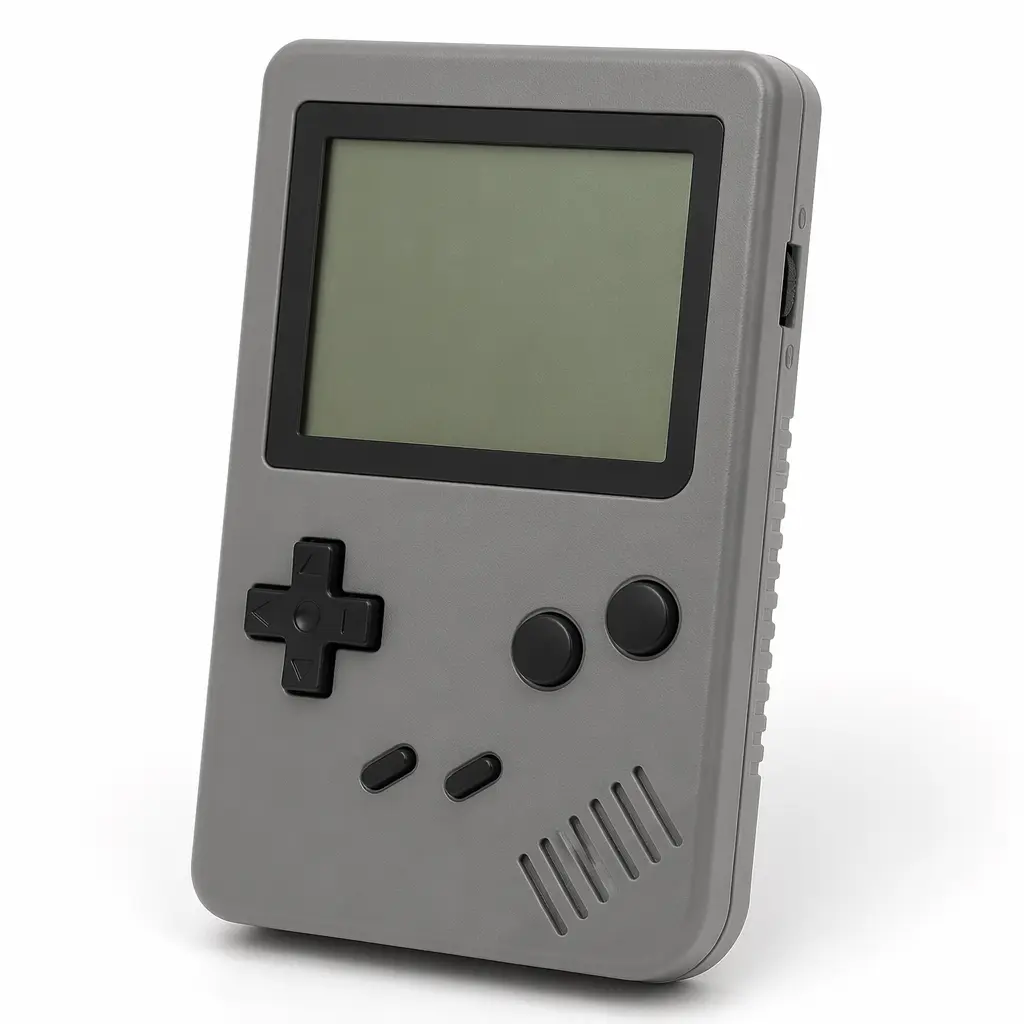
Launched in 1989, the Nintendo Game Boy proved games didn’t need colour or power to be magical. Its sturdy design and pick‑up‑and‑play charm turned waiting rooms and car trips into playtime.
Classic · 1947
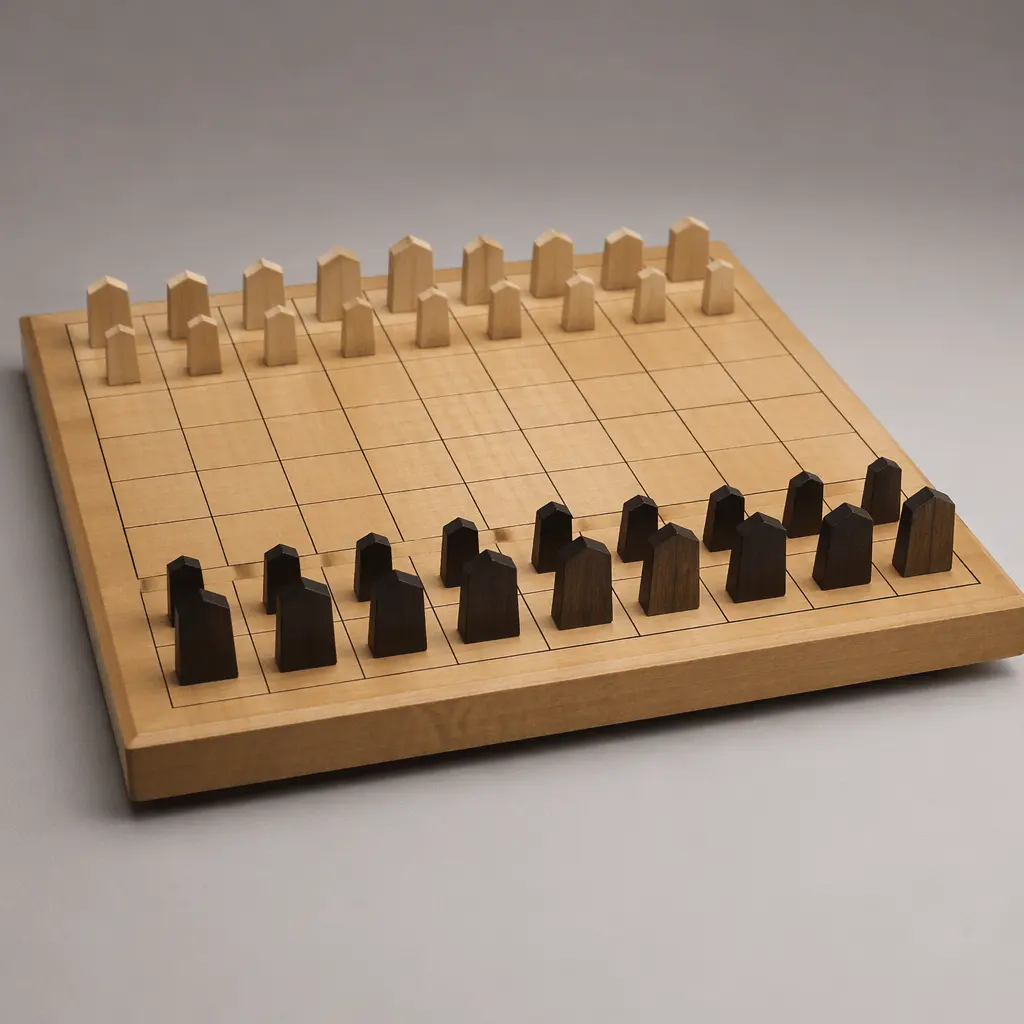
First published in 1947, Stratego blends hidden information, bluffing and long-term planning. It’s a classic board game that rewards patience, recall and bold gambits across generations.
Classic · 1915
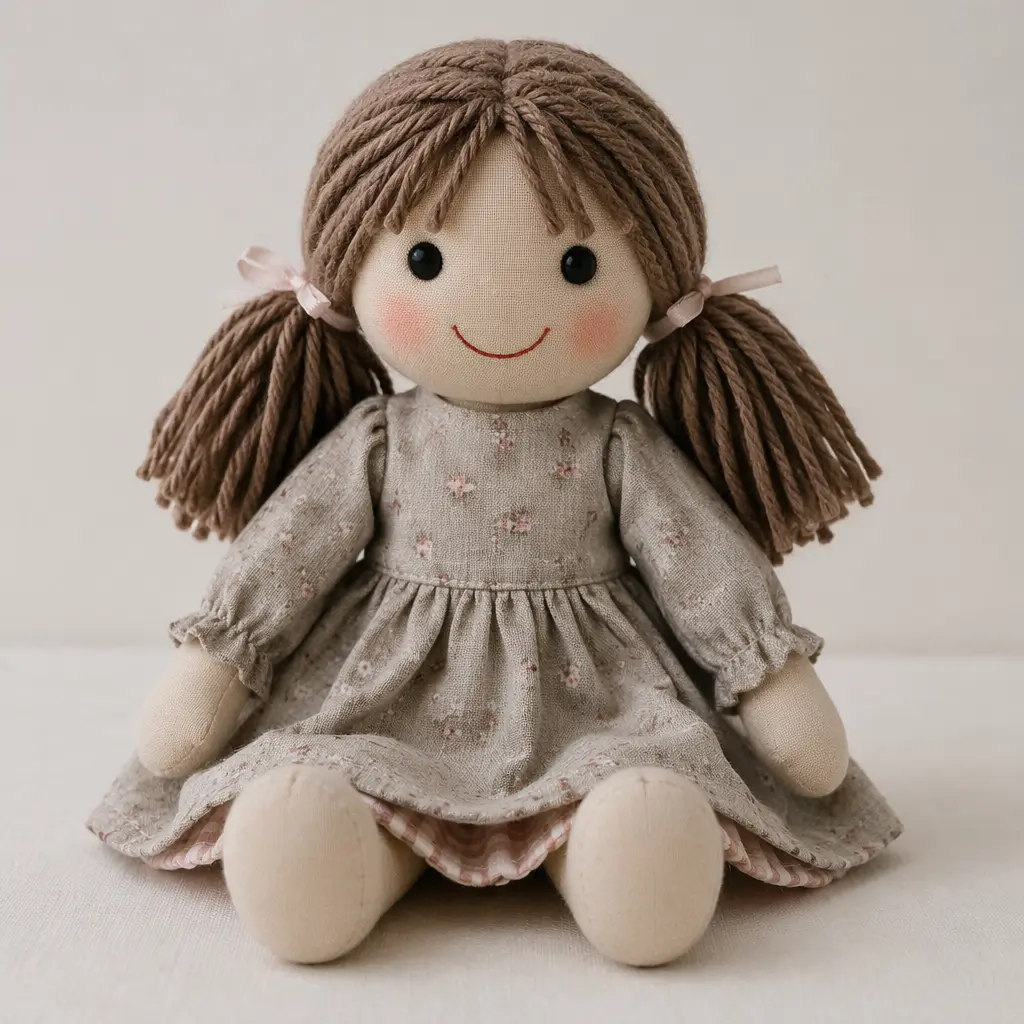
Introduced in the 1910s, Raggedy Ann helped define the idea of a comforting cloth doll. A look at her origins, design, and why soft rag dolls still matter to families today.
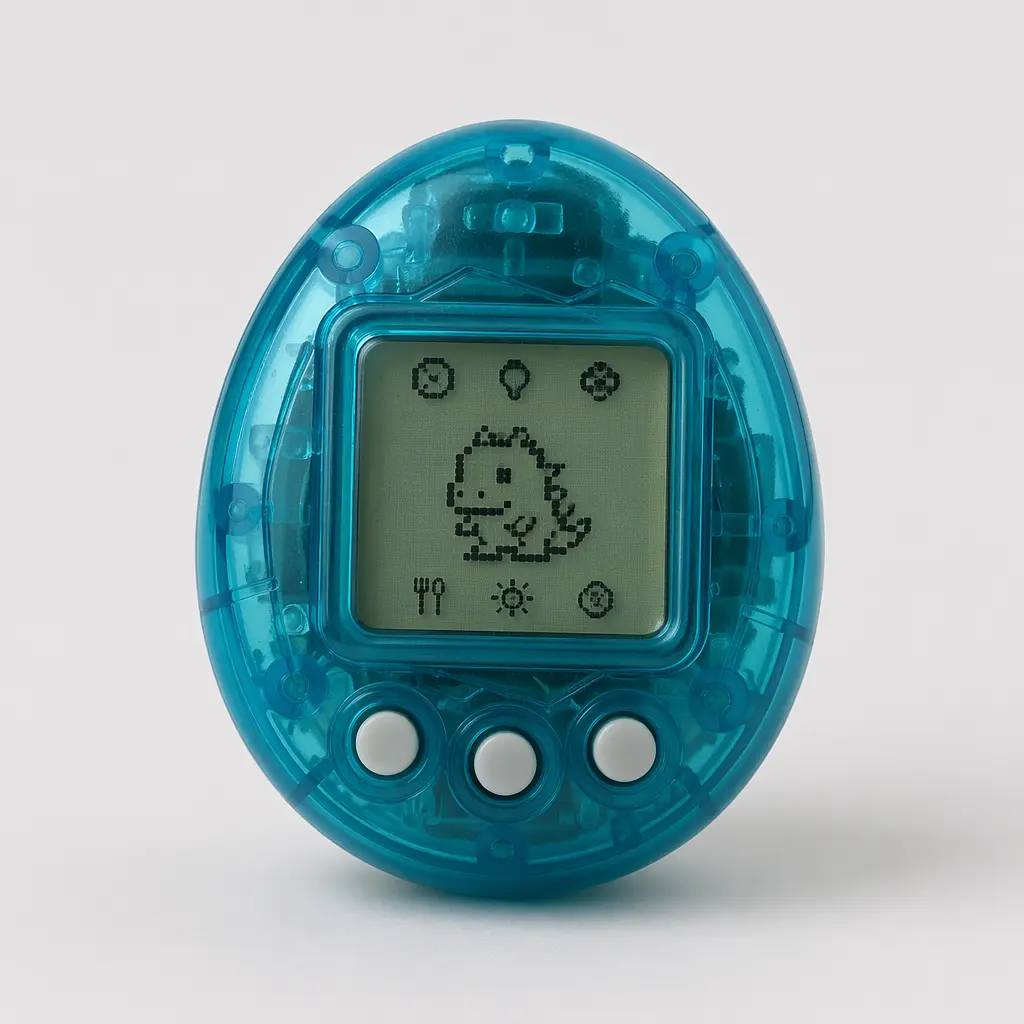
Classic · 1997
A keychain-sized screen, a beeping reminder, and a tiny creature to raise. Giga Pets quietly matched Tamagotchi in the 1990s, with bolder designs and a surprisingly devoted fan base.
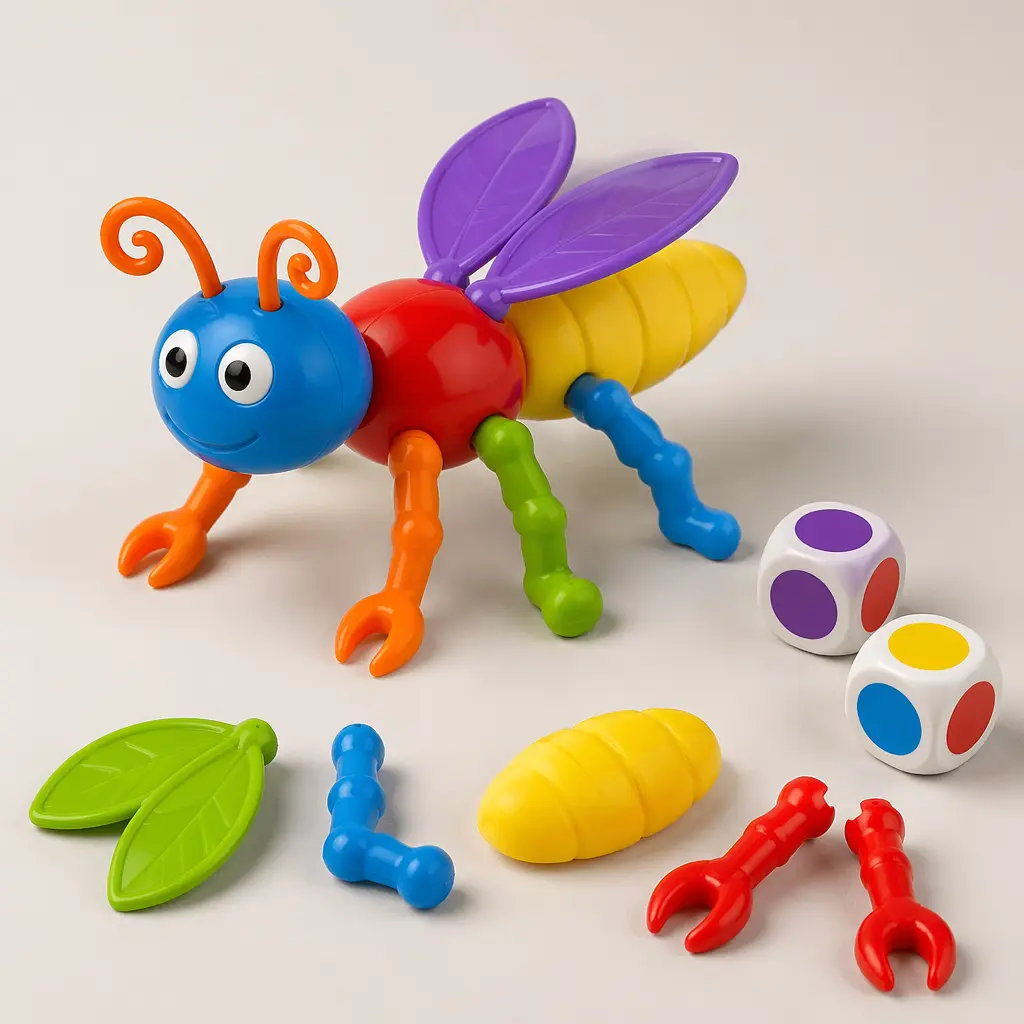
Classic · 1949
First released in 1949, Cootie turned building a goofy plastic bug into a lesson in turn-taking and luck. Its simple rules and absurd payoff made it a preschool staple for generations.
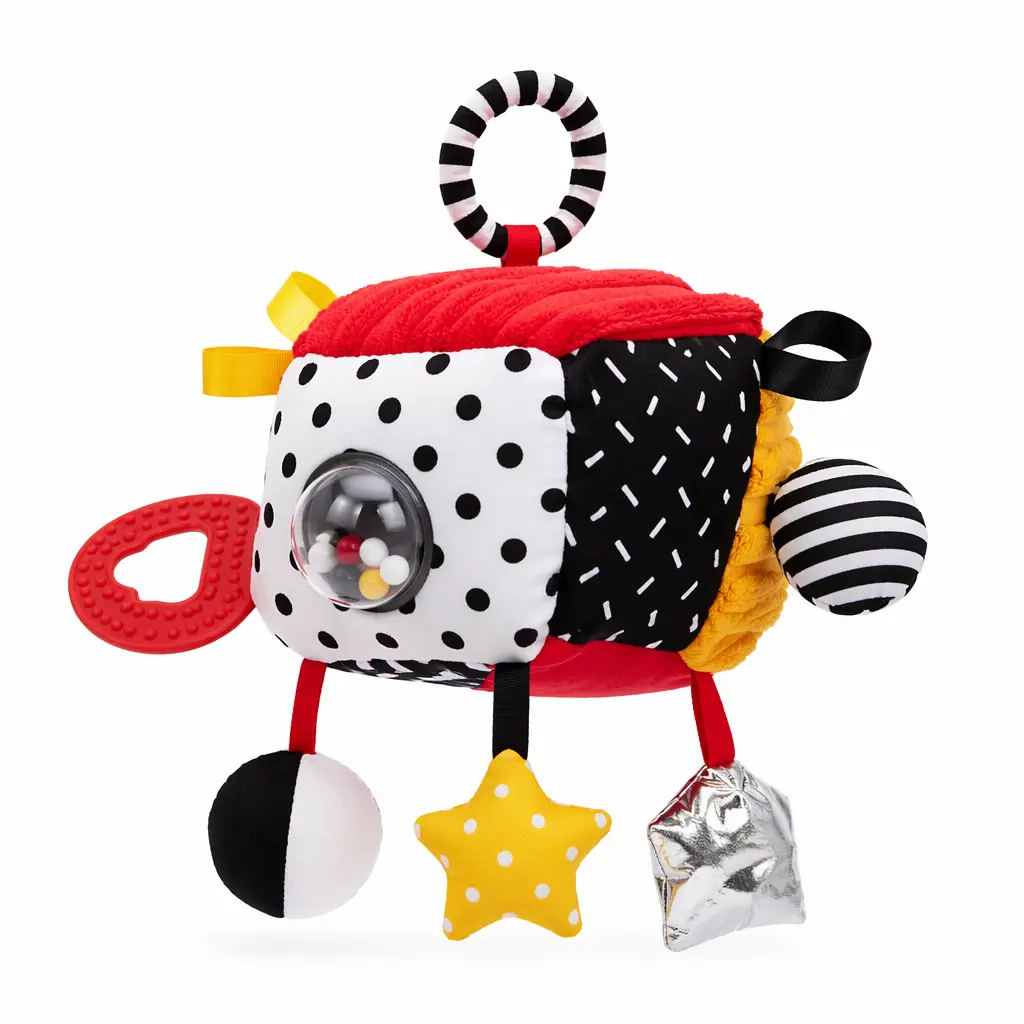
Classic · 1996
Since the 1990s, Lamaze baby toys have used bold contrast, textures, and gentle sounds to help infants learn to see, grab, and explore—one crinkle and clip at a time.
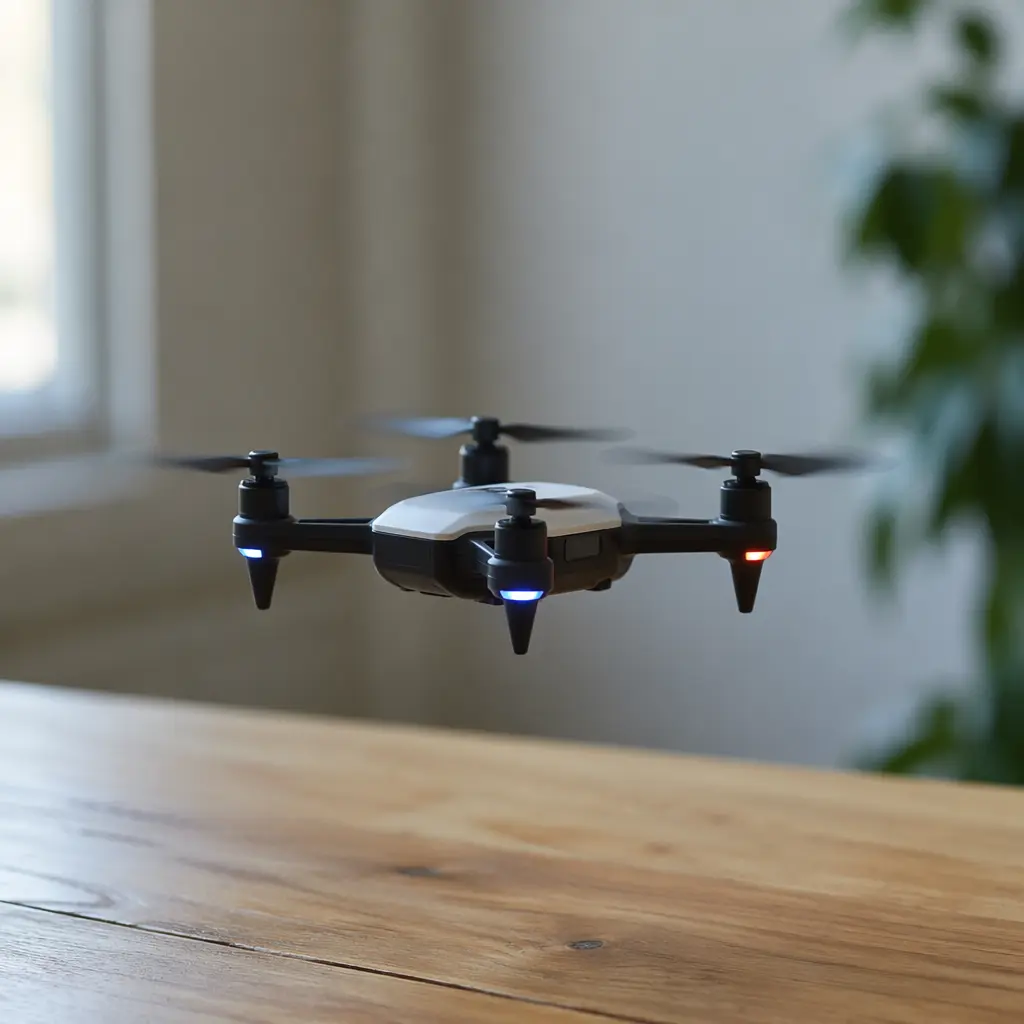
Classic · 1998
From foam helicopters to palm-size drones, Air Hogs helped bring flying RC toys indoors, safer and simpler. Here’s how the brand changed remote control play—and what still matters today.
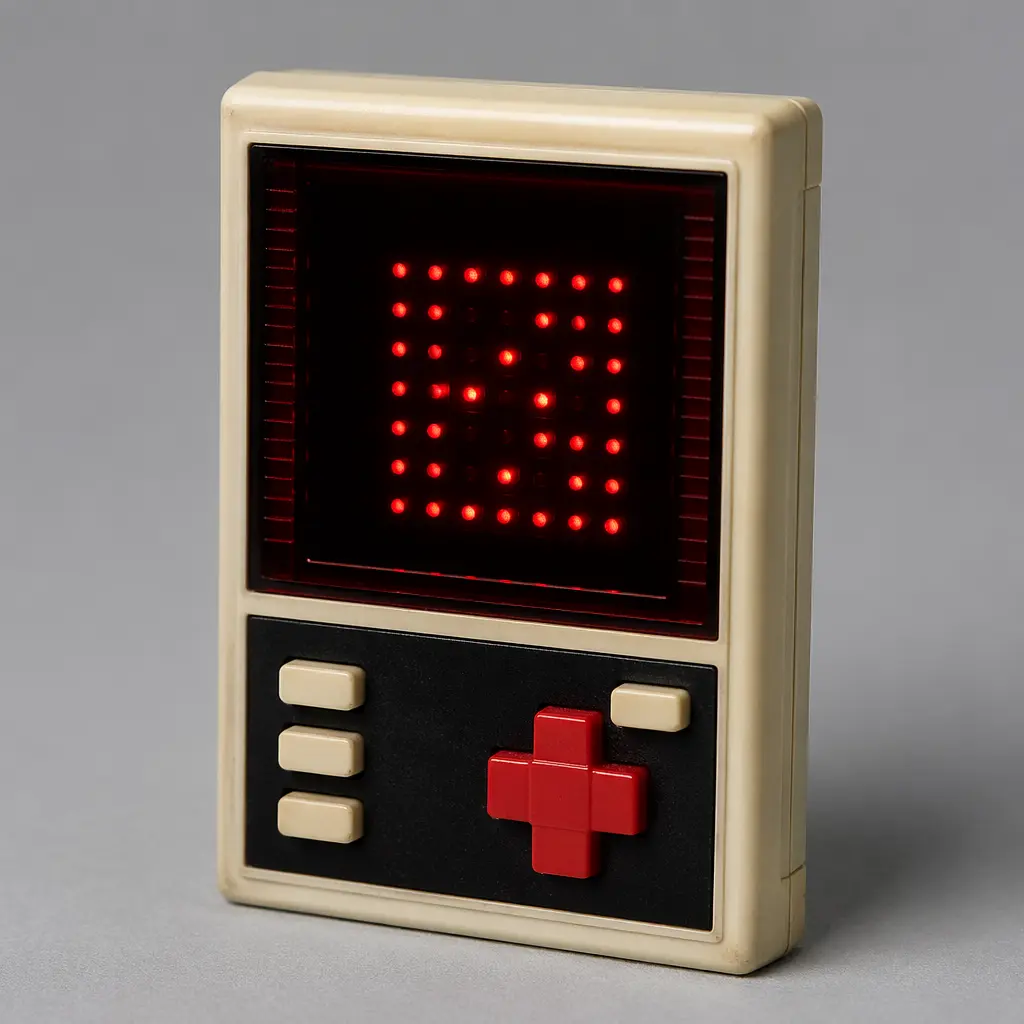
Classic · 1978
Released in 1978, the Merlin Electronic Wizard packed multiple games into a handheld device, foreshadowing portable gaming decades before smartphones and consoles became everyday companions.
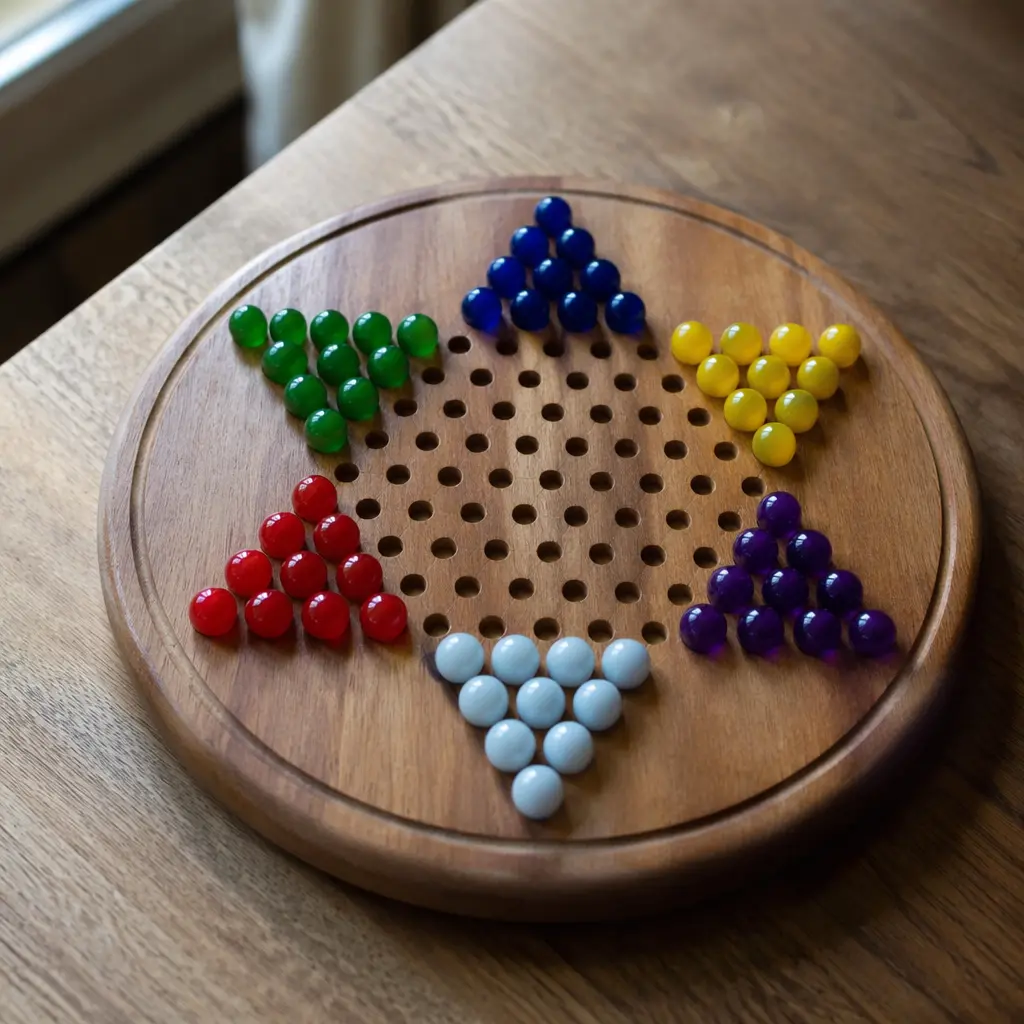
Classic
Chinese Checkers looks simple, but its hop-based play and social board design helped it spread from Europe to living rooms worldwide—and keep families playing for generations.
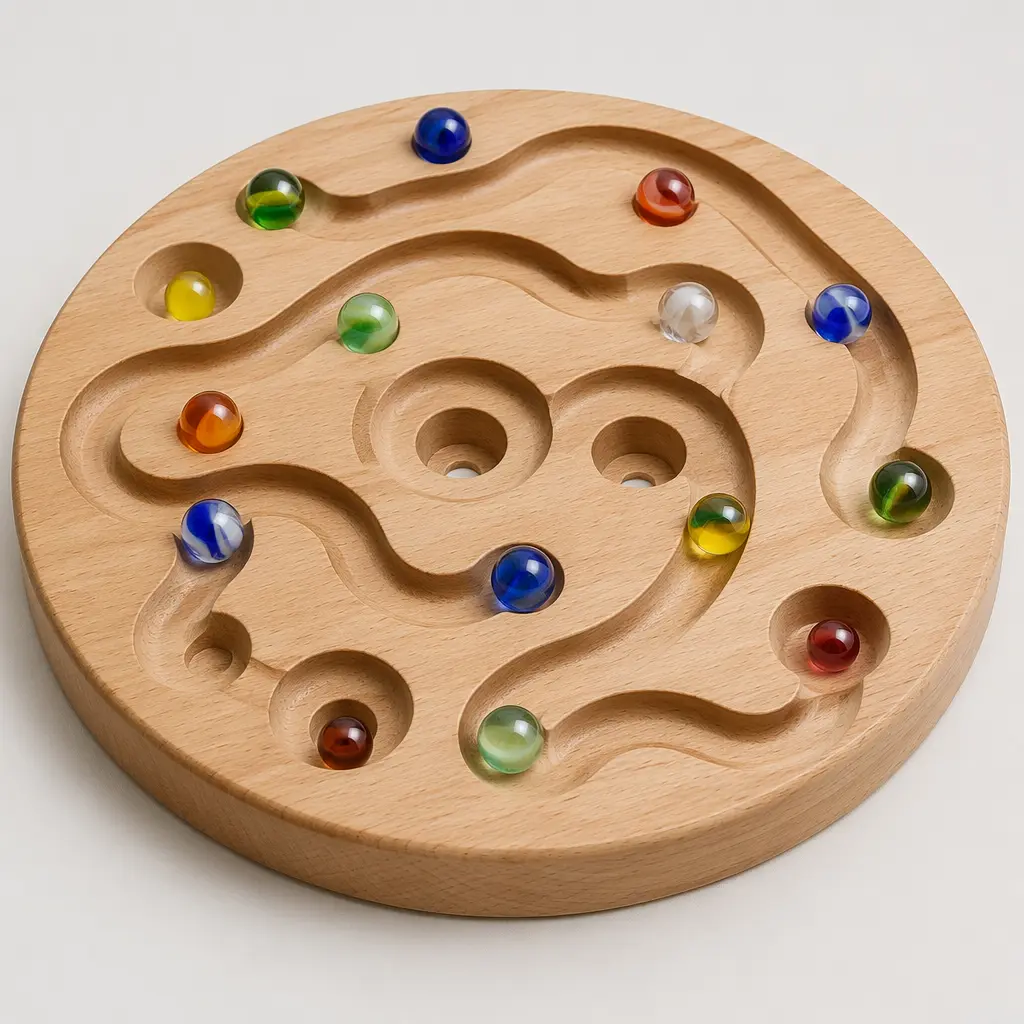
Classic · 1960
Born in 1960, Aggravation turns a wooden board, marbles and one die into laughter, groans and surprise comebacks—proof that simple rules can fuel unforgettable family game nights.
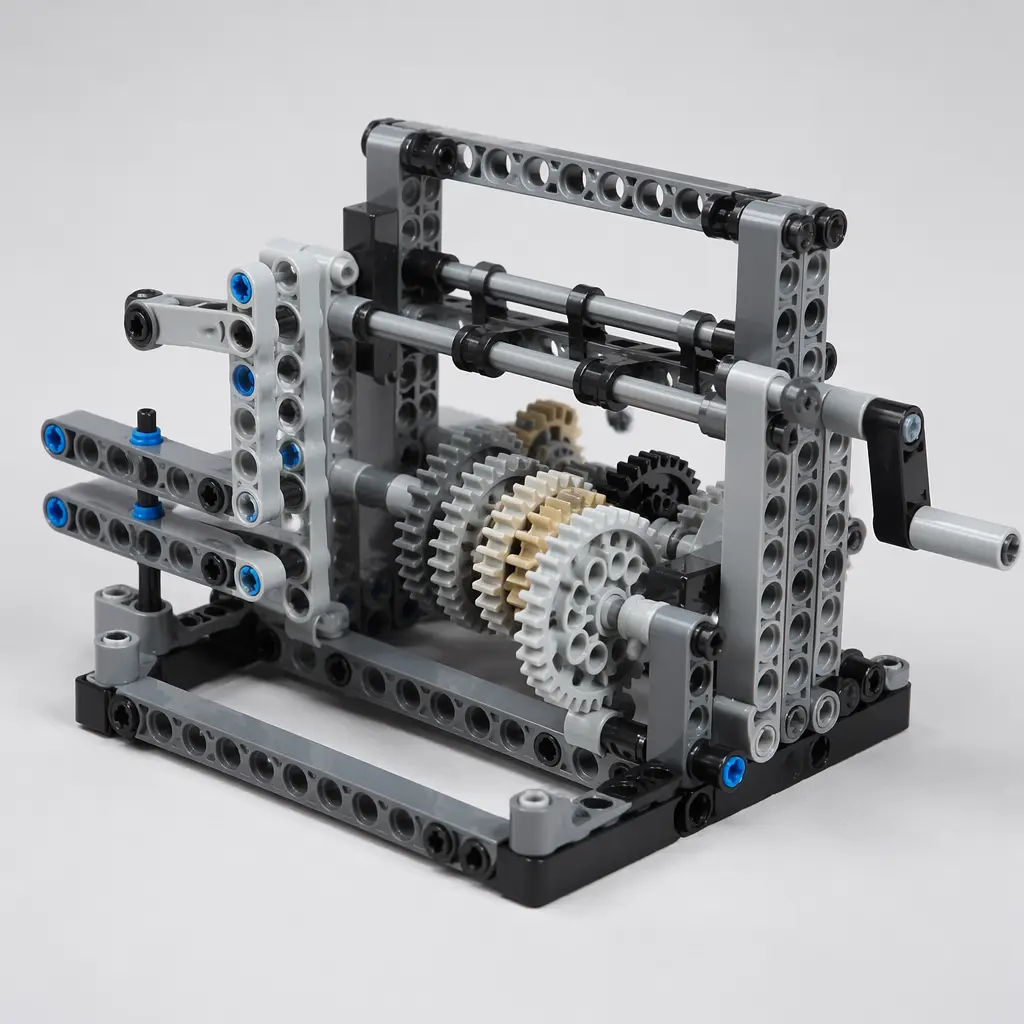
Classic · 1965
Born in 1960s Germany, Fischertechnik is a precision building system that grew from a promotional toy into a serious tool for teaching mechanics, logic and engineering thinking across generations.
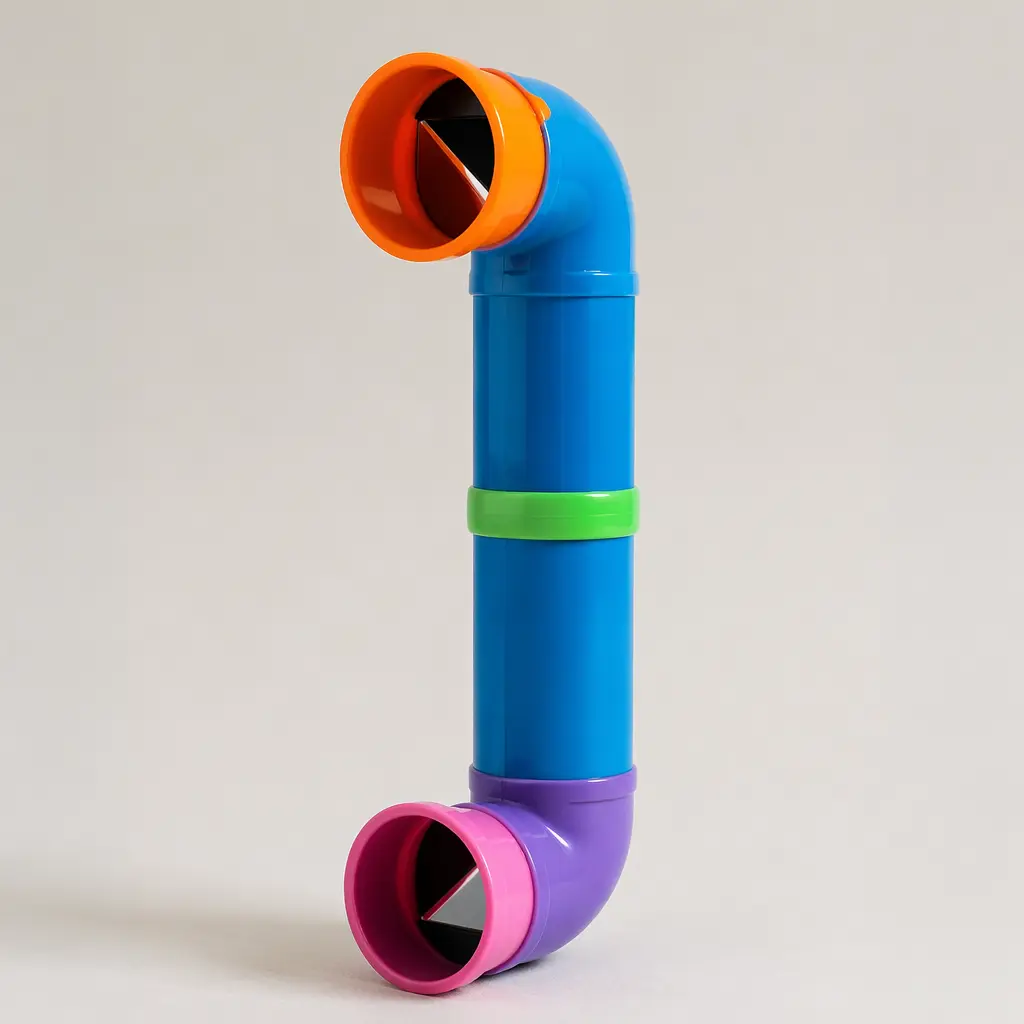
Classic
From cardboard tubes to plastic spy kits, the toy periscope has quietly taught generations how mirrors bend light—proof that simple STEM toys can have lasting appeal.
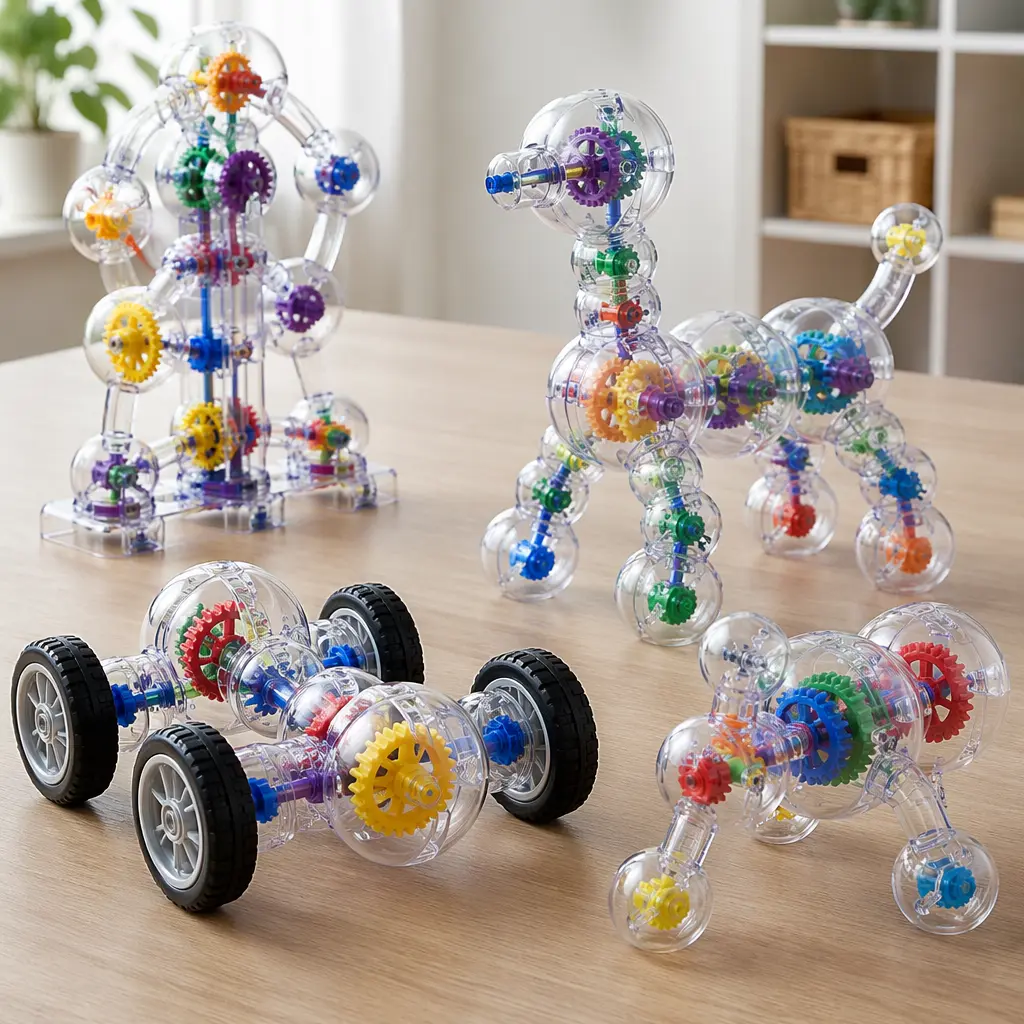
Classic · 1982
Capsela was a transparent construction toy from the 1980s that let kids see gears, motors, and forces at work. Its see-through capsules turned abstract physics into something you could build, spin, and understand.
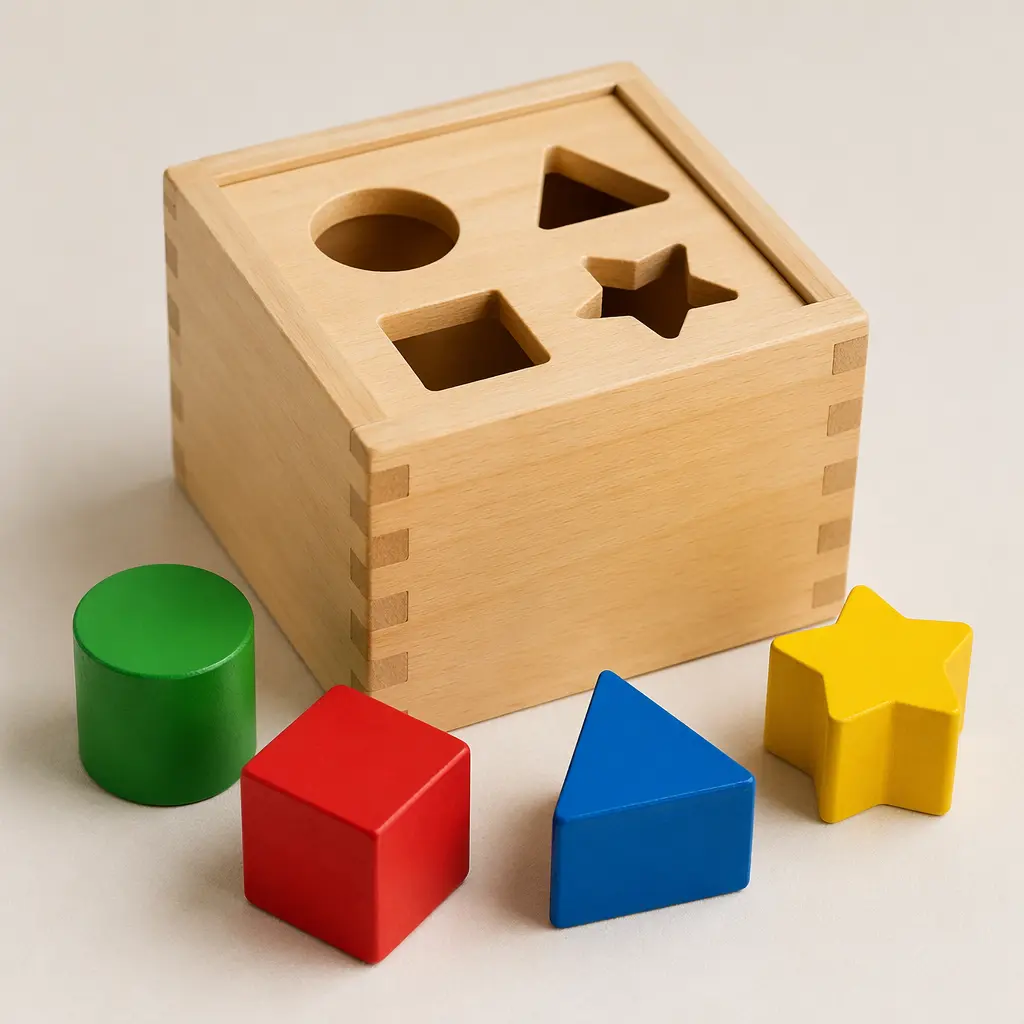
Classic
Long before letters and screens, the Playskool Shape Sorter helped toddlers learn problem-solving by feel. Here’s how this classic toy quietly shaped early learning for generations.
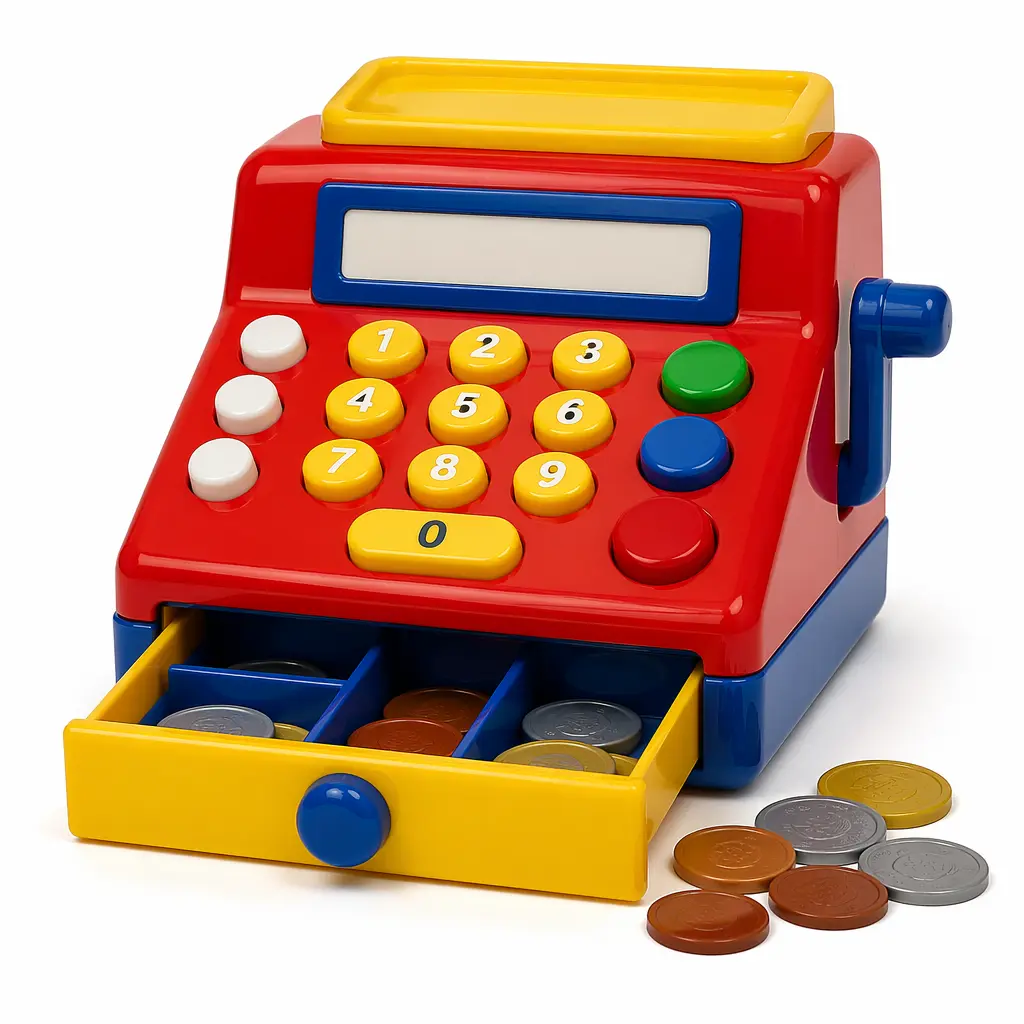
Classic · 1975
A chunky pretend-play classic, the Fisher-Price Cash Register turned make-believe shopping into lessons in counting, turn‑taking, and real‑world math that still resonate today.
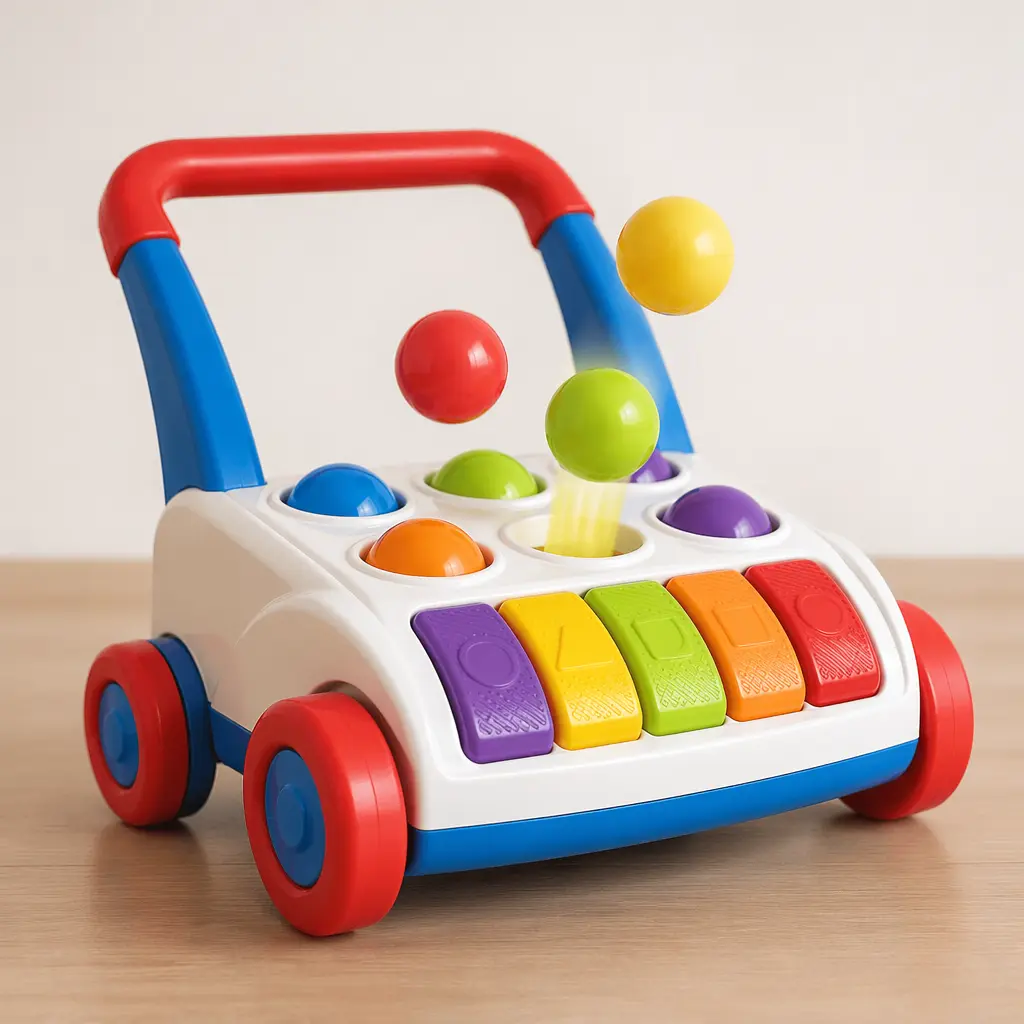
Classic · 1980
A look at the Playskool Busy Ball Popper, the classic pop-and-roll toy that has kept toddlers laughing for decades through simple cause-and-effect play.
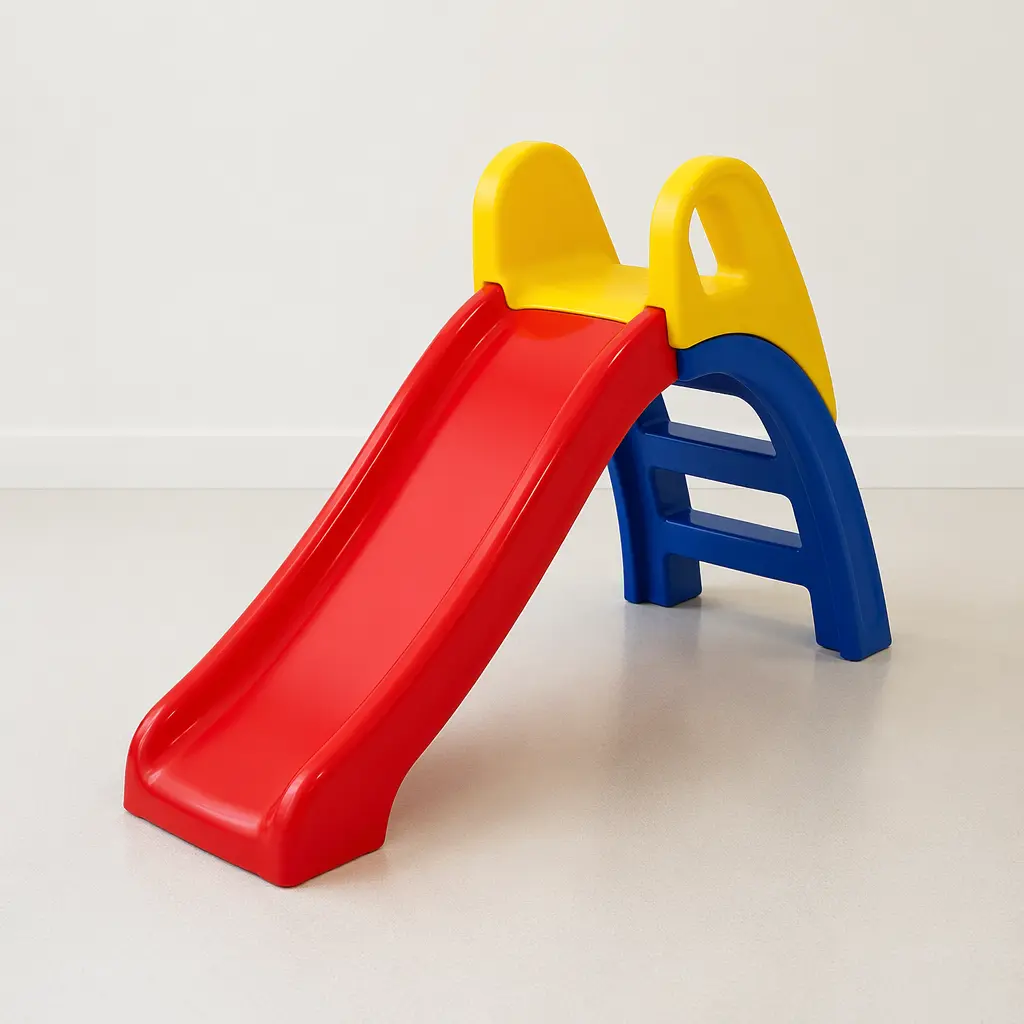
Classic · 1972
From 1970s patios to modern gardens, the Little Tikes slide became the quiet benchmark for safe, everyday outdoor play—and a first thrill for generations of toddlers.
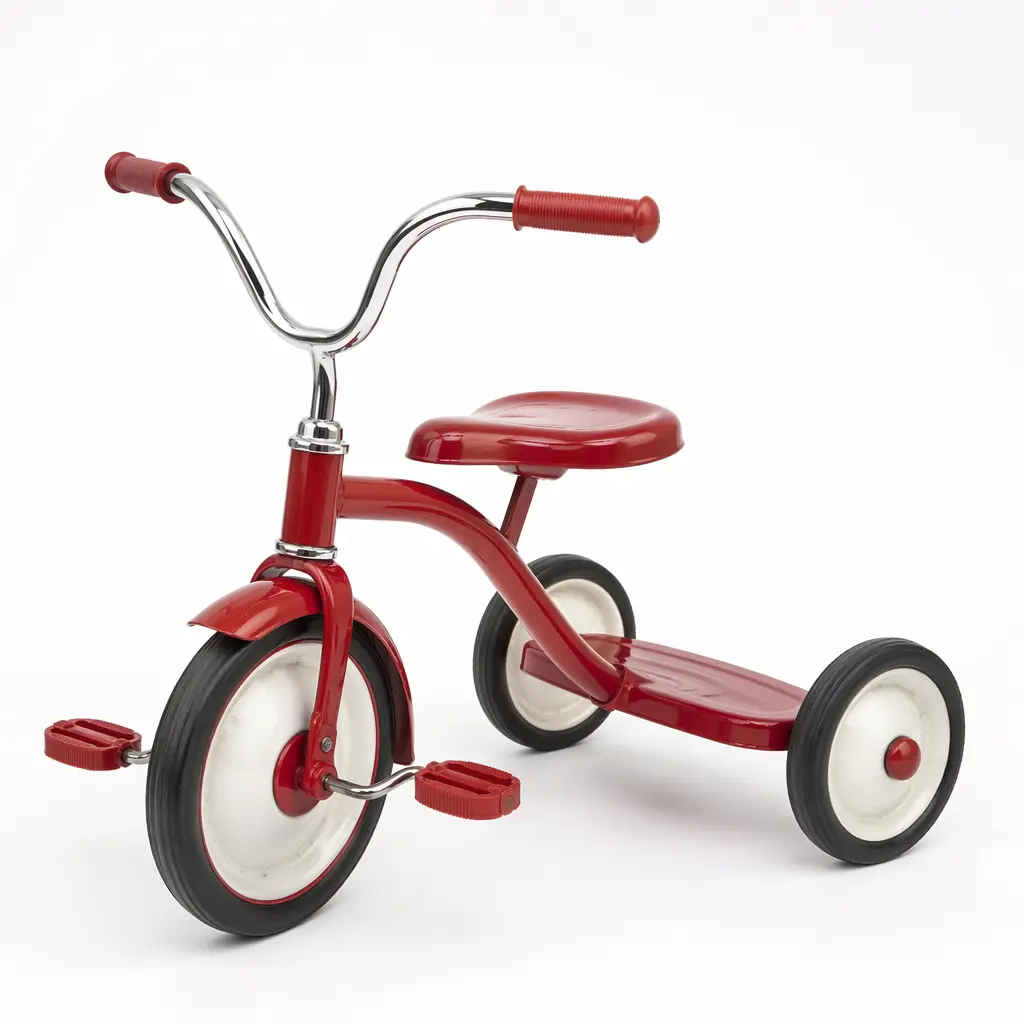
Classic · 1927
Since the 1920s, the Radio Flyer tricycle has marked a milestone: a child’s first taste of riding under their own power. Its simple, sturdy design helped make learning to pedal a shared childhood memory.
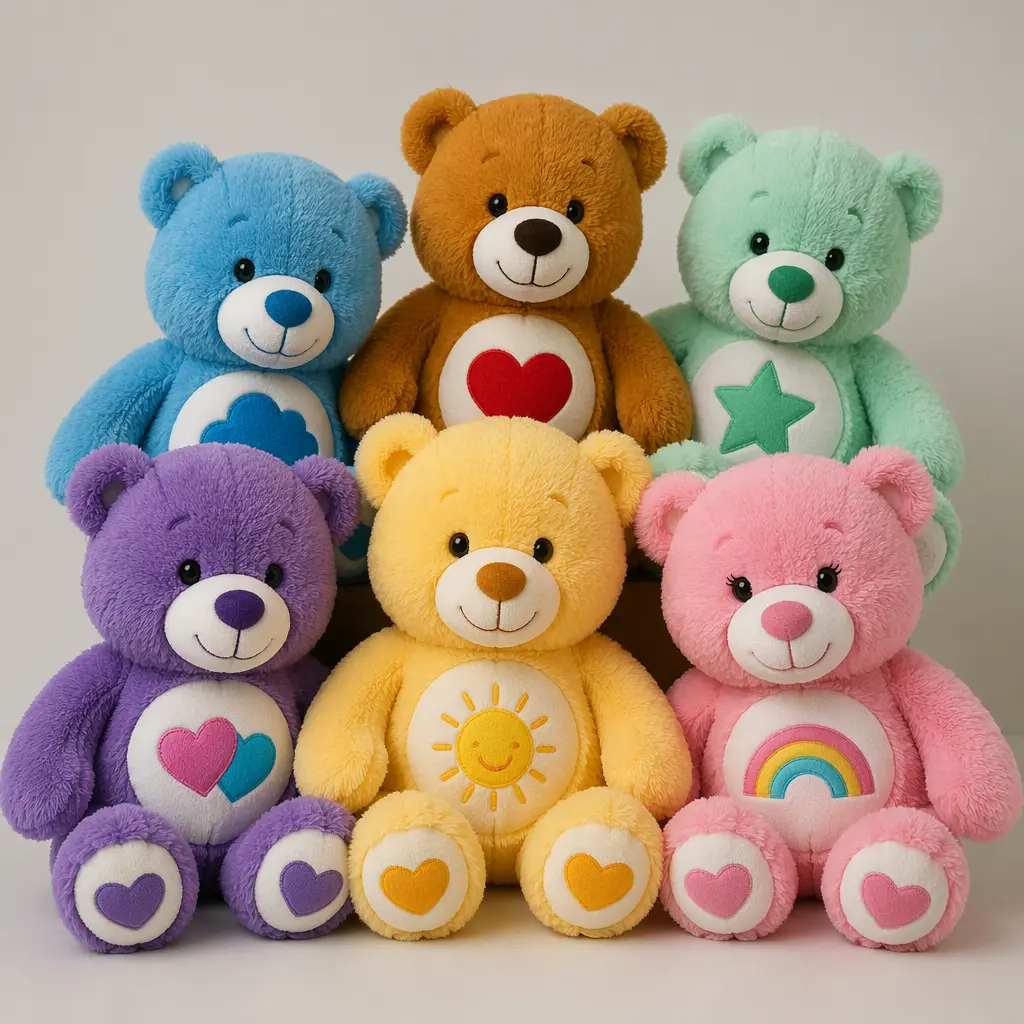
Classic · 1983
Launched in the 1980s, Care Bears turned plush toys into emotional teachers. Their bright colours and simple messages helped generations of kids learn empathy, sharing, and feelings through play.
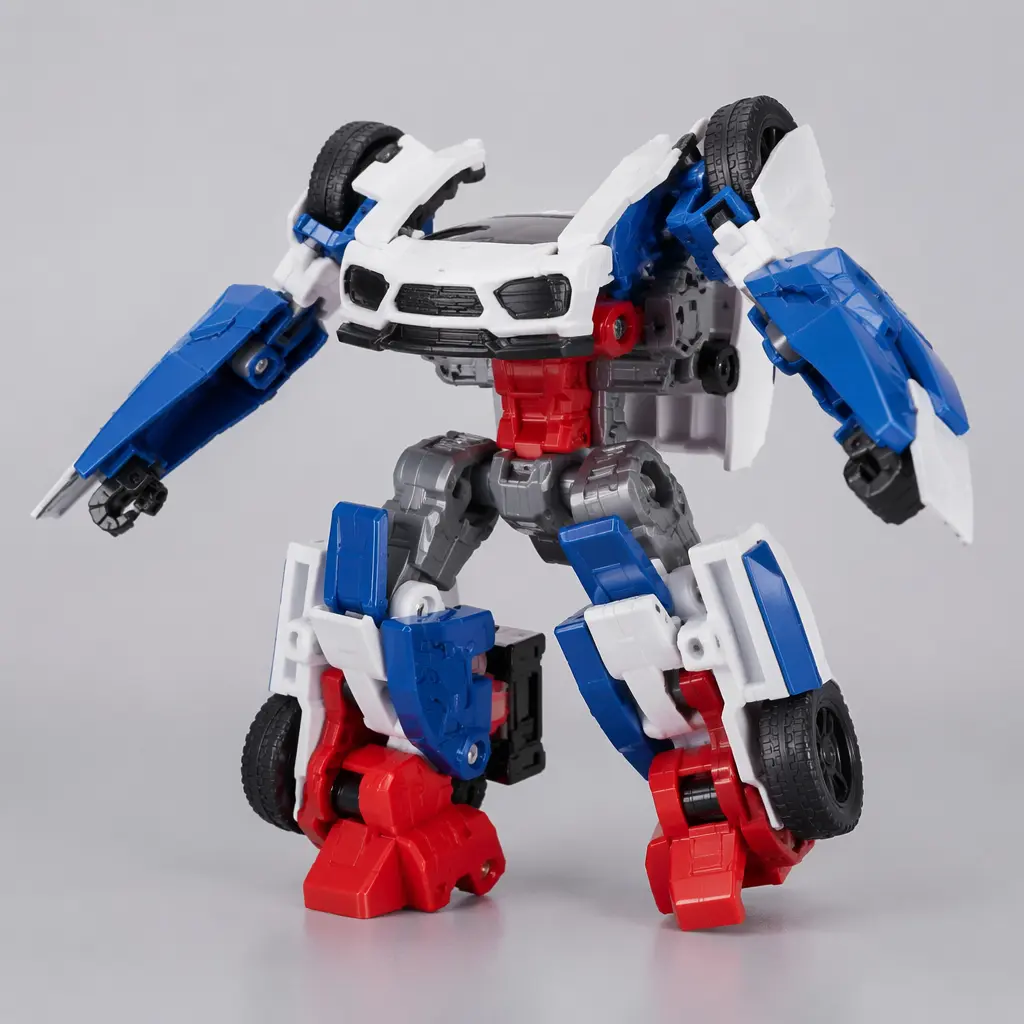
Classic · 1984
Since the mid‑1980s, Transformers have turned clever engineering into endlessly replayable action toys, blending vehicles, robots and storytelling in a way few toy lines have matched.
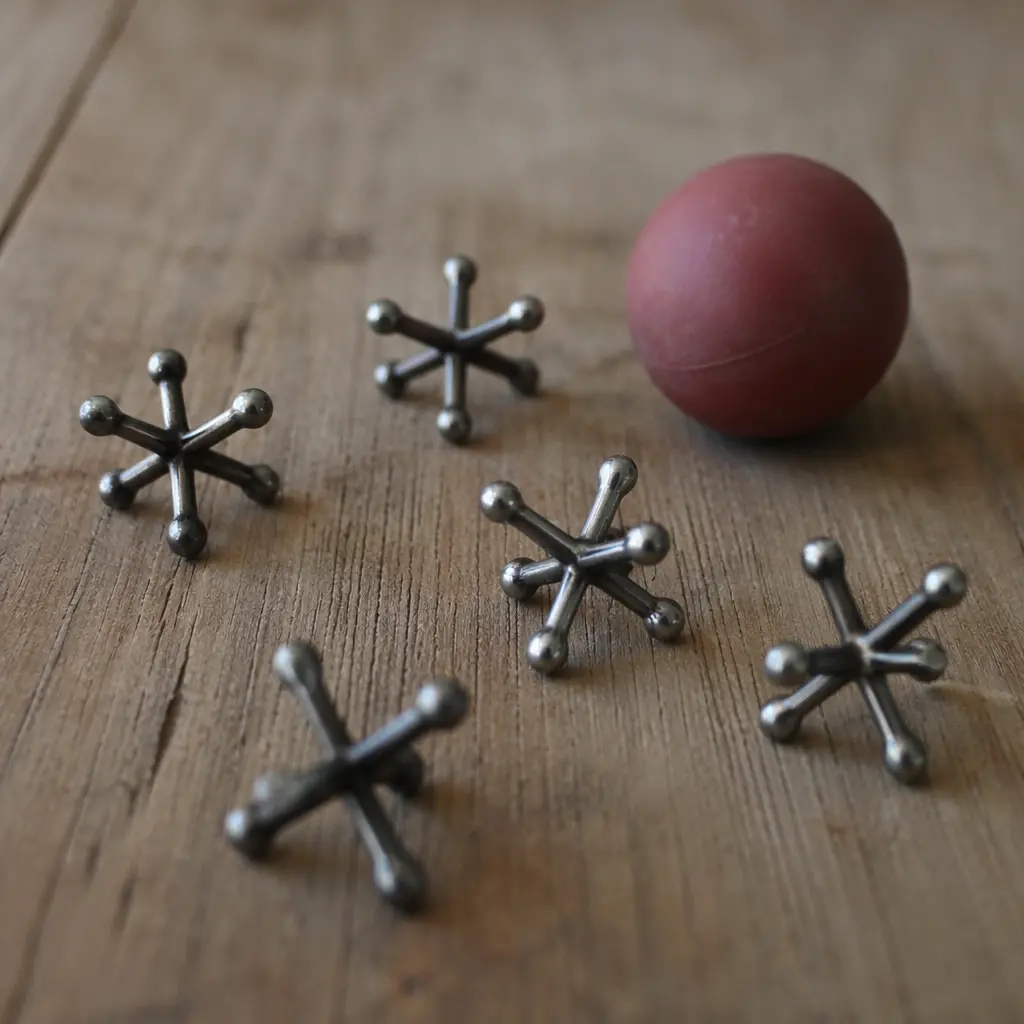
Classic
Simple metal pieces, one bouncy ball, and total focus. Jacks turned schoolyards into quiet contests of timing and dexterity—and it still rewards patient hands today.
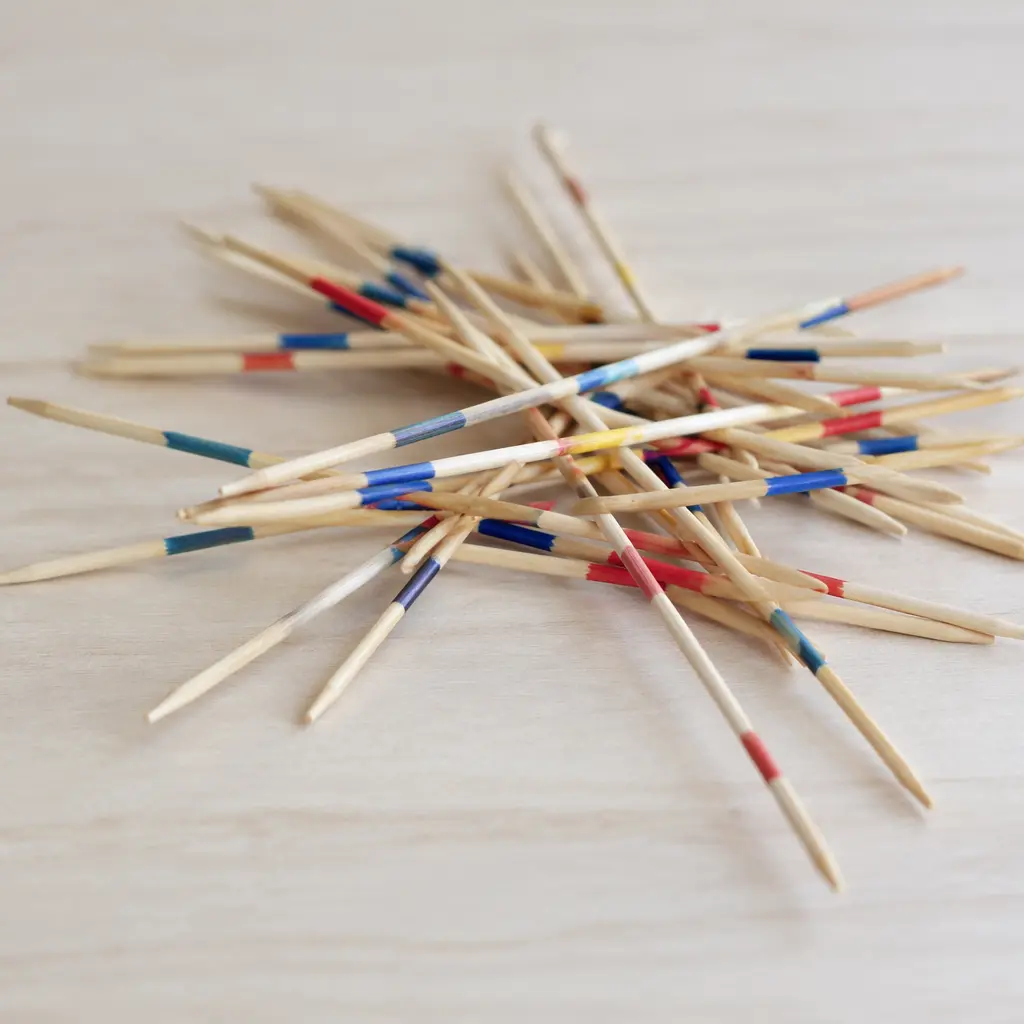
Classic
With nothing more than a bundle of sticks and a steady hand, Pick-Up Sticks has challenged patience for centuries. This classic game proves that simple rules can create lasting family fun.
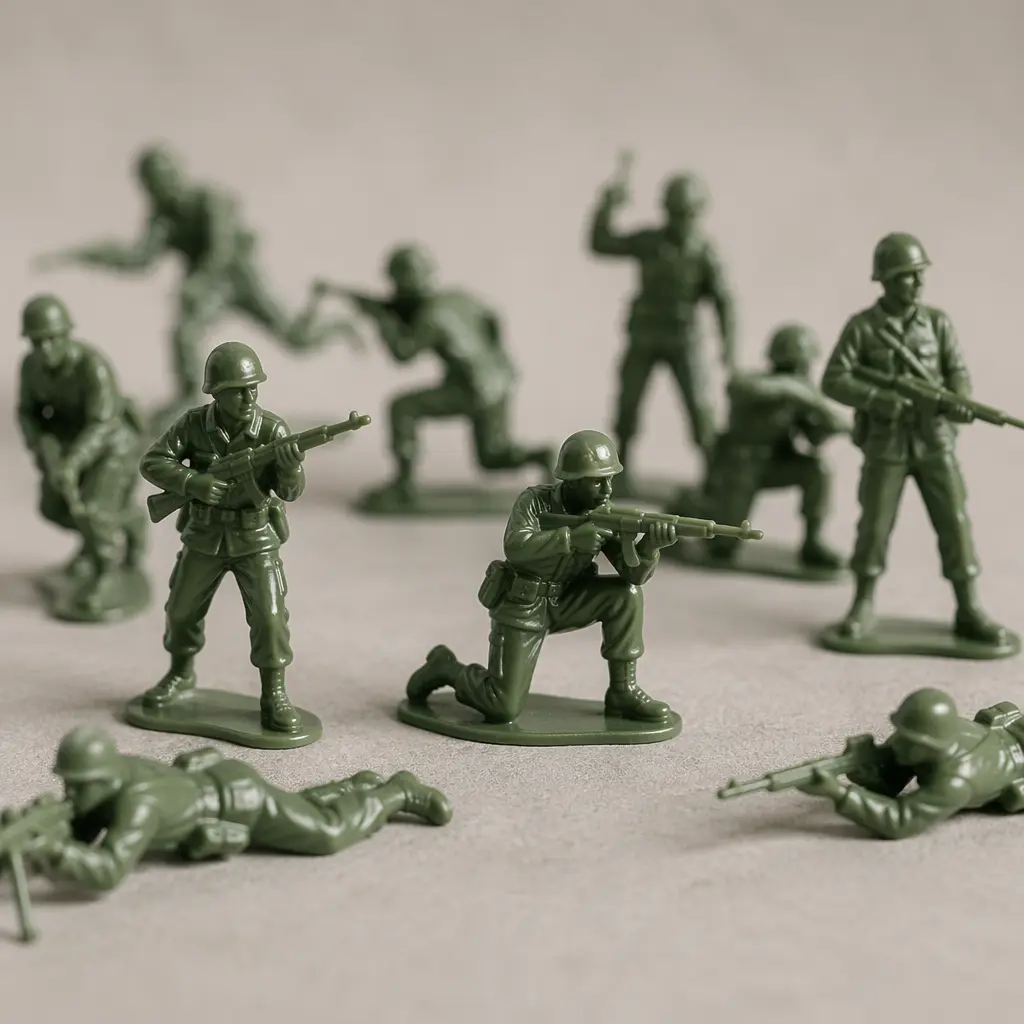
Classic · 1938
From sandboxes to movie cameos, little green army men turned cheap plastic into endless stories. Their simple poses and open-ended play explain why they’ve endured for generations.
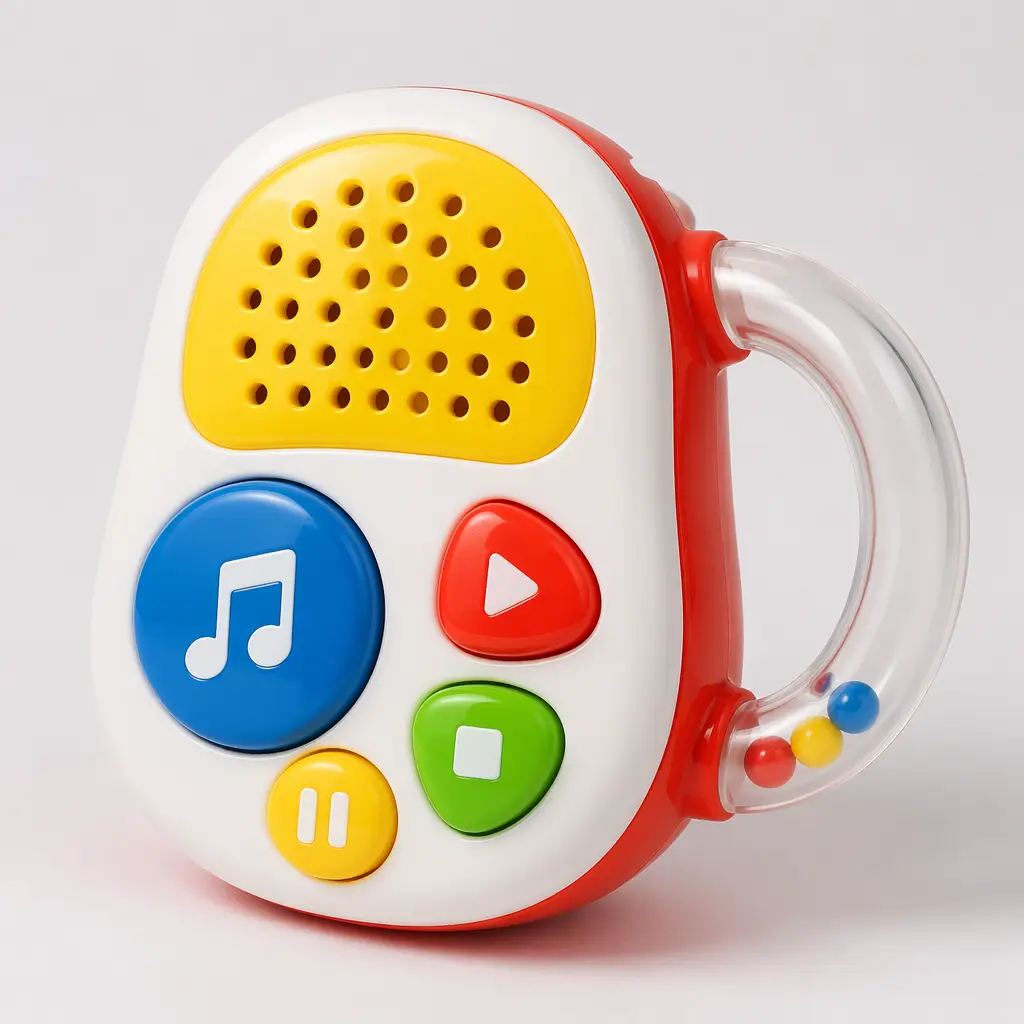
Classic · 1997
A palm-sized music toy that played classical melodies became an unexpected baby-shower staple. Here’s how Take Along Tunes earned its reputation—and what parents should know today.
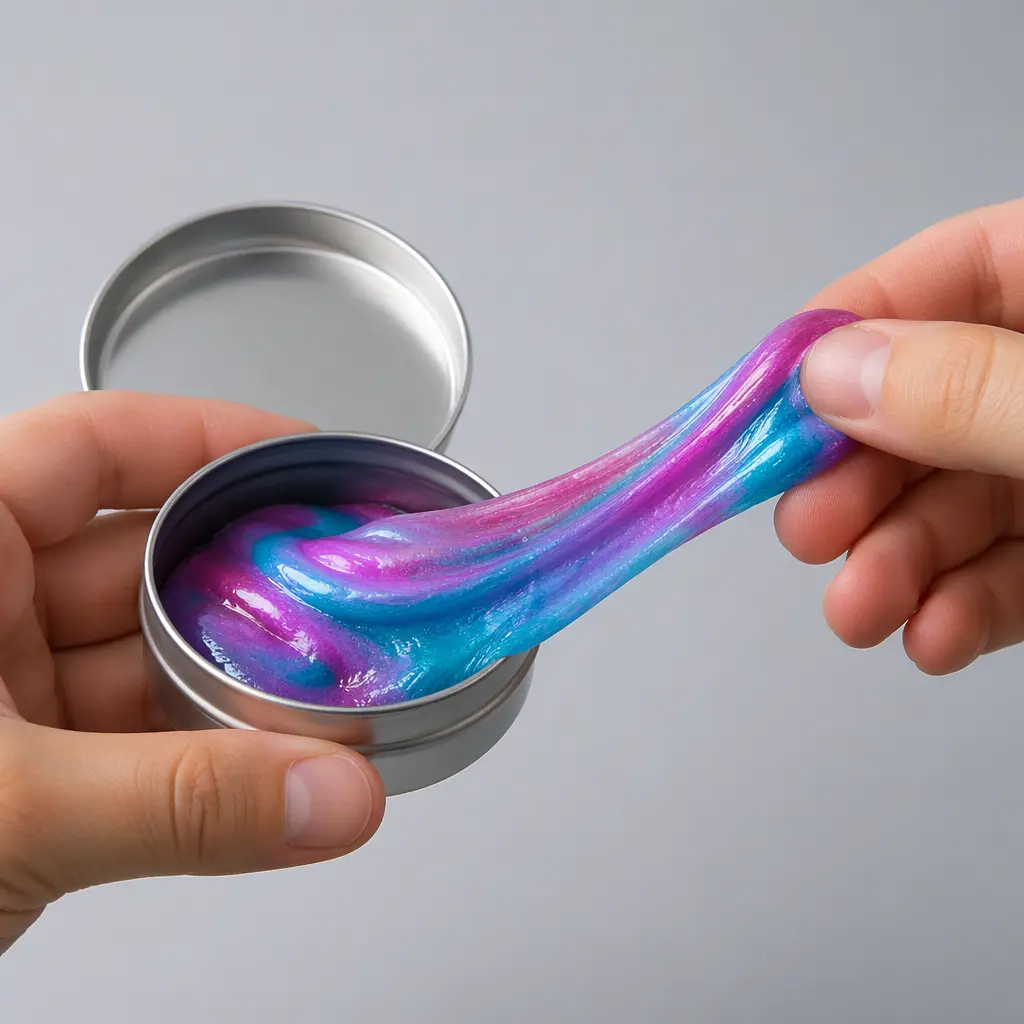
Classic · 1998
Invented by a chemist in 1998, Crazy Aaron’s Thinking Putty turned a lab curiosity into a hands-on desk toy that stretches, snaps, and quietly soothes kids and adults alike.
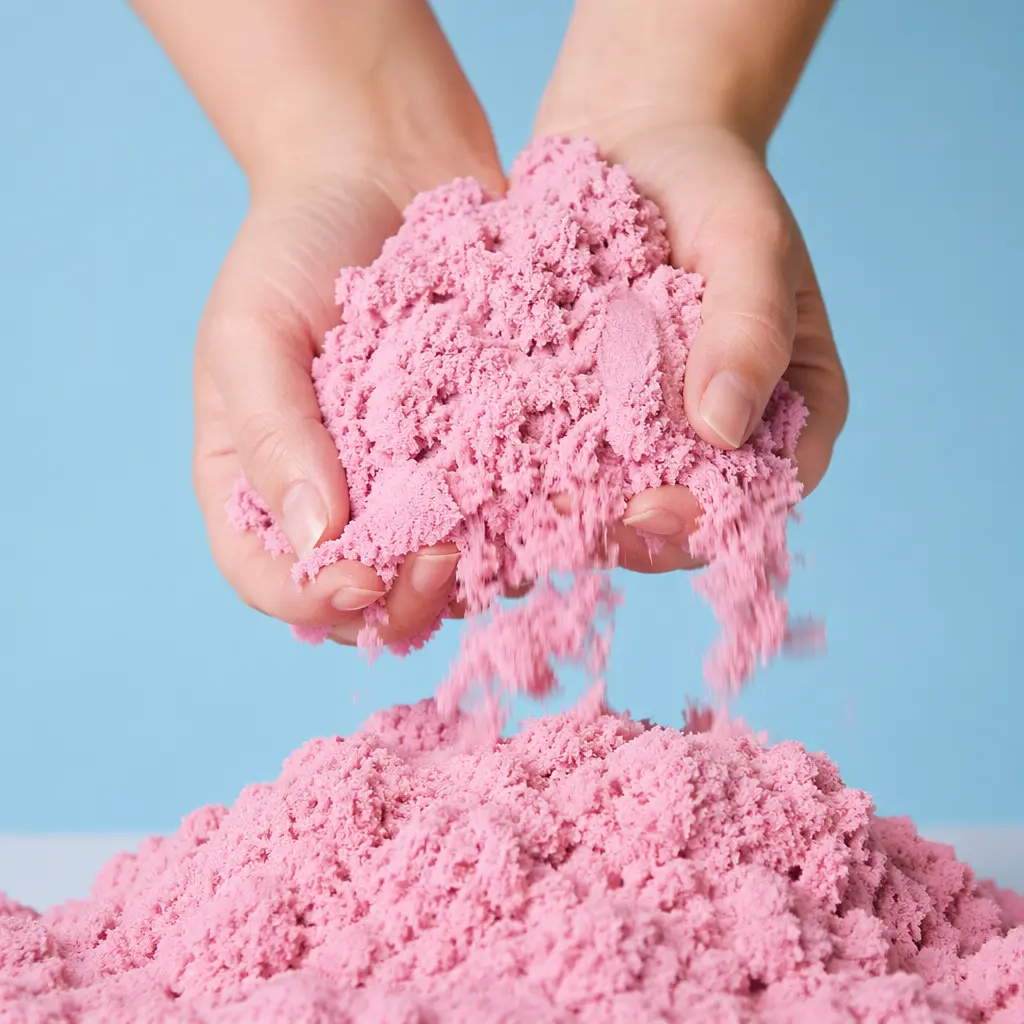
Classic · 1998
Moon Sand turned play on its head by making feel the main feature. Since the late 1990s, its soft, moldable grains have invited kids to squeeze, pour, and sculpt—no rules required.
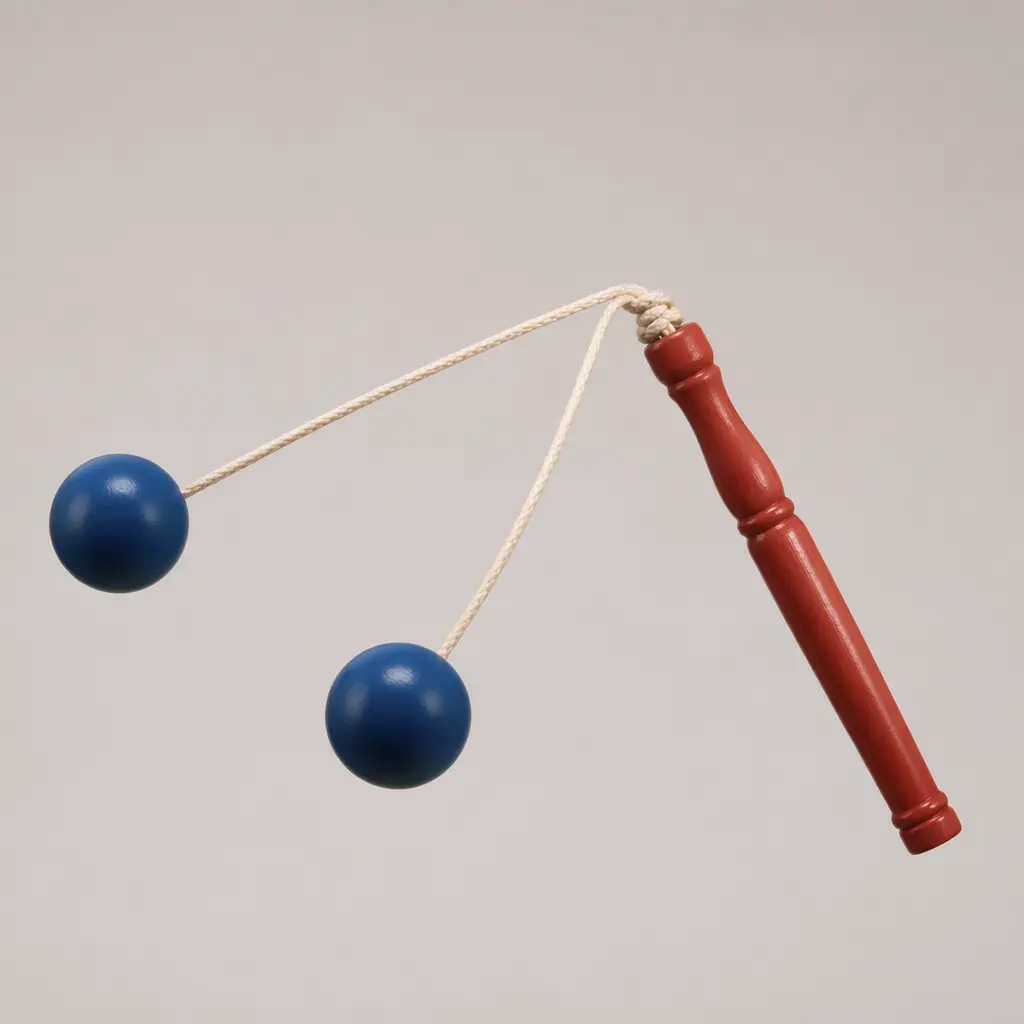
Classic · 1971
Briefly unavoidable in the early 1970s, clackers were loud, fast, and risky. This profile looks at where they came from, how they worked, and why they vanished almost as quickly as they appeared.
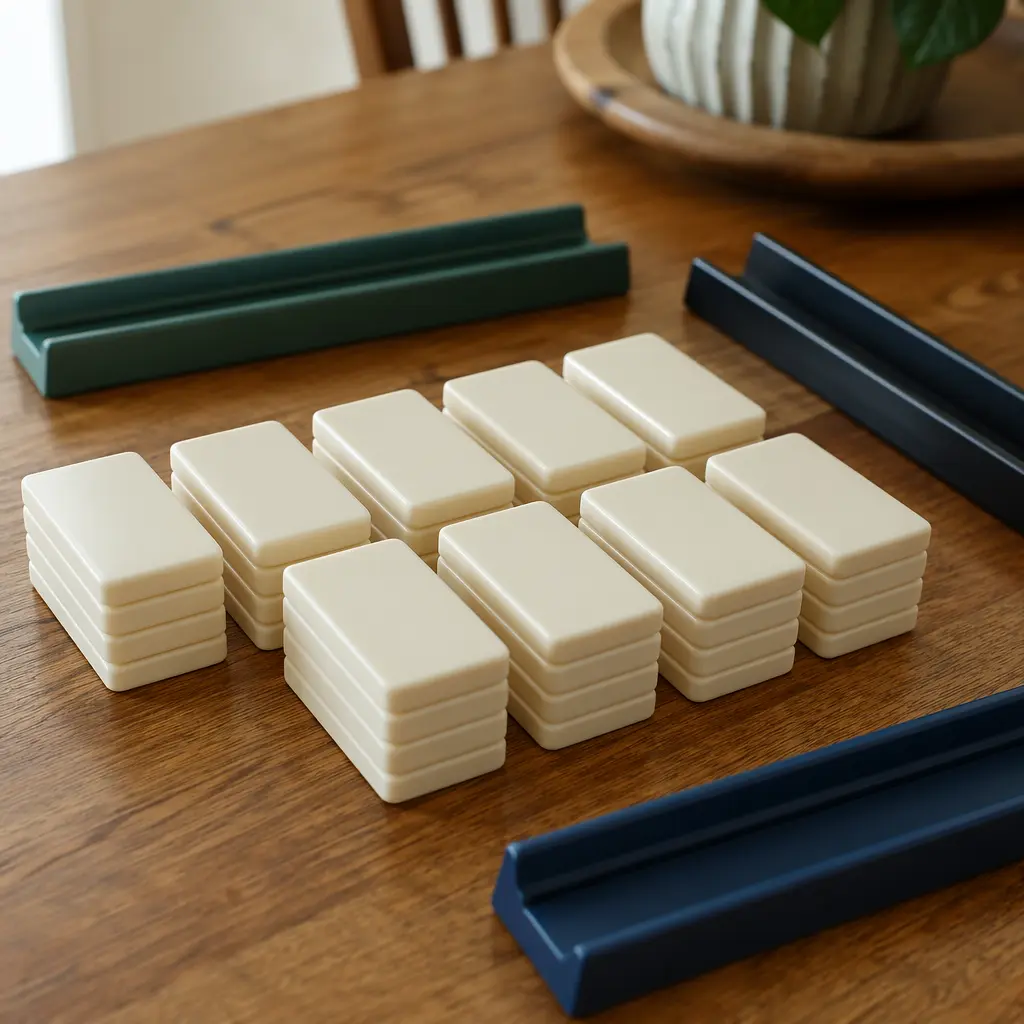
Classic · 1977
Rummikub blends card-game chance with puzzle-like logic, using numbered tiles instead of cards. Since the 1970s it’s become a cross‑generational staple for families who like strategy without heaviness.
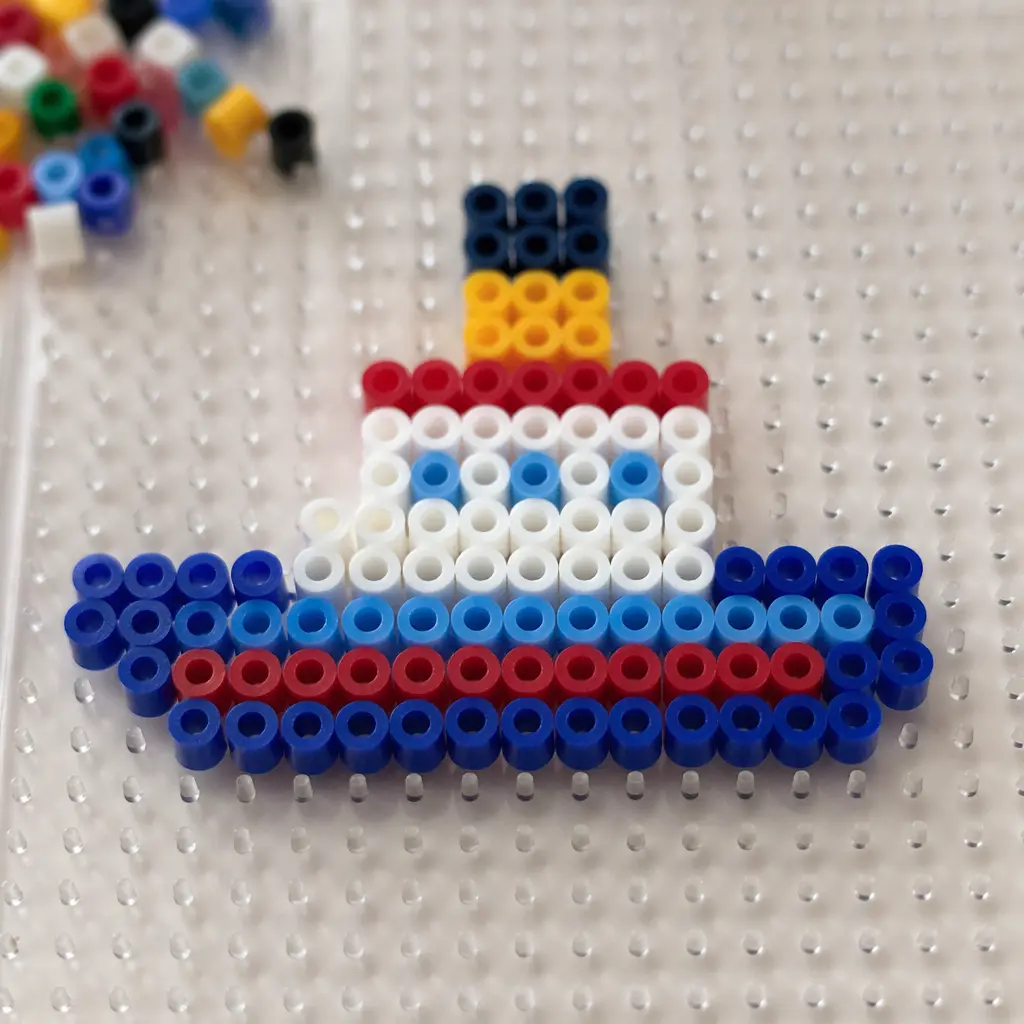
Classic · 1961
Those tiny plastic beads on pegboards look simple, but Perler Beads quietly teach planning, focus, and follow-through—one ironed design at a time.
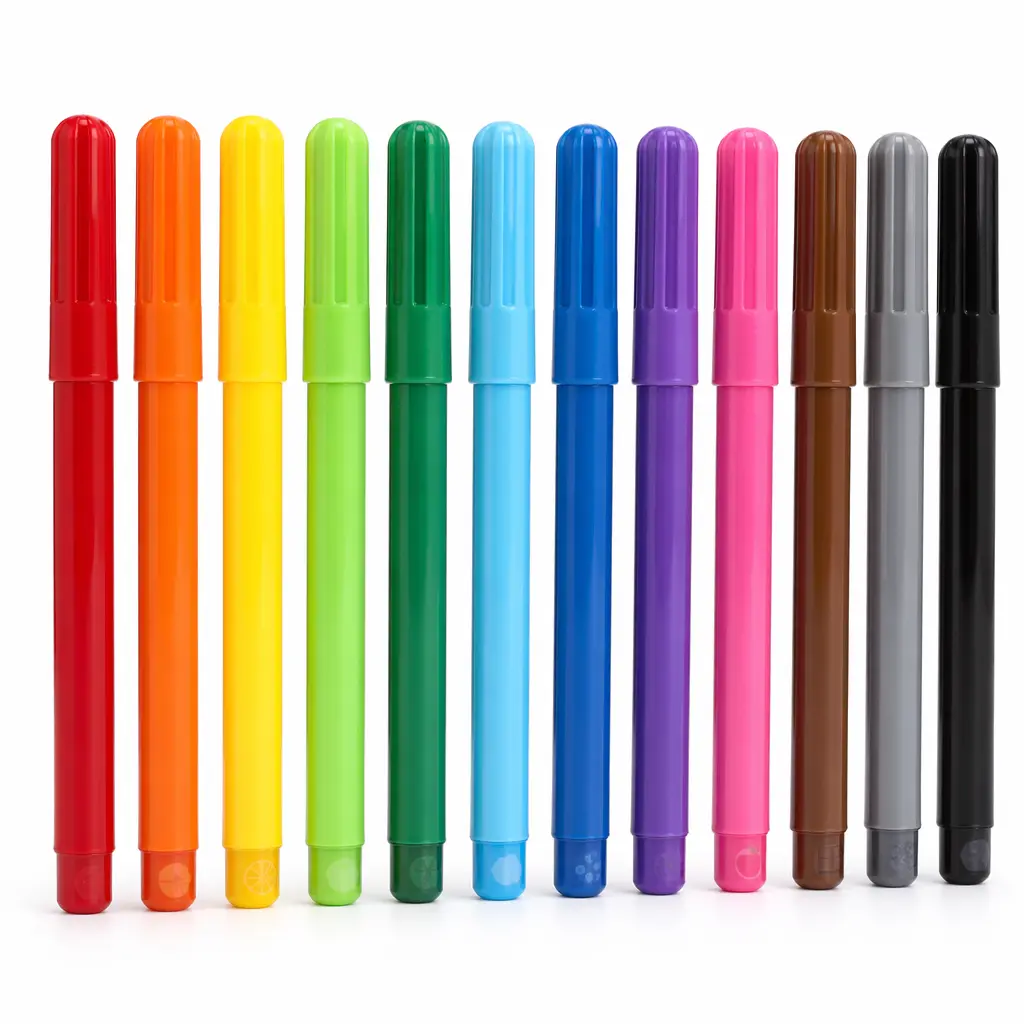
Classic · 1965
First sold in the 1960s, Mr. Sketch markers added scent to drawing. The idea was simple but sticky, turning colouring into a multi-sensory ritual that still feels playful decades later.
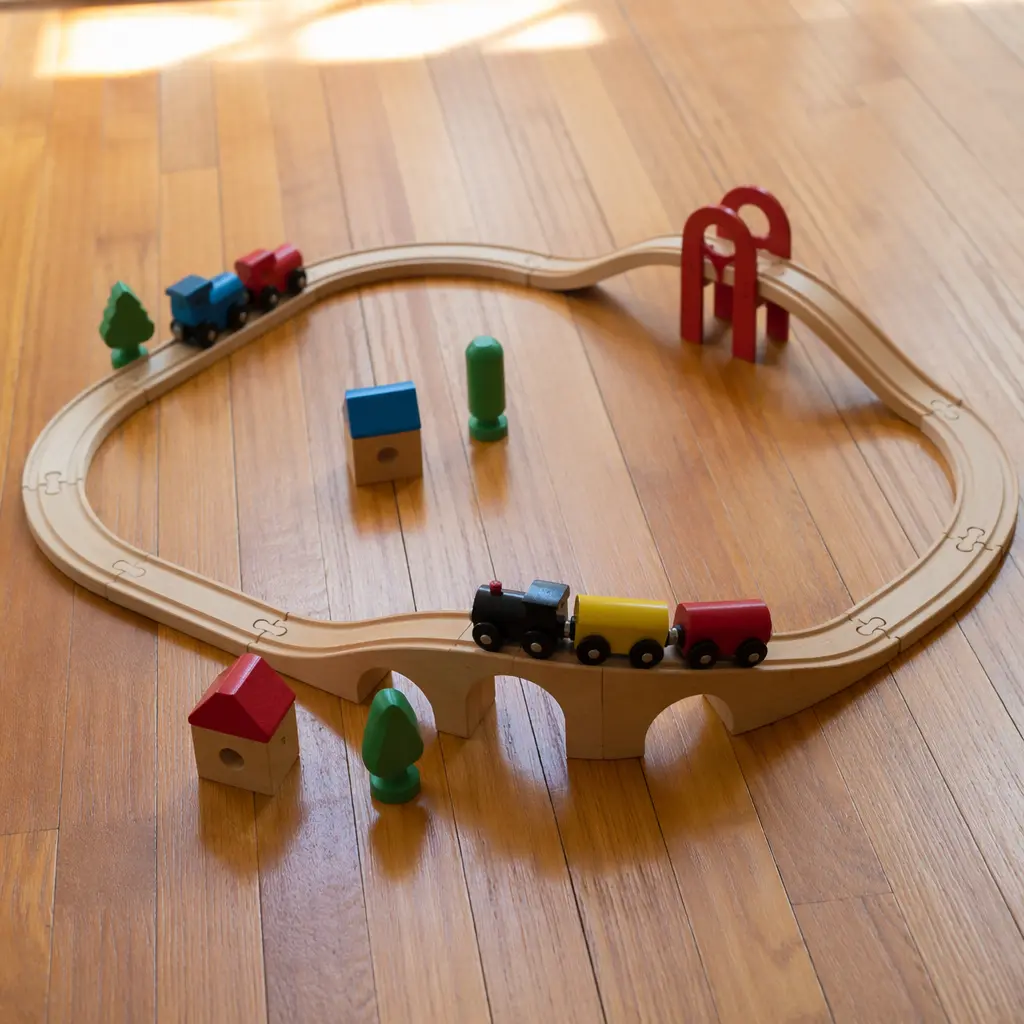
Classic
Wooden train sets have anchored open-ended play for generations. Their sturdy tracks, modular design, and calm pace invite creativity, storytelling, and problem-solving that grow with a child.
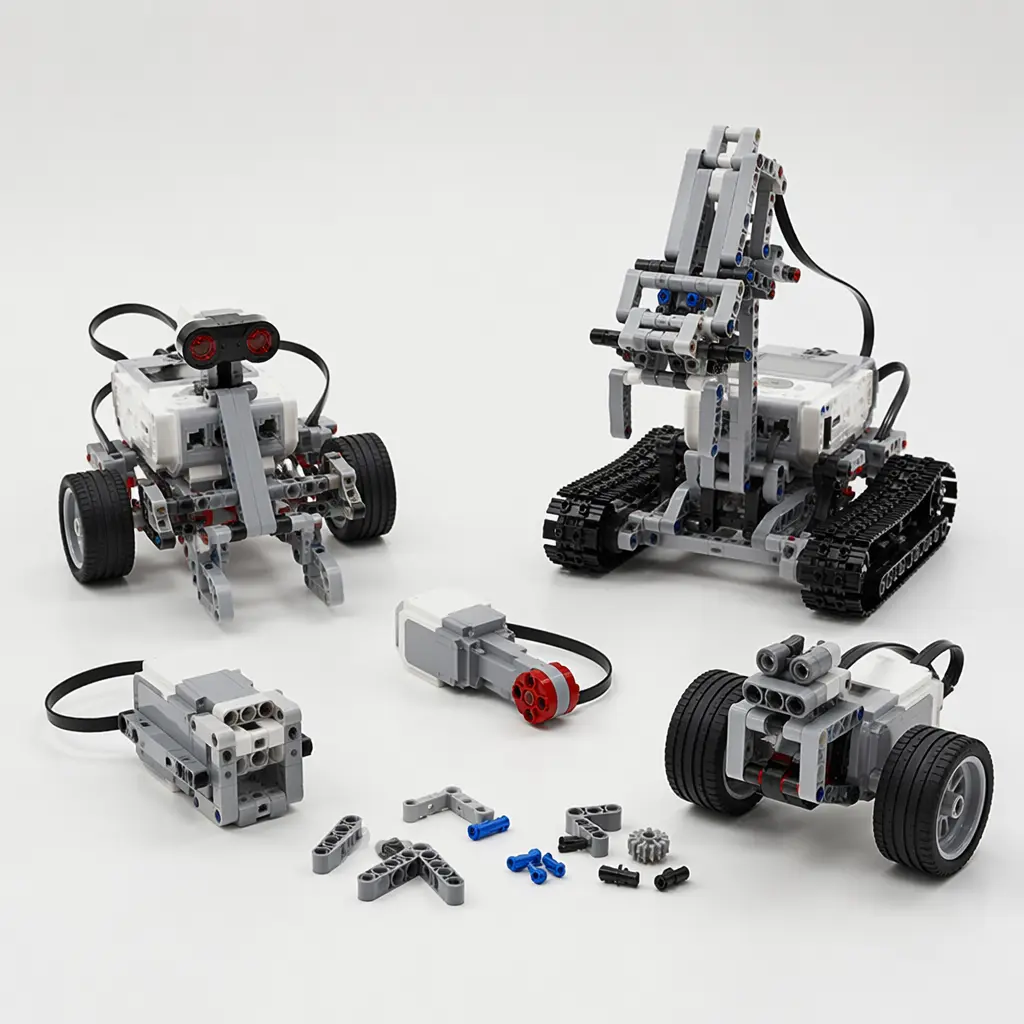
Classic · 1998
First released in 1998, LEGO Mindstorms blended bricks, motors, and code into a hands-on robotics kit that quietly shaped how kids—and adults—learned programming.
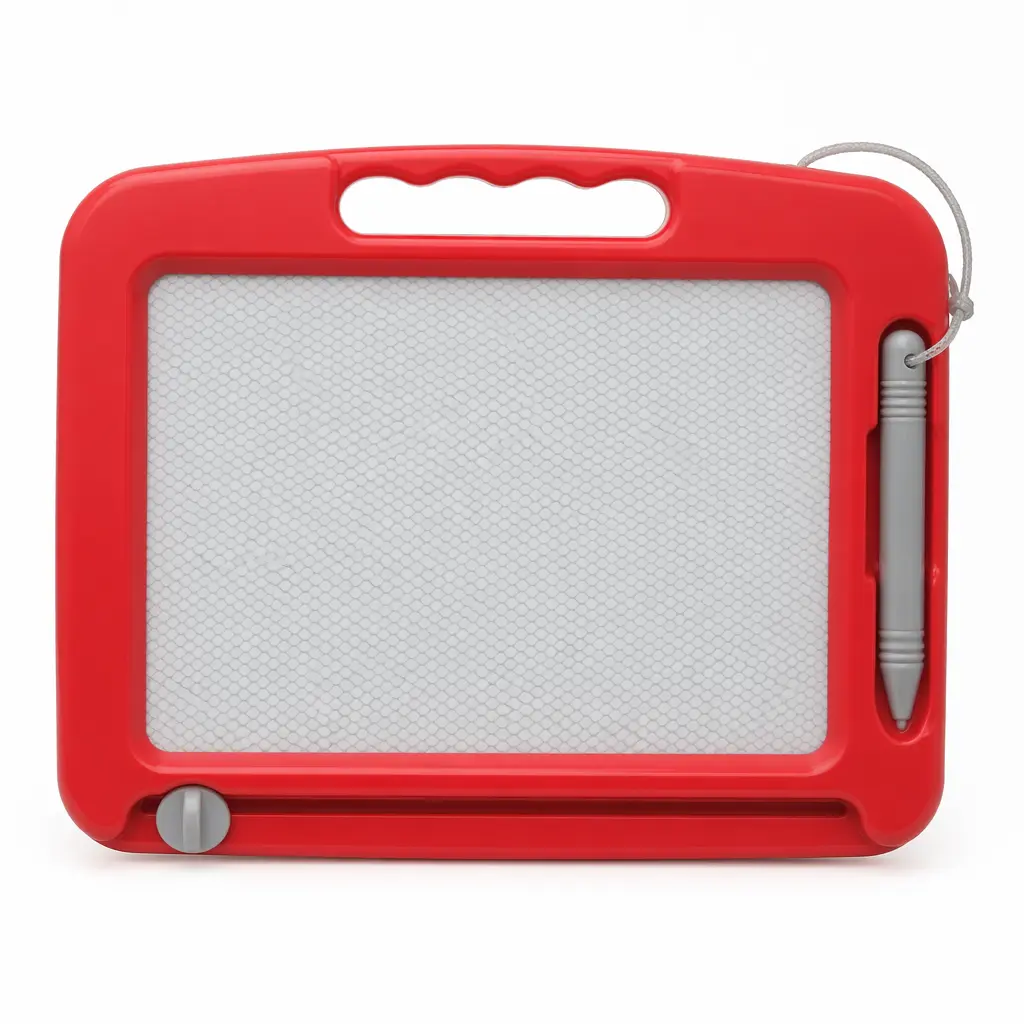
Classic · 1974
First sold in the 1970s, the Magna Doodle turned drawing into a clean, reusable ritual. Its magnetic magic made it a quiet classic in homes, cars, and classrooms.
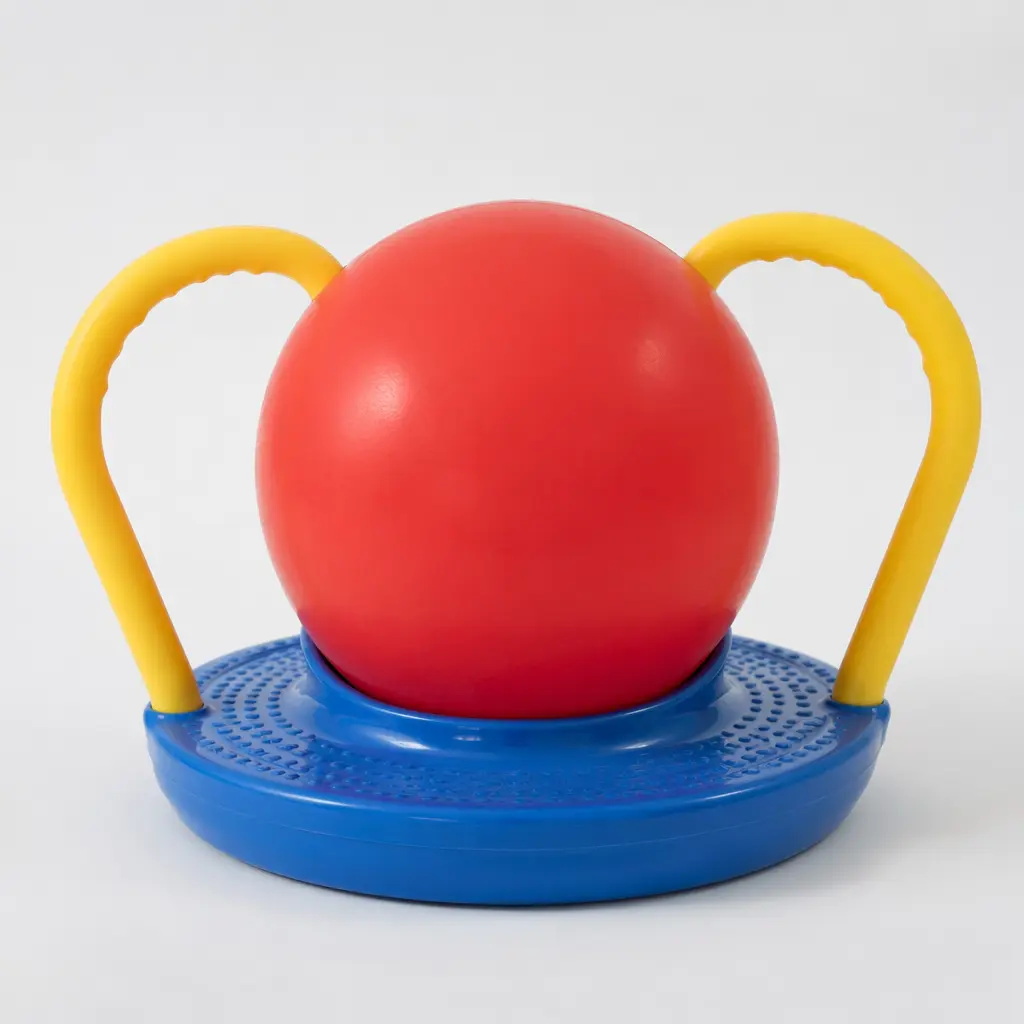
Classic · 1979
Part pogo stick, part balance trainer, the Pogo Ball turned a single rubber sphere into a test of nerve and coordination—and became a late-70s playground legend.
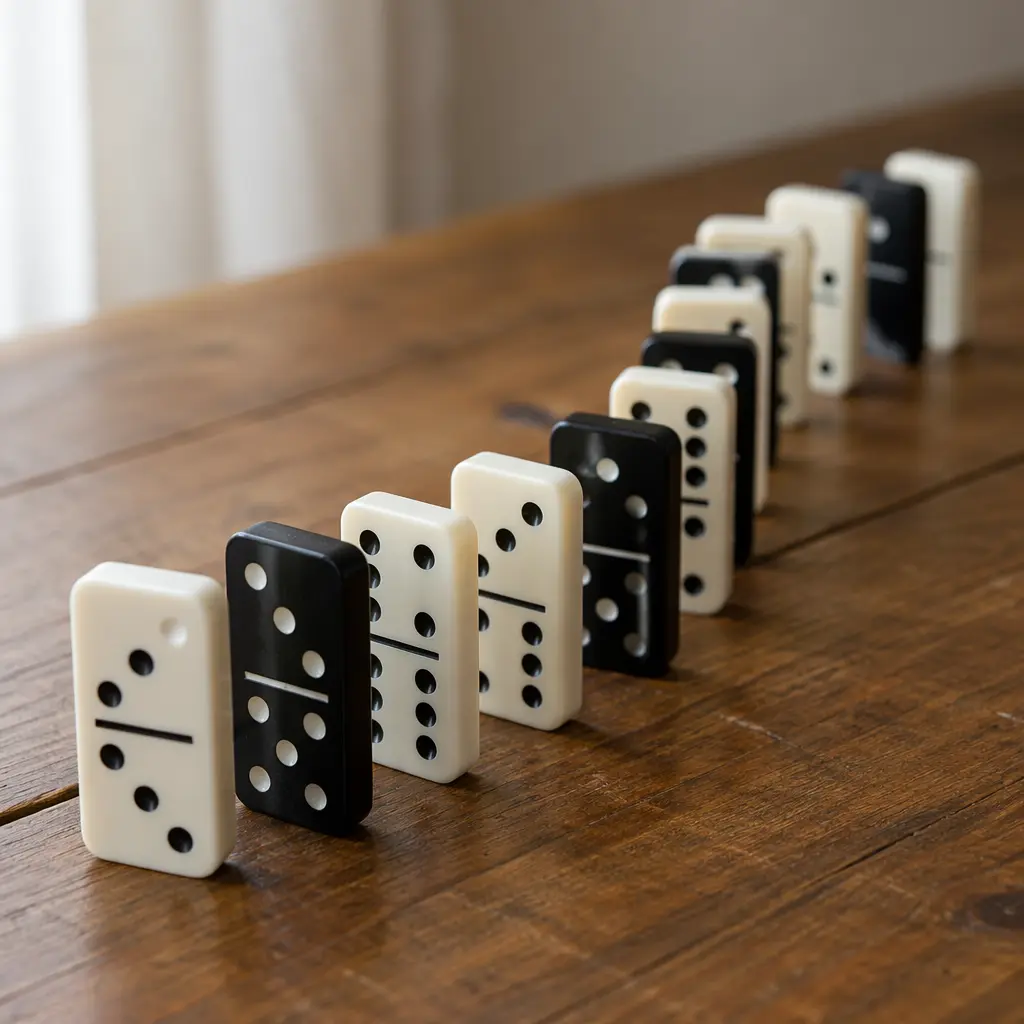
Classic
From ancient China to kitchen tables worldwide, dominoes show how a simple set of numbered tiles became one of the most adaptable and enduring games ever made.
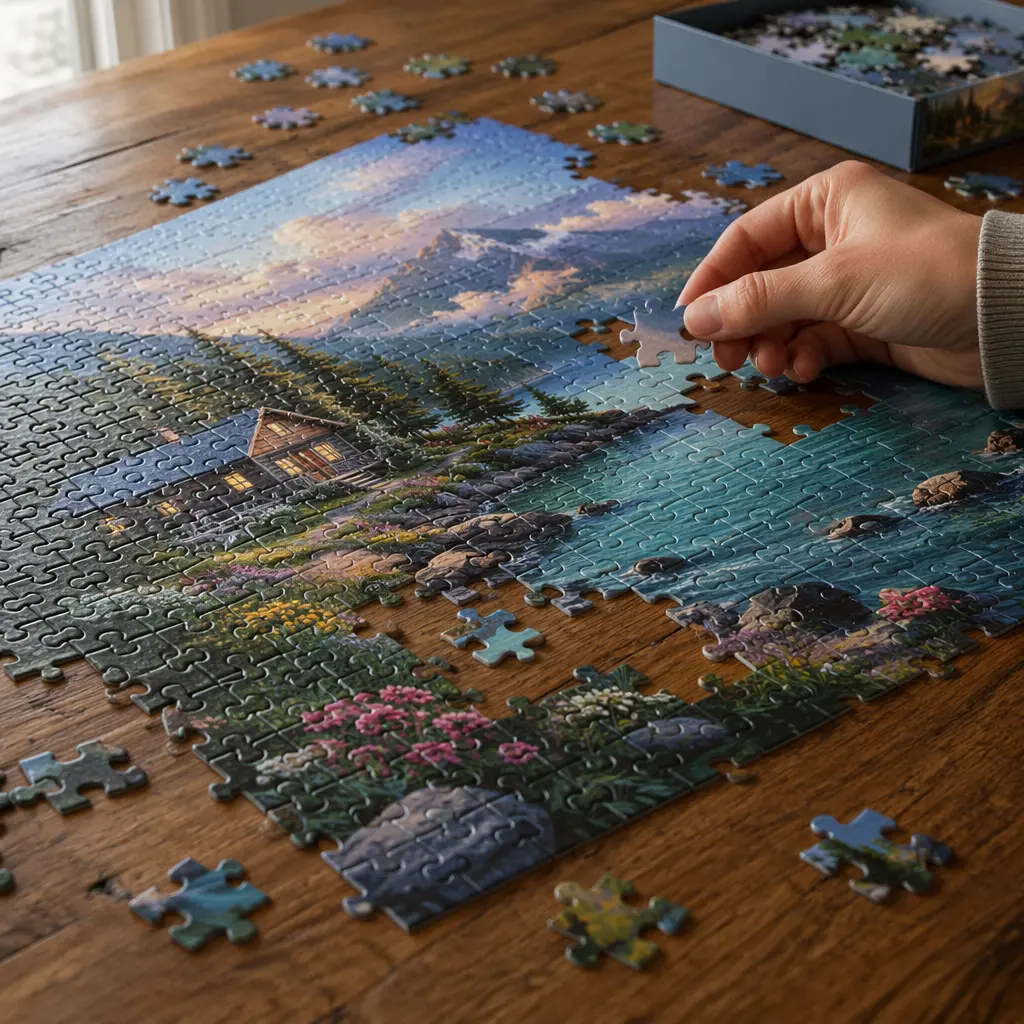
Classic · 1891
For more than a century, Ravensburger jigsaw puzzles have set a gold standard for precision cutting, calming focus, and family-friendly challenge—turning quiet table time into a shared ritual.
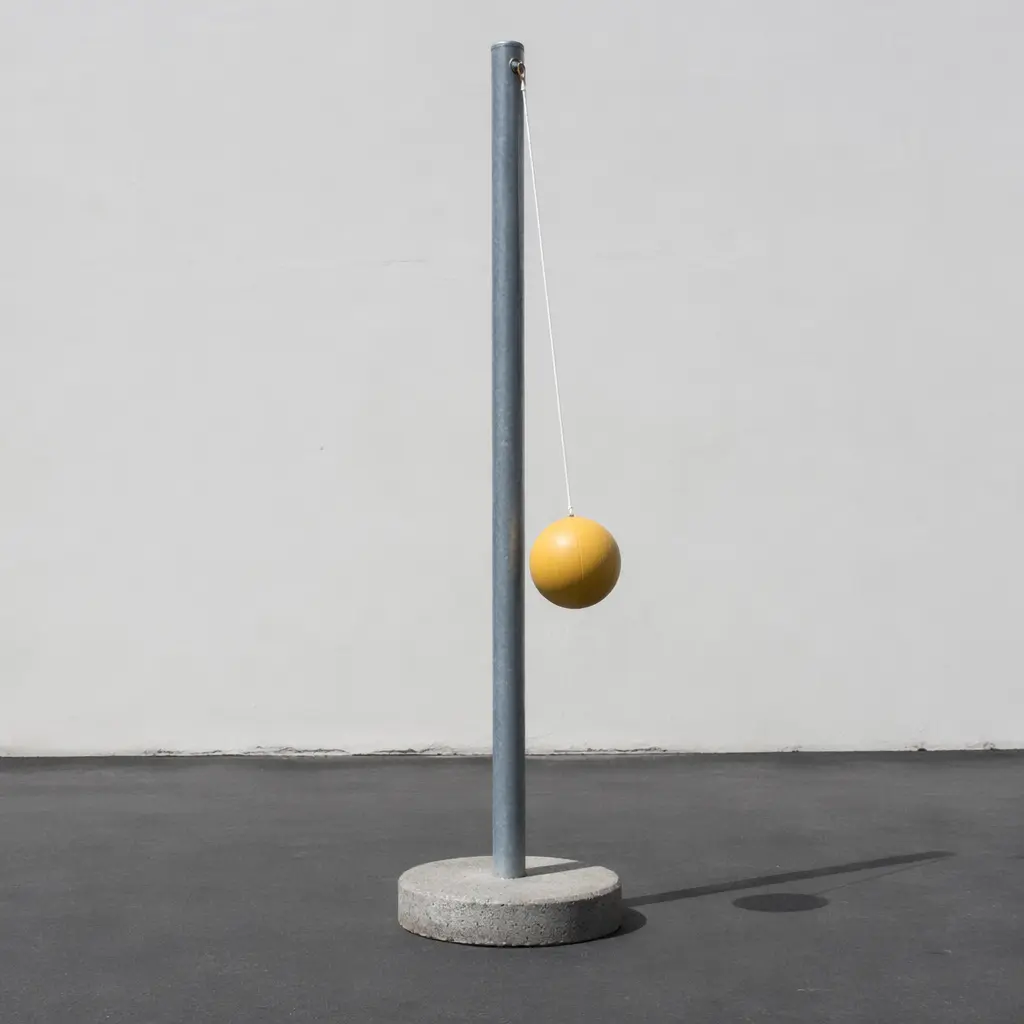
Classic · 1954
A pole, a rope, and a ball—tetherball’s simple setup fuels fast rivalry, schoolyard strategy, and a surprising lesson in physics that’s kept it popular for decades.
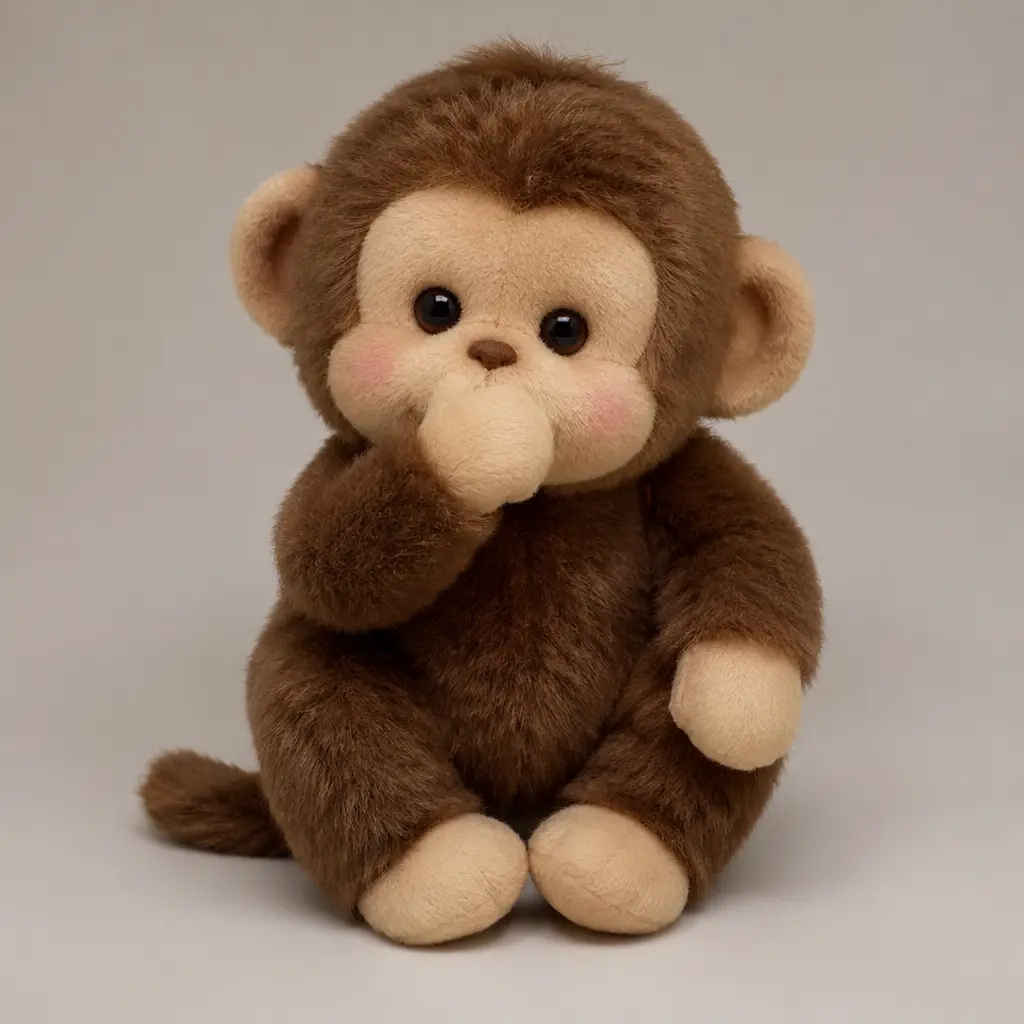
Classic · 1974
Born in 1974, Monchhichi turned a simple plush idea into a worldwide comfort toy. Its thumb-sucking design, soft textures and gentle expression helped it quietly endure across generations.
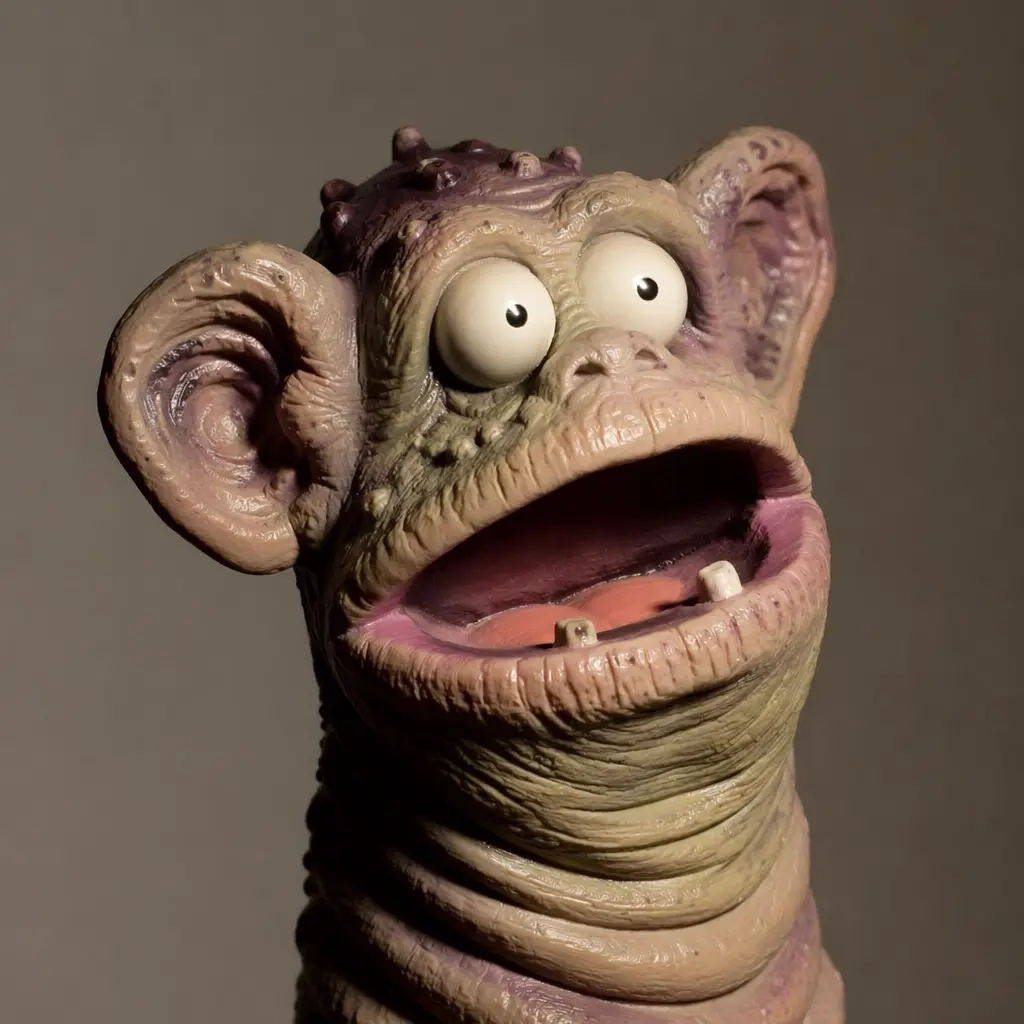
Classic · 1987
Boglins were rubbery, snarling hand puppets that turned kids into monster ventriloquists in the late 1980s. Equal parts gross and funny, they left a lasting mark on toy shelves—and memories.
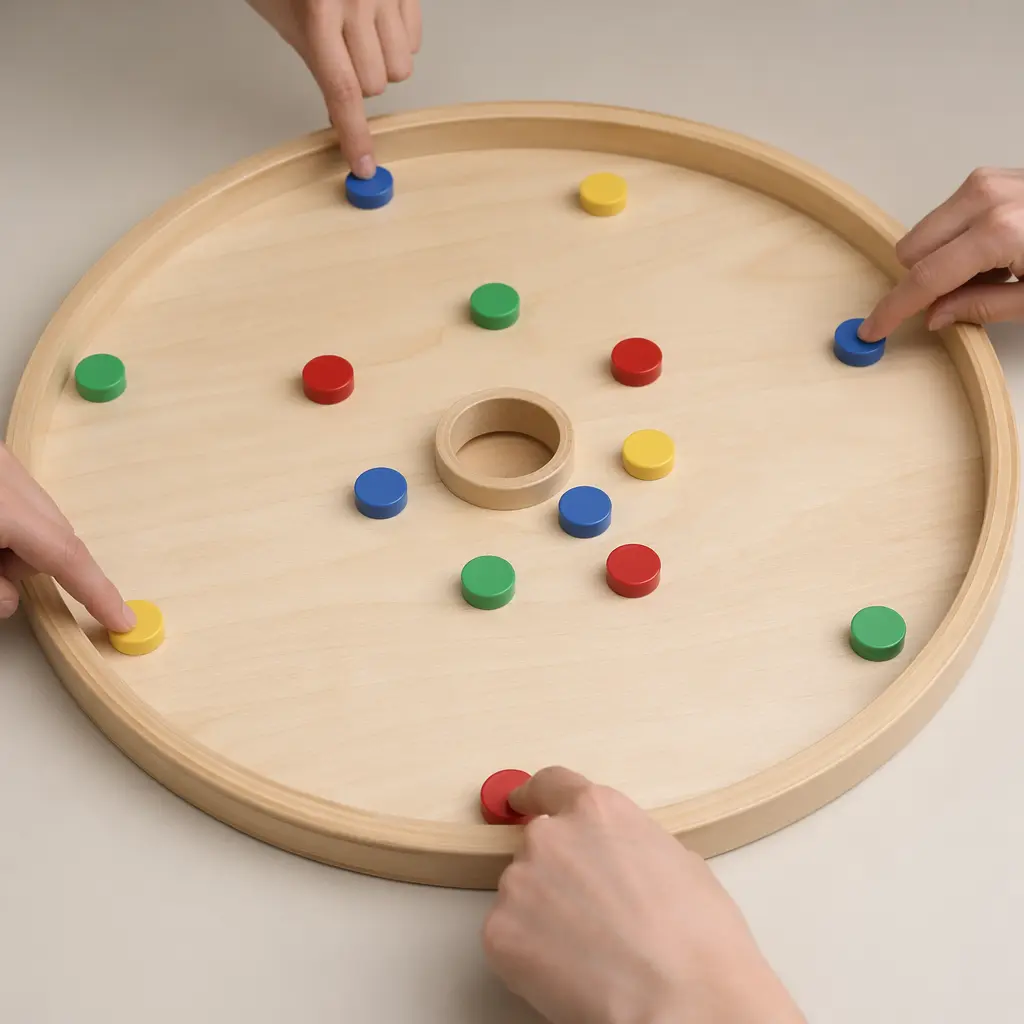
Classic
Often mistaken for a children’s pastime, Tiddlywinks is a classic tabletop game where dexterity, angles, and patience matter more than luck.
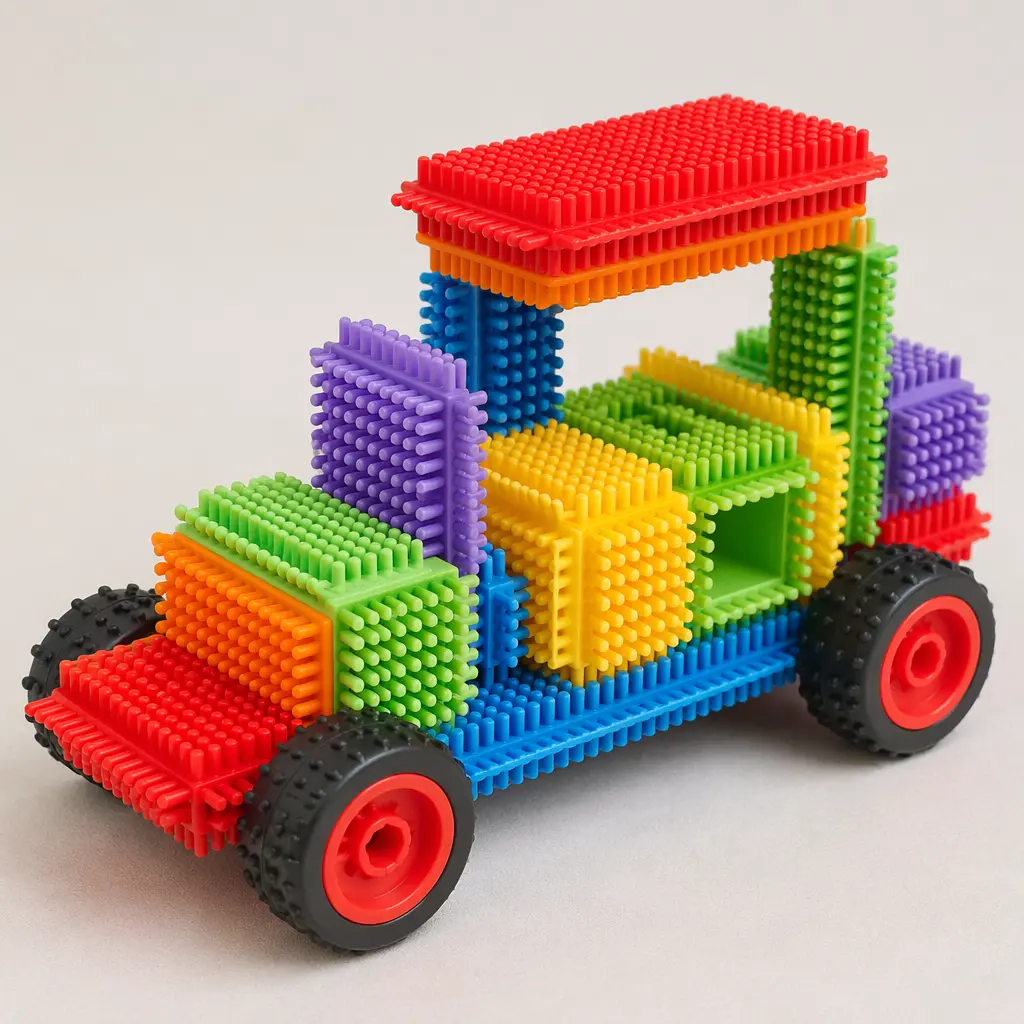
Classic · 1969
First sold in 1969, Stickle Bricks used soft bristles instead of studs to let young children build freely. It’s a simple idea that solved early construction play—and still makes sense today.
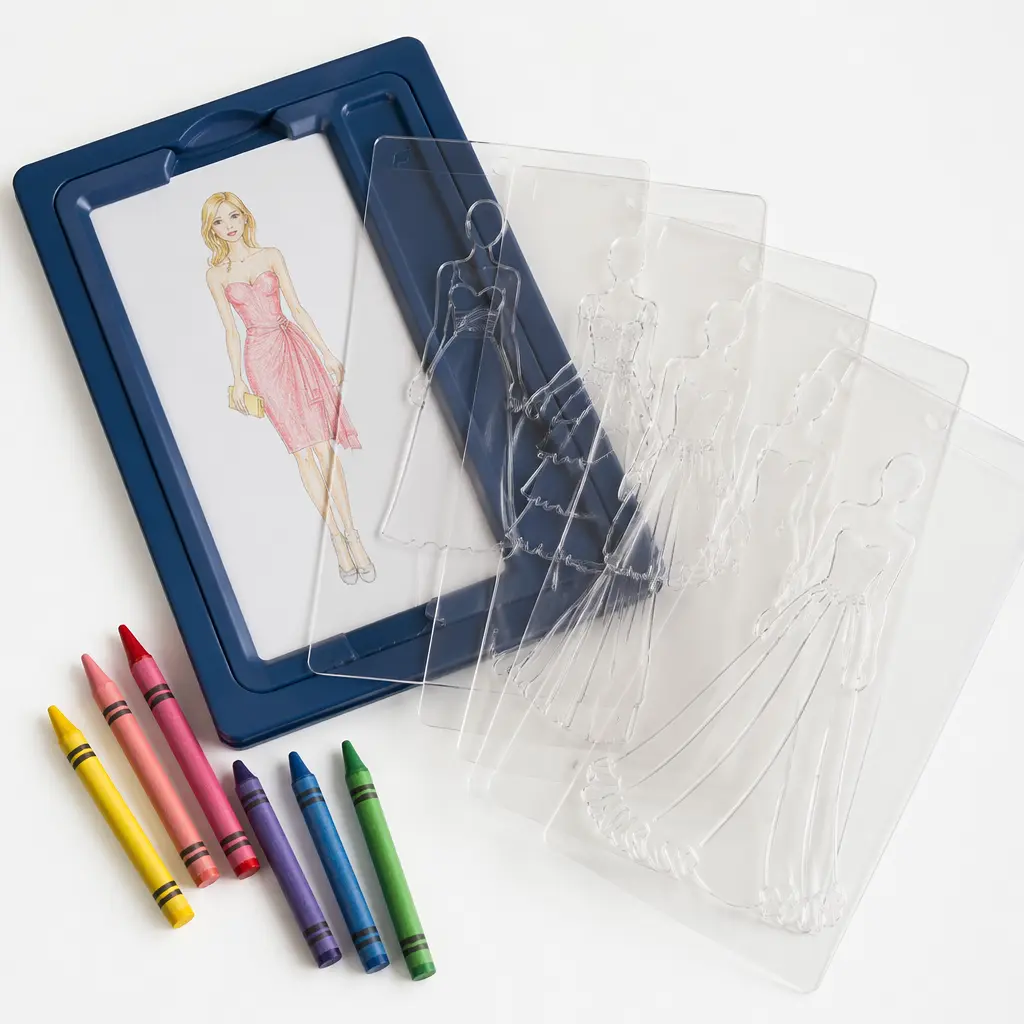
Classic · 1978
Launched in 1978, Fashion Plates let kids mix and match outfits using etched plates and crayons—an early, hands-on lesson in design thinking that still feels relevant today.

Classic · 1982
First released in 1982, Glo Worm turned a simple plush into a calming bedtime companion, using gentle light and routine to help a generation of children wind down at night.
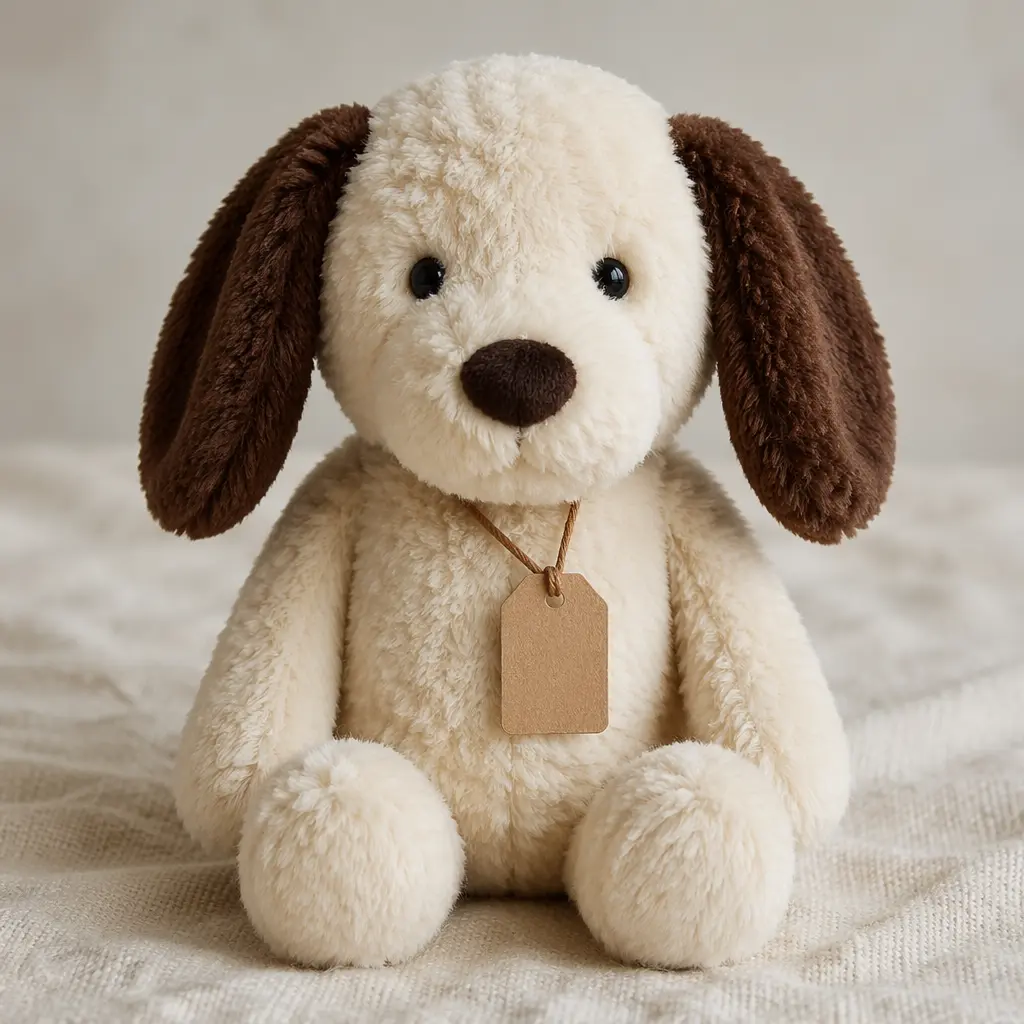
Classic · 1984
Launched in the 1980s, Pound Puppies turned a simple plush dog into a lesson about care and adoption—becoming one of the era’s most emotionally resonant toy lines.
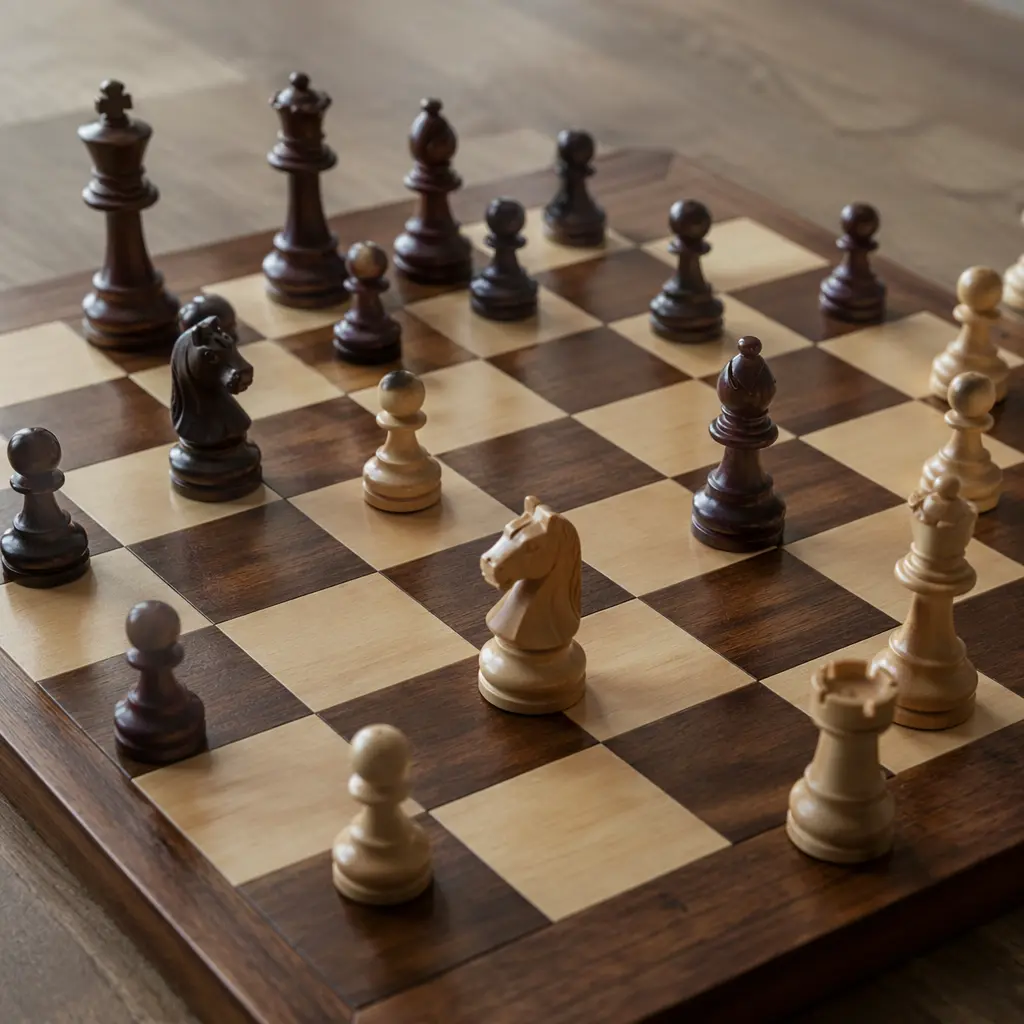
Classic
From medieval courts to mobile apps, chess has crossed cultures and centuries. Its simple pieces hide deep strategy, helping the game stay relevant for kids, adults, and competitors alike.
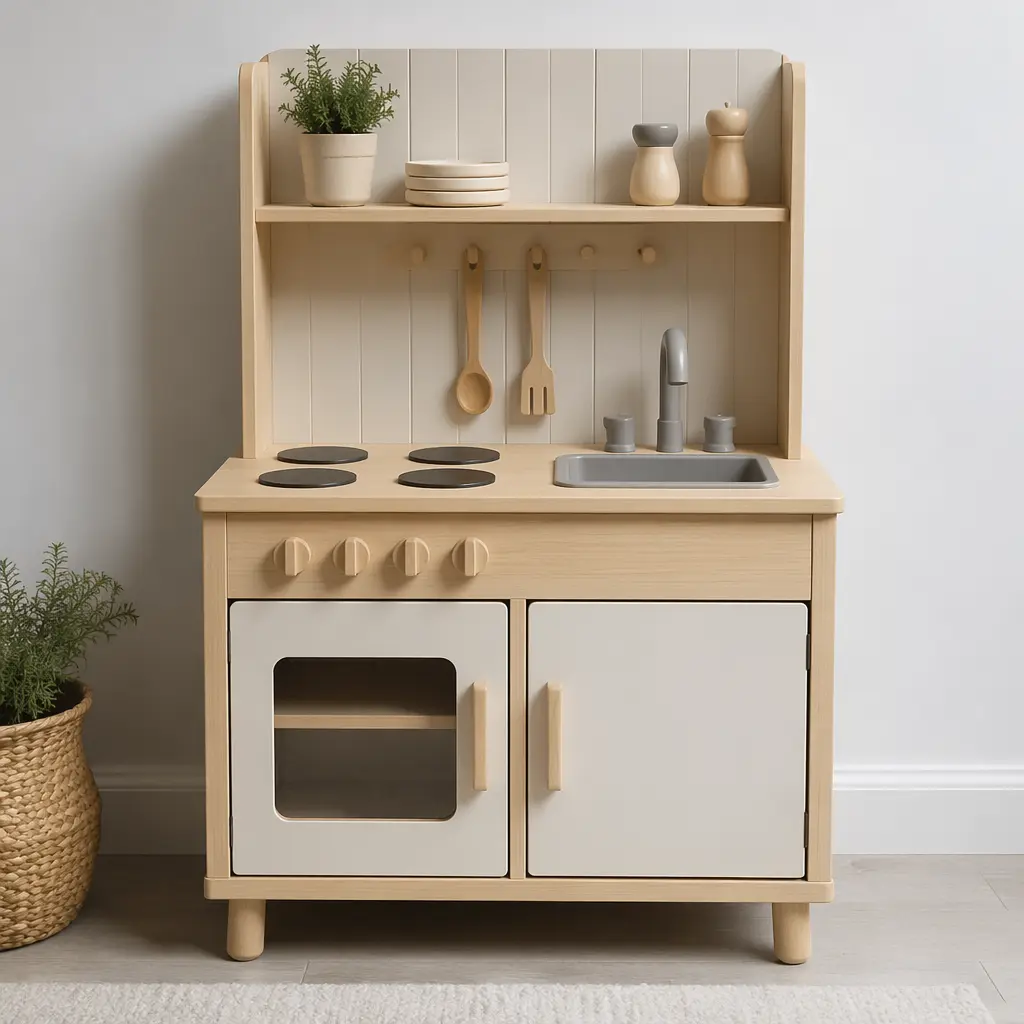
Classic
Miniature kitchens have powered pretend play for generations. From make-believe meals to social role-play, their open-ended design keeps kids engaged long after other toys are forgotten.
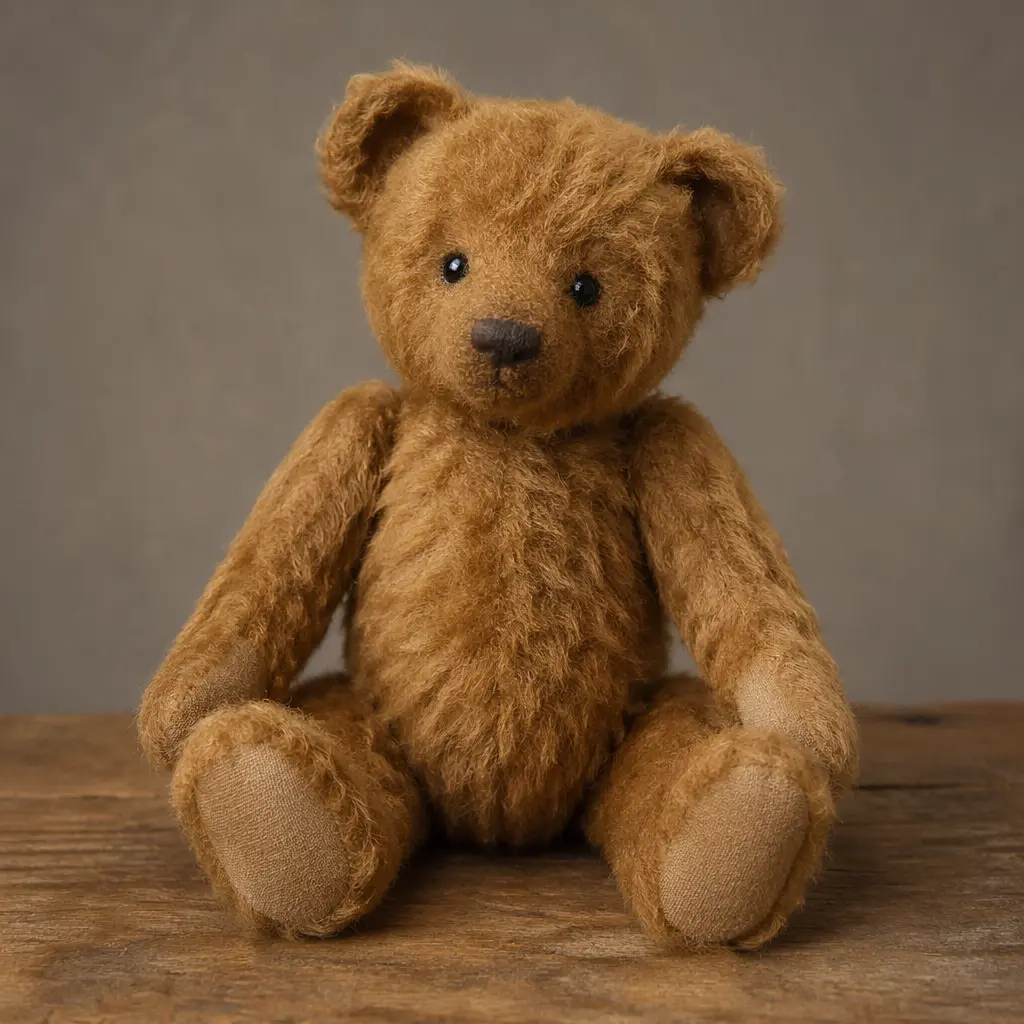
Classic · 1902
Handcrafted since the early 1900s, Steiff teddy bears helped define what a plush toy could be, blending careful design, durability, and emotional appeal that still resonate with families today.