
Contemporary · 2024
ScrunchMiez turned tiny ultra-soft plush clips into a visible school and travel accessory trend, blending collectible toy culture with fashion-style self-expression.

Contemporary · 2021
Launched in 2021, XSHOT Skins brought bold wrap-style designs and fast-firing foam play to a category long dominated by familiar names, helping customization become part of the appeal.

Contemporary · 2021
With human-like teeth, uneven expressions, and a sense of playful chaos, Fugglers turned the idea of the cute plush toy upside down and found a devoted audience in the process.
Contemporary · 2020
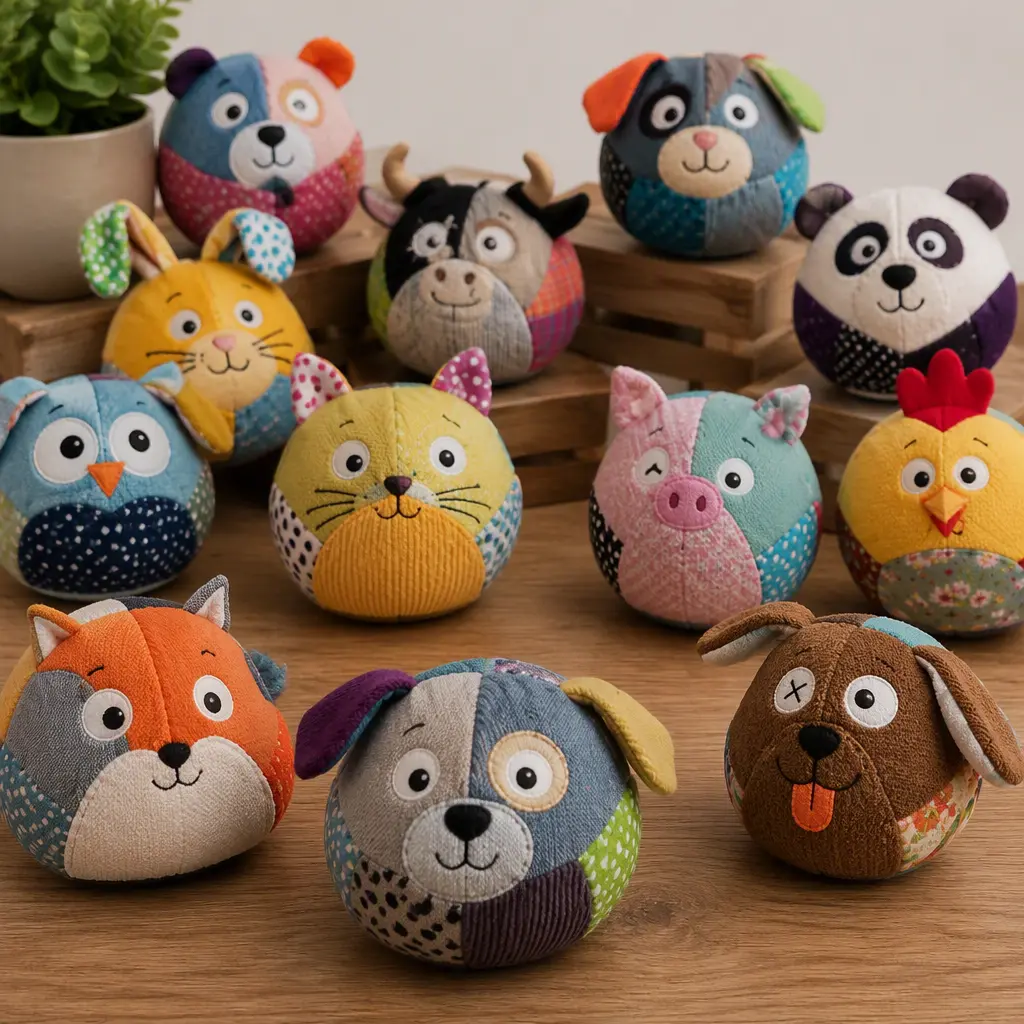
Cats vs Pickles turned tiny beanbag plush toys into a social collectible, mixing internet-style humor, surprise reveals, and playground trading into one fast-growing toy craze.
Contemporary · 2023
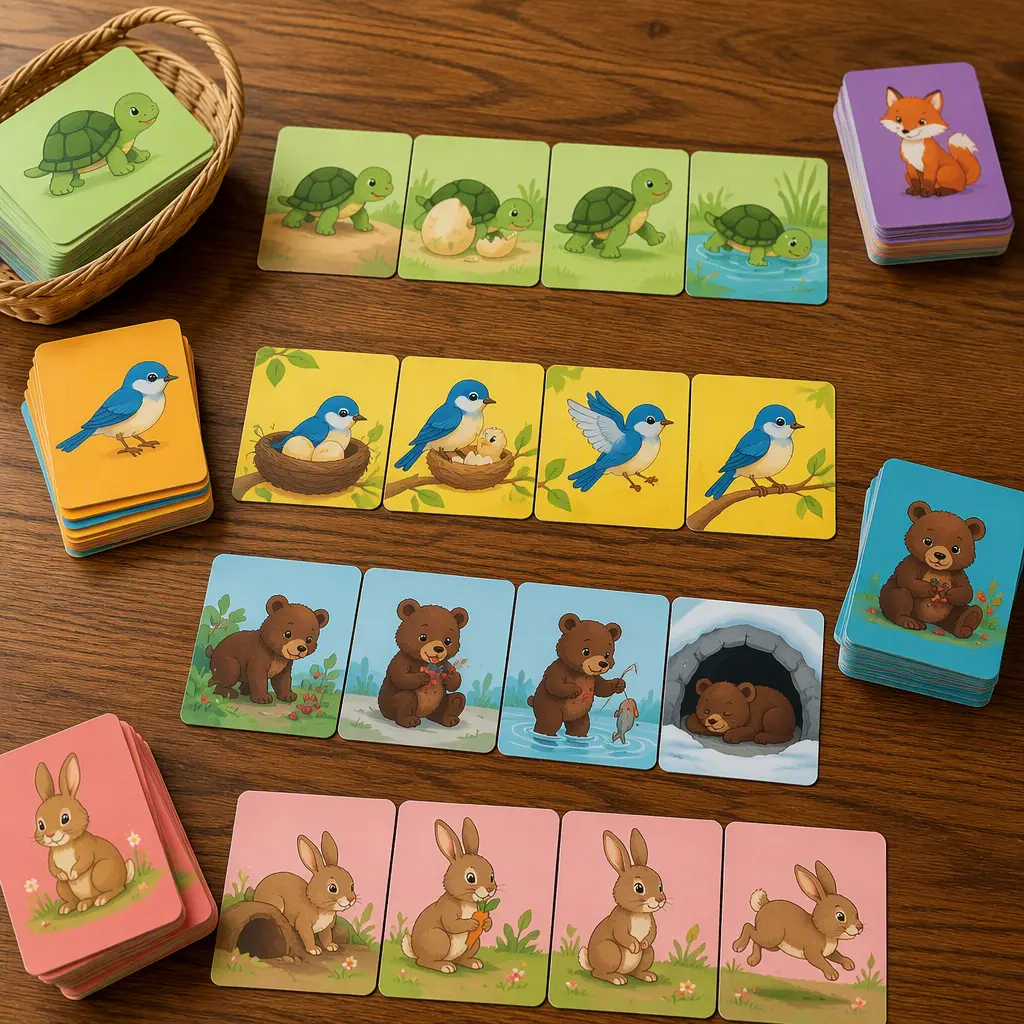
Skip-Bo Junior adapts the long-running sequencing card game for younger players with simpler rules, colorful art, and shorter rounds that encourage multi-generational play.
Contemporary · 2023
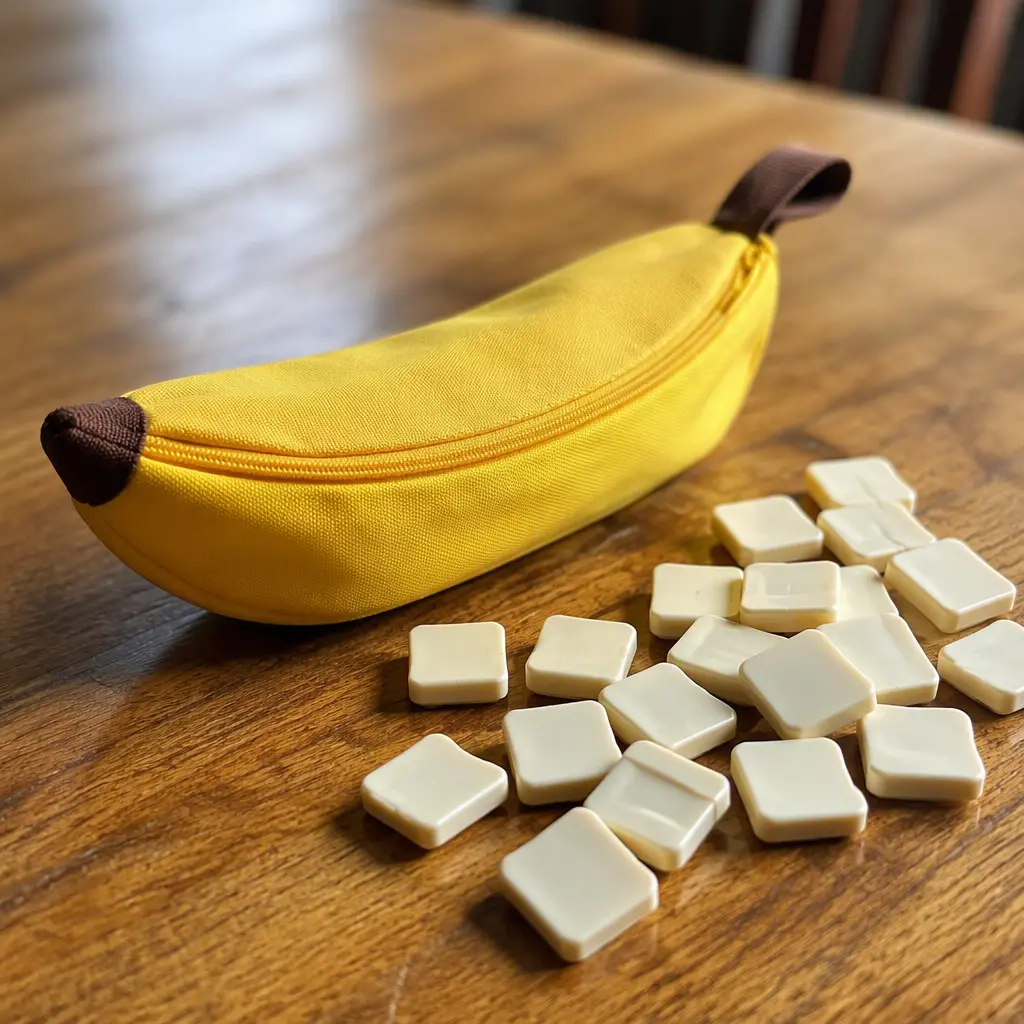
Bananagrams Duel trims the original word-building formula into a fast two-player contest, showing how modern tabletop games are leaning toward shorter rounds, portability, and quick rematches.
Contemporary · 2021
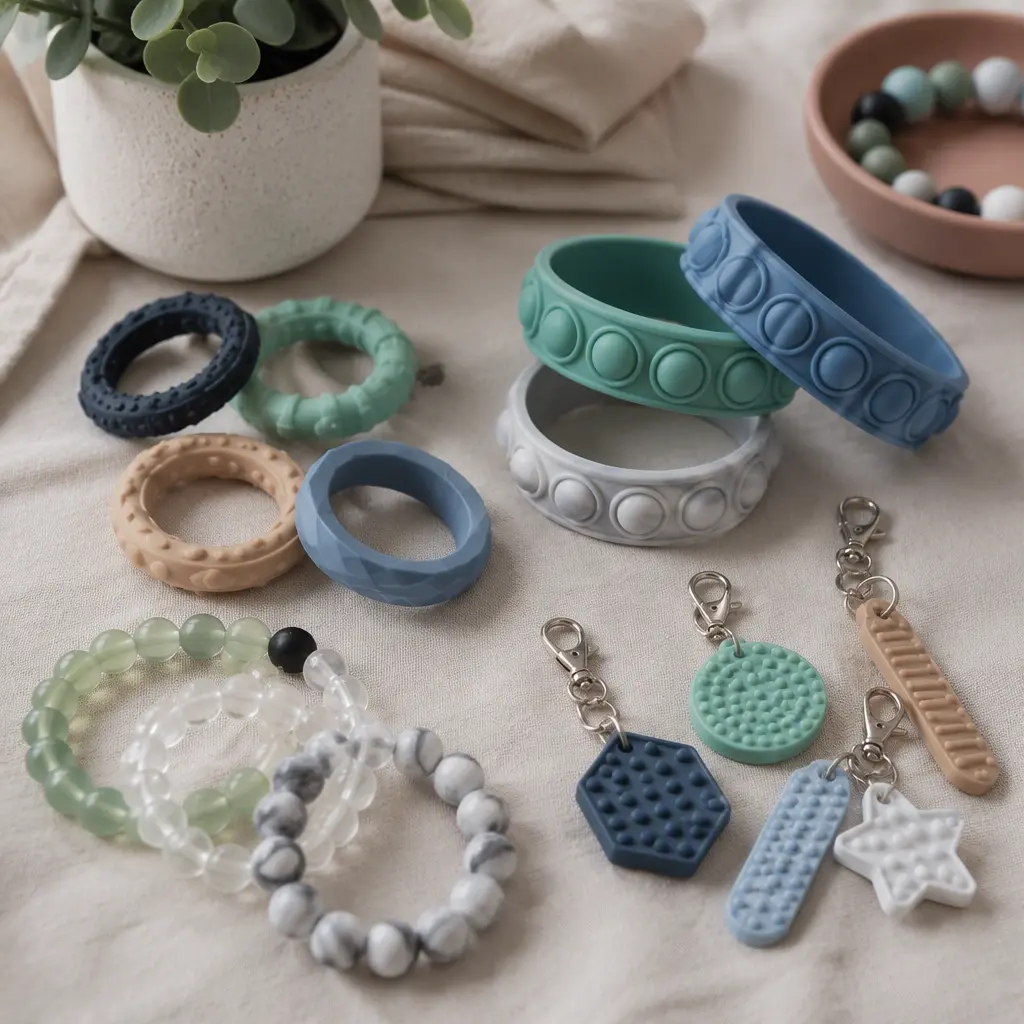
Fashion fidgets turned sensory play into something wearable, blending bracelets, clips, rings, and charms with calming tactile features that moved from classrooms to everyday style.
Contemporary · 2020
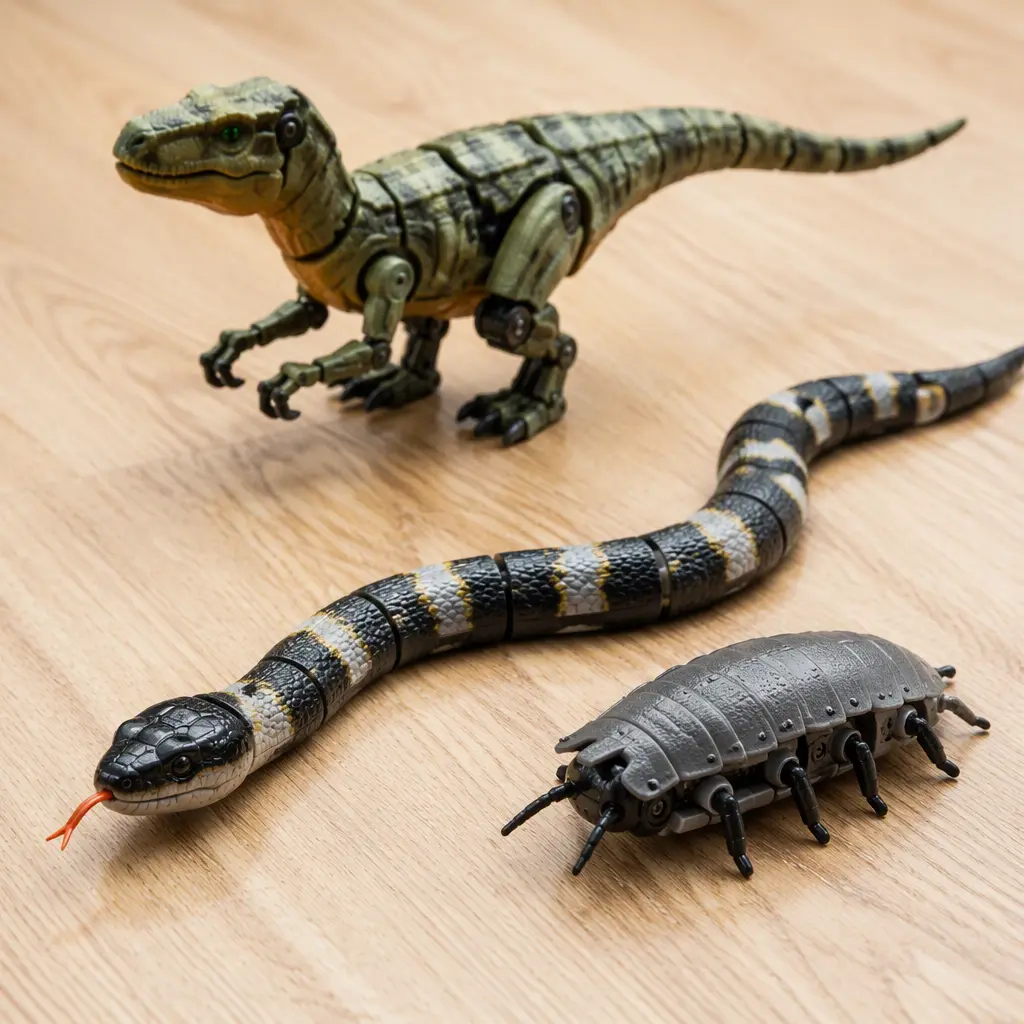
Robo Alive turned affordable robotic pets and creatures into a modern toy aisle staple, mixing simple motors, sensory tricks, and collectible play into accessible animatronic fun.

Contemporary · 2023
MGA Car Tuned turns familiar vehicle shapes into exaggerated mini collectibles, blending toy-car nostalgia, stylized design, and kid-friendly collecting for a new generation.
Contemporary · 2020
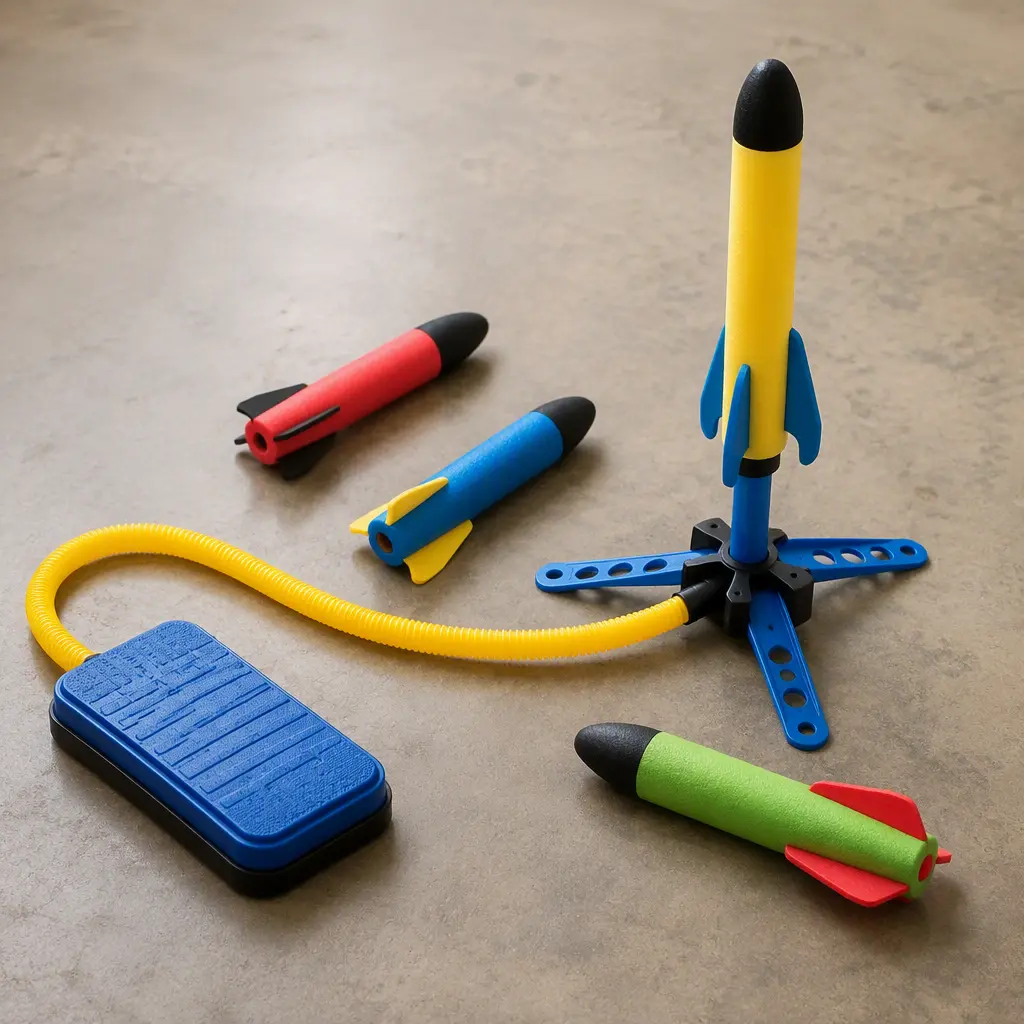
The Stomp Rocket Ultra Rocket turned a simple foam launcher into a durable backyard science toy, blending active play, easy setup, and hands-on physics for the screen era.
Contemporary
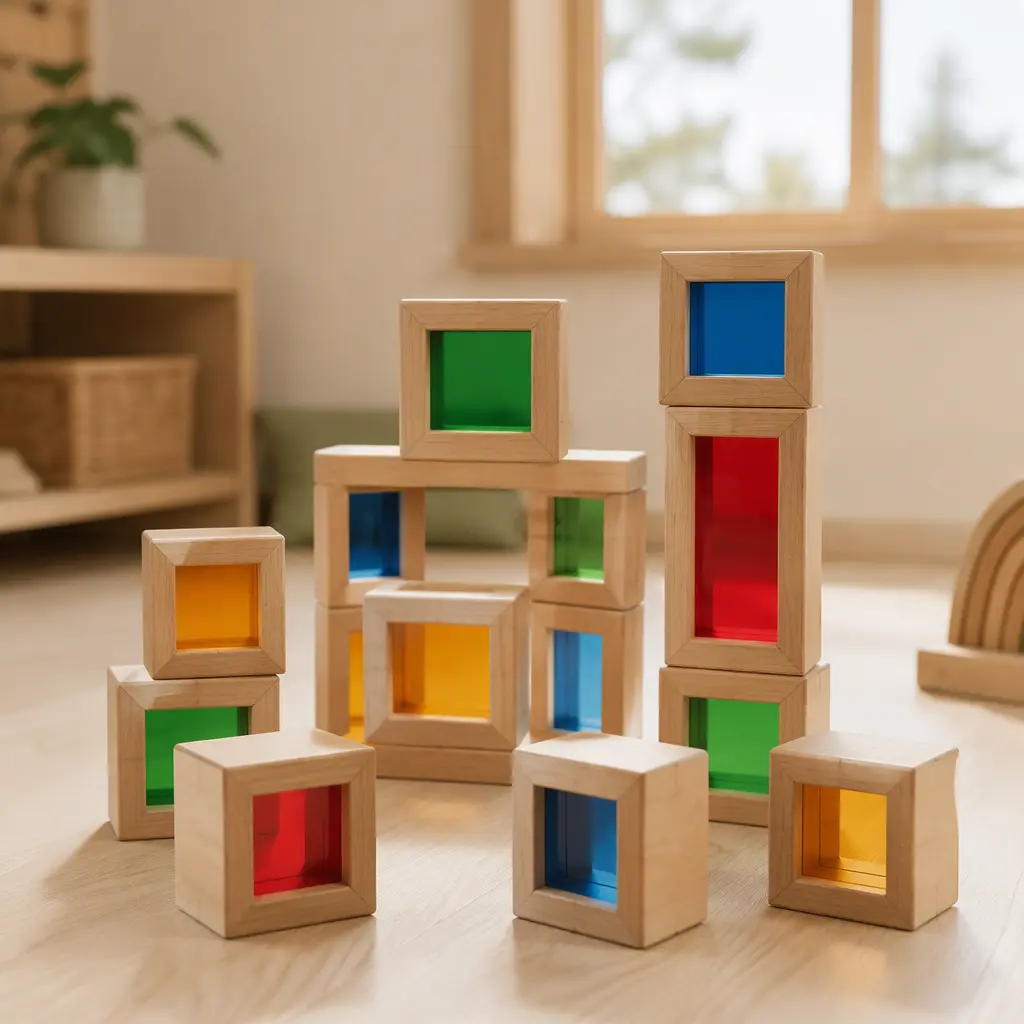
Bauspiel Lucent Cubes turned simple building blocks into a design-focused play staple, blending natural wood with jewel-like acrylic windows that appeal to children, parents, and educators alike.
Contemporary · 2021
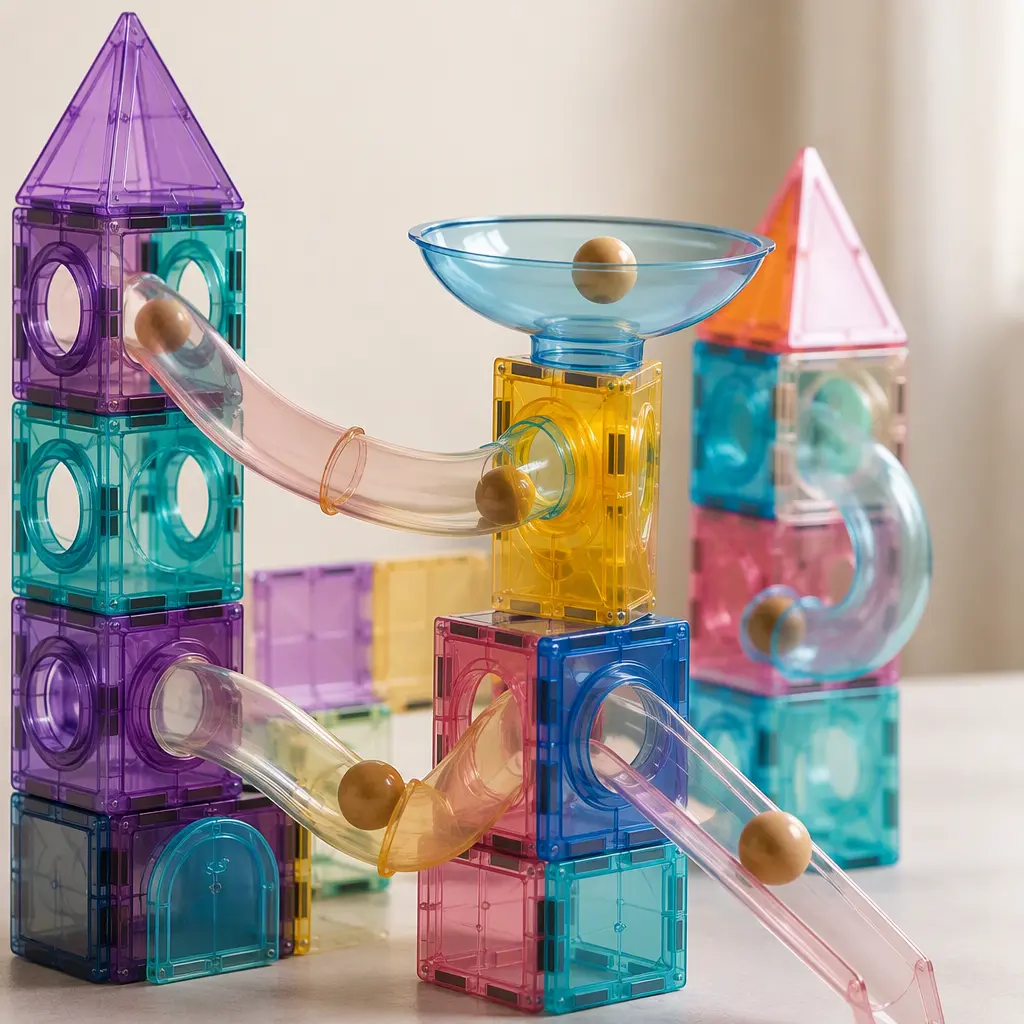
Connetix Ball Runs turned open-ended magnetic tile play into a hands-on engineering system, blending construction, motion, and problem-solving for kids and adults alike.
Contemporary
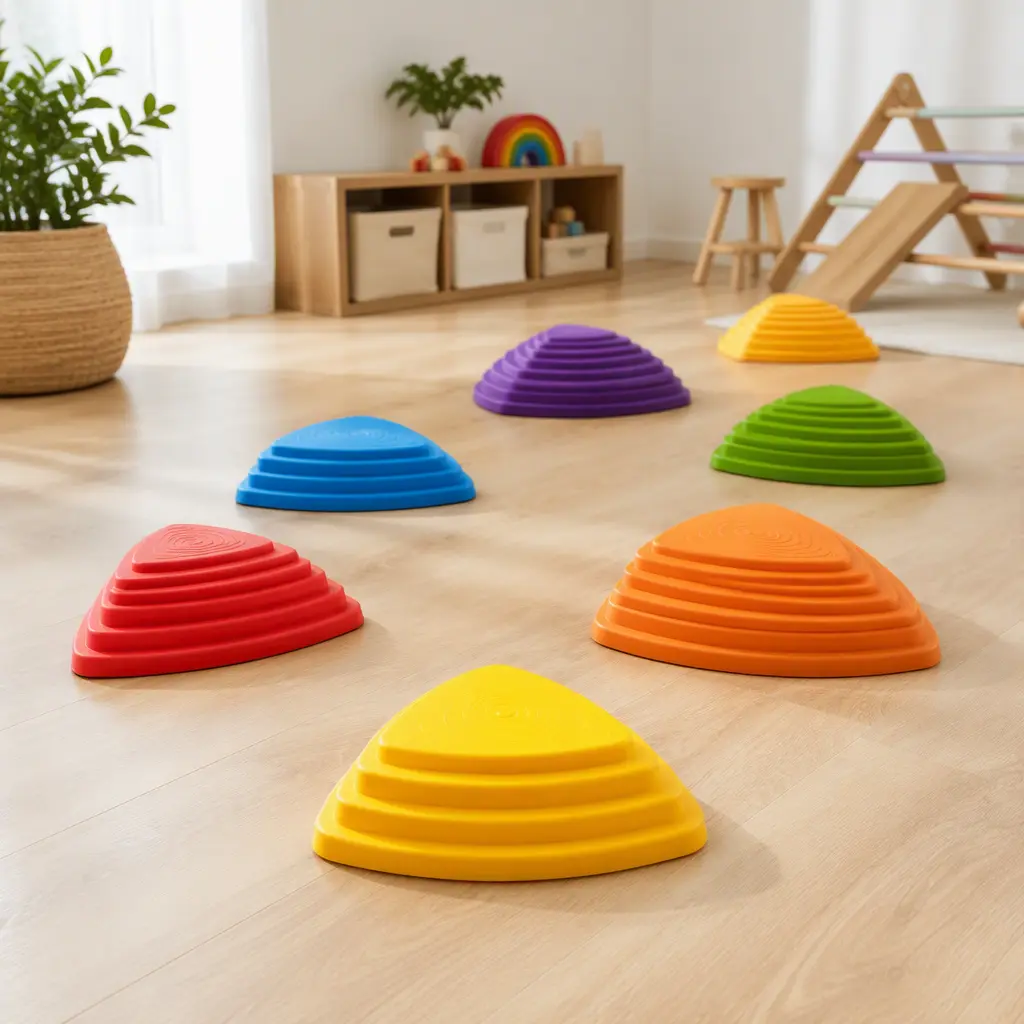
Balance stepping stones turn floors into obstacle courses, helping children build coordination, balance, and confidence through simple movement-based play that works well indoors.
Contemporary · 2021
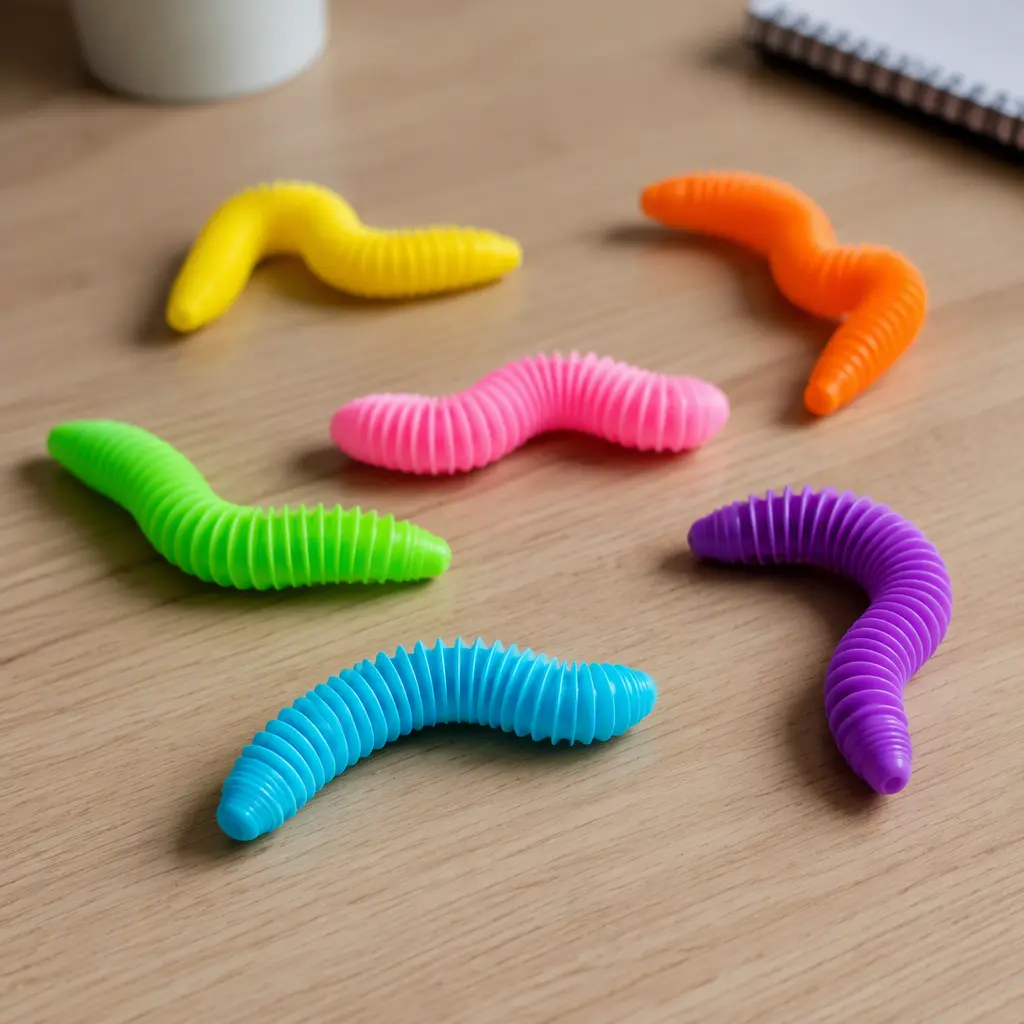
Fidget Worms turned simple tactile play into a modern desk-toy phenomenon. Their bendable, twistable design made them popular with kids, students, and adults looking for quick hands-on distraction.
Contemporary · 2020
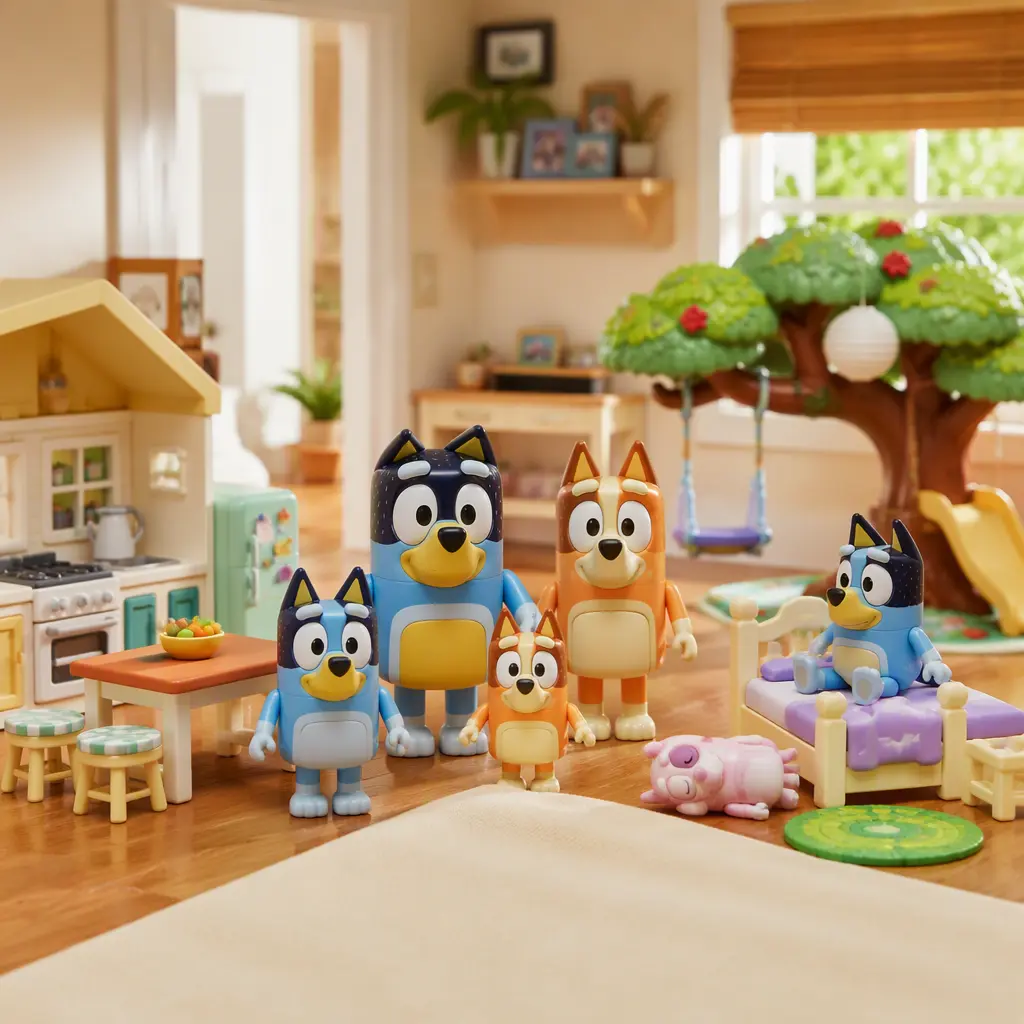
Bluey figure playsets turned familiar family routines into open-ended pretend play, helping a TV-inspired toy line connect with both children and parents in the contemporary toy aisle.
Contemporary · 2022
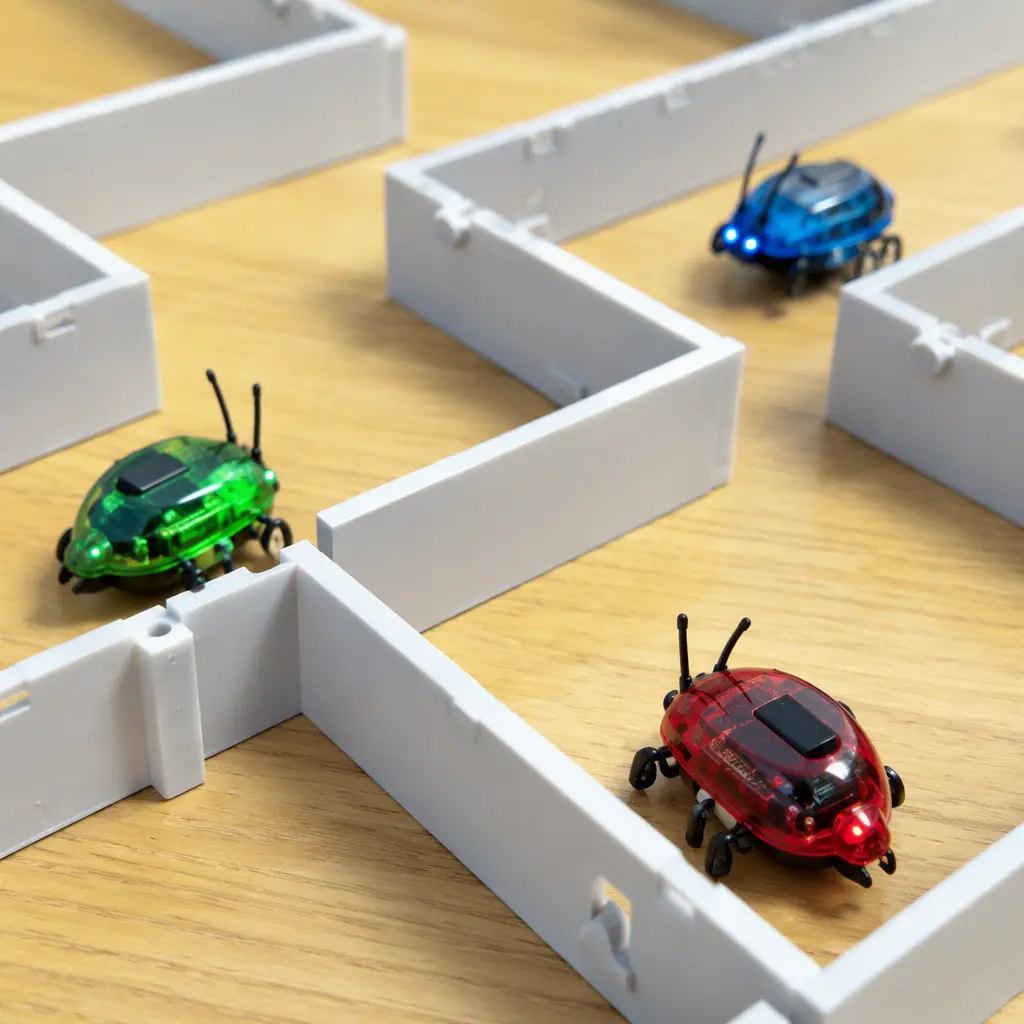
HEXBUG Nano Flash sped up the familiar bug-bot formula with brighter colors, quicker movement, and simple autonomous play that appealed to kids, collectors, and desk-toy fans alike.

Contemporary · 2021
Rainbow Pebbles turned simple balancing and stacking into a flexible creative activity, blending construction play, color sorting, and problem-solving for kids and adults alike.
Contemporary · 2020
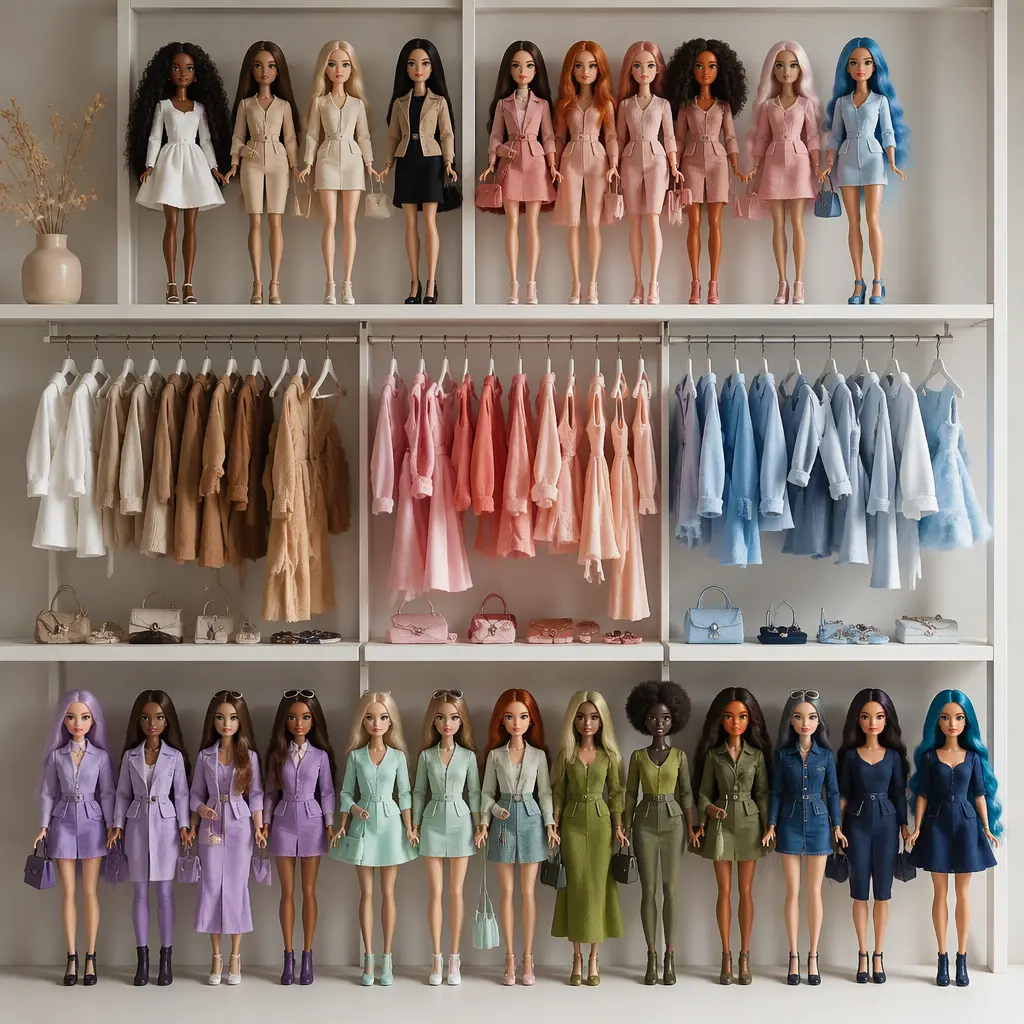
Rainbow High arrived in 2020 with a simple idea: each doll represents a distinct color world. The fashion-focused line blended collectible styling, social-media appeal, and detailed outfits to stand out in a crowded doll aisle.
Contemporary · 2023
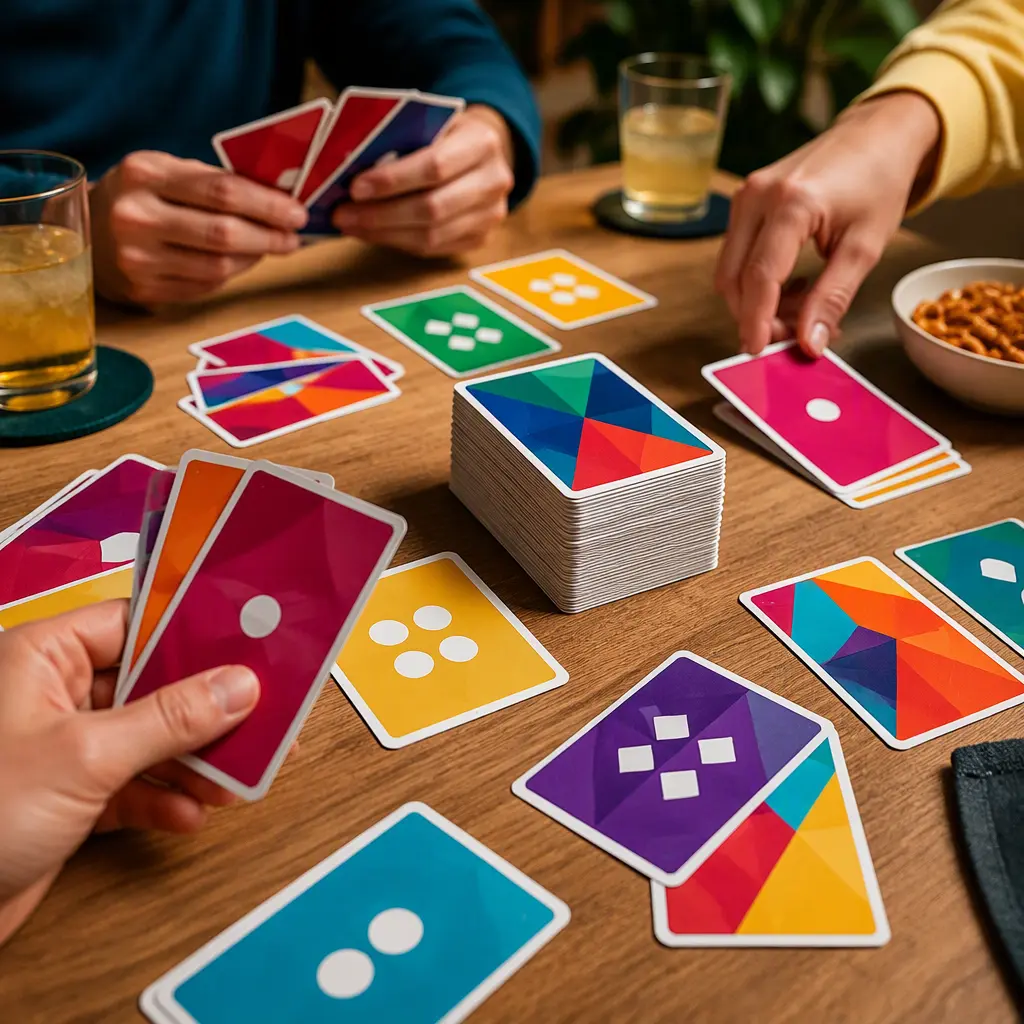
UNO Show ’em No Mercy turned a familiar card game into a louder, harsher party-night challenge with stacked penalties, faster eliminations, and social-media-ready chaos.
Contemporary
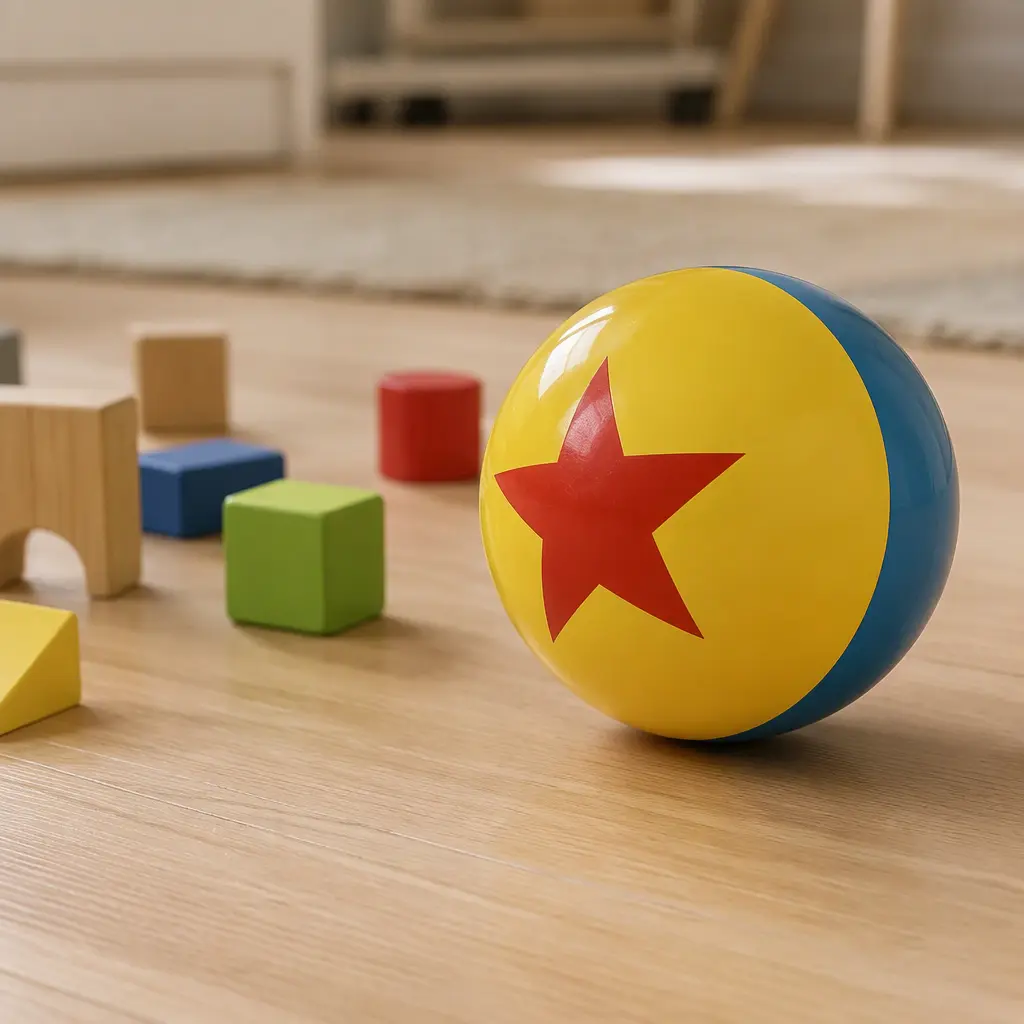
A simple yellow ball with a blue stripe and red star pattern became one of animation’s most recognizable toy designs, bridging film culture, childhood nostalgia, and collectible play.
Contemporary · 2022
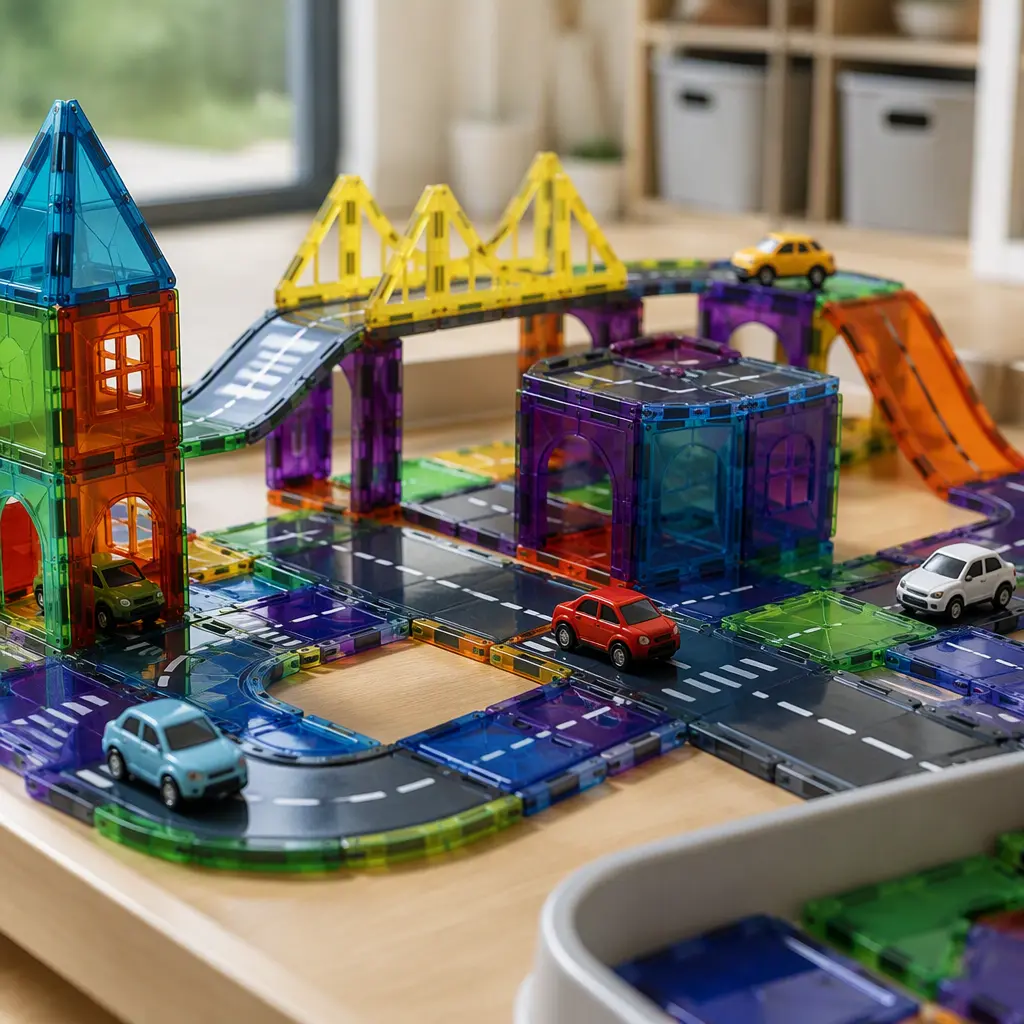
Road-themed magnetic tiles turn open-ended construction into small-scale urban planning, blending vehicle play, engineering, and imaginative storytelling for modern families.
Contemporary · 2023
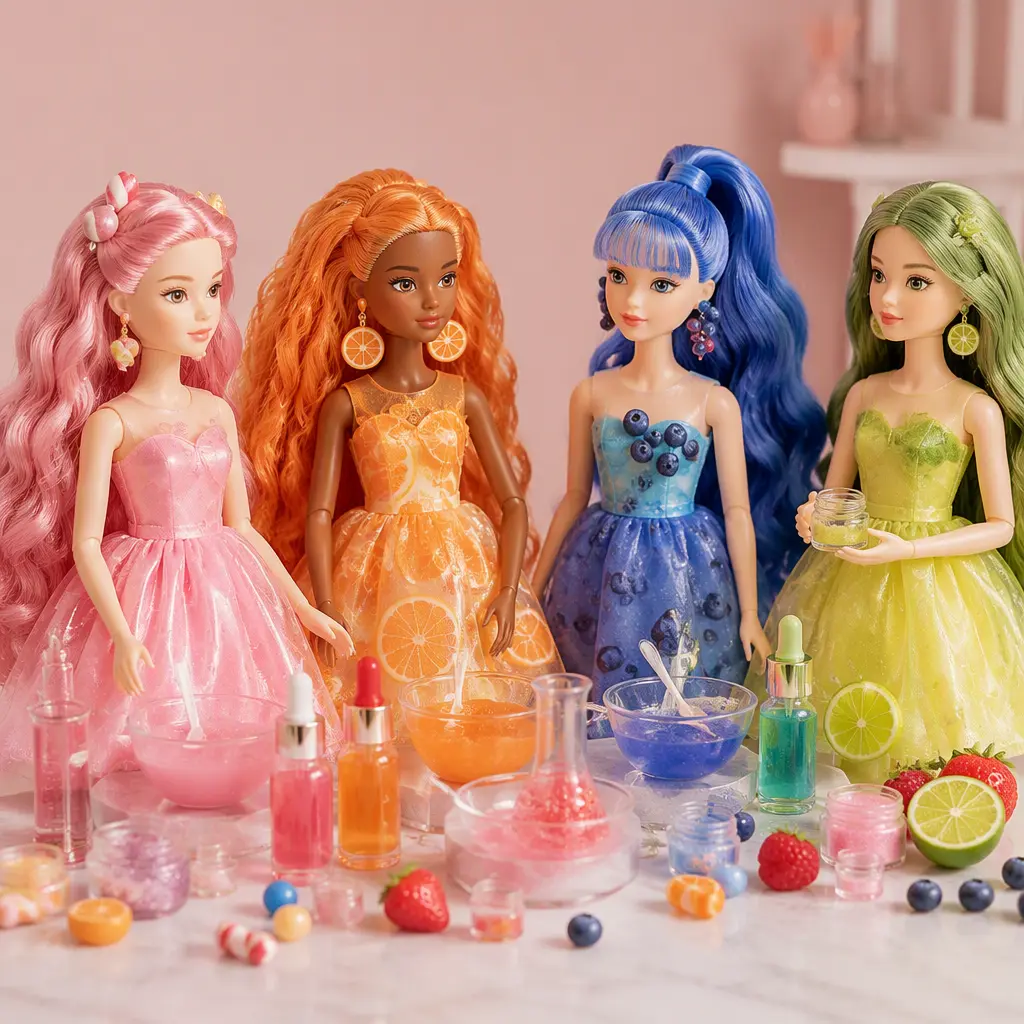
Yummiland Lip Gloss Dolls combine collectible fashion-doll play with scented mix-and-make lip gloss activities, turning unboxing into a hands-on craft experience for kids and tweens.
Contemporary · 2024
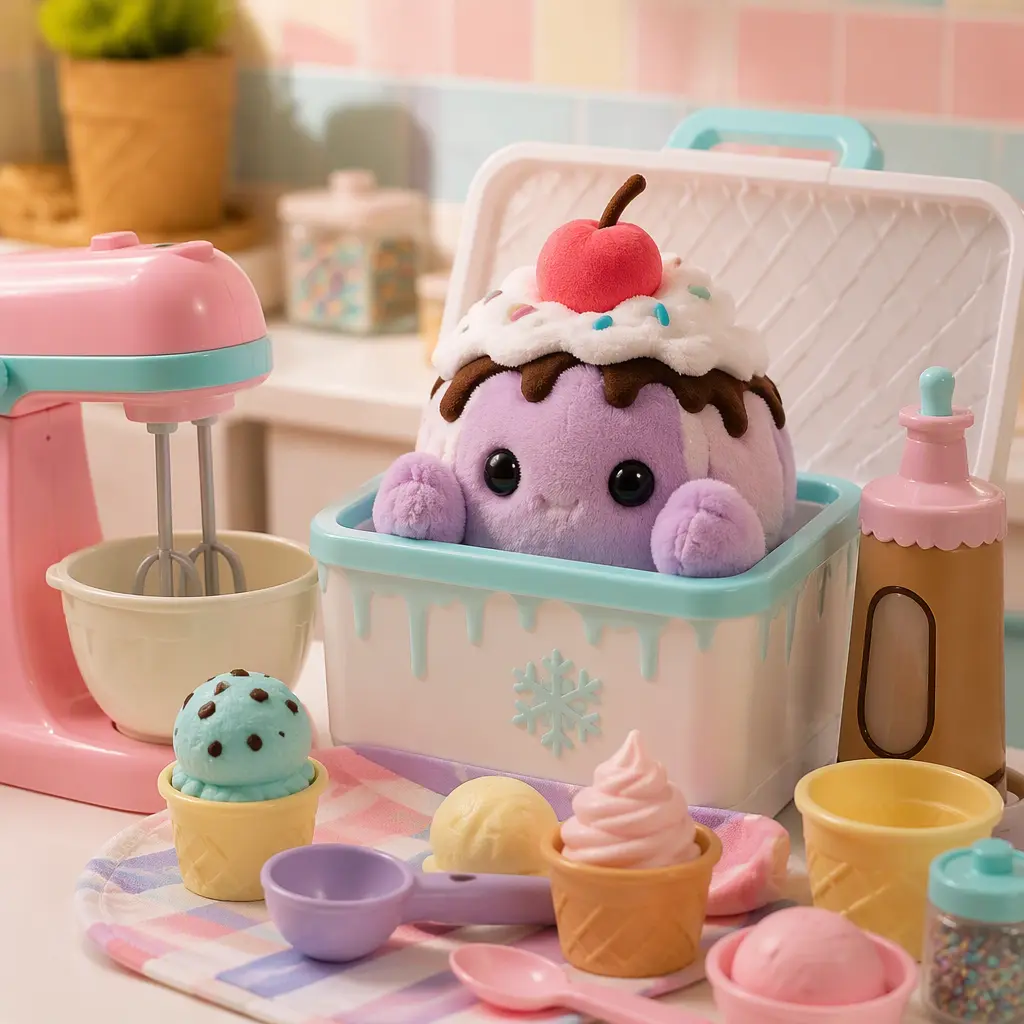
Cookeez Makery Freezy Cakez turns the surprise-unboxing formula into a hands-on pretend dessert activity, blending texture, reveal moments, and nurturing play in a way many recent toy trends now follow.
Contemporary · 2023
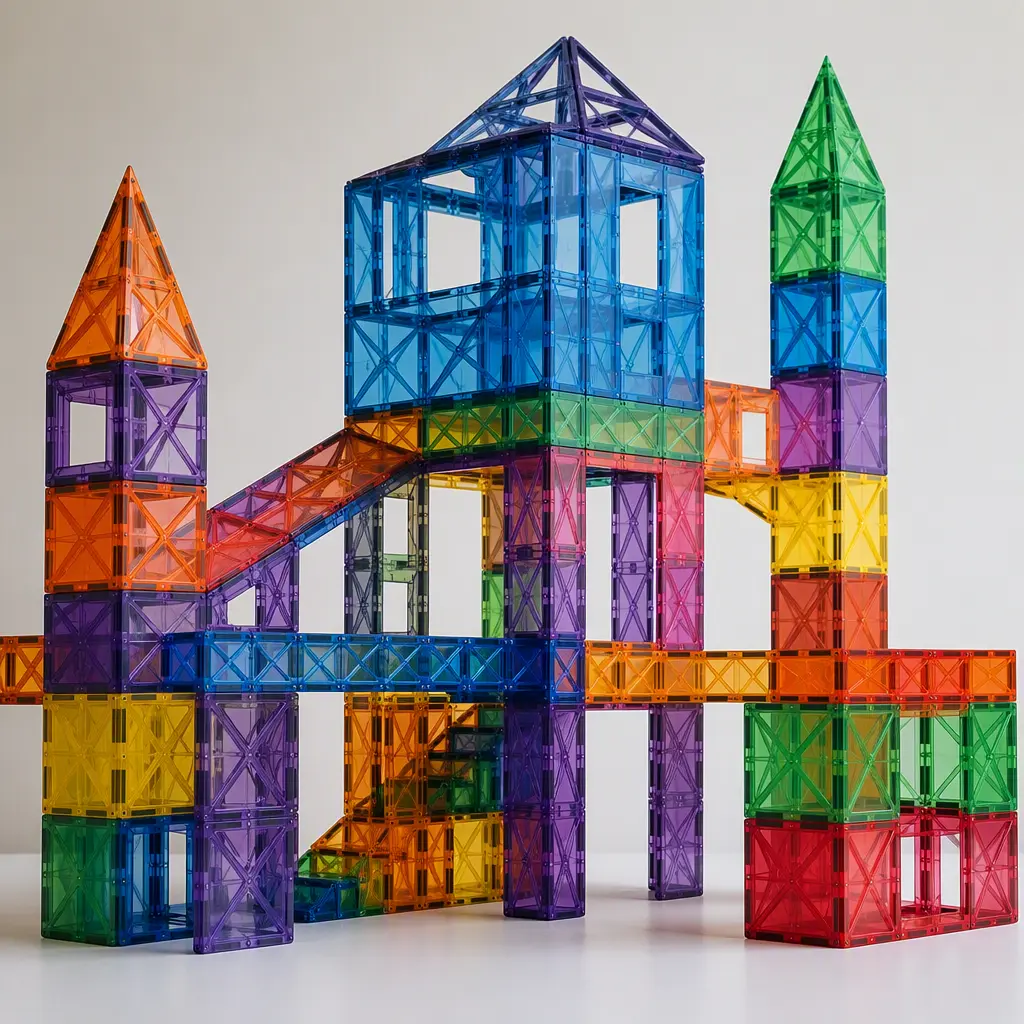
Tileblox Inspire reflects a newer wave of magnetic construction toys built around larger structures, open-ended design, and collaborative play that feels closer to architecture than simple stacking.
Contemporary · 2020
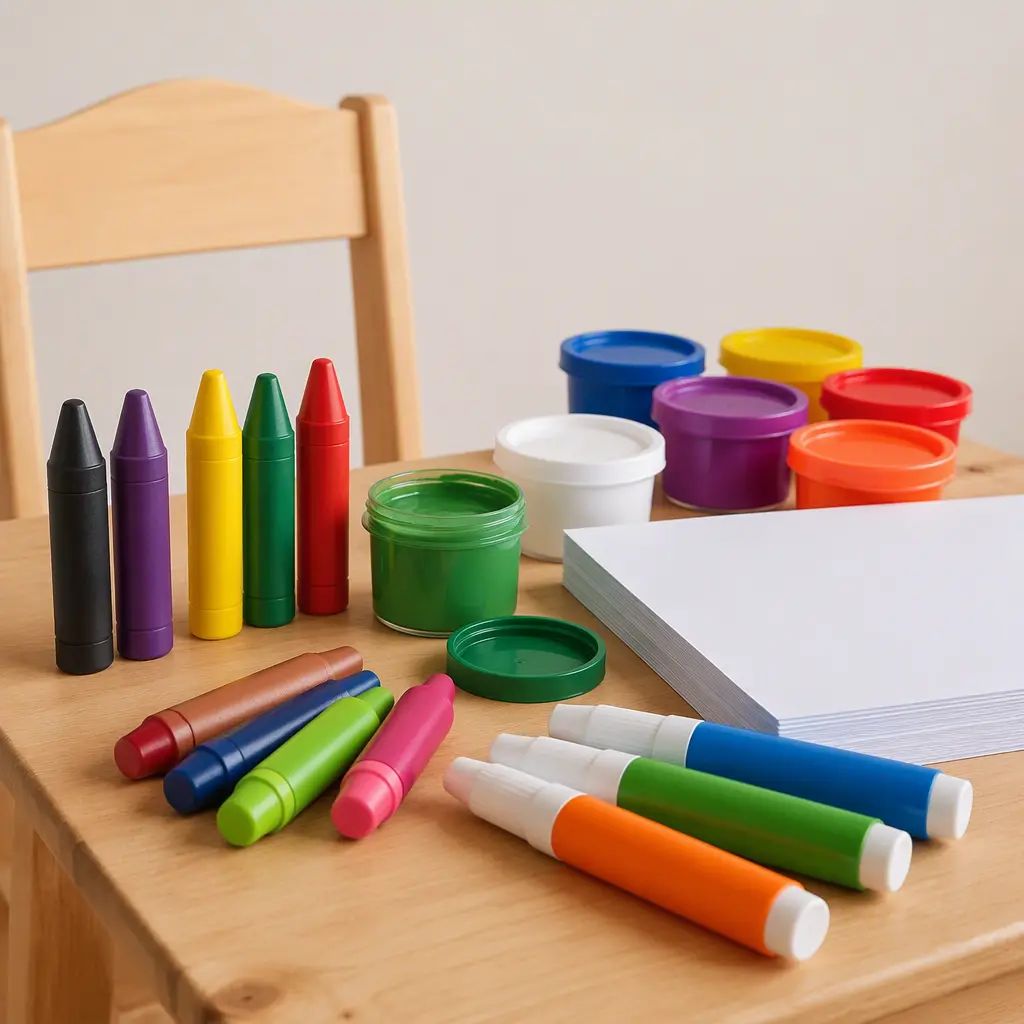
My First Crayola helped turn toddler-safe art supplies into a major toy aisle category, blending washable materials, easy-grip design, and early creative play for very young children.
Contemporary · 2023
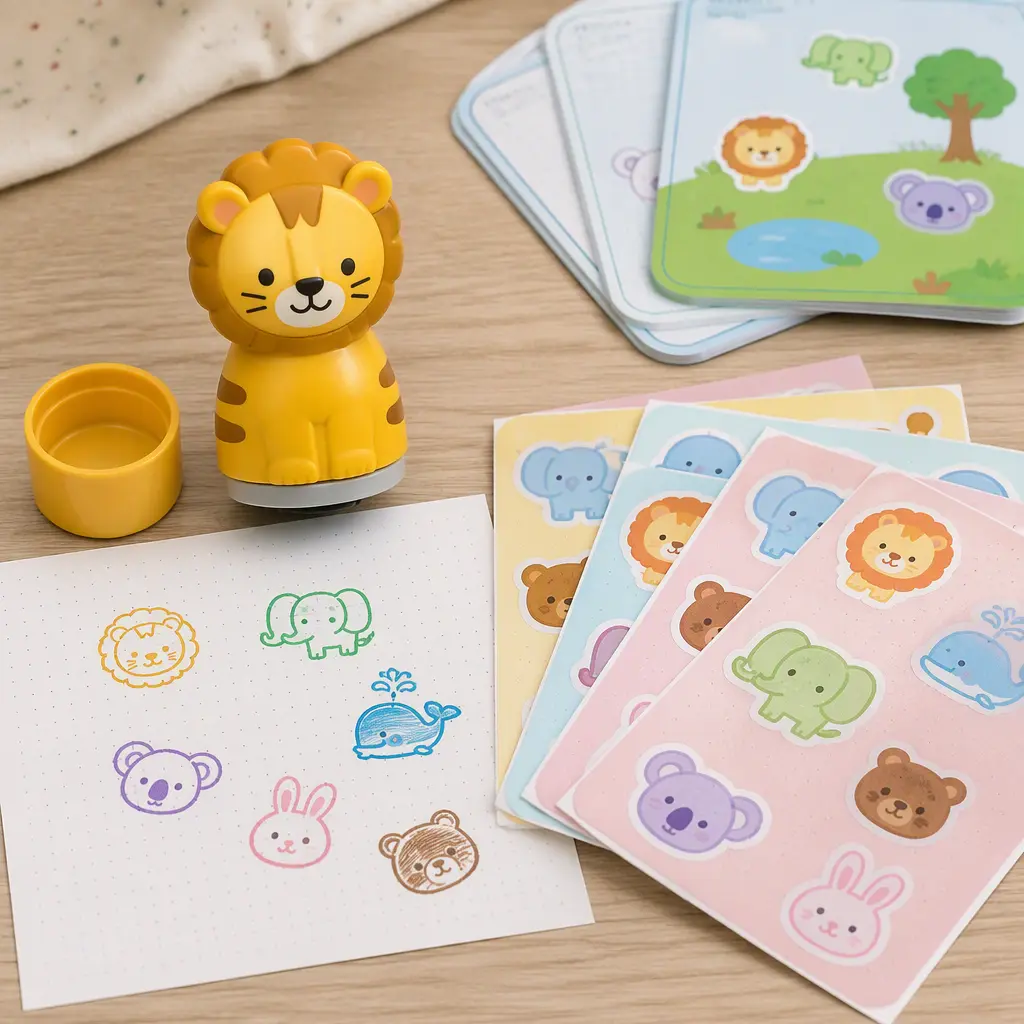
Melissa & Doug's Sticker WOW! line turned sticker play into a reusable stamping activity, blending collecting, crafts, and portable creativity for younger kids and families.
Contemporary · 2023
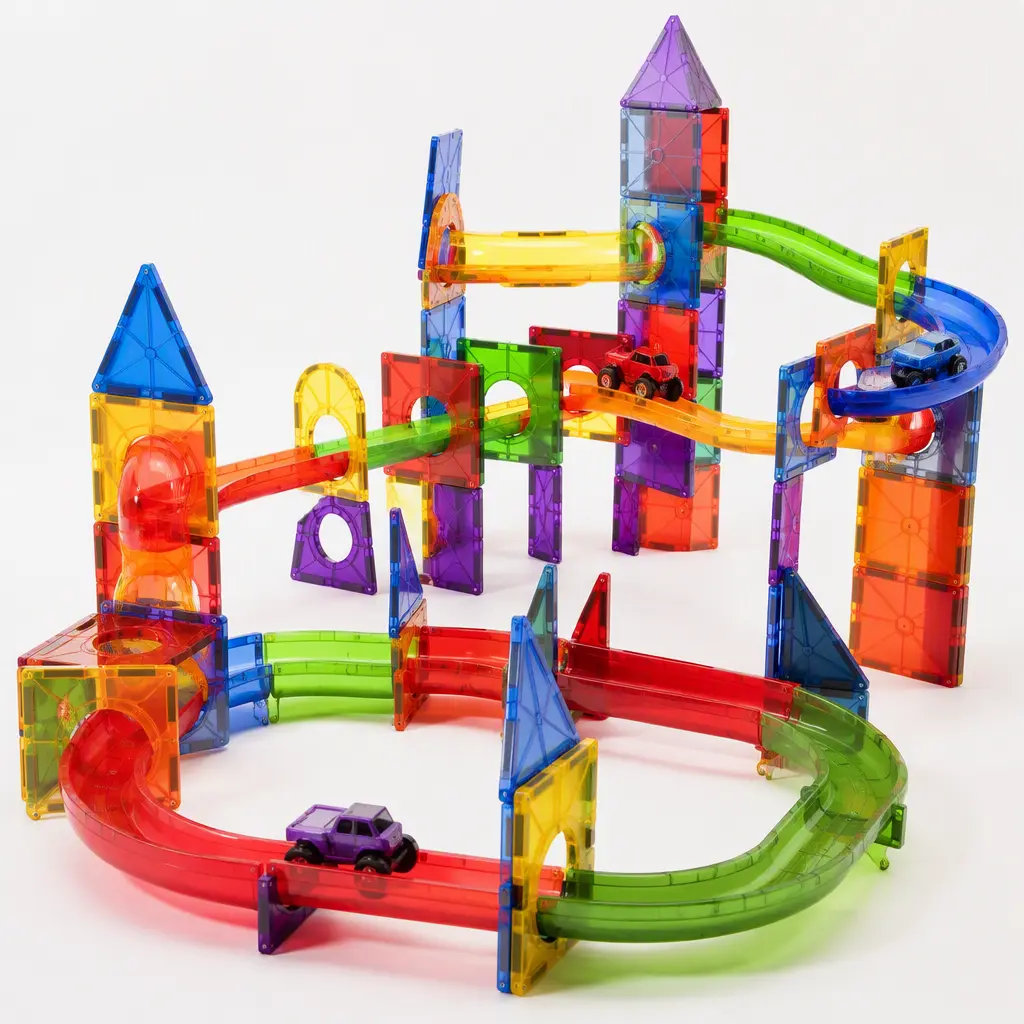
Tileblox Magnetic Racetracks reflect a wider shift in construction toys, blending magnetic building with ramps, speed, and movement-focused play that keeps kids experimenting longer.
Contemporary · 2020
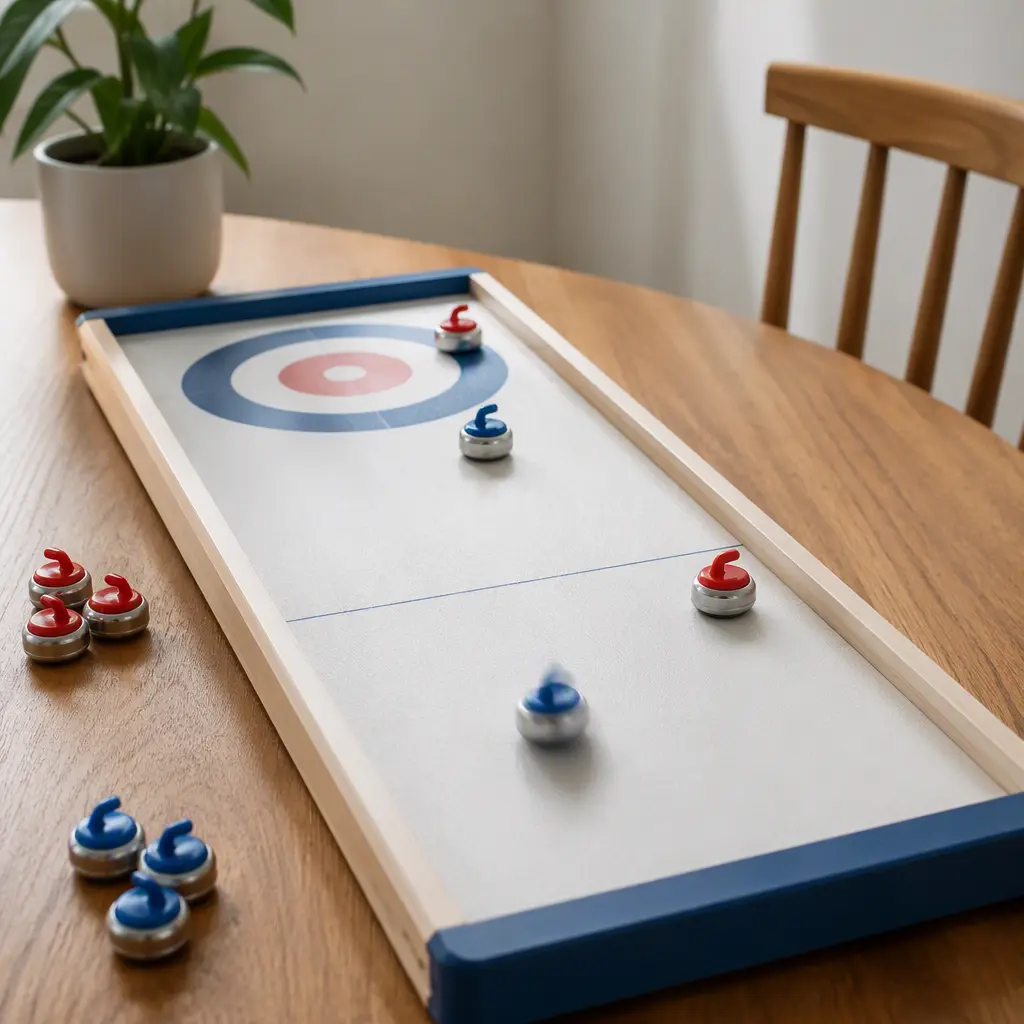
Miniature curling games turned a niche winter sport into an easy family activity, blending simple rules, satisfying strategy, and quick rounds that work across generations.
Contemporary · 2023
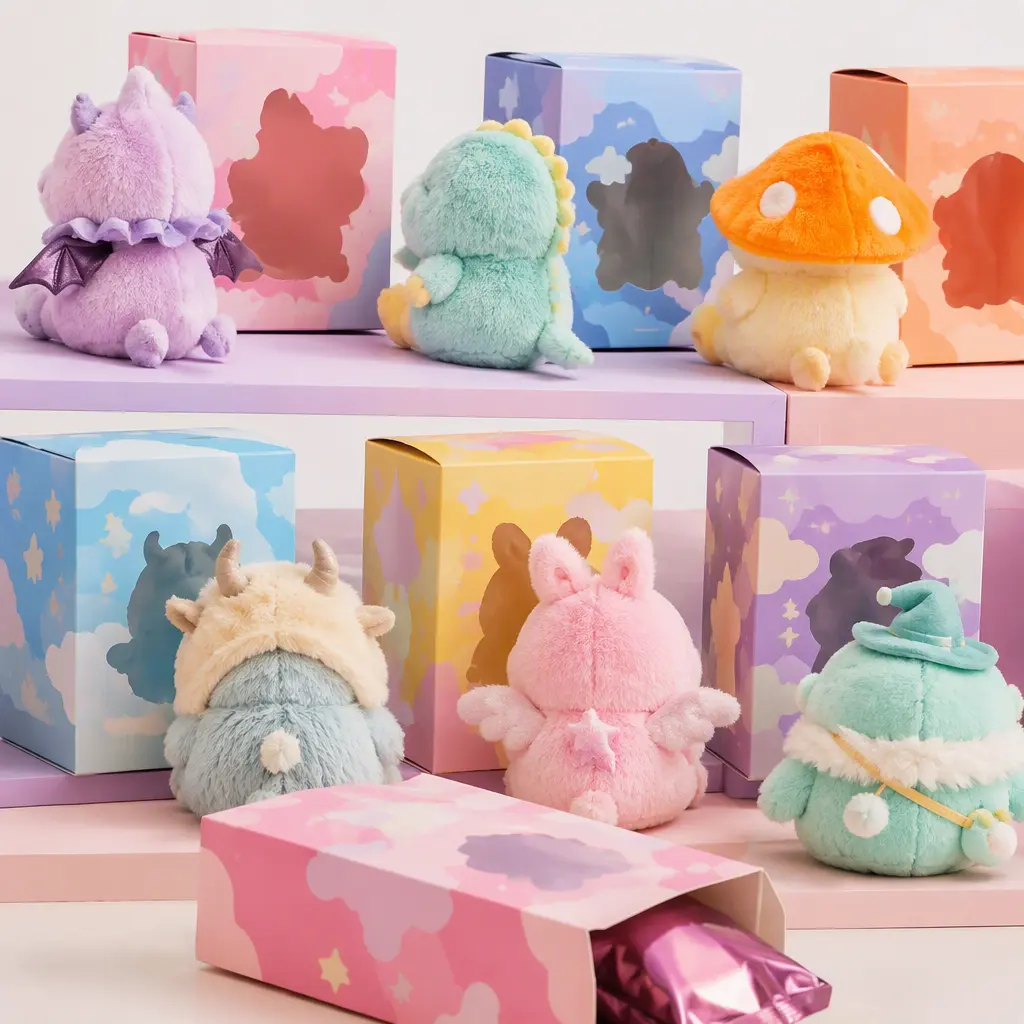
Moriah Elizabeth Mystery Plush toys show how YouTube creators transformed fan communities into successful toy brands, blending collectible surprise reveals with soft, display-friendly designs.
Contemporary · 2019
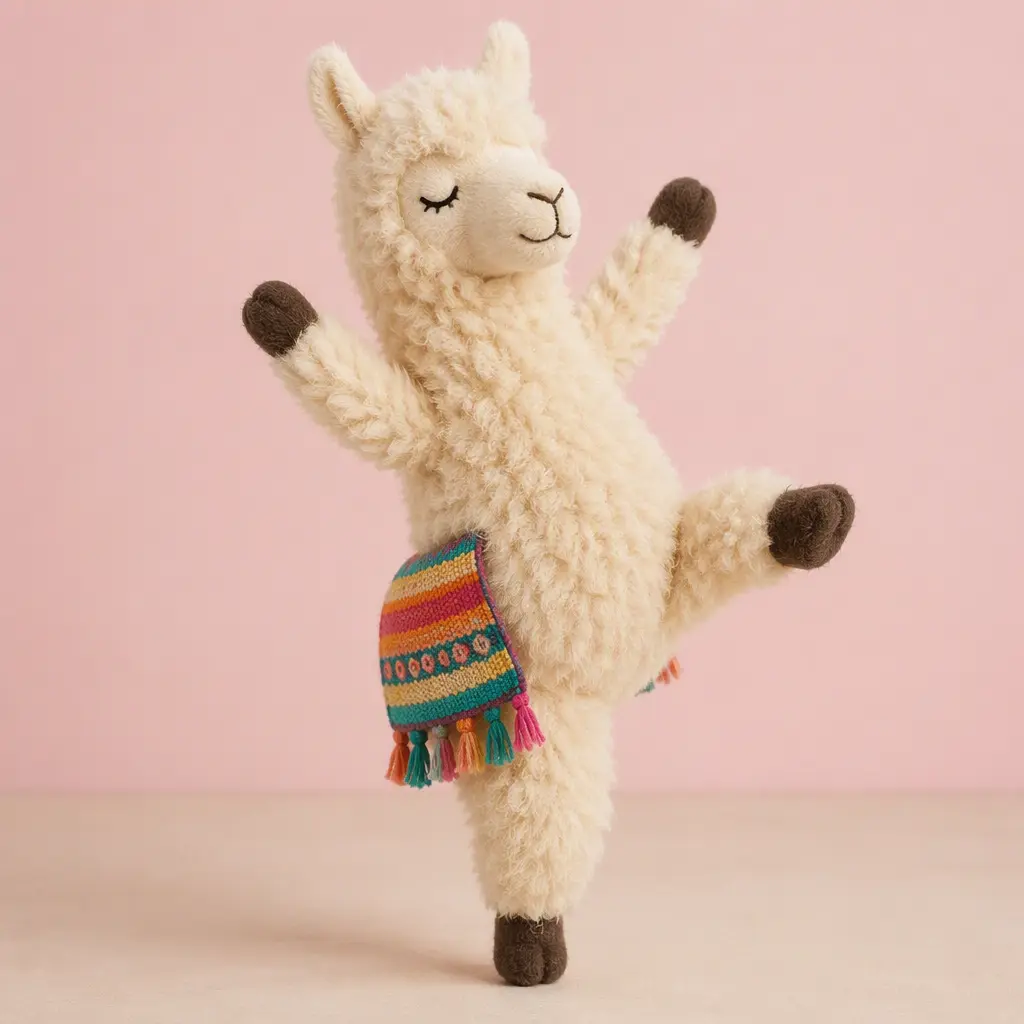
A battery-powered dancing llama with a catchy routine, Boppi became a brief but memorable holiday sensation in 2019, showing how internet buzz can turn a novelty toy into a seasonal phenomenon.
Contemporary · 2022
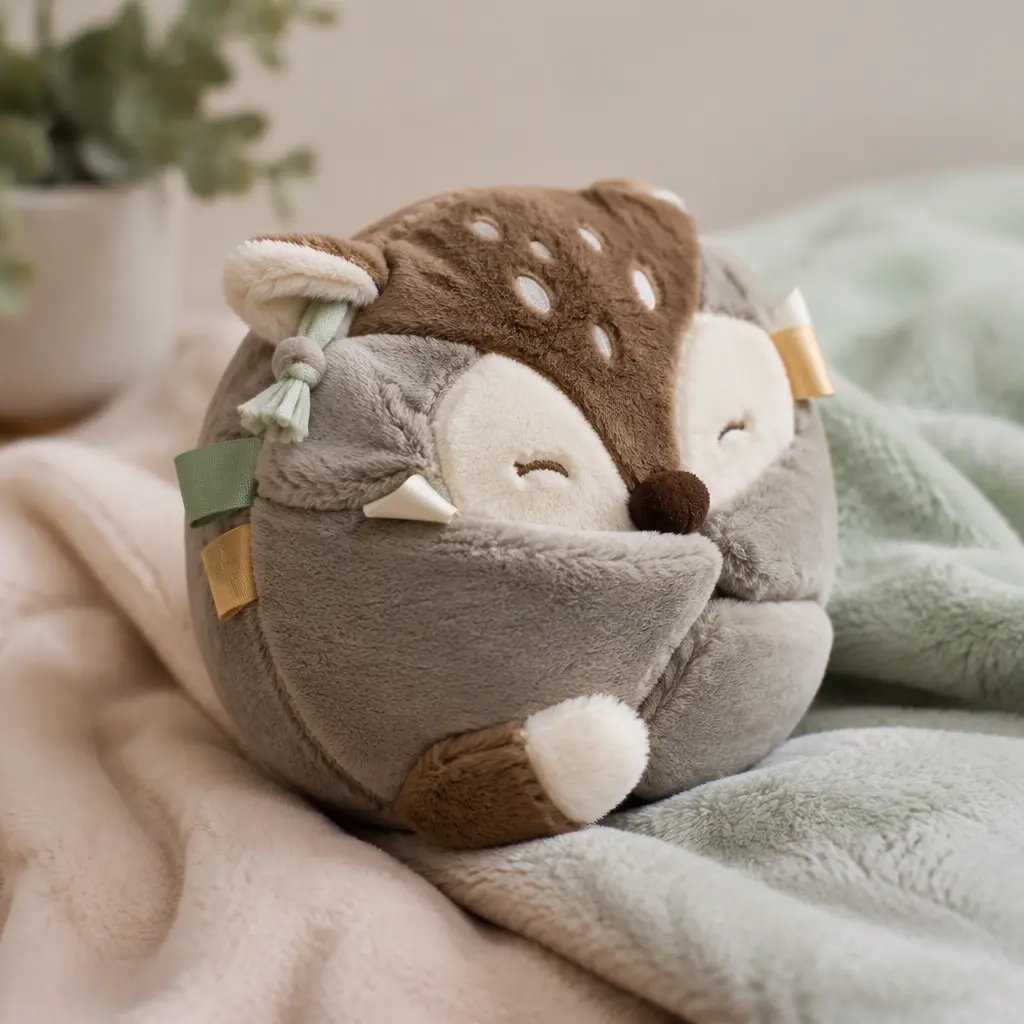
Curlimals arrived during a wave of gentler tech toys, combining soft plush design with simple responsive sounds and movement. Their appeal comes from low-pressure, comforting play rather than complicated apps or screens.
Contemporary · 2021
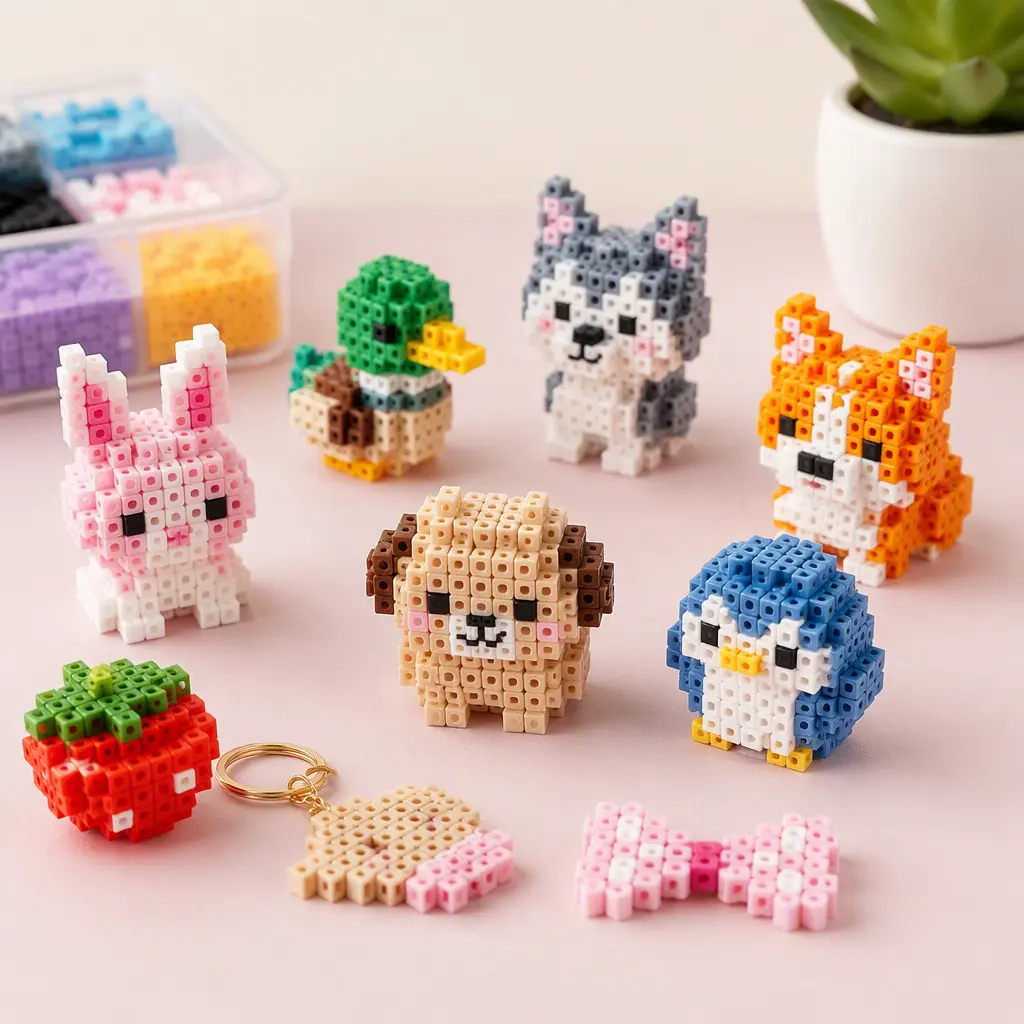
Pixobitz turned tiny water-fuse cubes into a social-media-ready craft trend, blending pixel art, collectible design, and simple no-heat assembly for a new generation of makers.
Contemporary · 2022
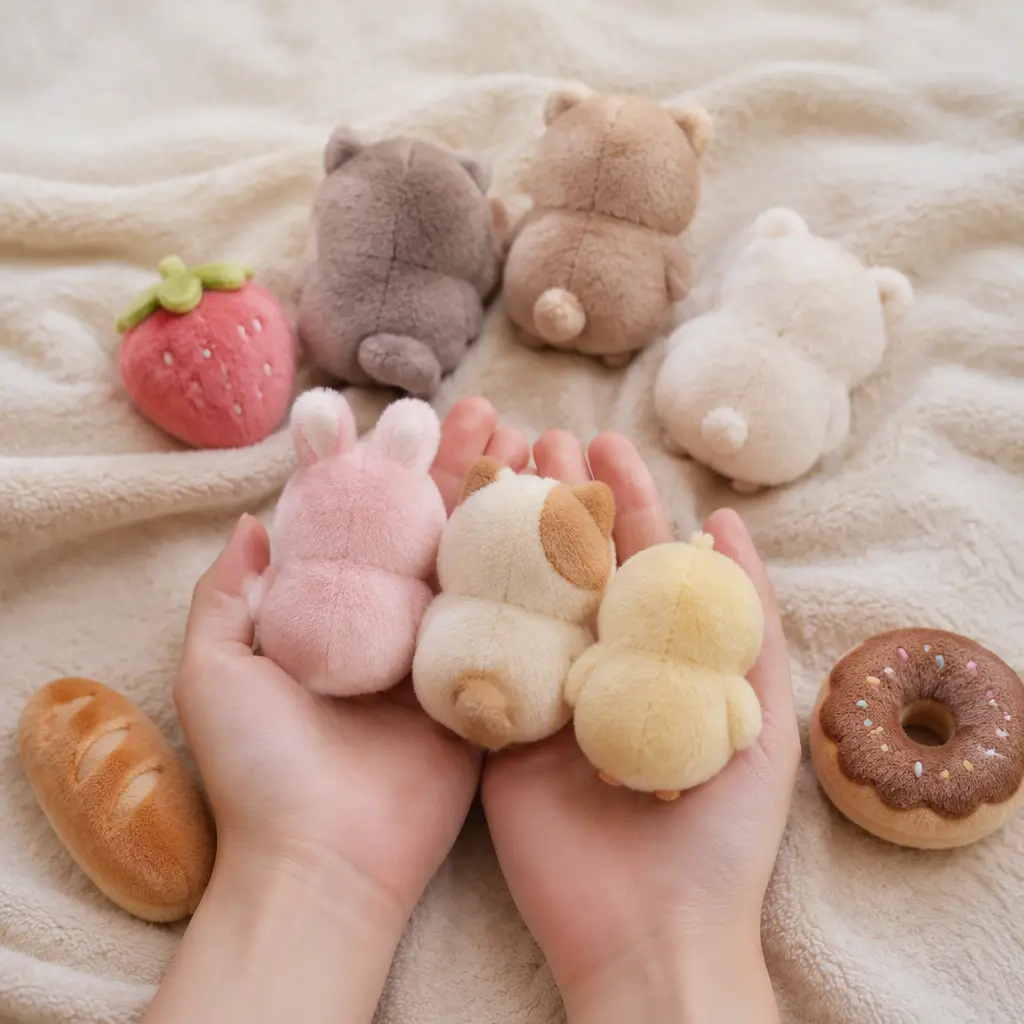
Palm Pals turned tiny bean-filled plush toys into a modern comfort collectible, blending soft textures, expressive designs, and low-pressure collecting for kids and adults alike.
Contemporary · 2023
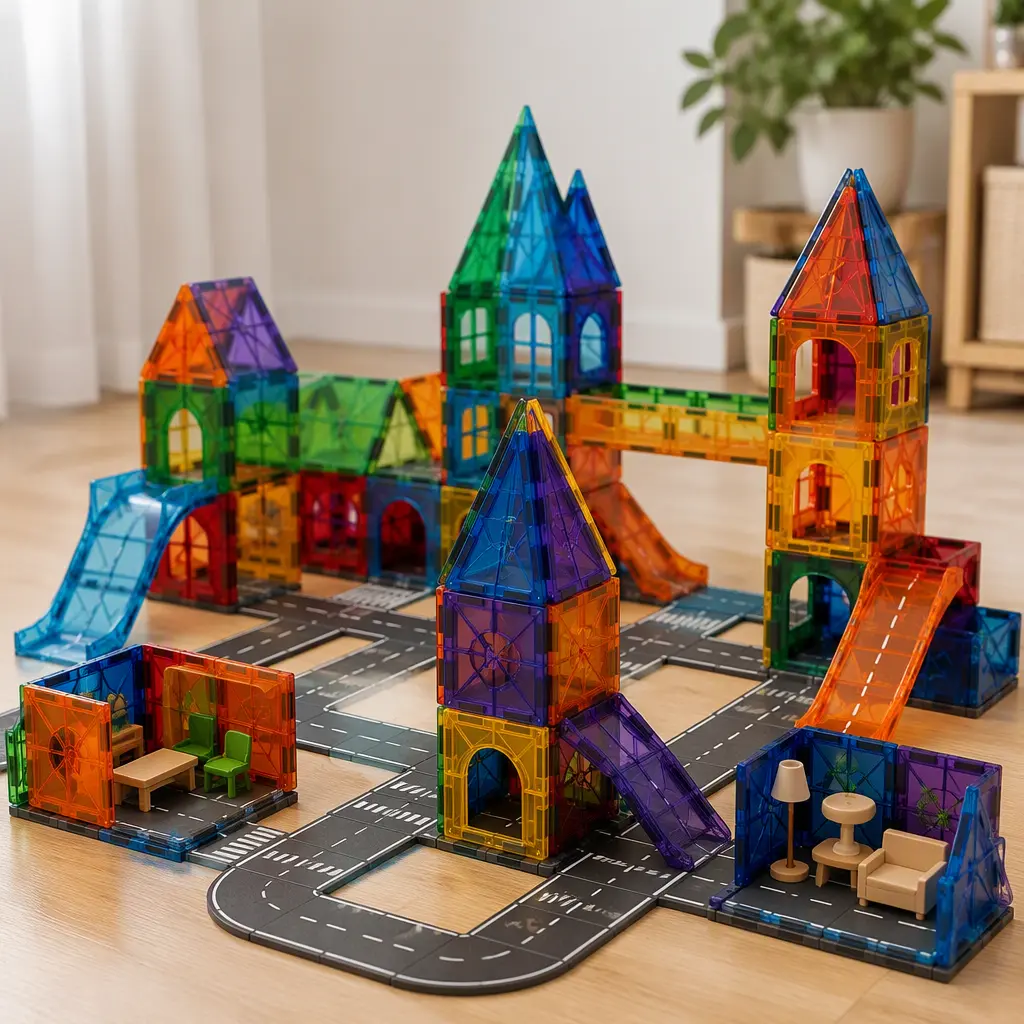
Tileblox Magnetic Worlds reflects a newer wave of magnetic tile play, shifting from simple tower-building into detailed miniature environments with roads, rooms, vehicles, and storytelling elements.

Contemporary · 2021
Magic Mixies turned toy unboxing into a theatrical potion-making game, blending interactive effects, collectible creatures, and surprise reveals for a social-media generation.
Contemporary · 2021
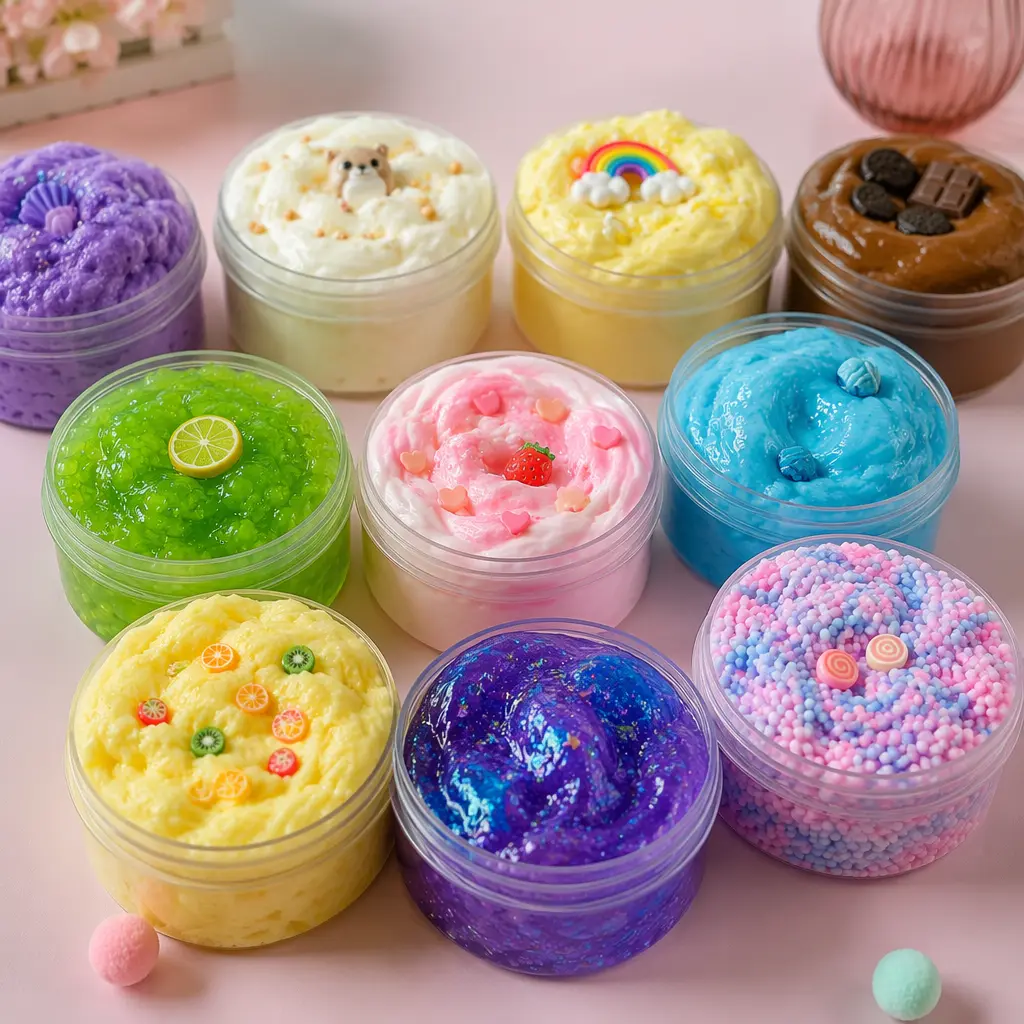
Taba-Licious Slime helped push slime from a simple DIY craft into a curated collectible hobby, blending texture design, scent themes, and social media appeal for kids and adults alike.
Contemporary · 2022
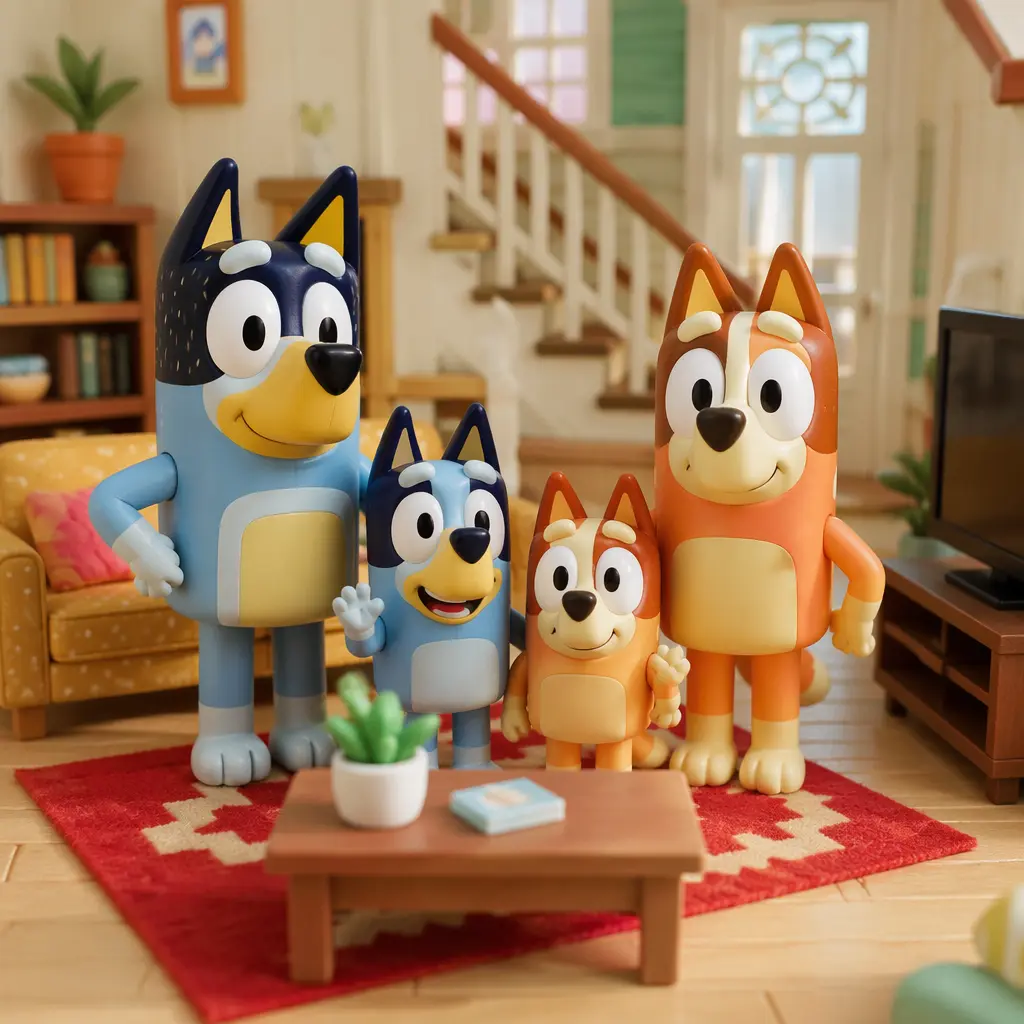
Bluey Heeler Family Figures became a standout preschool toy line by turning a hit TV show's everyday family moments into flexible, open-ended pretend play.
Contemporary · 2024
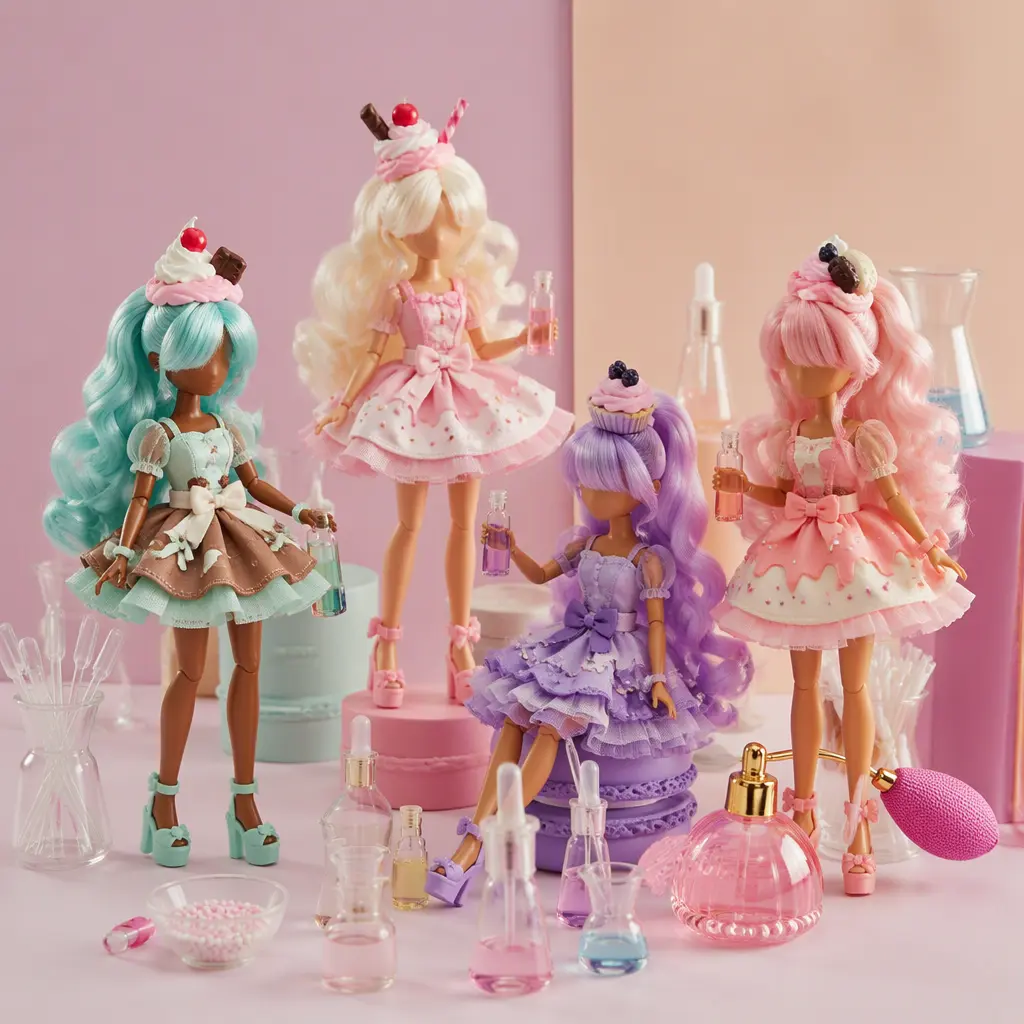
MGA's Yummiland dolls blend collectible fashion play with simple scent-mixing activities, tapping into kids' interest in beauty routines while keeping the experience tactile and imaginative.

Contemporary · 2023
Nee Doh Gumdrop turned the familiar squeeze toy into a textured, rounded shape that feels playful and calming at the same time, helping revive the sensory-toy boom for kids and adults alike.
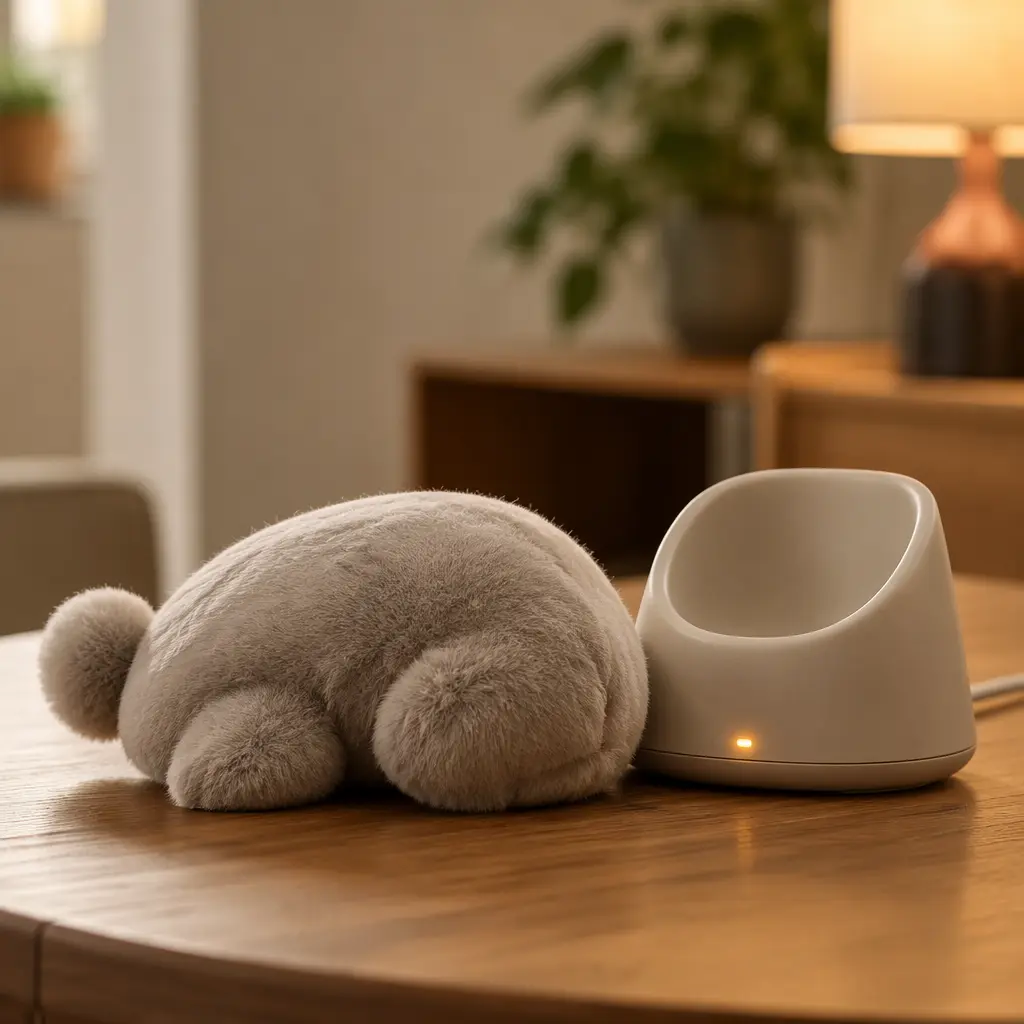
Contemporary · 2021
Moflin is a small AI-powered companion plush designed to react, learn, and develop behaviors over time, bringing virtual pet ideas into a soft, emotionally focused toy format.
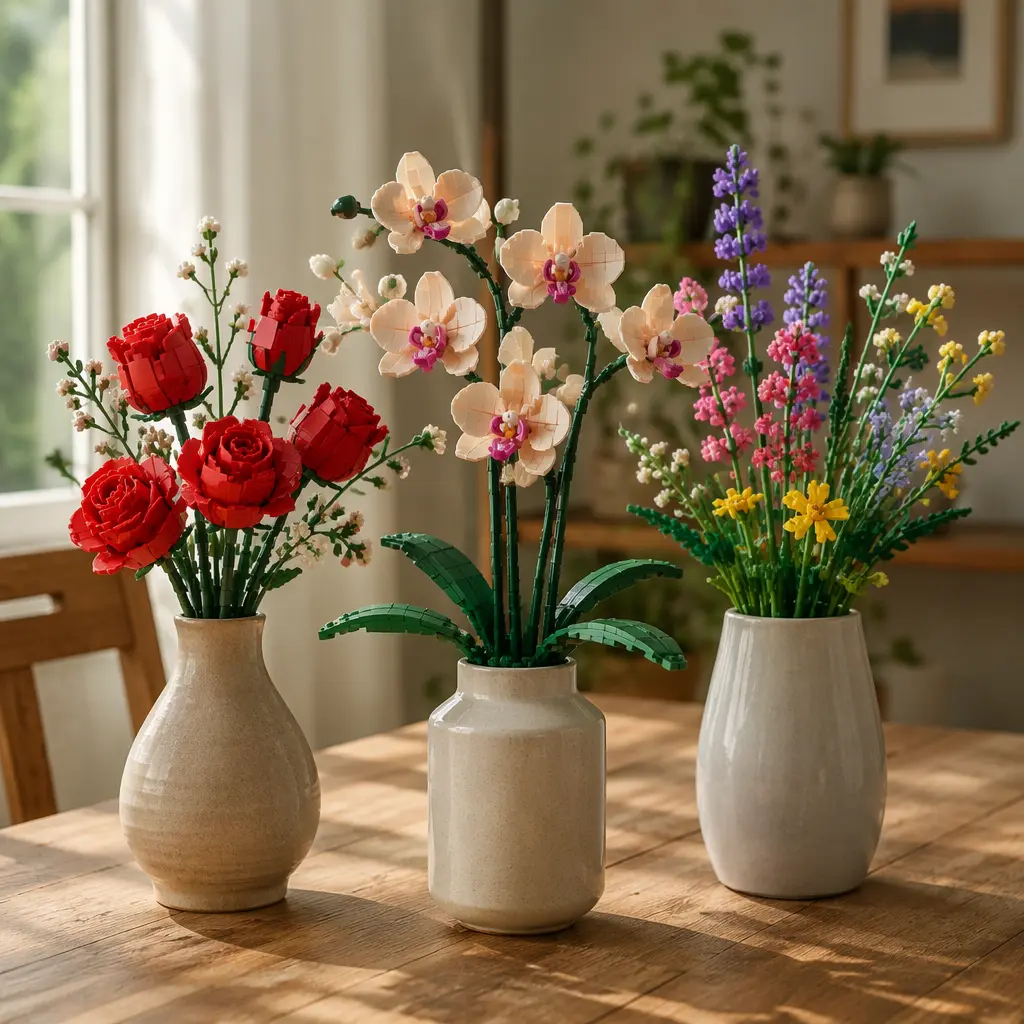
Contemporary · 2021
LEGO Botanicals turned building sets into long-lasting home decor, drawing in adults who wanted a calm, creative hobby and a display piece that lasts longer than fresh flowers.
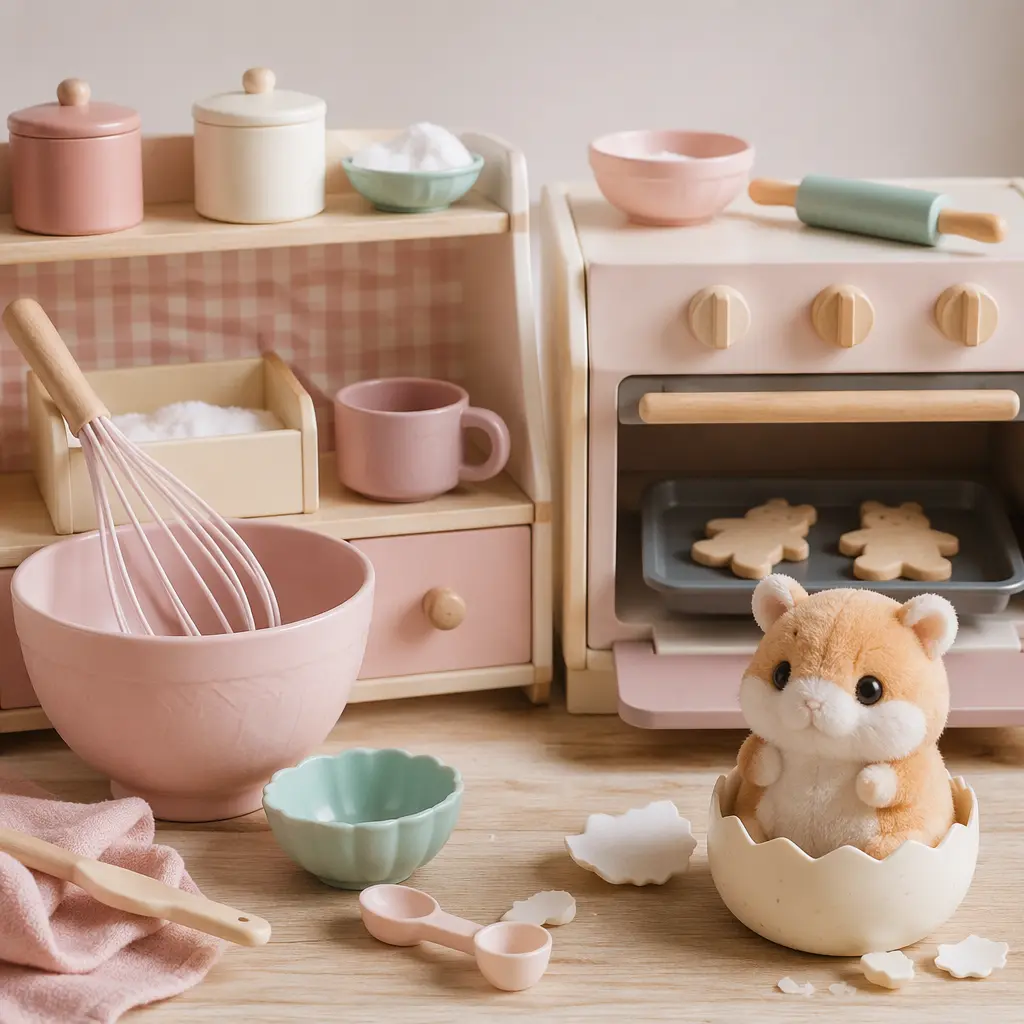
Contemporary · 2023
Cookeez Makery turned pretend baking into a reveal toy by mixing plush collectibles with simple kitchen role-play. Its quick routine, soft rewards, and sensory steps helped it spread fast with younger kids.
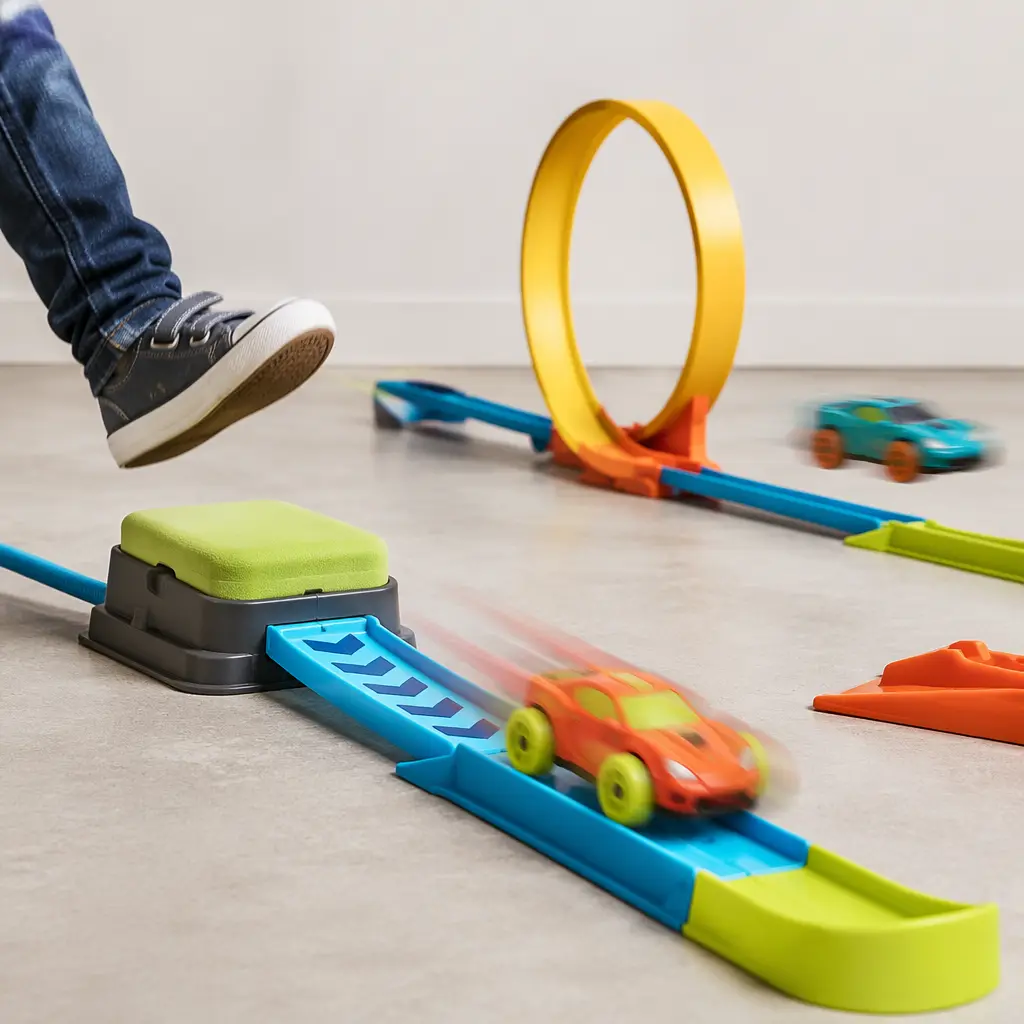
Contemporary · 2021
Stomp Racers turned simple foot-powered launching into a fast, repeatable outdoor game that appeals to families looking for active play away from screens.
Contemporary · 2022
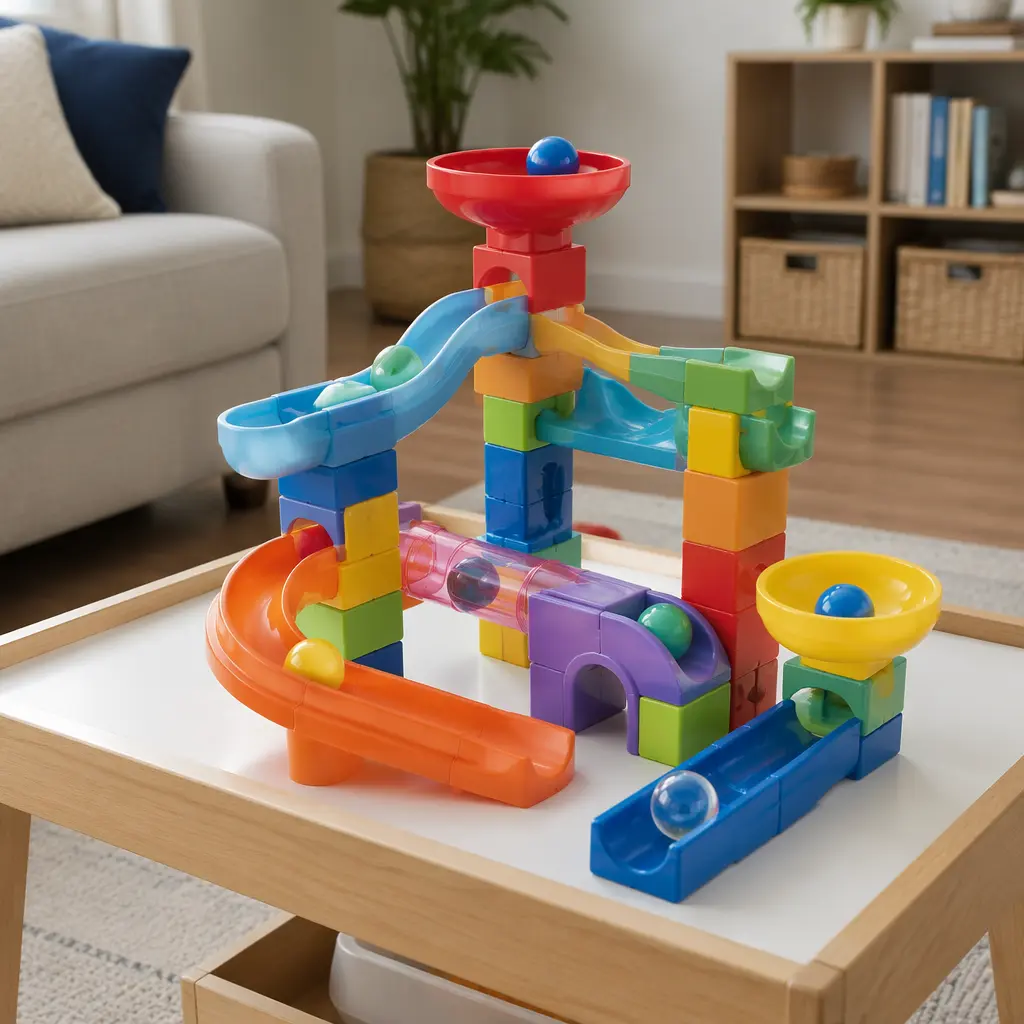
GraviTrax Junior reworks the marble-run formula for preschool builders, using chunky parts, flexible layouts, and cause-and-effect play to introduce STEM concepts without overwhelming younger kids.
Contemporary · 2020
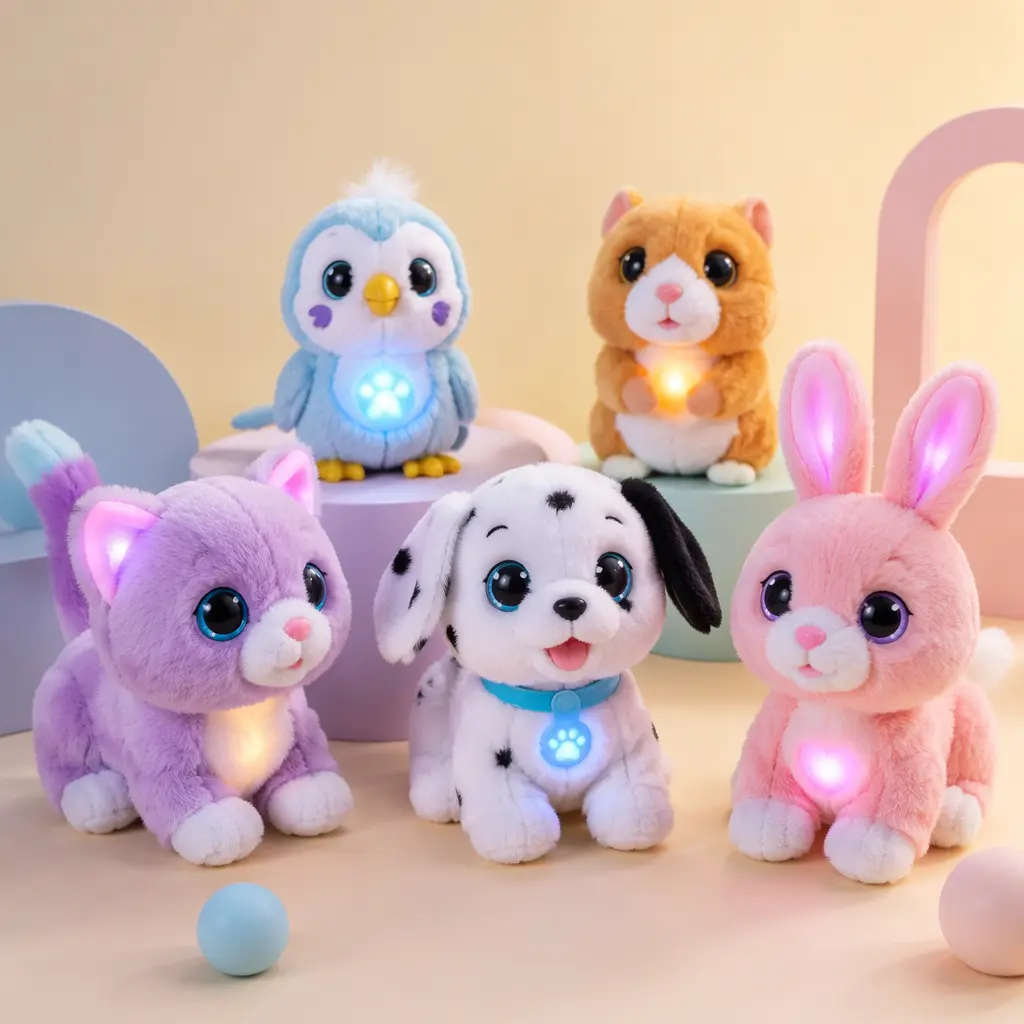
Pets Alive turned low-cost interactive pets into a social media phenomenon, blending simple animatronics, surprise reveals, and collectible designs that resonate with kids and nostalgic adults alike.
Contemporary · 2020
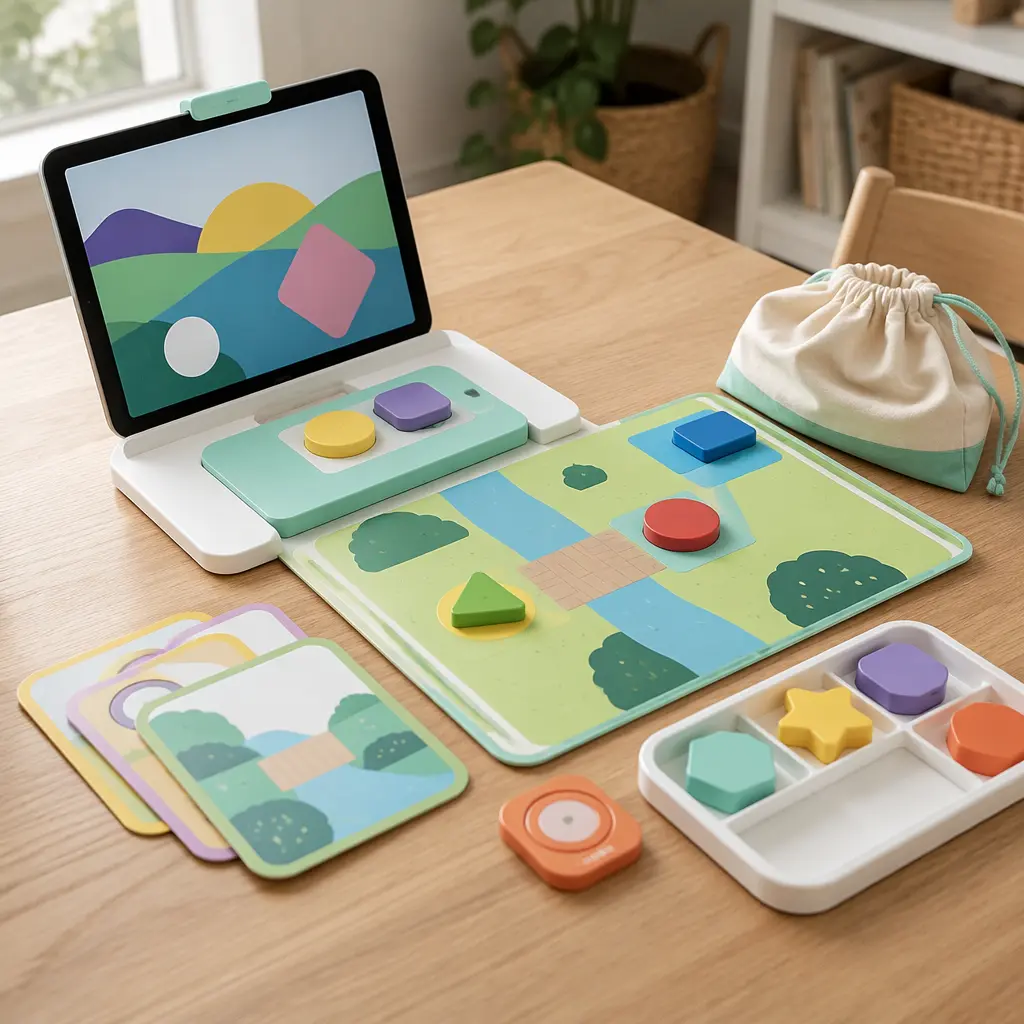
Plugo blends physical play pieces with tablet-based learning games, aiming to keep young kids engaged through hands-on STEM, reading, and problem-solving activities.
Contemporary · 2021
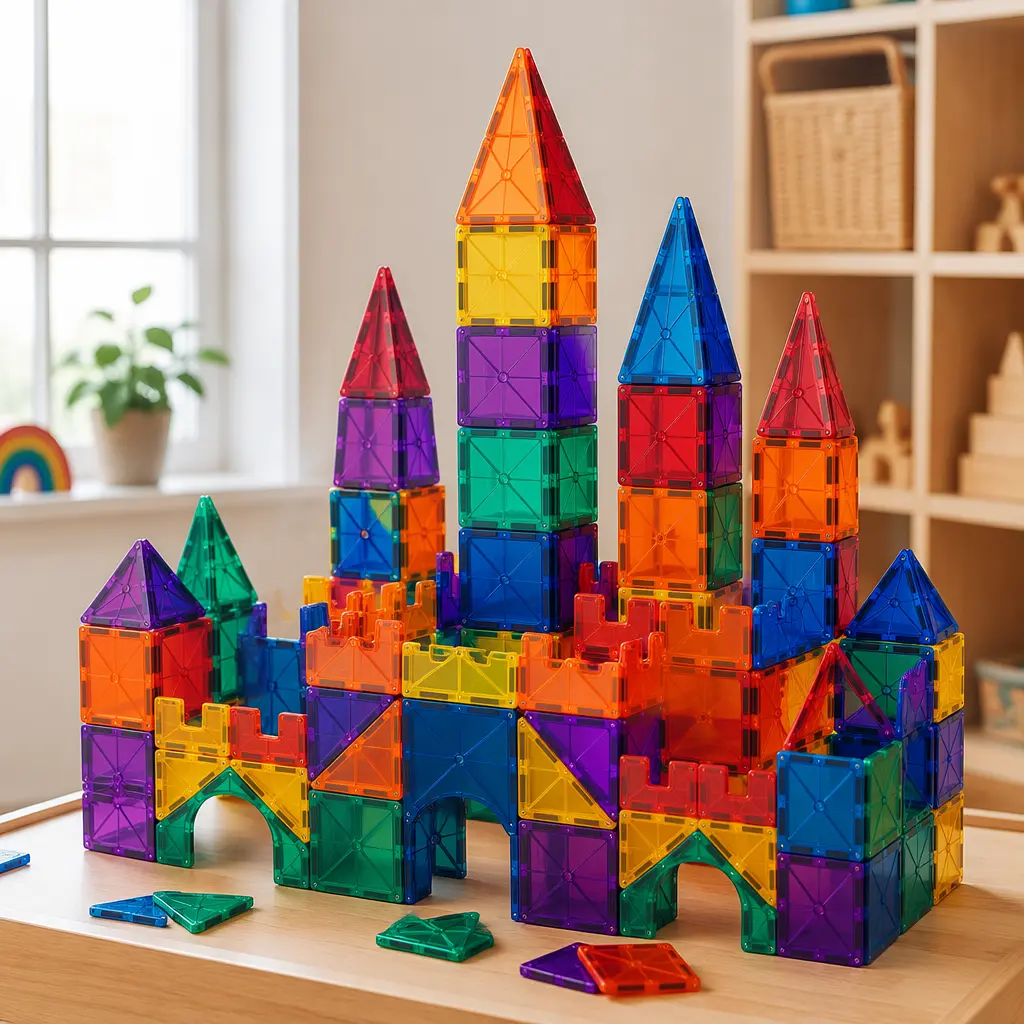
Tileblox entered the crowded magnetic construction category with a simple pitch: larger pieces, sturdy connections, and open-ended building that favors long play sessions over flashy electronics.
Contemporary · 2023
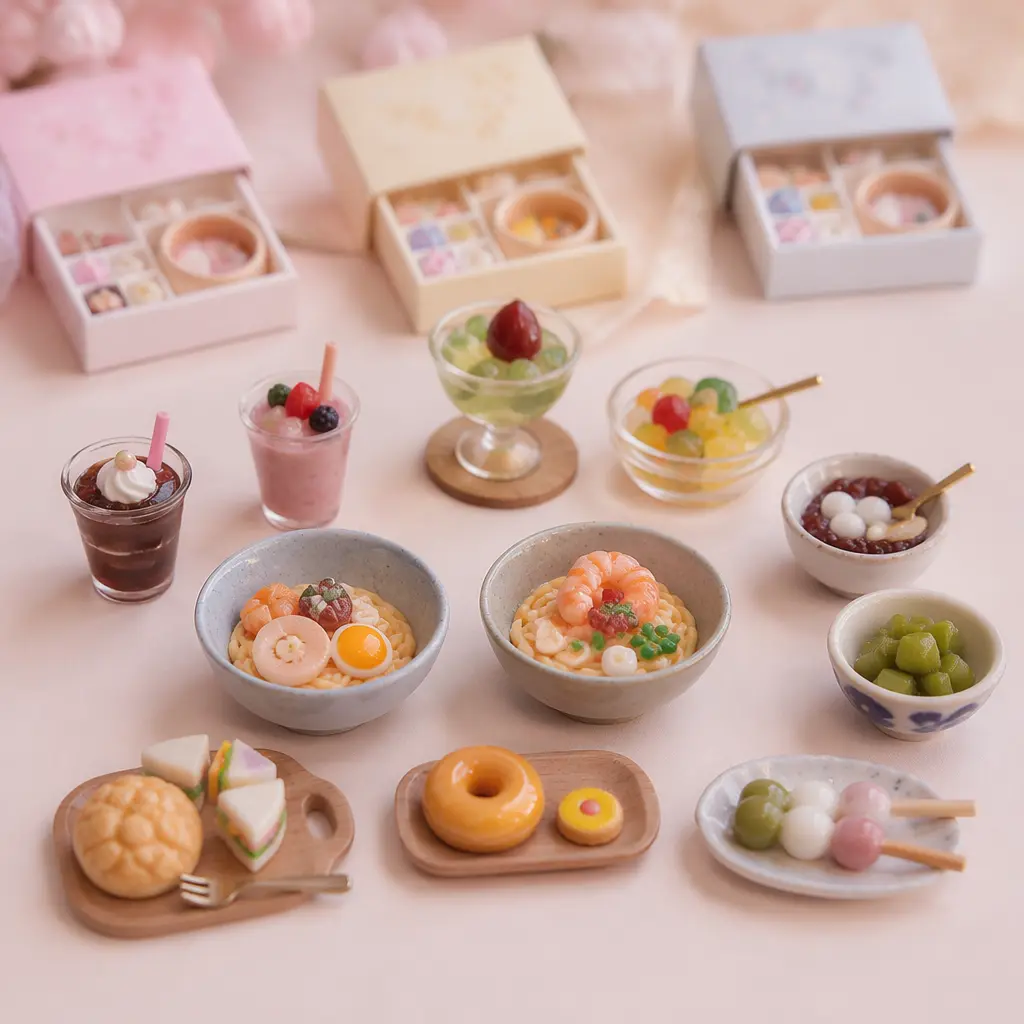
MGA’s Miniverse Foods turned miniature resin meals into a social-media-ready hobby toy, blending crafting, collecting, and display culture into one surprisingly detailed format.
Contemporary · 2022
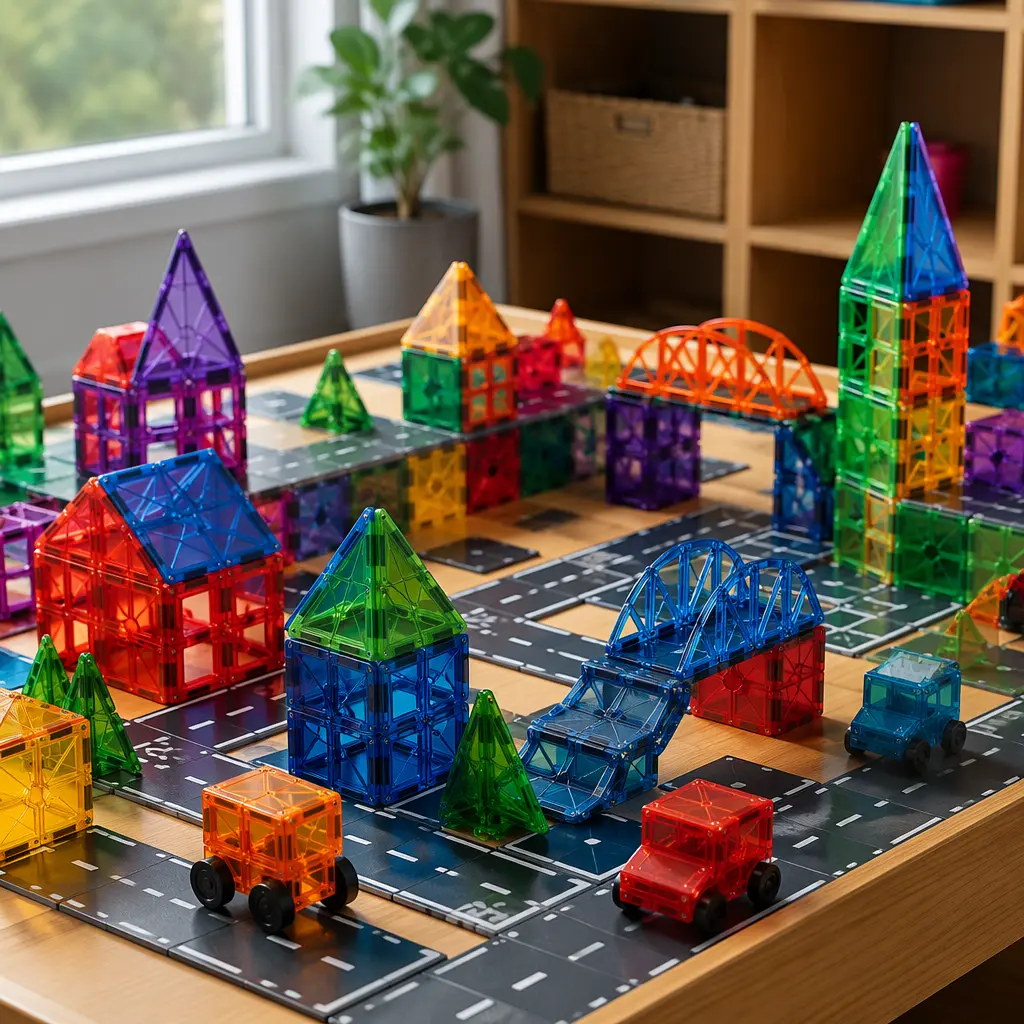
Tile Town reflects a newer phase of magnetic construction play, where flat tiles and simple connectors support not just towers but streets, vehicles, shops, and everyday storytelling.
Contemporary
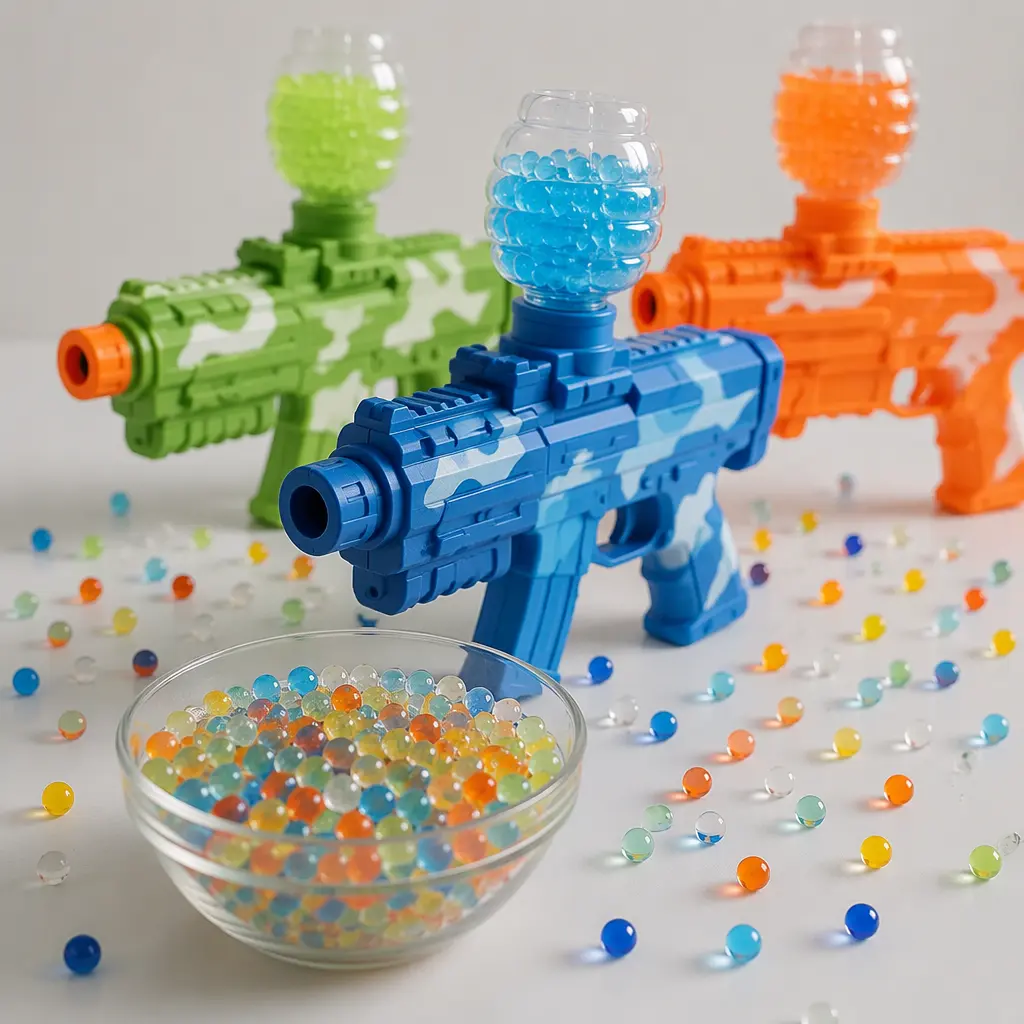
Gel blaster toys turned tiny water-filled beads into a cleaner, lower-impact alternative to foam darts and paintballs, helping modern backyard battle games grow fast with families and teens.
Contemporary
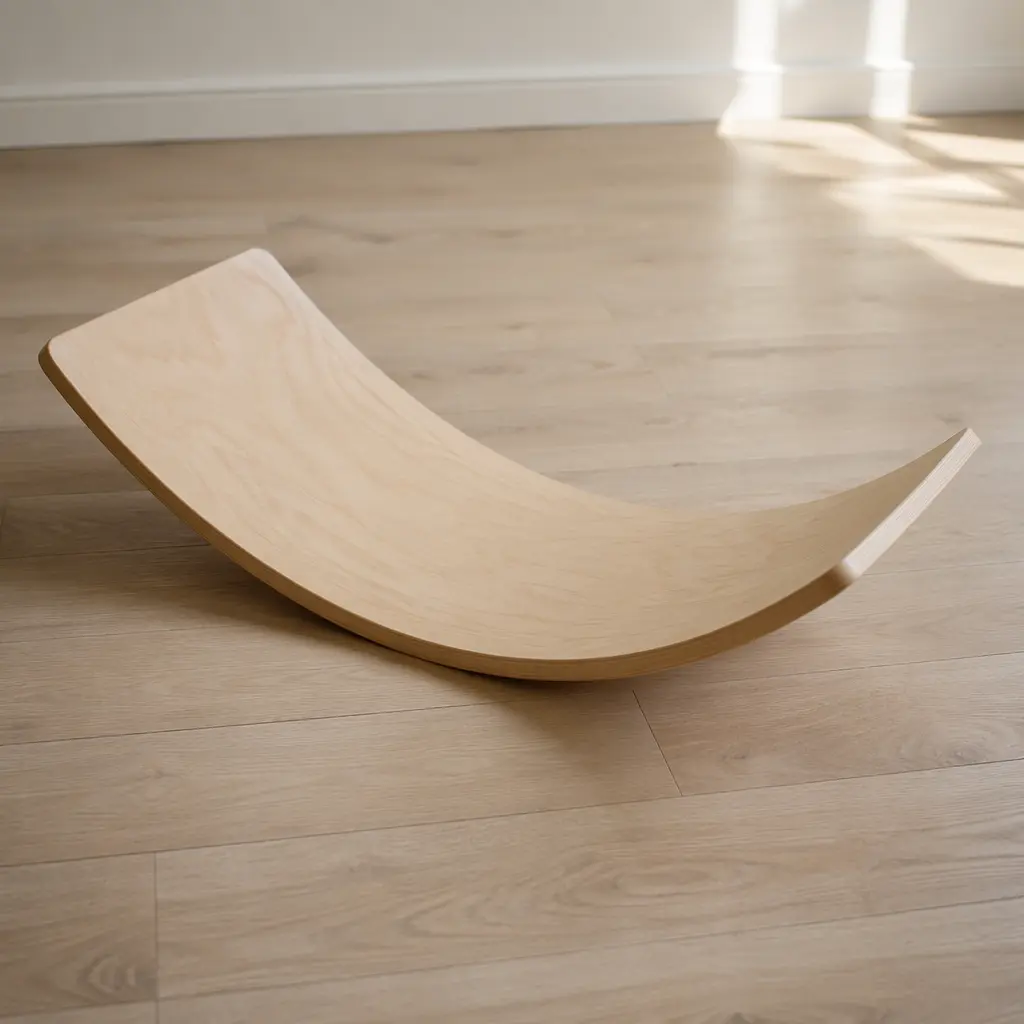
A simple curved wooden board has become a modern playroom staple. Here’s how the wooden balance board invites movement, imagination, and open-ended play for kids—and adults—today.
Contemporary
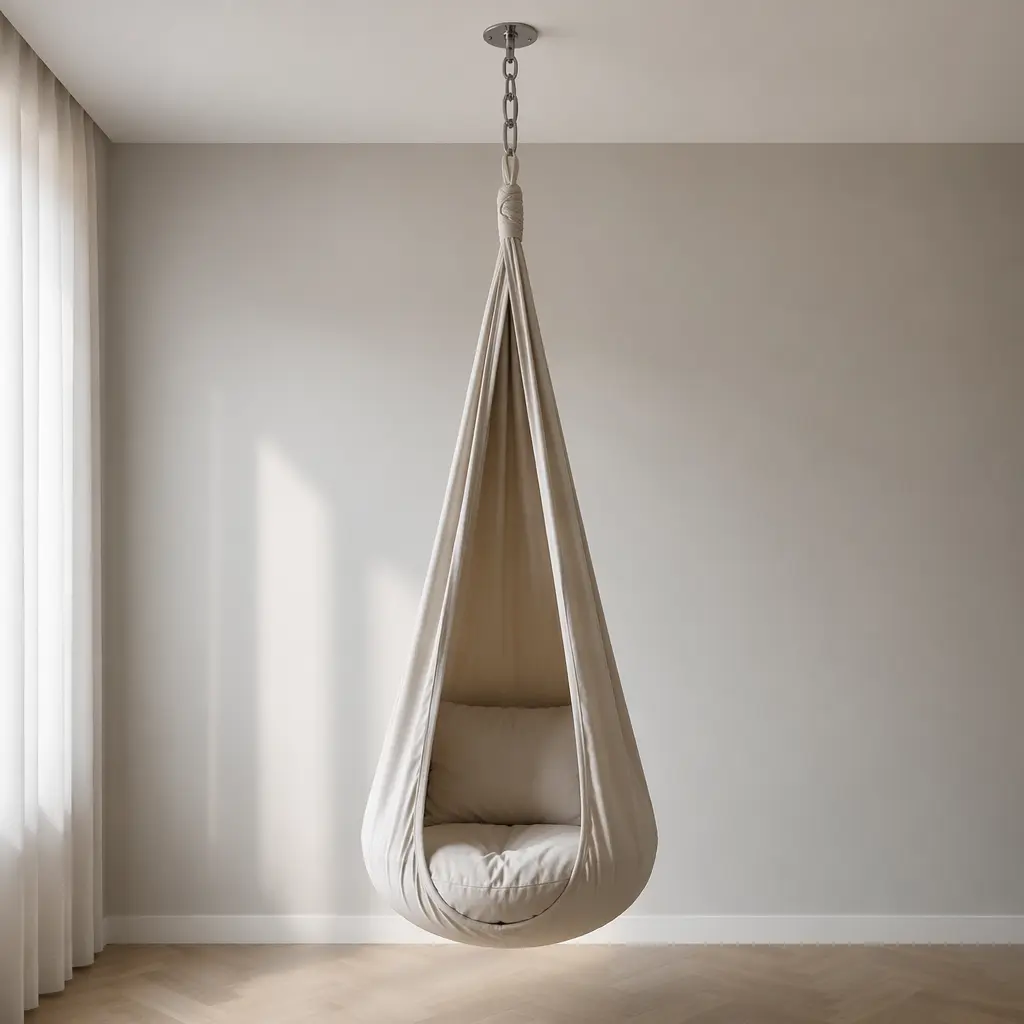
Once a niche therapy aid, the sensory swing has moved into family homes as a simple way to support calm, focus, and body awareness through gentle movement.
Contemporary
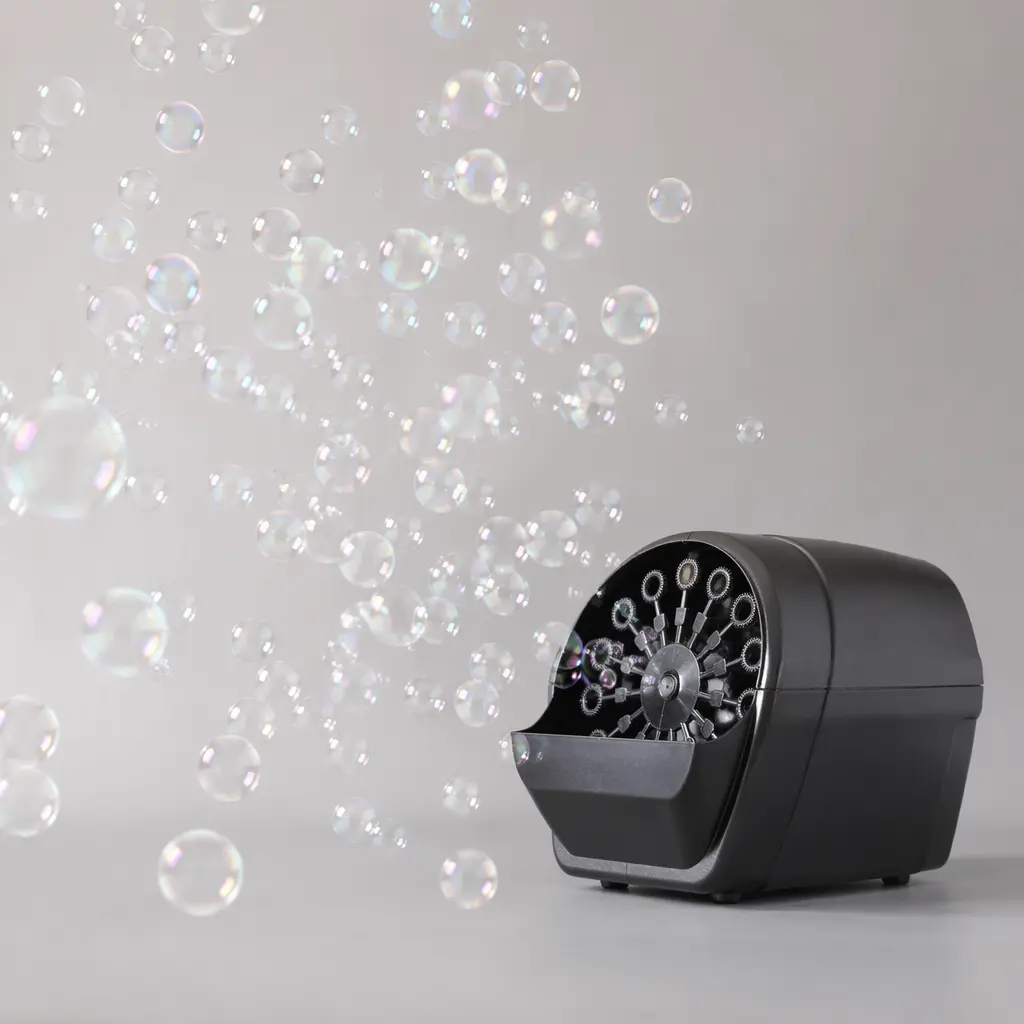
Once a momentary delight, bubbles became a set‑and‑play staple with the rise of bubble machines. Here’s how automated bubbles won backyards, parties, and parks—and what to know now.
Contemporary
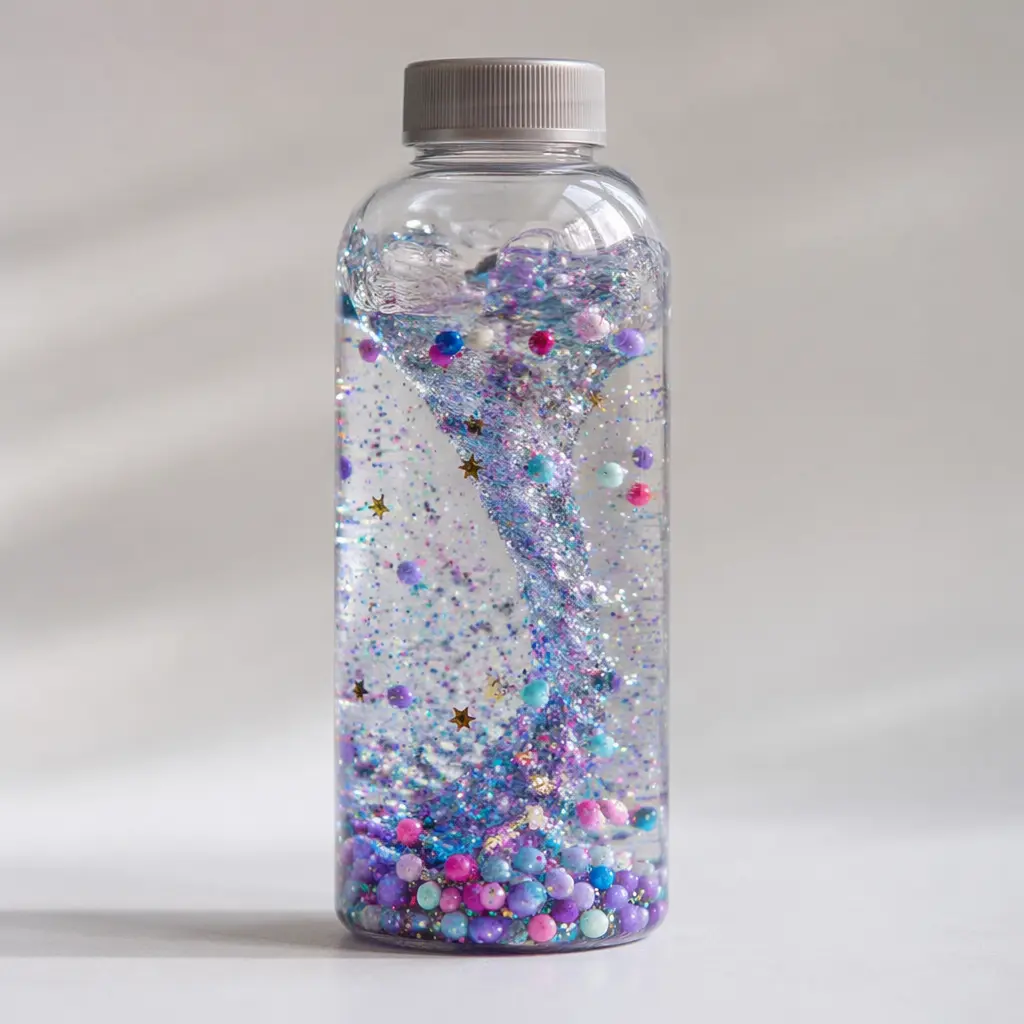
Once a classroom craft, sensory bottles have become a go‑to calming tool for babies and young children—using slow motion, sparkle, and sound to focus attention and soothe big feelings.
Contemporary
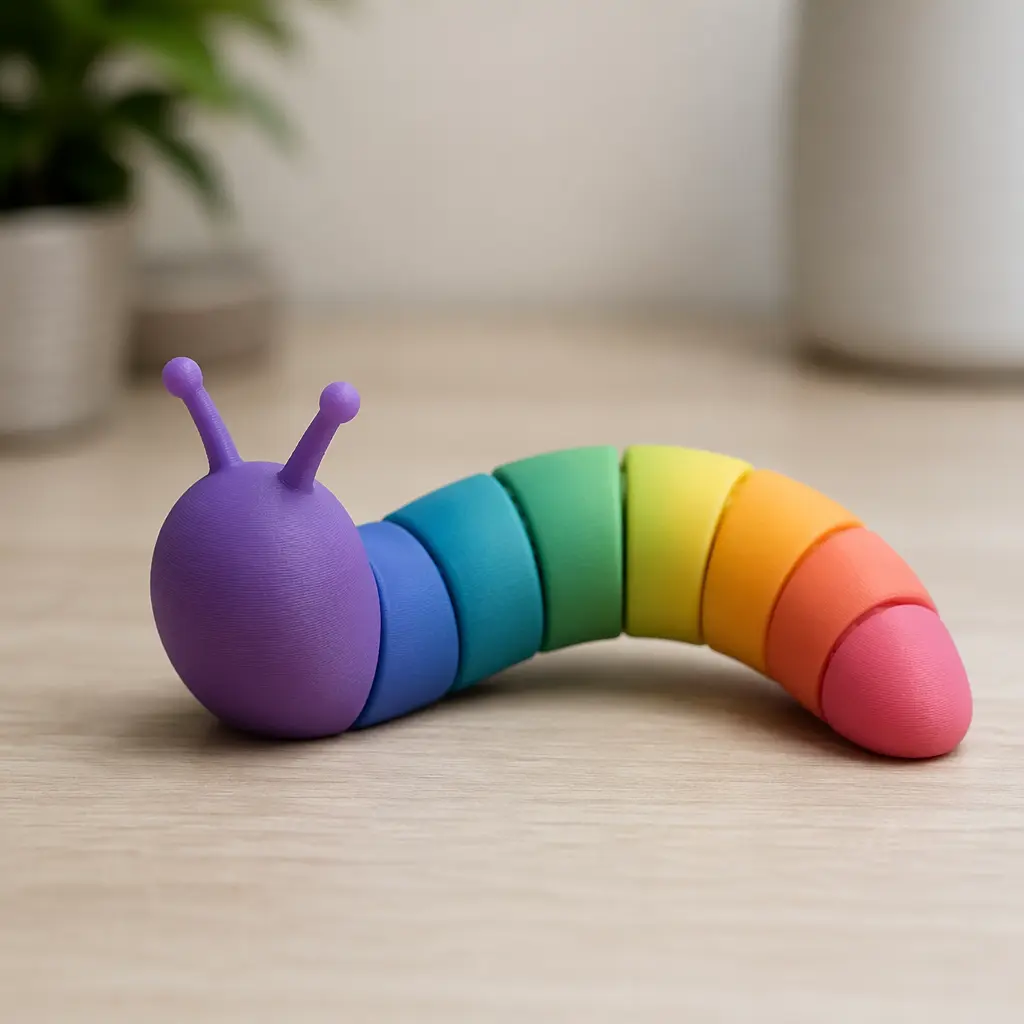
Born from the 3D‑printing boom, the articulated fidget slug turned clicky motion and gentle sound into a modern desk toy for focus, stress relief, and tactile fun.
Contemporary
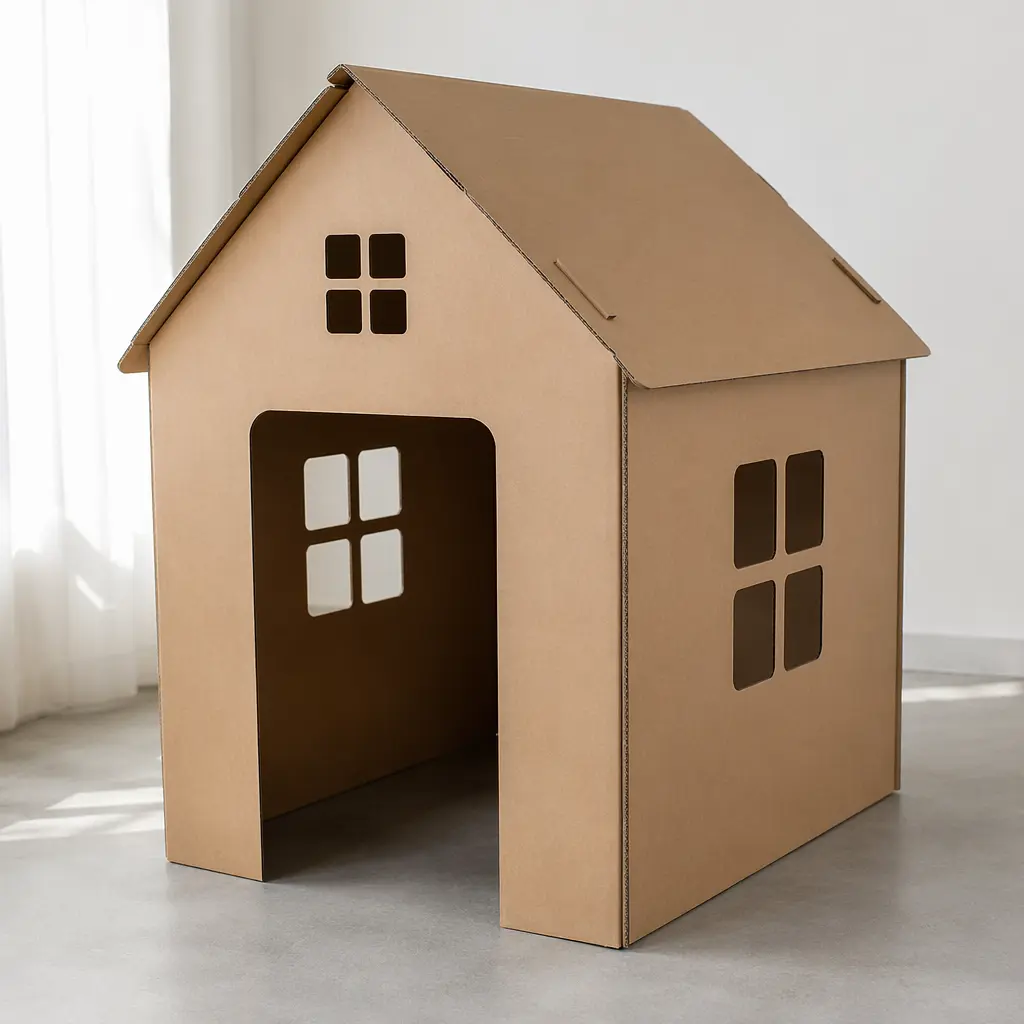
From shipping boxes to sketchable castles, the cardboard playhouse shows how simple, recyclable materials became one of today’s most creative pretend-play toys.
Contemporary · 2015
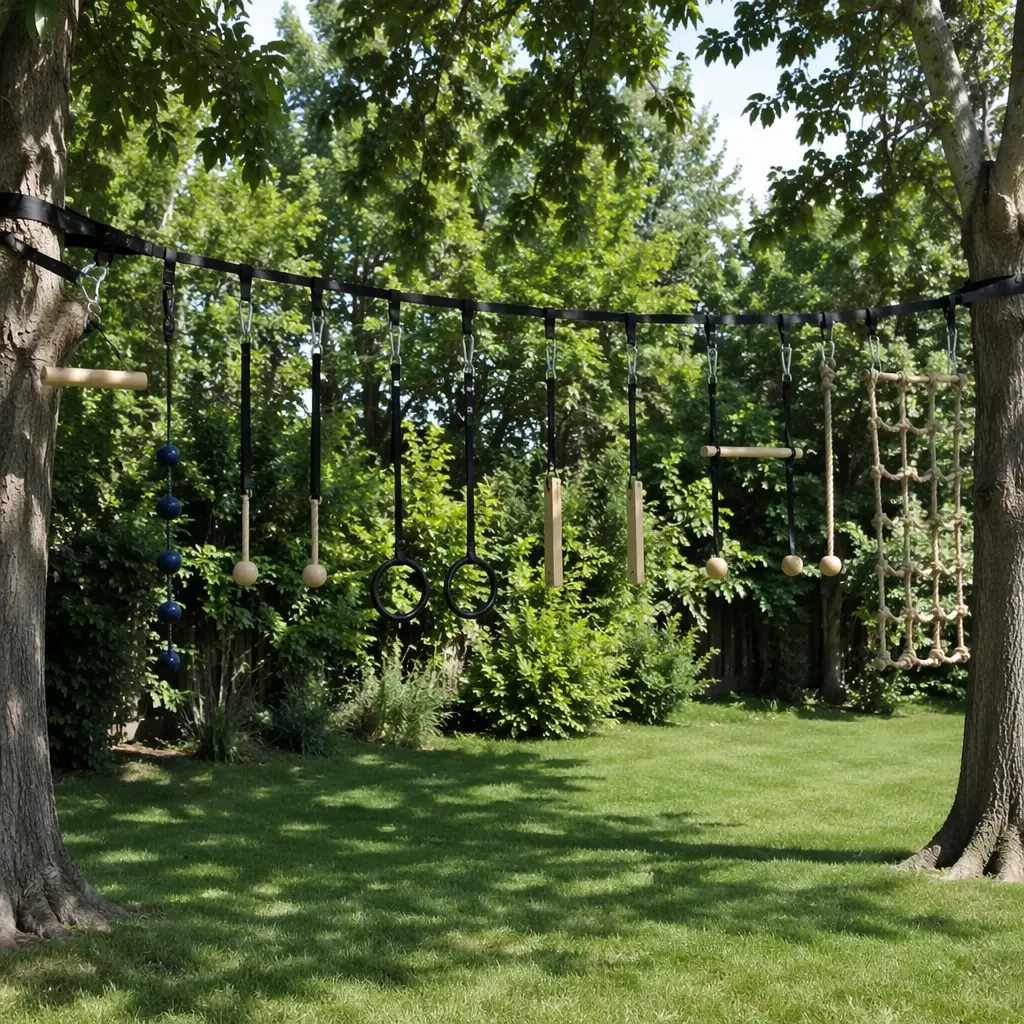
The Slackers NinjaLine brought ninja-style obstacle play to ordinary backyards, blending physical challenge, imaginative play, and easy setup into a modern outdoor toy that families keep coming back to.
Contemporary · 2020
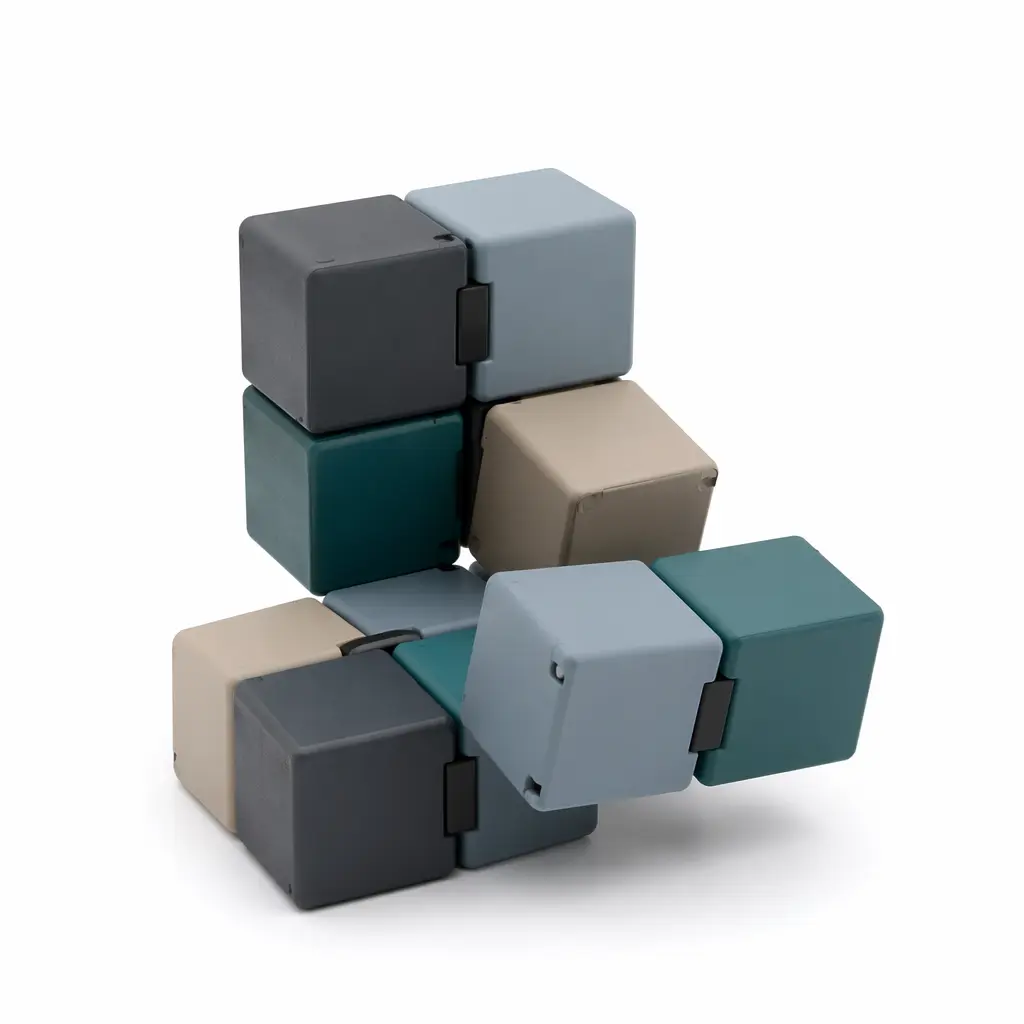
A contemporary desk toy that blends magnets and geometry, Shashibo turns idle hands into spatial problem-solvers with endlessly reconfigurable shapes.
Contemporary
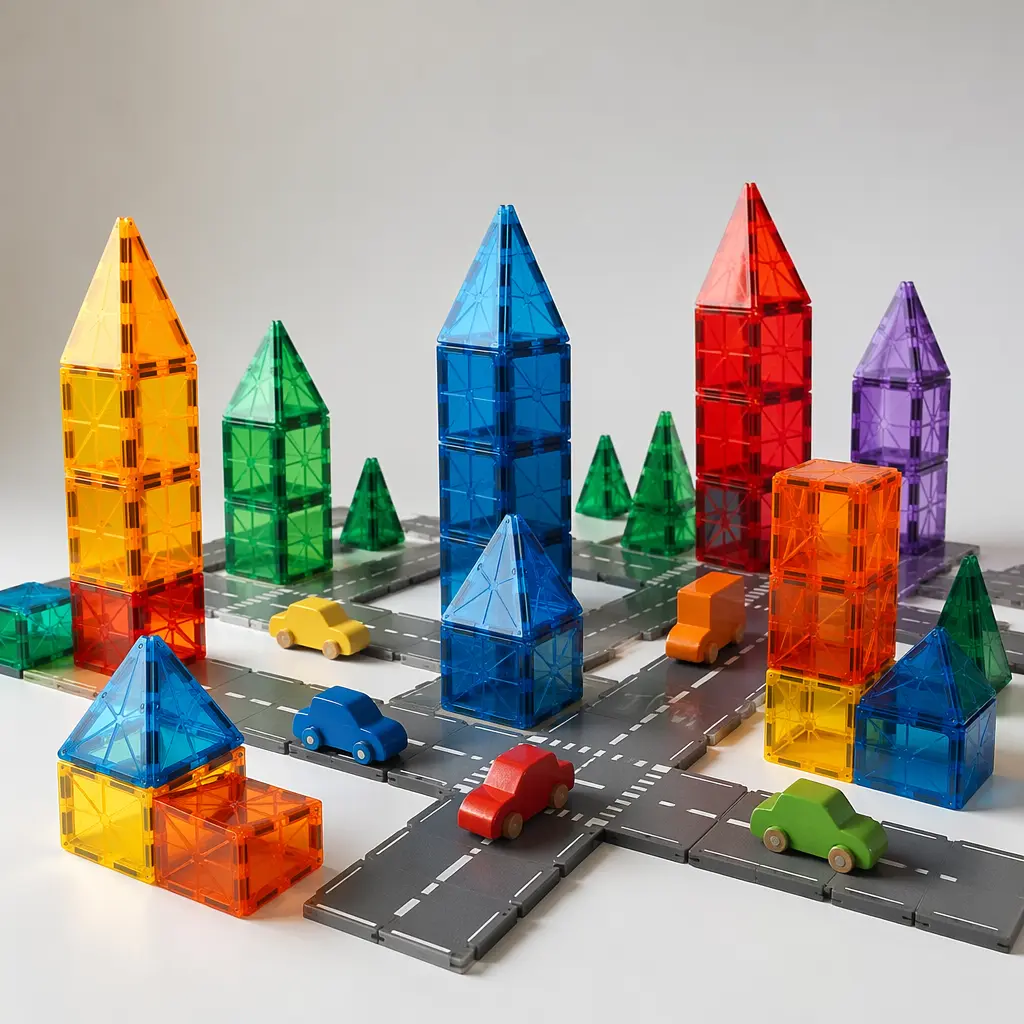
Magnetic tile road sets added movement and storytelling to classic building play, turning flat constructions into living cities kids can drive through and redesign again and again.
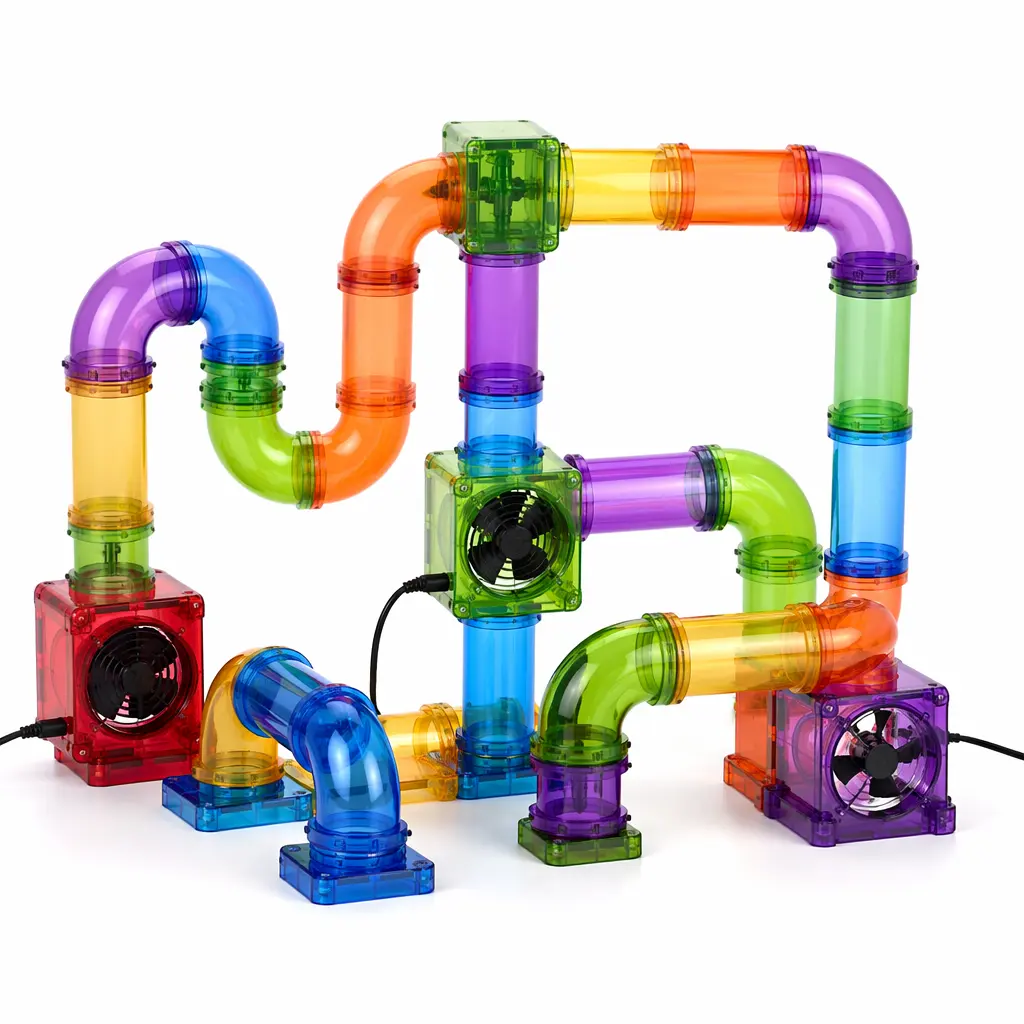
Contemporary · 2023
Air Toobz is a contemporary STEM toy that turns fans, tubes, and connectors into a loud, hands-on lesson in airflow, sound, and experimentation—messy, collaborative, and hard to ignore in the best way.
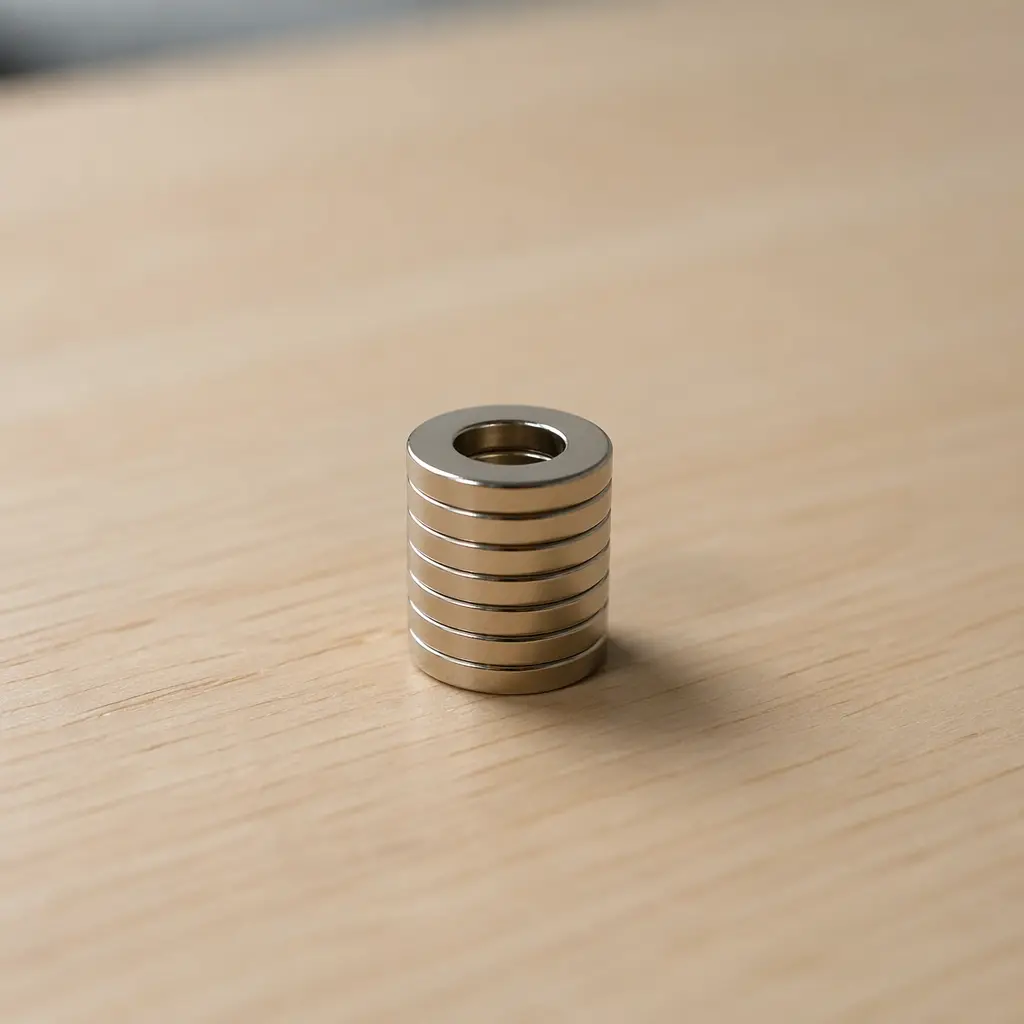
Contemporary
Minimal, pocket-sized, and nearly silent, magnetic fidget rings have become a calm successor to louder fidget toys—offering focus, tactile play, and stress relief without the spectacle.
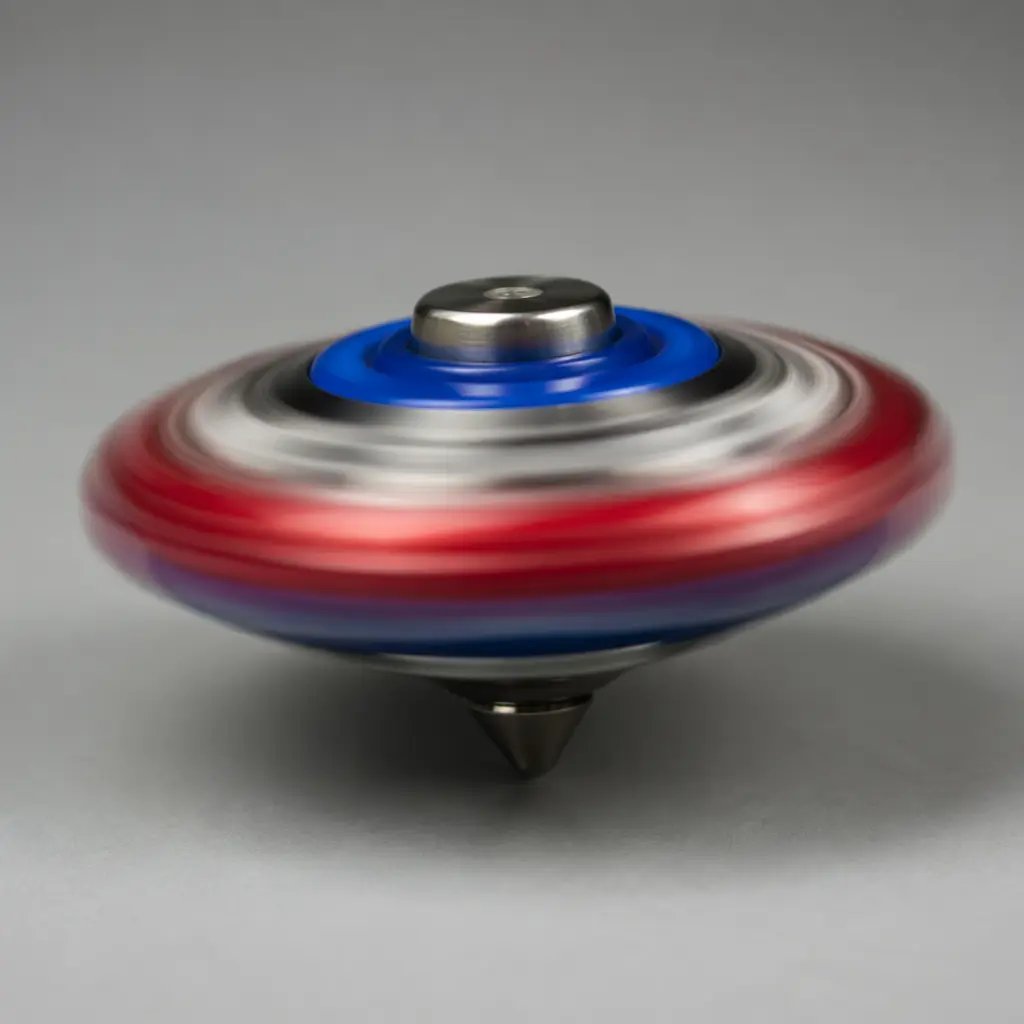
Contemporary · 2020
Infinity Nado is a contemporary spinning-top battle toy that mixes classic physics with modular design. Here’s how it emerged, why it works, and what parents should know today.
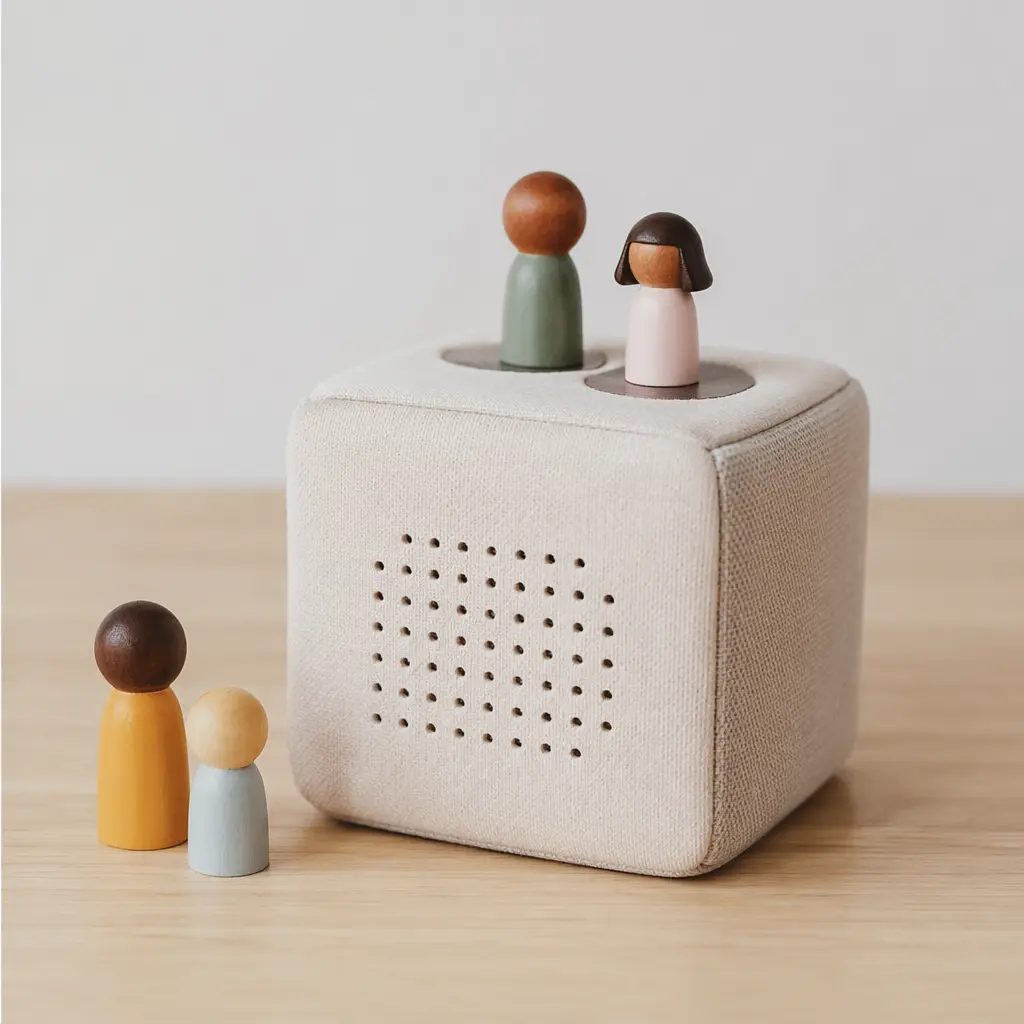
Contemporary
A soft cube and record‑your‑own figures helped families turn screen‑free listening into a nightly ritual, blending audio tech with hands‑on play.
Contemporary
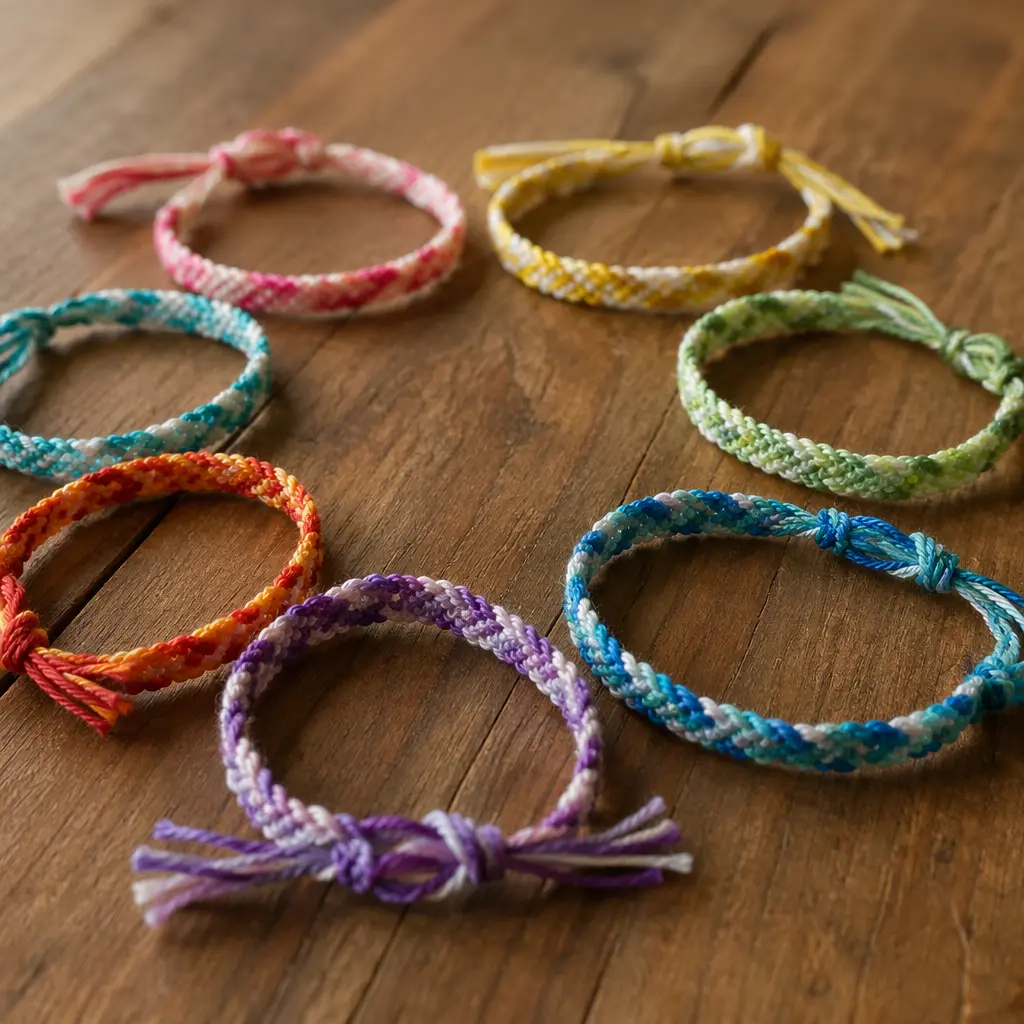
From summer camps to TikTok, friendship bracelets keep returning as a screen-free way to make, give, and belong—one knot at a time.
Contemporary · 2019
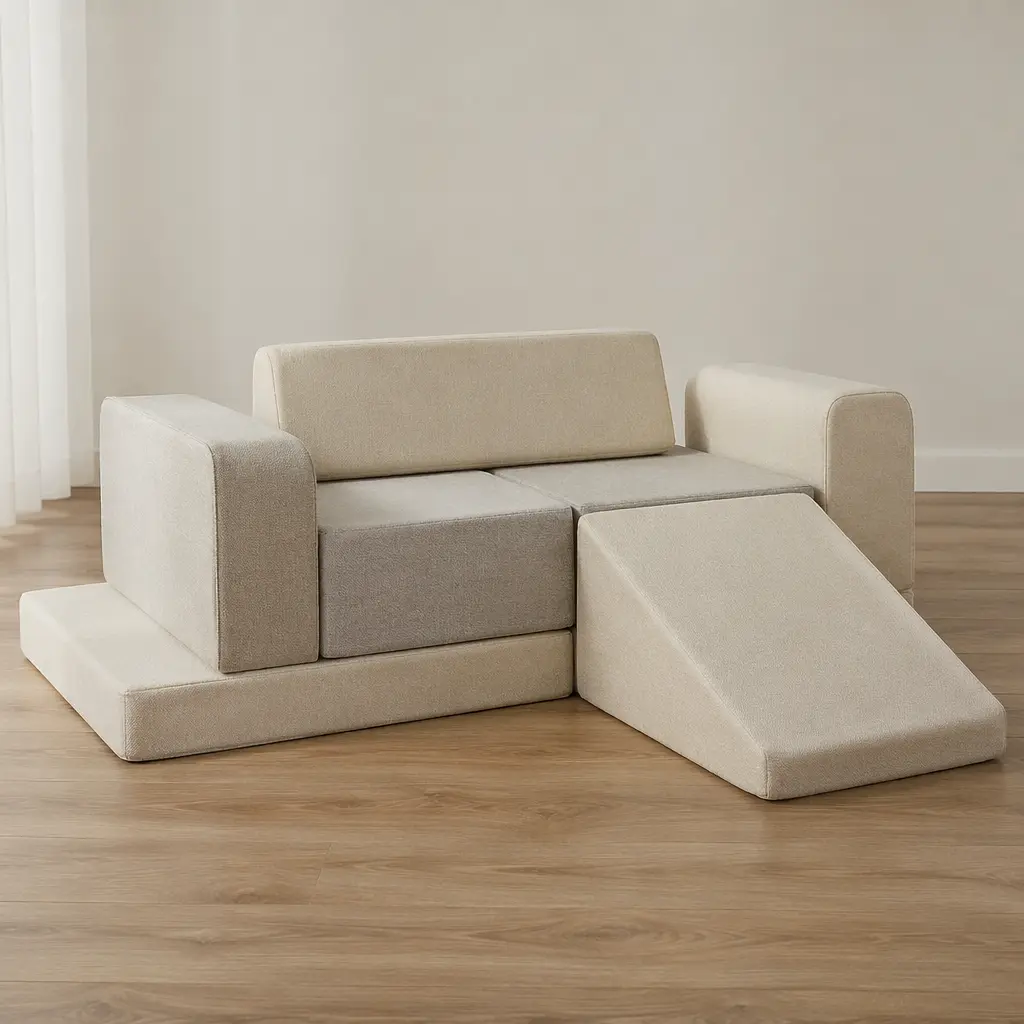
Part couch, part fort kit, the Nugget Play Couch turned modular foam into the most climbed-on toy in today’s homes—and reshaped how families think about indoor play.
Contemporary
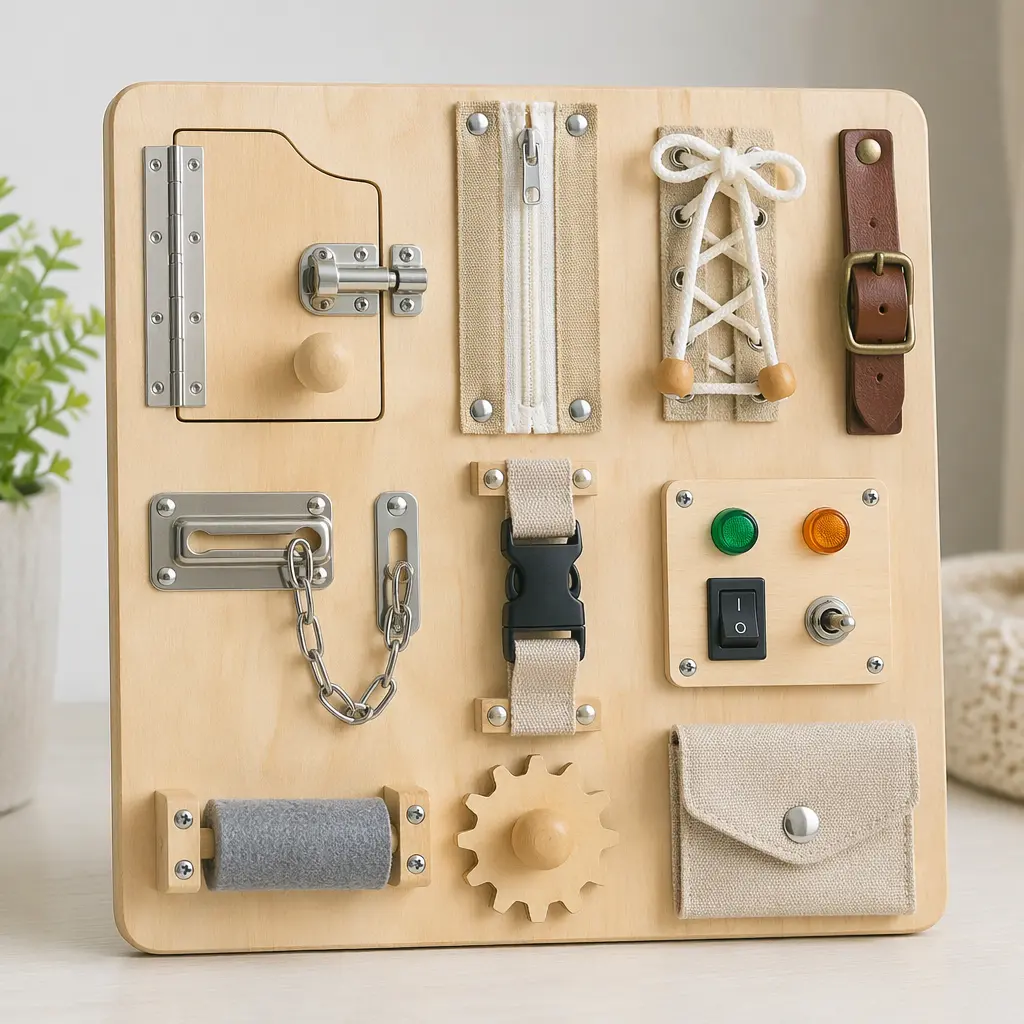
Busy boards turn everyday hardware—latches, zippers, switches—into absorbing toddler play. Here’s where they came from, why they work, and what to look for today.
Contemporary
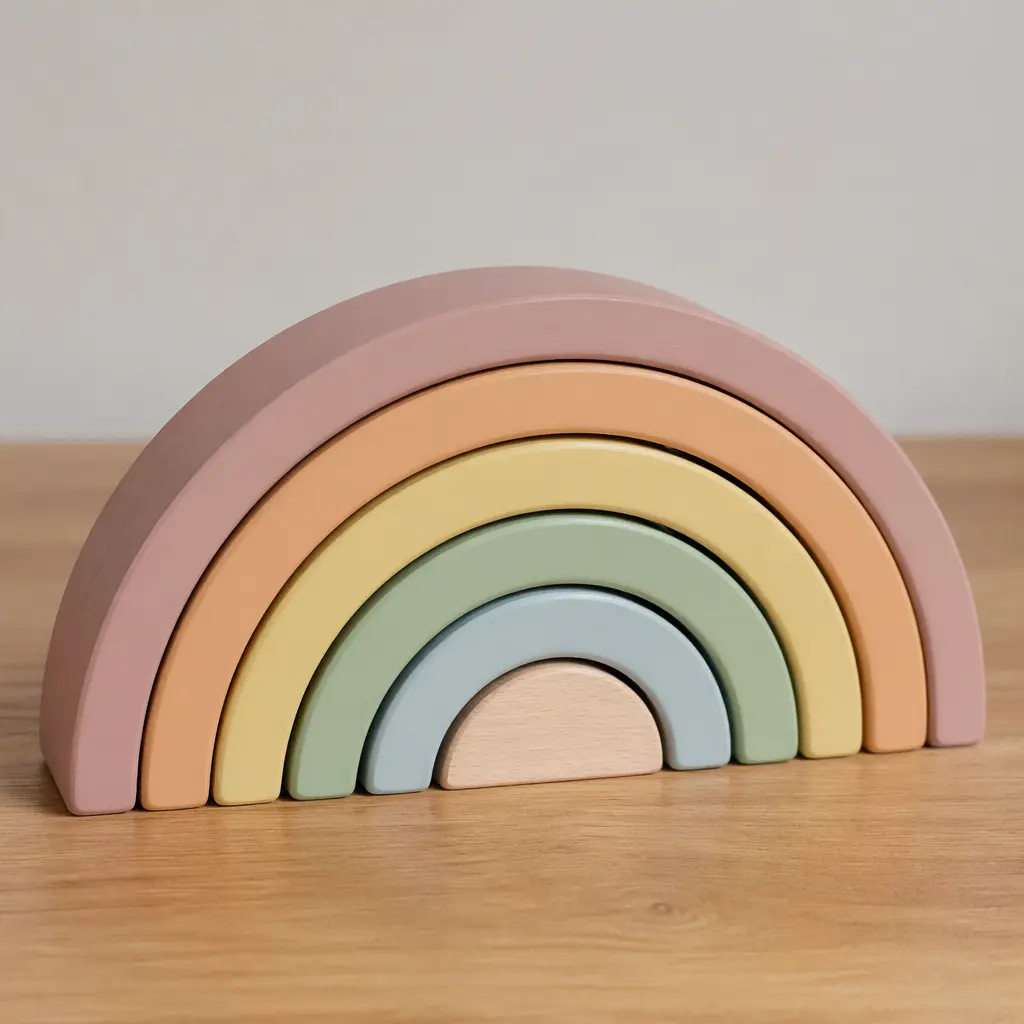
Simple curved wooden arcs, endless possibilities. Grimm’s Wooden Rainbow shows how open‑ended design became a modern symbol of imaginative, screen‑free play.
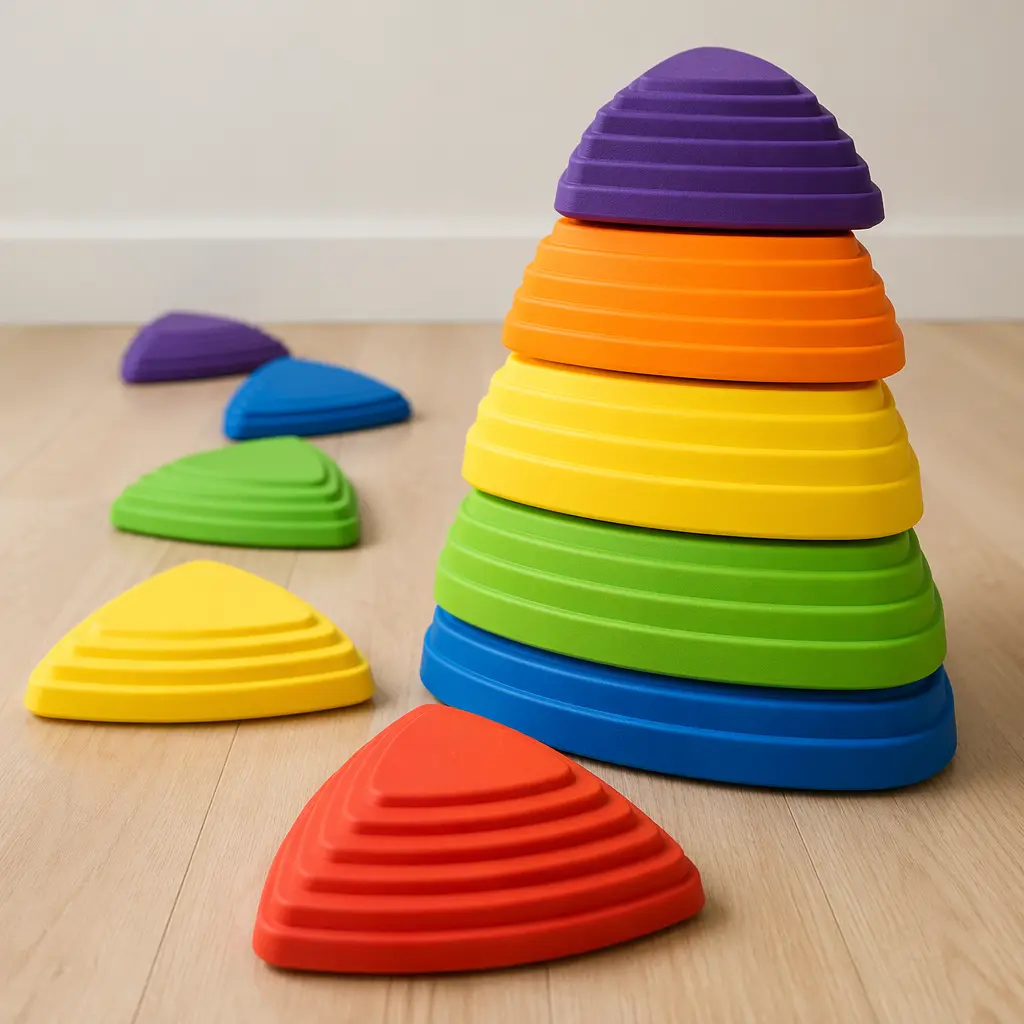
Contemporary · 2018
Bright, stackable balance stones that invite kids to move, build and invent games. Stapelstein turned simple stepping shapes into a modern, open-ended way to play indoors or out.
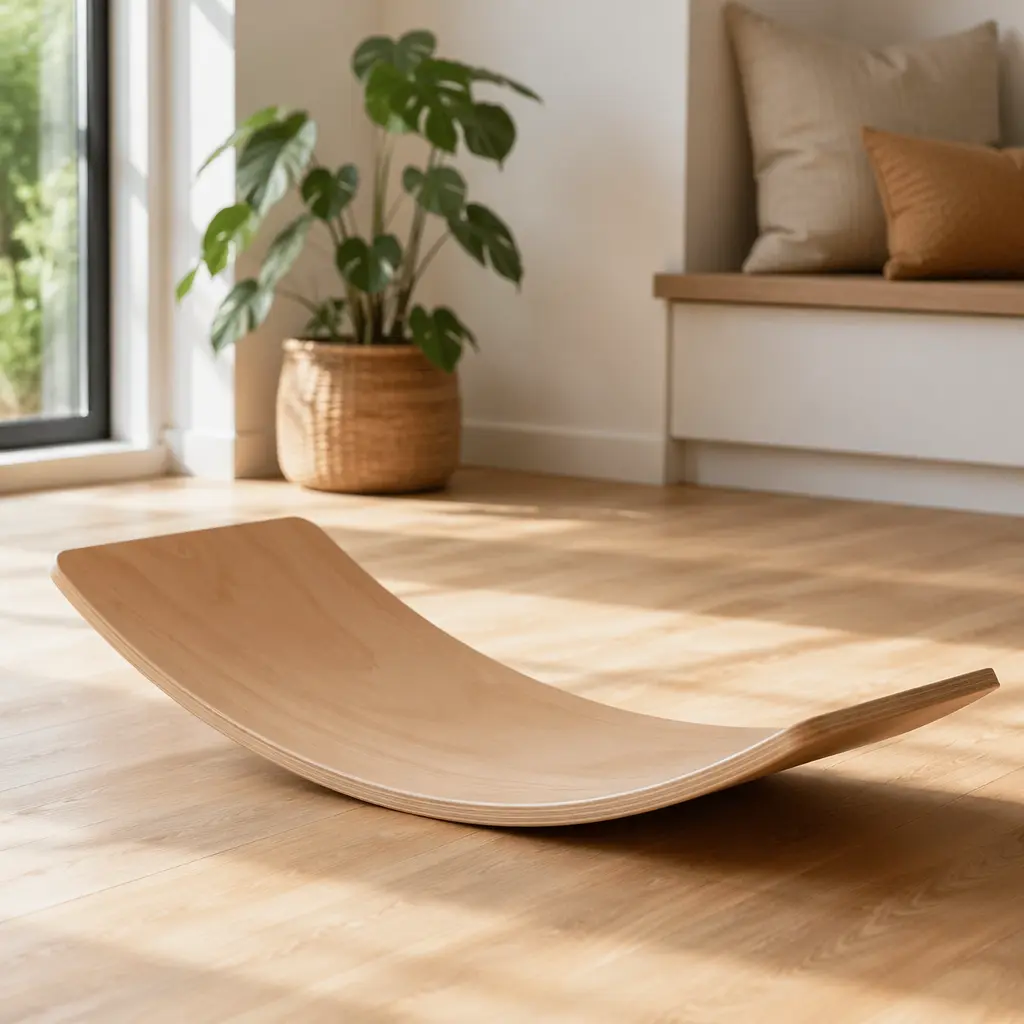
Contemporary · 2015
Born in the 2010s, the Wobbel balance board helped make open‑ended movement play mainstream. This profile looks at where it came from, why kids keep using it, and what to know before buying one today.
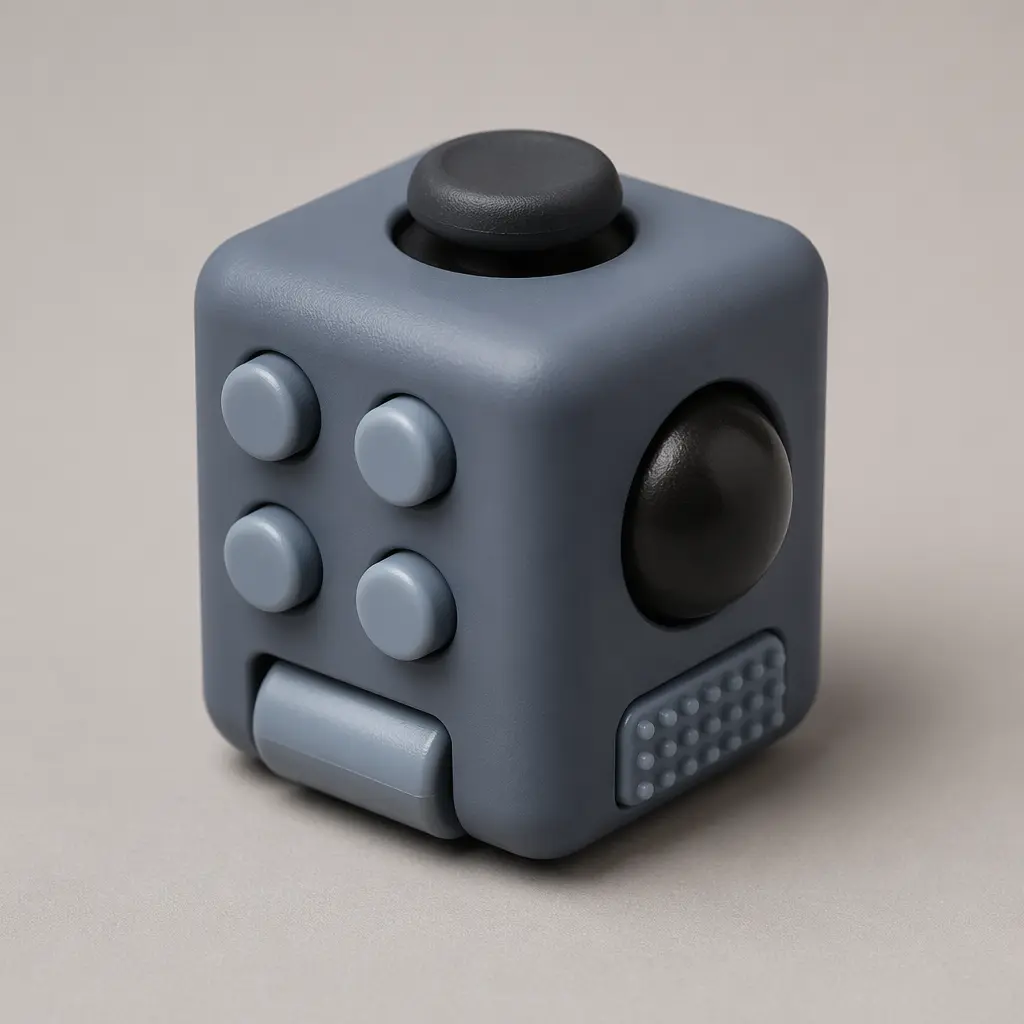
Contemporary · 2016
Born in 2016, the Fidget Cube turned everyday fidgeting into a pocket-sized toy. Its mix of clicks, spins, and textures explains why it spread so fast—and why it still resonates.
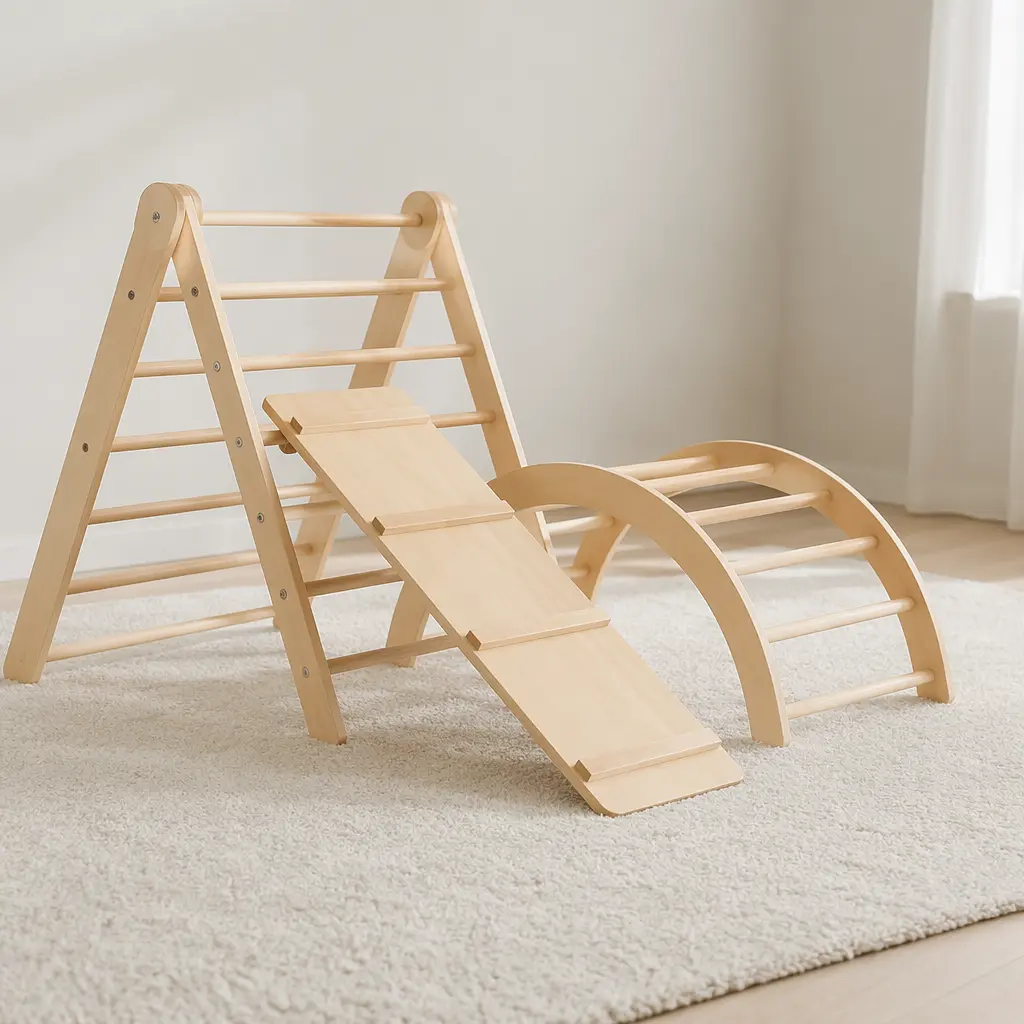
Contemporary
Pikler triangle climbing sets bring a century-old child‑led philosophy into modern homes, offering open-ended climbing, balance and confidence-building play that grows with kids.
Contemporary · 2020
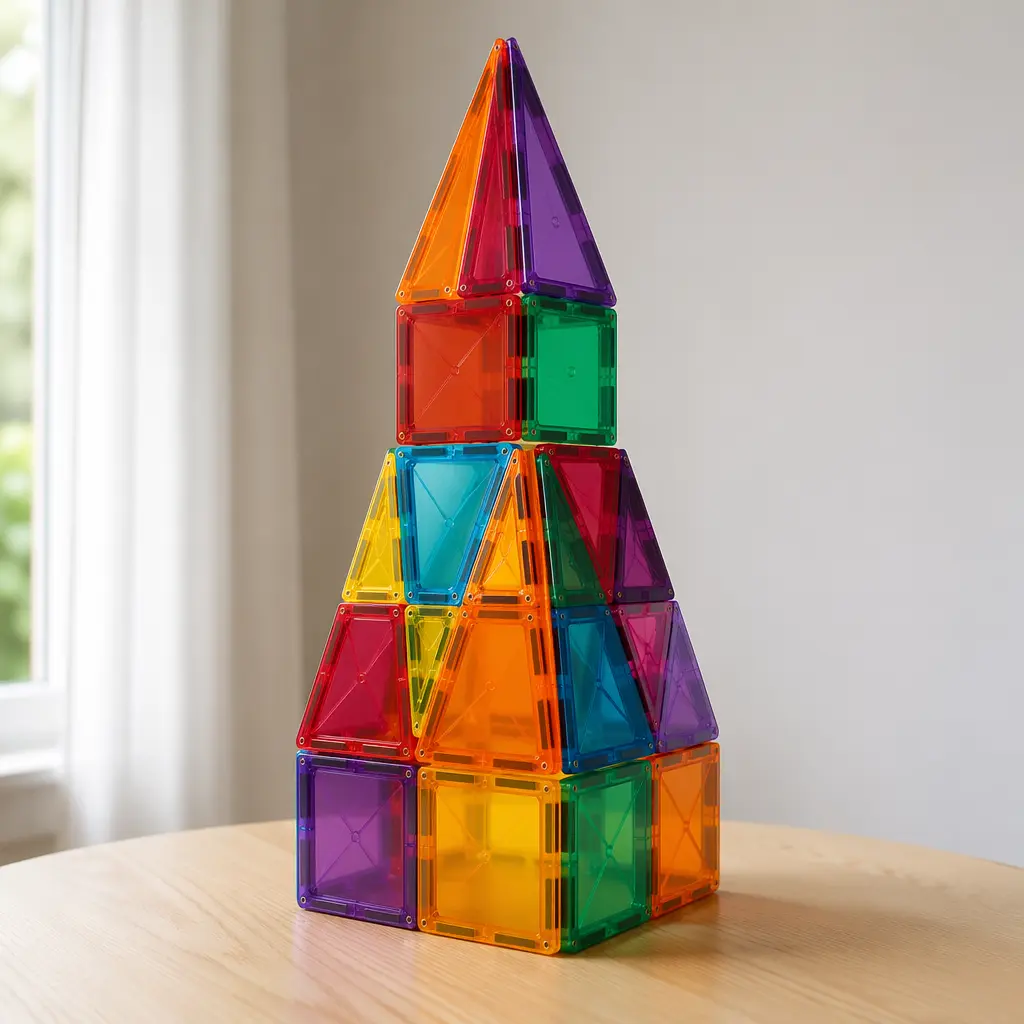
Launched in 2020, Connetix Tiles took the familiar magnetic tile idea and refined it for modern homes—clear colors, strong magnets, and open-ended play that appeals to kids and design-minded parents alike.
Contemporary · 2020
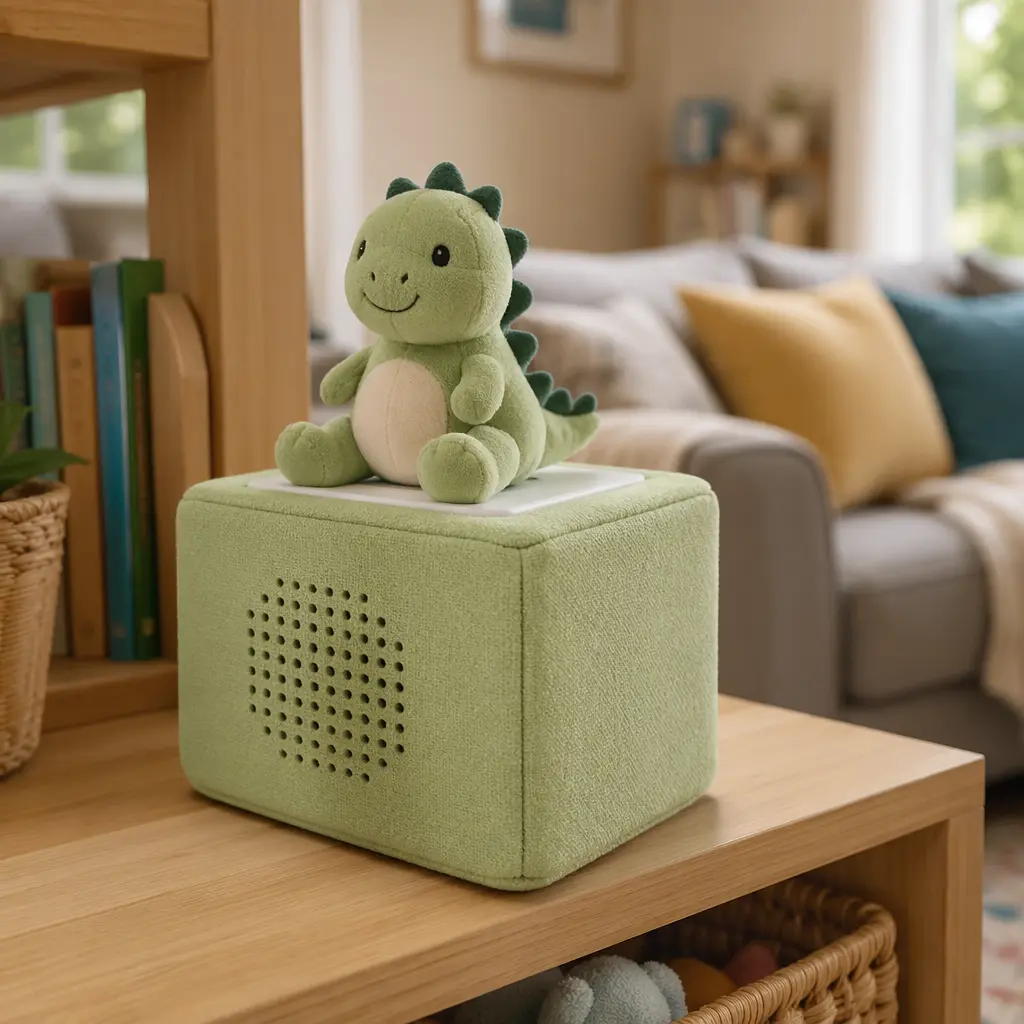
Storypod is a soft, kid‑friendly audio player that lets young children trigger stories and songs by placing plush characters on top—no screens, no scrolling, just tactile storytelling.
Contemporary · 2018
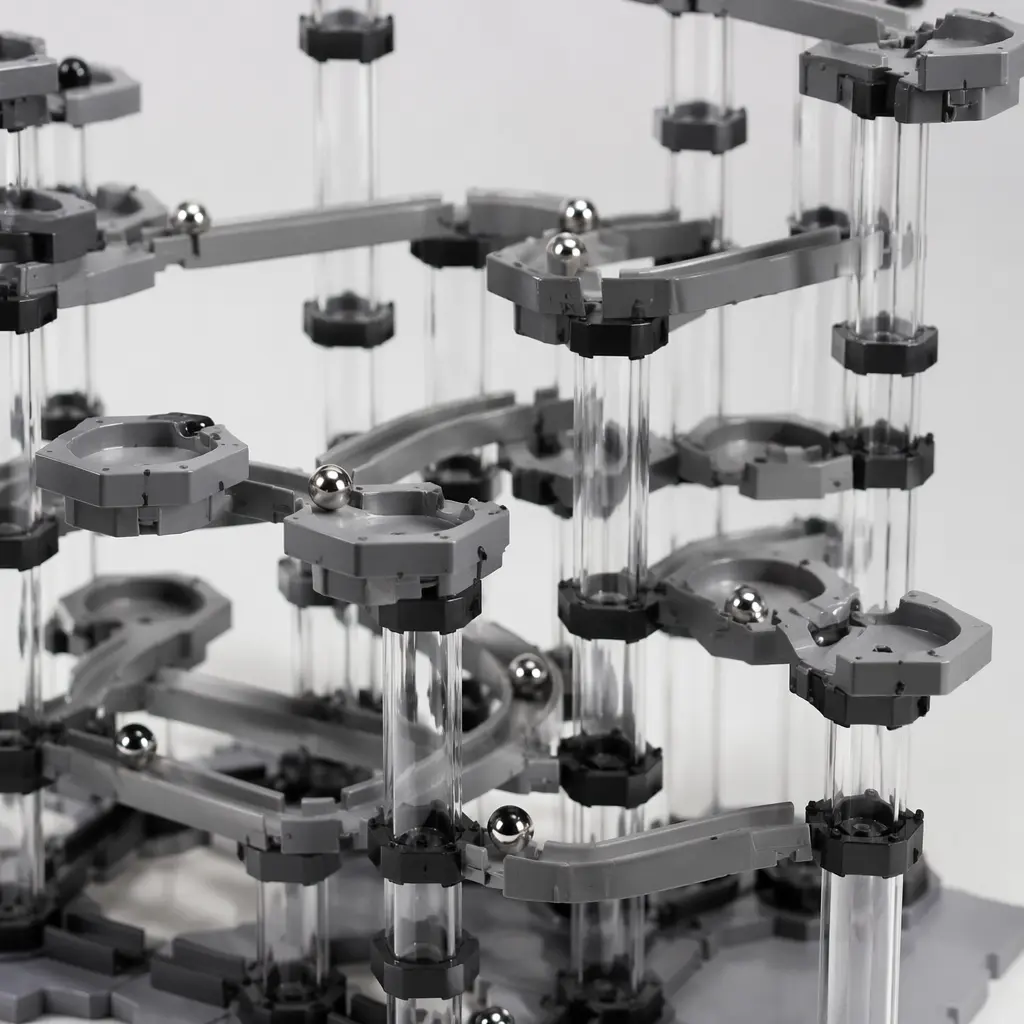
Gravitrax turns marble runs into open-ended physics puzzles, where trial, error, and rebuilding are the point. Since 2018, it’s become a modern STEM toy staple for curious kids and adults alike.
Contemporary
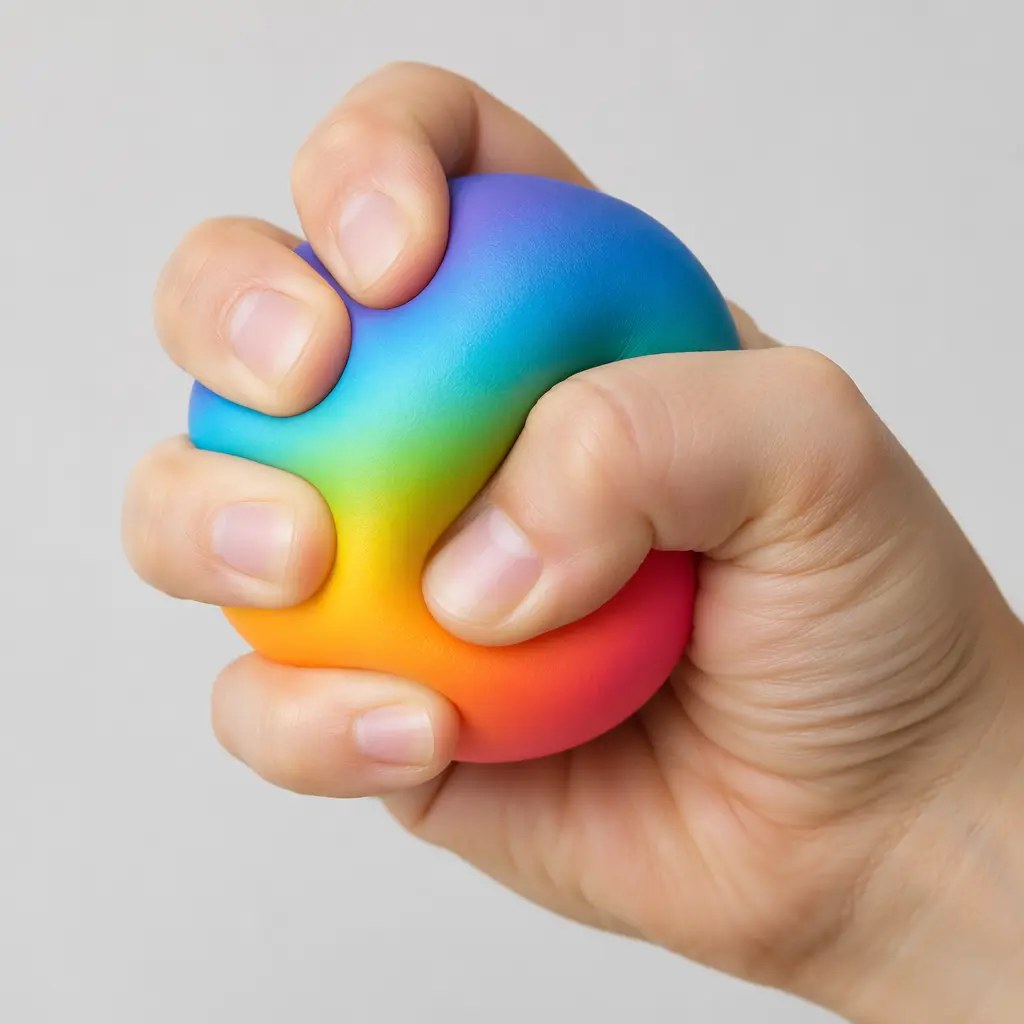
NeeDoh helped bring sensory play into the mainstream, turning a simple squishy ball into a go-to tool for stress relief, focus, and fidget-friendly fun across ages.
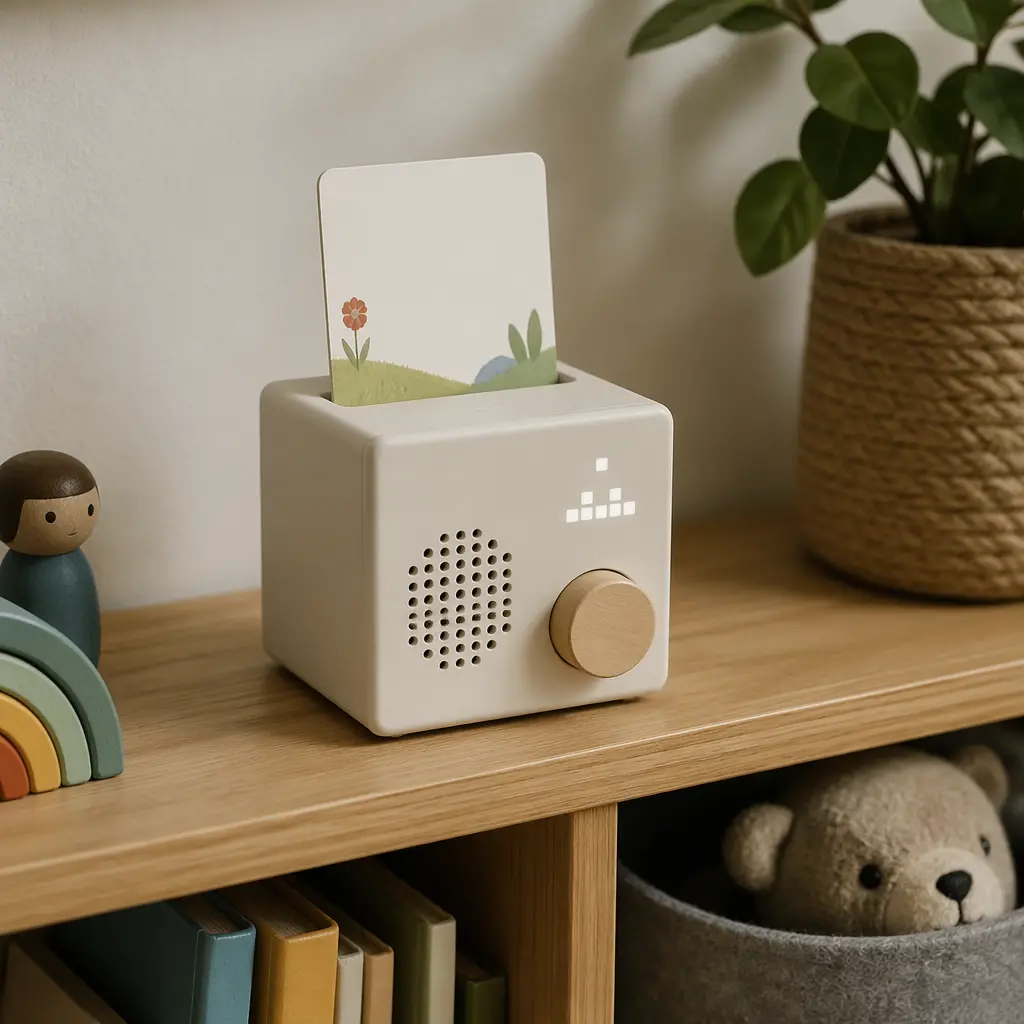
Contemporary · 2020
The Yoto Player turned audio cards into kid-controlled entertainment, offering stories and music without screens. Its rise reflects a wider push for independence, calm play, and tech that stays out of the way.