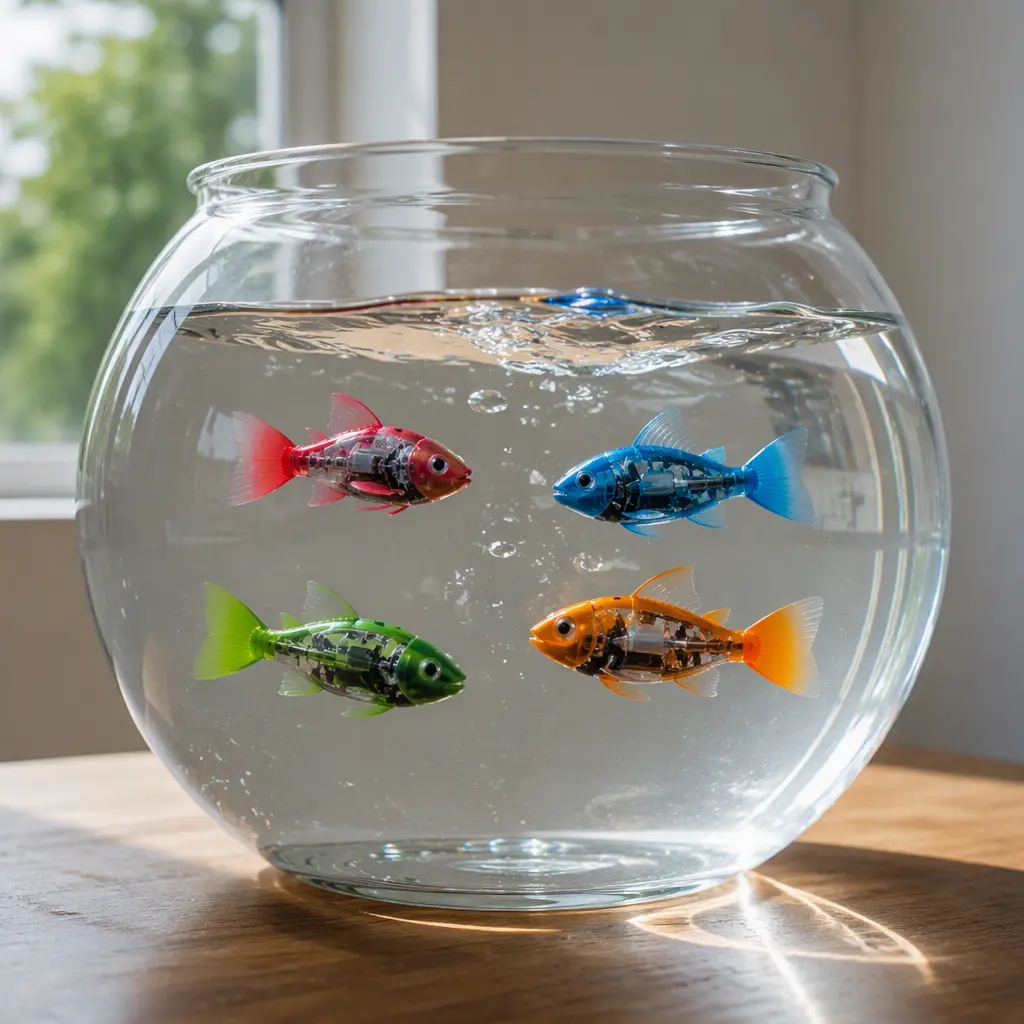
Modern · 2011
Zuru Robo Fish turned simple water play into something oddly convincing, using small battery-powered swimmers that darted through tubs, bowls, and pools with lifelike motion.
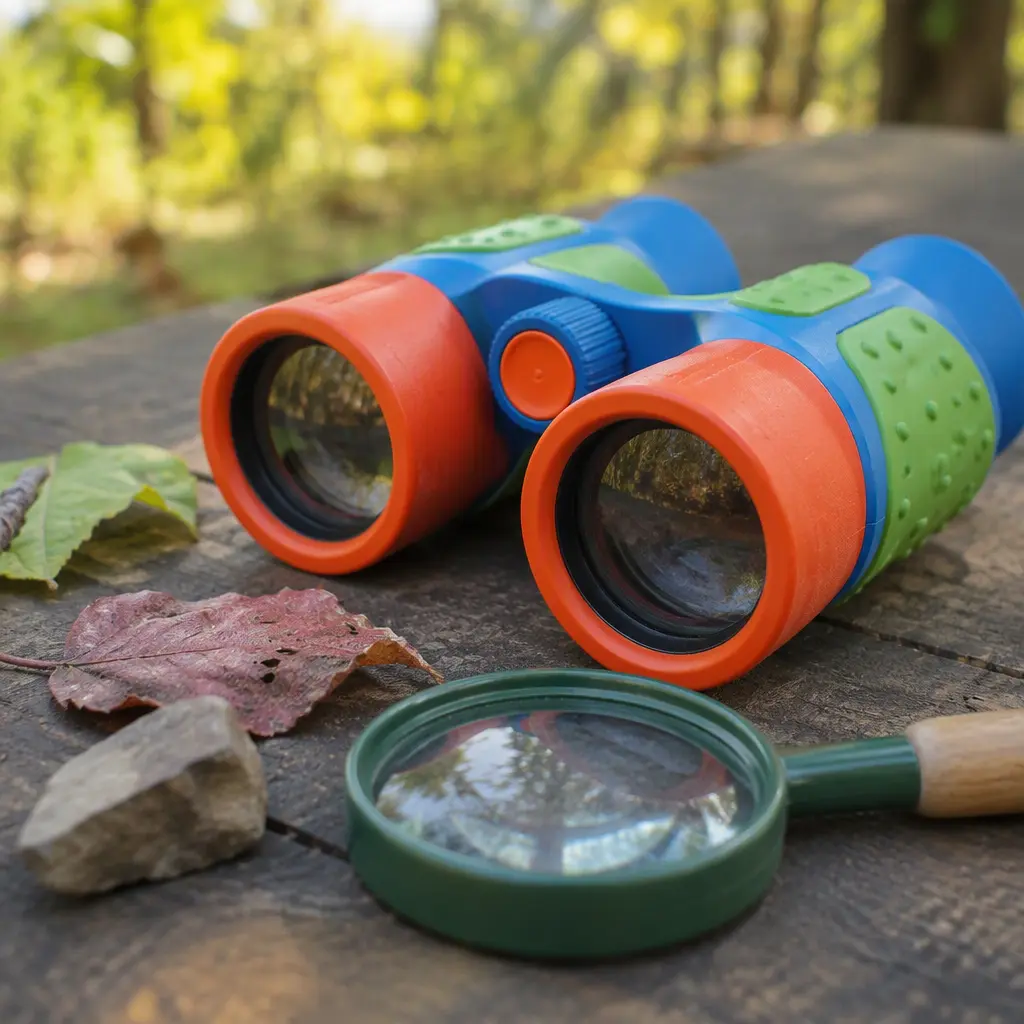
Modern
GeoSafari Jr. Kidnoculars turned simple backyard observation into hands-on science play with oversized focus knobs, durable construction, and kid-friendly design built for early explorers.

Modern
The Playmobil 1-2-3 Airport Shuttle shows how simplified pretend-play systems introduced toddlers to imaginative world-building through chunky pieces, gentle mechanics, and familiar everyday settings.
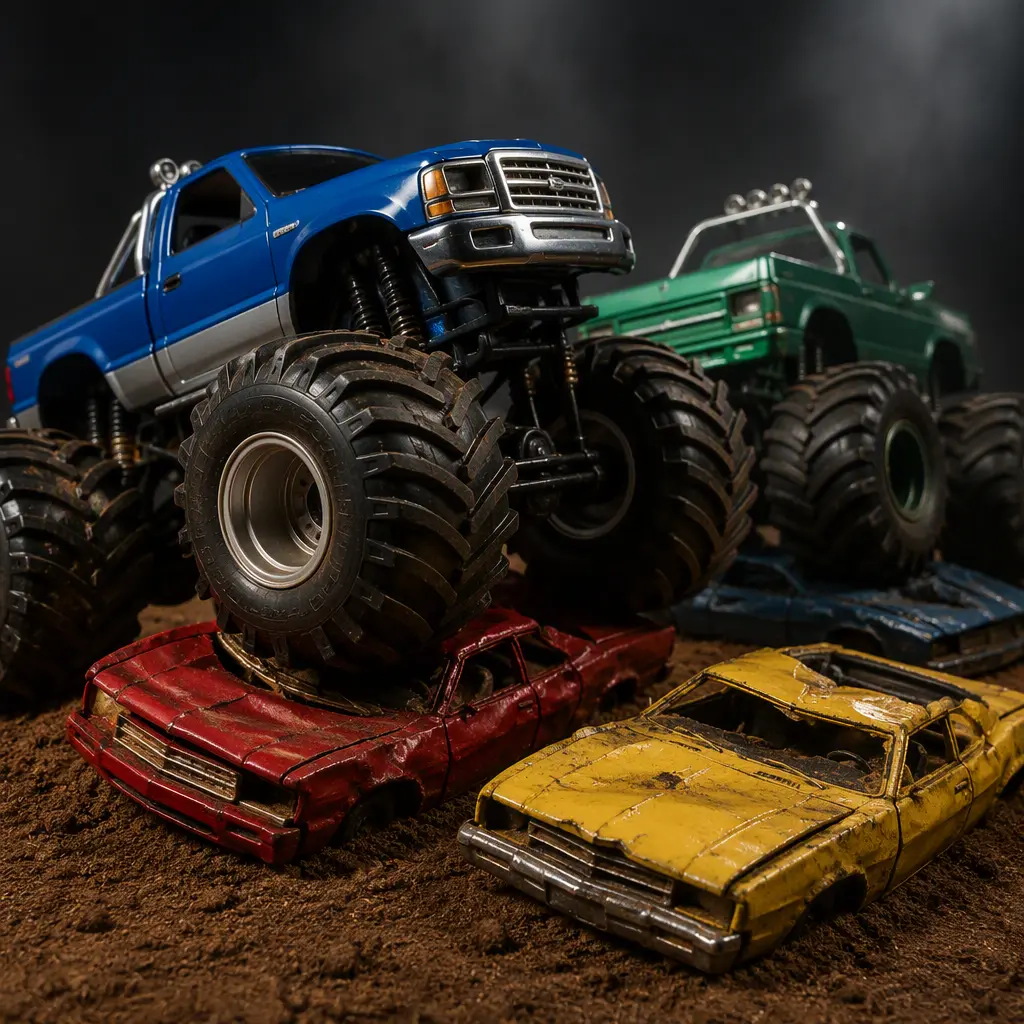
Modern · 2007
Monster Jam toy trucks turned oversized arena vehicles into a hands-on play pattern for young kids, blending collectibility, crash play and real-world motorsports appeal.
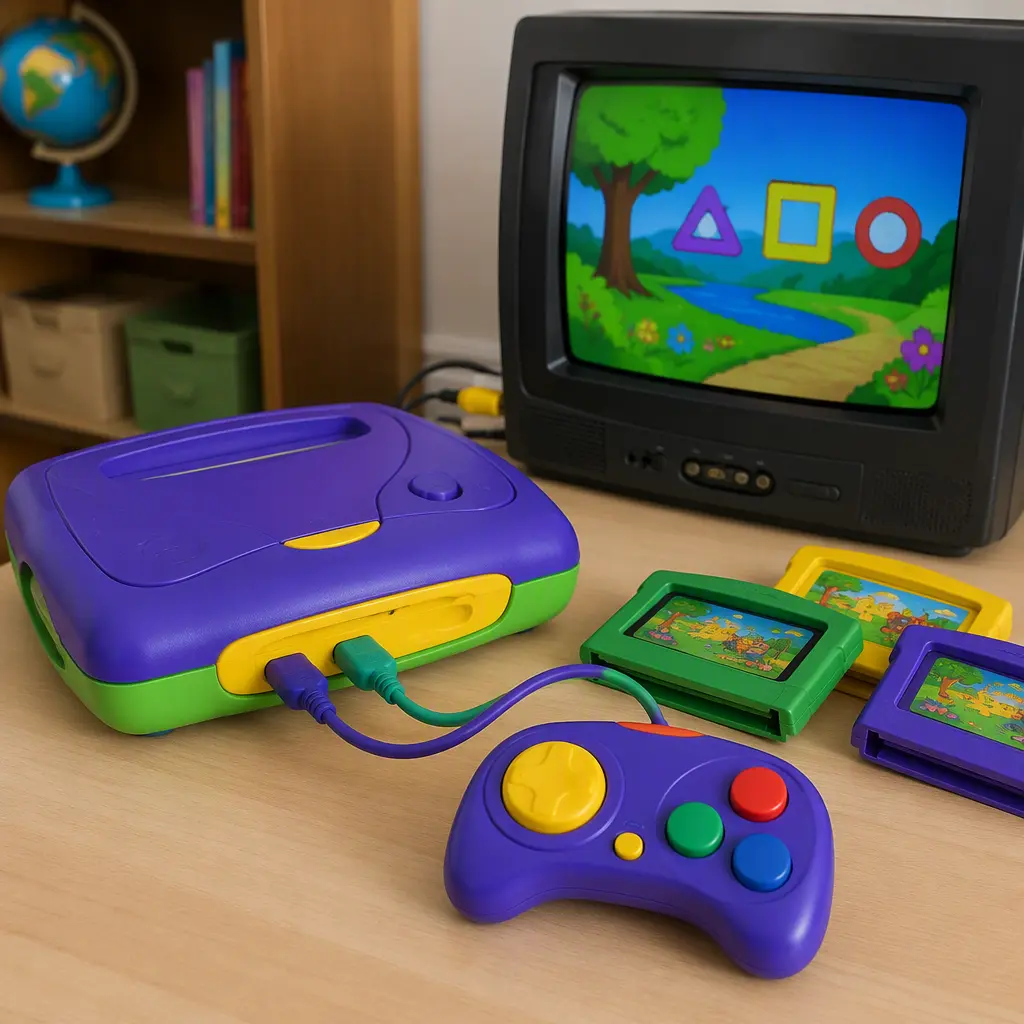
Modern · 2004
VTech’s V.Smile turned educational software into a living-room experience for young children, blending simple controls, bright visuals, and age-focused games in the mid-2000s.
Modern · 2003
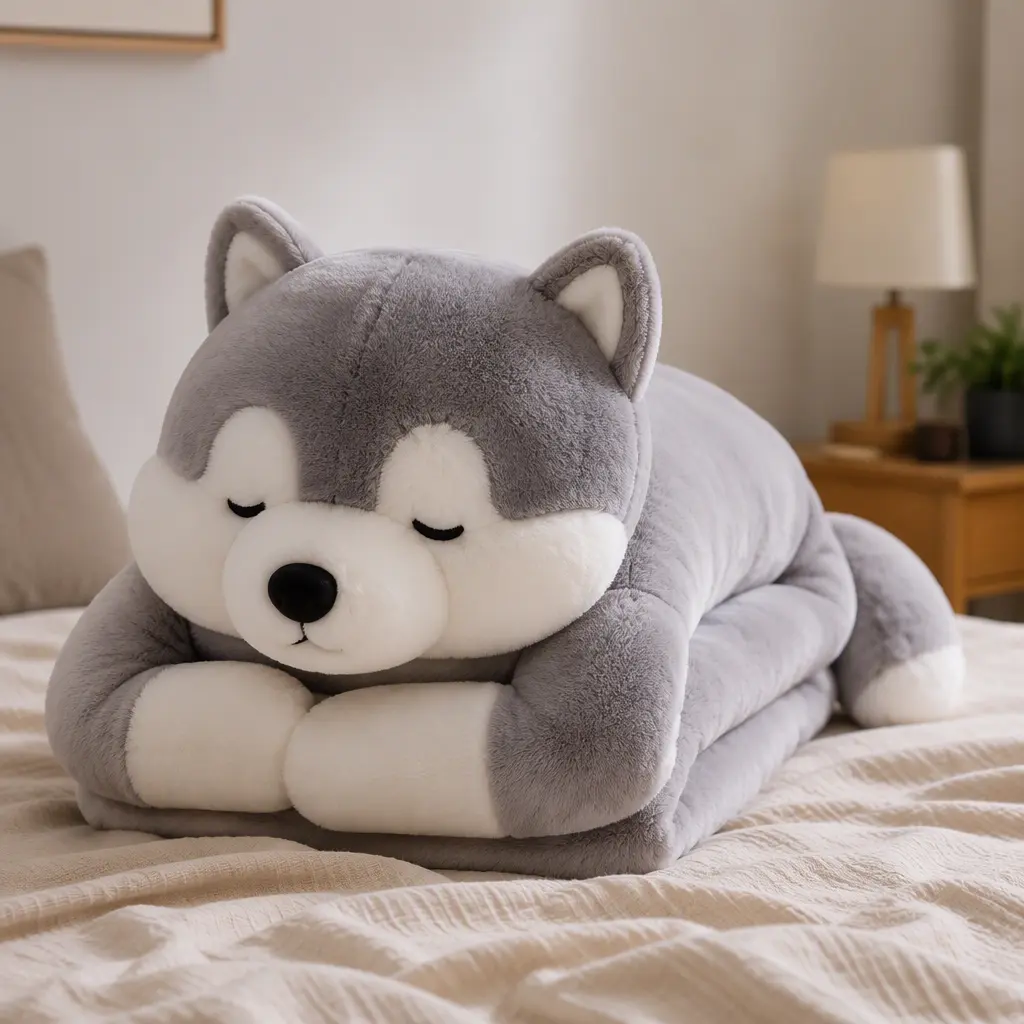
Pillow Pets turned a simple plush animal into a bedtime staple by combining stuffed toy comfort with a usable pillow years before multifunctional kids products became common.
Modern · 2015
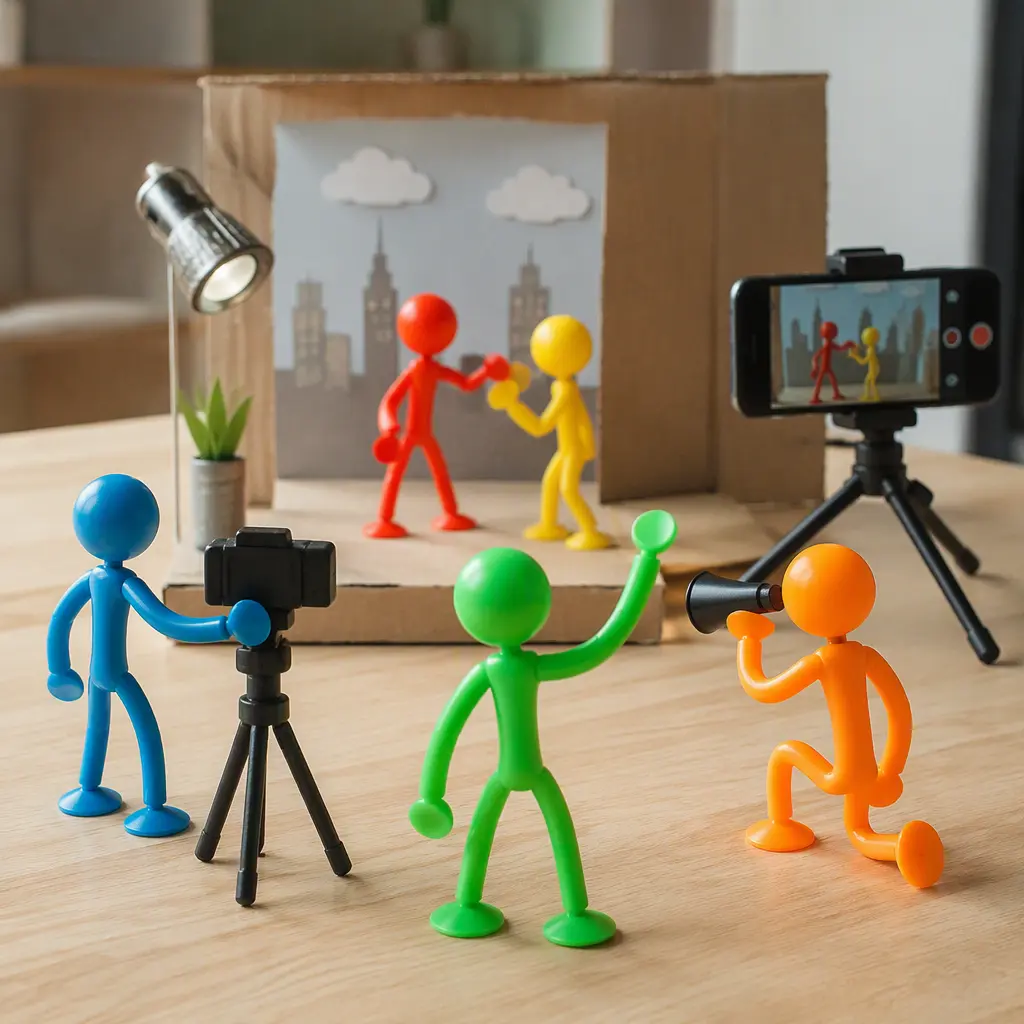
Stikbot Studio turned simple poseable figures into a gateway for stop-motion filmmaking, giving kids an easy way to experiment with animation, storytelling, and hands-on creativity.
Modern · 2007
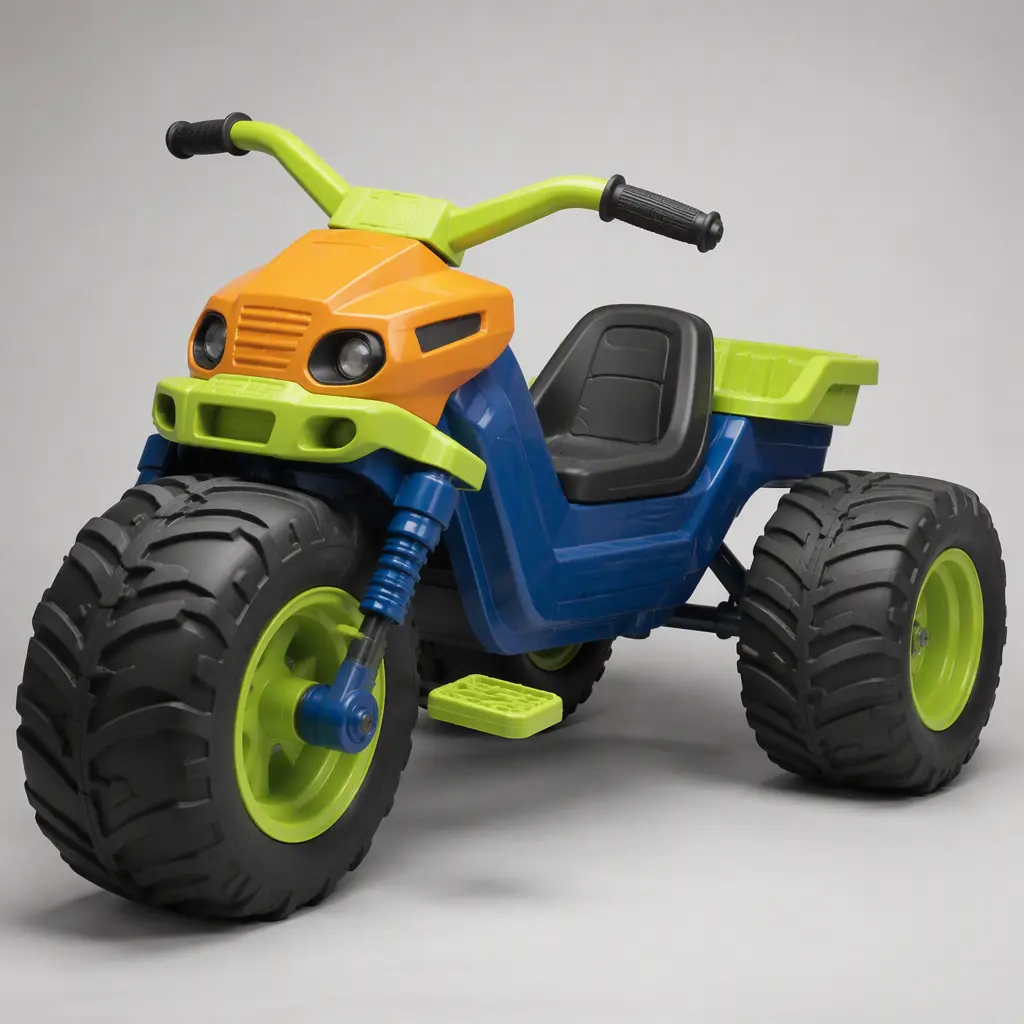
Big Wheels Monster Trucks turned the familiar ride-on tricycle into a chunky, monster-truck-inspired toy built for younger kids who wanted bigger wheels, louder styling, and outdoor play with attitude.
Modern · 2000
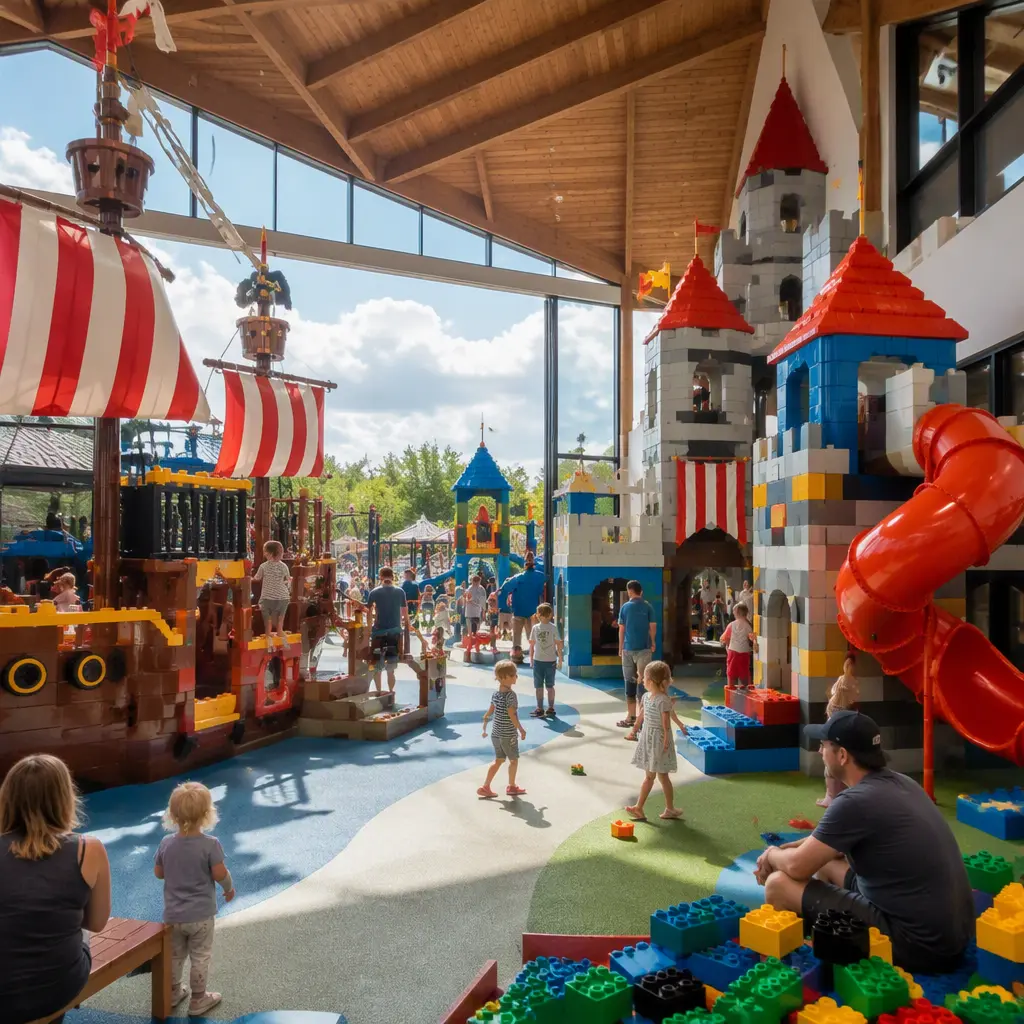
Playmobil FunPark turned a familiar toy line into a physical play experience, blending oversized playsets, active exploration, and brand storytelling for families.
Modern · 2009
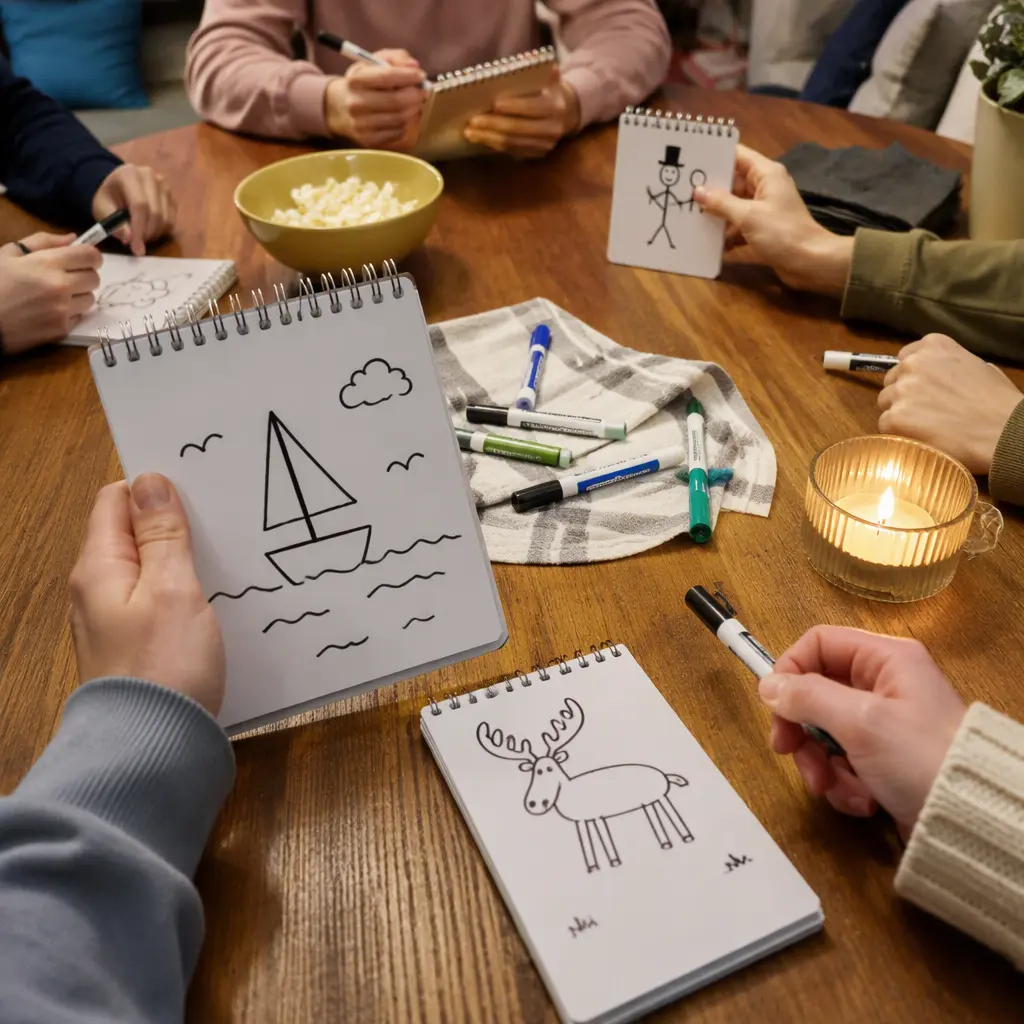
Since 2009, Telestrations has turned shaky sketches and mistaken guesses into a reliable family party ritual, blending telephone-style confusion with fast, low-pressure drawing.
Modern · 2010
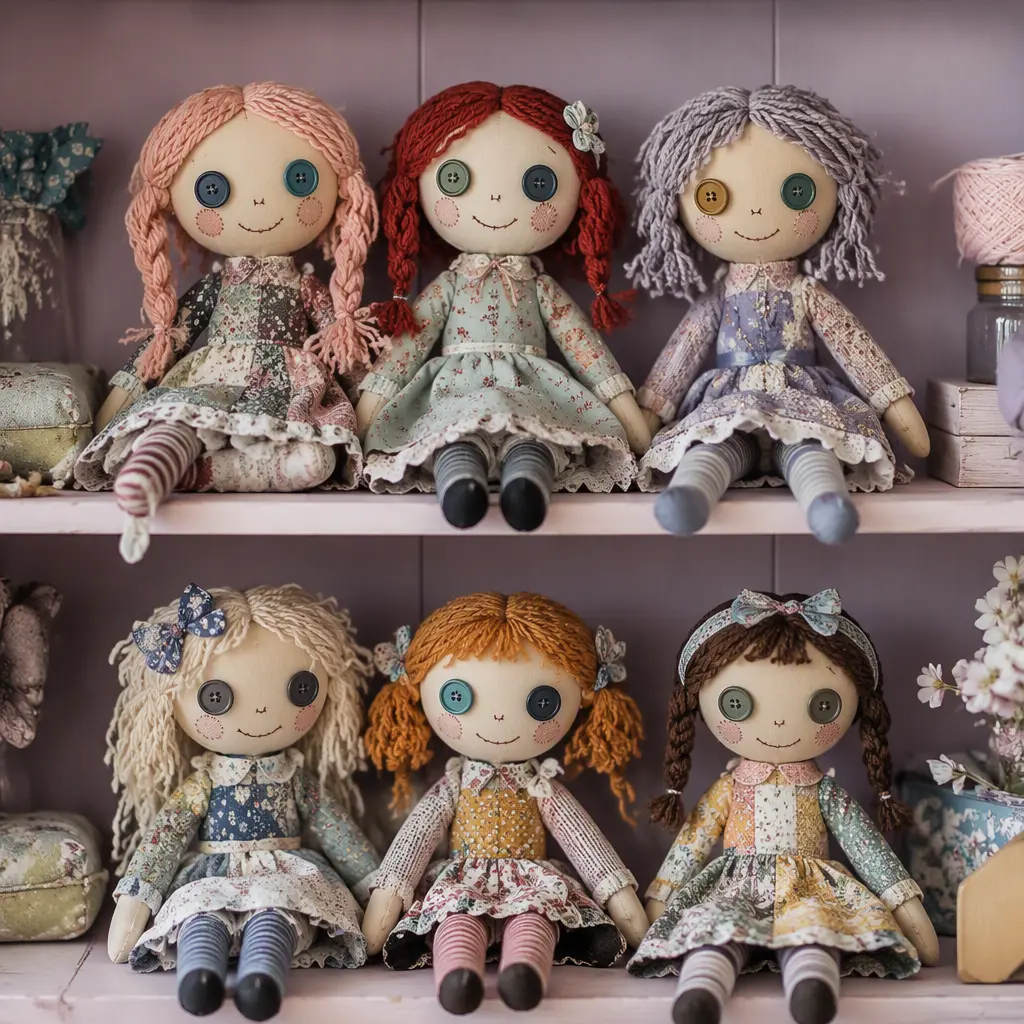
Lalaloopsy arrived in 2010 with stitched smiles, button eyes, and a softer idea of fashion dolls. The line mixed collectible design, storytelling, and craft-inspired aesthetics at a moment of change in the toy aisle.
Modern · 2009
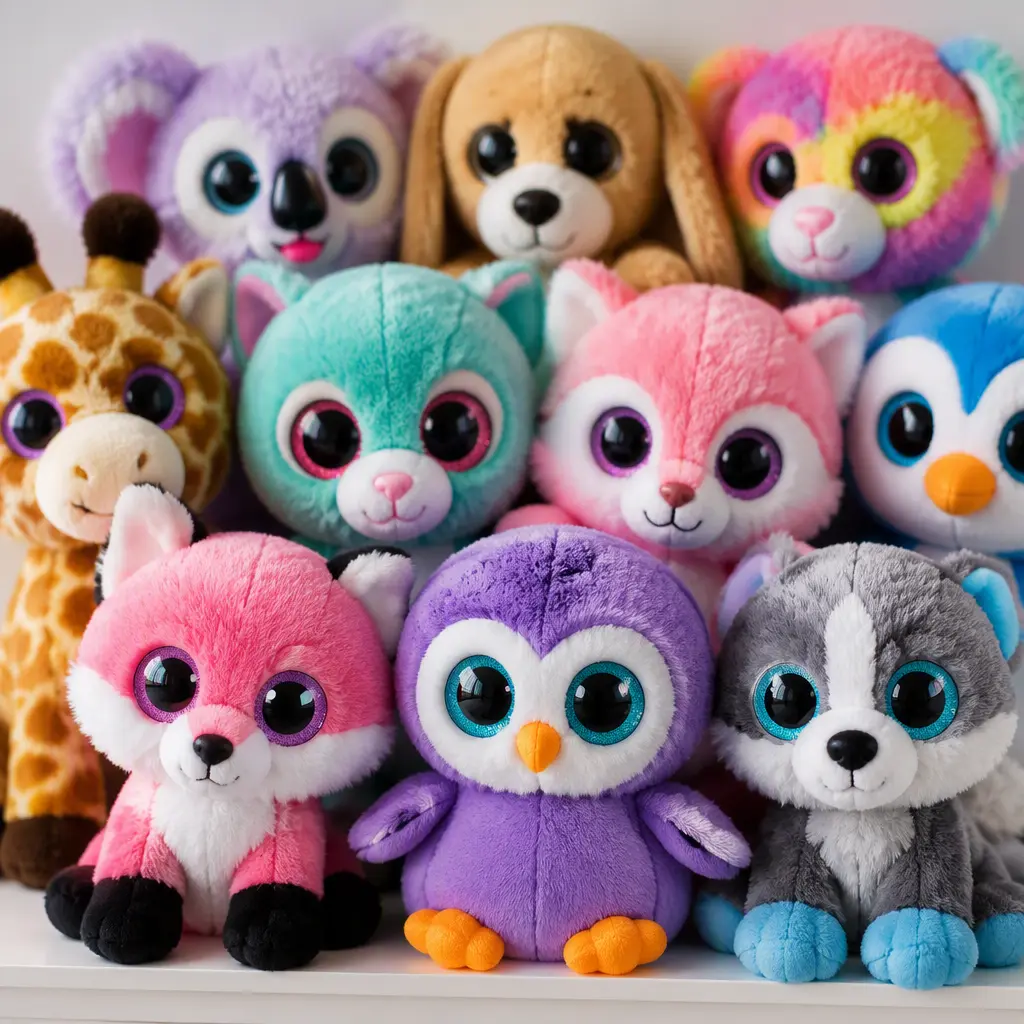
Launched in 2009, Ty Beanie Boos turned oversized glitter eyes and soft, approachable animal designs into a modern collectible phenomenon for kids and nostalgic adults alike.
Modern · 2009
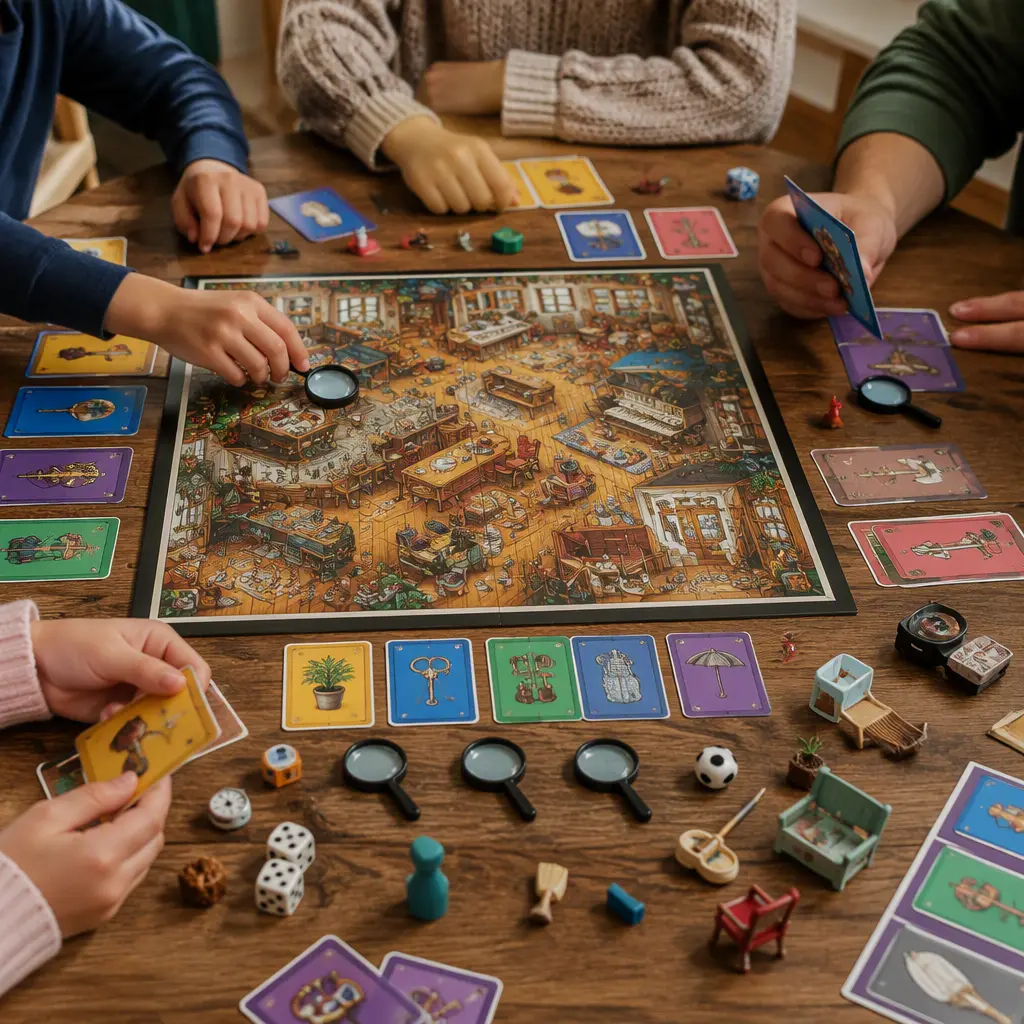
Briarpatch I Spy Mystery turned the familiar seek-and-find format into a fast-paced family board game, blending visual puzzles, memory, and cooperative deduction for mixed-age play.
Modern
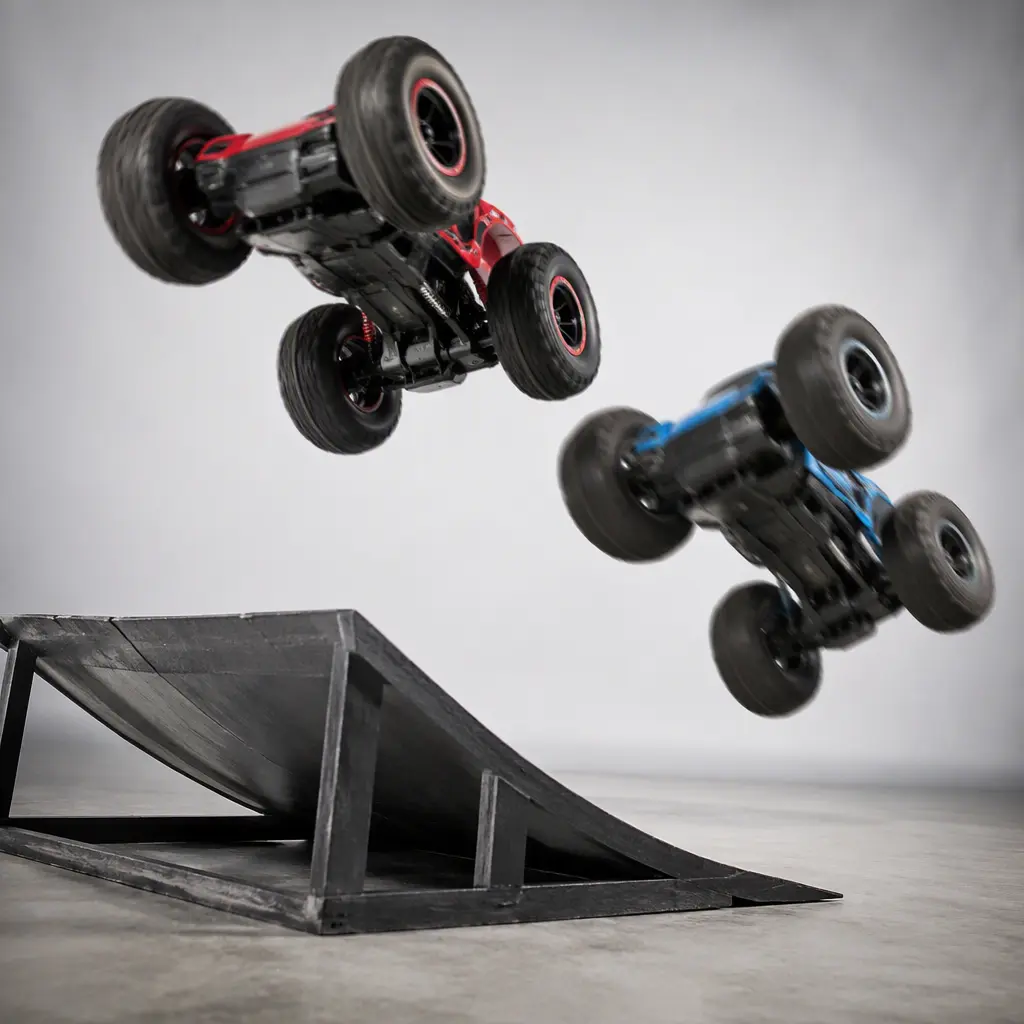
RC stunt cars turned simple remote-control driving into a fast, crash-friendly spectacle. Their flips, spins, and durable designs helped introduce a generation to hobby-style RC play.
Modern · 2007
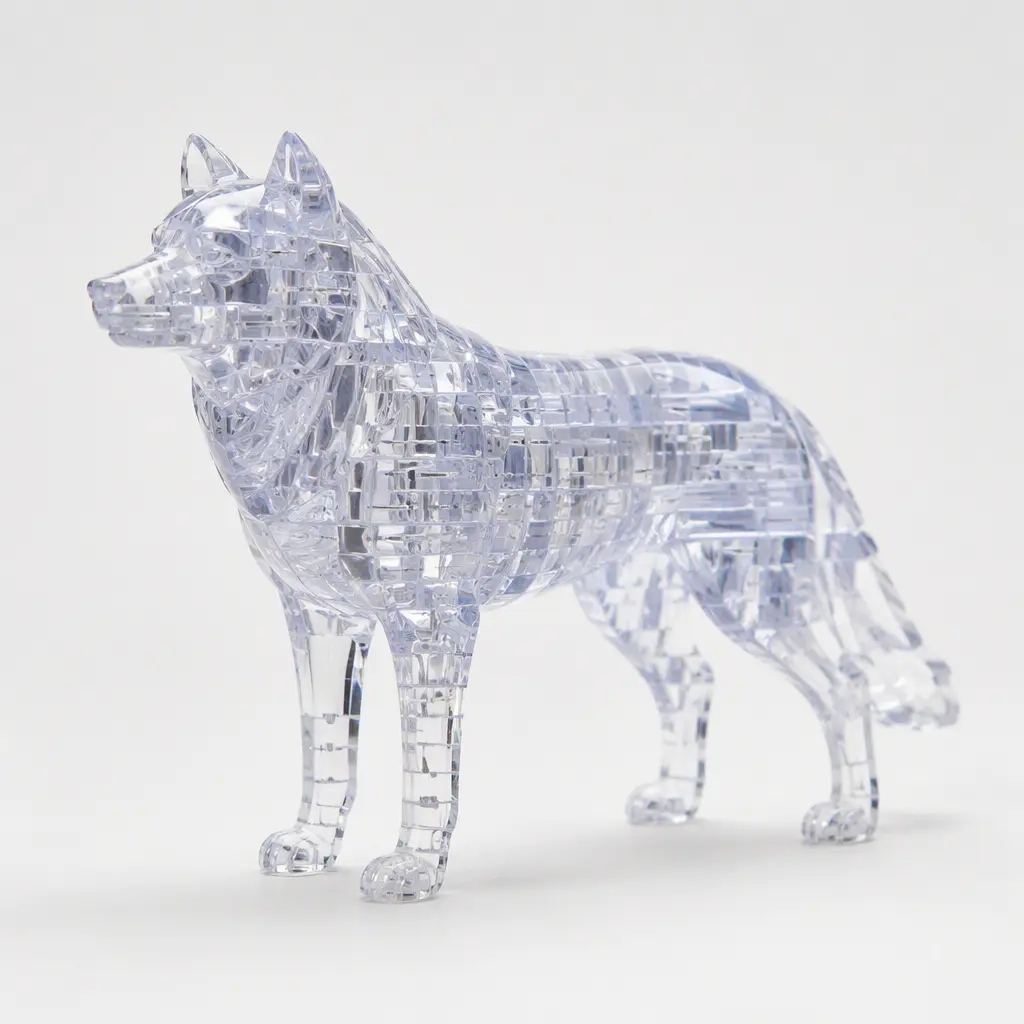
With translucent pieces and sculptural designs, 3D Crystal Puzzles turned tabletop brainteasers into decorative objects that appeal to both puzzle fans and casual collectors.
Modern · 2009
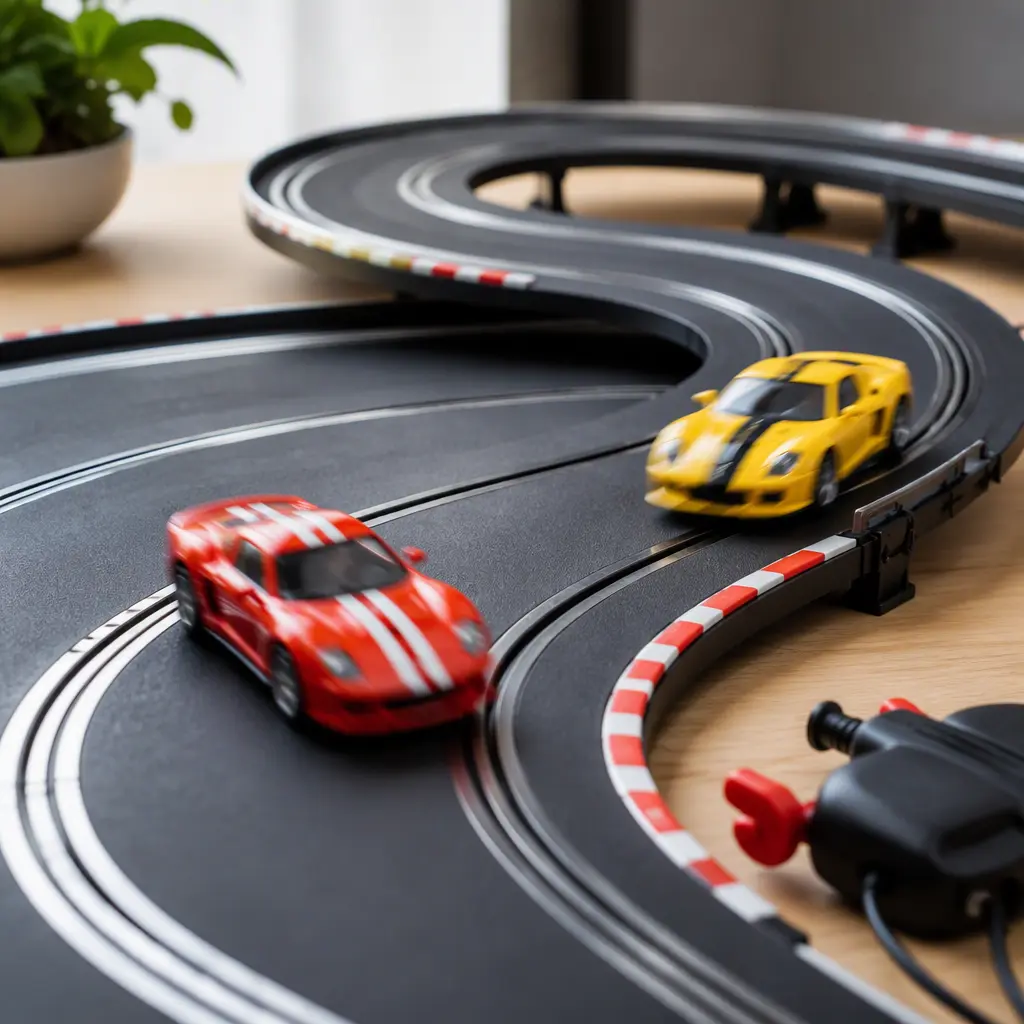
Designed for younger children, My First Scalextric simplified classic slot-car racing with gentler controls, durable cars, and easy-to-build tracks that brought family racing back to the living room.
Modern · 2016
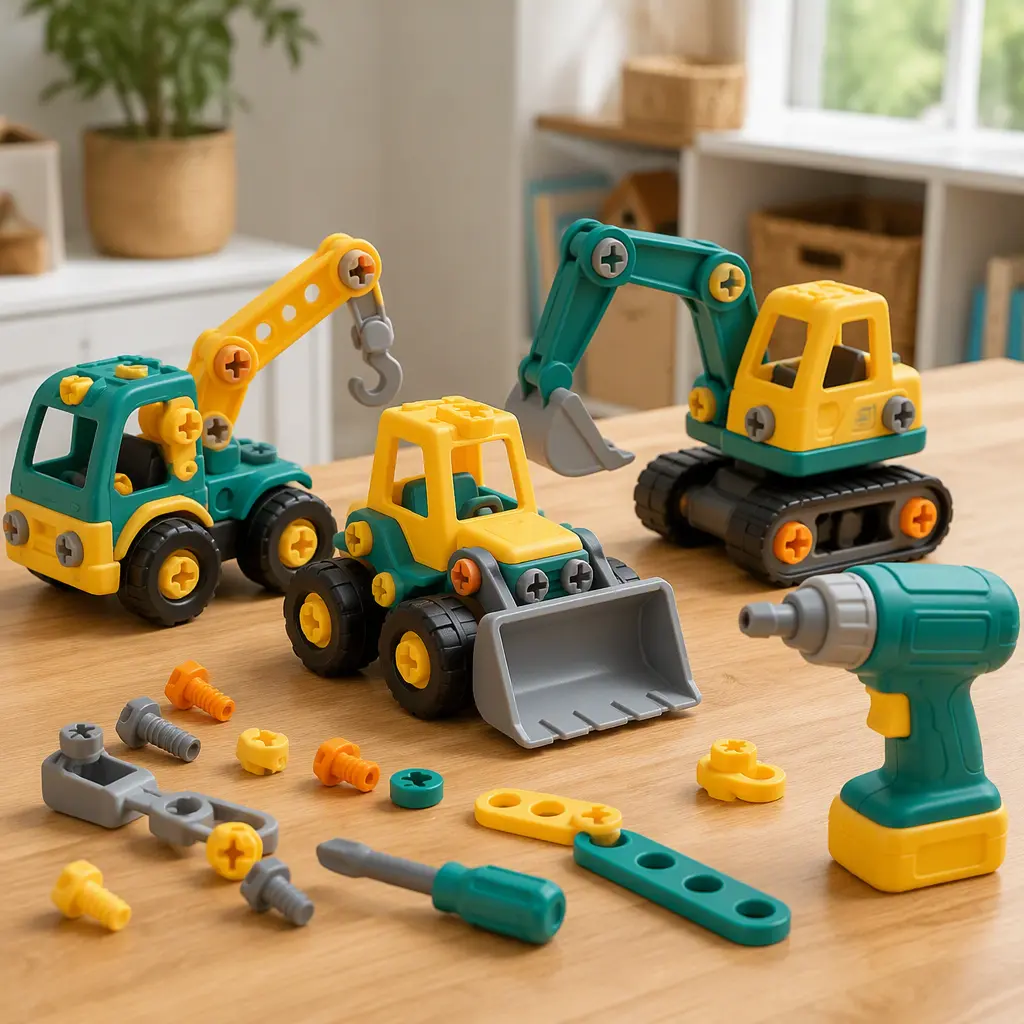
Battat’s Take-A-Part Vehicles turned toy drills and rebuildable machines into a hands-on preschool hit, blending pretend construction play with simple engineering concepts and repeatable problem-solving.
Modern · 2017
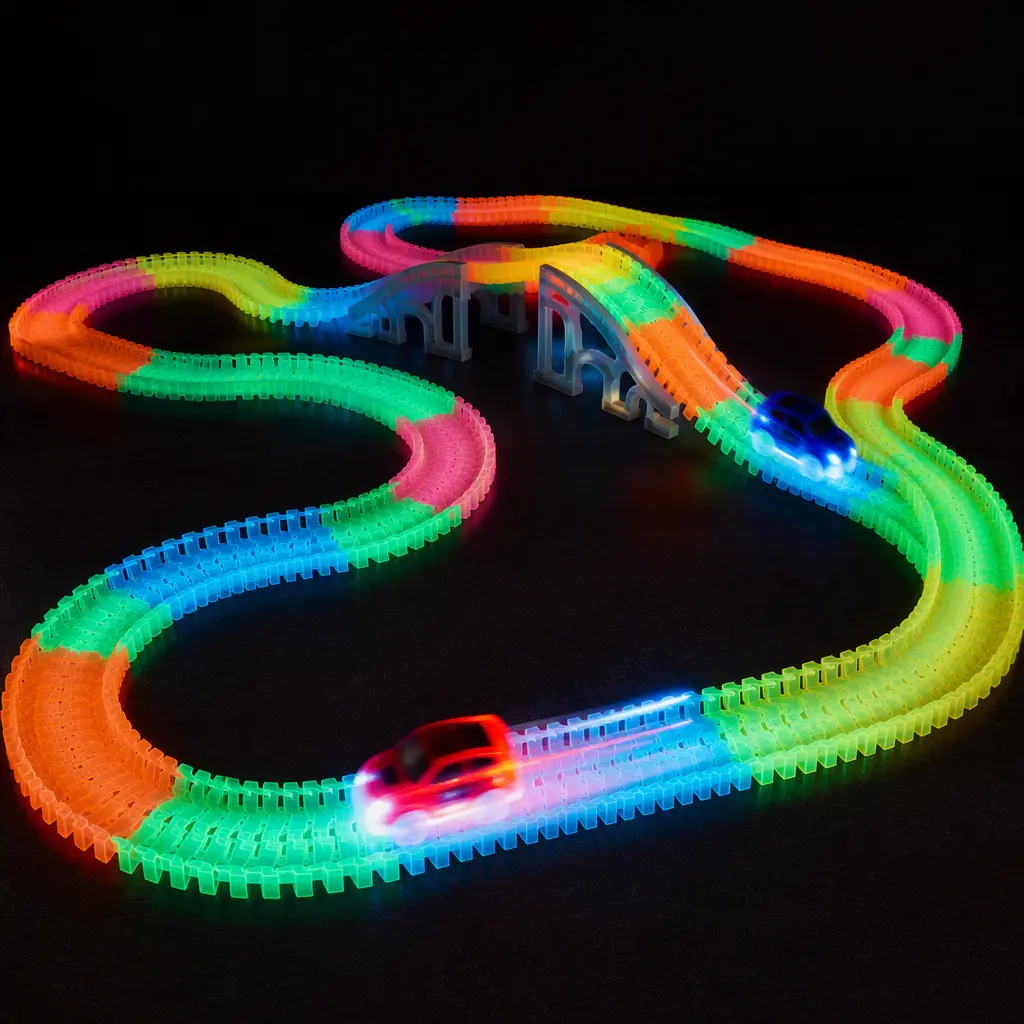
Magic Tracks turned the familiar toy car set into a bendable, glow-in-the-dark building activity, mixing racing play with simple construction in a format that spread quickly through modern toy aisles.
Modern · 2008
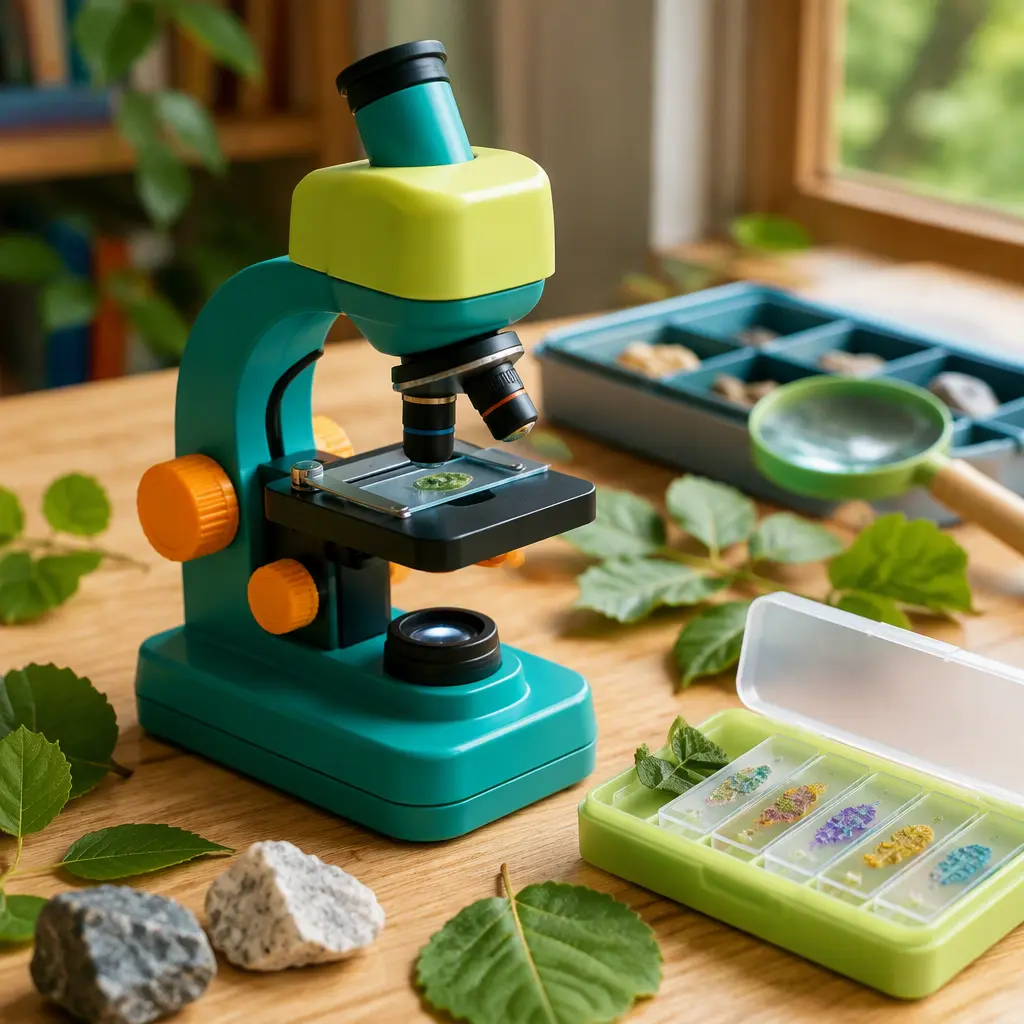
The GeoSafari Talking Microscope turned early science play into something approachable, mixing oversized controls, spoken facts, and real specimen viewing for curious young learners.
Modern · 2018
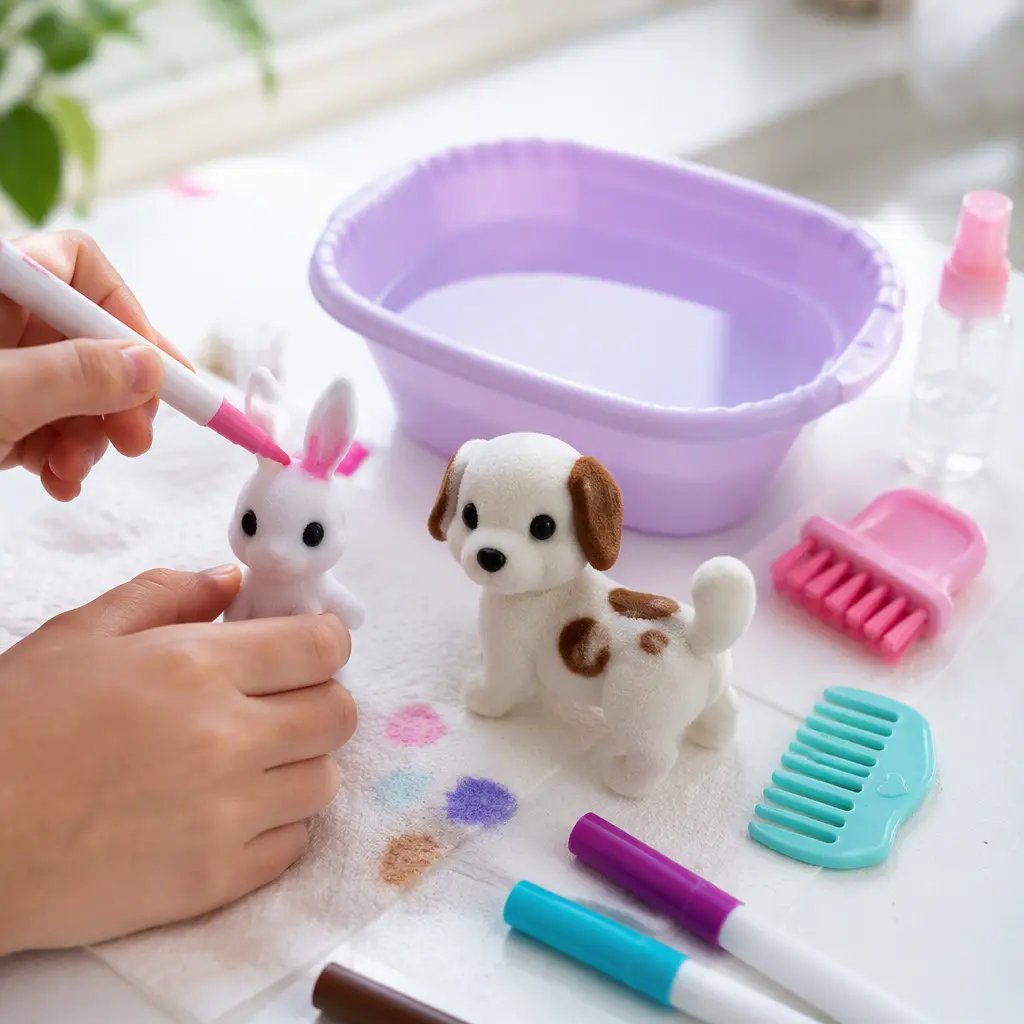
Scribble Scrubbie Pets turned washable markers and small flocked animals into a repeatable coloring activity that blends crafts, collecting, and low-pressure creative play.
Modern · 2003
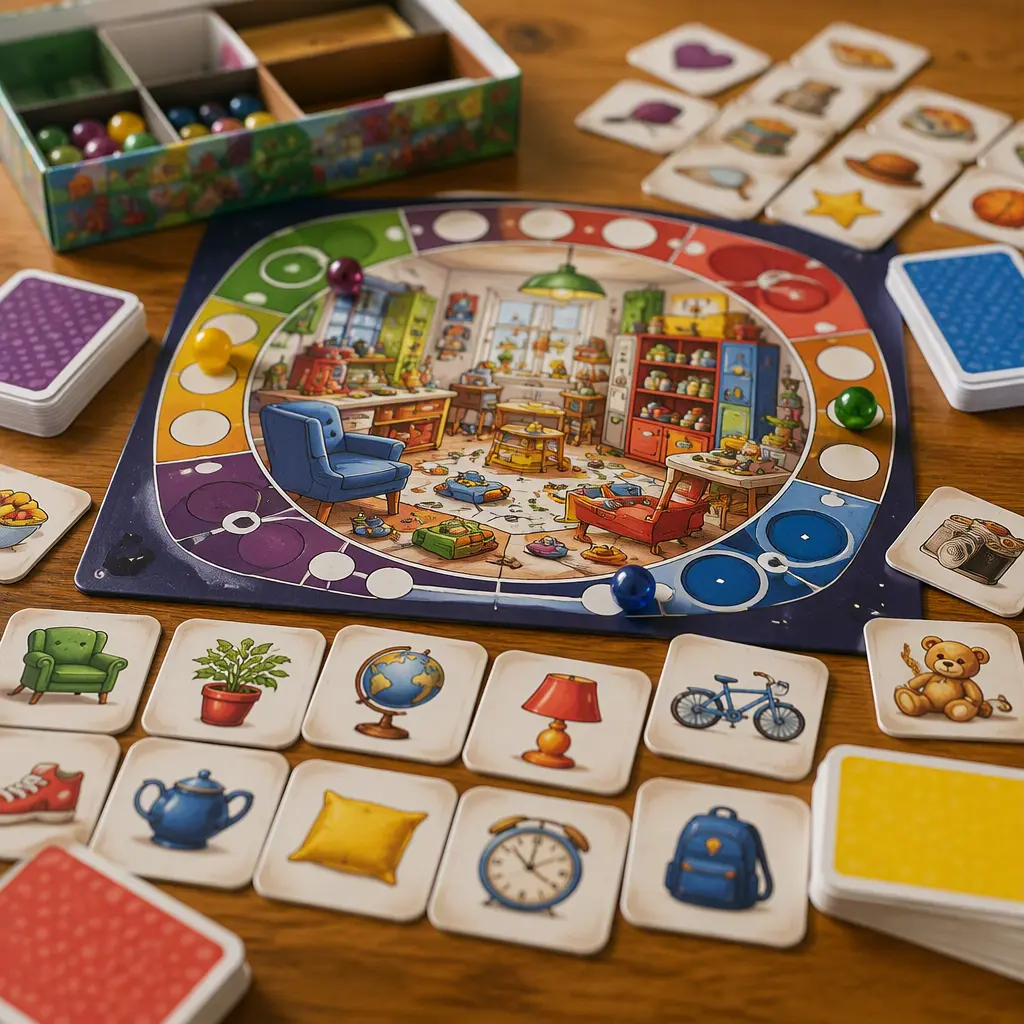
Briarpatch I Spy Eagle Eye turned the visual puzzles of the popular picture books into a fast family board game, blending sharp observation, quick reactions, and accessible play for mixed ages.
Modern · 2001
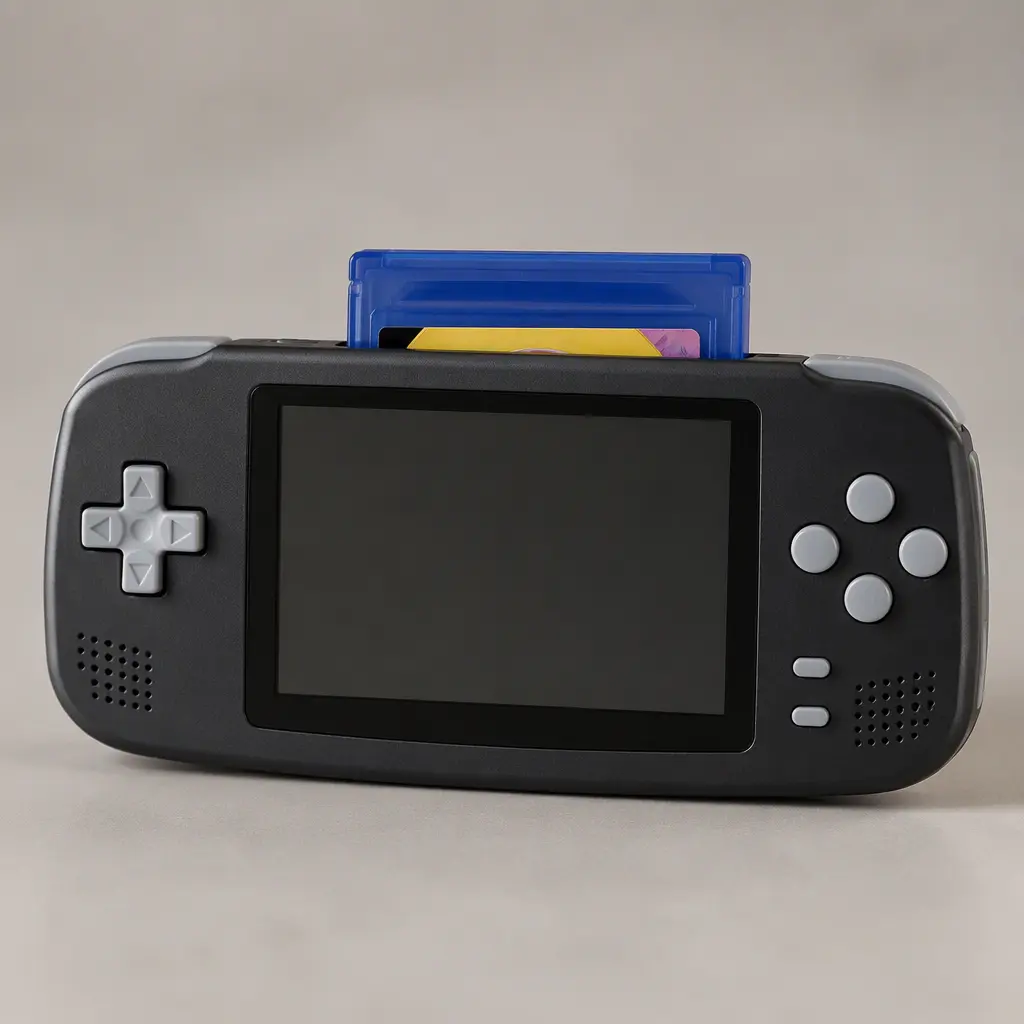
Nintendo’s 2001 Game Boy Advance blended classic cartridge gaming with faster hardware and portable design, creating a handheld that linked the arcade-inspired past to modern mobile play.
Modern · 2017
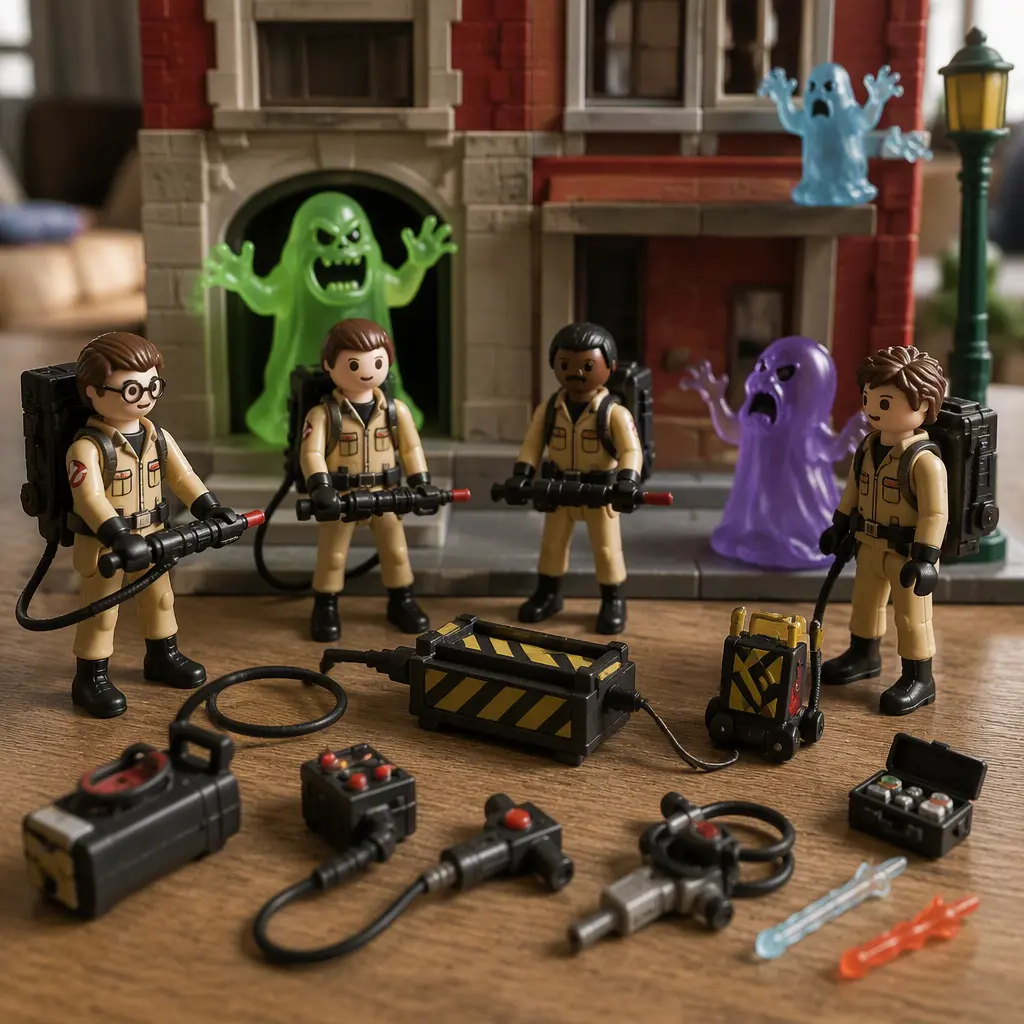
Playmobil’s Ghostbusters sets turned an 1980s film franchise into open-ended pretend play, blending retro nostalgia with modular toys built for a new generation of imaginative storytelling.
Modern · 2014
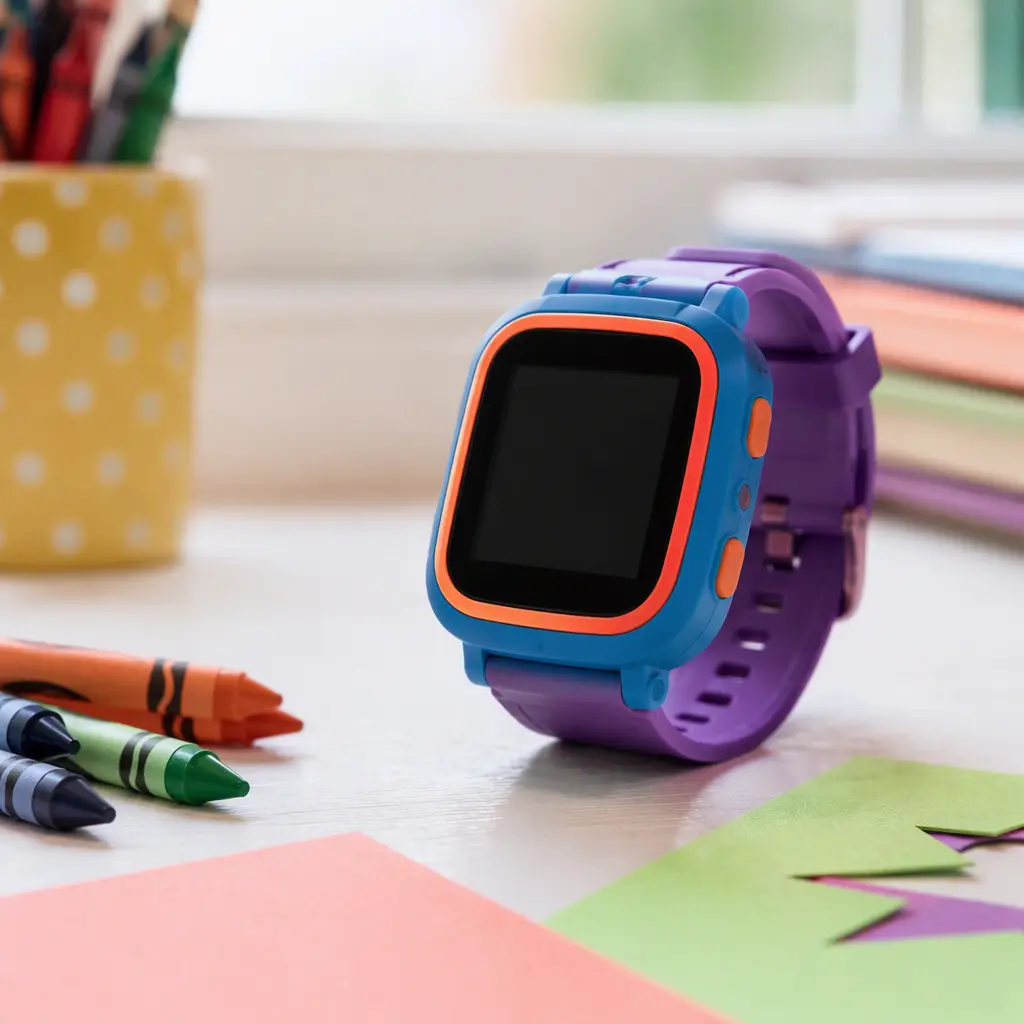
The KidiZoom Smartwatch turned the idea of a smartwatch into something playful for children, mixing cameras, games, and simple tools into a durable wearable aimed at curiosity instead of constant connectivity.
Modern
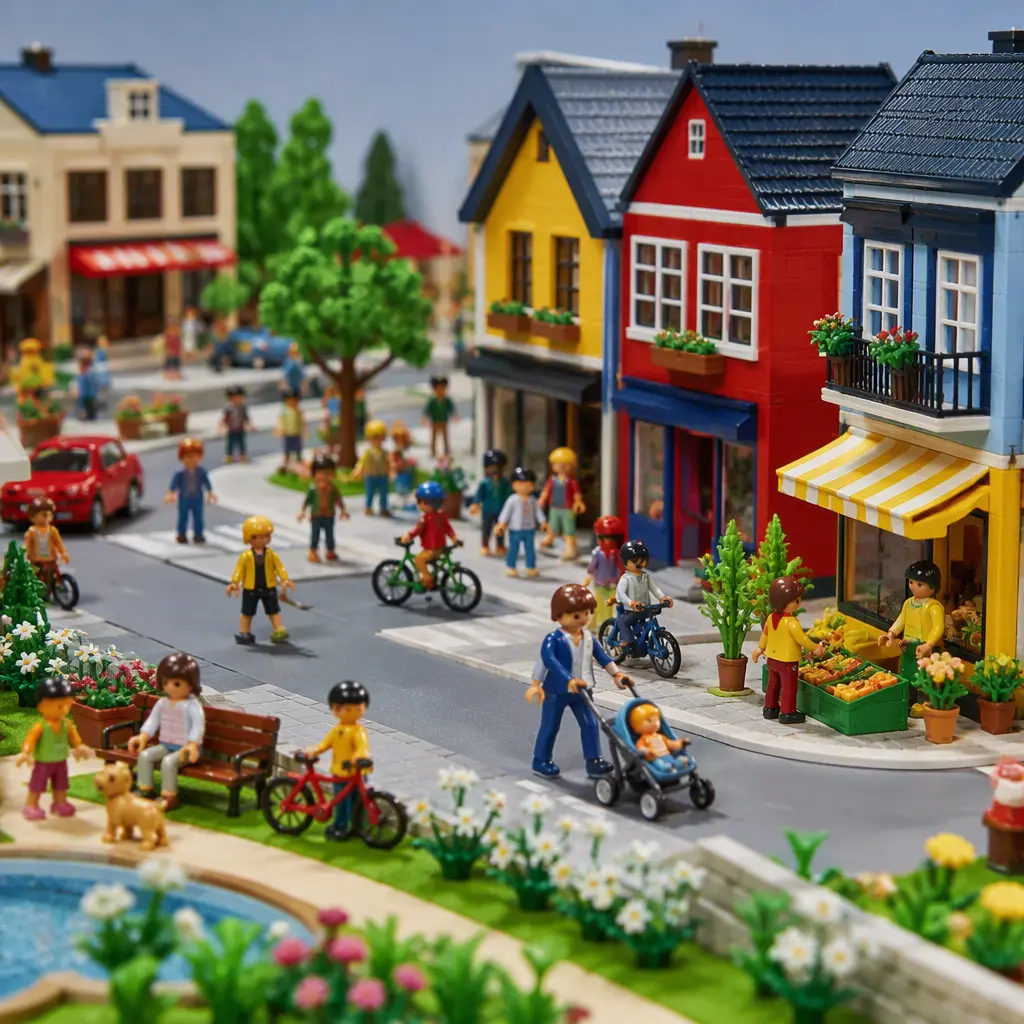
Playmobil City Life turned ordinary places into detailed play worlds, helping open-ended storytelling compete with screens through flexible figures, routines, and realistic settings.
Modern
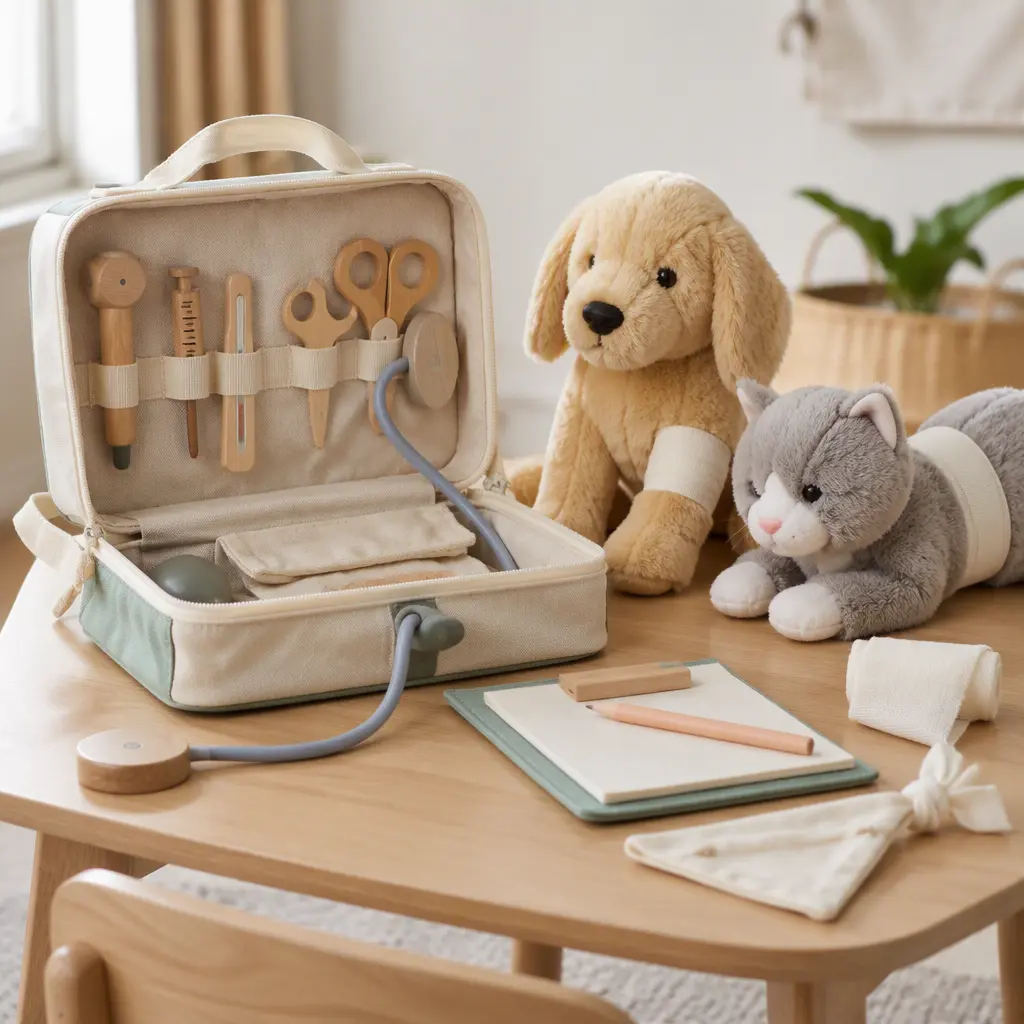
The Melissa & Doug Examine and Treat Pet Vet Play Set helped popularize gentle, empathy-focused pretend play with soft animal patients, reusable tools, and open-ended roleplay.
Modern · 2010
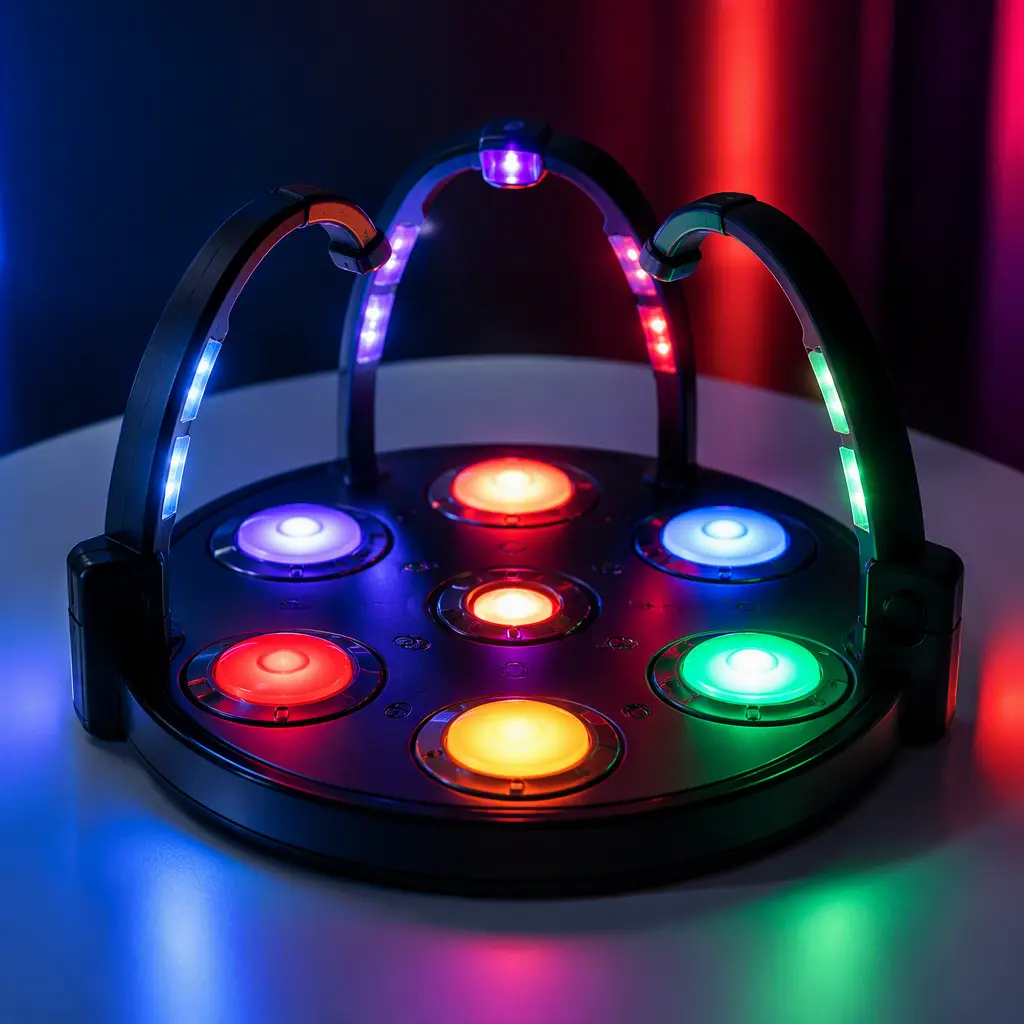
Loopz arrived in 2010 with flashing lights, motion sensors, and fast audio cues that made a simple reflex game feel like an arcade challenge at home. Its quick rounds and active play helped it stand out in the electronic toy boom.
Modern
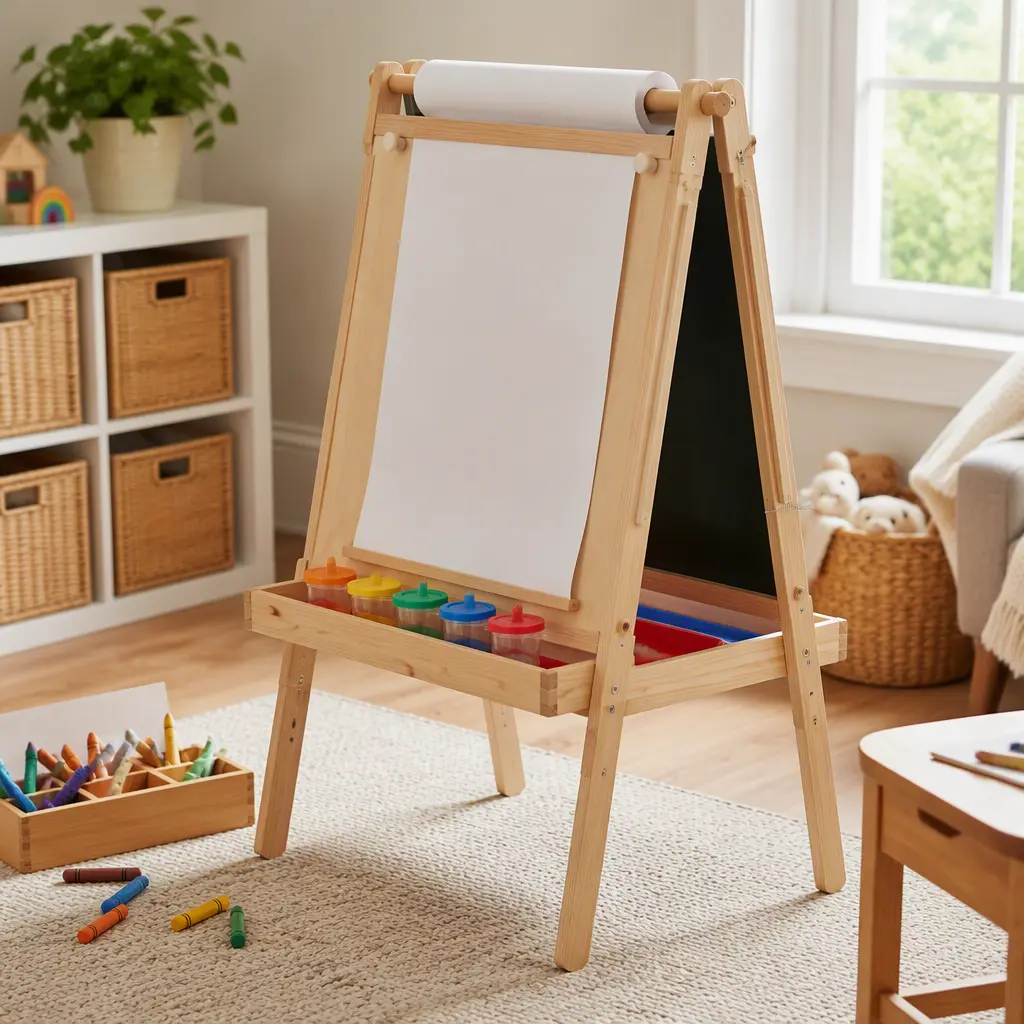
The Melissa & Doug easel turned a classic classroom idea into a durable home art station, giving children a reusable space for drawing, painting, magnets, and open-ended creative play.
Modern
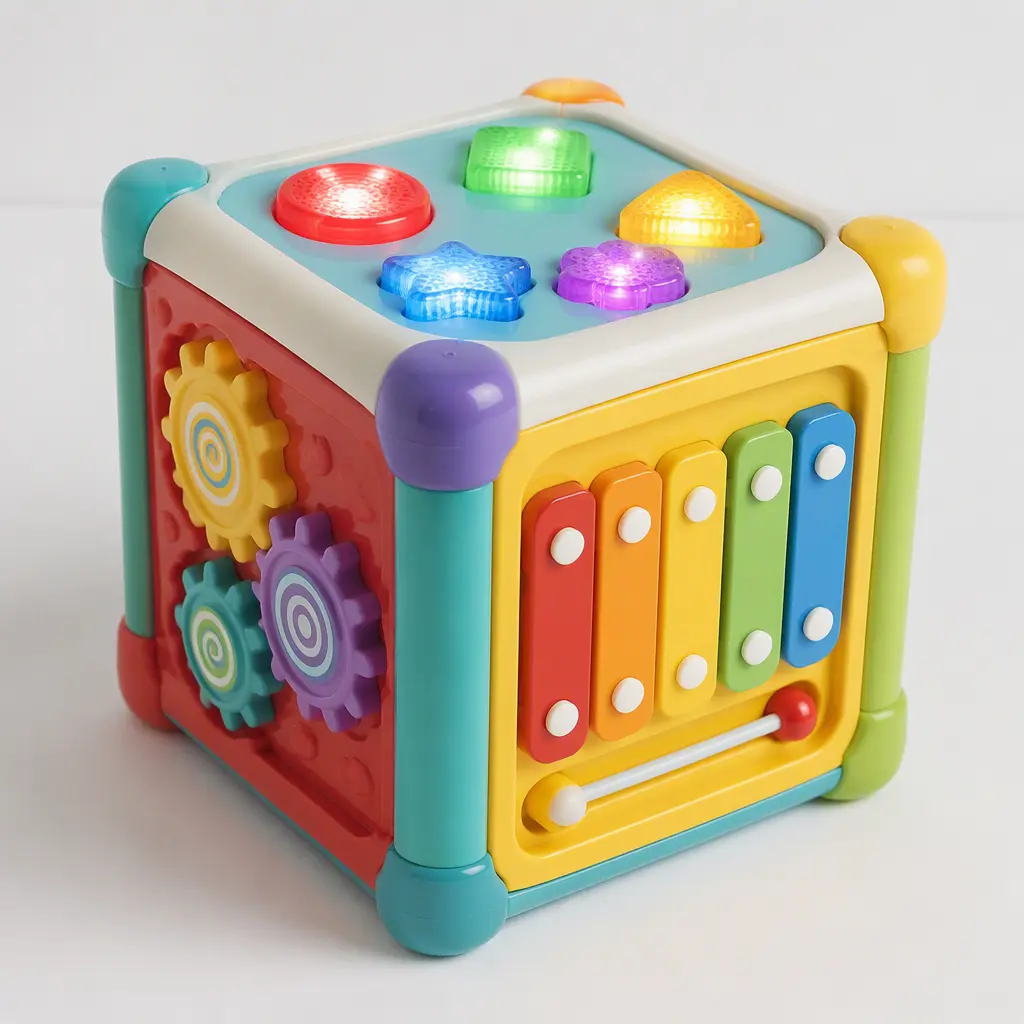
The Munchkin Mozart Magic Cube turned simple button-pressing into an introduction to layered classical music, blending sensory play with early music exploration for young children.
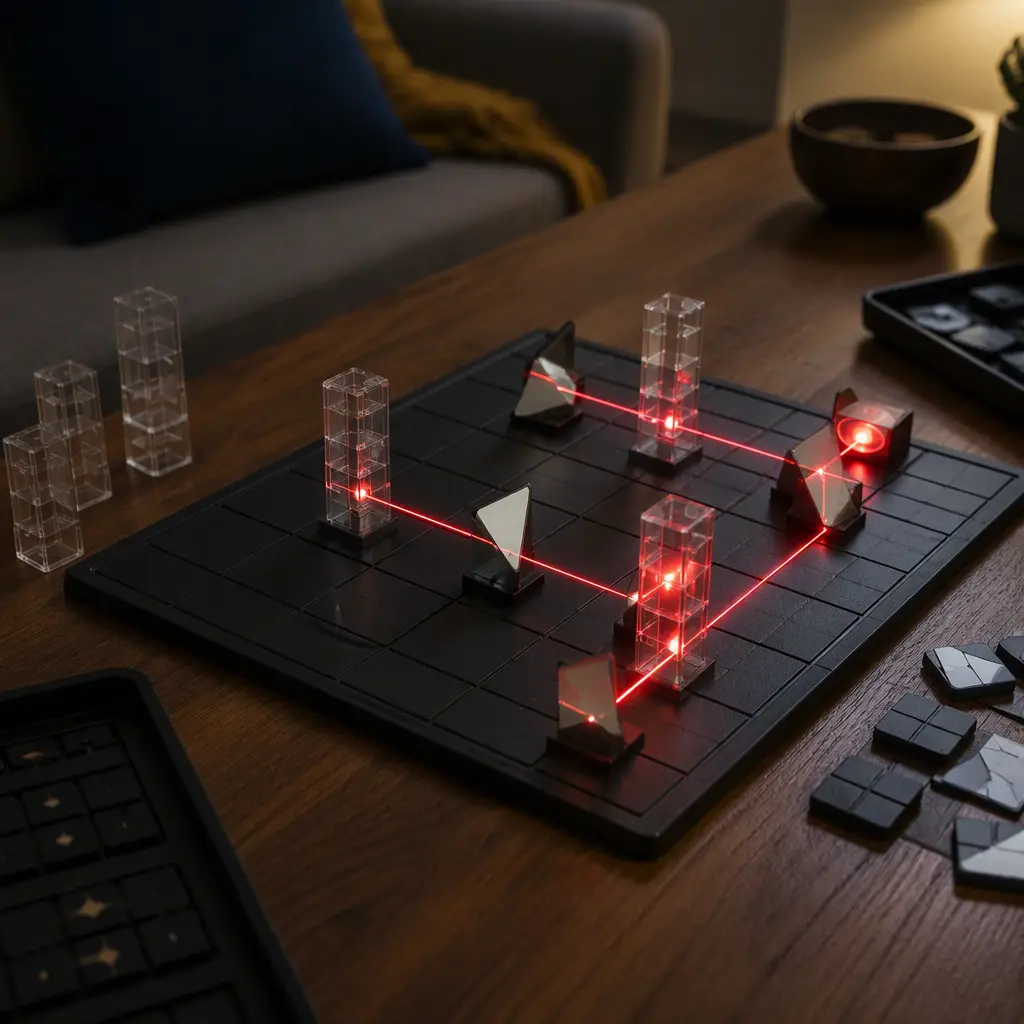
Modern · 2007
Laser Maze turned mirrors, splitters, and beams of light into a family-friendly logic challenge. Since 2007, the tabletop puzzle has blended STEM concepts with satisfying hands-on play.
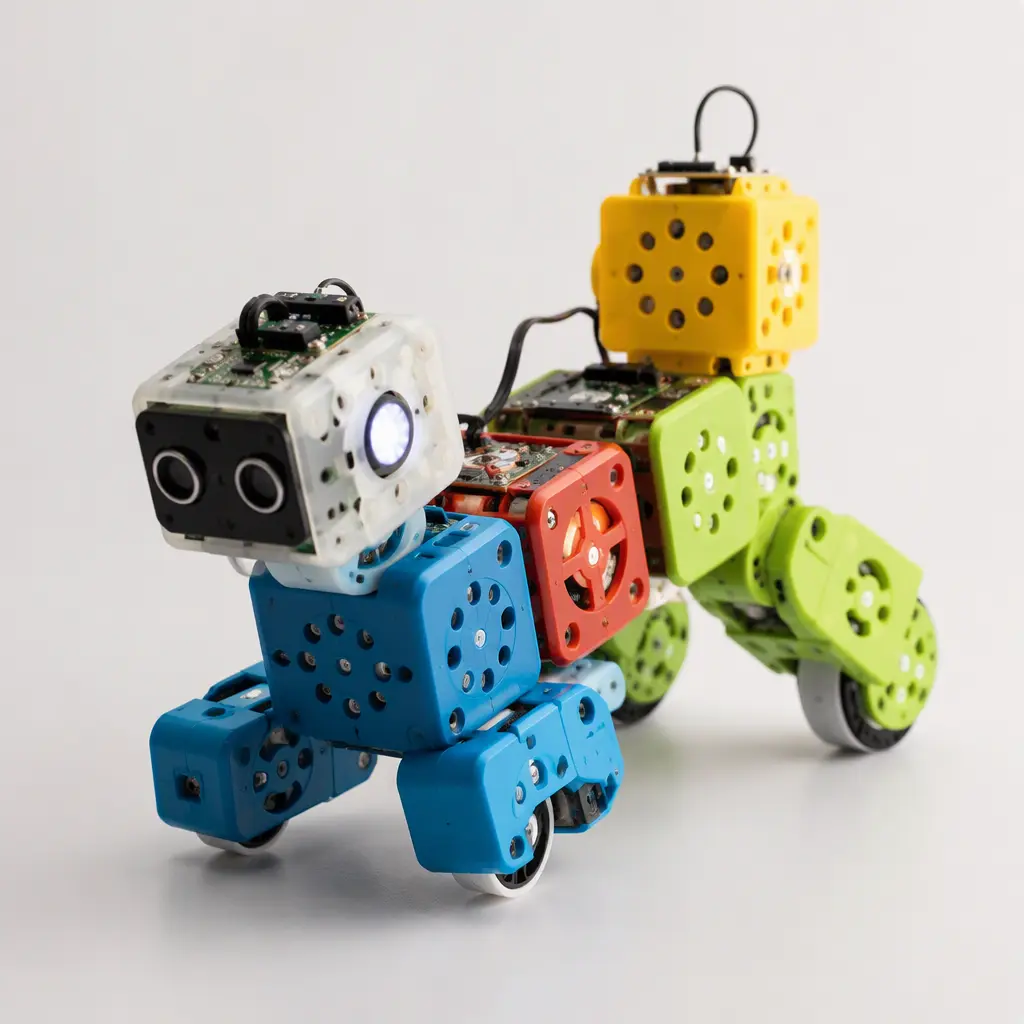
Modern · 2012
Cubelets transformed robotics kits into snap-together blocks that teach coding logic through movement, light, and sensors, giving kids a tactile way to explore STEM concepts without relying on screens.
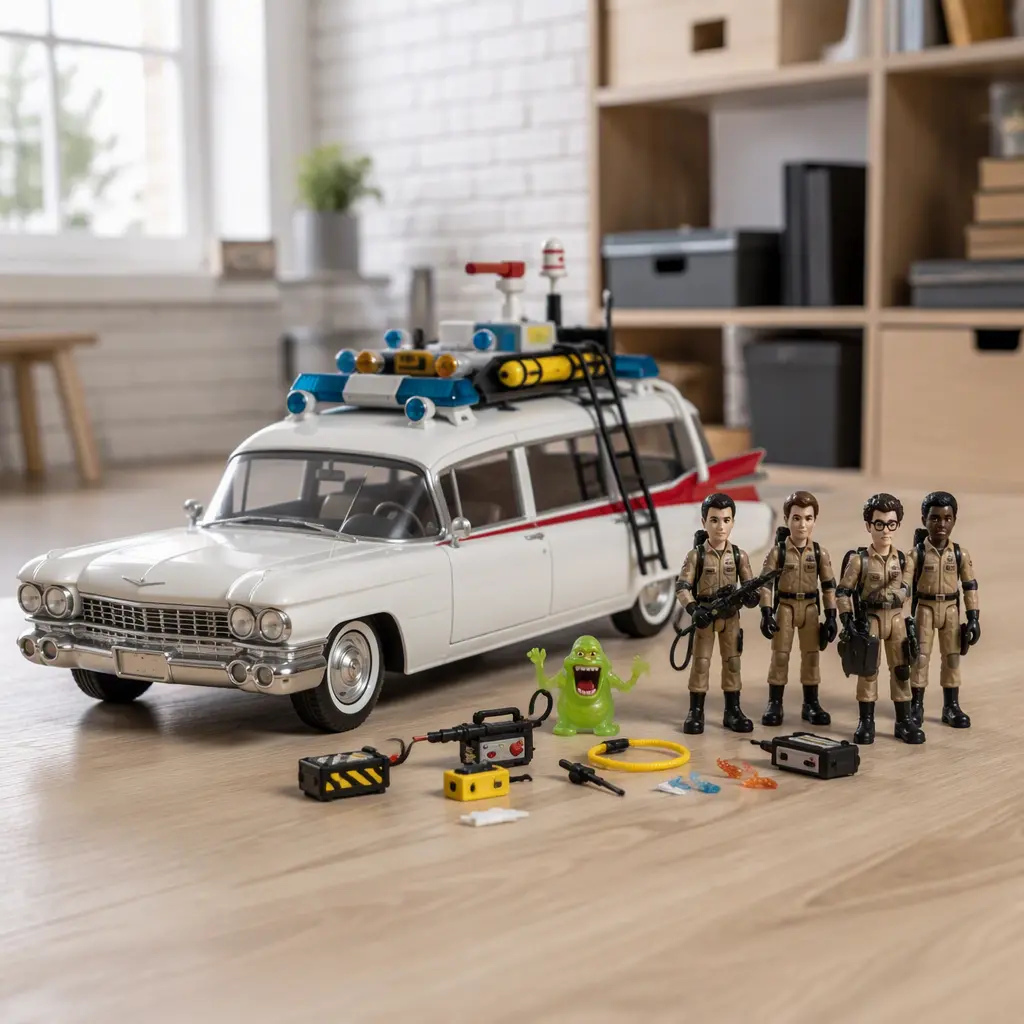
Modern · 2017
Playmobil’s Ghostbusters Ecto-1 turned an adult nostalgia property into open-ended pretend play, blending movie-inspired details with durable figures and accessible storytelling for younger fans.
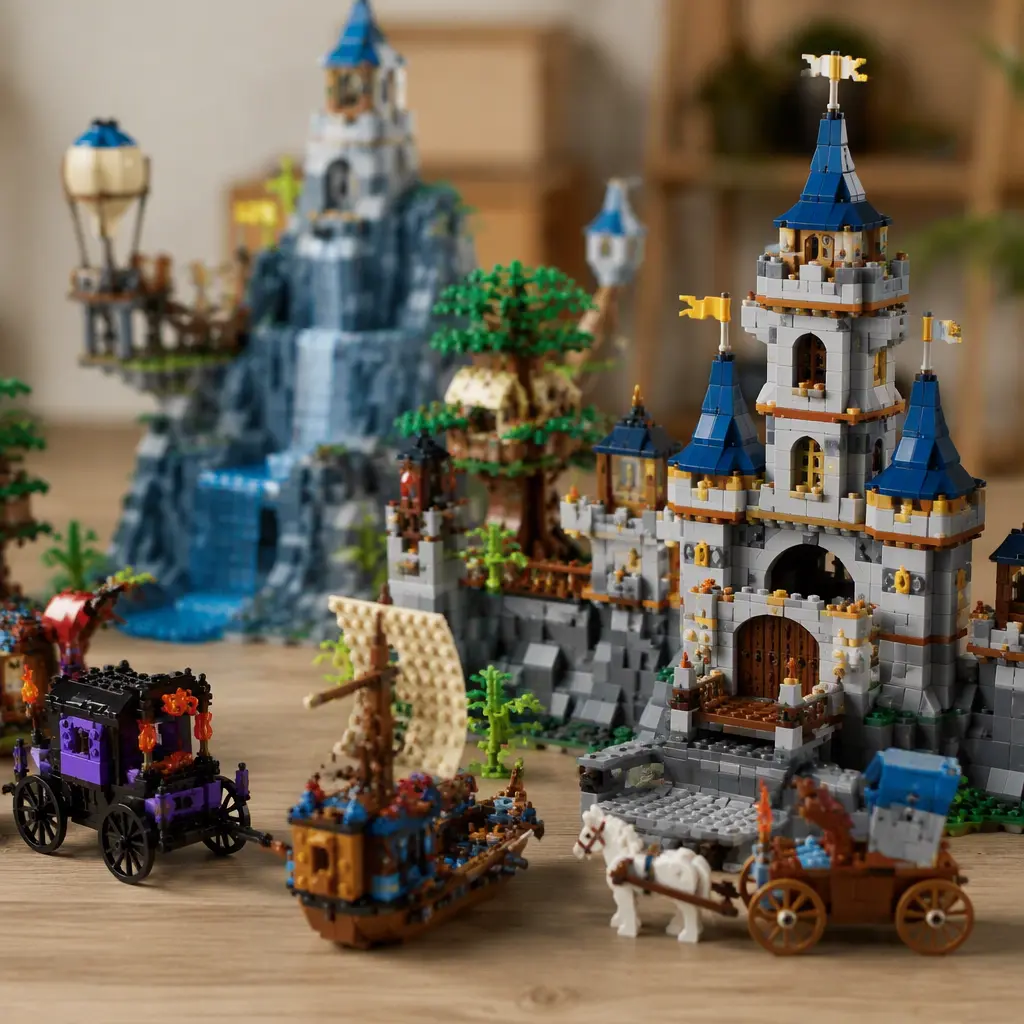
Modern · 2009
Launched in the UK in 2009, Character Building brought TV, film, and game licenses into brick construction play, offering an alternative to traditional building brands with familiar worlds and collectible figures.
Modern · 2004
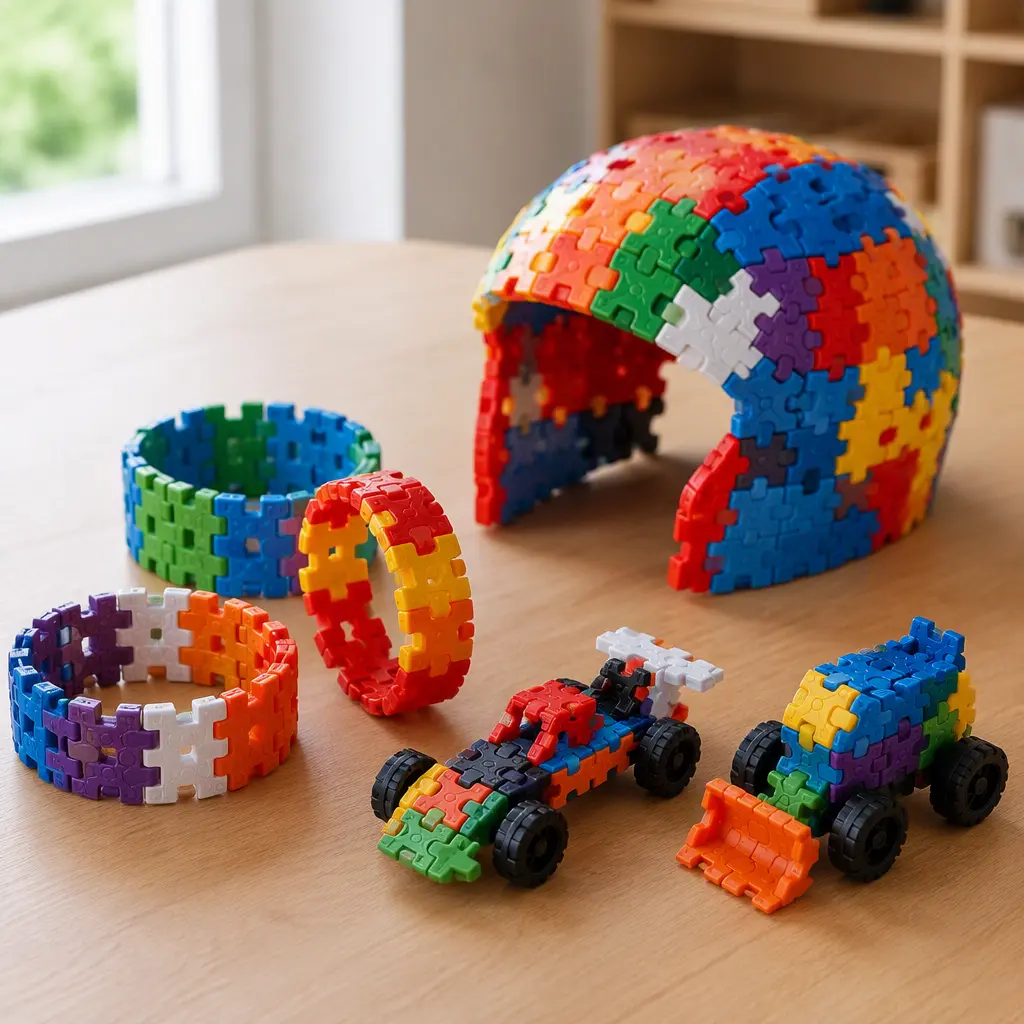
Clics turned simple plastic strips into helmets, bracelets, vehicles, and oversized models with a flexible snap system that encouraged open-ended building and wearable play.
Modern · 2000
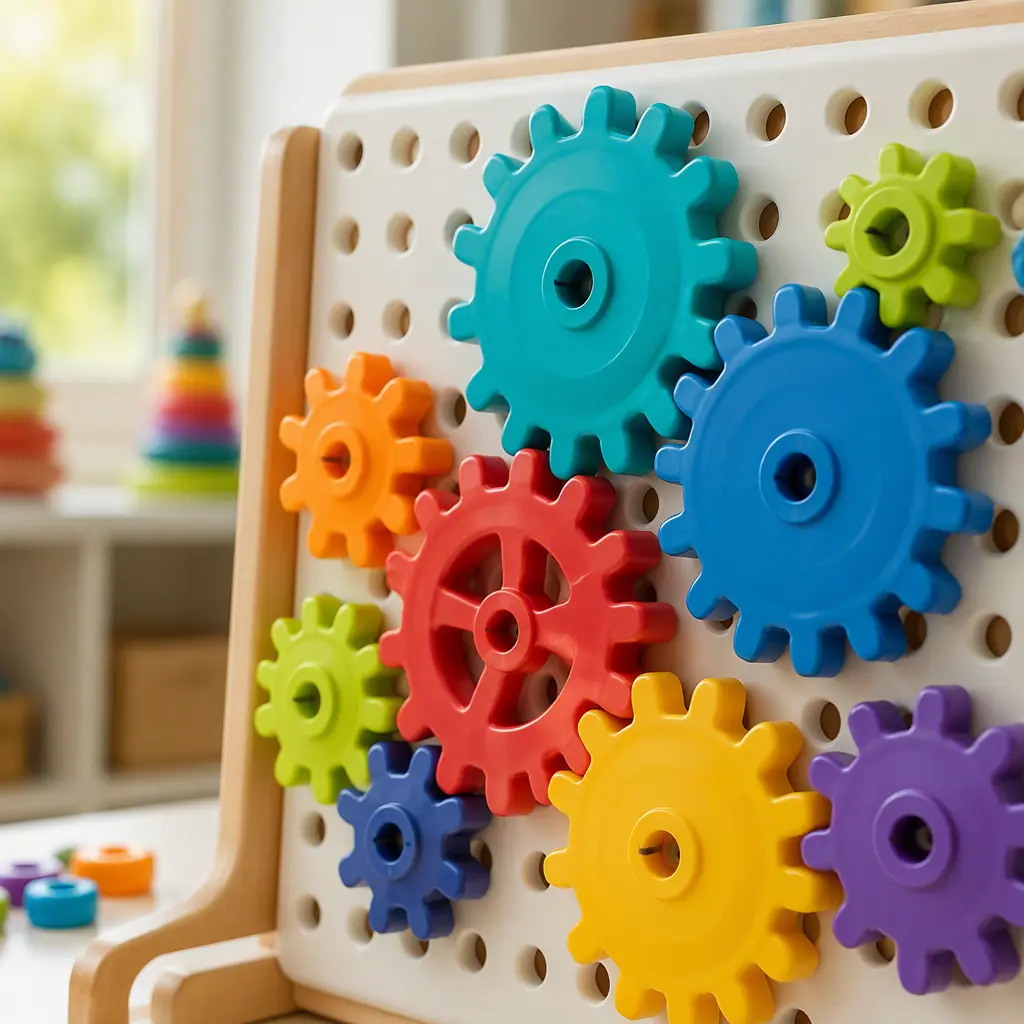
Georello turned colorful interlocking gears into a hands-on lesson in cause and effect. Its open-ended building style still makes it a clear, approachable introduction to mechanical thinking.
Modern · 1996
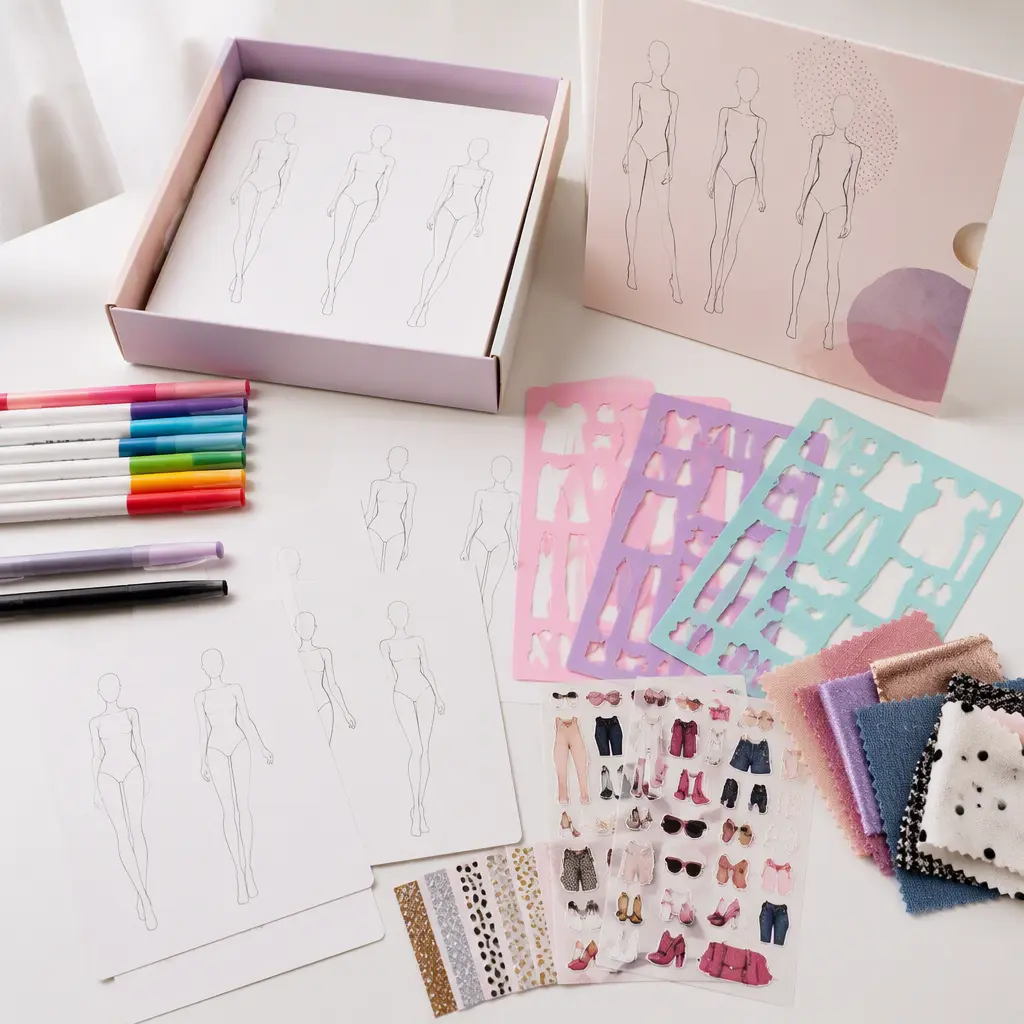
Fashion Angels turned sketchbooks, stickers, and stencils into an approachable fashion-design hobby. Even in a digital era, the hands-on mix-and-match format still appeals to creative kids and collectors.
Modern · 2001
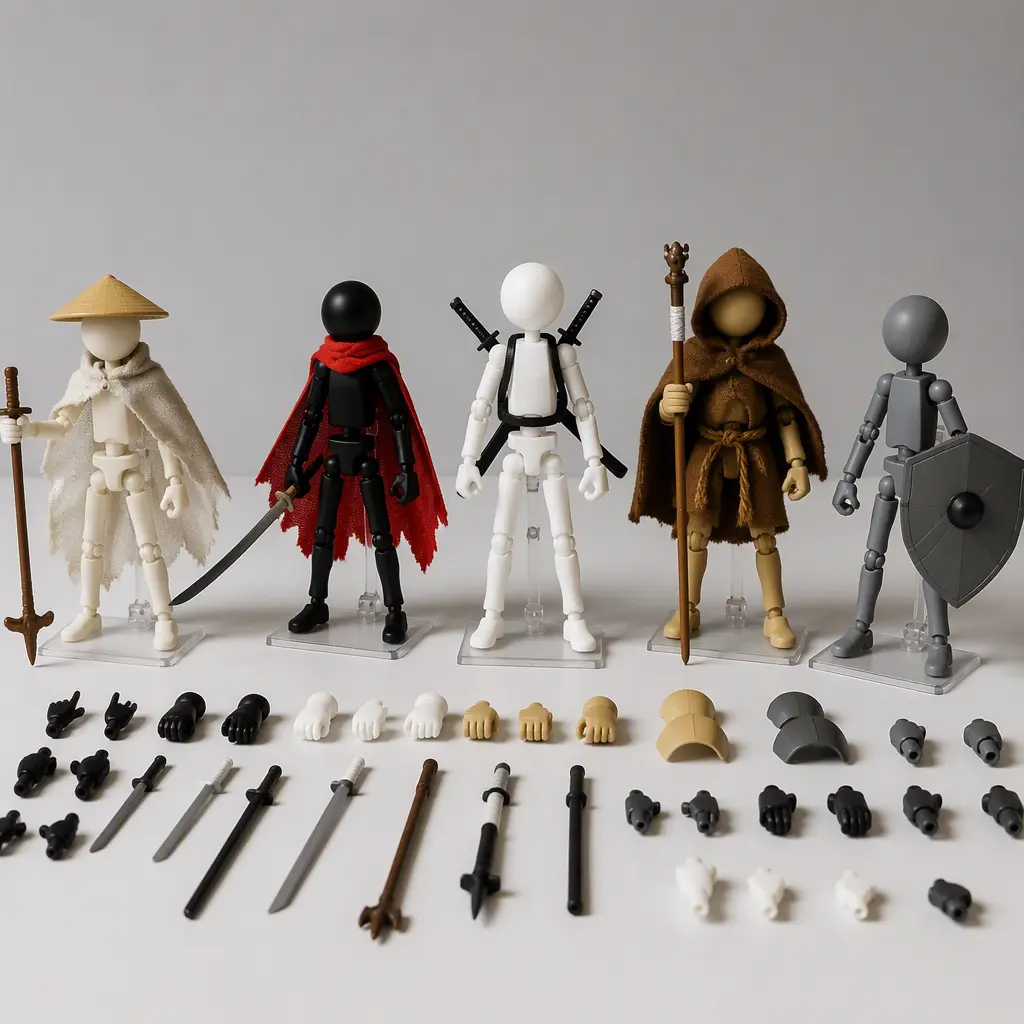
Launched in the early 2000s, Stikfas combined model-kit assembly with highly poseable action figures, anticipating today's customizable collectibles and creator-focused toy culture.
Modern · 2002
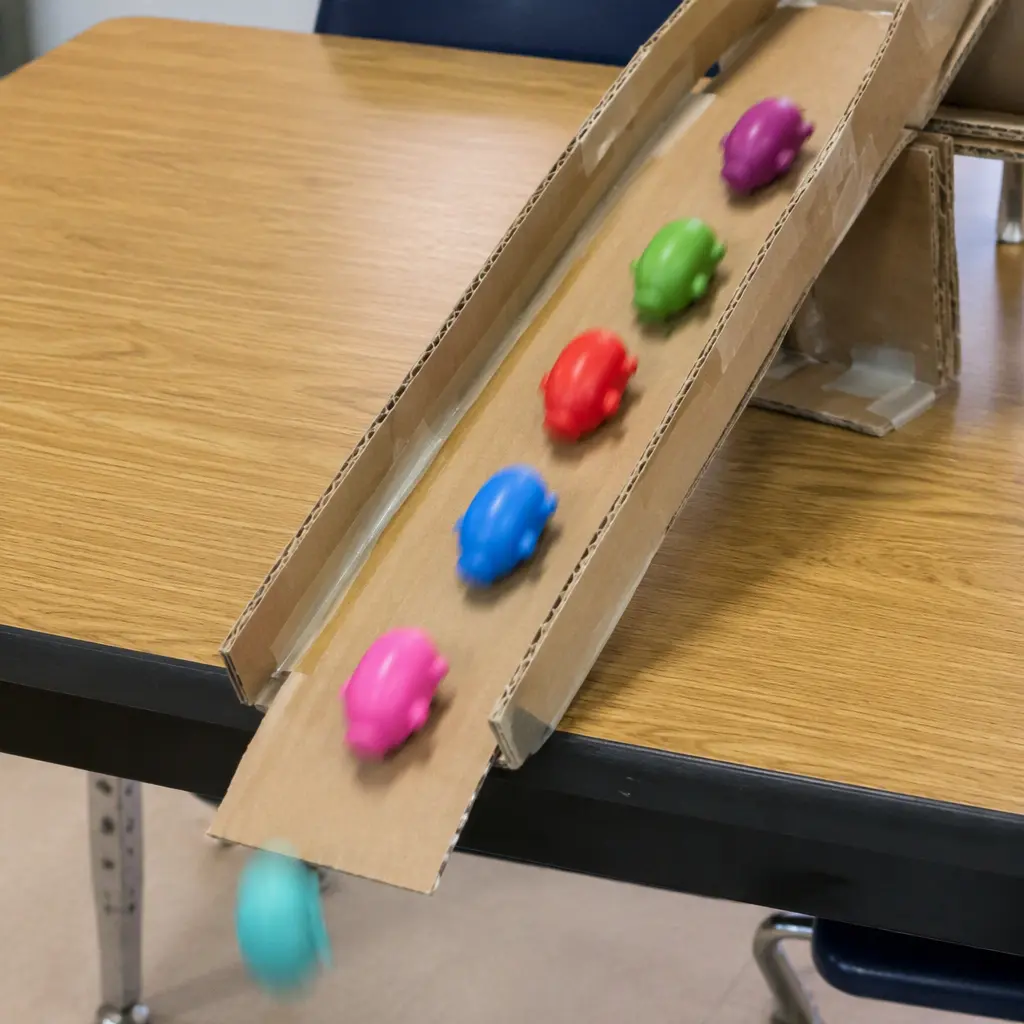
Mighty Beanz turned simple bean-shaped capsules into collectible stunt toys, blending chance, skill, and playground competition during the early 2000s craze.
Modern · 2003
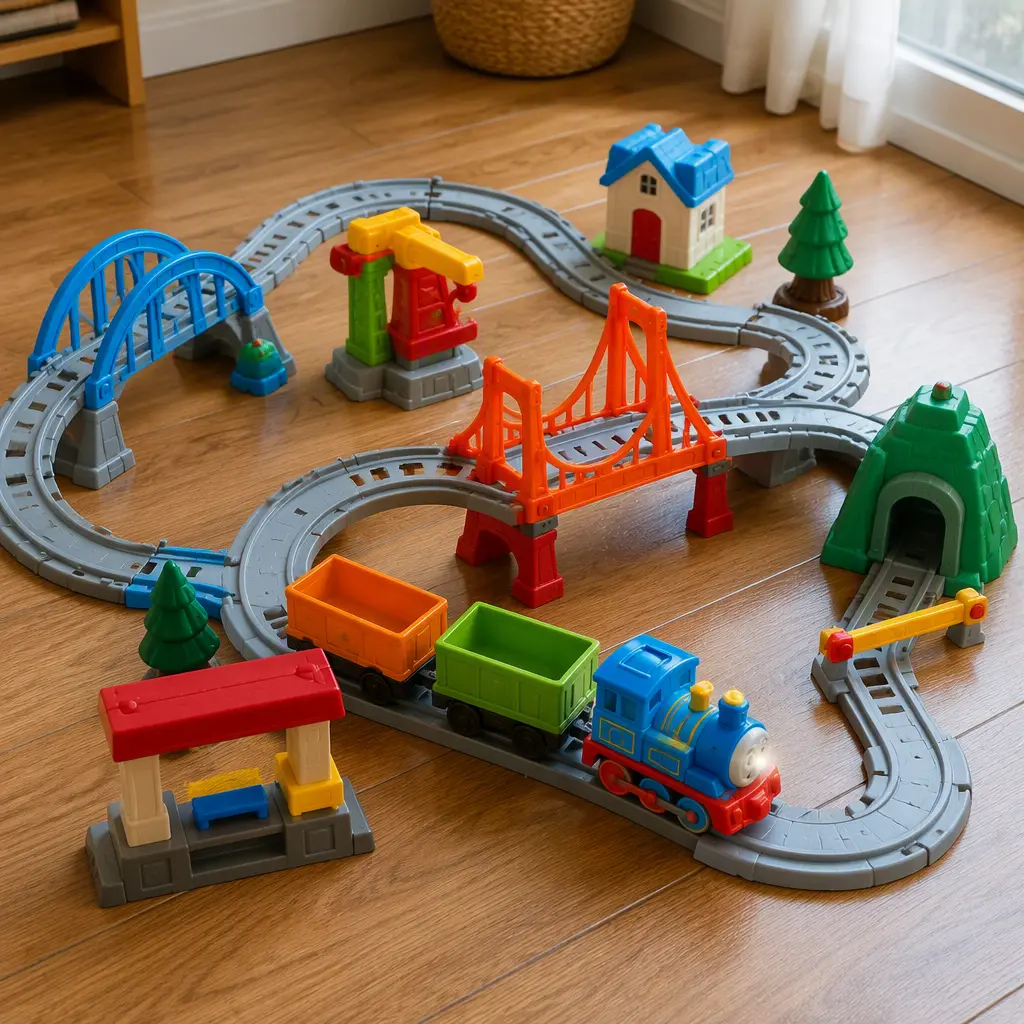
Fisher-Price GeoTrax combined chunky toddler-friendly tracks with battery-powered trains and remote-triggered action, creating a railway system that stayed approachable for younger kids.
Modern · 2003
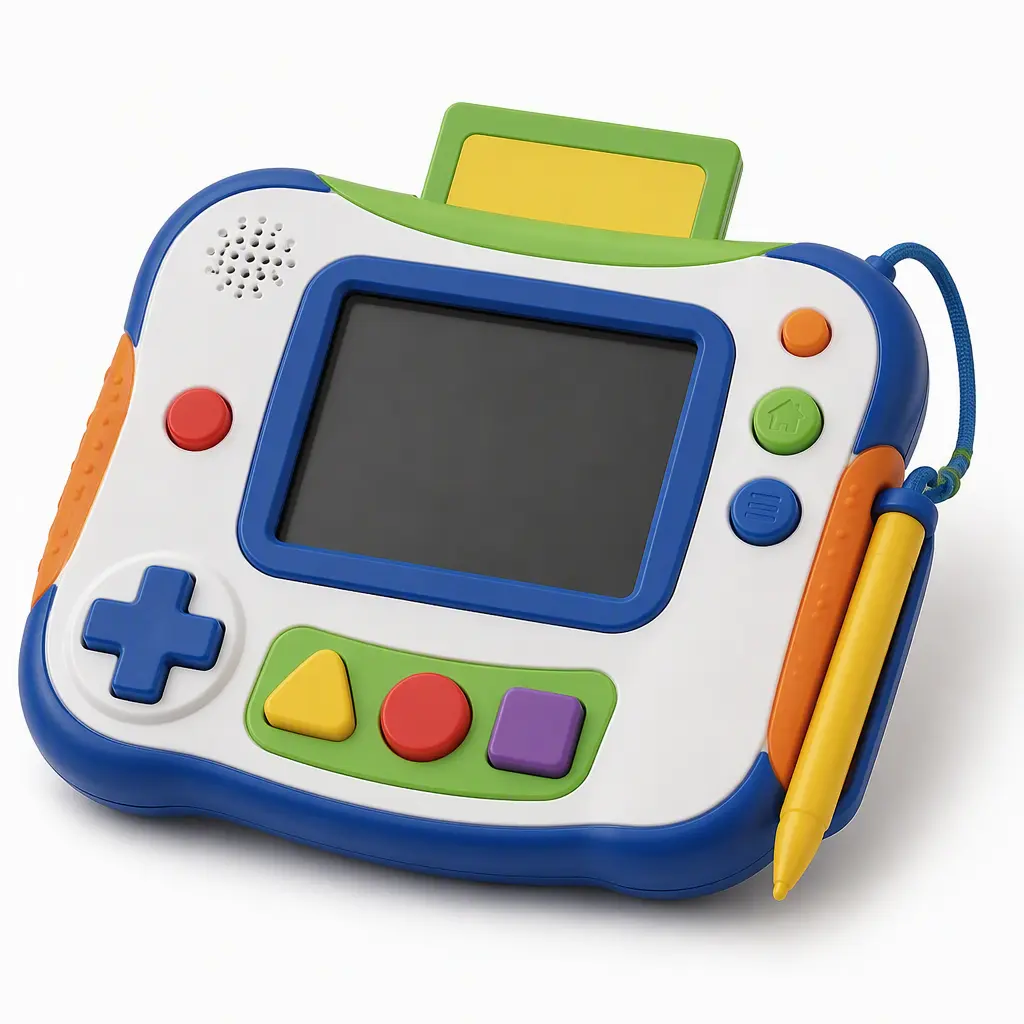
LeapFrog’s Leapster blended educational software with the look and feel of a handheld console, turning reading, math, and problem-solving into a familiar gaming ritual for many children in the 2000s.
Modern · 2014
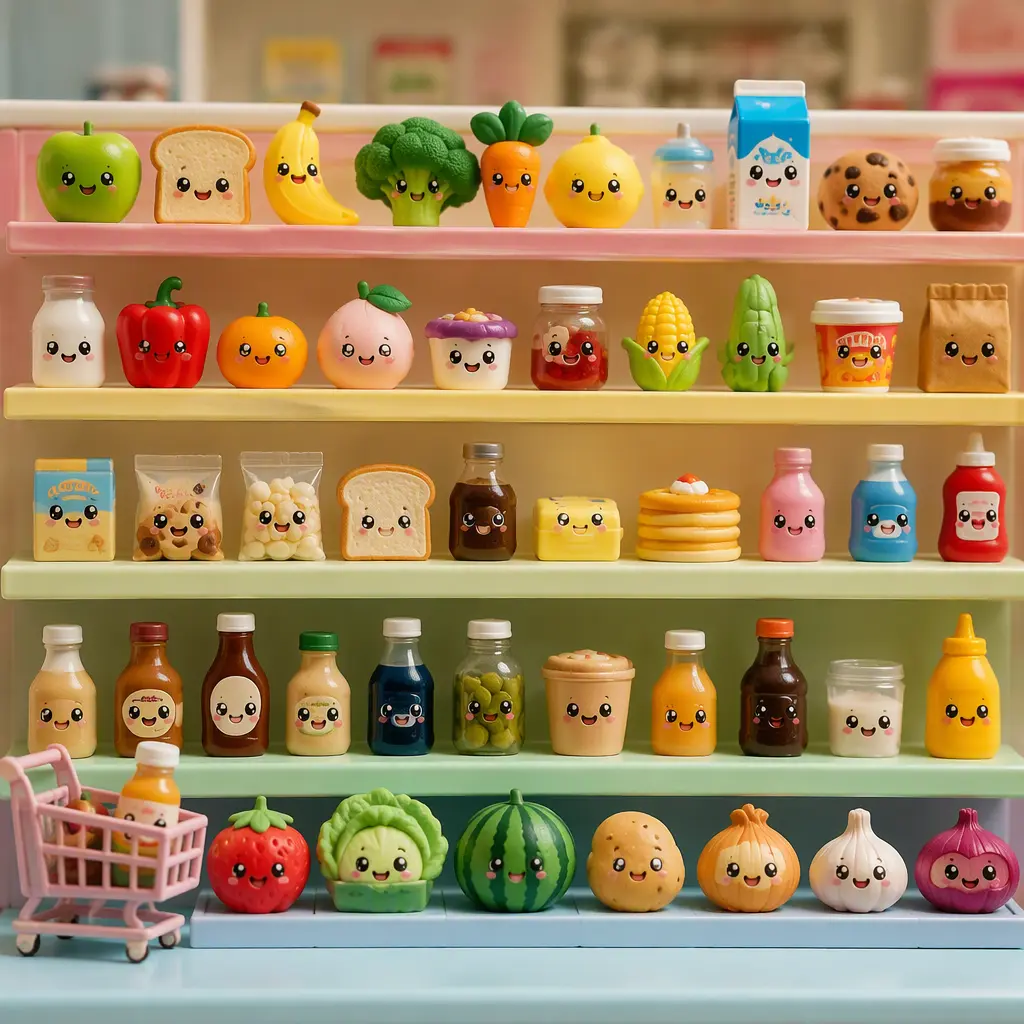
Launched in 2014, Shopkins turned miniature grocery items into a major playground craze. Their mix of surprise reveals, trading culture, and affordable collecting helped define toy trends of the 2010s.
Modern · 2005
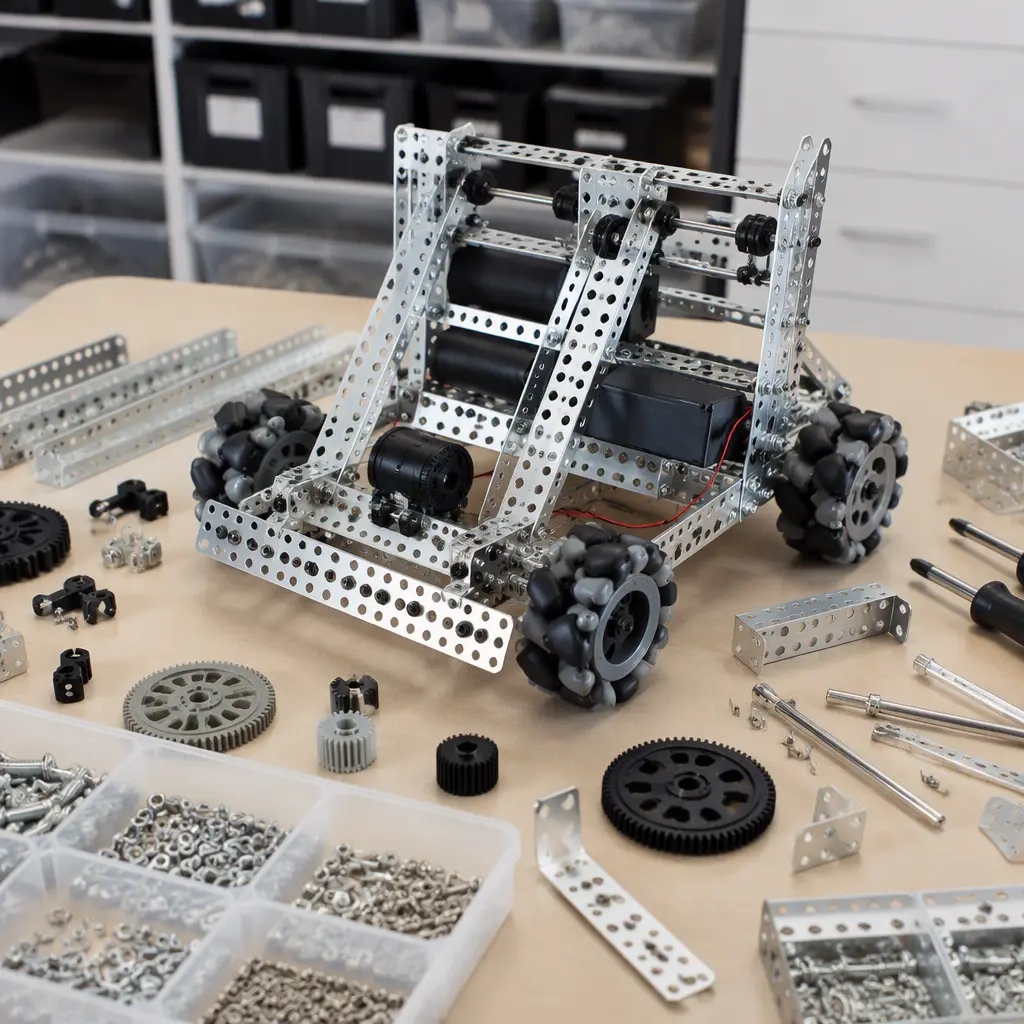
VEX Robotics turned classroom engineering ideas into hands-on building challenges, blending metal parts, coding, and competition into a toy family that appeals to students, hobbyists, and schools alike.

Modern · 2005
Part plush toy, part December ritual, Elf on the Shelf turned holiday countdowns into nightly storytelling and family participation after its 2005 debut.
Modern · 2018
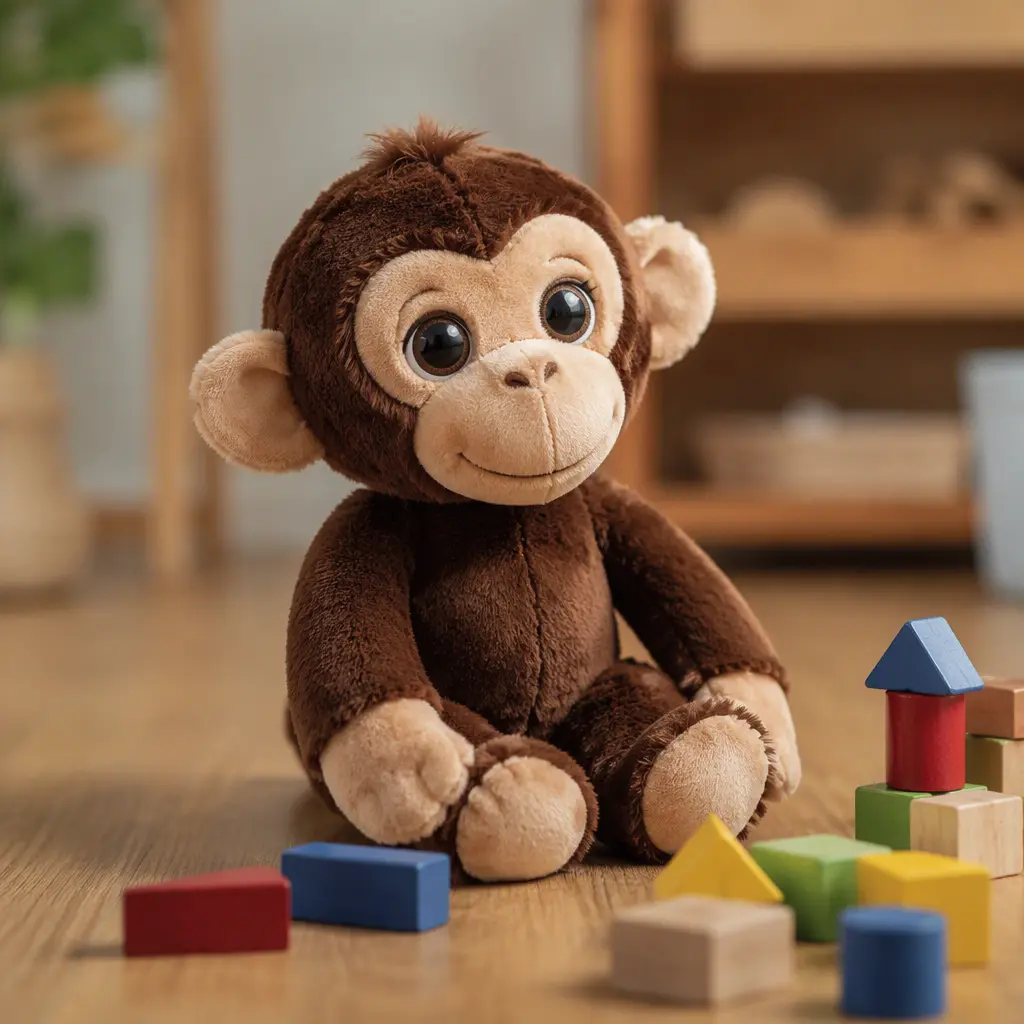
Released during the late-2010s wave of interactive plush toys, furReal Peanut the Playful Monkey stood out with expressive motion, touch responses, and a mix of cuddly charm and simple robotics.
Modern · 2000
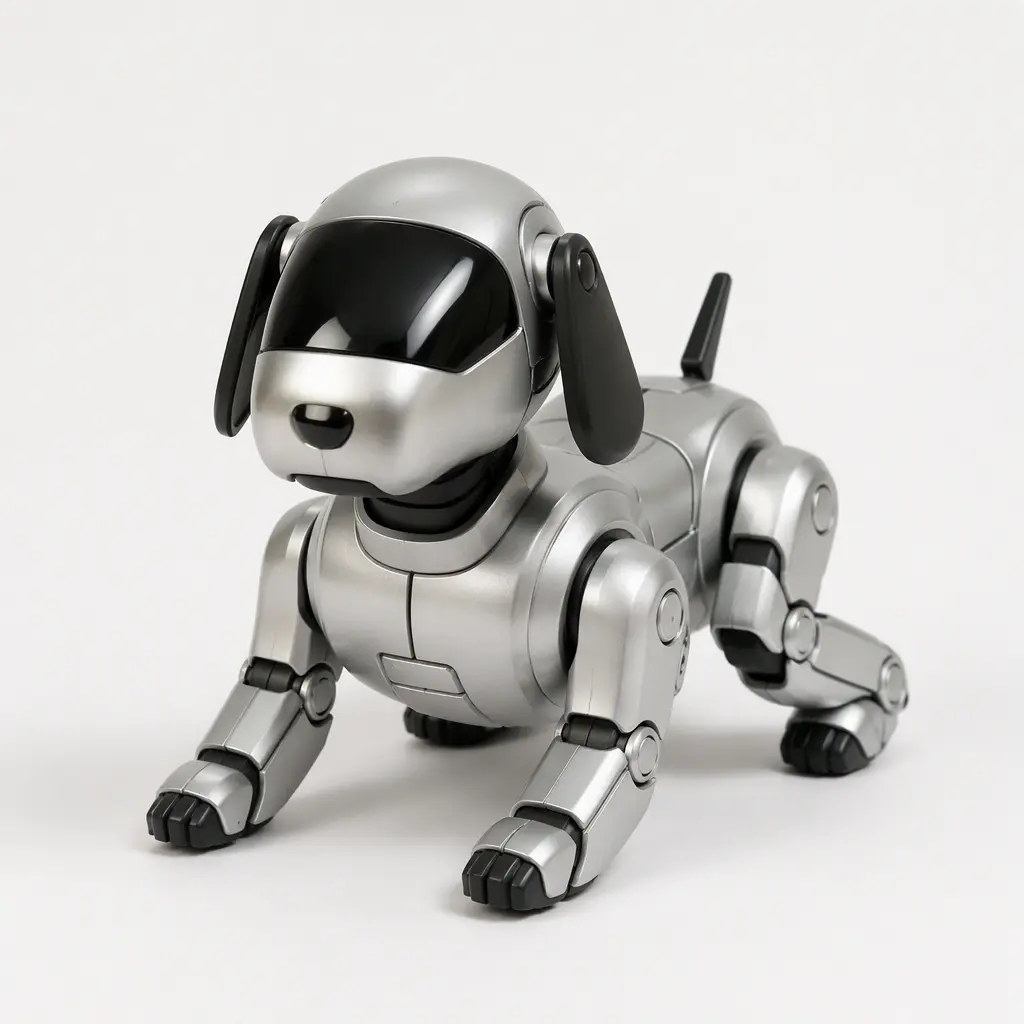
Poo-Chi arrived in 2000 as a low-cost robotic pet with sounds, sensors, and personality. Its mix of simple robotics and expressive behavior hinted at the connected toys that would soon follow.
Modern · 2019
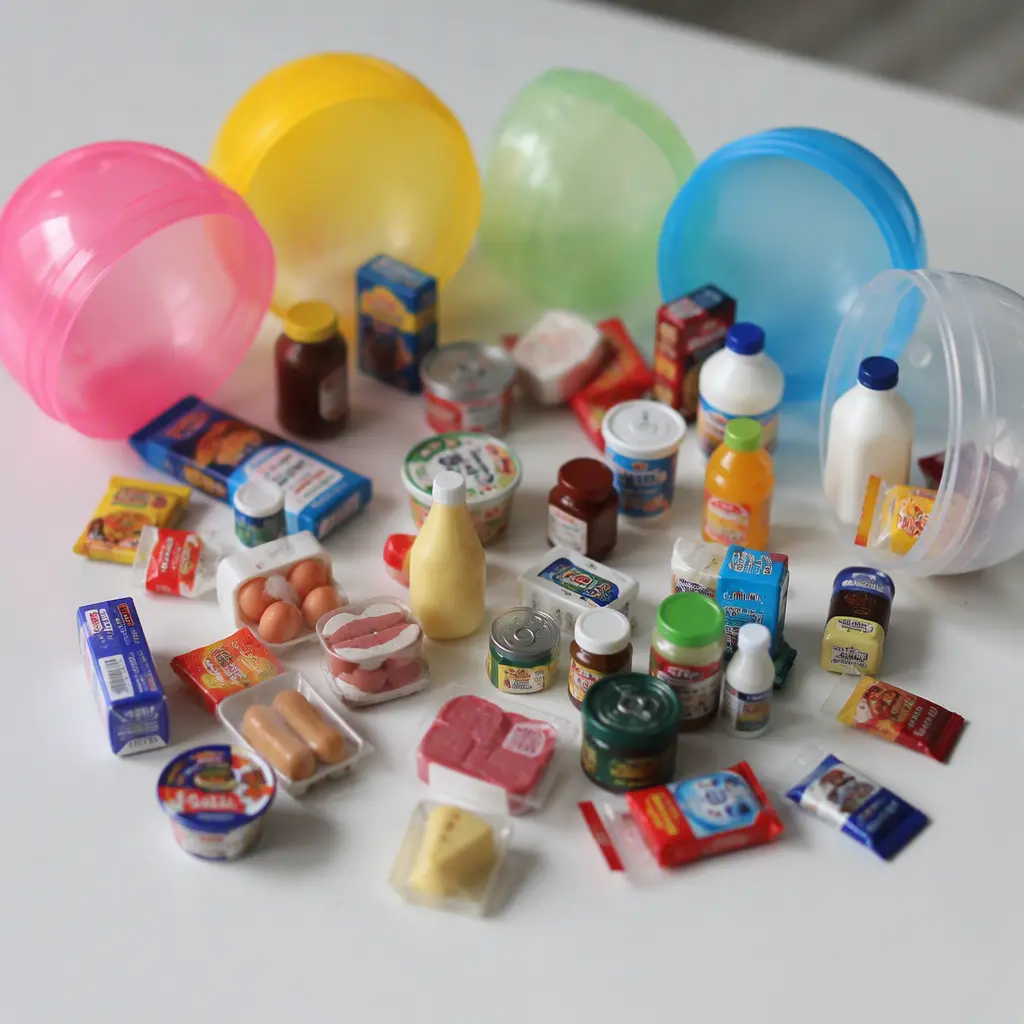
Launched in 2019, 5 Surprise Mini Brands turned miniature grocery replicas into a fast-growing collectible craze by combining unboxing surprises, pretend play, and detailed tiny packaging.
Modern · 2002
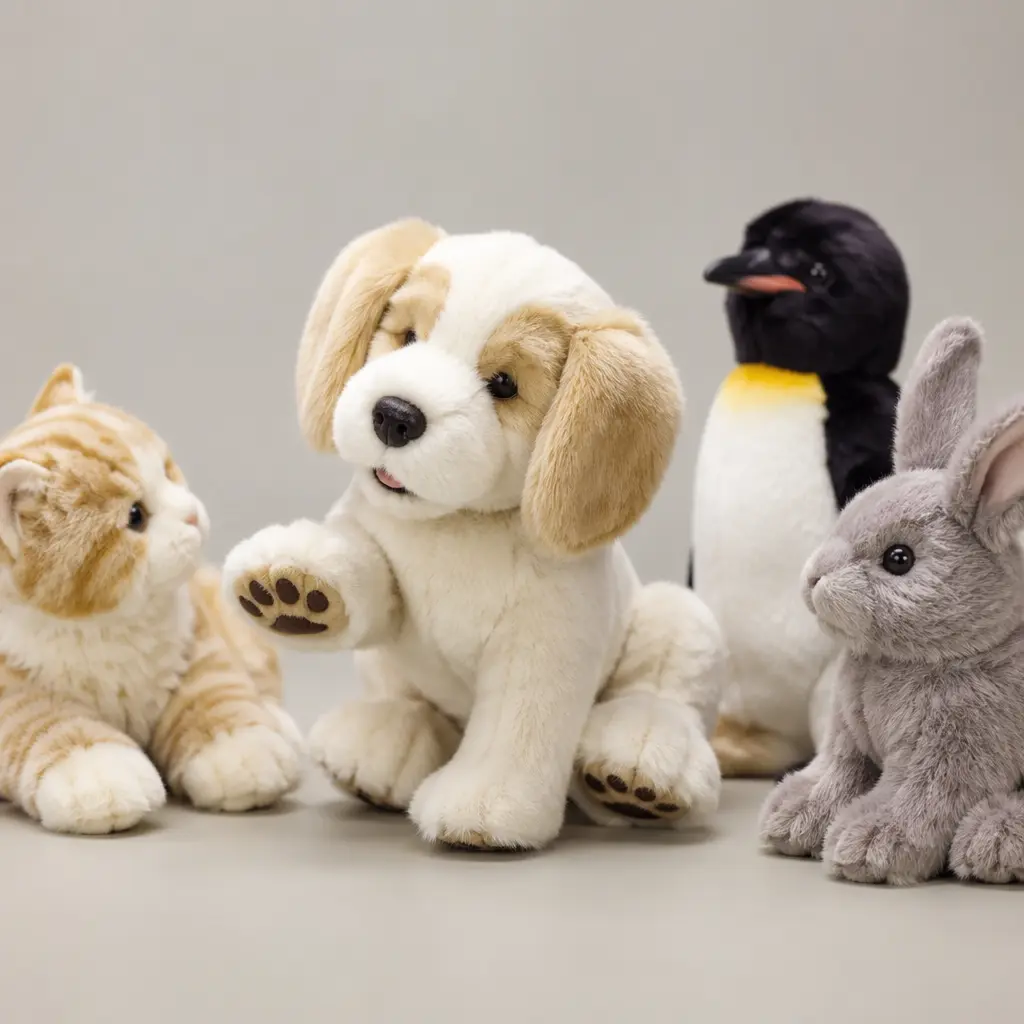
FurReal Friends turned plush animals into responsive robotic companions, blending soft toy comfort with sensors, sounds, and movement in a way that shaped modern interactive toys.
Modern · 2013
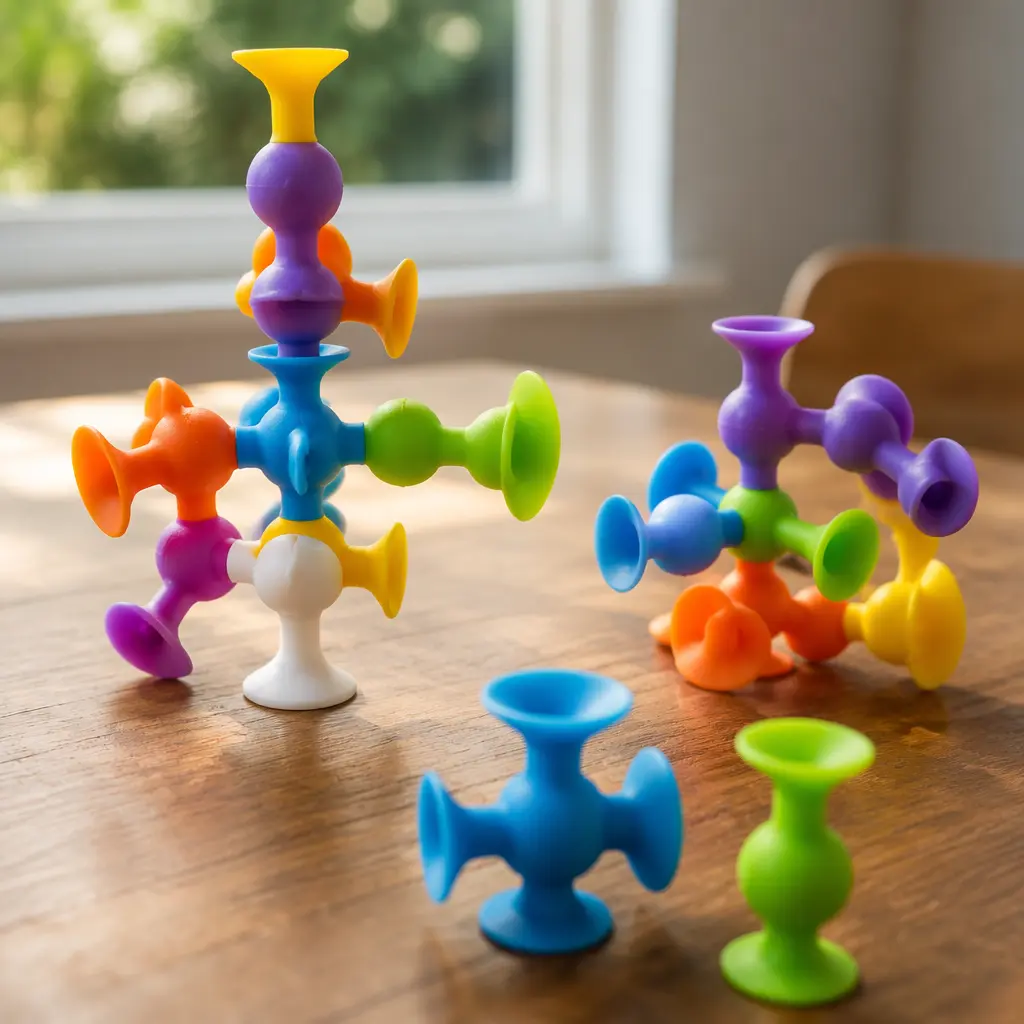
Squigz turned simple silicone suction cups into a modern construction toy with strong sensory appeal. Their tactile design, flexible play patterns, and satisfying pop made them a standout family toy.
Modern · 2006
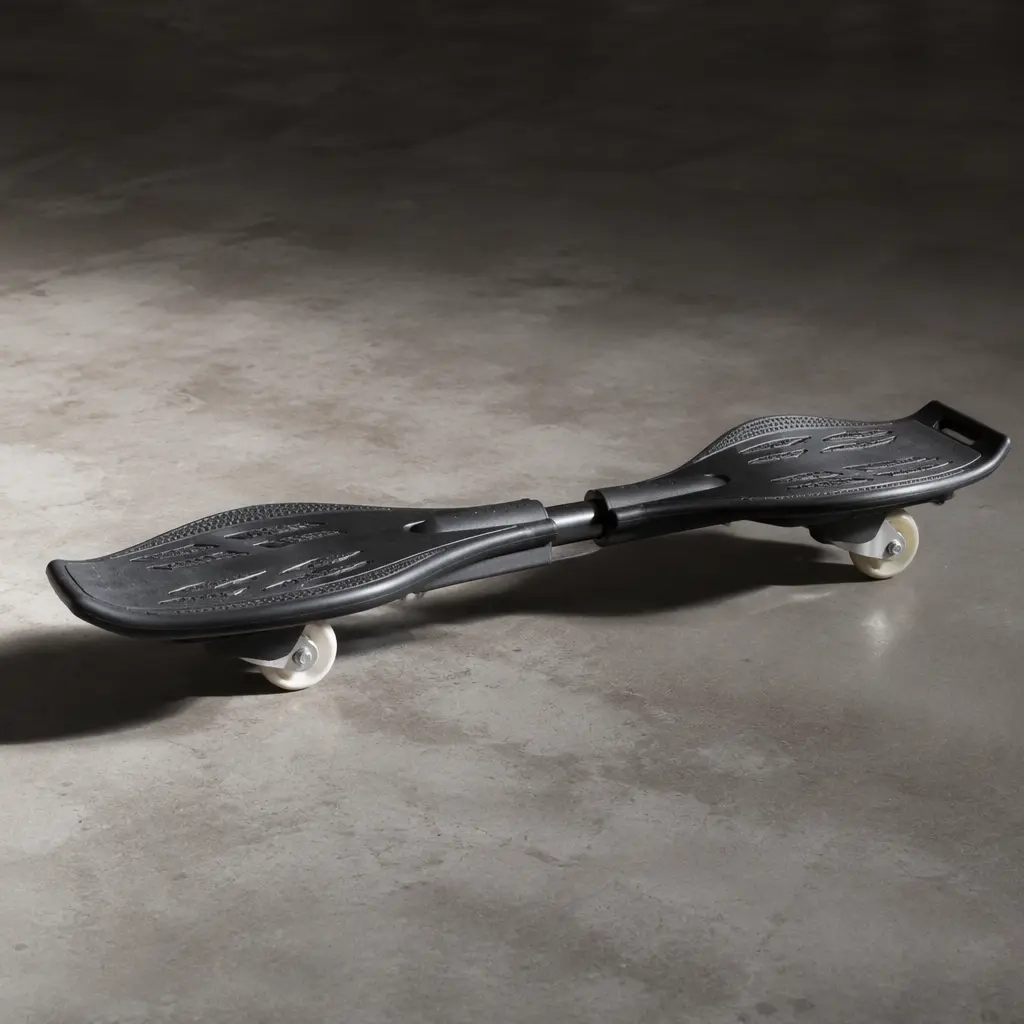
Part skateboard, part scooter alternative, the Razor RipStik turned side-to-side carving into a generation-defining ride-on trend after its 2006 debut.
Modern · 2002
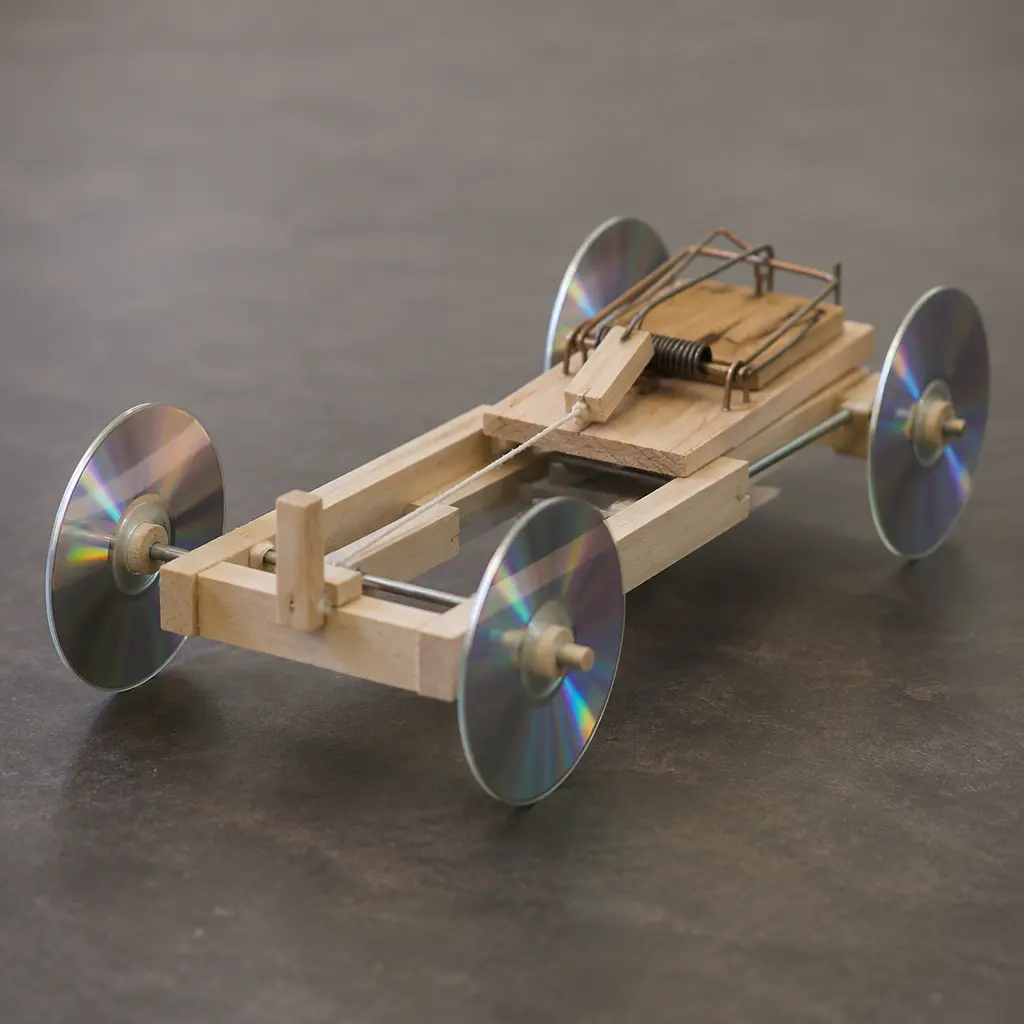
Built from simple materials and powered by a mousetrap spring, mousetrap cars became a popular hands-on STEM project by turning force, friction, and design tradeoffs into a competitive home challenge.
Modern
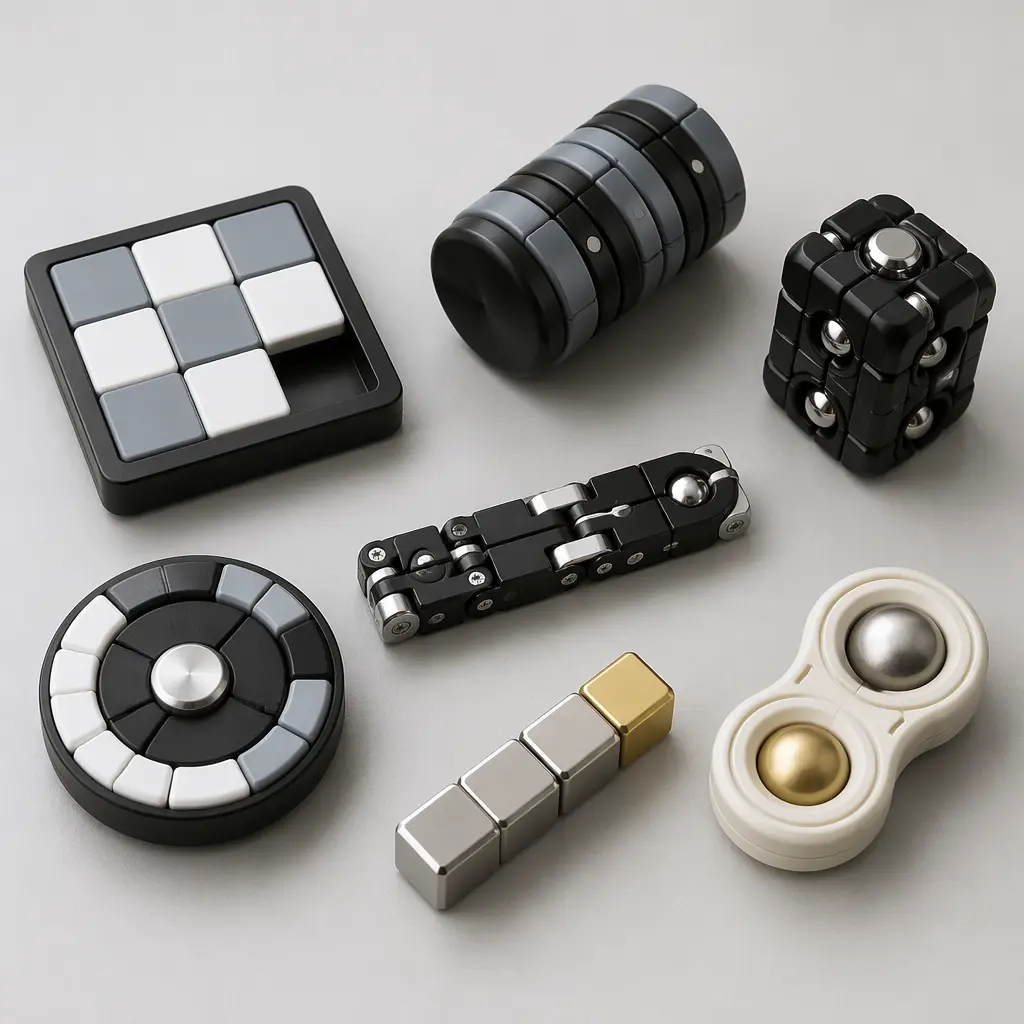
Compact fidget-puzzle hybrids have become a modern desk and travel staple. Gotcha Gadgets blends tactile play, quick problem-solving, and pocket-size design into a toy family made for short bursts of focus.
Modern
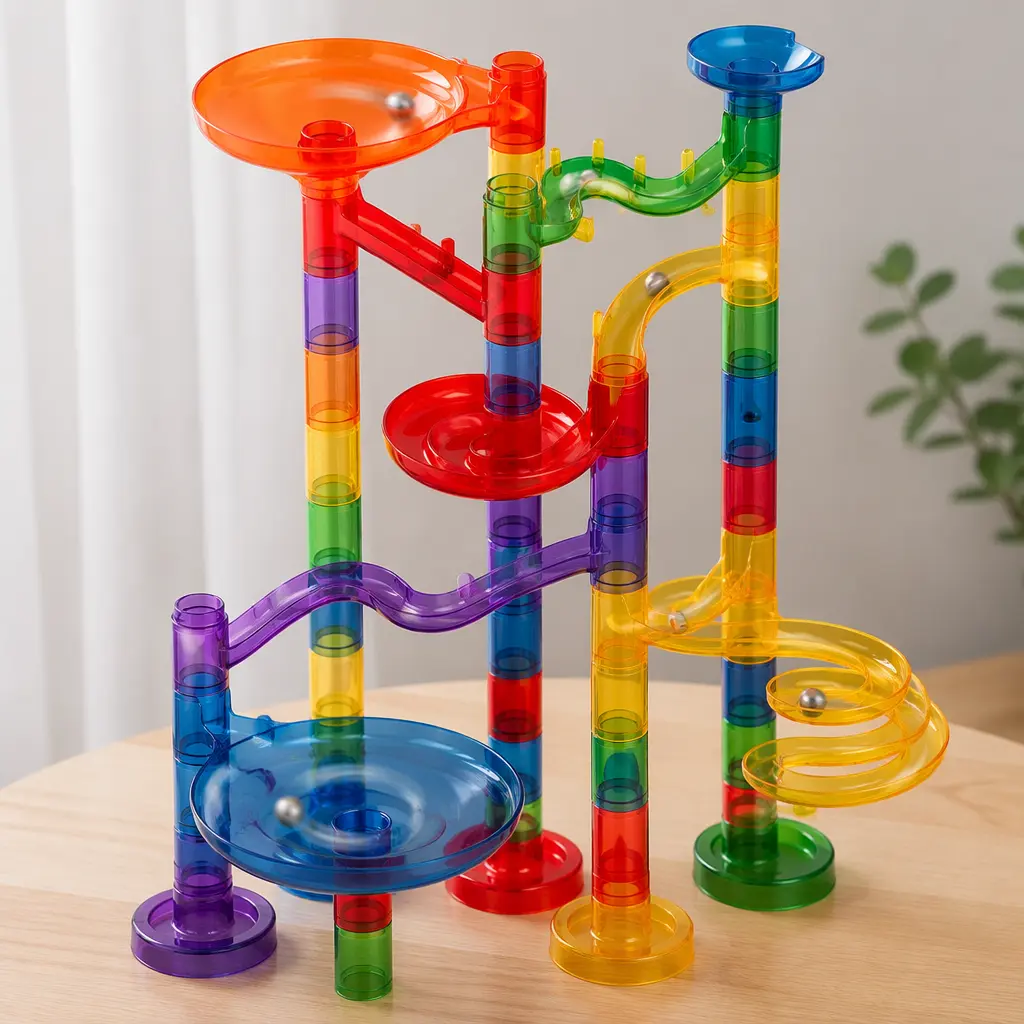
Marble Genius marble runs turned colorful track building into a hands-on lesson in gravity, planning, and problem-solving, helping modern STEM toys feel creative instead of classroom-like.
Modern · 2015
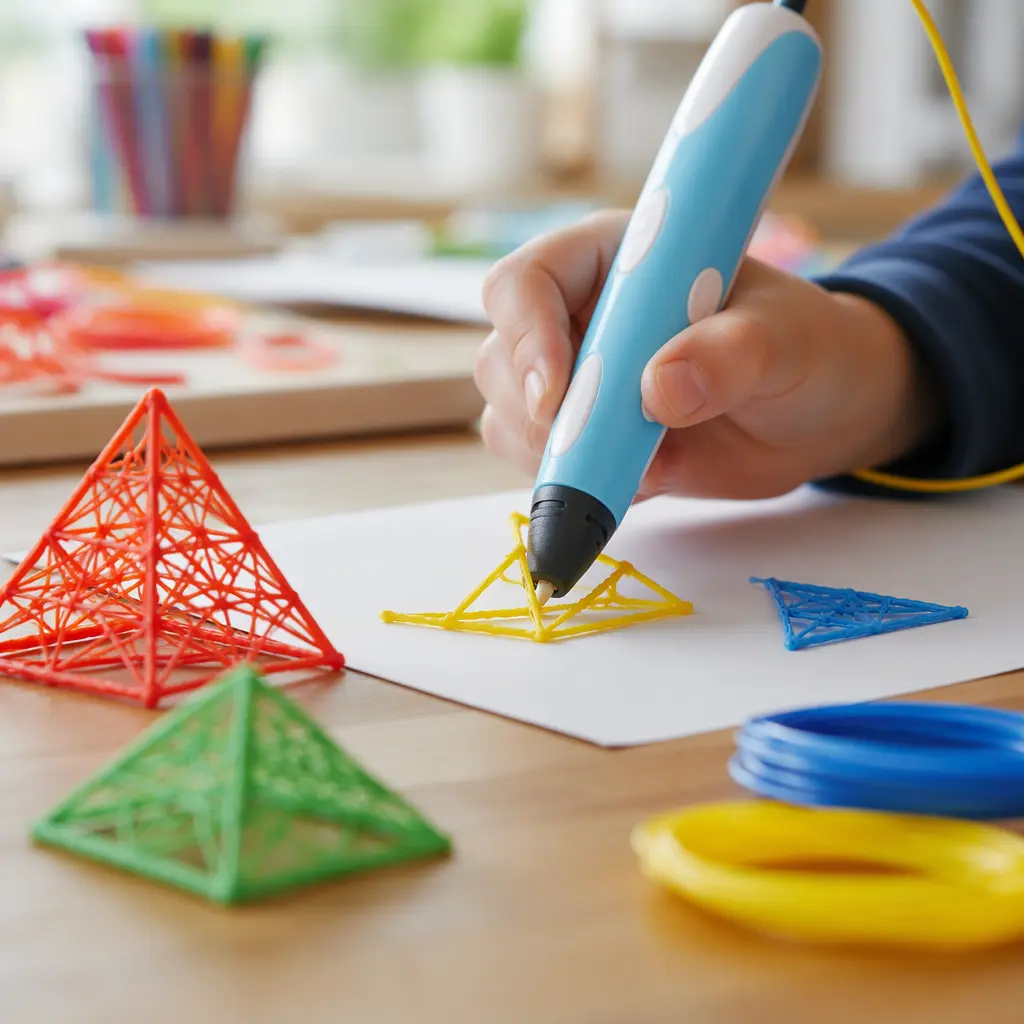
The 3Doodler Start turned the idea of 3D printing into a hands-on craft activity for kids, using low-heat plastic and open-ended building to bring invention to the kitchen table.
Modern
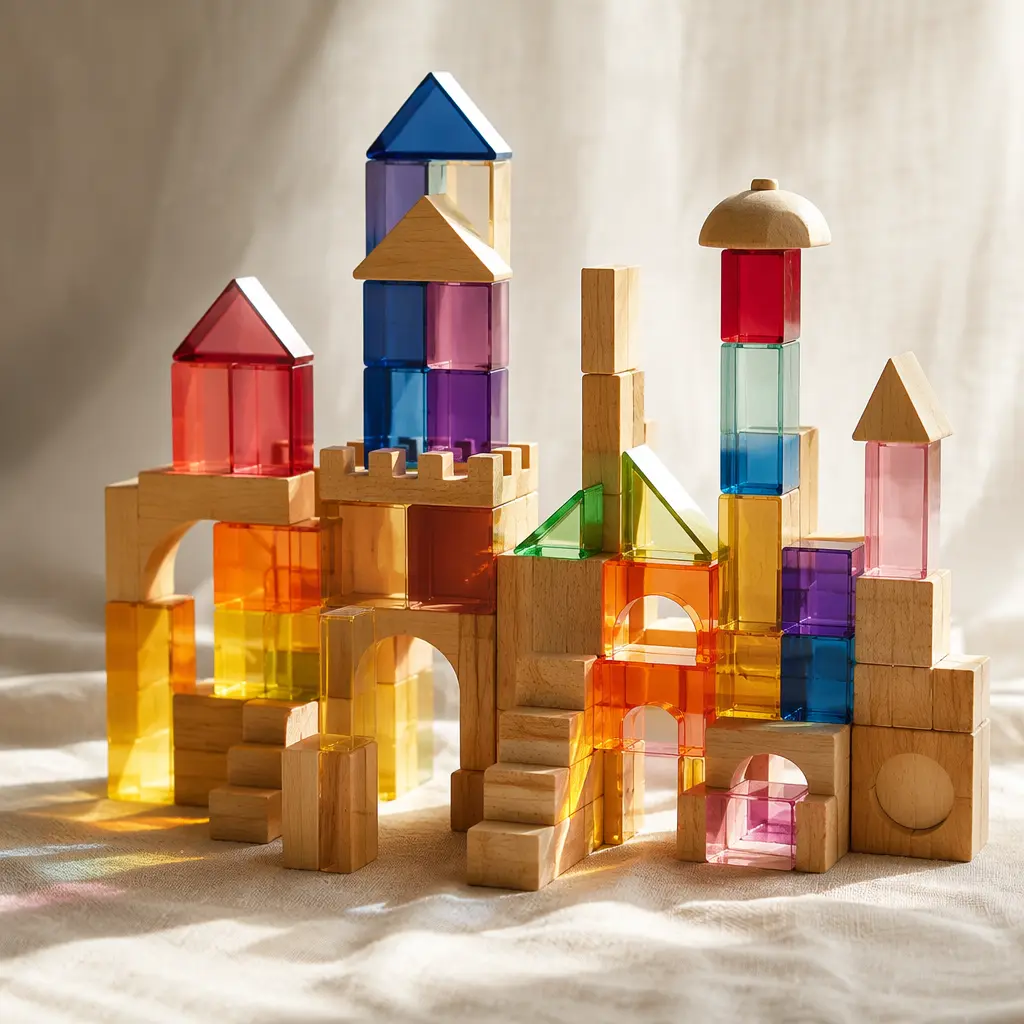
Bauspiel wooden blocks turned simple construction play into a sensory design trend, blending vivid colors, natural wood, and loose-parts creativity for homes and classrooms.
Modern · 2017
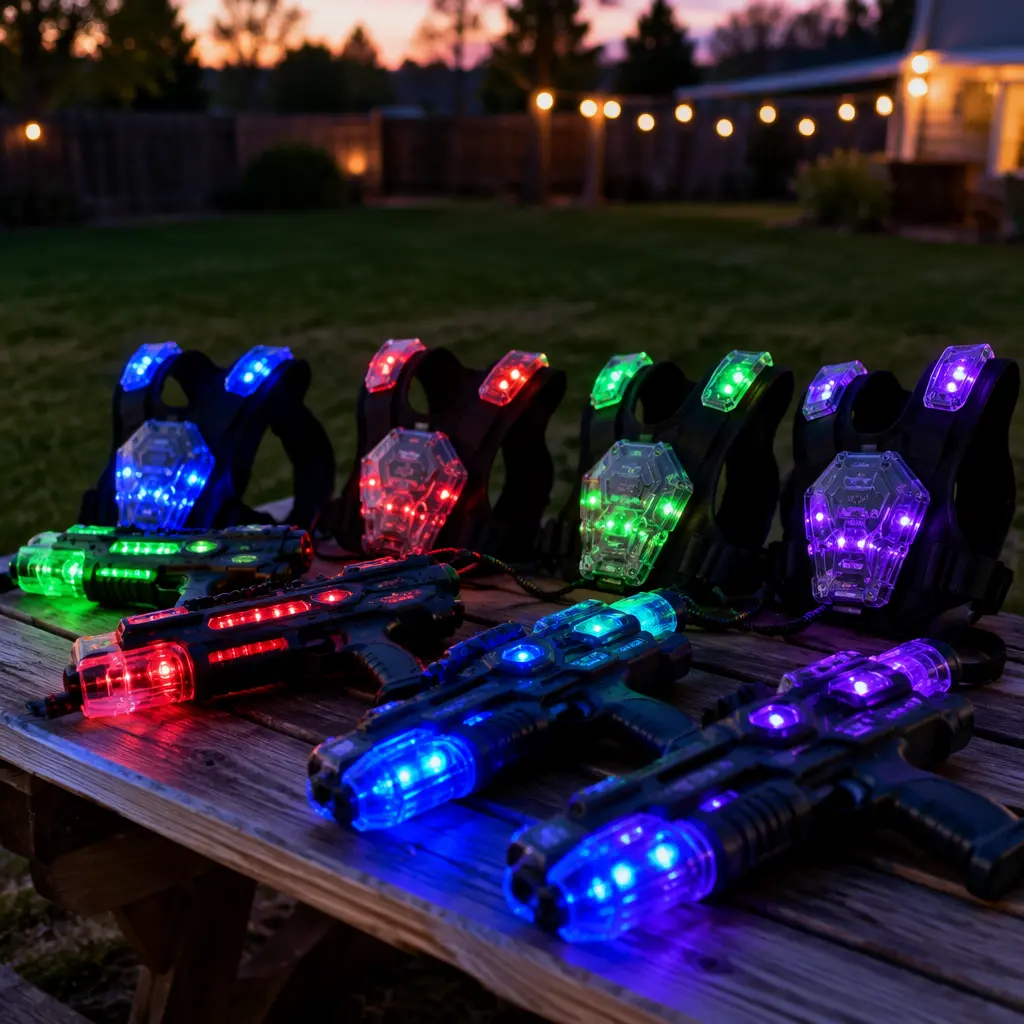
Laser X turned living rooms, basements, and backyards into multiplayer arenas with simple setup, long-range infrared play, and team-based action that appealed to kids and adults alike.
Modern
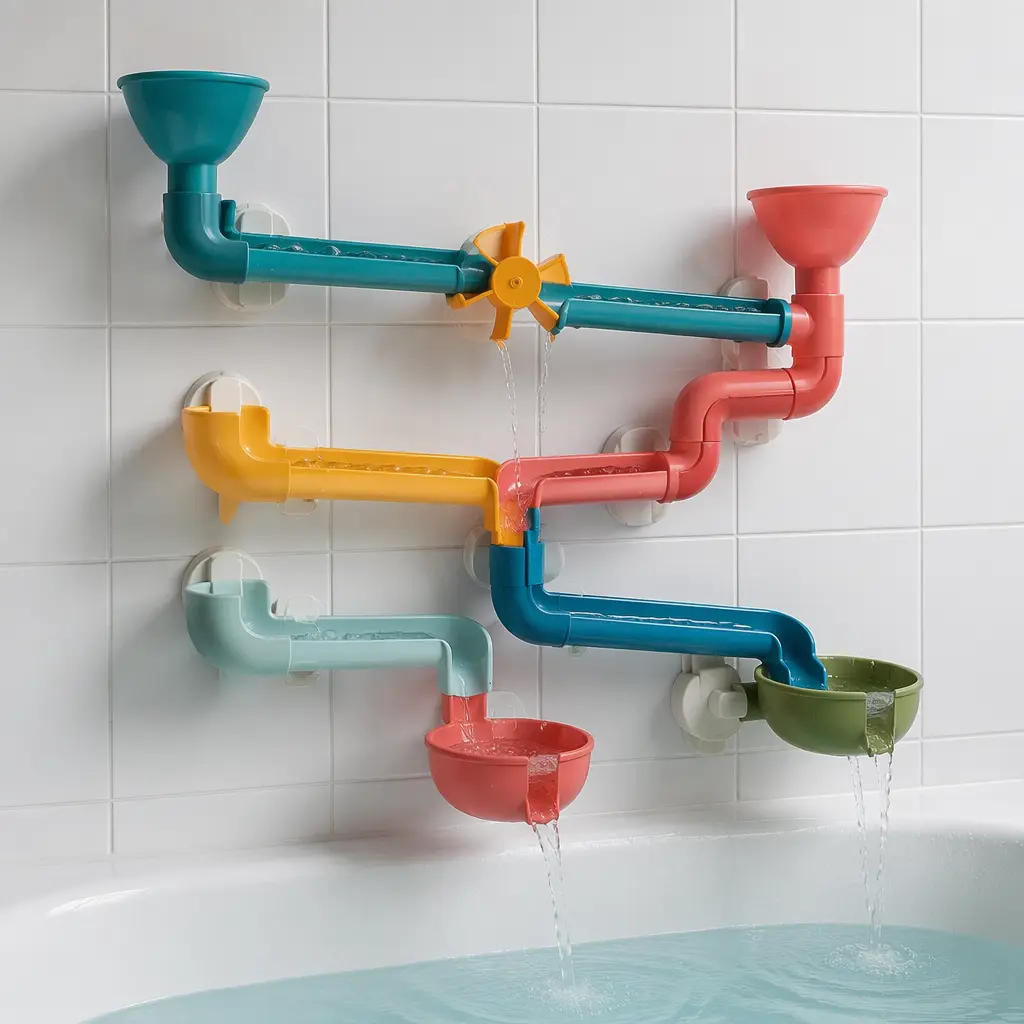
Boon Pipes Bath Toys turned ordinary bath time into a hands-on building activity, using modular tubes, suction cups, and flowing water to introduce simple engineering play for young children.
Modern
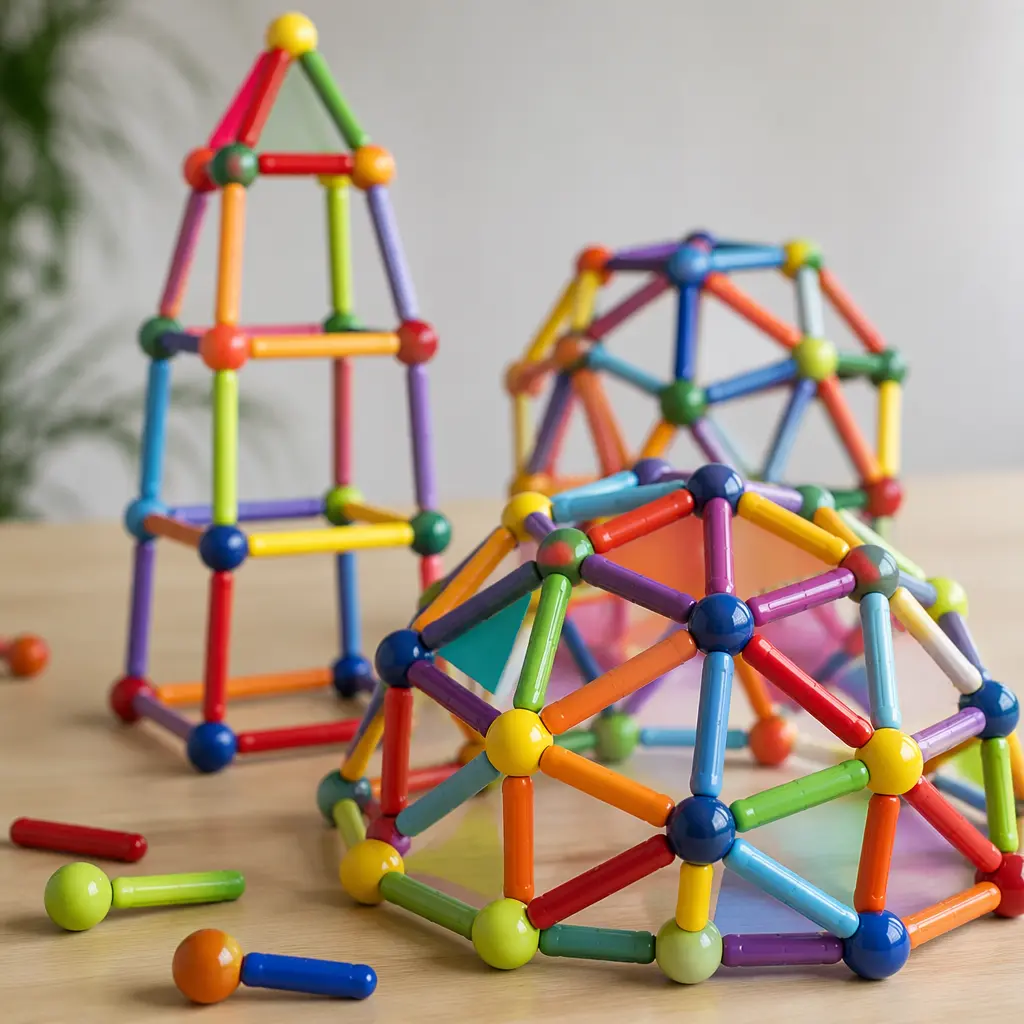
GeoMag Panels turned simple magnetic rod building into sturdy geometric construction, giving kids and adults a hands-on way to explore architecture, engineering, and open-ended design.
Modern
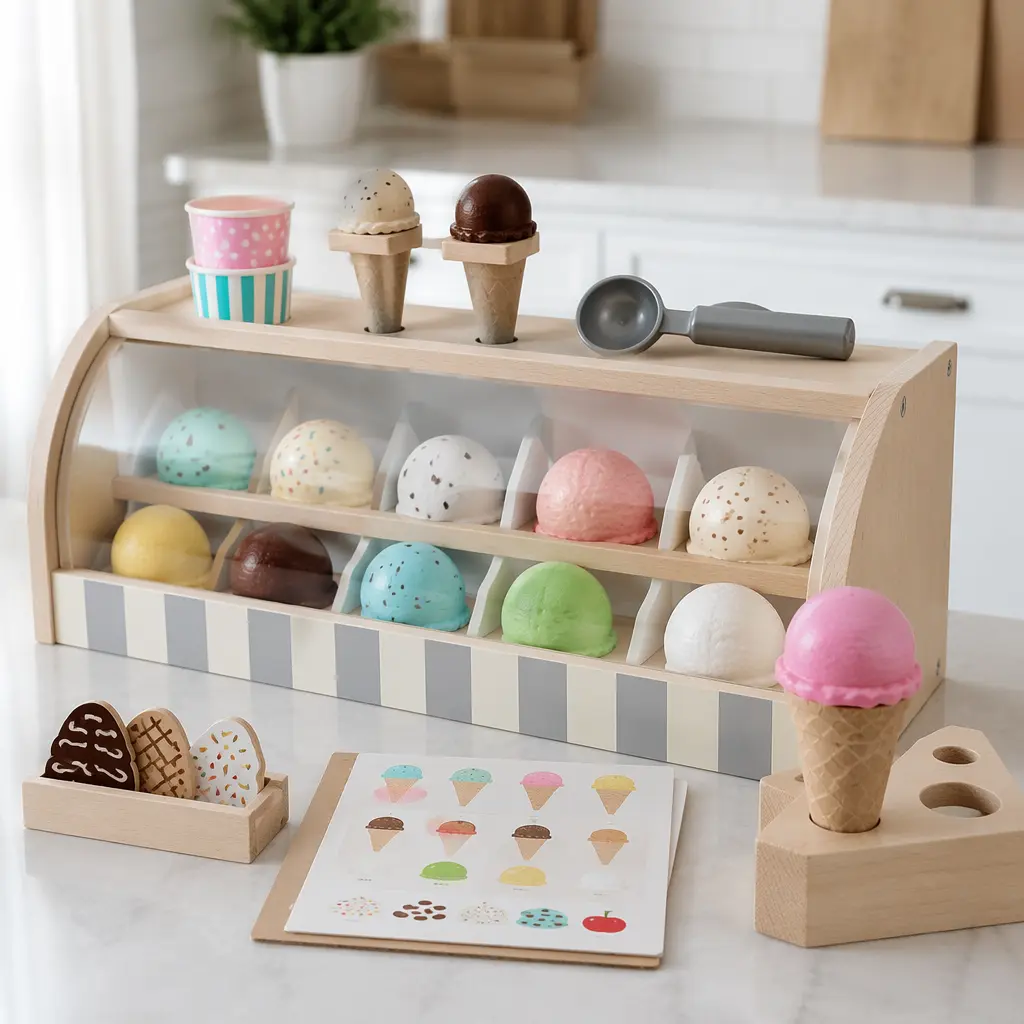
The Melissa & Doug Ice Cream Counter became a modern playroom staple by turning simple wooden scoops and pretend orders into repeatable family roleplay that feels timeless.
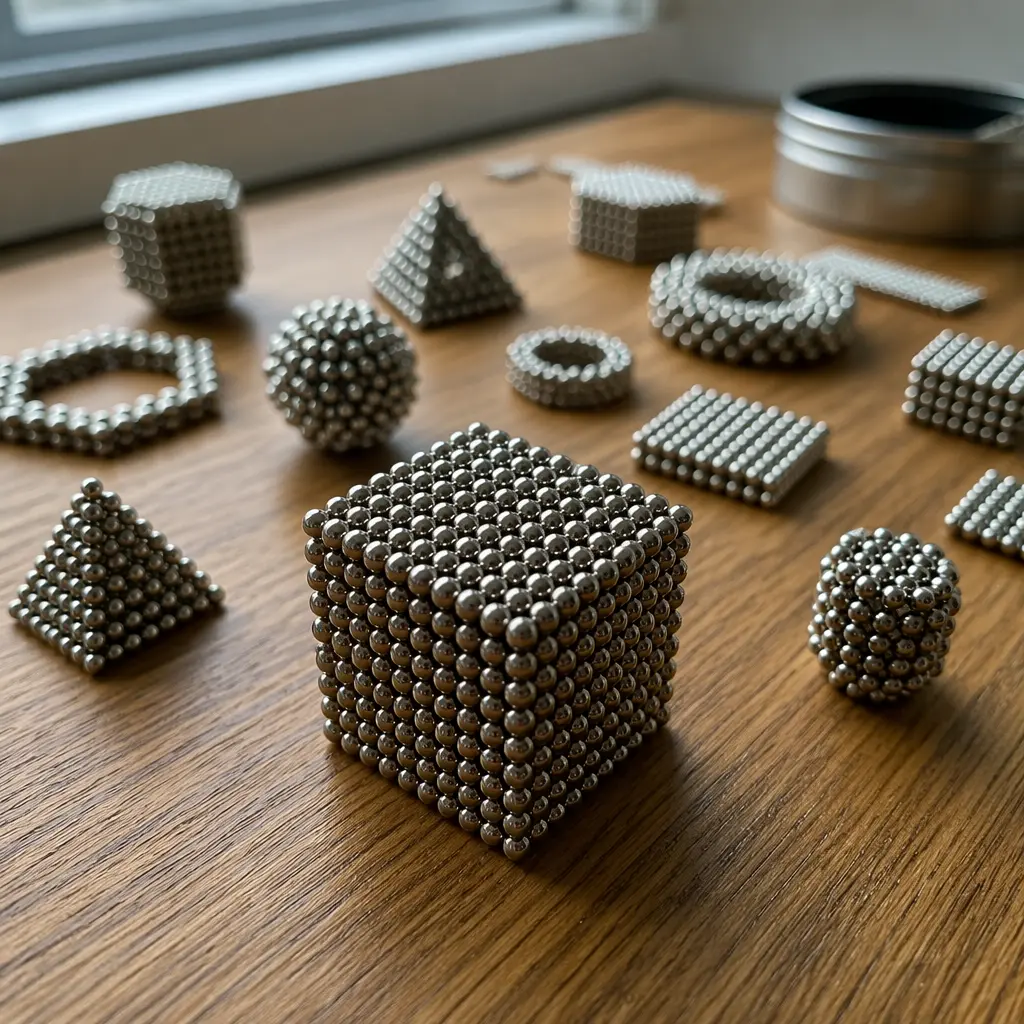
Modern · 2009
Buckyballs turned tiny magnetic spheres into a viral desk toy in the late 2000s, blending puzzle play, sculpture, and stress relief while also triggering major safety concerns.
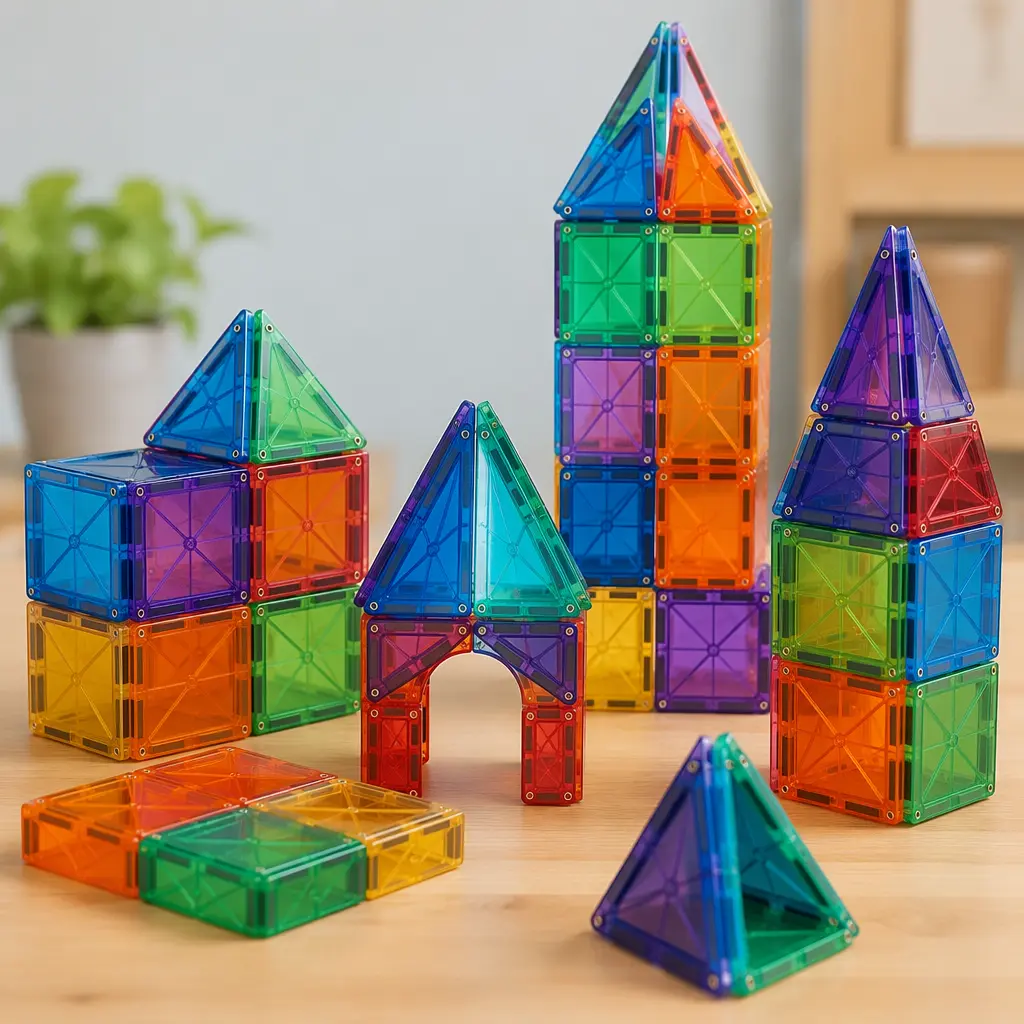
Modern · 2016
MAGNA-QUBIX turned flat magnetic tile play into sturdy 3D construction, blending geometry, engineering, and open-ended creativity in a format that appeals to both kids and adults.
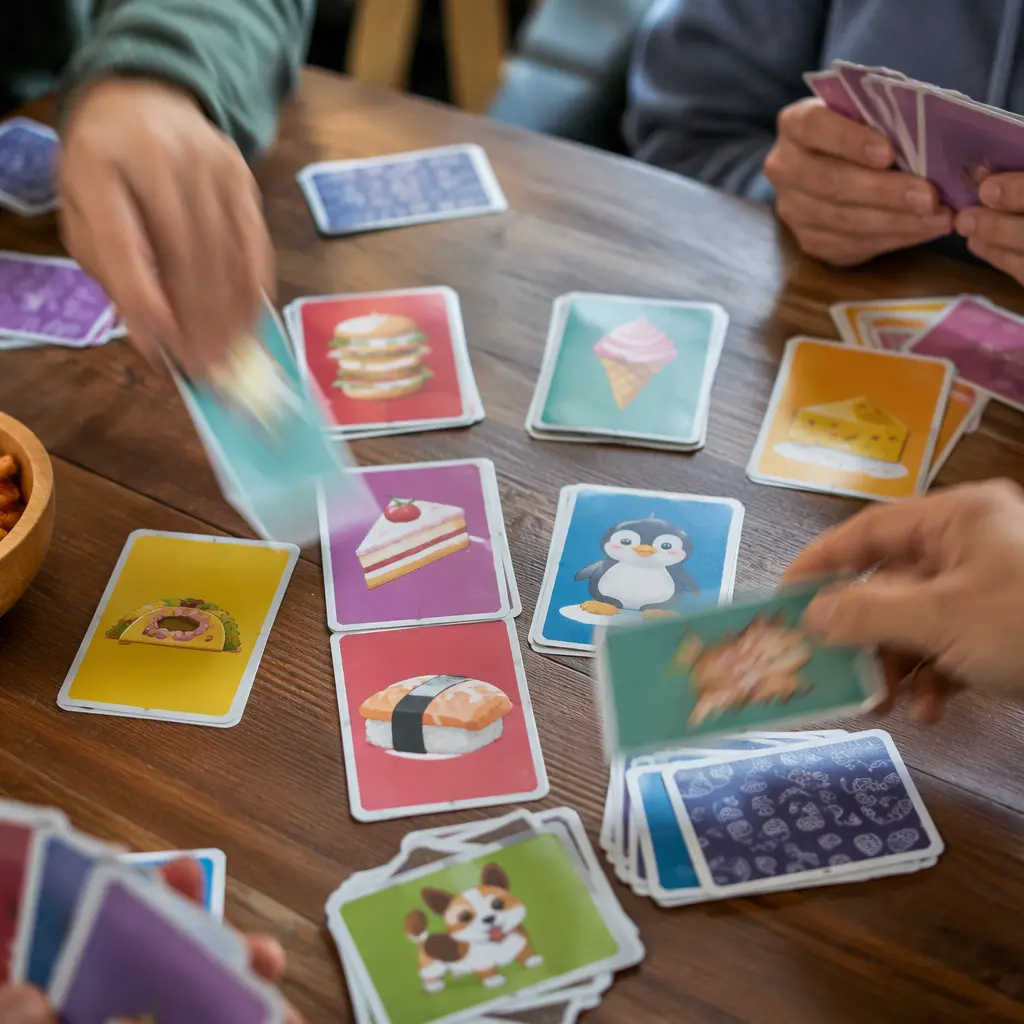
Modern · 2018
Taco Cat Goat Cheese Pizza turned a simple deck of cards into a loud, fast party game built on timing, mistakes, and reflexes. Its quick rounds and easy rules helped it become a modern family-game hit.

Modern · 2005
Designed to skip and bounce across water instead of sink, the Waboba Ball turned lakes, pools, and beaches into fast-moving playgrounds and reshaped casual summer play.
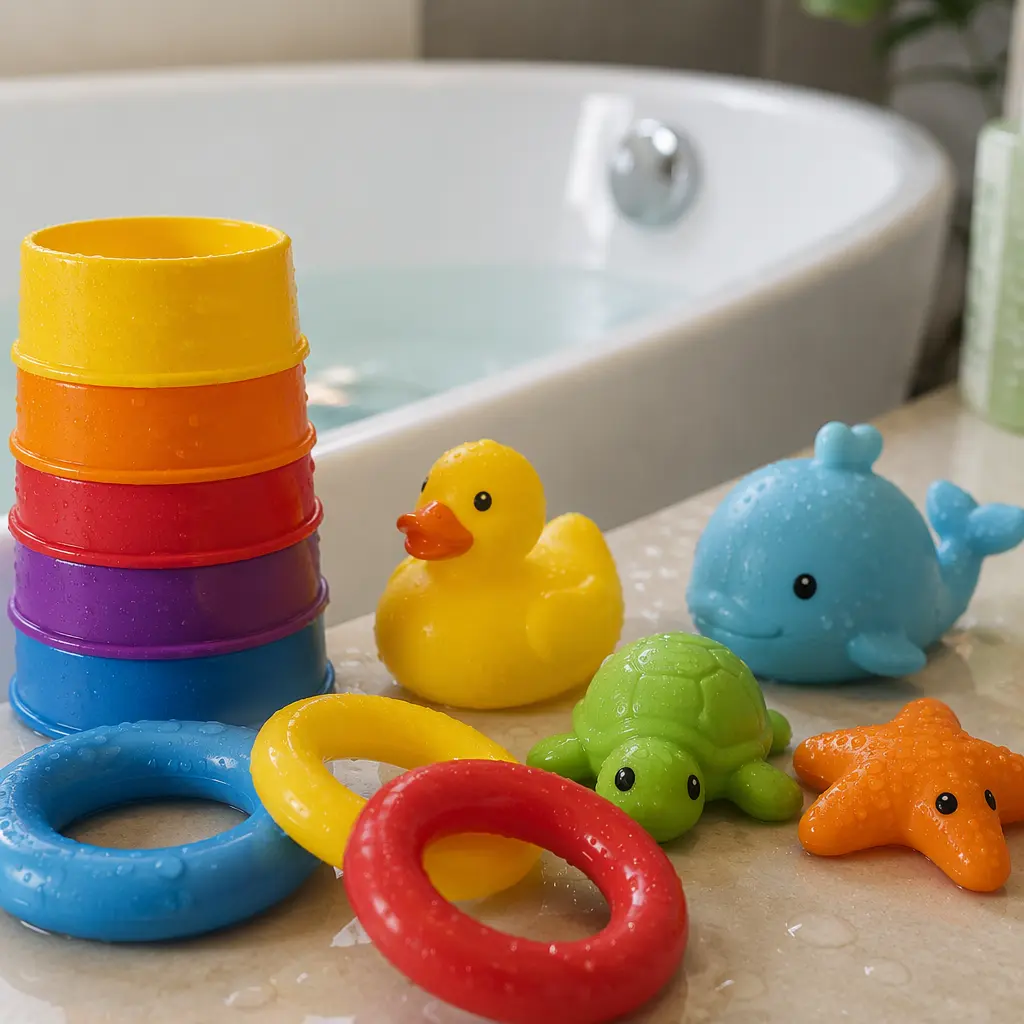
Modern · 2003
From floating squirters to stackable cups, Munchkin bath toys became a modern nursery staple by turning bath time into low-pressure sensory play that parents can set up in seconds.
Modern · 2015
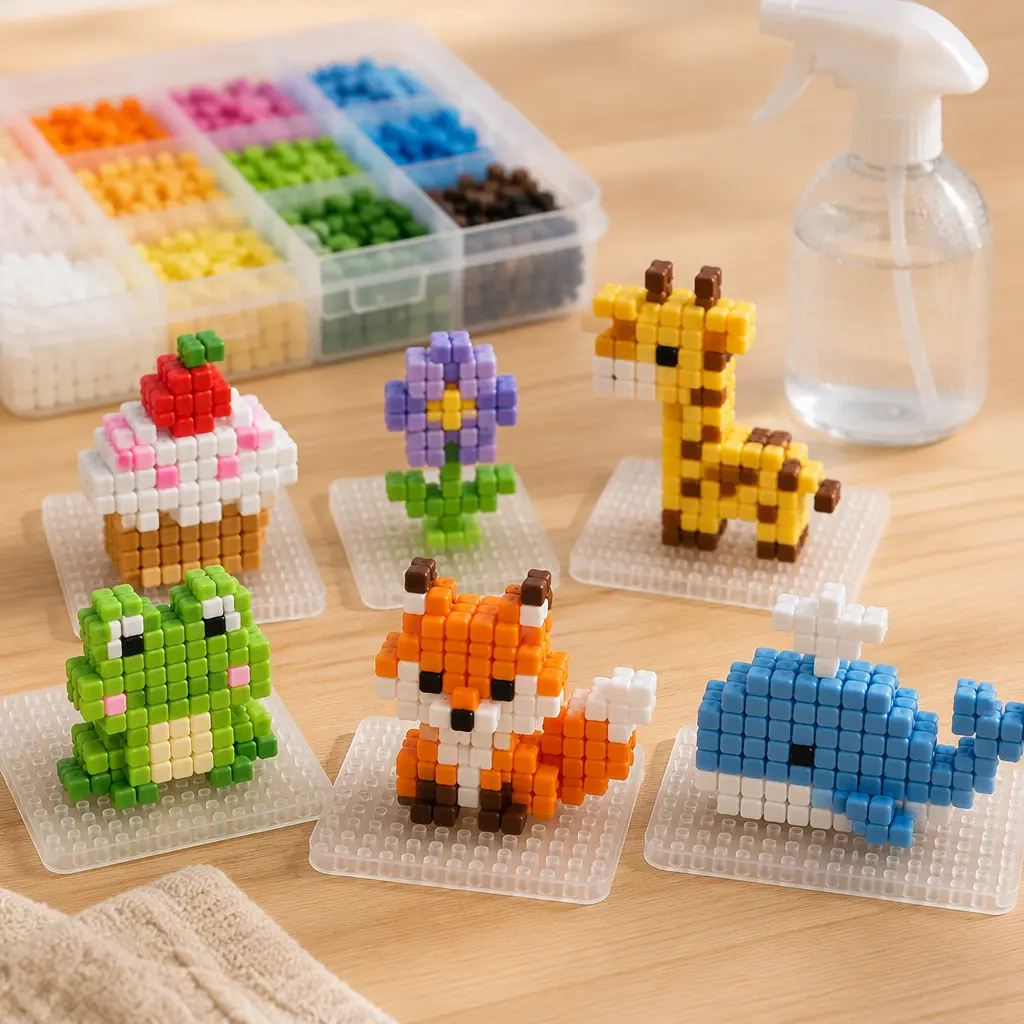
Qixels turned fuse-bead crafting into a quicker, less intimidating activity by replacing hot irons with water spray. The result was a modern craft toy that appealed to kids, parents, and display-minded collectors alike.
Modern · 2006
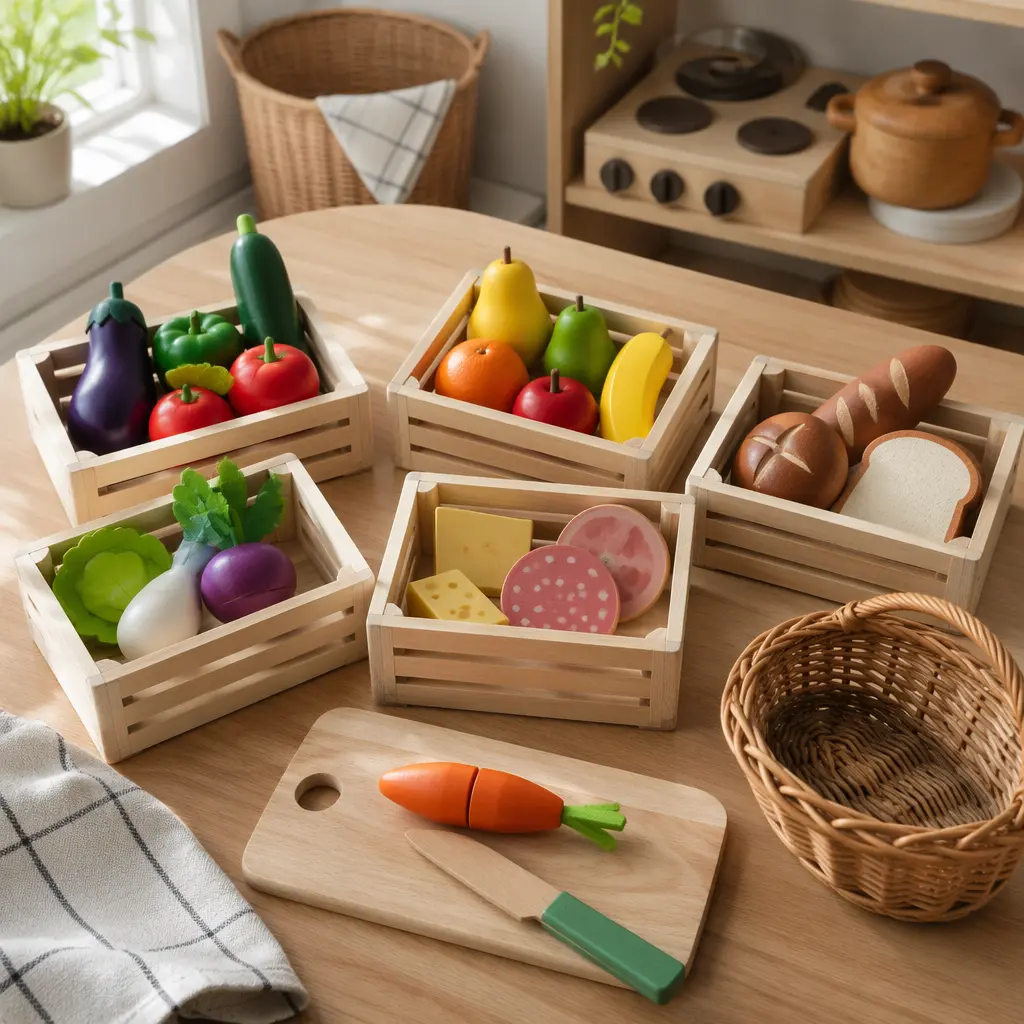
Melissa & Doug Food Groups sets turned pantry basics into hands-on pretend play, helping children practice sorting, routines, and everyday independence through familiar foods.
Modern · 2015
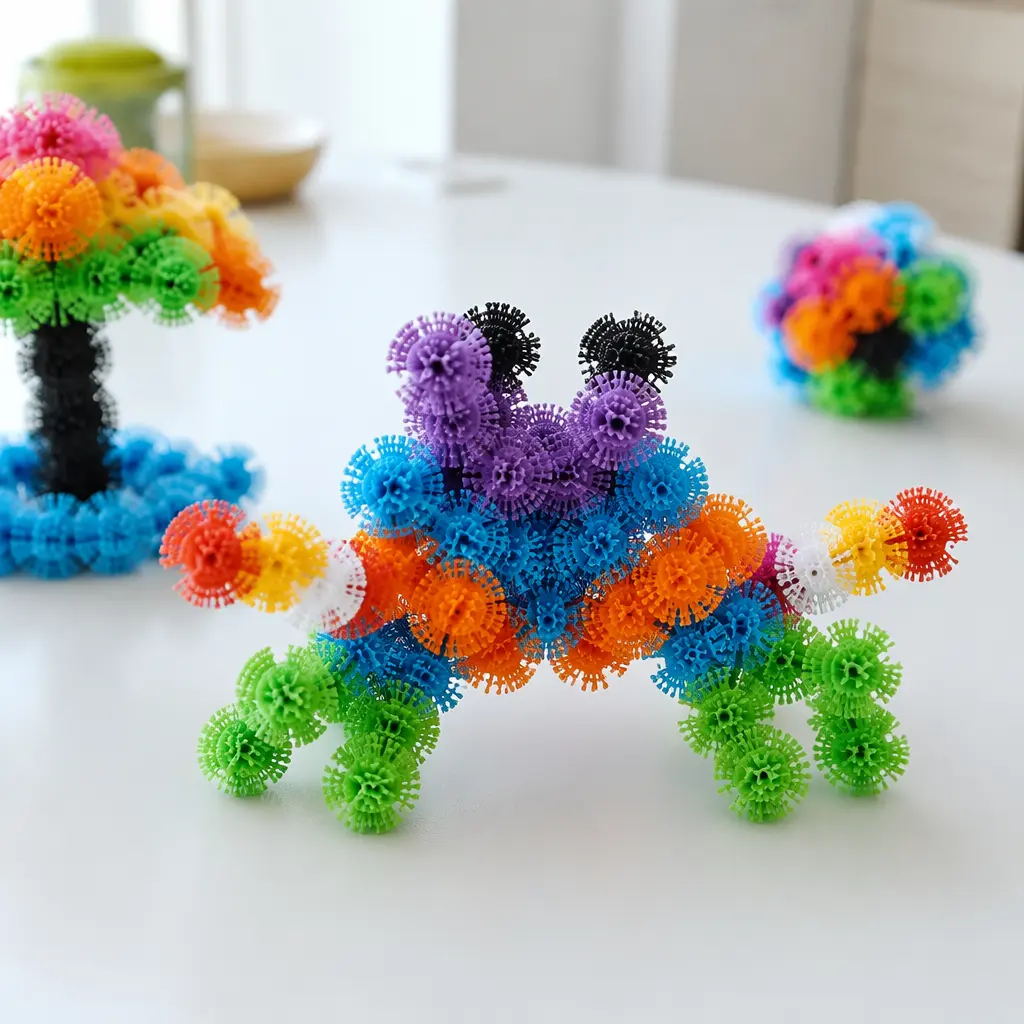
Bunchems arrived in the mid-2010s as a soft, burr-like construction toy that encouraged open-ended creativity while also gaining notoriety for getting tangled in hair.
Modern · 2011
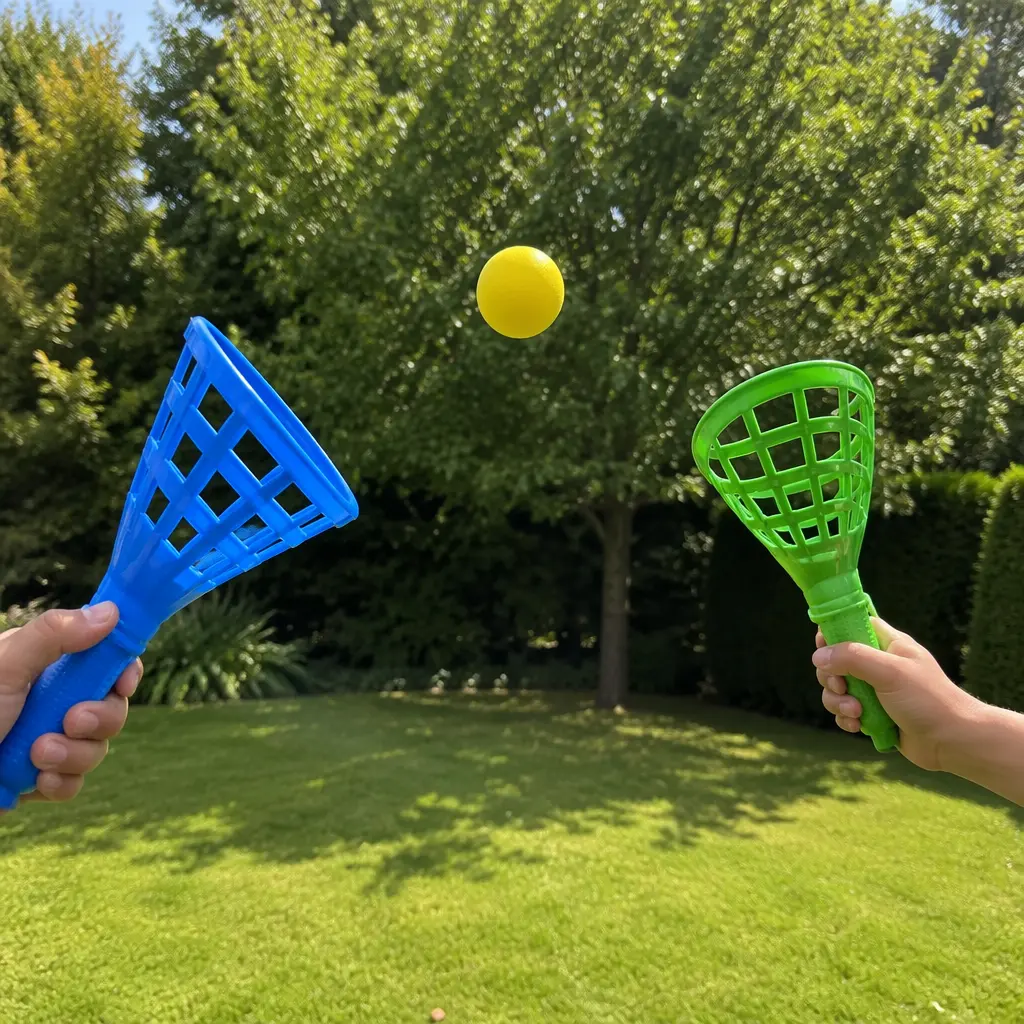
Introduced in the early 2010s, Squap turned a simple game of catch into a fast reaction challenge. Its snap-open design helped revive screen-free outdoor play for families and groups.
Modern · 2007
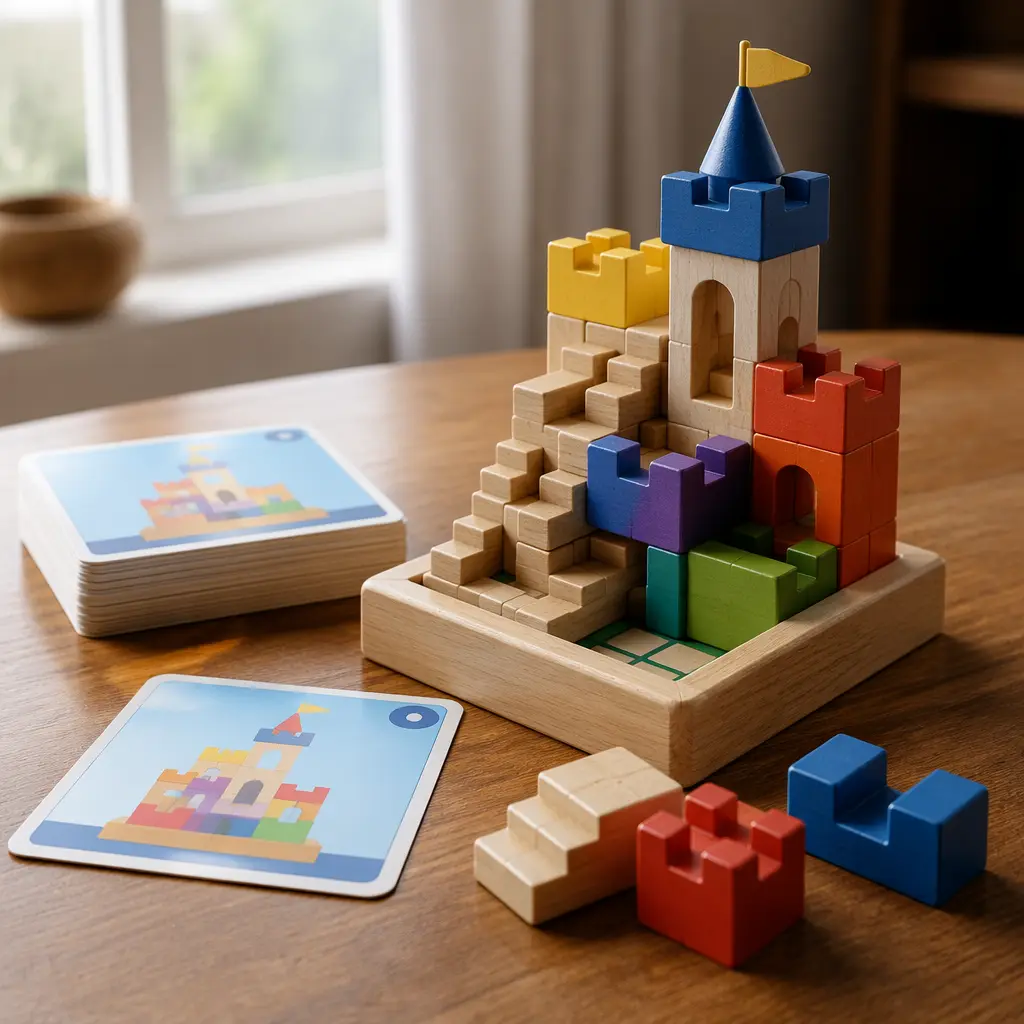
Castle Logix blends wooden blocks, towers, and puzzle cards into a compact brain game that has become a familiar sight in gifted-learning classrooms and family game shelves.
Modern · 2002
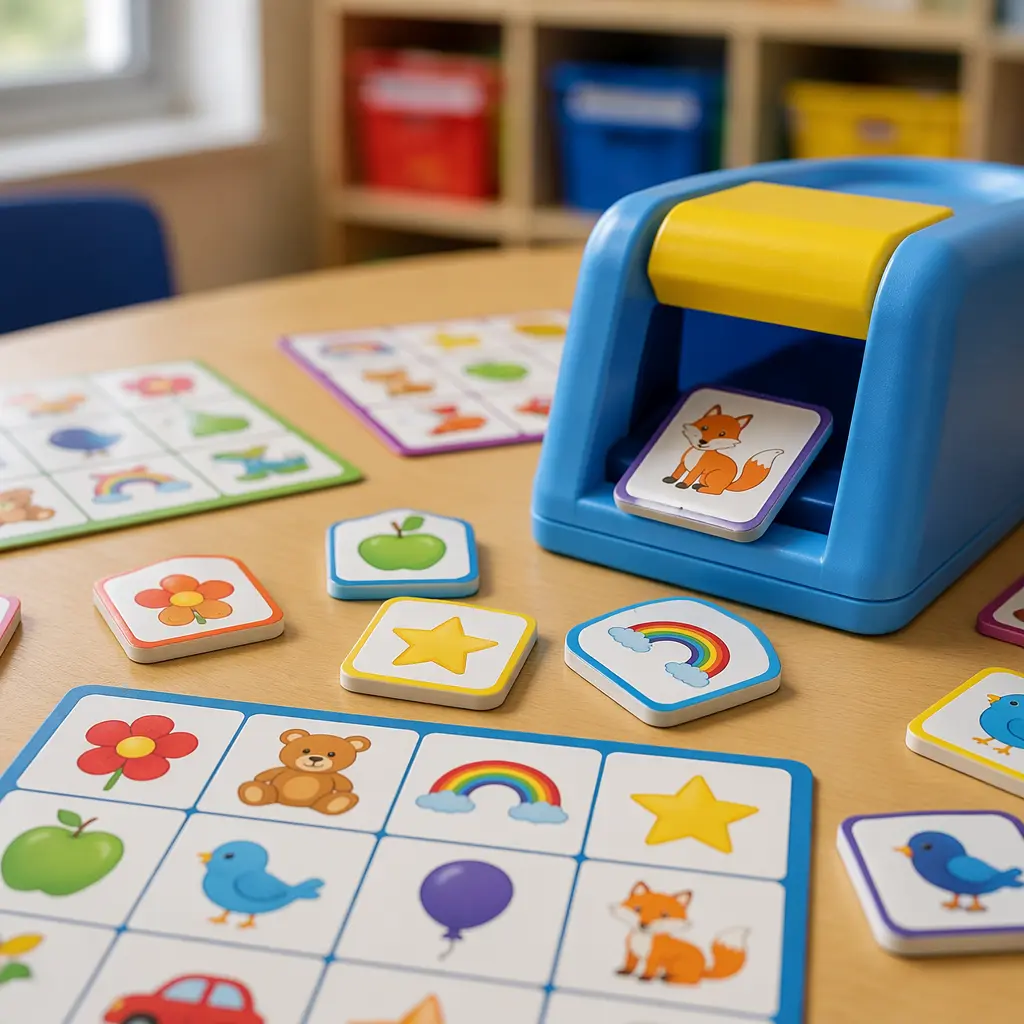
Since 2002, Zingo! has turned picture matching into a fast, energetic group game that works at home and in classrooms alike. Its simple pace and tactile tile dispenser helped it become a modern preschool favorite.
Modern · 2008
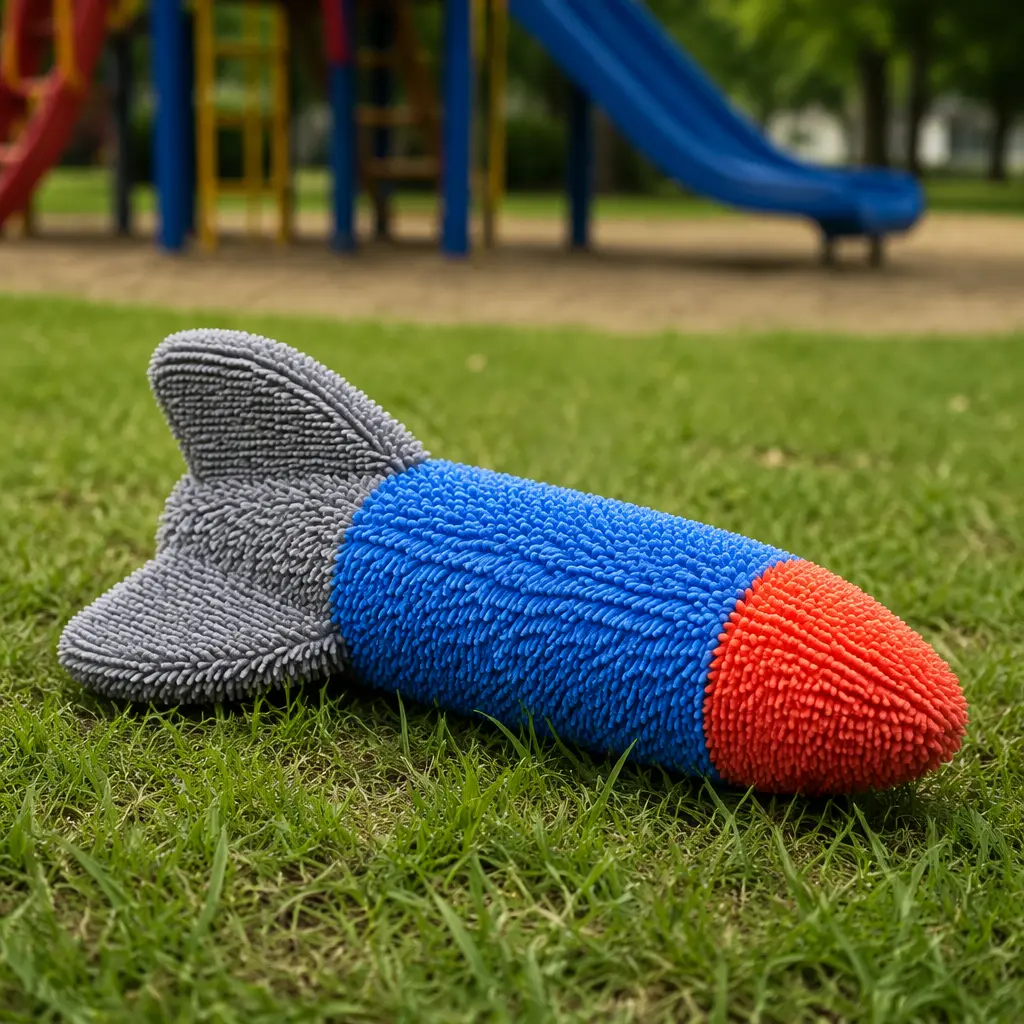
The Koosh Vortex turned a soft foam football into a playground phenomenon with its whistling flight, easy grip, and kid-friendly design. Here’s how it became a fast-moving hit after 2008.
Modern · 2015
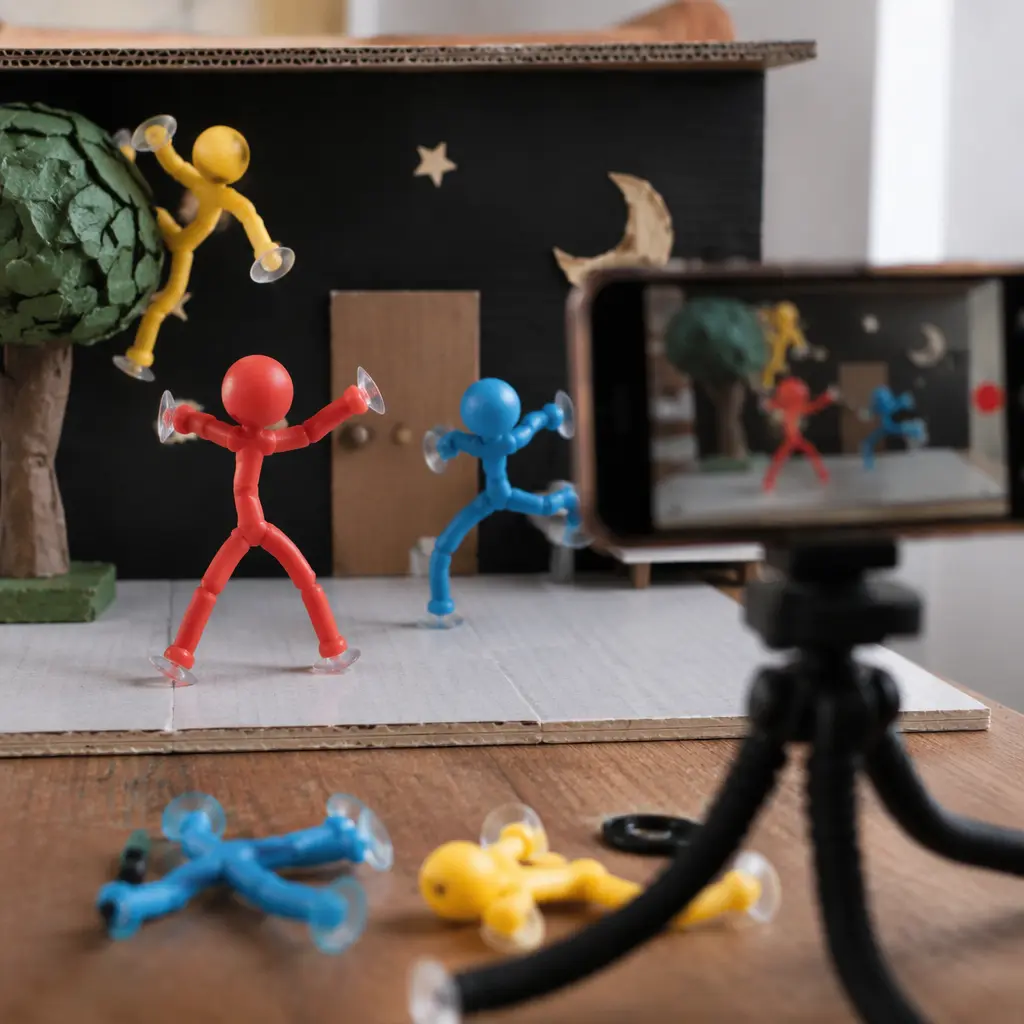
Stikbot combined poseable stick-figure toys with smartphone stop-motion apps, giving kids a simple way to experiment with animation, storytelling, and practical filmmaking at home.
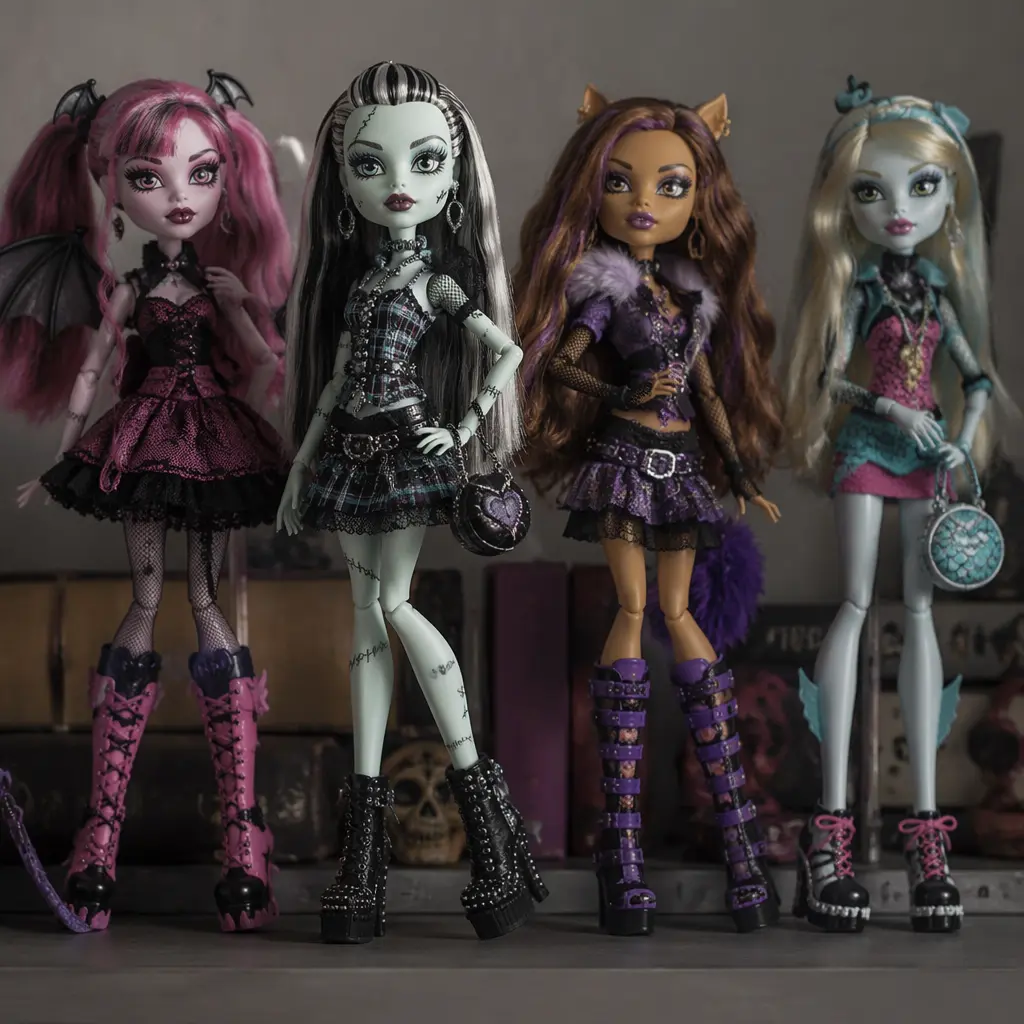
Modern · 2010
Launched in 2010, Monster High combined fashion dolls with monster-inspired storytelling and a message about individuality, changing how many kids saw “different” represented in the toy aisle.
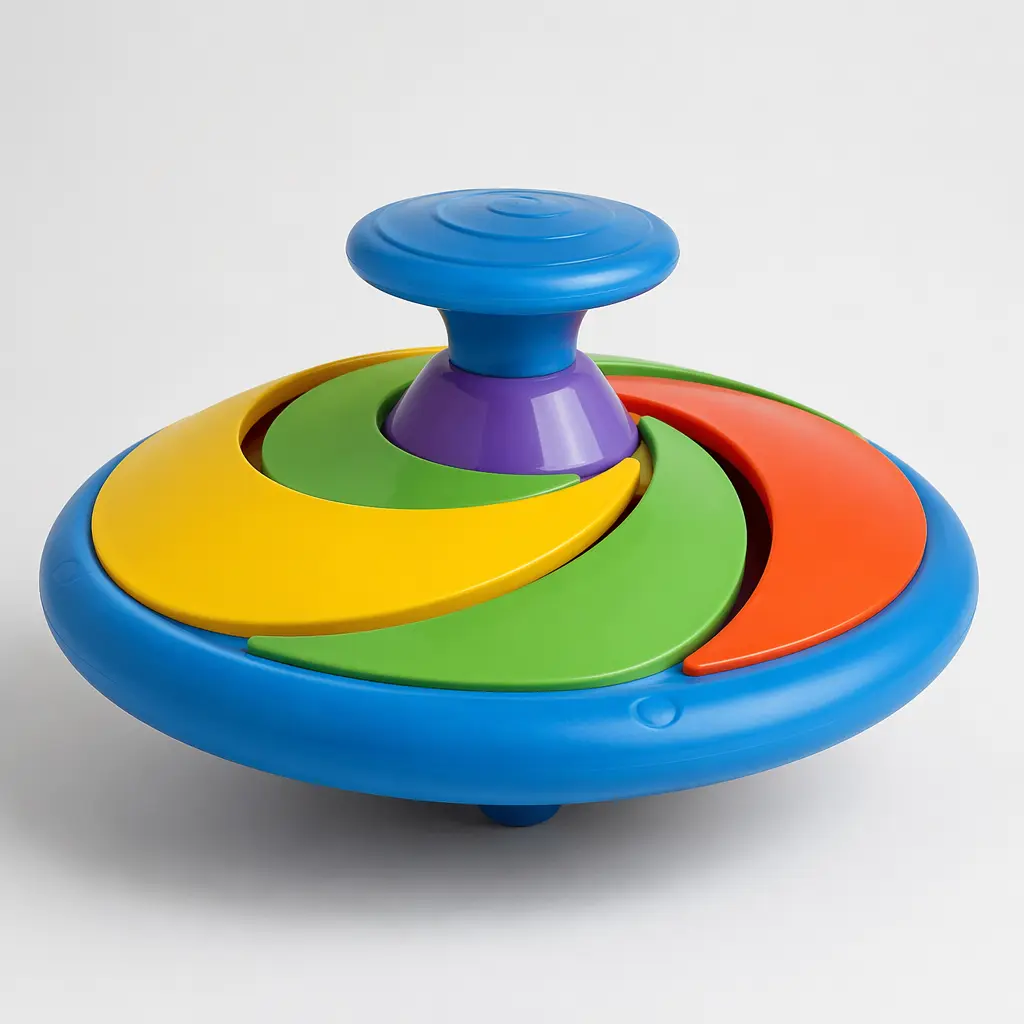
Modern · 2001
Part seat, part spinner, part imagination prompt, Bilibo became a standout modern toy by doing very little on purpose. Its unusual shape helped popularize open-ended, child-led play.
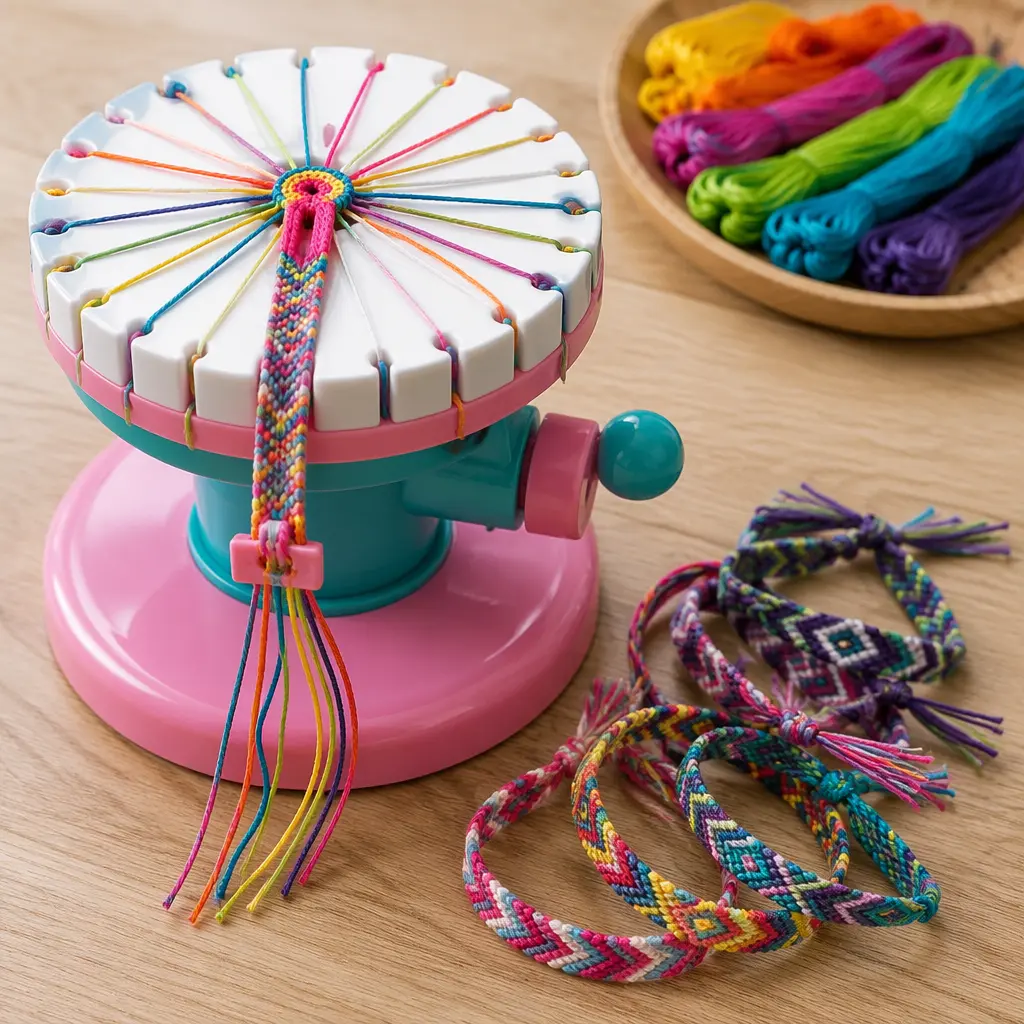
Modern · 2012
Loopdedoo turned friendship-bracelet weaving into a fast, repeatable craft activity with a simple spinning loom, helping a classic camp pastime find a new audience at home and in classrooms.
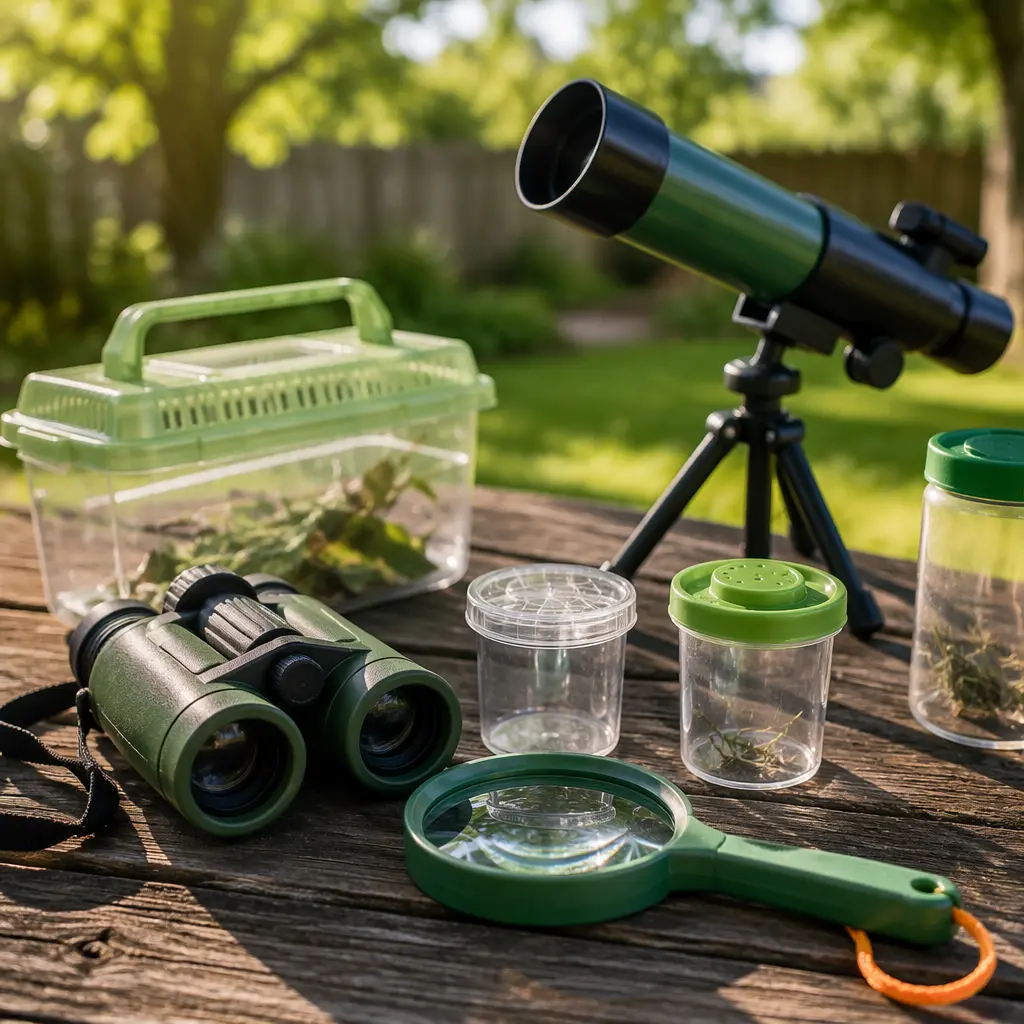
Modern · 1989
GeoSafari blended kid-friendly gadgets with hands-on science, giving children tools that made bugs, rocks, stars, and backyard exploration feel like genuine field research.
Modern · 2007
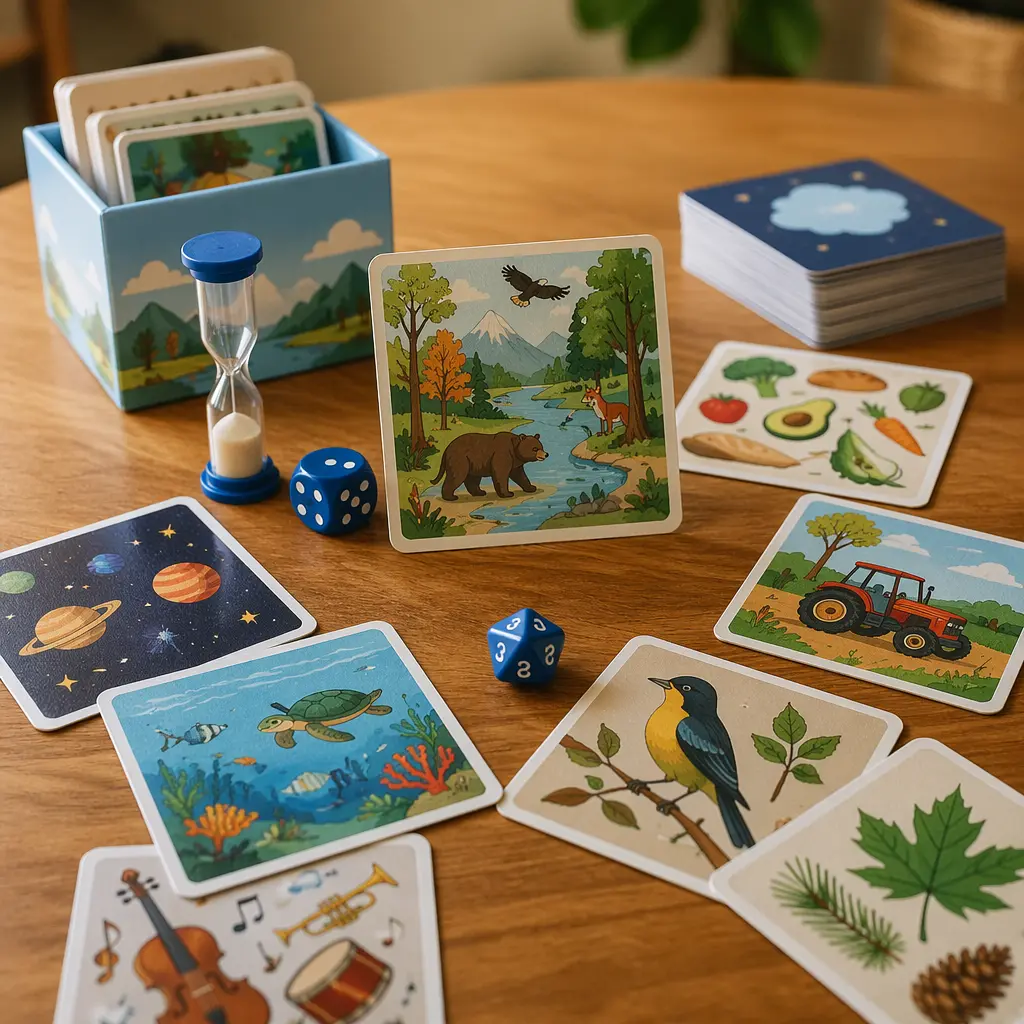
BrainBox turned quick observation into a fast, family-friendly challenge. Its 10-second memory format helped the modern tabletop game find a lasting place in homes and classrooms.
Modern · 2019
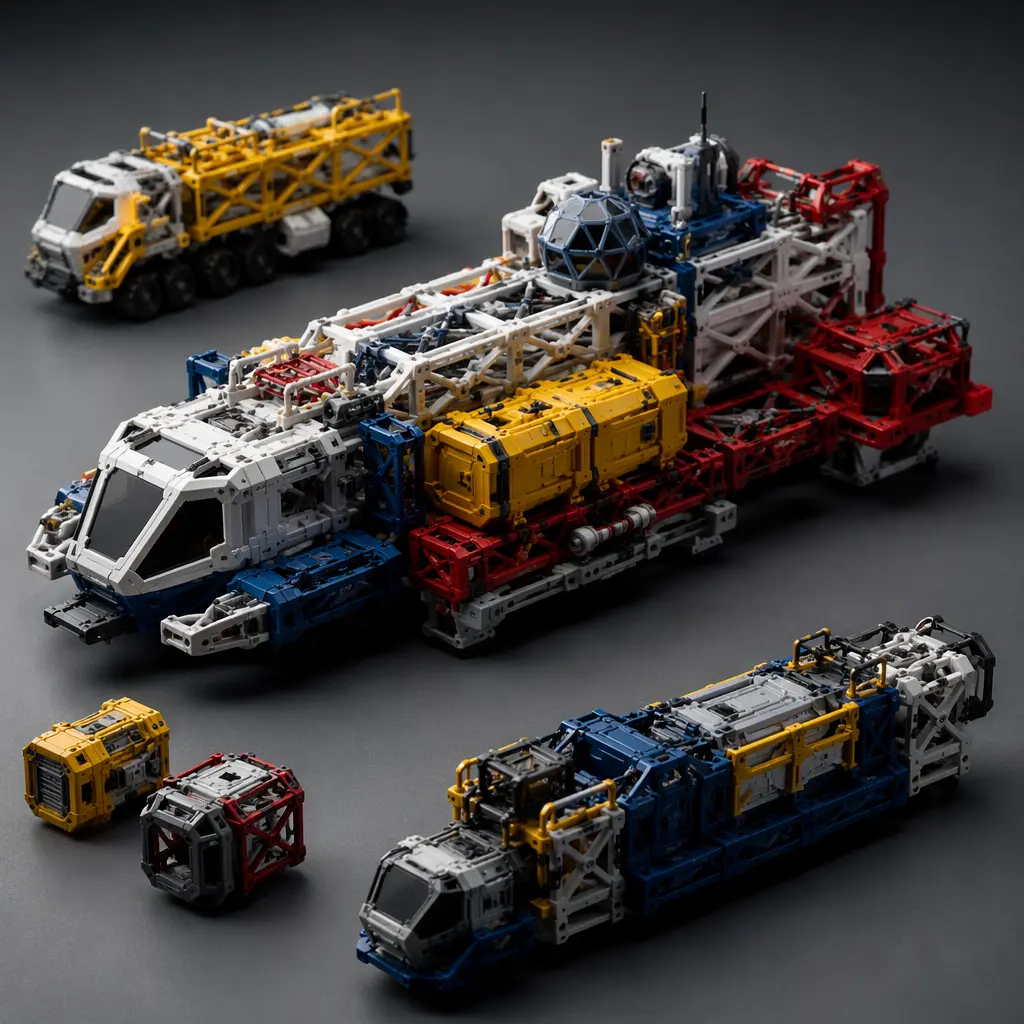
Launched in 2019, Snap Ships combined construction play with customizable sci‑fi vehicles and serialized storytelling, giving kids a modular system designed for rebuilding, display, and imaginative battles.
Modern · 2014
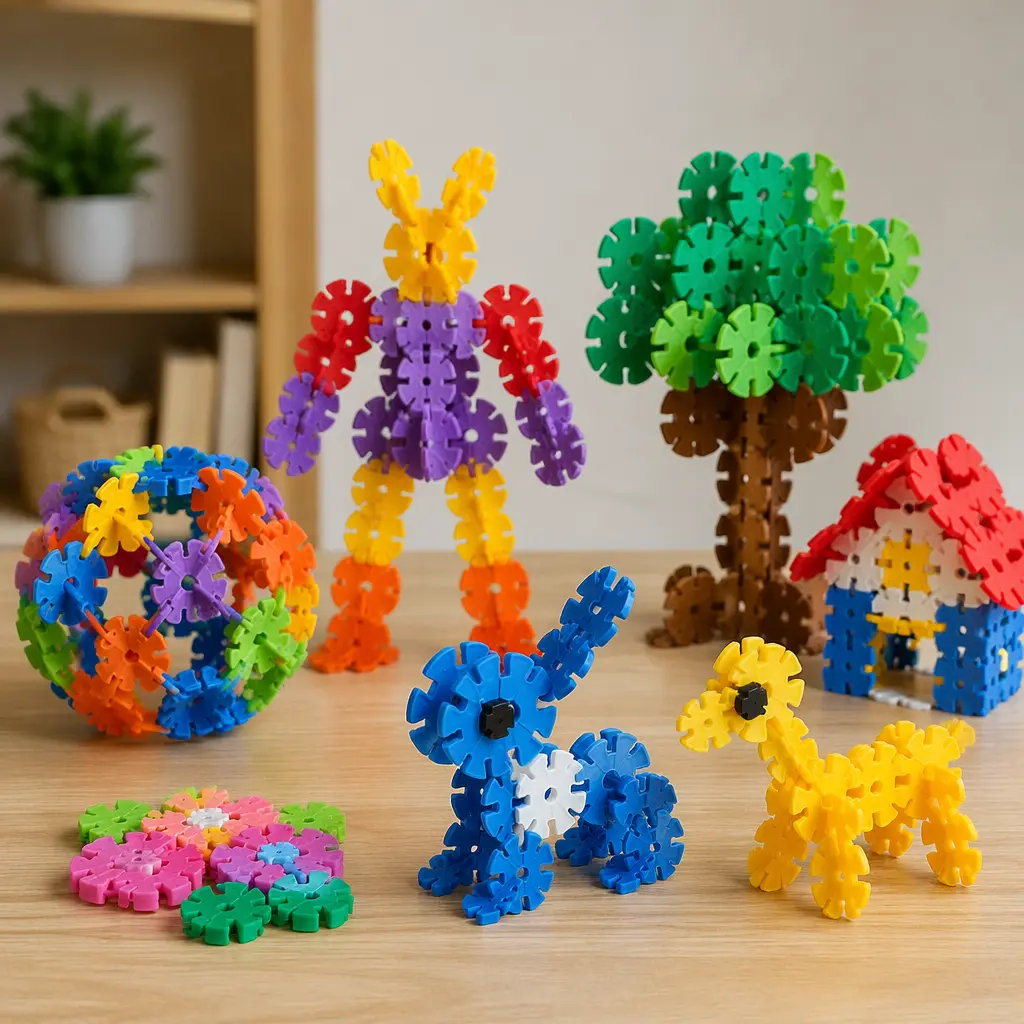
Brain Flakes turned lightweight interlocking discs into a flexible building system that rewards experimentation, quiet focus, and open-ended creativity for kids and adults alike.

Modern · 1991
First released in 1991, Baby Born dolls brought feeding, bathing and potty routines into play. Their lifelike functions reshaped how children role‑play care and responsibility.
Modern
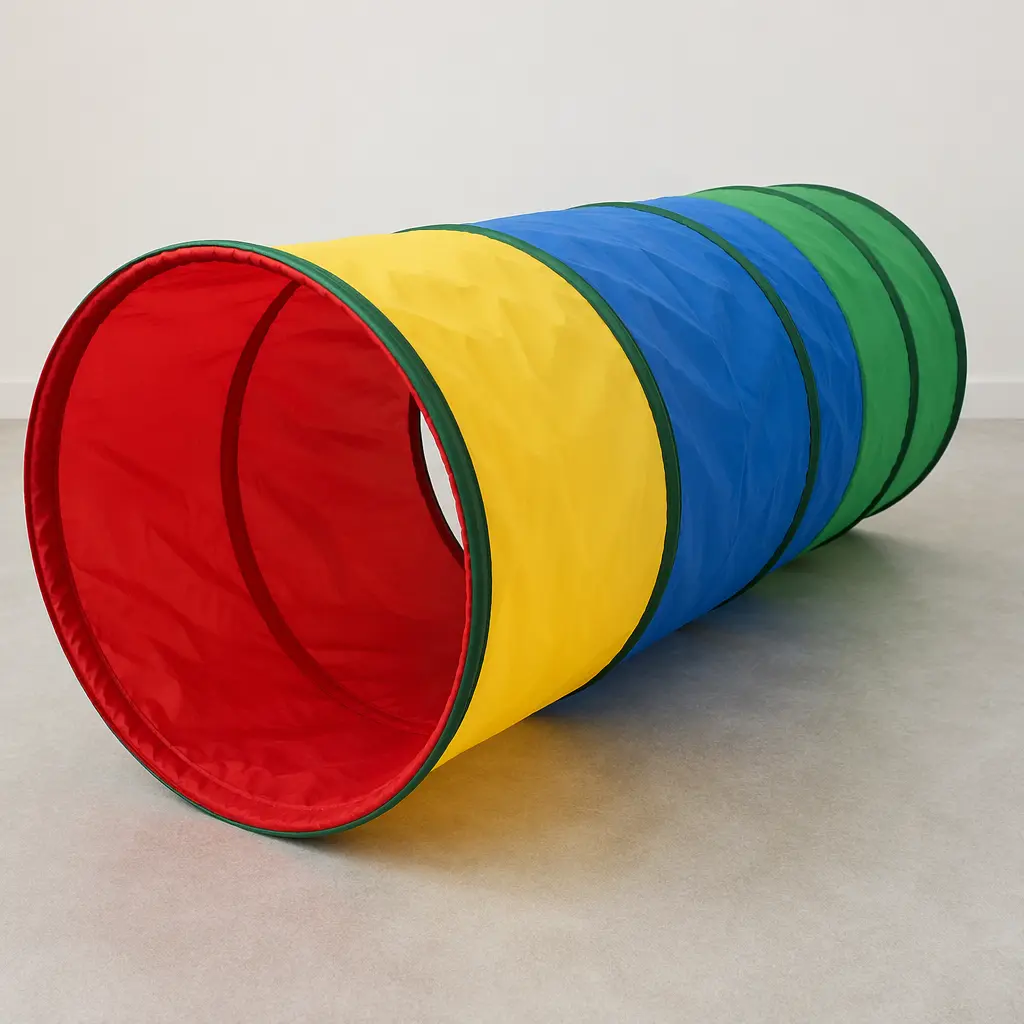
Soft fabric play tunnels turn simple crawling into a world of hiding, movement, and make-believe. Here’s how this modern staple taps into kids’ instincts—and what to know before buying one today.
Modern
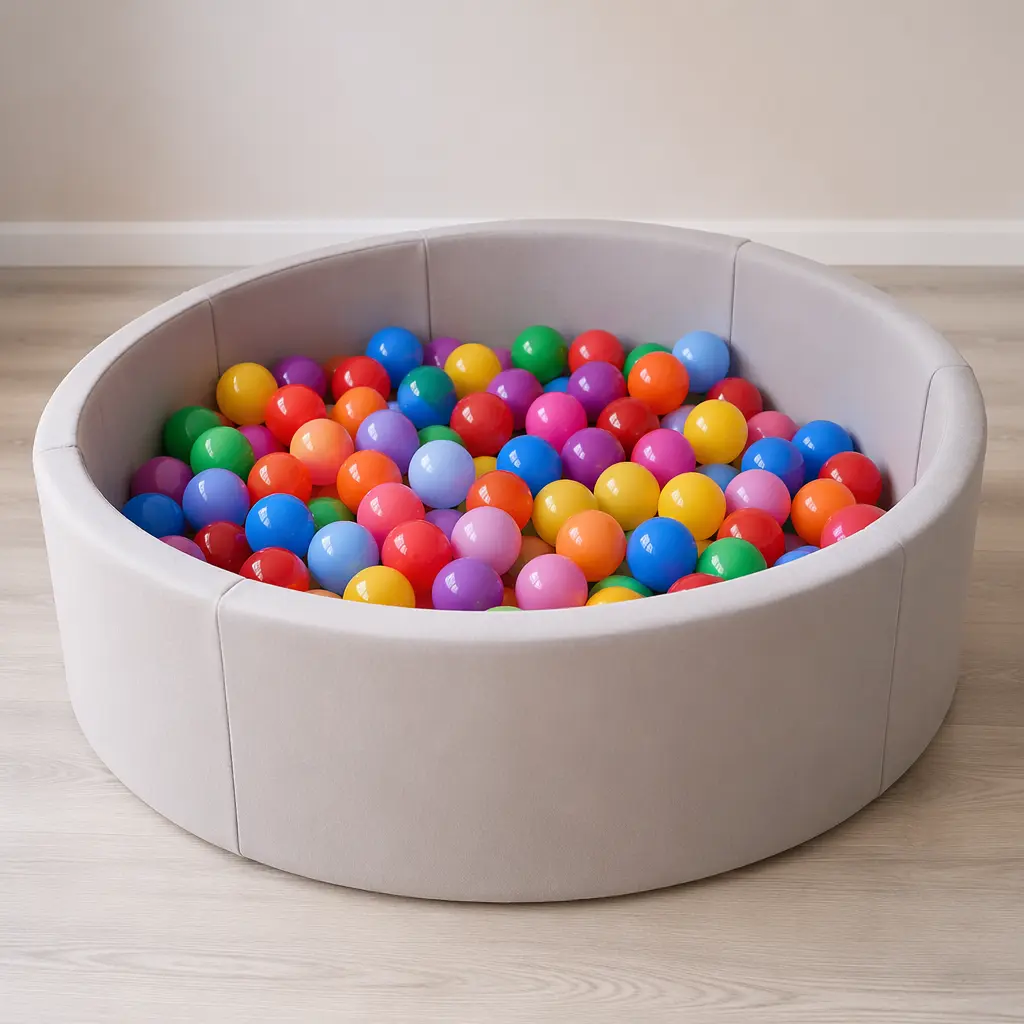
From soft-play centres to living rooms, the ball pit turned simple plastic balls into a powerful tool for movement, confidence, and sensory joy.
Modern
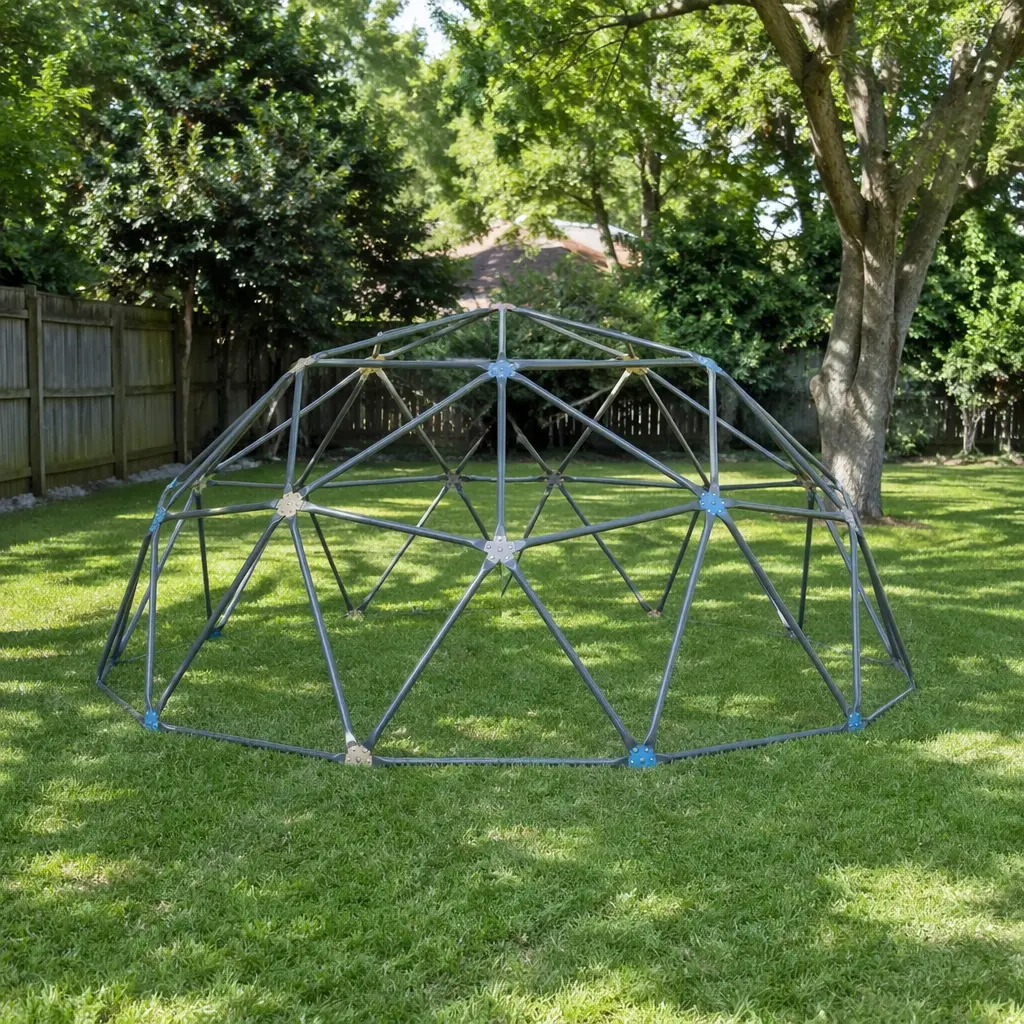
Geodesic climbing domes took the big, confidence-building challenge of playground frames and shrank it for back gardens, giving kids a safe way to climb, hang, and invent their own outdoor games.
Modern
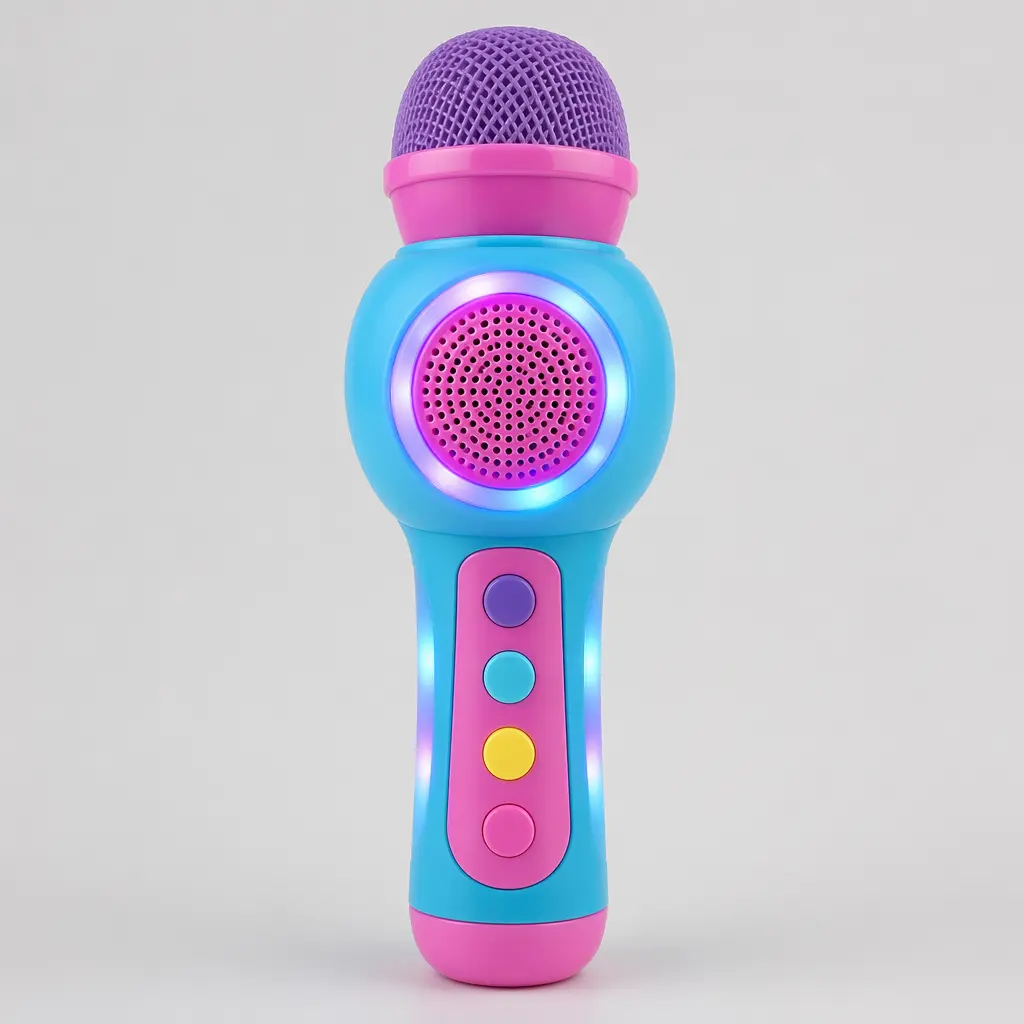
Long before short-form video apps, kids karaoke microphones let children perform, record, and hear themselves—turning bedrooms into stages and playtime into a confidence-building show.
Modern
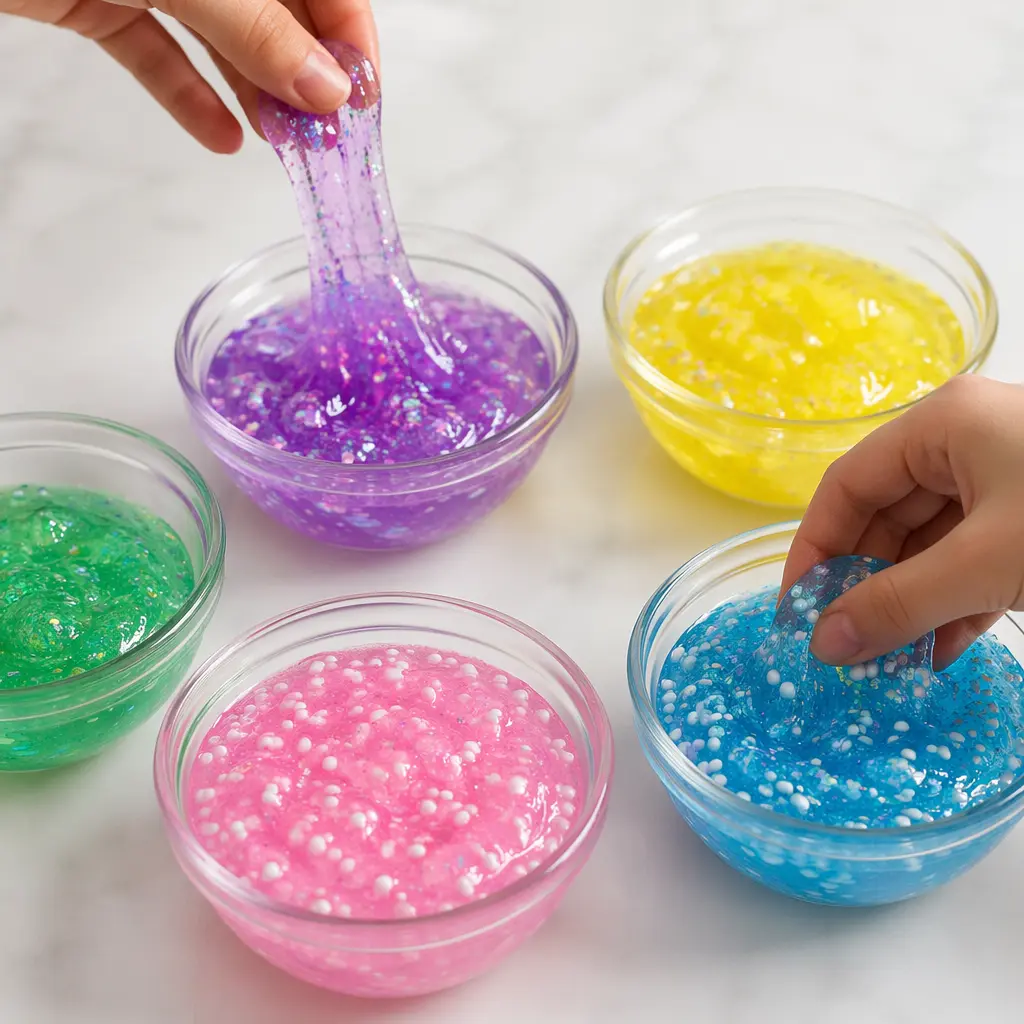
DIY slime kits turned simple chemistry into a hands-on craft kids love. From glue and activator to glitter and foam, here’s how slime became a modern play ritual—and what to know today.
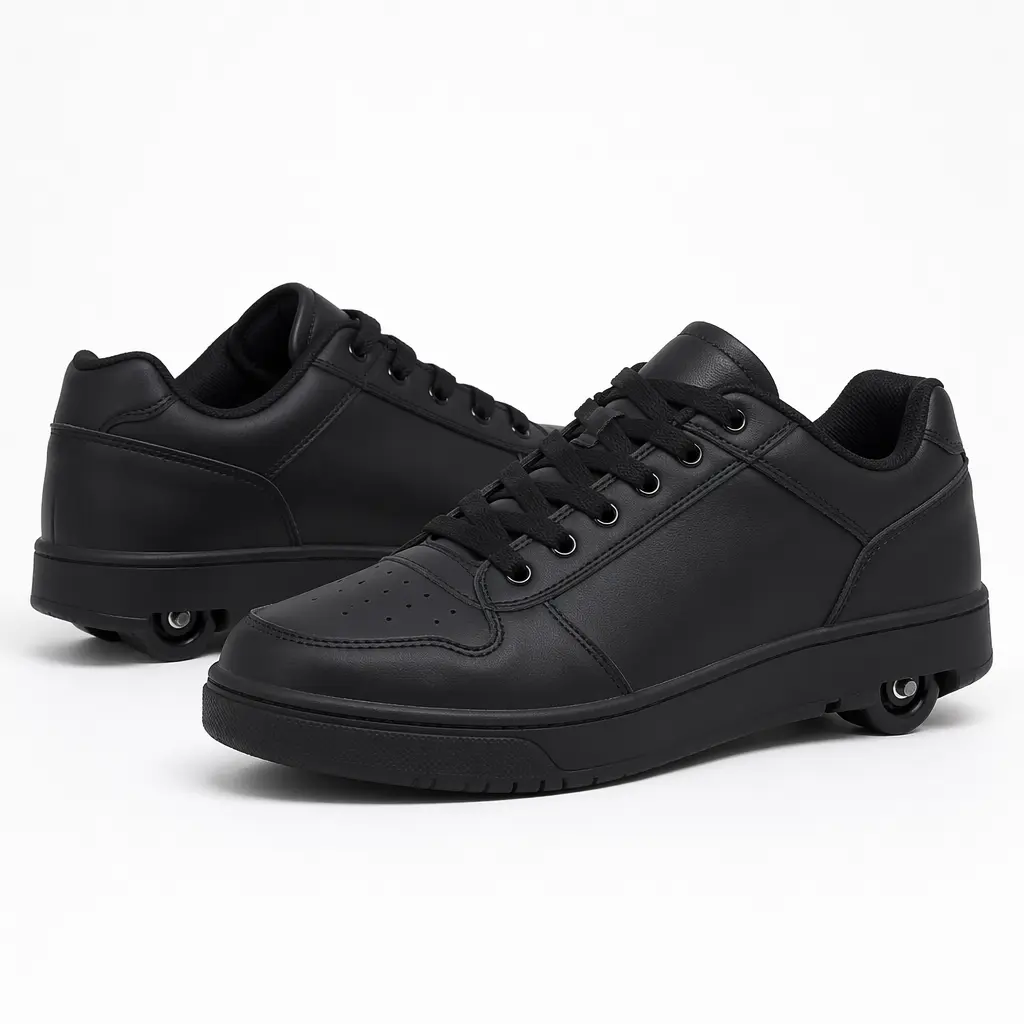
Modern · 2000
Around 2000, Heelys turned walking into a trick by hiding a wheel in the heel. This profile looks at where they came from, why kids loved them, and what to know if you’re eyeing a pair today.

Modern · 1992
Socker Boppers turned backyard roughhousing into something parents could live with. Inflatable gloves, big laughs, and a clever safety-first pitch helped them become a 1990s playtime staple.
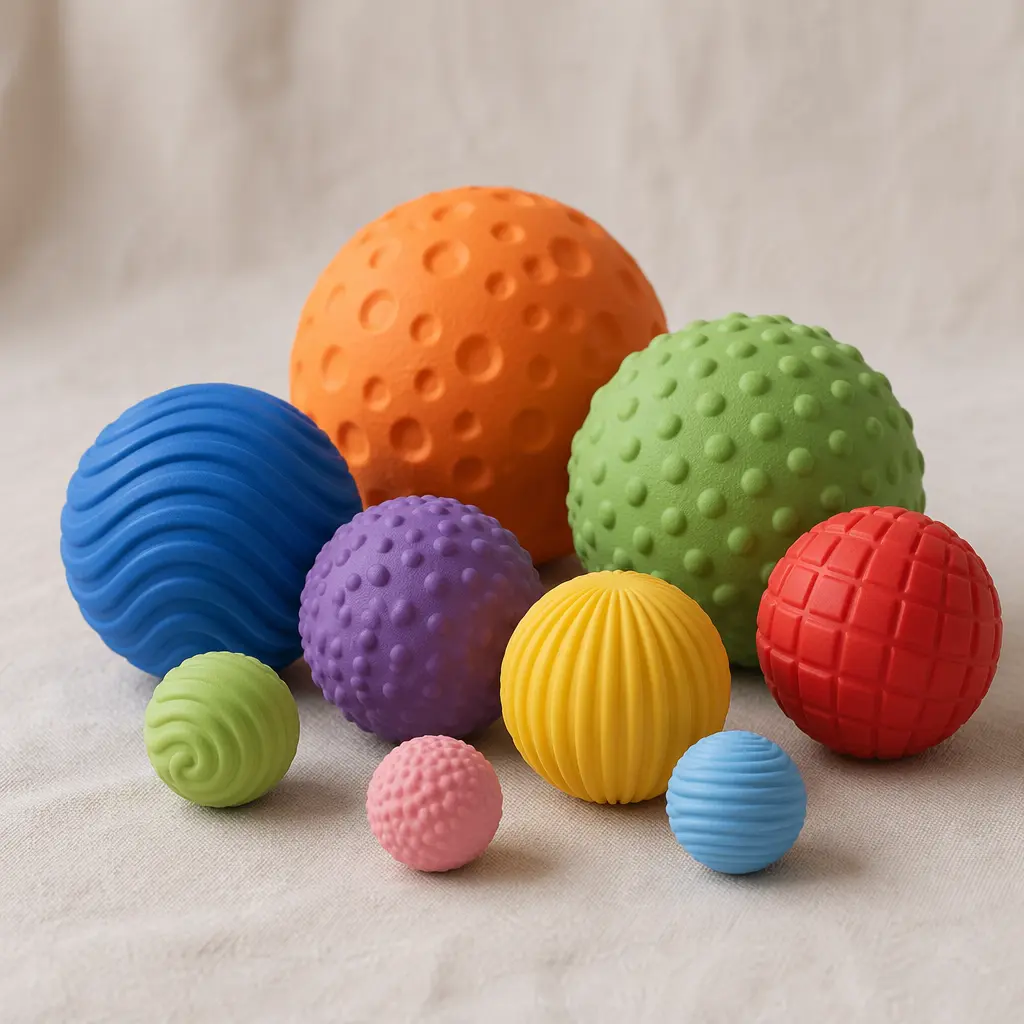
Modern
Once a therapy tool, sensory balls quietly moved into nurseries worldwide. Their textures, squeezability, and simple shapes support early motor skills while fitting modern, low-pressure play.
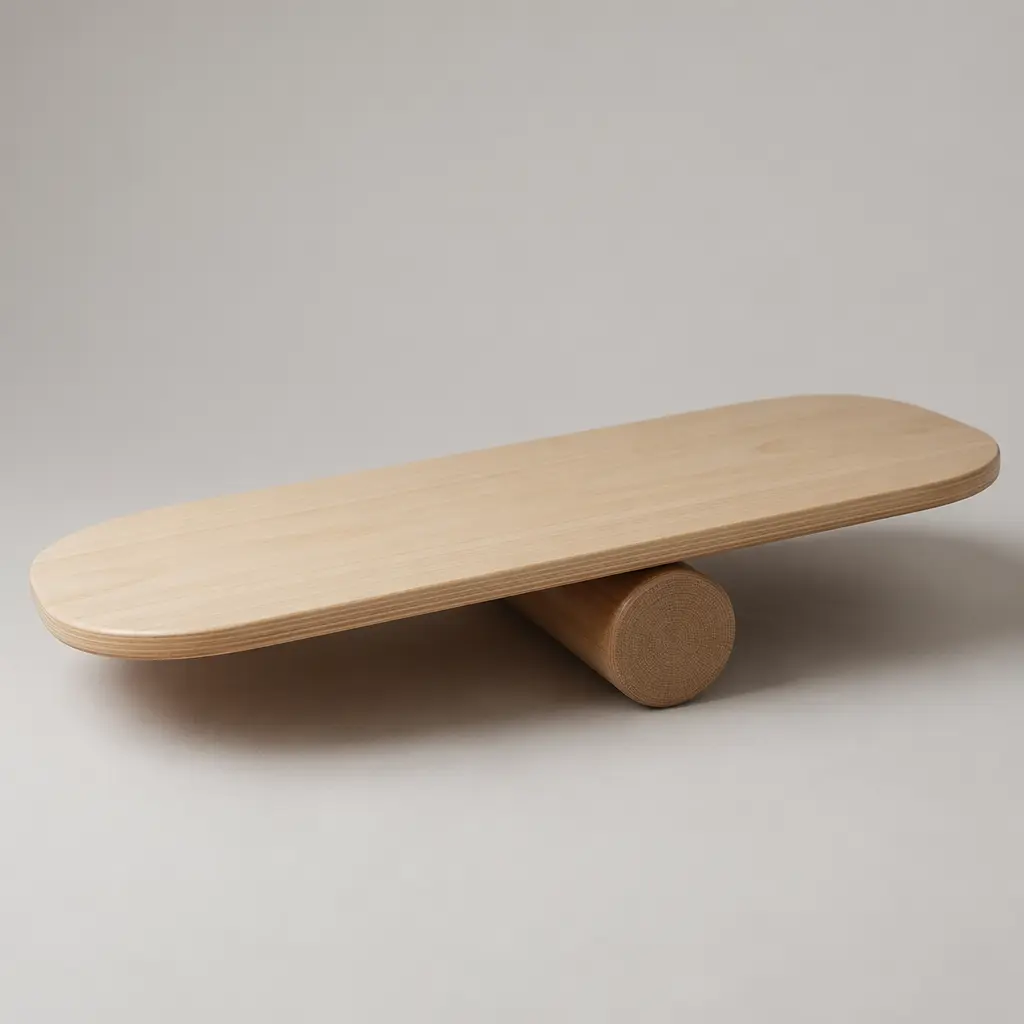
Modern
Once a rehab tool and surf trainer, the balance board became a go-to toy for building coordination, strength, and focus—by leaning into instability.
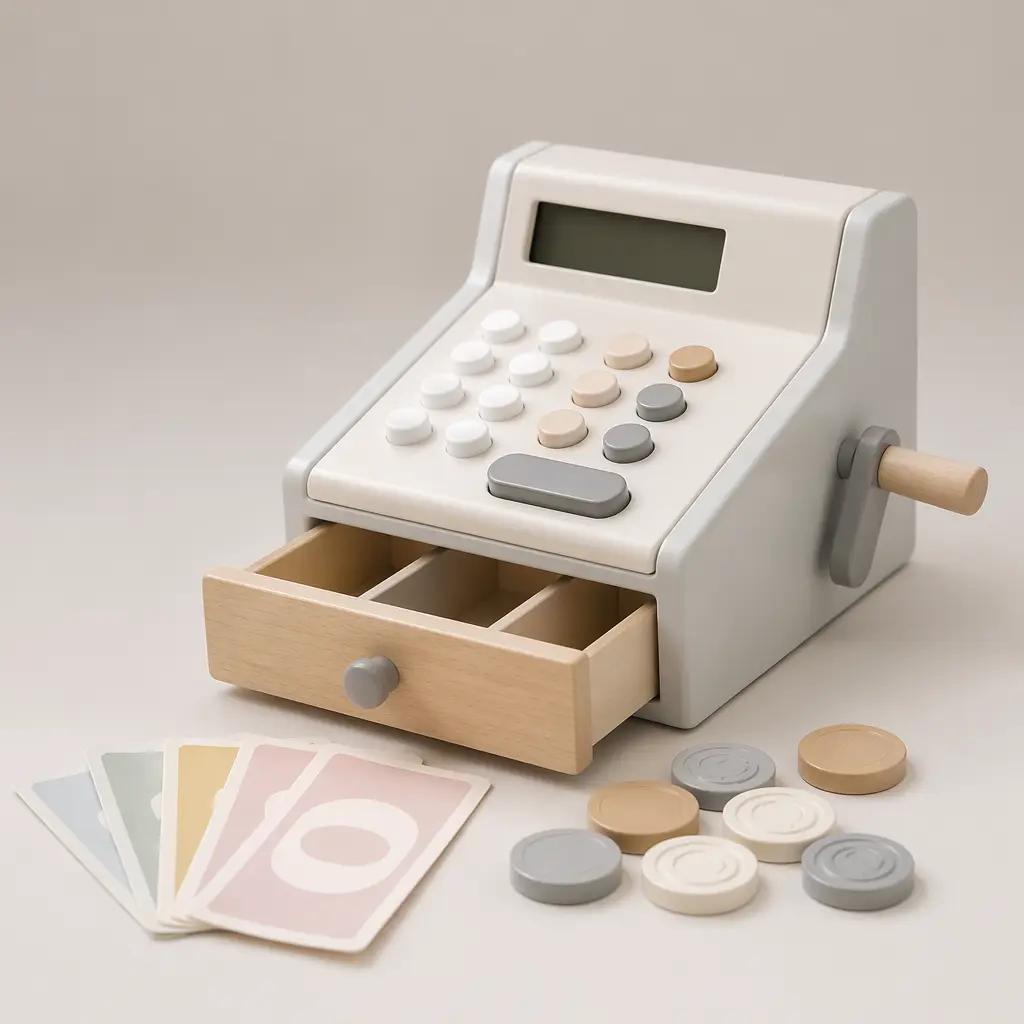
Modern
From chunky plastic tills to app-linked scanners, the play cash register keeps teaching maths, manners and confidence through pretend shopping.
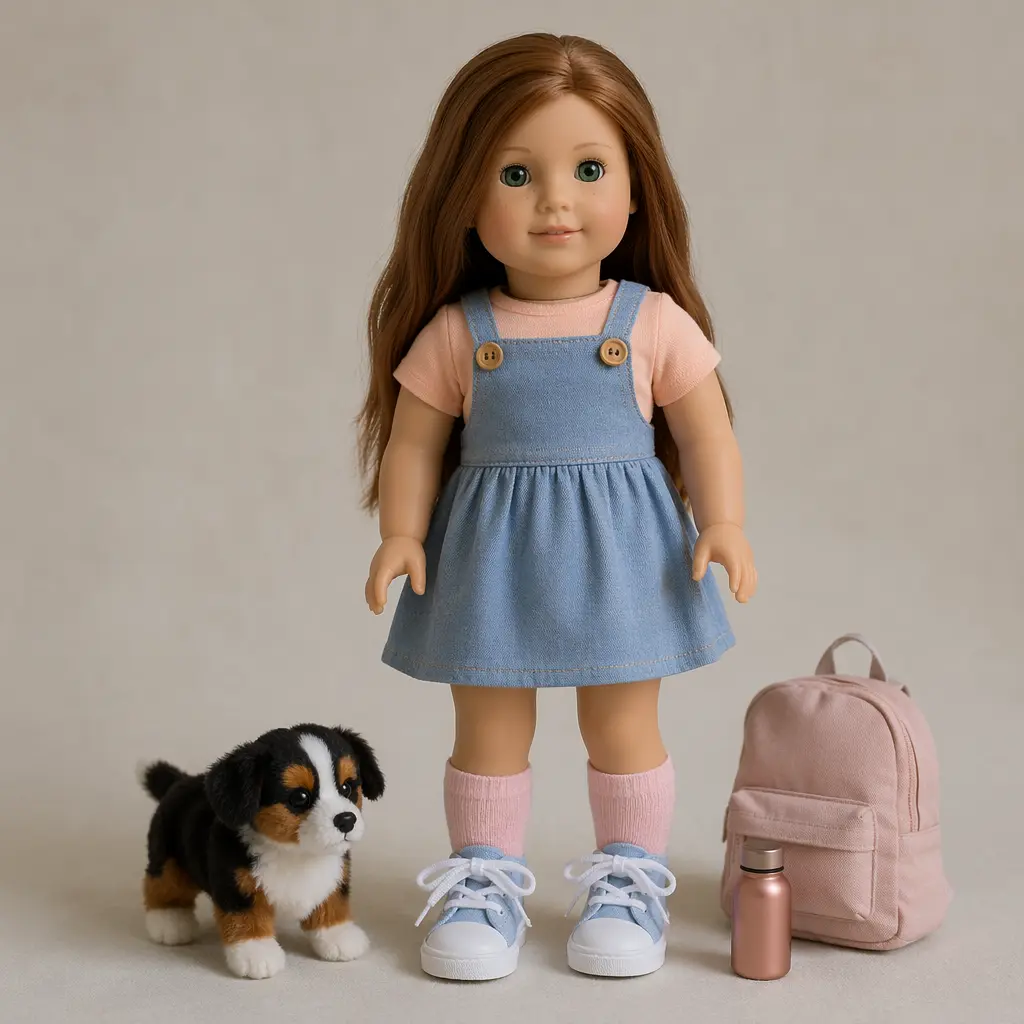
Modern · 2003
Launched in 2003, Our Generation Dolls built a loyal following by offering 18-inch dolls and rich accessories at a friendlier price, reshaping expectations of what a quality doll line could be.
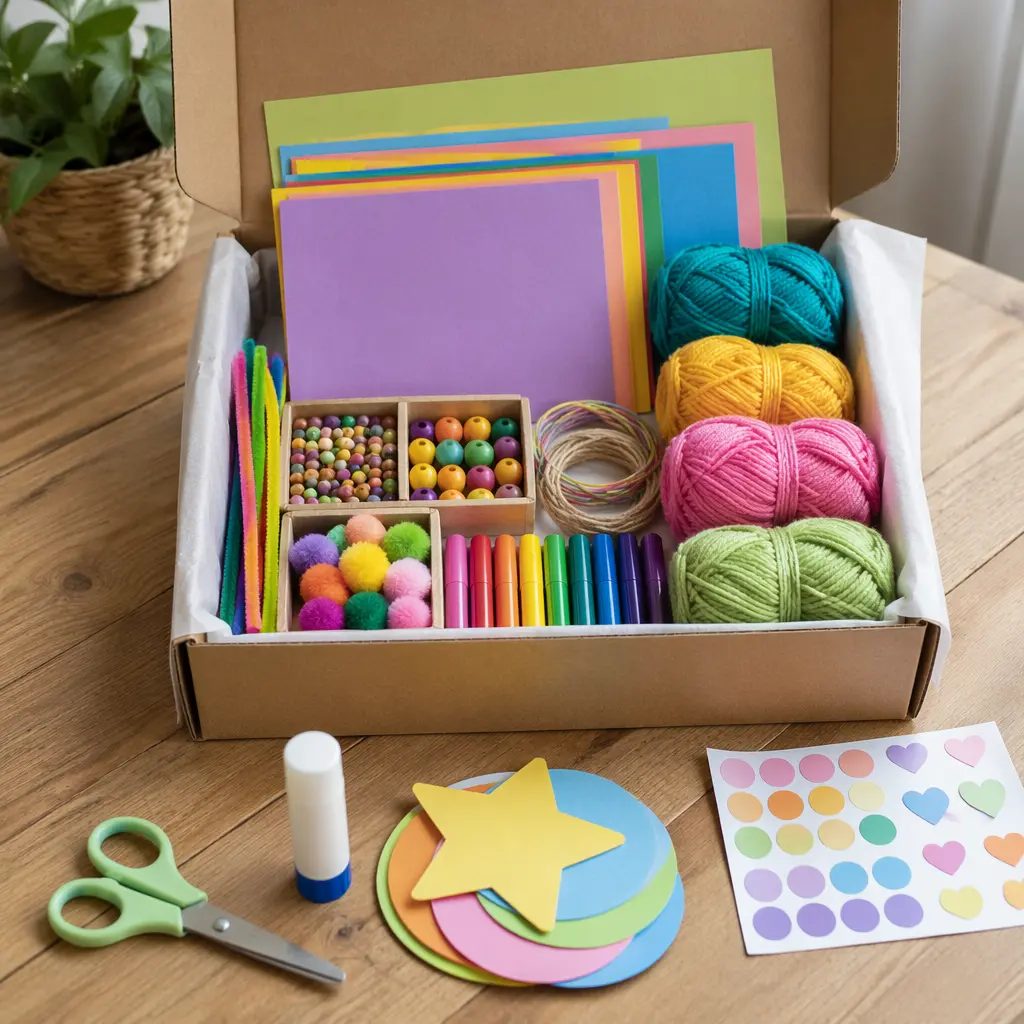
Modern · 1977
Klutz craft kits took the fear out of arts and crafts by pairing playful projects with famously clear, foolproof instructions—turning “I can’t” into finished creations for kids and parents alike.
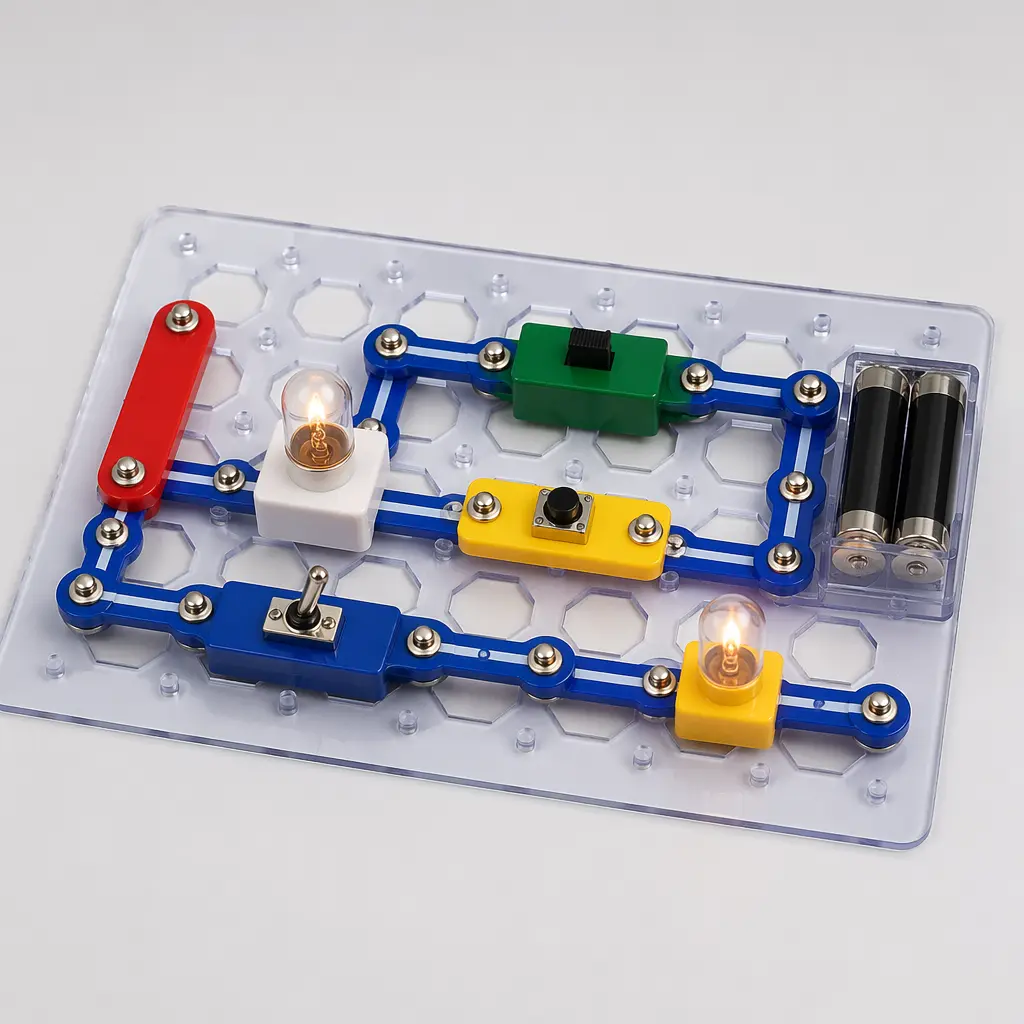
Modern · 1998
Circuit Maze turns real electrical circuits into a hands-on logic game. Since the late 1990s, it’s helped kids learn problem‑solving by snapping components together and lighting a bulb—no screens required.
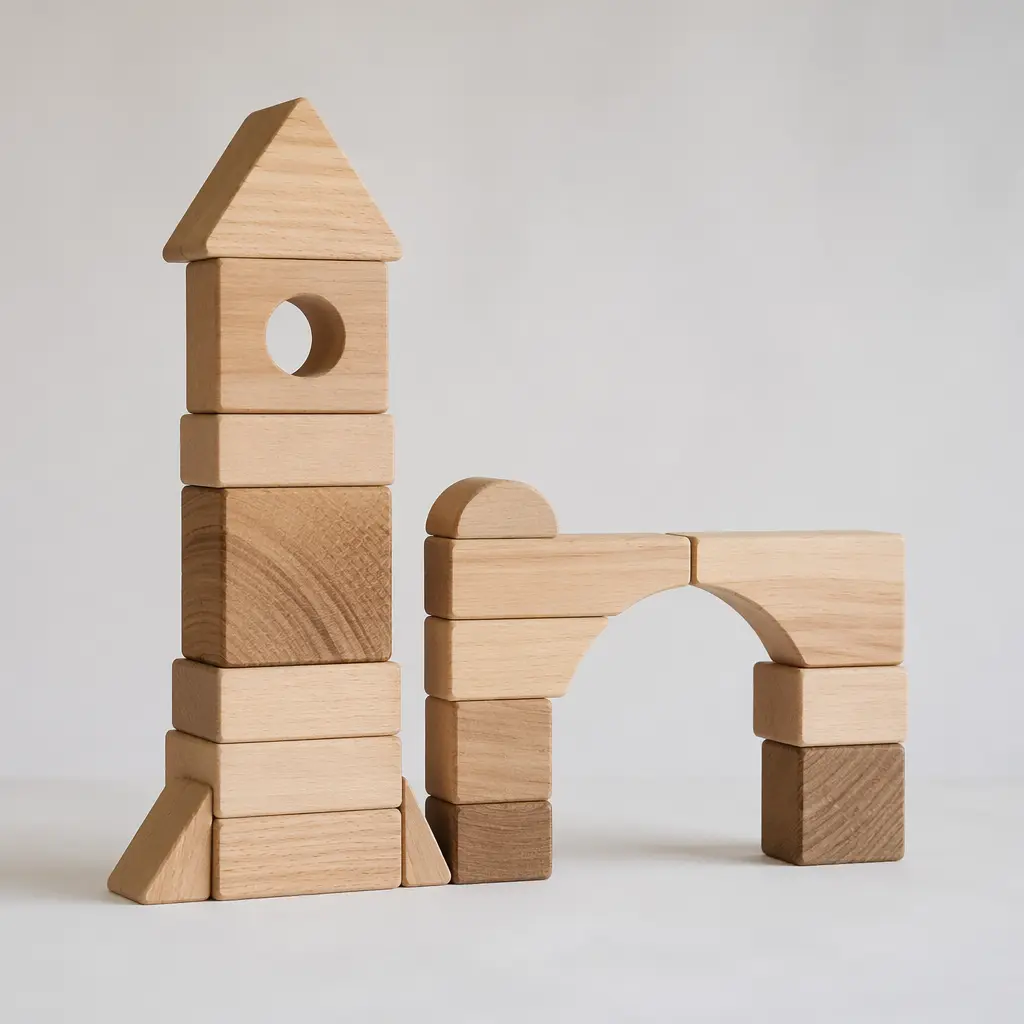
Modern · 2010
Tegu’s hardwood blocks hide magnets inside smooth wooden shapes, blending classic building play with modern engineering. Here’s how a simple idea turned into a modern family staple.
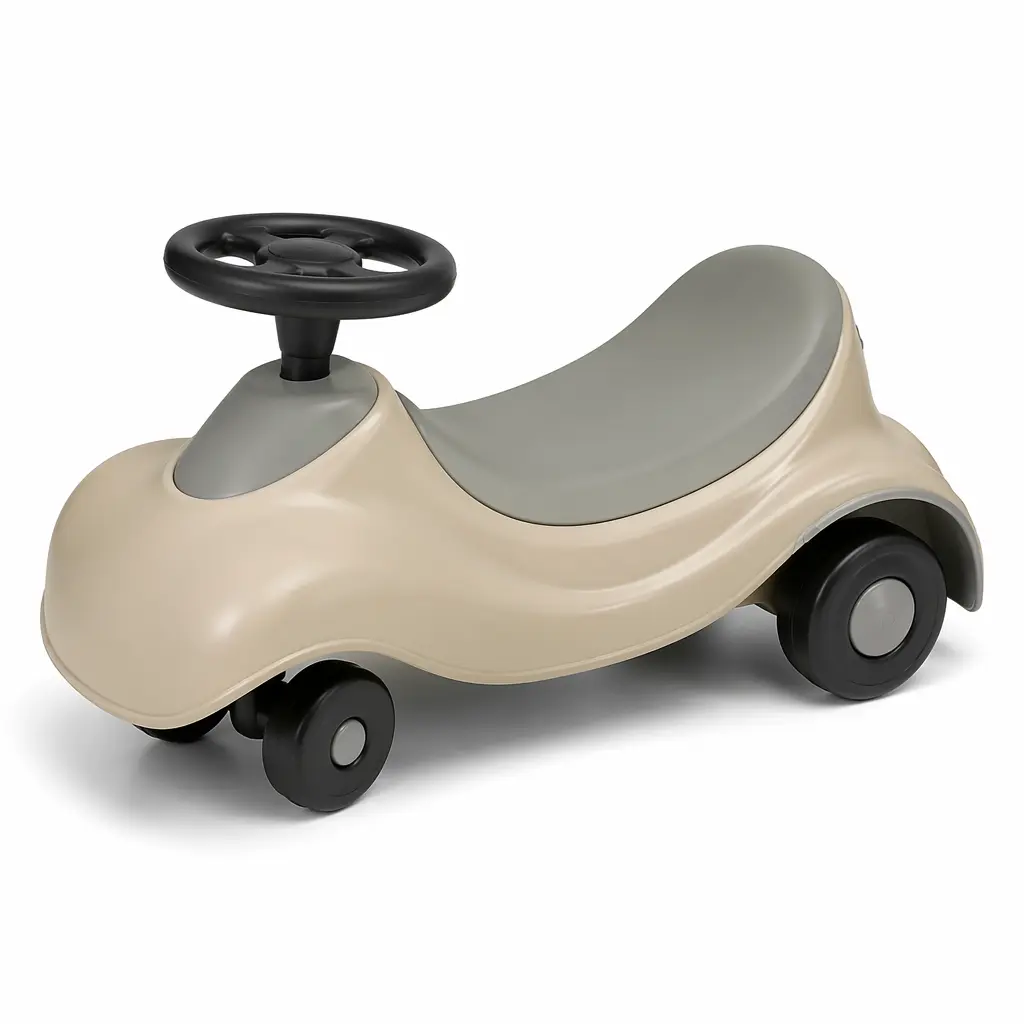
Modern
The Wiggle Car looks simple, but its twist-to-go motion teaches kids balance and coordination—no pedals, batteries, or charging required.
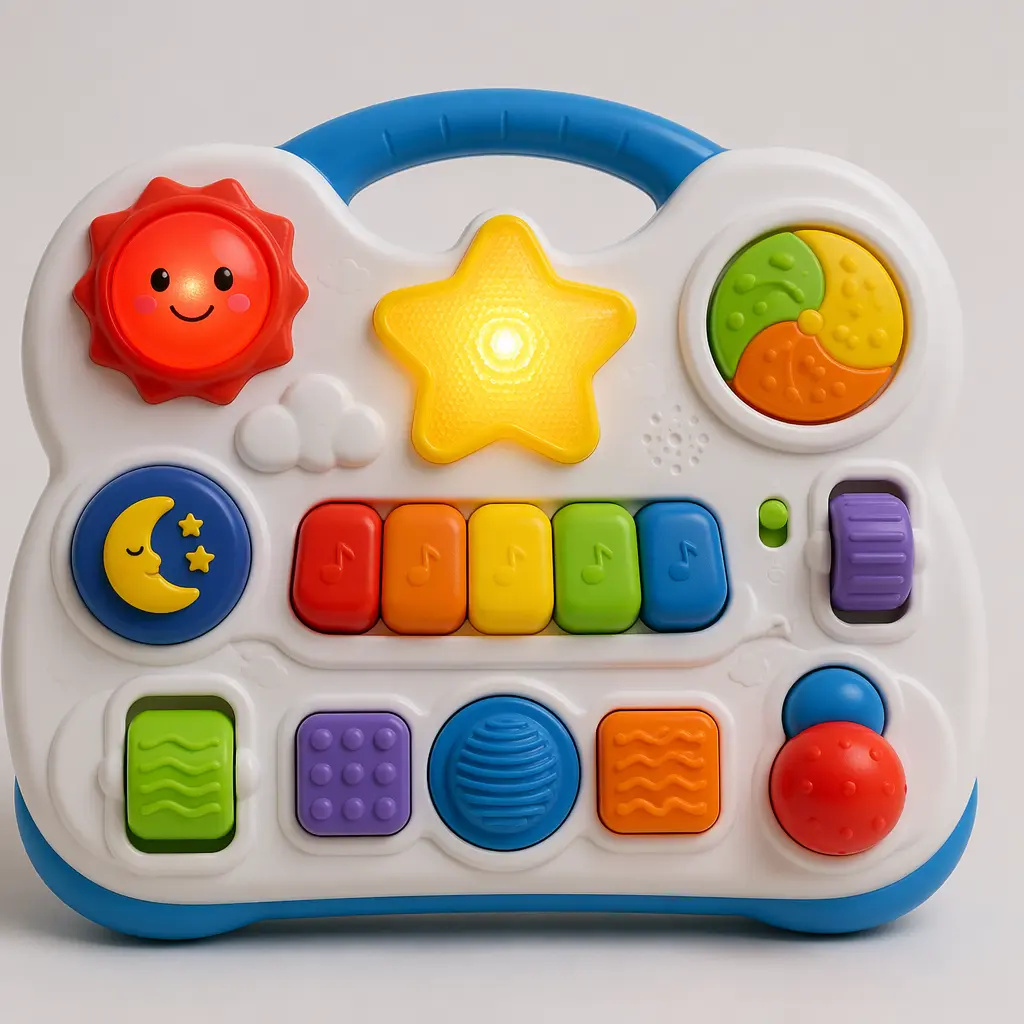
Modern
Fisher-Price Laugh & Learn helped make talking, singing, adaptive learning toys a household staple—reshaping how babies play, listen, and learn at home.
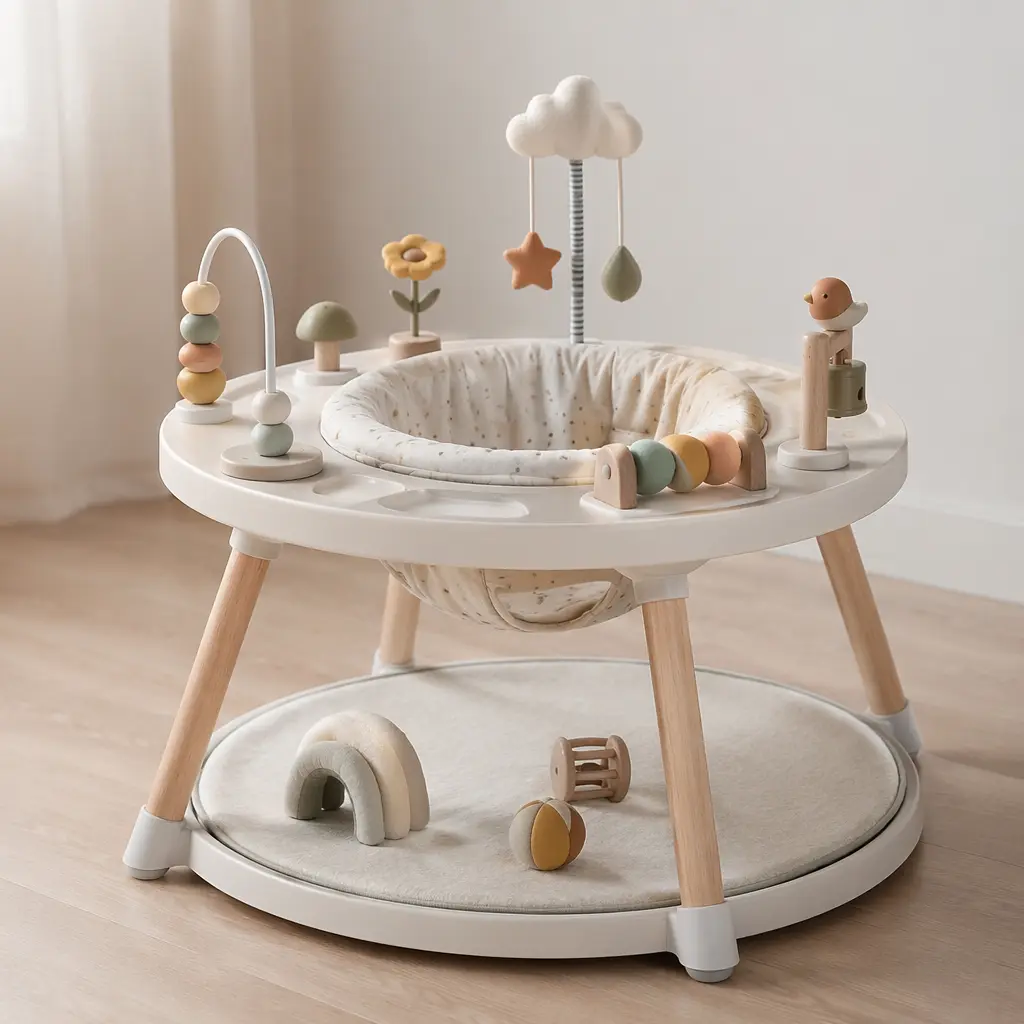
Modern
Skip Hop’s activity centers helped turn baby gear into design-led play spaces—practical, modular, and easy on the eyes for modern homes.
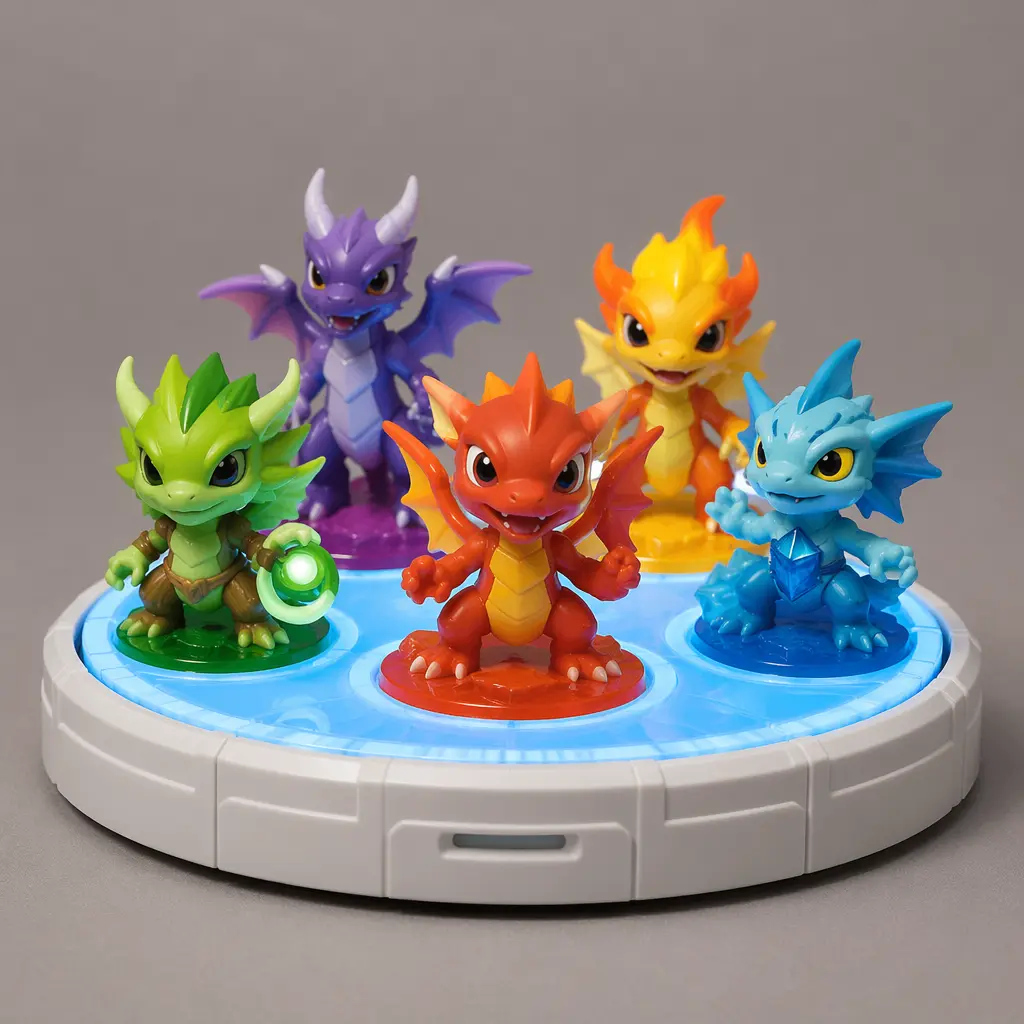
Modern · 2011
Skylanders launched in 2011 and showed how physical toys could unlock digital worlds. This profile looks at how the figures, portal, and game design changed family gaming.
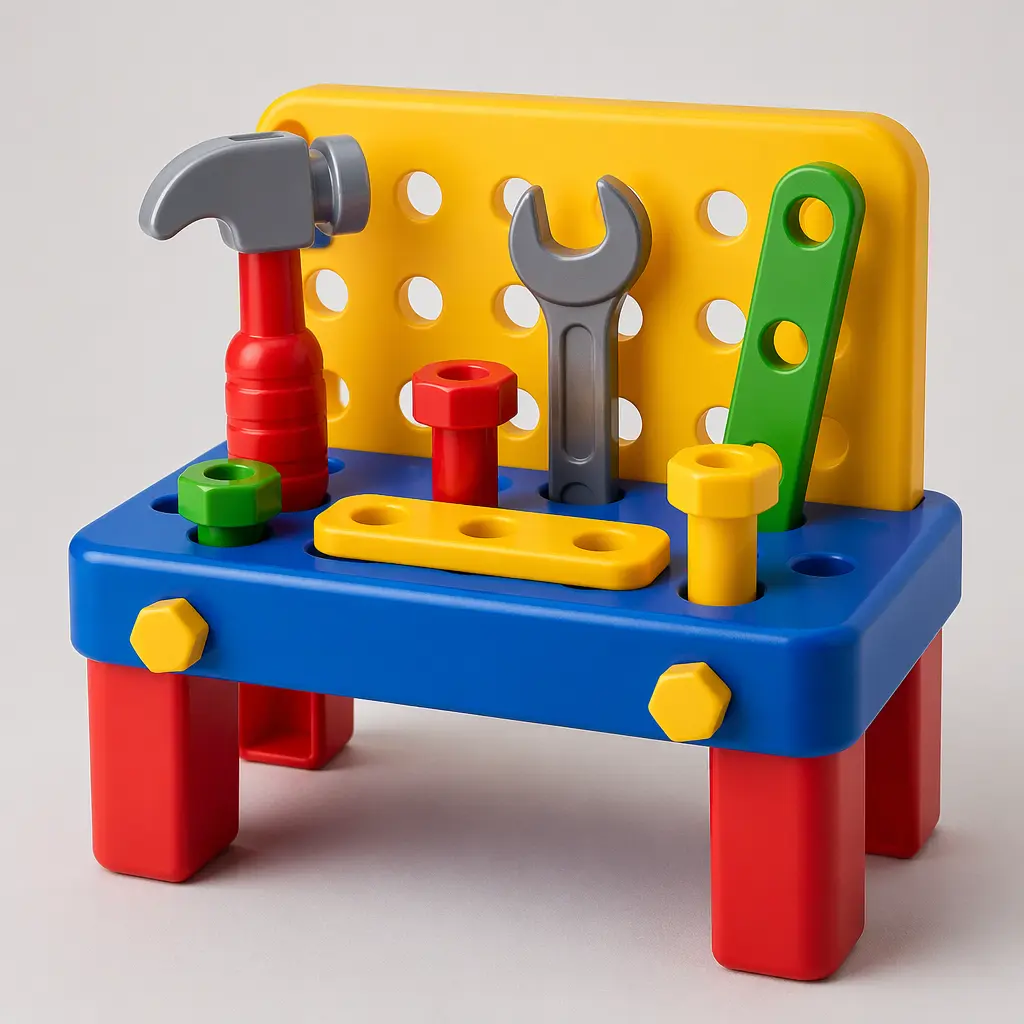
Modern · 1994
The Little Tikes Tool Bench turns oversized plastic tools into safe, satisfying pretend work—helping young kids practice coordination, copy grown‑ups, and build confidence through play.
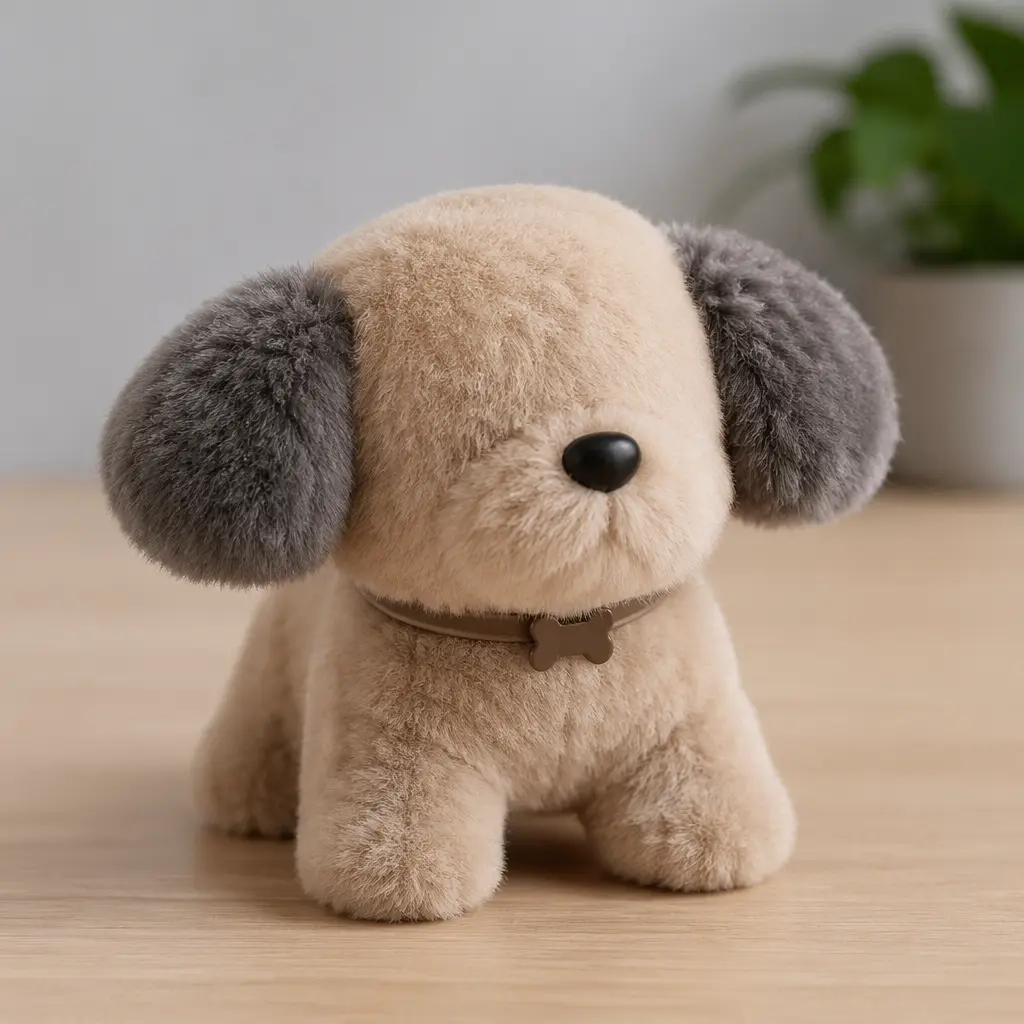
Modern · 2014
Since 2014, Little Live Pets have blended cuddly toys with responsive sounds and motion, showing how simple electronics can create convincing, caring play without a screen.
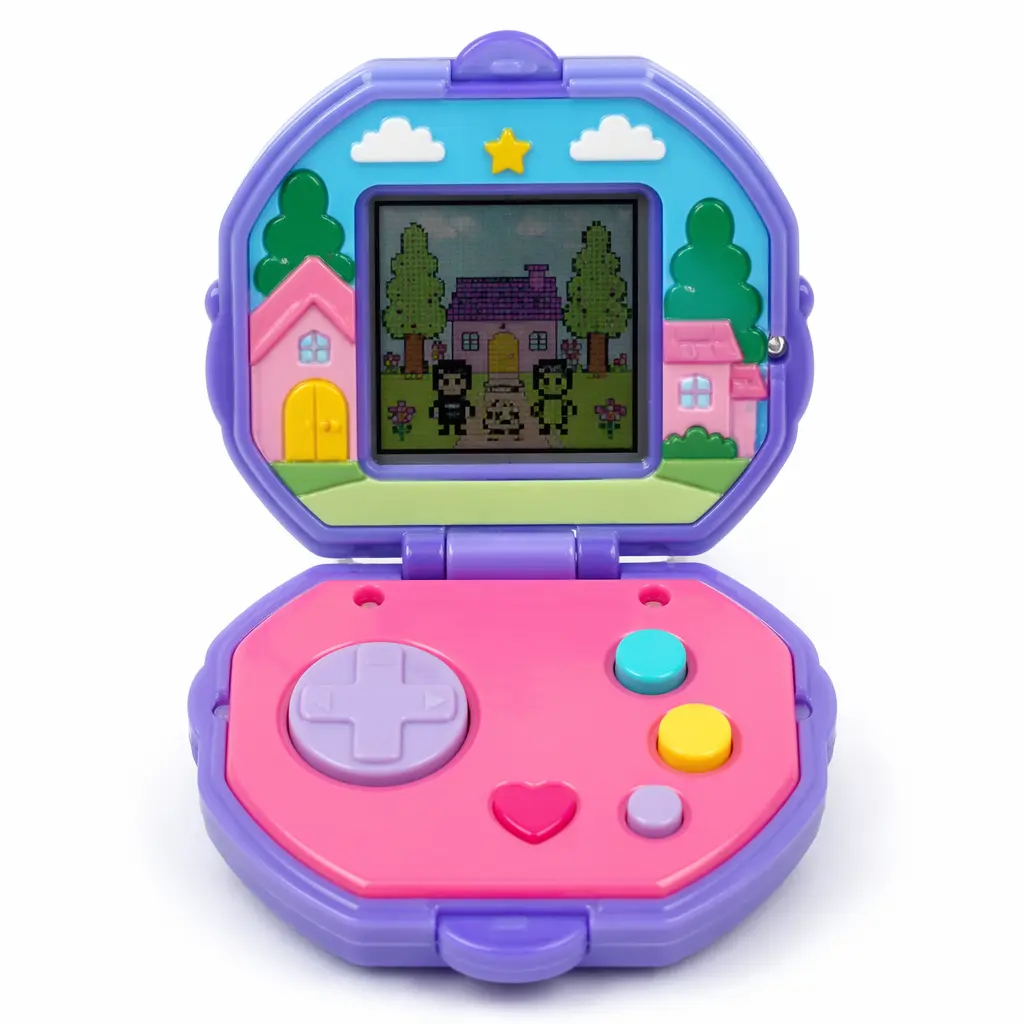
Modern · 2008
Pixel Chix blended dolls with early digital life, letting kids care for on‑screen characters through physical playsets at a moment when toys began to feel like devices.
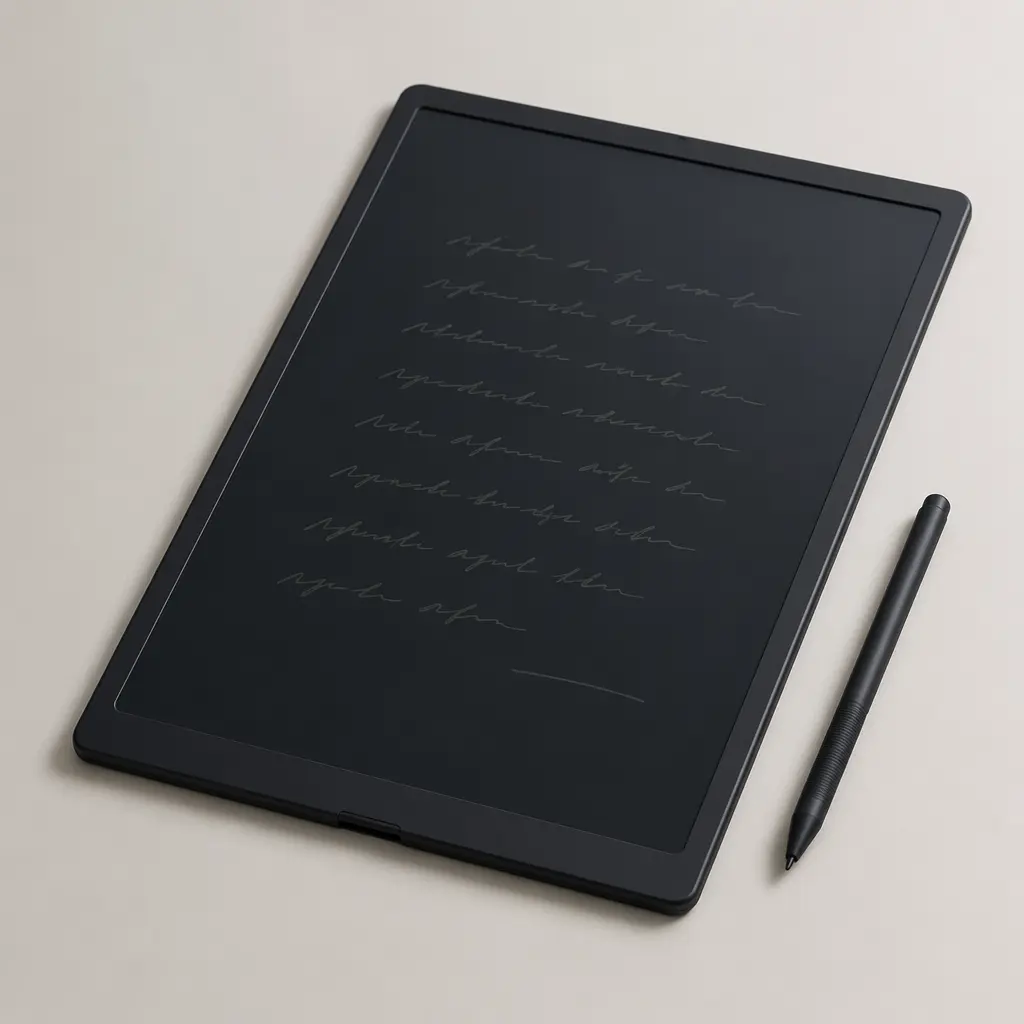
Modern
Thin, battery‑powered writing tablets have slipped into homes and classrooms, replacing sticky notes and scrap pads with a tap‑to‑erase screen that feels oddly like magic.
Modern
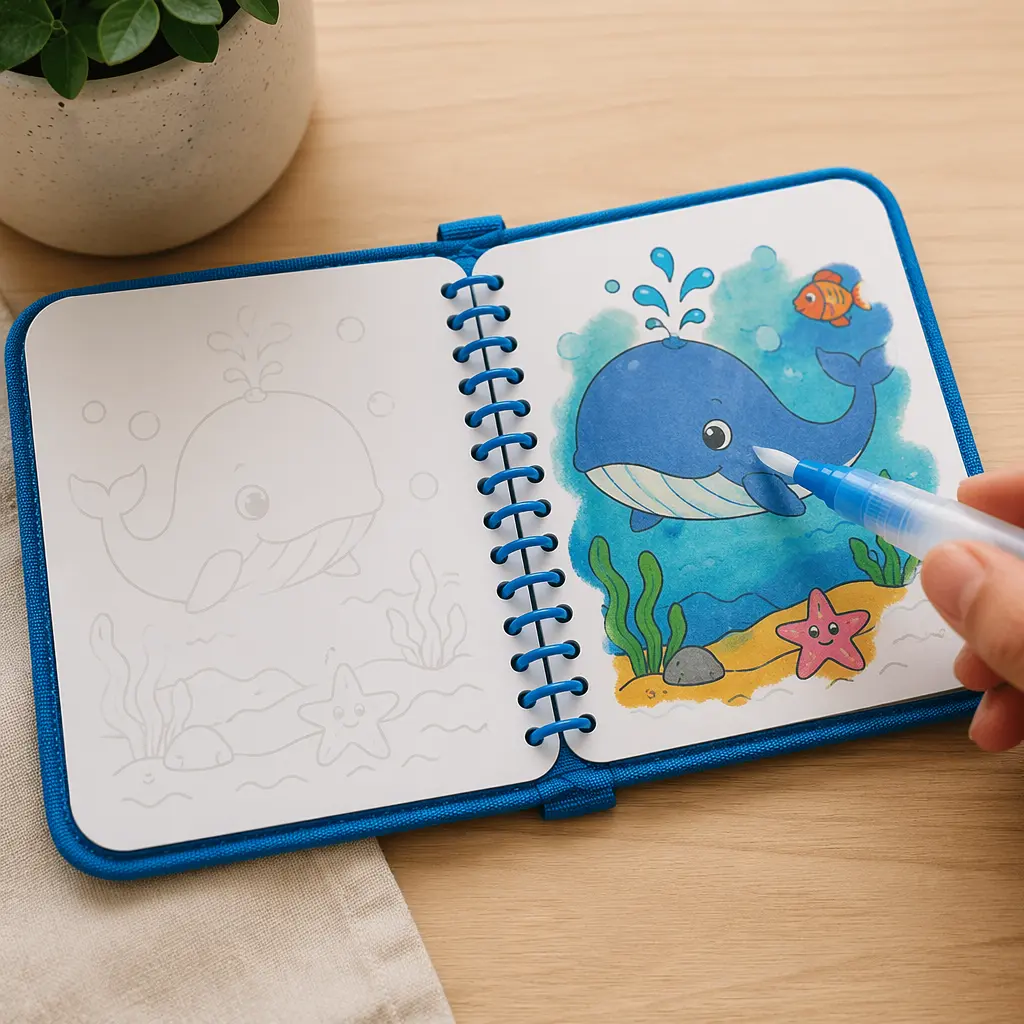
Water Wow! books turn a simple paintbrush and water into reusable art. Here’s how these mess‑free pages won parents over, why kids stay hooked, and what to look for today.
Modern · 2000
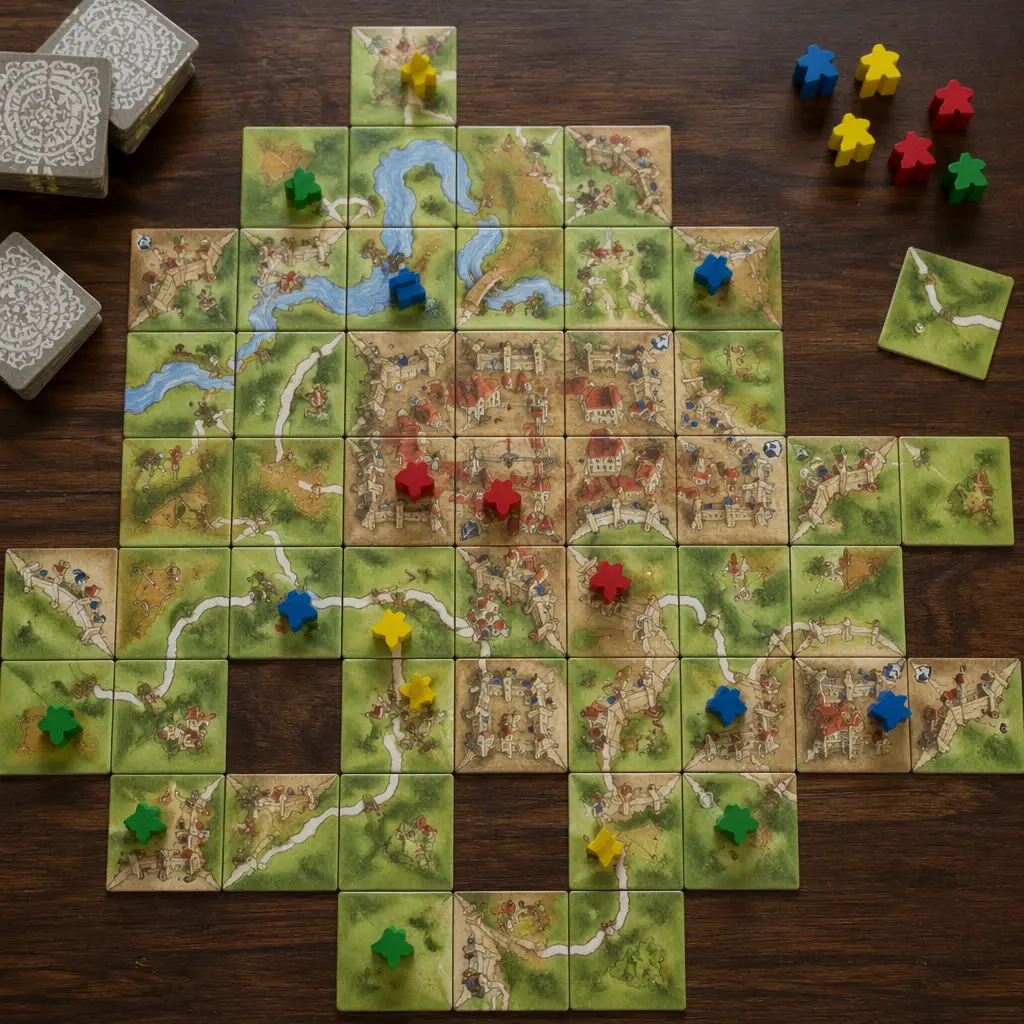
Since 2000, Carcassonne has shown how placing the board can be the game. Its simple tile‑laying turns cities, roads and fields into a quietly strategic, family‑friendly classic.
Modern
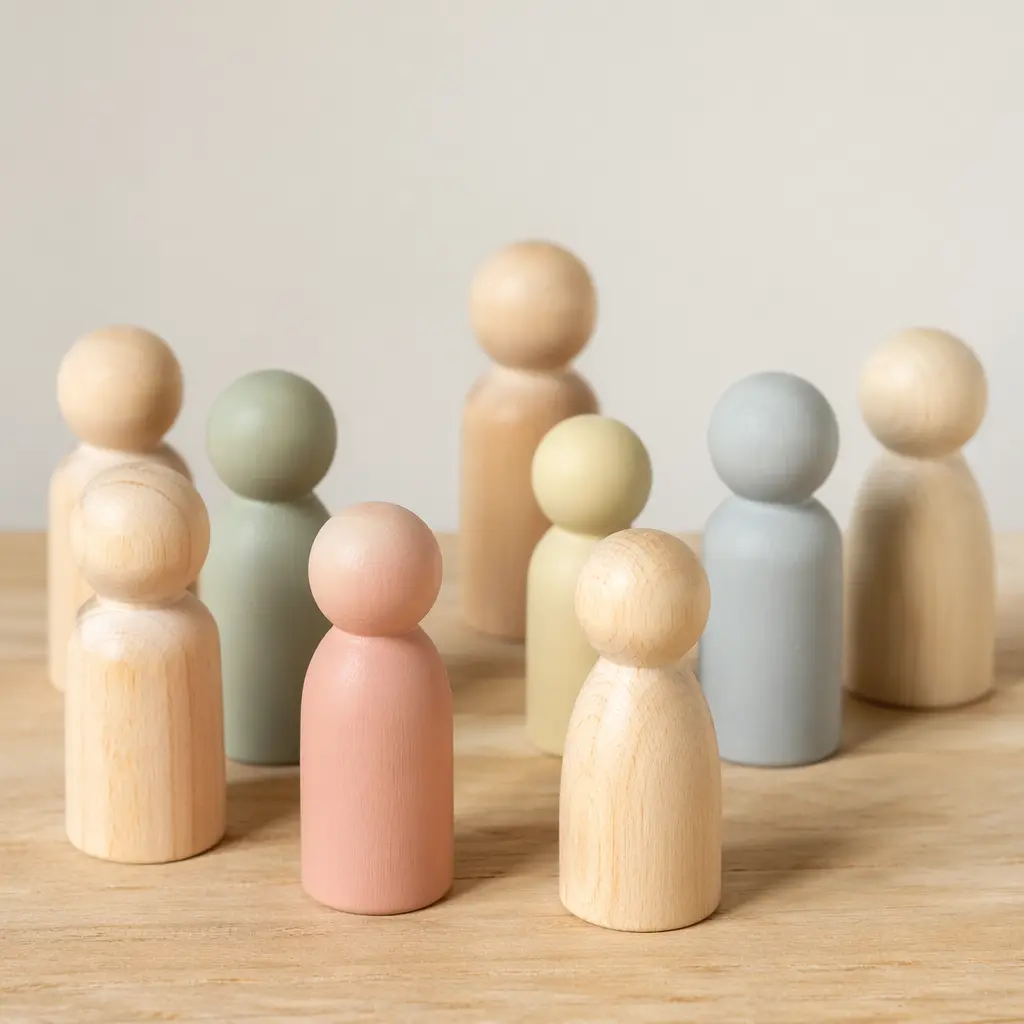
Grimm’s Wooden Peg Dolls are simple, faceless figures that invite open‑ended storytelling. Their minimal design, natural materials, and flexibility have made them a modern classic in imaginative play.
Modern · 1983
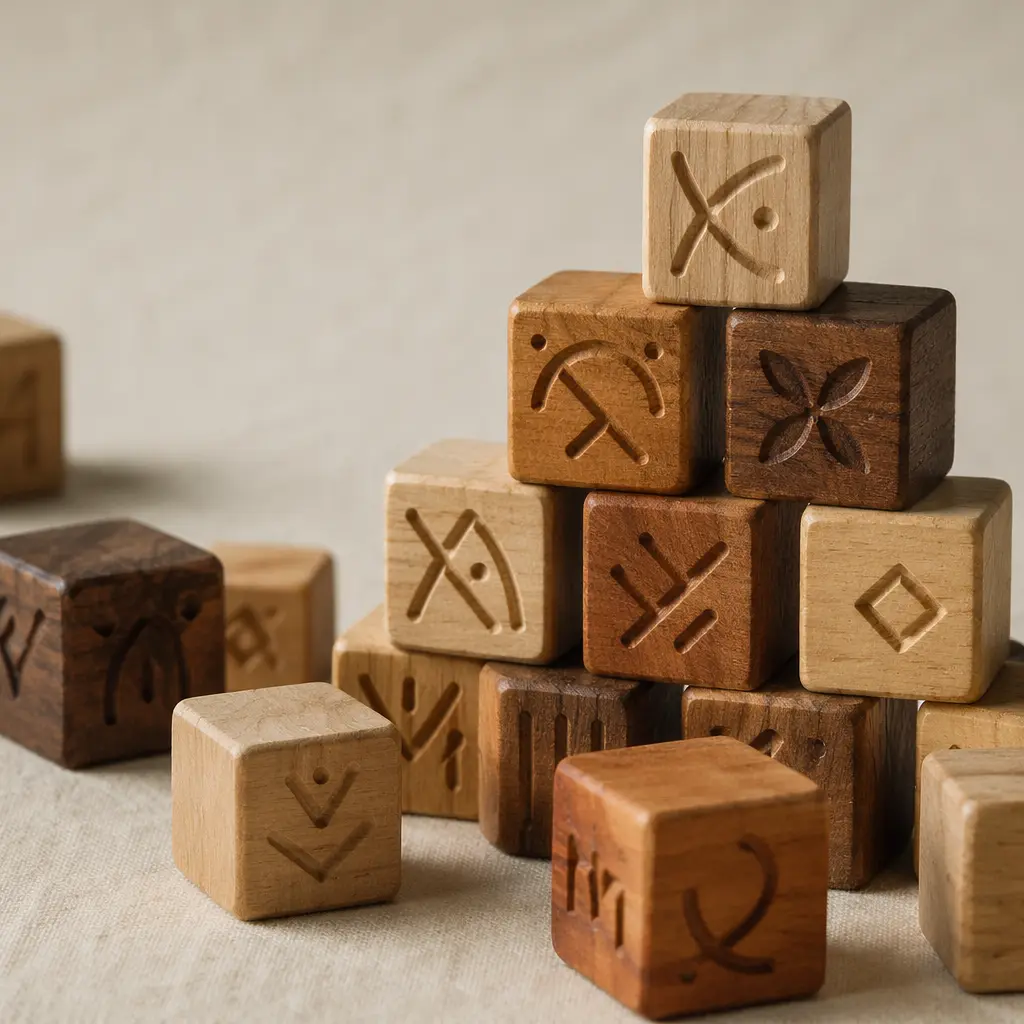
Since the 1980s, Uncle Goose Blocks have turned letters and numbers into tactile play. Loved by parents, teachers, and designers, they blend heirloom craft with early literacy.
Modern · 2001
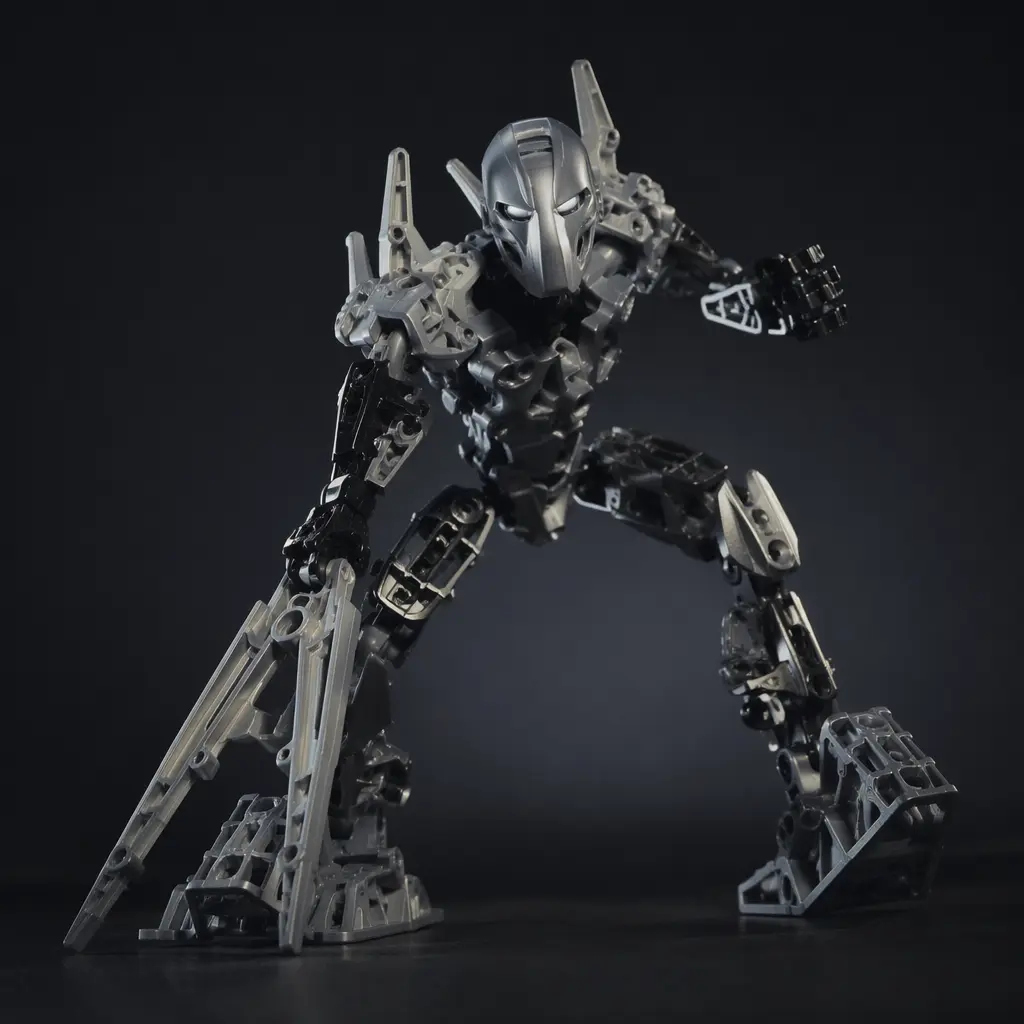
Launched in 2001, LEGO Bionicle fused construction play with deep lore, turning buildable figures into heroes of an epic saga that still draws fans back today.
Modern · 2016
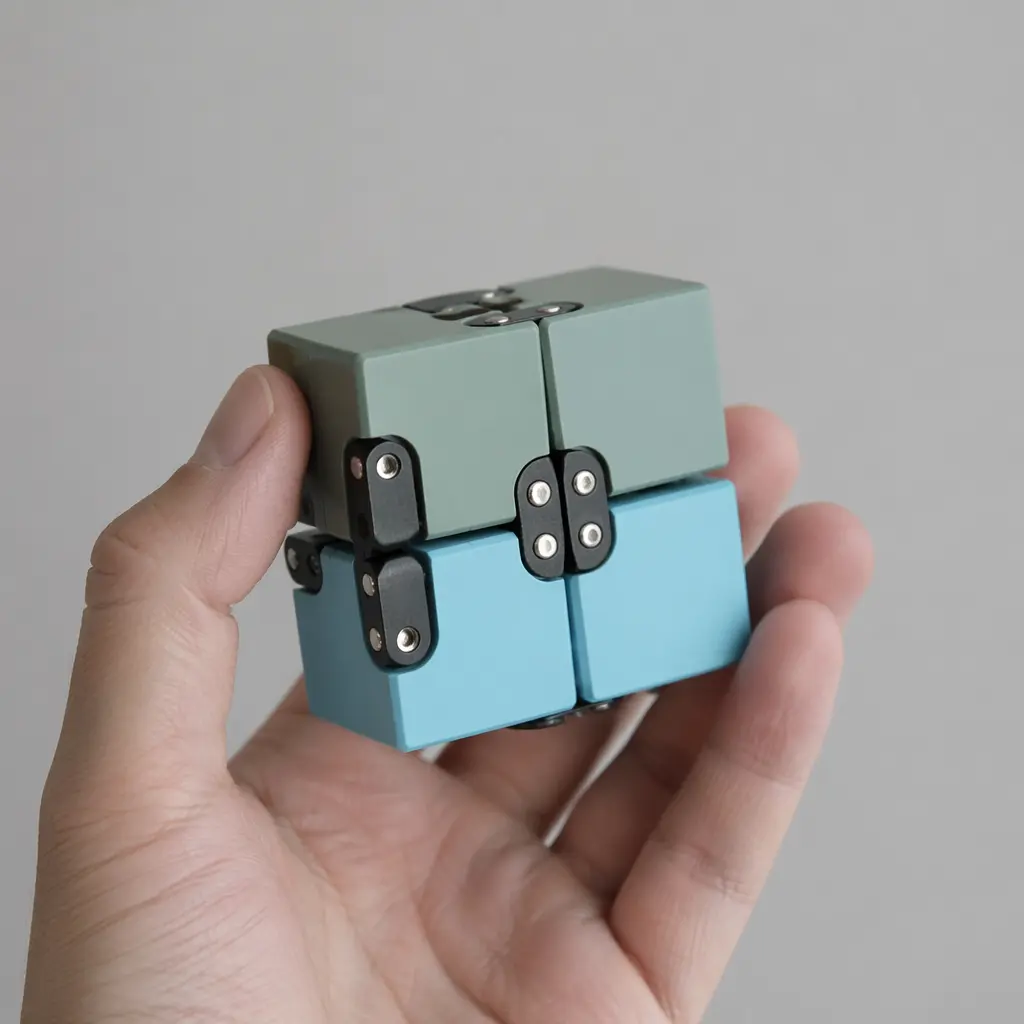
The Infinity Cube looks simple, but its endlessly folding motion made it a modern classic for restless hands. Here’s where it came from, why it works, and what to know today.
Modern · 1967
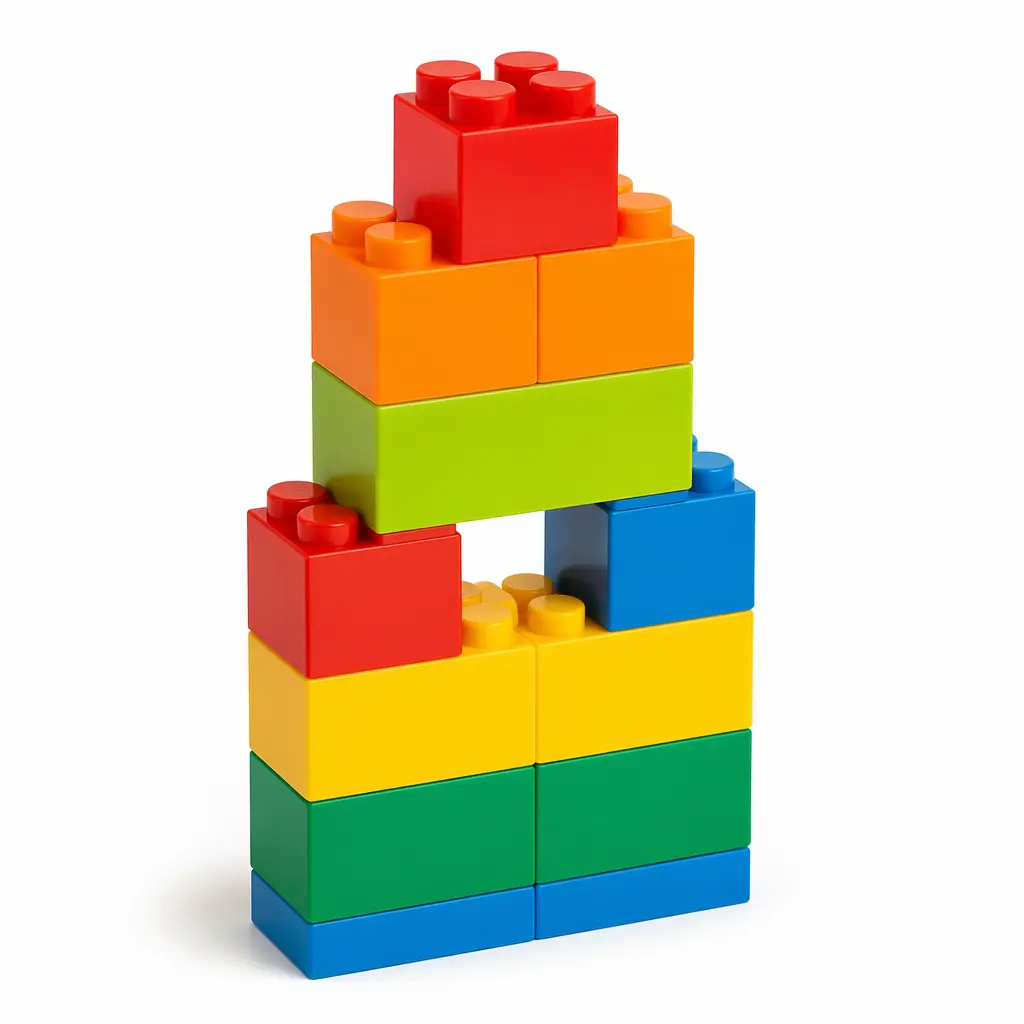
Mega Bloks carved out a quiet but lasting role as a child’s first building toy, offering oversized, easy-grip bricks that introduced construction play years before smaller systems made sense.
Modern · 2016
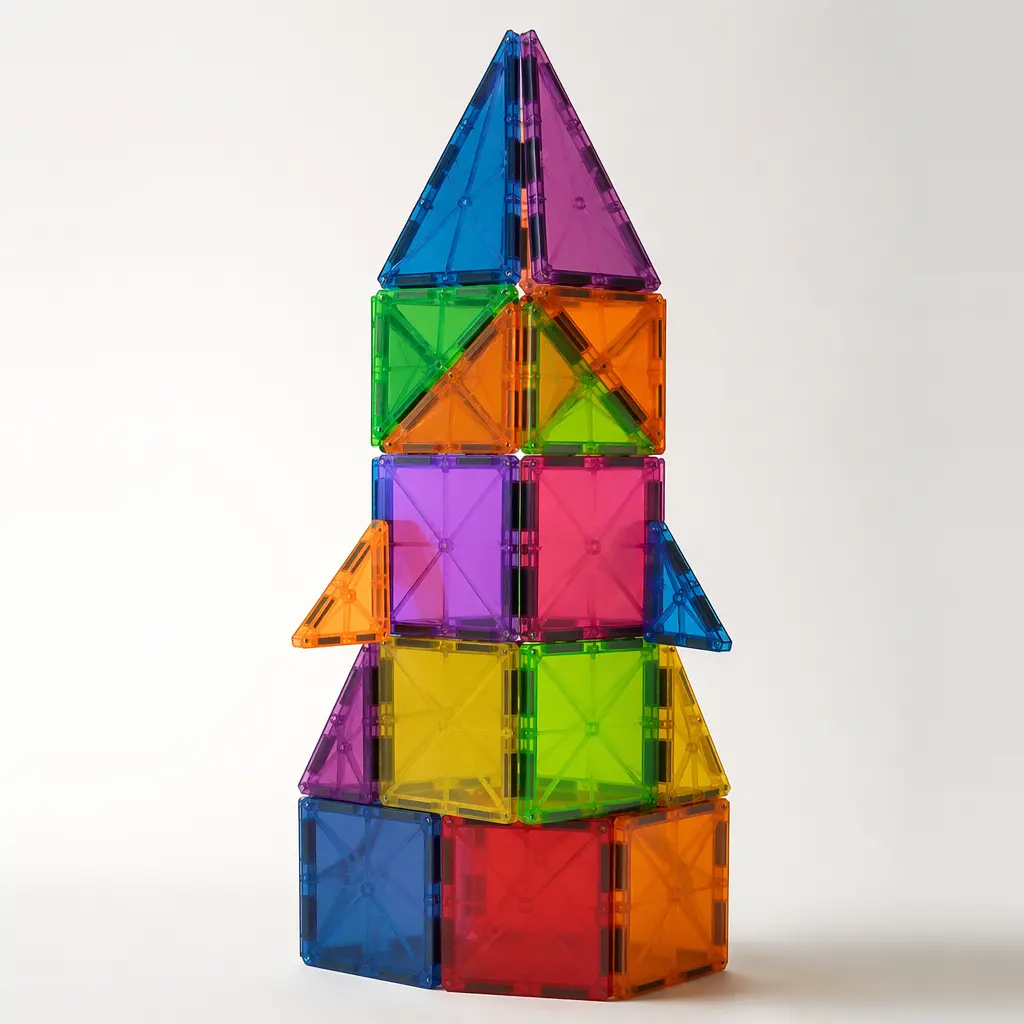
PicassoTiles helped bring large-scale magnetic building into more homes, pairing bright, sturdy tiles with accessible pricing and an open-ended play style that works for kids and parents alike.
Modern · 2016
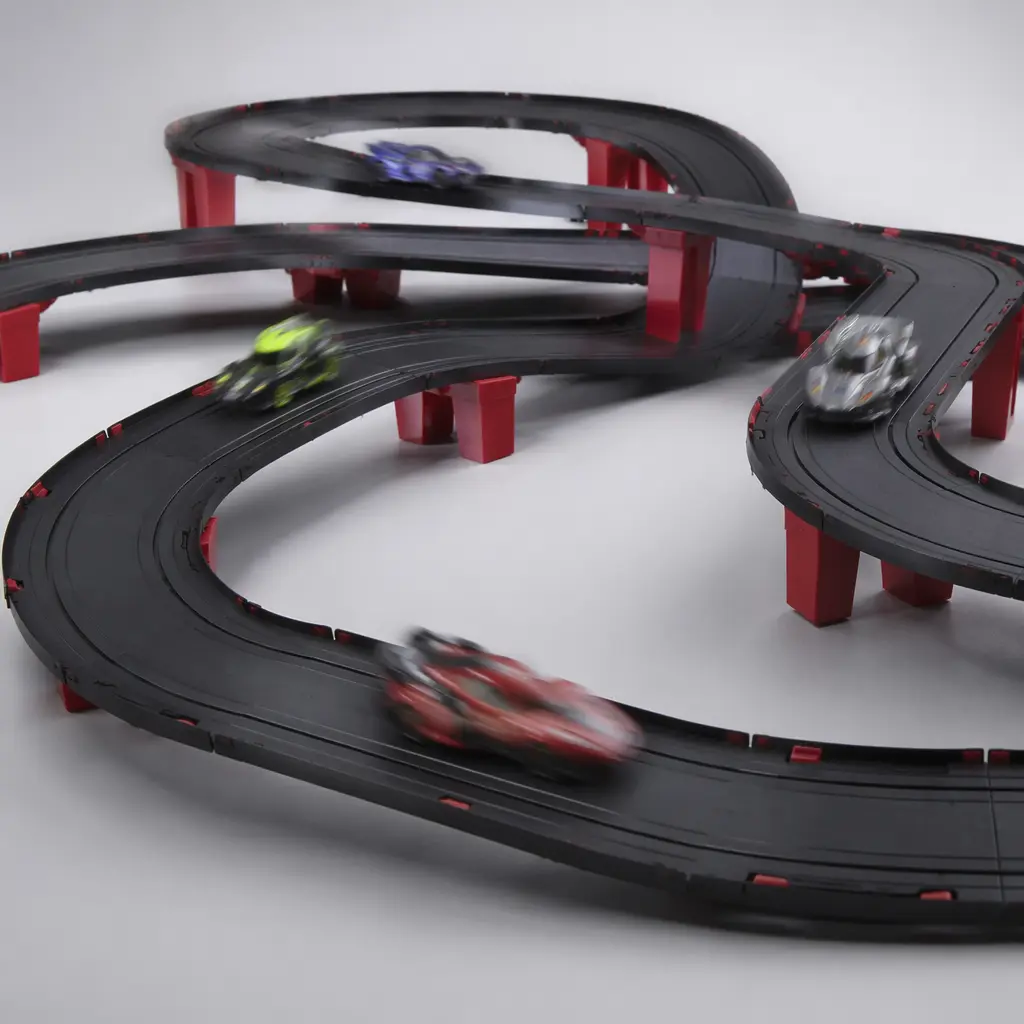
Anki Overdrive fused app-controlled smart cars with modular tracks, turning tabletop racing into a video-game-like experience that still feels physical.
Modern · 2016
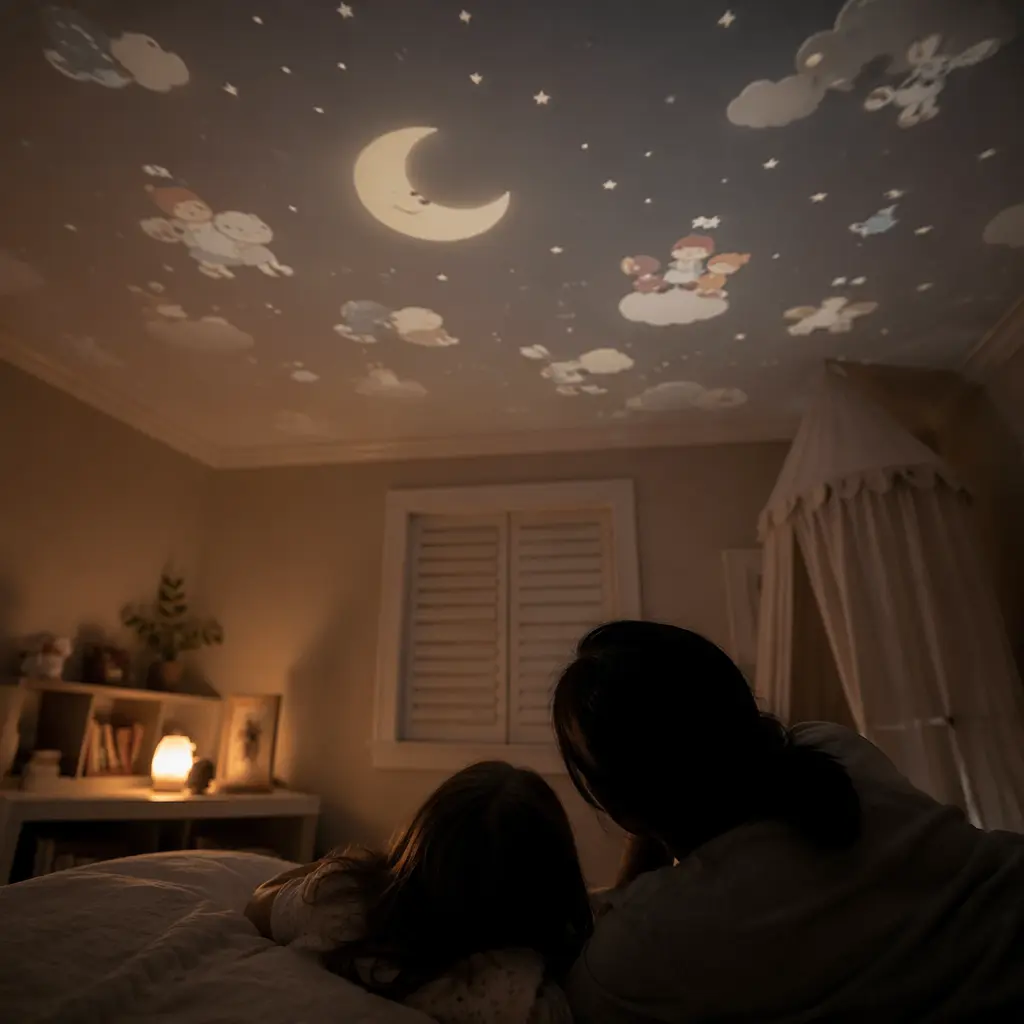
Launched in 2016, Moonlite turned a smartphone into a ceiling storybook. Its clever projector revived bedtime reading for modern families—mixing screens, storytelling, and a little magic.
Modern · 2000
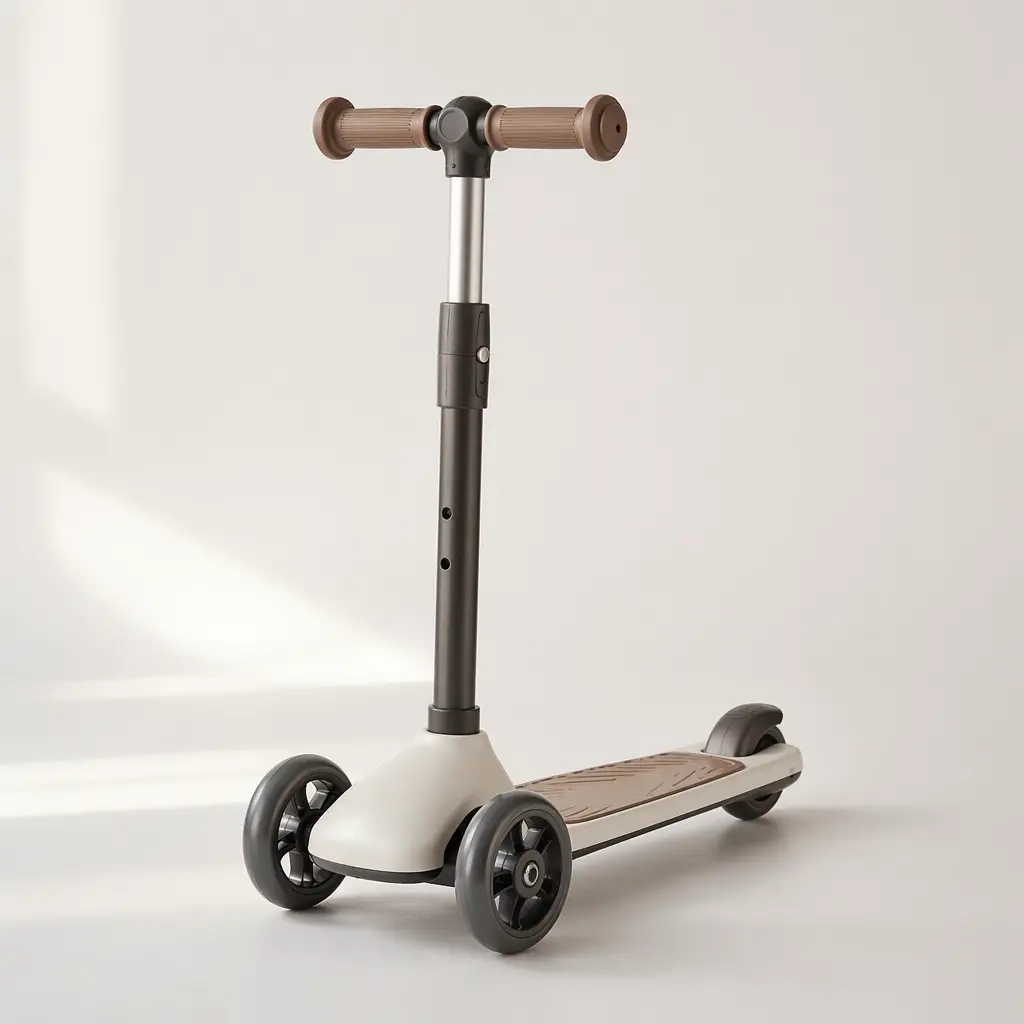
Born in Switzerland, Micro Kickboard scooters helped turn scooting into everyday family transport, prized for smooth glide, smart design, and kid-friendly control.
Modern · 2011
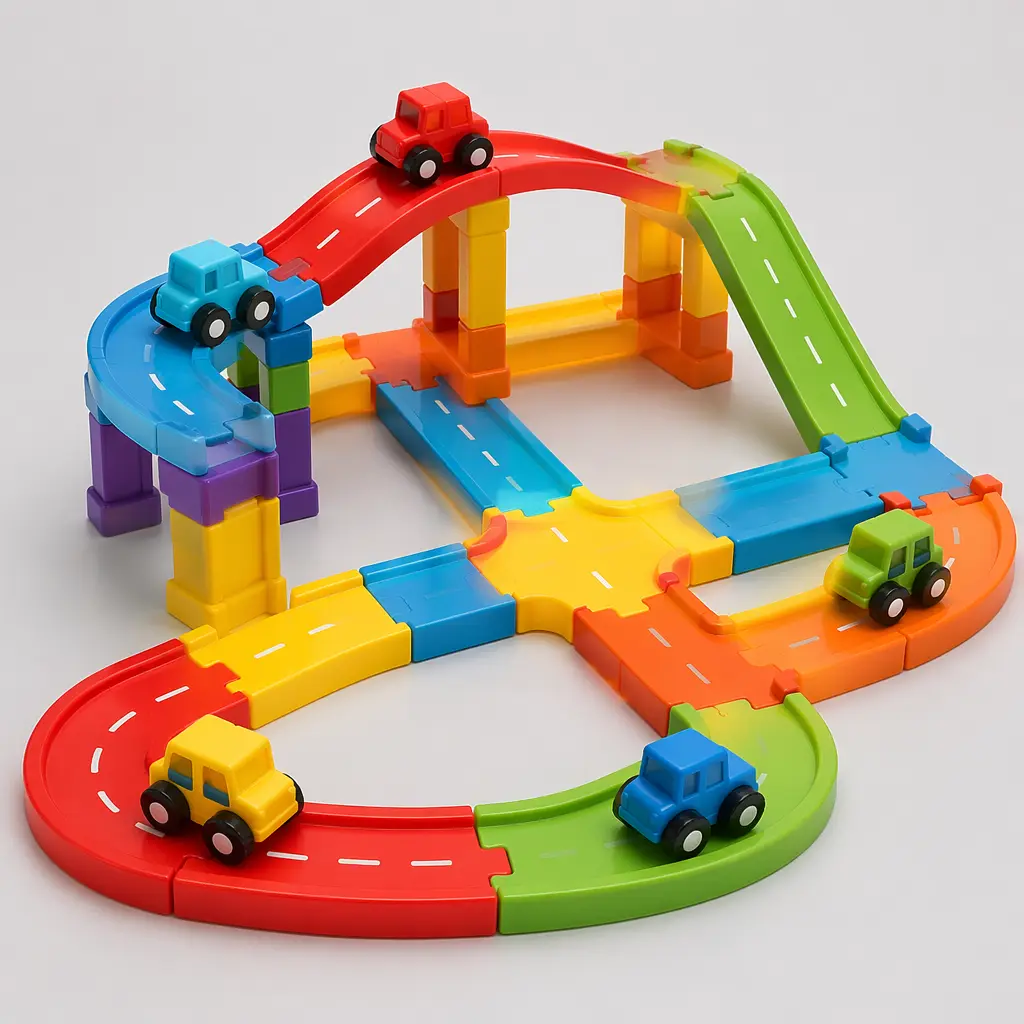
VTech Go! Go! Smart Wheels turned rolling cars into a gentle lesson in cause and effect, using simple electronics and sturdy tracks to reward toddlers with sounds, lights, and repeatable discoveries.
Modern · 2009
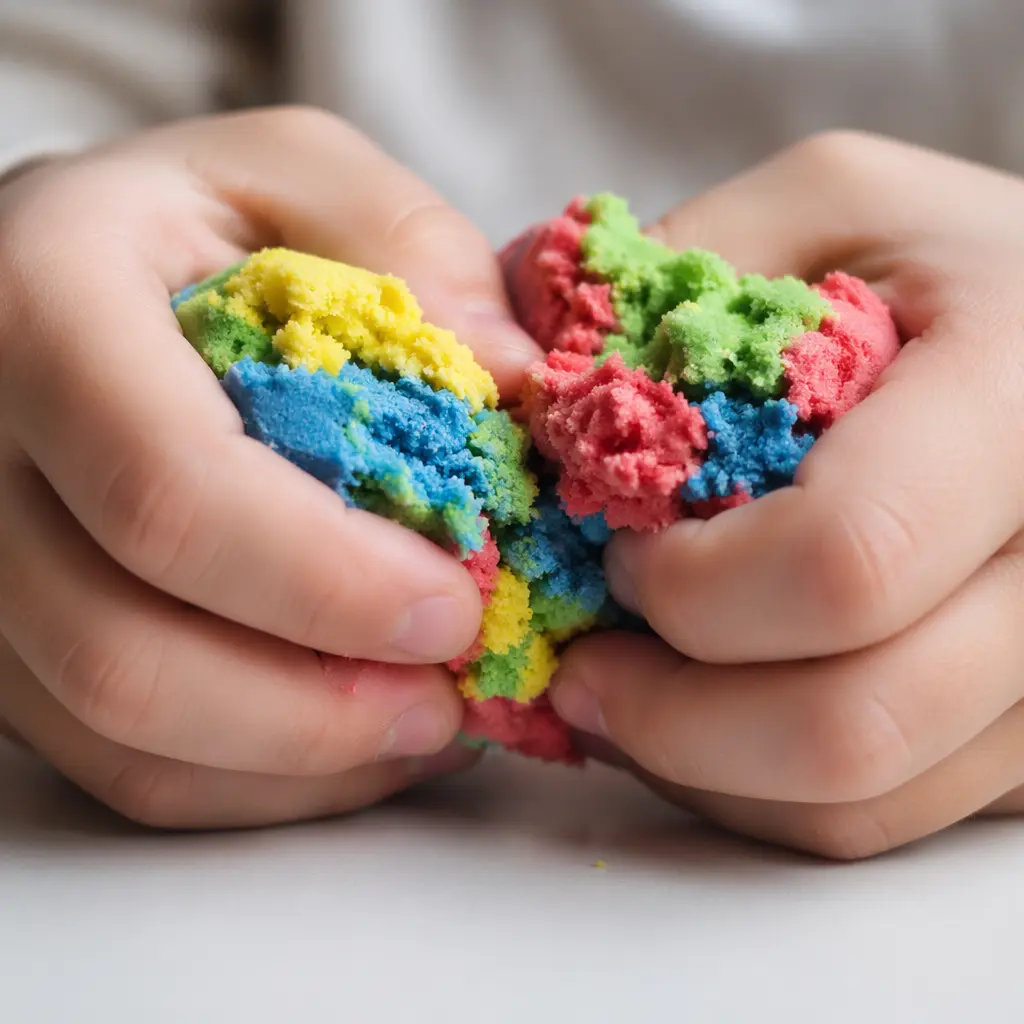
Introduced in 2009, Moon Dough stood out as a moldable, crumbly compound that never dried out. Its strange texture invited open-ended play and helped redefine modern sensory craft toys.
Modern · 2006
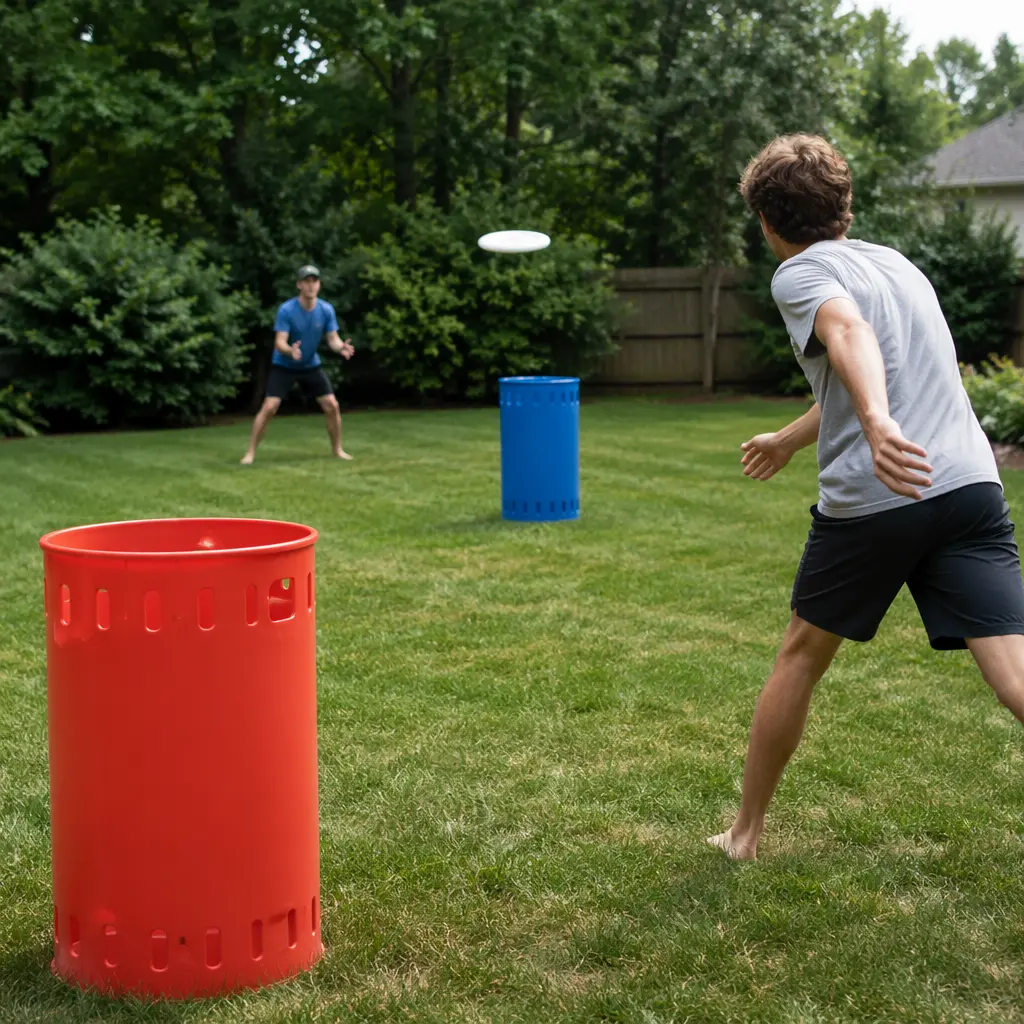
Born on American beaches in 2006, KanJam turned a simple flying disc and two plastic goals into a fast, social game that now supports leagues, rules, and real tournaments.
Modern · 2008
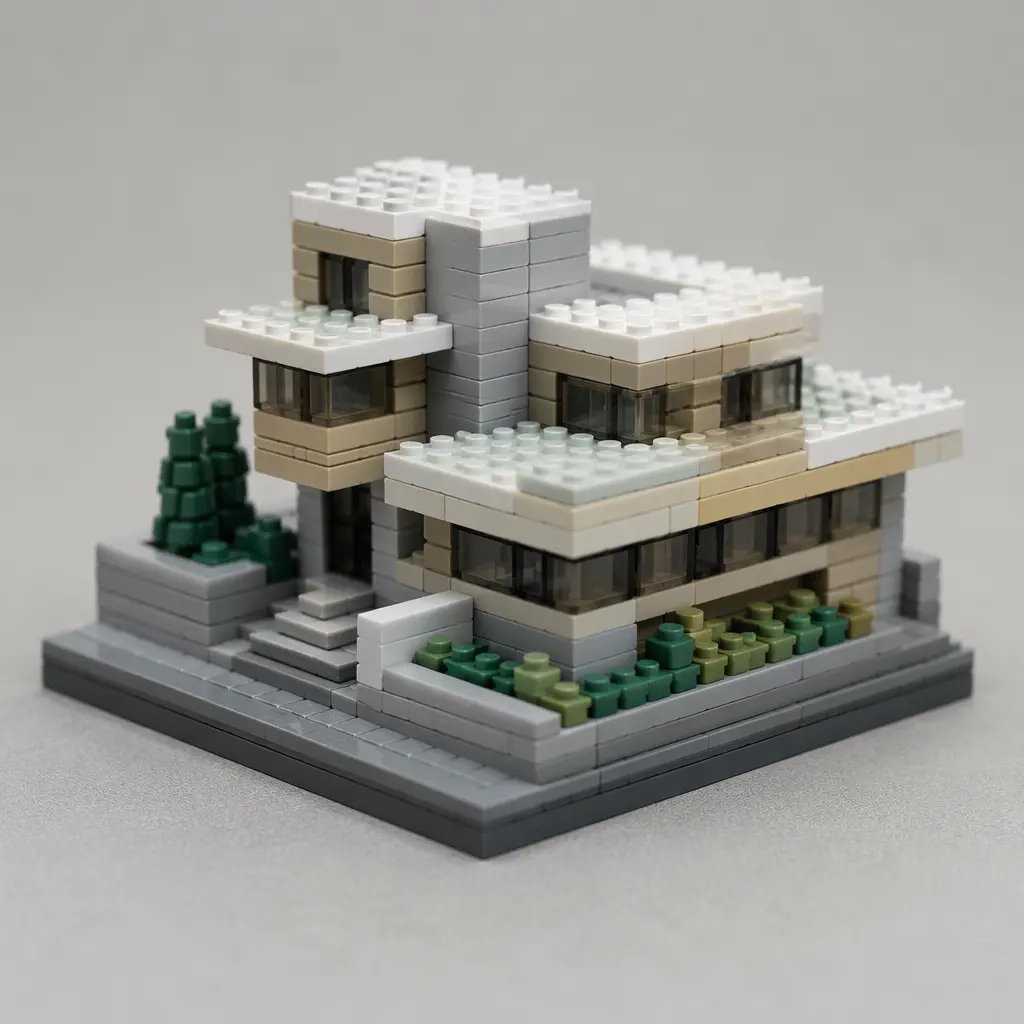
Nanoblock shrinks the classic brick down to pin‑size, trading big builds for precision. Since 2008, its micro scale has attracted patient builders who enjoy careful, desk‑friendly construction.
Modern · 2004
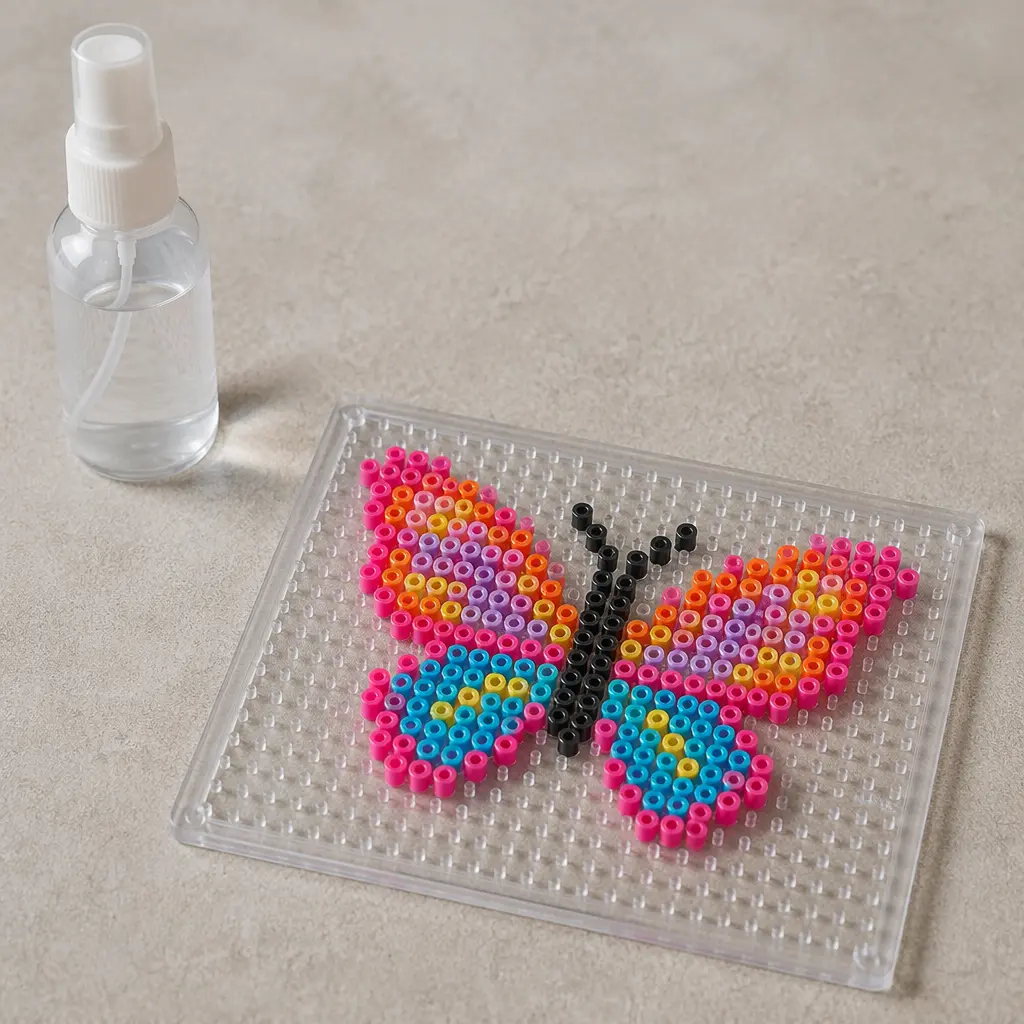
Aquabeads turned bead crafting into a calmer, parent-friendly activity by using water instead of heat or glue. Here’s how a 2004 idea became a modern arts-and-crafts staple.
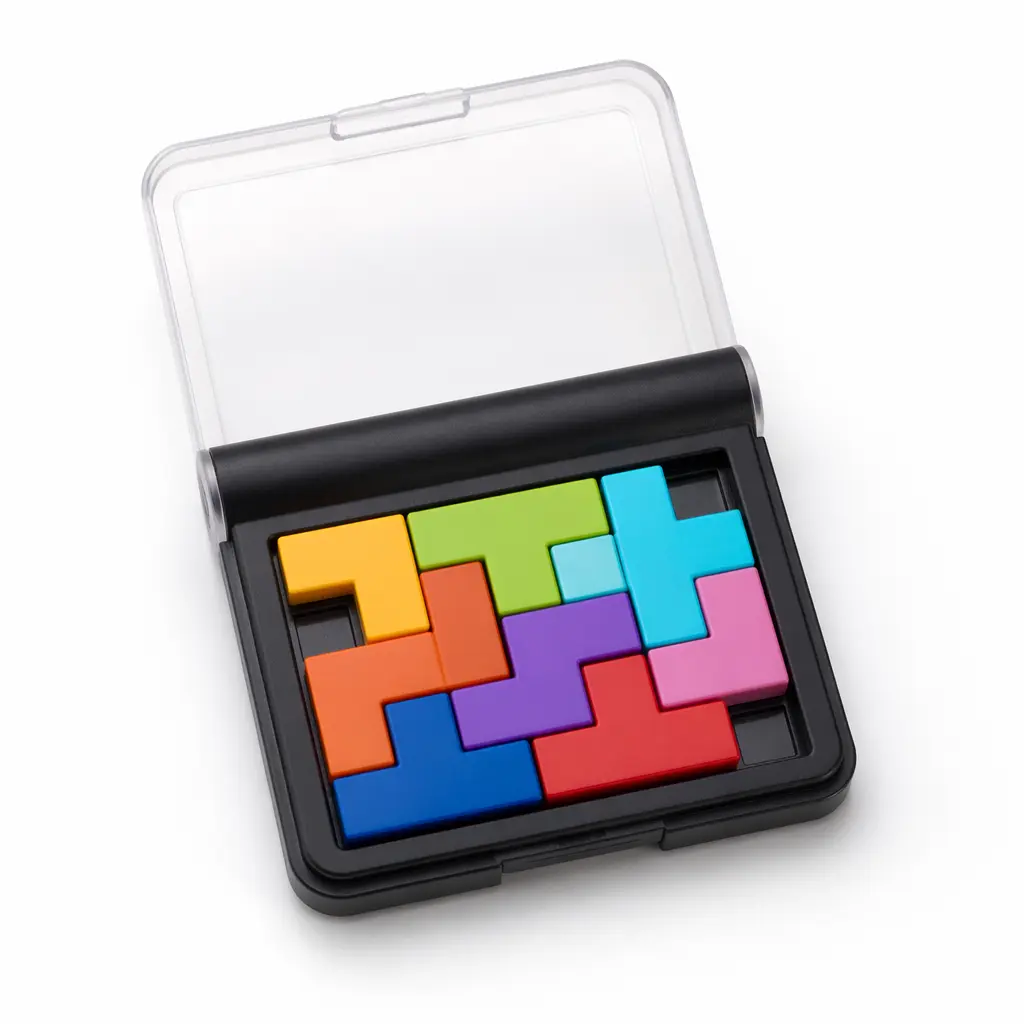
Modern · 2010
SmartGames’ IQ puzzles turned solo play into something deliberate: compact cases, escalating challenges, and just enough friction to keep minds busy on the go.
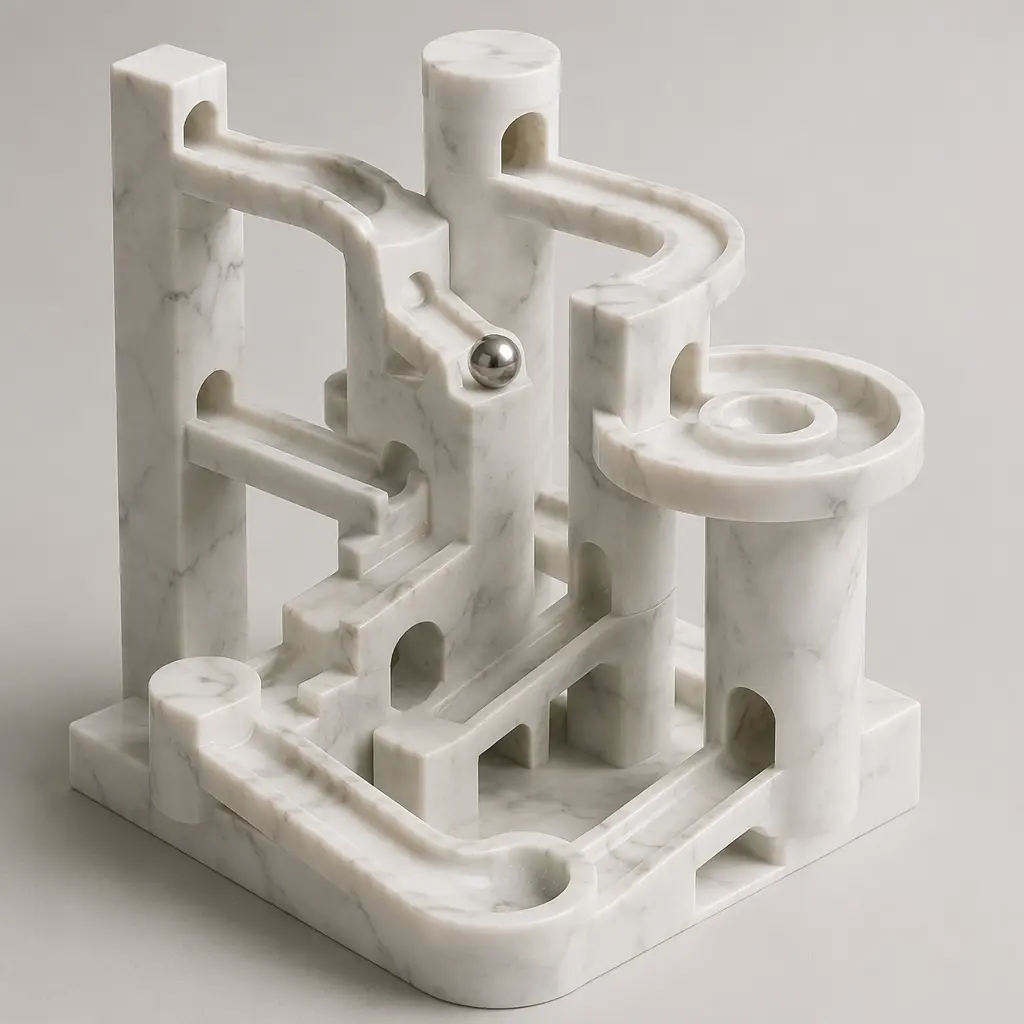
Modern · 2014
Gravity Maze is a modern logic puzzle that turns a single marble into a lesson in planning, spatial reasoning, and patience—without feeling like homework.
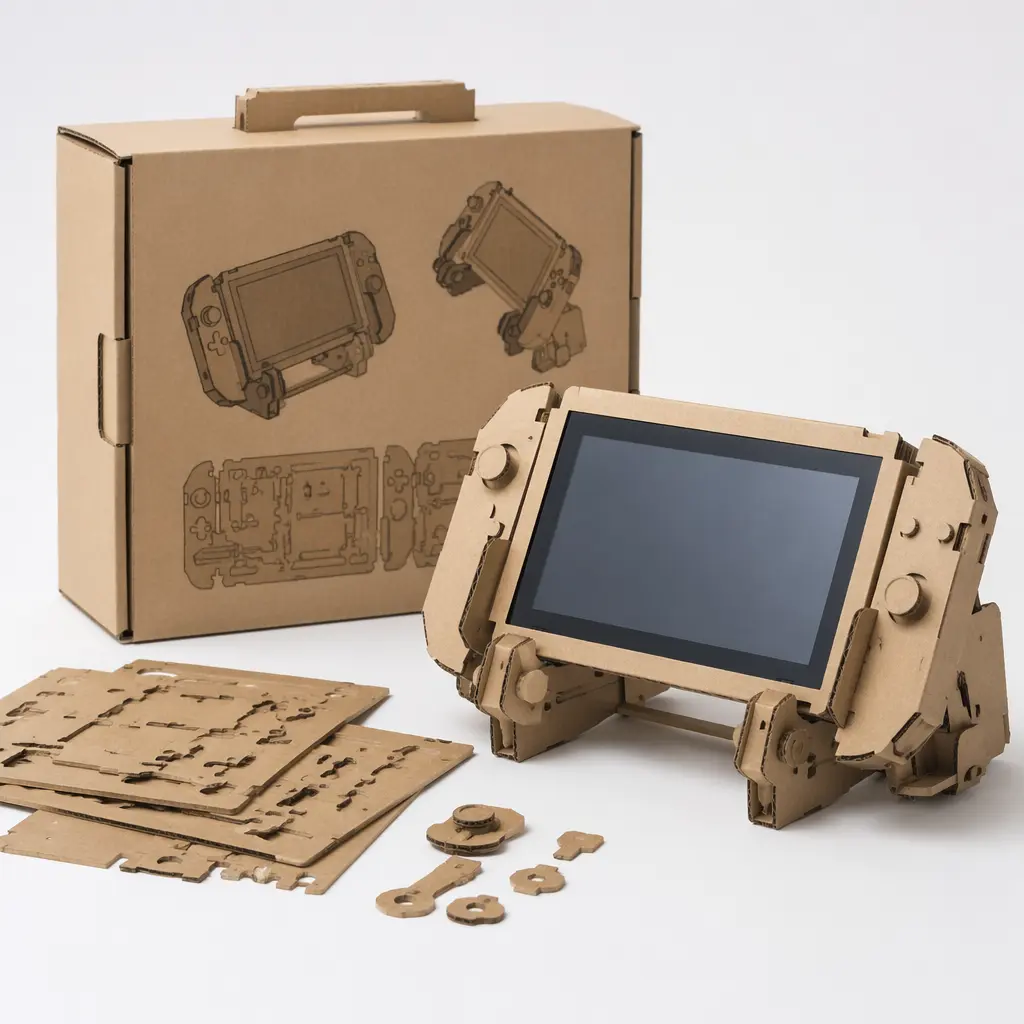
Modern · 2018
Nintendo Labo reframed video games as something you assemble. Launched in 2018, these cardboard kits mixed craft, coding ideas, and play—showing how building can be part of the game itself.