Convertible Balance Bikes vs Trikes for Late Walkers
A parent-focused guide to choosing between convertible balance bikes and trikes for late walkers, with practical advice on coordination, indoor space, supervision and long-term value.
Compare prices and availability
Check current prices and availability for this guide on eBay.
As an eBay Partner, we may be compensated if you make a purchase.
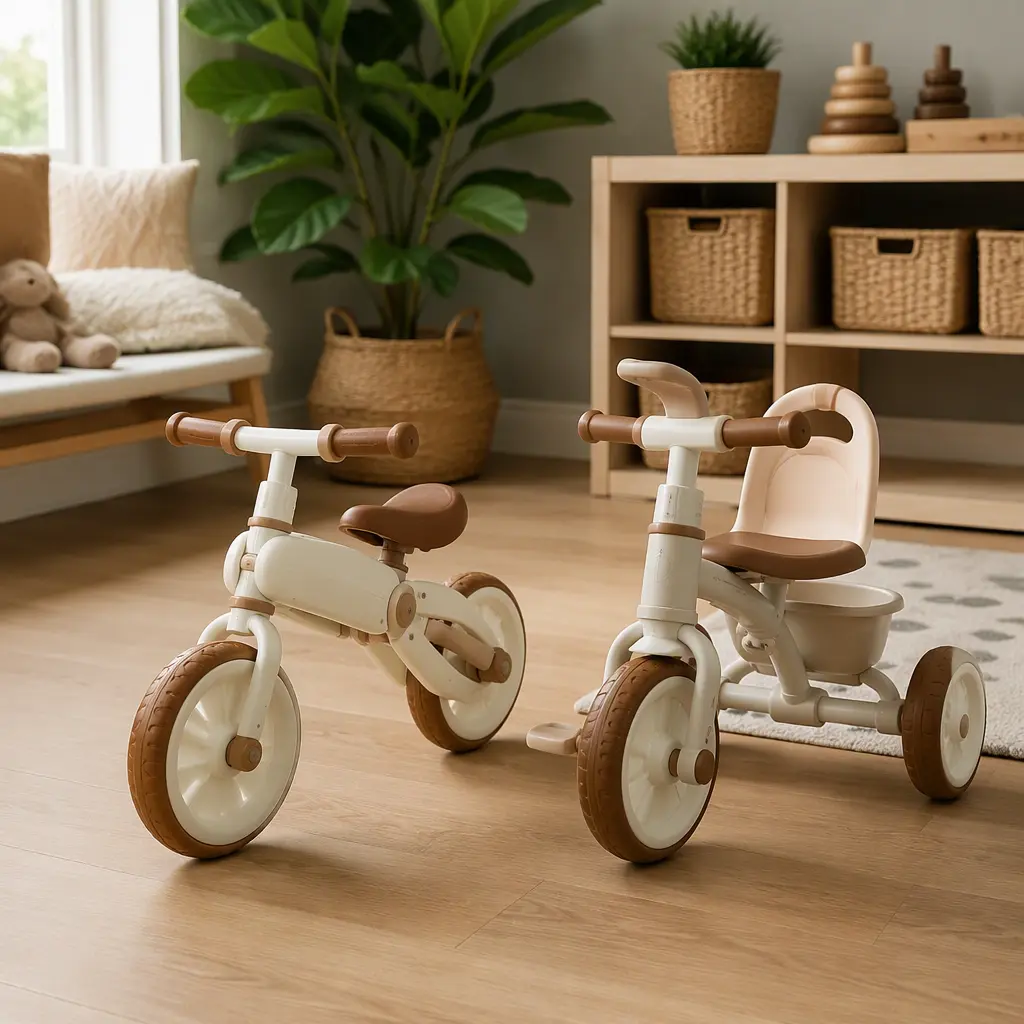
Parents of late walkers often look for ride-on toys that build confidence without adding frustration. Convertible balance bikes and toddler trikes both support gross motor development, but they encourage different movement patterns and suit different home setups. For children aged roughly 1 to 2 years, the better choice usually depends on how steady they already feel on their feet, how much indoor space is available, and whether the toy needs to last through several stages of development. Some toddlers enjoy the stable seated position of a trike right away, while others benefit more from the natural walking and gliding motion encouraged by a balance bike.
What to look for
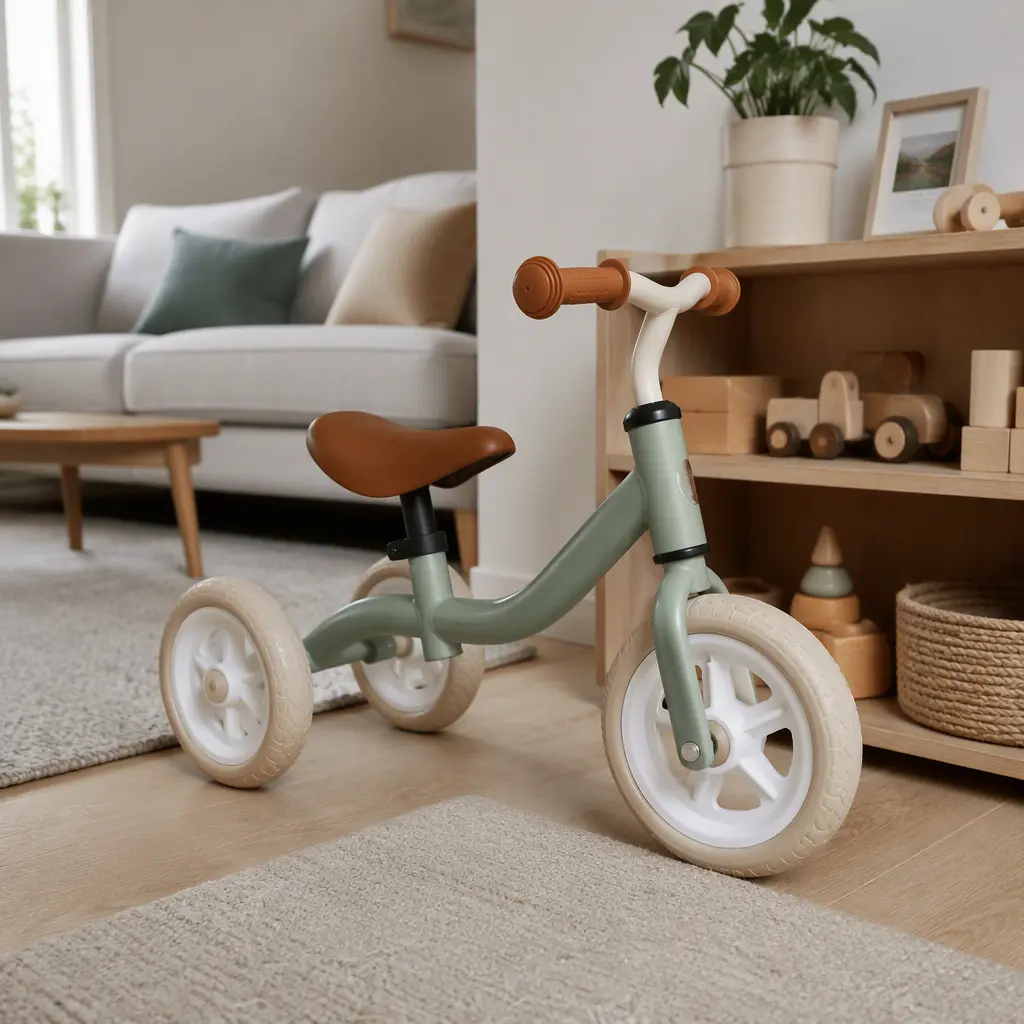
For late walkers, the goal is usually confidence first and speed second. Lightweight designs matter because toddlers at this age often stop and start frequently, tip toys sideways, or need help turning around in small spaces. A ride-on that is easy for an adult to carry is also more practical for apartments, daycare drop-offs, or quick indoor use during bad weather. Low seat heights are important because children should be able to place both feet flat on the floor without stretching. Wide wheel spacing can improve stability, but very bulky frames may become difficult to maneuver indoors.
- Choose a low seat height that allows flat-footed sitting and easy pushing.
- Look for lightweight frames that are manageable for both toddlers and adults.
- Consider wheel material carefully: softer wheels are quieter indoors, while harder plastic can be noisy on wood or tile floors.
- Check turning radius if the toy will be used in apartments, hallways, or smaller playrooms.
- Folding or convertible designs can save storage space but may add extra joints or adjustment steps.
- Avoid oversized ride-ons marketed for much older children, since they can feel intimidating to cautious toddlers.
- If siblings will share the toy later, adjustable seats may extend usable life.
Age suitability
Within the 1 to 2 year age range, walking confidence varies widely. A child who is newly walking or still cruising along furniture may prefer a trike with a broader base and predictable seated position. These toddlers often enjoy pushing themselves slowly while learning how their body shifts during movement. Children who already walk independently but seem cautious outdoors may adapt well to a convertible balance bike because it mirrors natural walking motions and encourages coordination between steering and balance. Many convertible models start with three-wheel setups before transitioning toward two-wheel riding later, which can make them useful across a longer developmental window. Indoor space also matters. Trikes usually need more room for turning, while compact balance bikes can be easier to navigate around furniture and narrow hallways.
Options compared
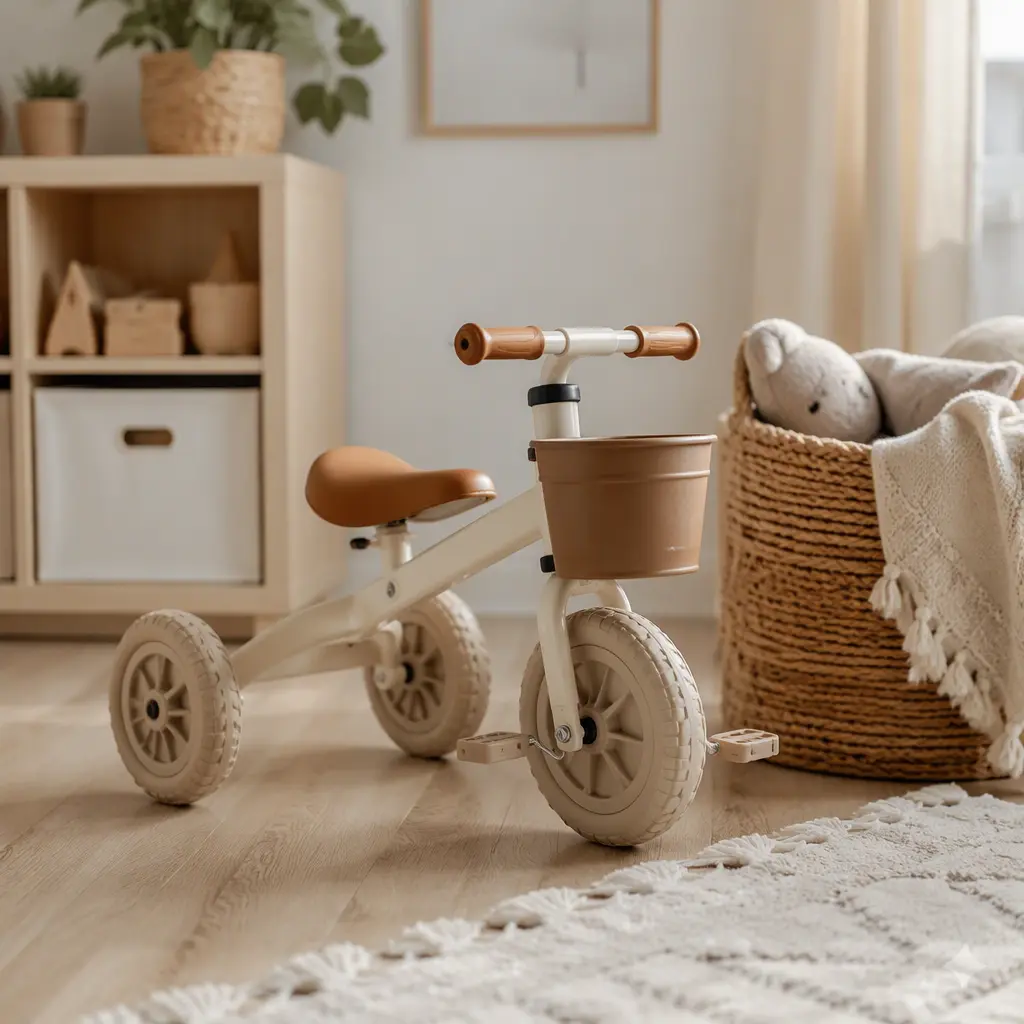
Traditional toddler trikes prioritise stability. Three wheels create a secure base that can feel reassuring for children who dislike wobbling or are still mastering balance while standing. They also tend to support slower, more deliberate movement, which may suit cautious toddlers or parents concerned about fast indoor riding. The trade-off is that trikes can become less interesting once coordination improves. Some toddlers also struggle with pedal use before age 2, meaning the toy may function more as a push-along ride-on at first.
Convertible balance bikes focus more on coordination and long-term skill development. Models that switch between trike mode and balance bike mode can support gradual progression without introducing a completely new toy later. These designs often suit families who want one ride-on that adapts over time rather than replacing multiple stages of equipment. However, balance-style riding may frustrate toddlers who are still uncertain on their feet or dislike steering adjustments. Parents in small homes may appreciate that many balance bikes are narrower and easier to store than trikes, although some conversion systems add weight or complexity.
- Choose a trike if the child is newly walking, highly cautious, or mainly riding indoors on smooth floors.
- Choose a convertible balance bike if the child already walks independently and enjoys active movement or outdoor exploration.
- Compact homes often benefit from narrower balance bike designs with quieter wheels.
- Families seeking longer-term value may prefer convertible models that adapt as coordination improves.
- Children who become frustrated easily may prefer simpler ride-ons with fewer adjustments and more immediate stability.
Frequently asked questions
Can a late walker use a balance bike safely?
Many late walkers can use beginner balance bikes safely if the toy has a very low seat and the child can comfortably place both feet on the ground. Three-wheel convertible versions are often easier starting points than narrow two-wheel models. Parents should expect slow, short practice sessions rather than immediate riding confidence.
Are trikes better for indoor use?
That depends on the available space and flooring. Trikes feel stable indoors, but larger turning circles can become awkward in smaller rooms. Noise is another factor. Hard plastic wheels may sound loud on wood or tile floors, while softer rubber-like wheels are generally quieter.
Do toddlers need pedals at this age?
Not necessarily. Many children between 1 and 2 use trikes by pushing with their feet long before they understand pedaling. Foot-powered movement still supports coordination and leg strength. Some parents prefer pedal-free balance-focused designs because they are simpler for younger toddlers to understand.
Which option usually lasts longer?
Convertible balance bikes often provide longer use because they can transition from stable beginner setups toward more advanced riding styles. Traditional trikes may be outgrown sooner once balance and steering confidence improve, although this varies by child size and interest.
What should parents avoid?
Very heavy ride-ons can discourage independent use because toddlers cannot reposition them easily after tipping or stopping. Oversized outdoor-focused models may also feel difficult to control indoors. It is usually better to prioritise fit, stability and ease of movement over extra features or flashy styling.
For many late walkers, the right ride-on is the one that encourages movement without overwhelming them. Trikes offer predictable stability and simple seated play, while convertible balance bikes support coordination growth and longer-term use. Parents balancing indoor space, storage needs, supervision and budget often find that a lightweight, low-to-the-ground design matters more than extra features. Focusing on confidence, manageable size and realistic daily use usually leads to the most satisfying choice.