Best Quiet Pull Toys for Toddlers in Apartments
A parent-focused guide to quiet pull toys for toddlers living in apartments, with practical advice on wheel materials, tipping risks, storage, supervision and age suitability.
Compare prices and availability
Check current prices and availability for this guide on eBay.
As an eBay Partner, we may be compensated if you make a purchase.
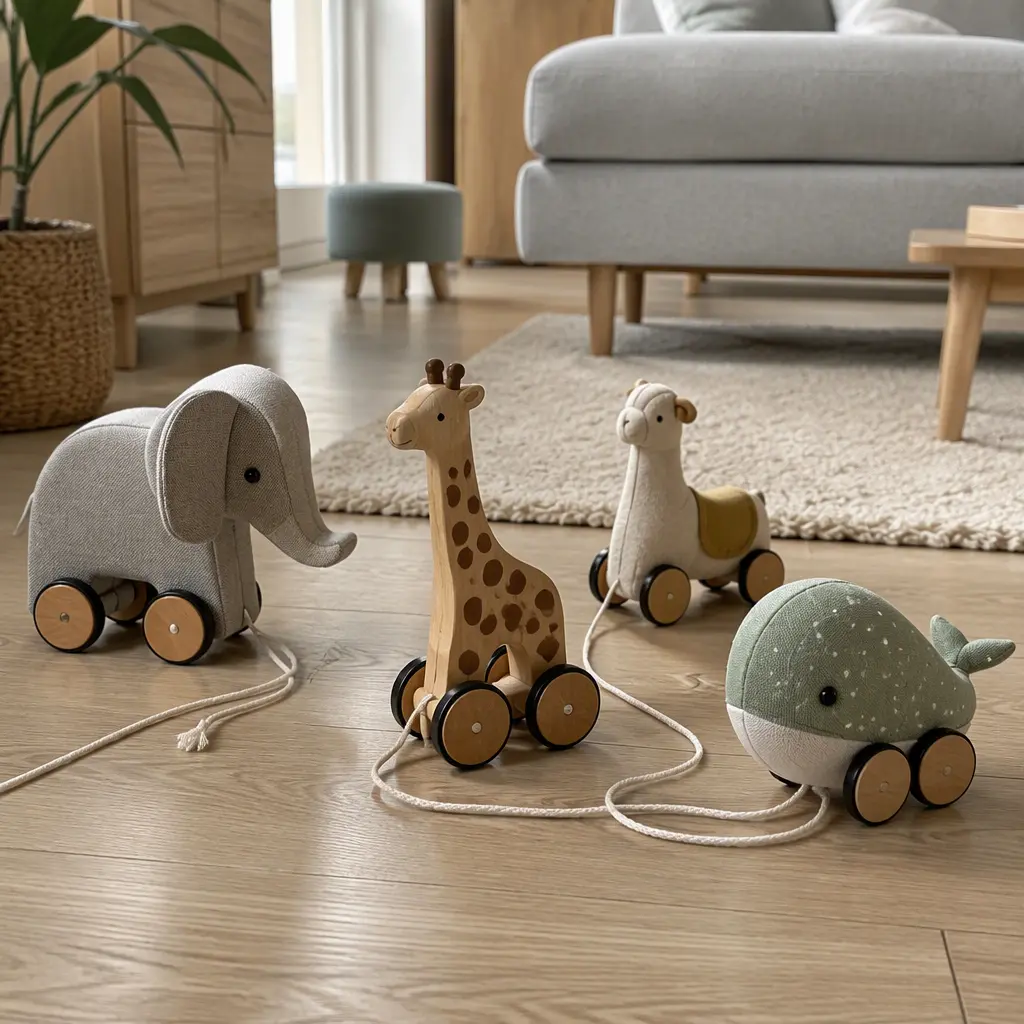
Pull toys can be a good fit for toddlers who are learning to walk and want a simple toy that moves with them around the home. In apartments, though, the wrong pull toy can create constant rattling on hard floors or become awkward in tight living spaces. Families with downstairs neighbors often need quieter wheel materials, stable designs that do not tip easily, and toys that are easy to store after short bursts of play. The most apartment-friendly pull toys tend to focus on smooth rolling movement rather than clattering parts, loud music or oversized wooden wheels. Choosing carefully also helps reduce frustration for younger toddlers who are still building balance and coordination.
What to look for
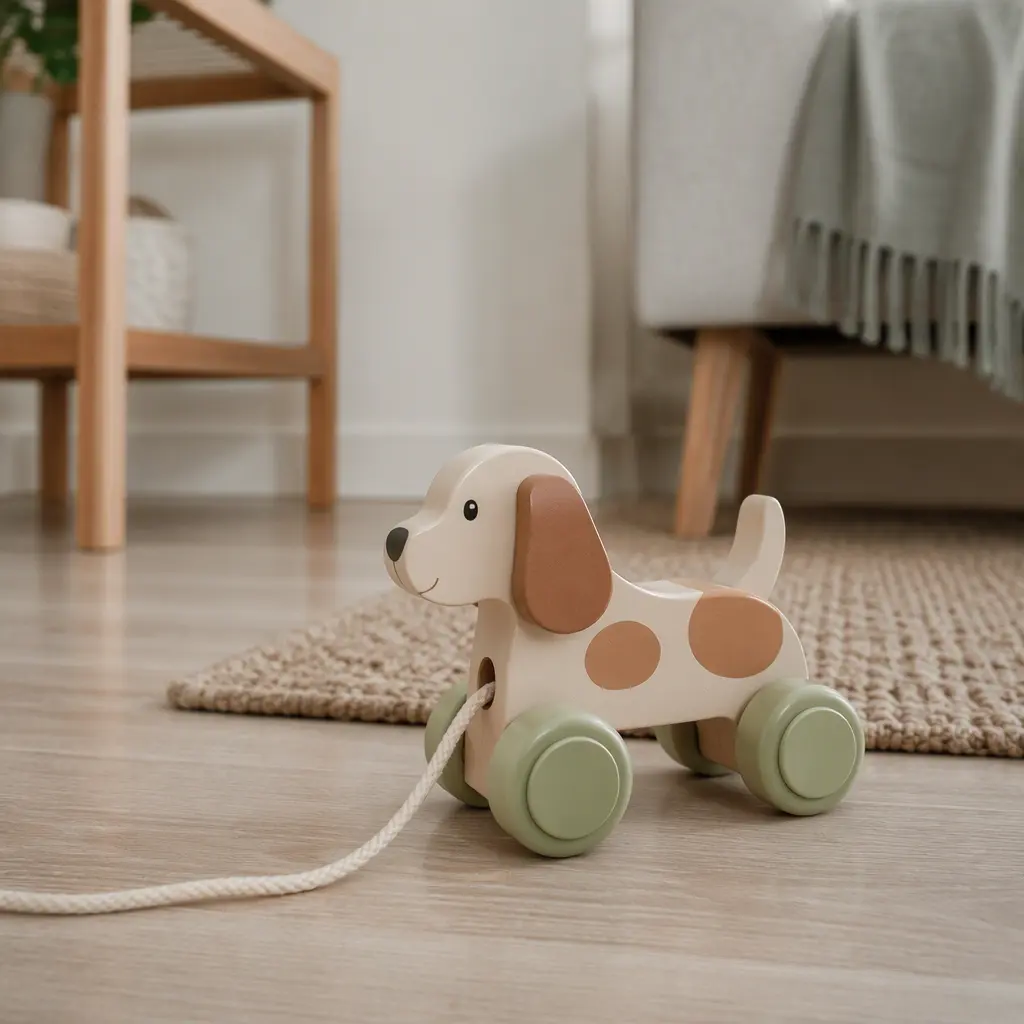
Noise level usually comes down to wheel material and overall construction. Hard plastic or unfinished wooden wheels can sound surprisingly loud on laminate or hardwood floors, especially in smaller apartments where sound echoes. Softer rubber-trimmed wheels or fabric-based pull toys generally create less impact noise and grip better on smooth surfaces. Stability also matters because toddlers in the 1–2 year range often tug toys sideways or backward, which can cause taller designs to tip over repeatedly.
- Choose rubber-lined or silicone-coated wheels for quieter movement on hard floors.
- Look for a low, wide base that stays upright when pulled around corners.
- Avoid heavy solid-wood toys if downstairs noise is a major concern.
- Check pull-string length carefully to reduce tangling or tripping risks.
- Smaller pull toys are easier to store in apartments with limited floor space.
- Fabric pull toys are usually quieter but may collect dust and lint more easily.
- Simple rolling movement is often calmer and less overstimulating than flashing lights or electronic sounds.
Age suitability
Most pull toys are aimed at toddlers who are already walking steadily or close to it. Younger one-year-olds may enjoy pulling a lightweight toy for short distances but can become frustrated if the toy catches on rugs or tips over frequently. Around 18 to 24 months, many toddlers begin incorporating pull toys into pretend play, such as walking a toy dog around the home or transporting small objects behind them. Apartment families may prefer compact pull toys during this stage because larger designs can encourage running indoors or bumping furniture. Parents should also pay attention to smaller decorative parts, especially with wooden animal-style toys, since durability varies across toy categories and materials.
Options compared
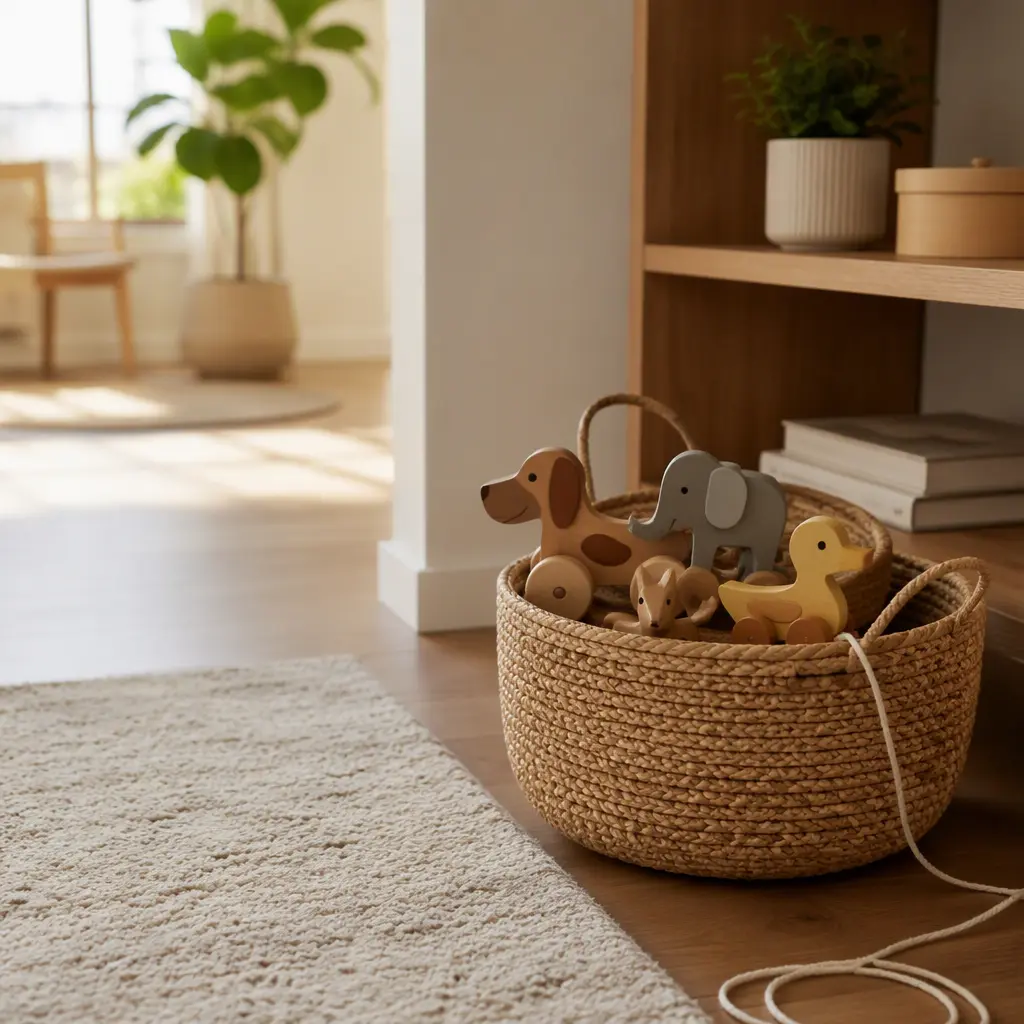
Wooden pull toys remain popular because they are durable and often visually appealing, but they vary significantly in apartment friendliness. Heavy wooden toys with bare wooden wheels can create repetitive knocking sounds that travel through floors. Versions with rubber wheel trims are usually quieter and easier for younger toddlers to control. Some wooden pull toys also include moving parts that flap or click while rolling. These features may entertain toddlers but can increase noise levels in smaller homes.
Fabric pull toys and plush pull-alongs are typically the quietest option. They work well for cautious early walkers and for families trying to keep play calmer indoors. The trade-off is durability and cleaning. Fabric toys may stain more easily and sometimes lose shape after heavy pulling. Lightweight plastic pull toys with softer wheels can offer a middle ground. They are often easier for younger toddlers to pull and less noisy than traditional hard plastic designs. However, very lightweight toys may skid or flip over when toddlers pull quickly around corners.
- Rubber-wheeled wooden pull toys: good for durability and quieter rolling; best for toddlers with steadier walking skills.
- Soft fabric pull toys: very quiet and lightweight; useful for smaller apartments and calmer indoor play.
- Plastic pull toys with soft wheels: easier to clean and lighter to carry; check stability carefully before buying.
- Animal-shaped pull toys: encourage imaginative play but may include decorative parts that require closer inspection.
- Pull wagons or carts: useful for carrying toys but often louder and bulkier for apartment living.
- Interactive electronic pull toys: may hold attention longer but can add repeated sound effects that are difficult in shared buildings.
Frequently asked questions
Are wooden pull toys too noisy for apartments?
Not always. The biggest difference is wheel material. Wooden toys with rubber-trimmed wheels are usually much quieter than those with bare wood or hard plastic wheels. Adding a low-pile rug or foam play mat can also reduce noise.
What type of pull toy works best on hardwood floors?
Soft rubber or silicone-coated wheels tend to roll more smoothly and create less impact sound on hardwood or laminate floors. Lightweight toys also reduce floor vibration compared with heavier solid-wood designs.
Do pull toys help toddlers learn to walk?
Pull toys can encourage movement and coordination, but they are usually most useful once a toddler is already taking independent steps. Toys that roll too quickly or tip easily can frustrate newer walkers rather than support confidence.
How many pull toys does a toddler really need?
One well-designed pull toy is often enough for this age range, especially in apartments with limited storage. Toddlers usually benefit more from variety across different types of play than from owning multiple versions of the same toy category.
Are pull toys safe for unsupervised play?
Supervision is still important, particularly for younger toddlers. Pull cords, wheeled movement and collisions with furniture can all create risks in tight indoor spaces. Regularly checking wheels, cords and attached pieces for wear is also a good habit.
The best quiet pull toys for apartment living balance movement, durability and low noise without overwhelming small shared spaces. Softer wheels, stable designs and compact sizes usually matter more than extra features. For toddlers between one and two years old, simple pull toys that move smoothly and store easily often provide the most practical long-term value for everyday indoor play.