Electric vs Foot-Powered Ride-Ons: Safer for Ages 3–5?
A safety-first guide for parents comparing electric and foot-powered ride-on toys for ages 3–5, covering control, speed, supervision needs, and how to choose the right option for your child.
Compare prices and availability
Check current prices and availability for this guide on eBay.
As an eBay Partner, we may be compensated if you make a purchase.
Ride-on toys are a favorite for preschoolers, offering movement, independence, and outdoor fun. For parents of children ages 3–5, the big decision often comes down to electric ride-ons versus classic foot-powered designs. Both can be enjoyable, but they differ in how much control a child has, how fast they move, and how much supervision they require. Looking at these differences through a safety-first lens can help families choose the option that best matches their child’s development and play environment.
What to look for
Whether electric or foot-powered, safety features matter more than style. Children ages 3–5 are still developing balance, judgment, and reaction time, so the design of the ride-on plays a major role in how forgiving it is during play.
- Speed limits: Electric models should have low maximum speeds appropriate for preschoolers.
- Stability: A wide wheelbase and low center of gravity help prevent tipping.
- Controls: Simple, responsive controls are easier for young children to manage.
- Braking or stopping method: Foot-powered toys stop when the child stops pushing, while electric versions rely on switches or pedals.
- Build quality: Sturdy materials and enclosed wheels reduce pinch points and breakage.
Age suitability
For ages 3–5, foot-powered ride-ons often align more closely with typical motor skills. Children control speed naturally with their legs, which can make these toys feel more predictable. Electric ride-ons are commonly marketed to this age group as well, but they may suit the upper end of the range better, especially children who already show good coordination and can follow rules about where and how to ride.
Standout categories or types
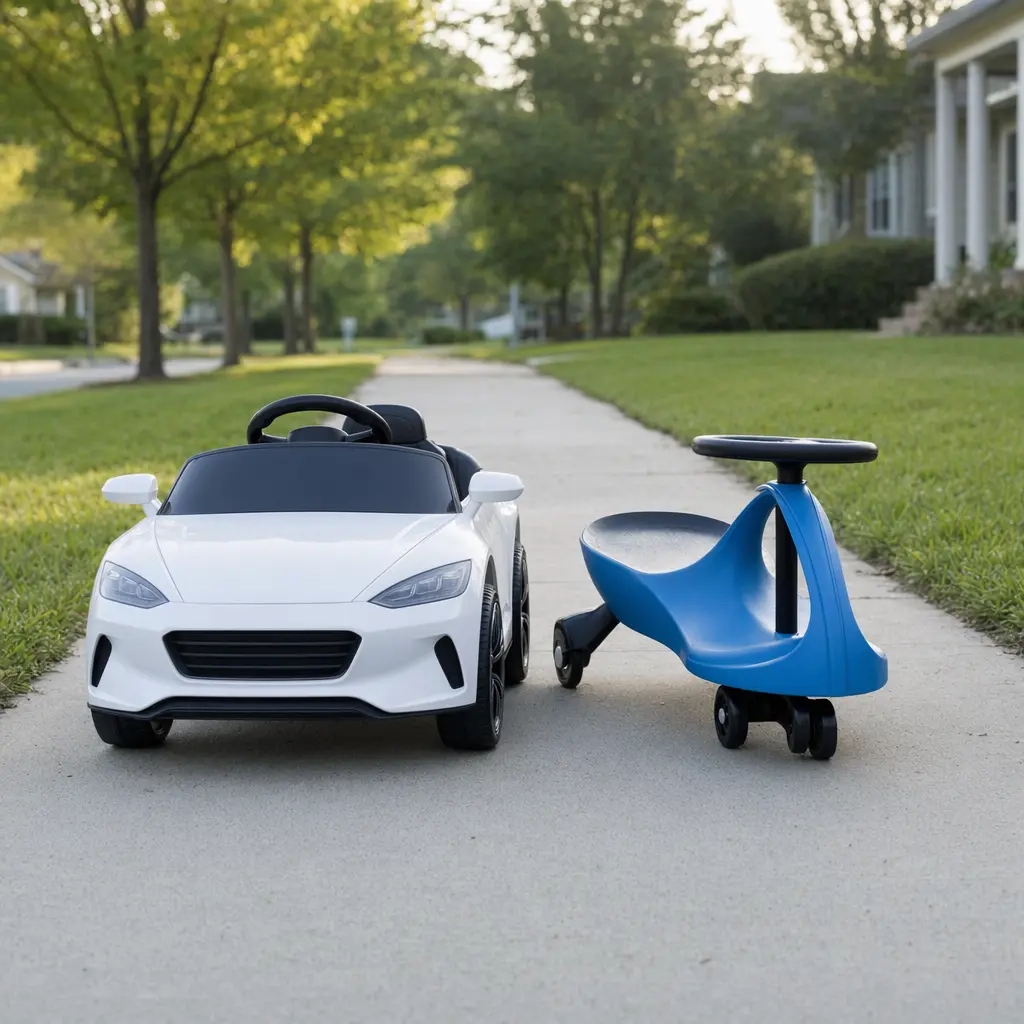
Foot-powered ride-ons include push cars, scoot-along toys, and pedal-free bikes. These options encourage physical activity and help children practice balance and steering. Because the child supplies the power, sudden acceleration is less likely, which many parents find reassuring for younger preschoolers.
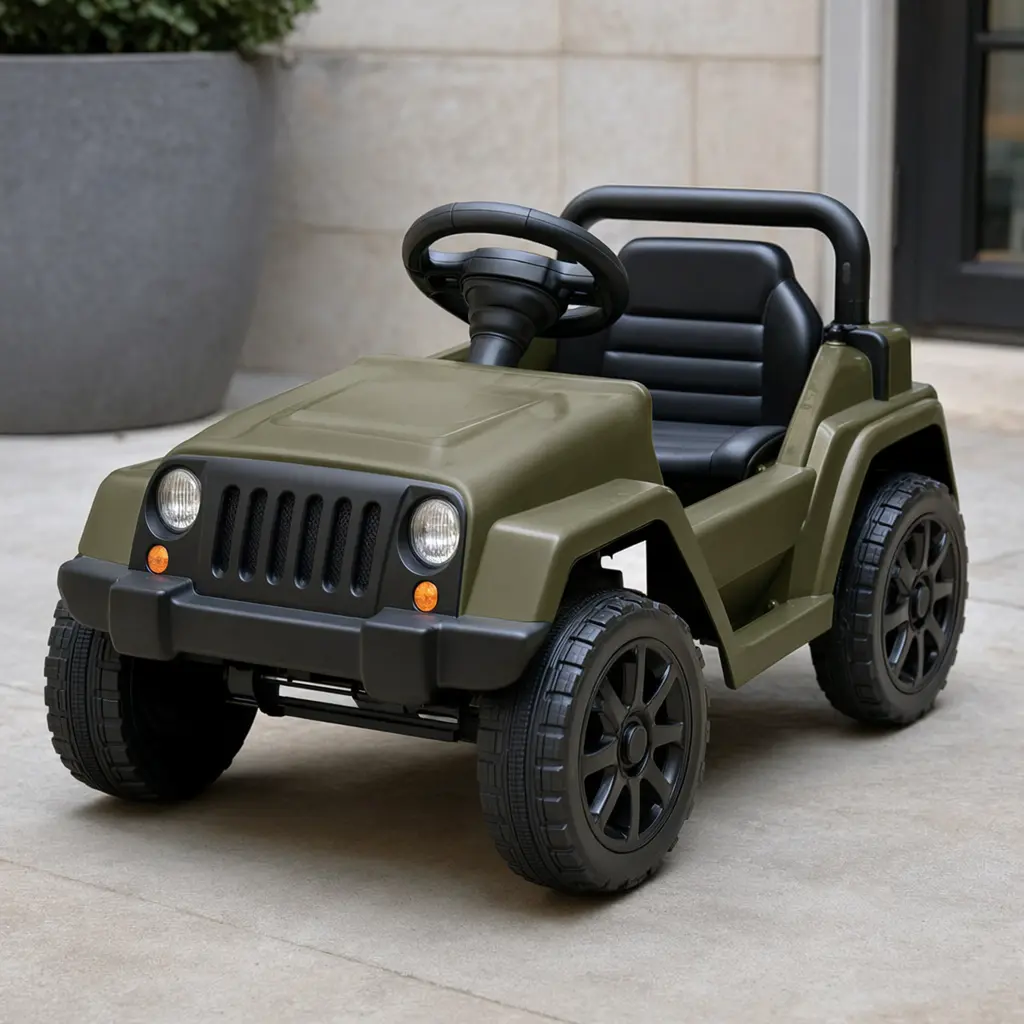
Electric ride-ons range from simple sit-and-drive vehicles to more detailed designs with lights or sounds. Safety-focused versions for ages 3–5 typically emphasize low speeds, gradual acceleration, and simple one-pedal operation. Some families prefer these for controlled spaces like fenced yards, where boundaries are clear and consistent.
Frequently asked questions
Are electric ride-ons less safe than foot-powered ones?
Not necessarily, but they do introduce different risks. Electric ride-ons can move without constant physical effort, which may surprise some children. Foot-powered toys tend to give more immediate feedback and control.
What speed is appropriate for a 3–5 year old?
Very low speeds are best for this age group. Look for ride-ons designed specifically for preschoolers, with speeds comparable to a brisk walking pace.
Do kids need protective gear on ride-ons?
Helmets are a good idea, especially for electric ride-ons or any toy used on hard surfaces. Closed-toe shoes also help protect feet.
Can ride-ons be used indoors?
Foot-powered ride-ons are more commonly used indoors, provided there is enough space. Electric ride-ons are usually better suited for outdoor areas due to their size and movement.
Choosing between electric and foot-powered ride-ons comes down to your child’s skills, your play space, and how hands-on you plan to be during play. For many families with children ages 3–5, starting with a foot-powered option and transitioning to electric later can offer a gradual, confidence-building path into ride-on play.