Ride-On Toys That Still Make Sense for Big Preschoolers
A buyer-focused guide to ride-on toys for ages 3–5, highlighting options that build balance, coordination, and confidence beyond the toddler stage.
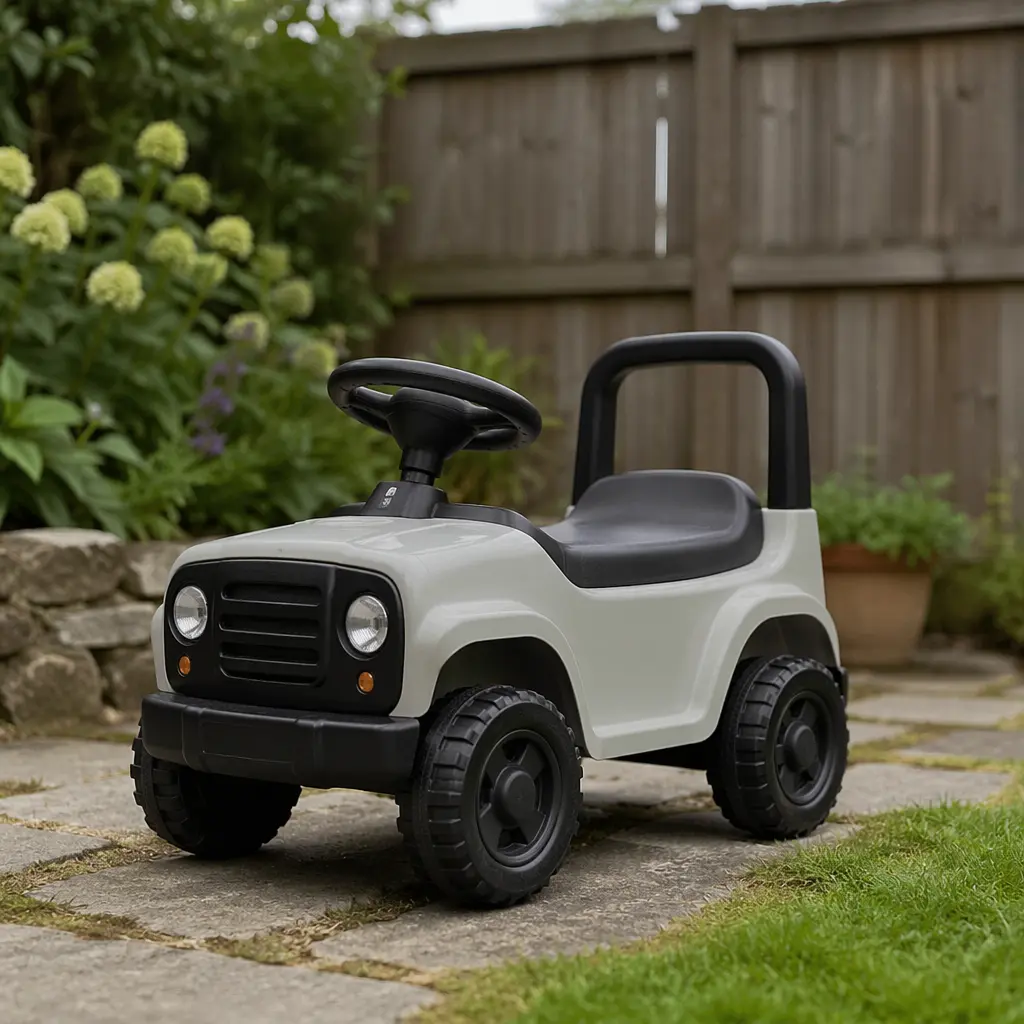
Compare prices and availability
Check current prices and availability for this guide on eBay.
As an eBay Partner, we may be compensated if you make a purchase.
By ages three to five, many children outgrow the simplest ride-on toys—but that doesn’t mean ride-ons stop being useful. The right options can still support balance, coordination, strength, and confidence during the preschool years. This guide explains what to look for in ride-on toys designed for bigger preschoolers and how different types match developing skills.
What to look for
Preschoolers are stronger, taller, and more coordinated than toddlers, but they still need age-appropriate design. A good ride-on for this stage should offer enough challenge to stay interesting without feeling unstable or frustrating.
- Weight and height capacity that clearly includes ages 3–5
- Longer wheelbase or wider stance for stability at higher speeds
- Adjustable seats or handlebars to extend usability
- Durable materials that hold up to rougher play
- Steering and braking features matched to preschool skill levels
Age suitability
For preschoolers, age labels matter less than physical fit and skill readiness. A four-year-old who enjoys running, climbing, and balancing may be ready for more advanced ride-ons, while another child the same age may prefer simpler designs. Look for toys that allow feet to touch the ground easily, encourage upright posture, and feel stable during turns. When in doubt, adjustable designs offer flexibility as skills grow.
Standout categories or types
Several ride-on categories continue to work well for big preschoolers. Balance-focused designs encourage children to steer and stabilize using their bodies, which supports coordination and prepares them for more complex riding skills later on.
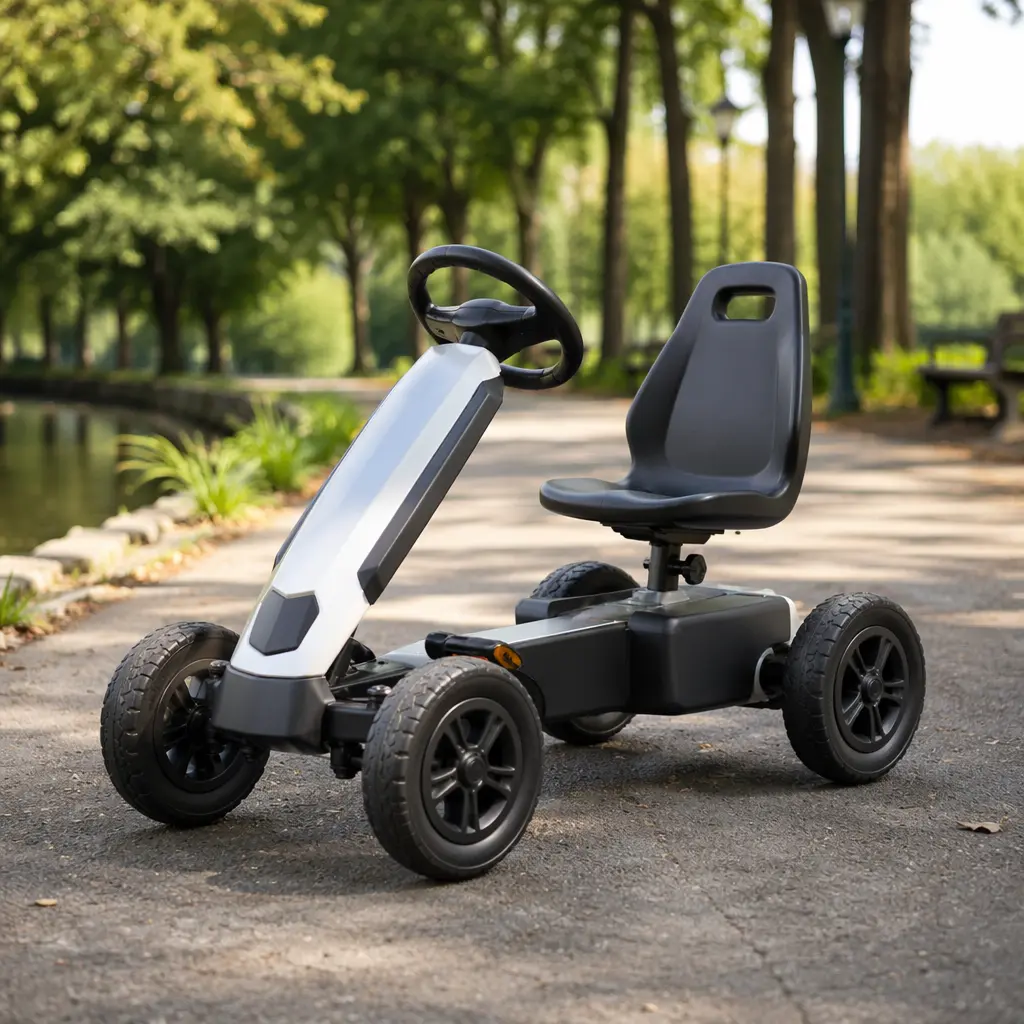
Pedal-powered ride-ons introduce timing and leg strength, while foot-to-floor models let children control speed intuitively. Some styles emphasize imaginative play with vehicle themes, while others focus purely on movement and physical challenge.
- Balance-style ride-ons for coordination and body awareness
- Pedal ride-ons for building leg strength and rhythm
- Low-profile scooters with stable decks for early steering skills
- Sturdy push-and-ride vehicles that combine pretend play with motion
Frequently asked questions
Are ride-on toys still beneficial after age three?
Yes. For preschoolers, ride-ons shift from basic movement to skill-building. They help develop balance, coordination, spatial awareness, and confidence, especially when the toy matches the child’s size and abilities.
What’s the difference between toddler and preschool ride-ons?
Preschool ride-ons are typically larger, stronger, and more responsive. They may include steering, pedals, or adjustable parts, while toddler versions focus more on stability and simple foot pushing.
Do preschoolers need pedals to advance?
Not necessarily. Many children benefit from mastering balance and steering first. Pedals add complexity, but foot-powered ride-ons can still support strong motor development at this age.
Can ride-ons be used indoors?
Some can, depending on size and flooring. Look for smooth wheels and compact designs for indoor spaces, and reserve larger or faster models for outdoor use.
Ride-on toys don’t have to be outgrown quickly. With the right design, they can remain engaging and developmentally useful throughout the preschool years. Focusing on fit, durability, and skill support helps ensure ride-ons continue to encourage active, confident play.