Outdoor Toys Teens Actually Use (That Don’t Feel Babyish)
A parent-friendly guide to outdoor toys and gear teens actually enjoy. Focuses on challenge, skill-building, and independence without feeling childish.
Compare prices and availability
Check current prices and availability for this guide on eBay.
As an eBay Partner, we may be compensated if you make a purchase.
Finding outdoor toys for teens can be tricky. Many products aimed at “kids” feel too childish, while adult sports gear can be expensive or intimidating. The sweet spot is outdoor gear that offers real challenge, room to improve skills, and a sense of independence. These are the kinds of toys teens choose to use on their own—not because they’re told to, but because they’re genuinely engaging.
What to look for
Teens are especially sensitive to whether something feels useful, challenging, or socially acceptable. When evaluating outdoor toys for this age group, focus less on novelty and more on function and flexibility.
- Skill progression: The best options allow beginners to start simple and build toward harder techniques or goals.
- Neutral design: Clean, minimal looks tend to appeal more than bright colors or cartoon styling.
- Physical challenge: Teens are more likely to engage with gear that feels like a workout or sport, not a game.
- Open-ended use: Toys that can be used solo, with friends, or in different locations get more long-term use.
- Durability: Heavier use and rougher handling mean materials and construction matter more at this age.
Age suitability
For ages 13 and up, interests vary widely based on confidence, coordination, and social factors. Some teens want high-energy movement, while others prefer skill-based or solo challenges. Look for products that list wide age ranges or weight limits rather than narrow “kid” categories. Adjustable or modular gear is especially helpful, as it can grow with the teen’s abilities over several years.
Standout categories or types
Some categories consistently perform better with teens because they align with teen culture, sports, or self-directed improvement. These options don’t rely on instructions or adult involvement to be fun.
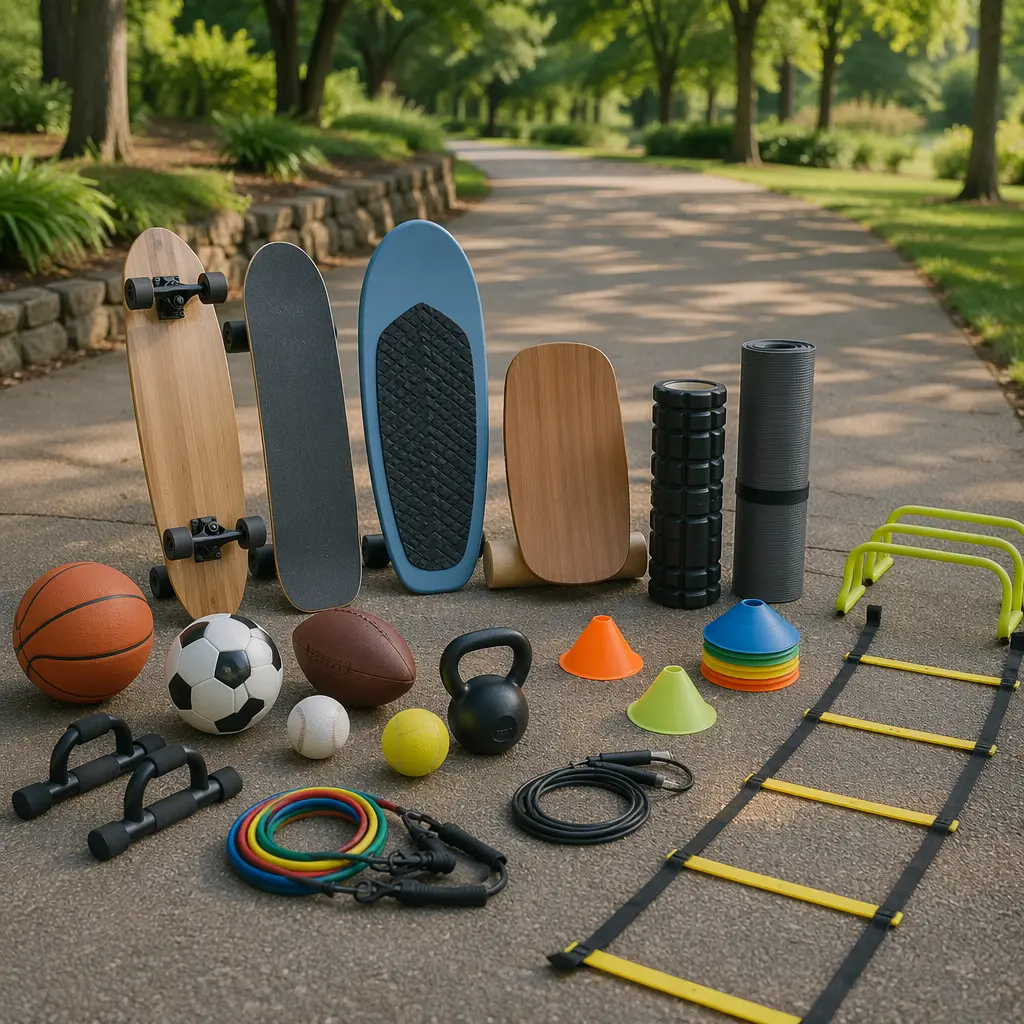
- Board-based gear: Items that involve balance, coordination, and tricks naturally encourage progression and practice.
- Portable sports equipment: Simple gear for shooting, throwing, or striking works well for quick sessions alone or with friends.
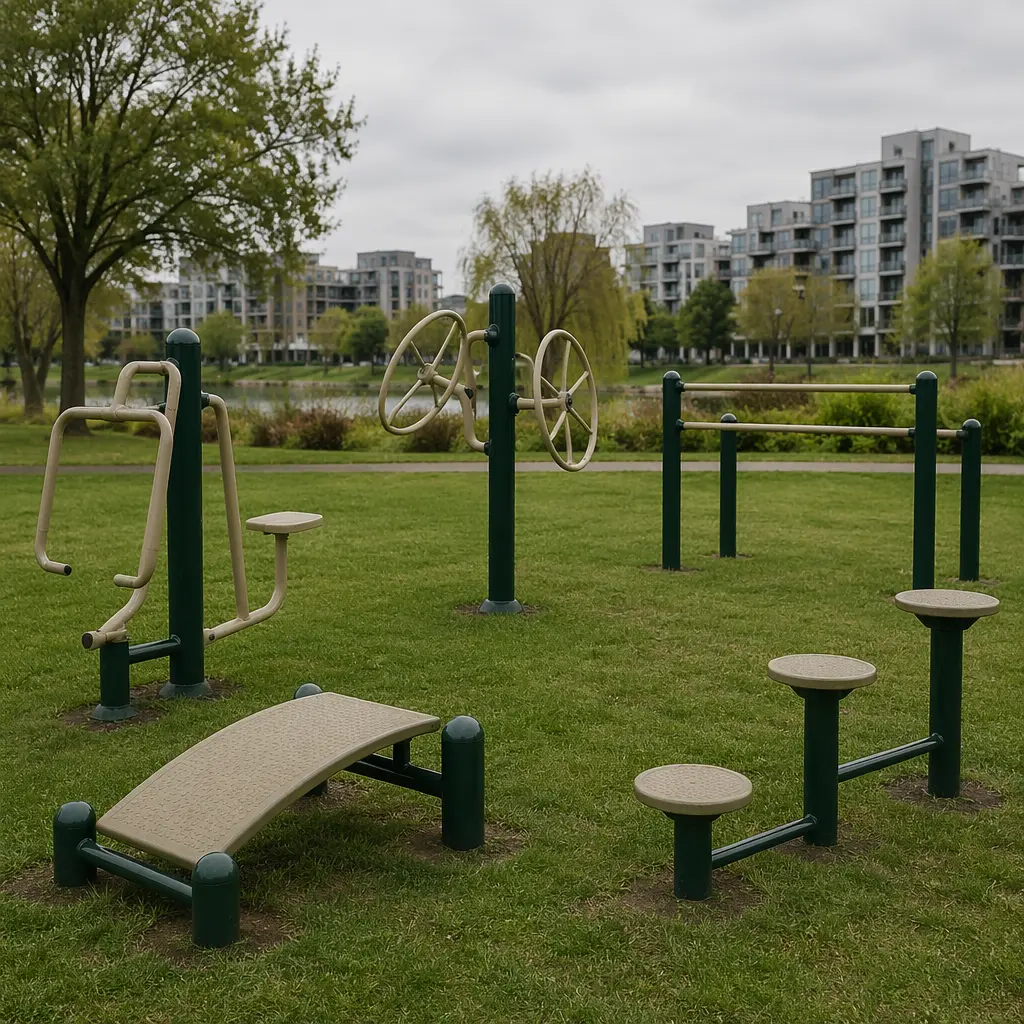
- Fitness challenge tools: Equipment that supports bodyweight training, agility drills, or endurance appeals to teens interested in strength or conditioning.
- Skill toys with mastery curves: Objects that look simple but require practice to master tend to hold attention longer.
- Ride-on or movement gear: Human-powered gear that emphasizes control and speed without feeling like a toy is often a strong fit.
Frequently asked questions
Why do teens reject some outdoor toys?
Teens are highly aware of image and independence. If a toy looks childish, overly colorful, or overly guided, they may avoid it—even if it’s well made. Practical appearance and real-world usefulness matter more than novelty.
Are outdoor toys still relevant for screen-focused teens?
Yes, when the activity offers challenge or visible improvement. Teens are more likely to engage with outdoor gear that feels like training, sport, or self-improvement rather than forced recreation.
Should parents choose solo or group-based gear?
Solo-friendly gear often sees more use because it doesn’t require coordinating schedules. However, equipment that can easily transition to group play offers flexibility and social appeal.
How much structure is too much?
For most teens, minimal structure is best. Clear goals or challenges are helpful, but rigid rules or step-by-step instructions can reduce interest.
What makes an outdoor toy feel "grown-up"?
Neutral styling, real materials, and a connection to adult sports or fitness trends all help. Teens respond well to gear that feels similar to what older teens or adults use.
Outdoor toys for teens work best when they respect teens’ desire for autonomy, challenge, and credibility. By focusing on function, durability, and skill-building rather than age labels, parents can choose gear that actually gets used—and enjoyed—well into the teen years.