Cheap Outdoor Toys Kids Can Share Across Multiple Ages
A parent-friendly guide to simple, low-cost outdoor toys that siblings of different ages can enjoy together—no upgrades, apps, or complex setup required.
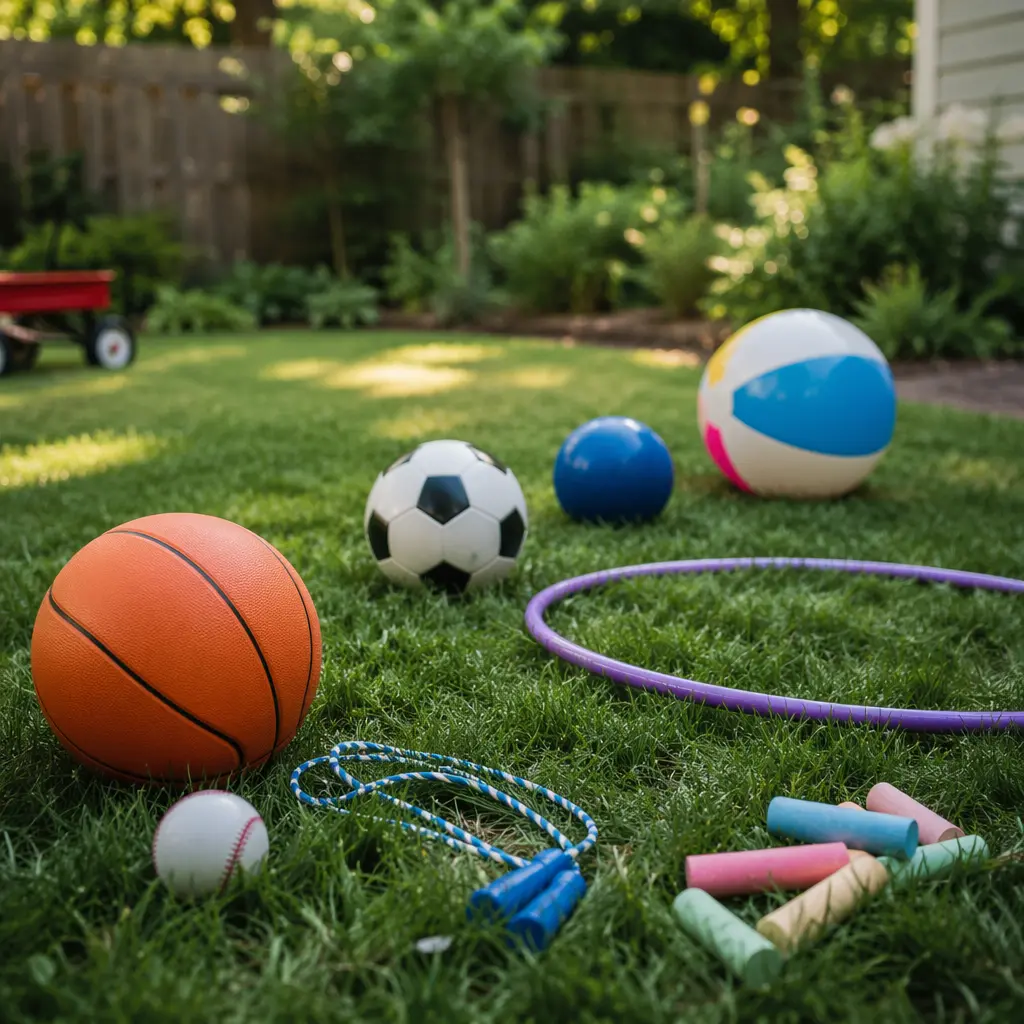
Compare prices and availability
Check current prices and availability for this guide on eBay.
As an eBay Partner, we may be compensated if you make a purchase.
When kids span different ages, finding outdoor toys they can all enjoy together can be tricky—especially on a budget. The good news is that many classic backyard toys are naturally flexible. They don’t rely on screens, batteries, or strict age limits, and they scale easily from toddlers to grade-schoolers. This guide focuses on inexpensive outdoor toys that encourage shared play, movement, and imagination without constant replacements or add-ons.
What to look for
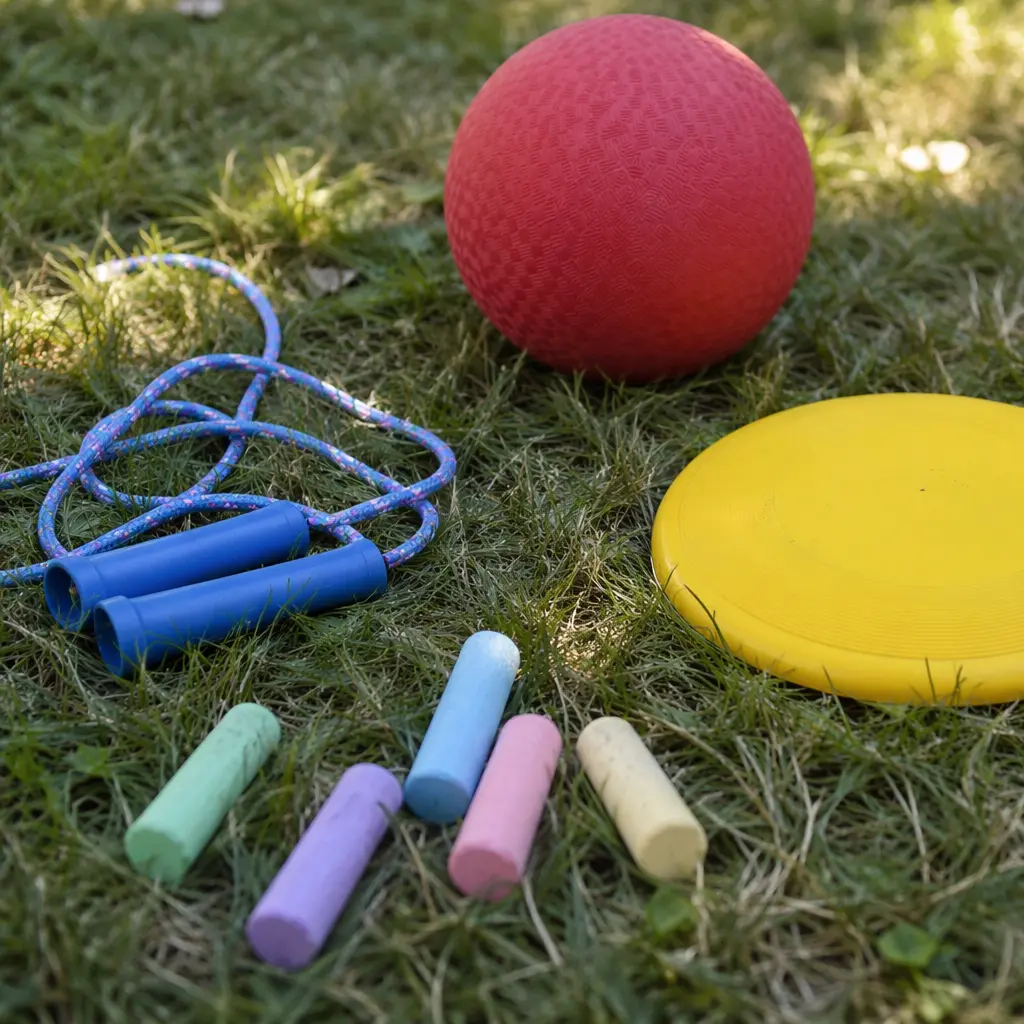
Not every outdoor toy works well for mixed ages. The best shared options are open-ended and forgiving, letting kids adjust the challenge themselves. When shopping, focus on features that make a toy usable by younger children while still interesting for older ones.
- Simple rules or no rules at all, so kids can adapt games on the fly
- Durable materials that hold up to rougher play and weather
- Few small parts, making them safer and easier to store
- Lightweight designs that younger kids can handle
- Low cost, so replacing or adding a second item doesn’t strain the budget
Age suitability
Many classic outdoor toys don’t have a single “right” age. A ball, for example, can be rolled to a toddler, tossed between siblings, or used in more structured games by older kids. Look for toys labeled for a wide age range, or ones where supervision and simple rule changes make them appropriate for younger players. This flexibility is what allows one purchase to last for years.
Standout categories or types
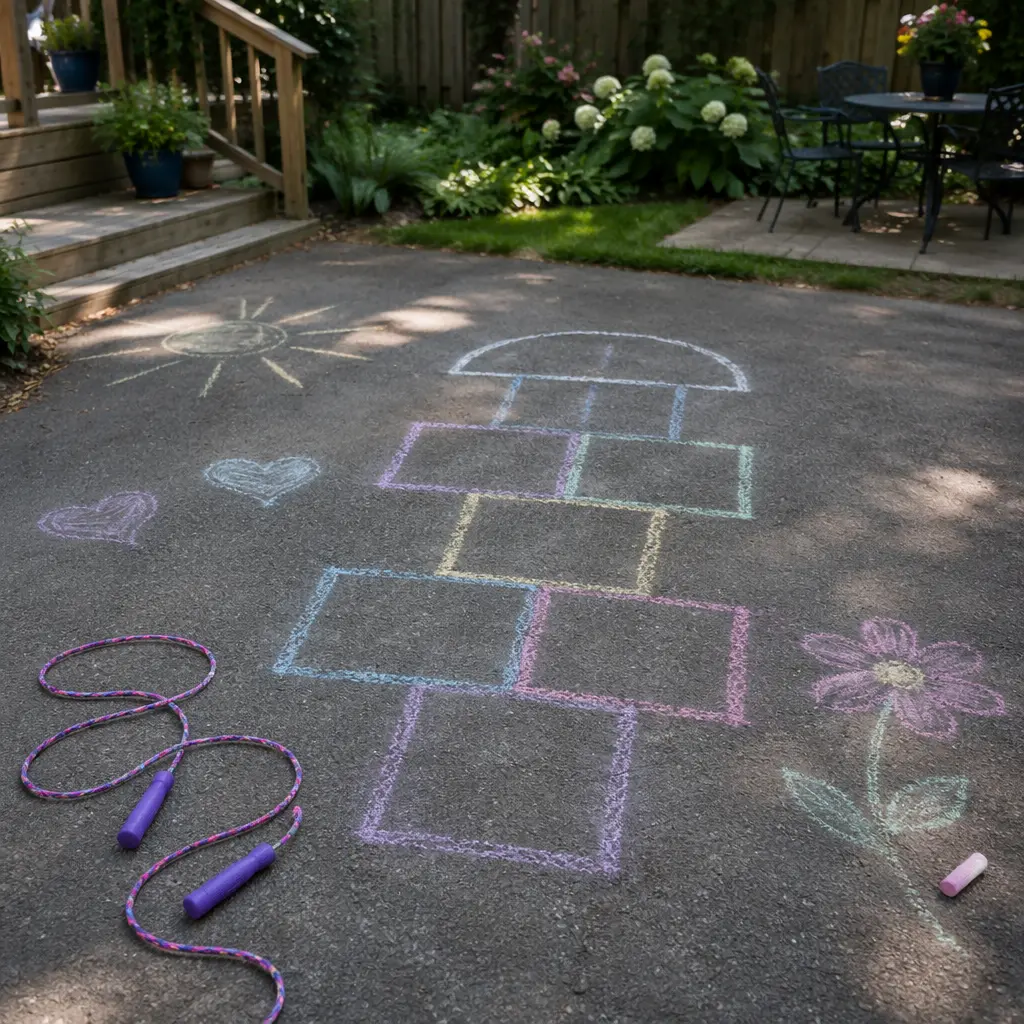
Some types of outdoor toys consistently work better for siblings of different ages. These options tend to invite cooperation instead of competition and allow kids to participate at their own level.
- Balls of various sizes: Easy to roll, throw, kick, or bounce depending on ability
- Sidewalk chalk: Toddlers can scribble while older kids draw games or obstacle paths
- Jump ropes and hoops: Younger kids step over or swing them, older kids jump or invent challenges
- Water play basics: Buckets, cups, and sprinklers encourage imaginative group play
- Outdoor building items: Foam or plastic blocks made for outdoors can be stacked or arranged collaboratively
Frequently asked questions
Are cheap outdoor toys durable enough for multiple kids?
Many low-cost outdoor toys are surprisingly durable because they’re simple. Items made from solid rubber, thick plastic, or sealed wood tend to last longer than toys with electronics or moving parts. Checking basic material quality matters more than price alone.
How do I keep older kids interested?
Older kids often stay engaged when they can modify the game. Setting challenges, timing activities, or inventing new rules gives them a sense of ownership. Open-ended toys support this kind of creativity better than single-purpose items.
What if younger kids can’t keep up?
Choose toys that allow parallel play. For example, one child might draw with chalk while another designs a game around the drawings. Shared space and materials still encourage interaction without forcing the same skill level.
Do shared toys cause more sibling conflict?
They can if expectations aren’t clear. Setting simple turn-taking rules and modeling cooperative play helps. Many parents find that toys designed for group play actually reduce conflict by giving kids a common goal.
Affordable outdoor toys don’t have to feel disposable or limited to one age. By choosing simple, flexible options, families can create a shared backyard play space that grows with their kids. These classics encourage movement, creativity, and togetherness—often at a fraction of the cost of more complex gear.