Cheap Outdoor Toys That Last More Than One Summer
A buyer-focused guide to affordable, battery-free outdoor toys for ages 3–5 that hold up to sun, sand, and active play—without needing replacement after one season.
Compare prices and availability
Check current prices and availability for this guide on eBay.
As an eBay Partner, we may be compensated if you make a purchase.
Outdoor toys don’t need flashing lights or batteries to keep preschoolers busy. For ages 3–5, many of the longest-lasting options are simple, physical toys that encourage movement, imagination, and open-ended play. The challenge for parents is finding versions that are inexpensive but not flimsy—items that can handle sun, dirt, and enthusiastic use without ending up in the trash after a few months.
What to look for
When shopping on a budget, durability usually comes down to materials and construction rather than price alone. Many inexpensive toys last for years if they’re made simply and well. Before buying, it helps to look past bright packaging and focus on how the toy is built and how it will be used outdoors.
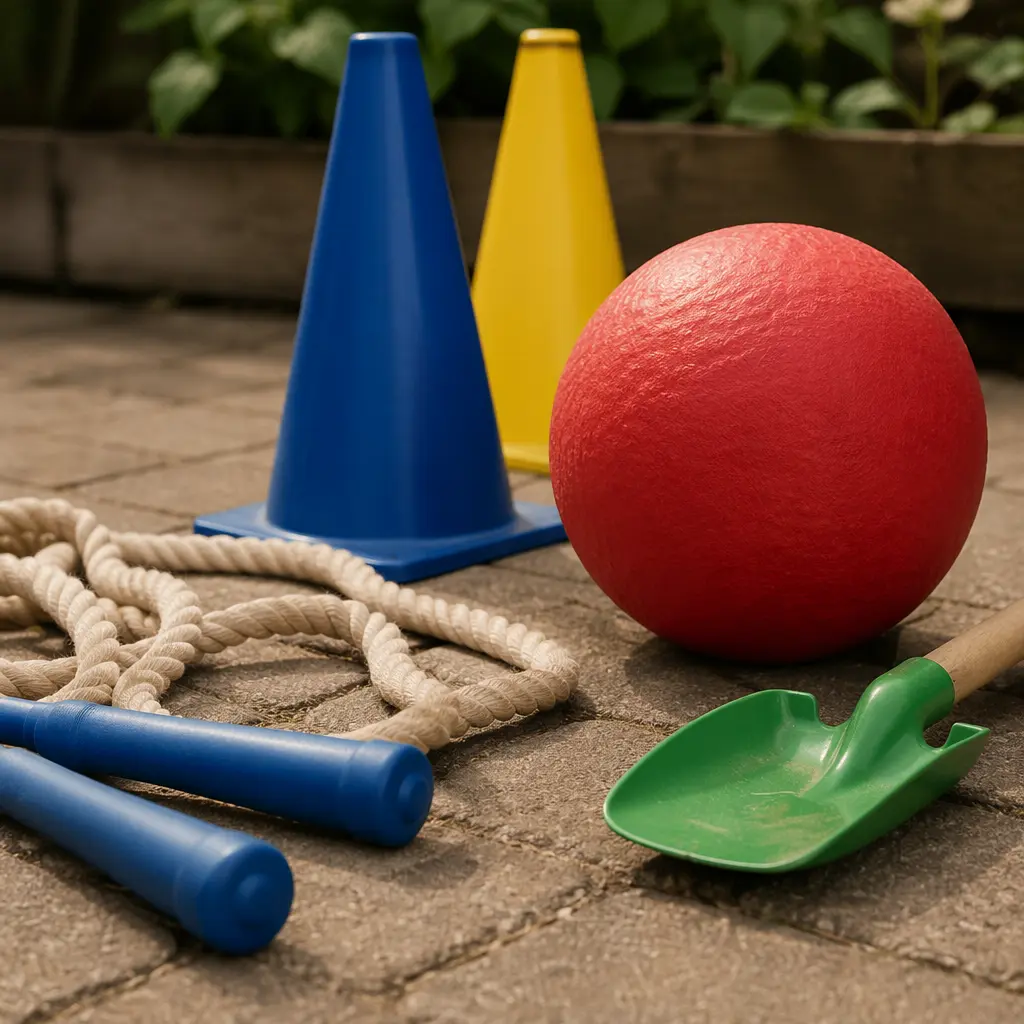
- Thick, solid materials: Dense rubber, solid wood, and thicker plastics tend to crack and fade less than thin or hollow pieces.
- Few or no moving parts: Simpler designs mean fewer weak points that can snap or jam.
- Weather resistance: Toys that can get wet, sandy, or muddy without damage are easier to live with.
- Open-ended play value: Items that can be used in many ways are less likely to be outgrown quickly.
- Easy storage: Toys that stack, hang, or fit in a bin are more likely to be cared for between play sessions.
Age suitability
For children ages 3–5, outdoor toys should support developing coordination, balance, and imaginative play while remaining safe for independent use. At this age, kids often test limits—throwing, climbing, dragging, and experimenting—so toys need to be forgiving. Avoid items designed for older children that assume advanced balance or strength, and skip toddler toys that may feel restrictive or break under heavier use. The sweet spot is equipment sized for preschoolers but built to tolerate rough handling.
Standout categories or types
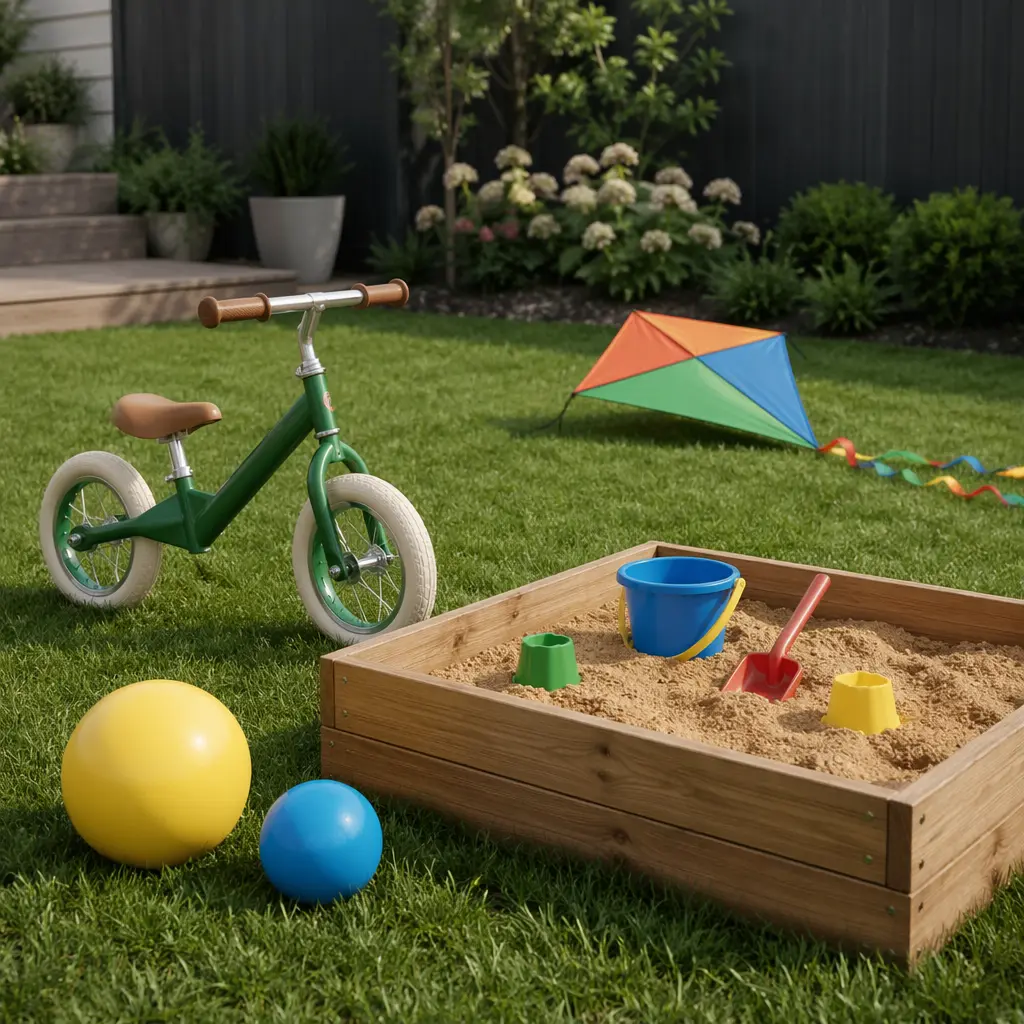
Some outdoor toy categories consistently offer good value because they rely on basic physics and sturdy materials instead of electronics. Balls made from thick rubber or foam are a classic example: they’re inexpensive, nearly impossible to break, and useful for countless games. Similarly, ride-on toys without pedals encourage balance and coordination while avoiding chains or gears that wear out.
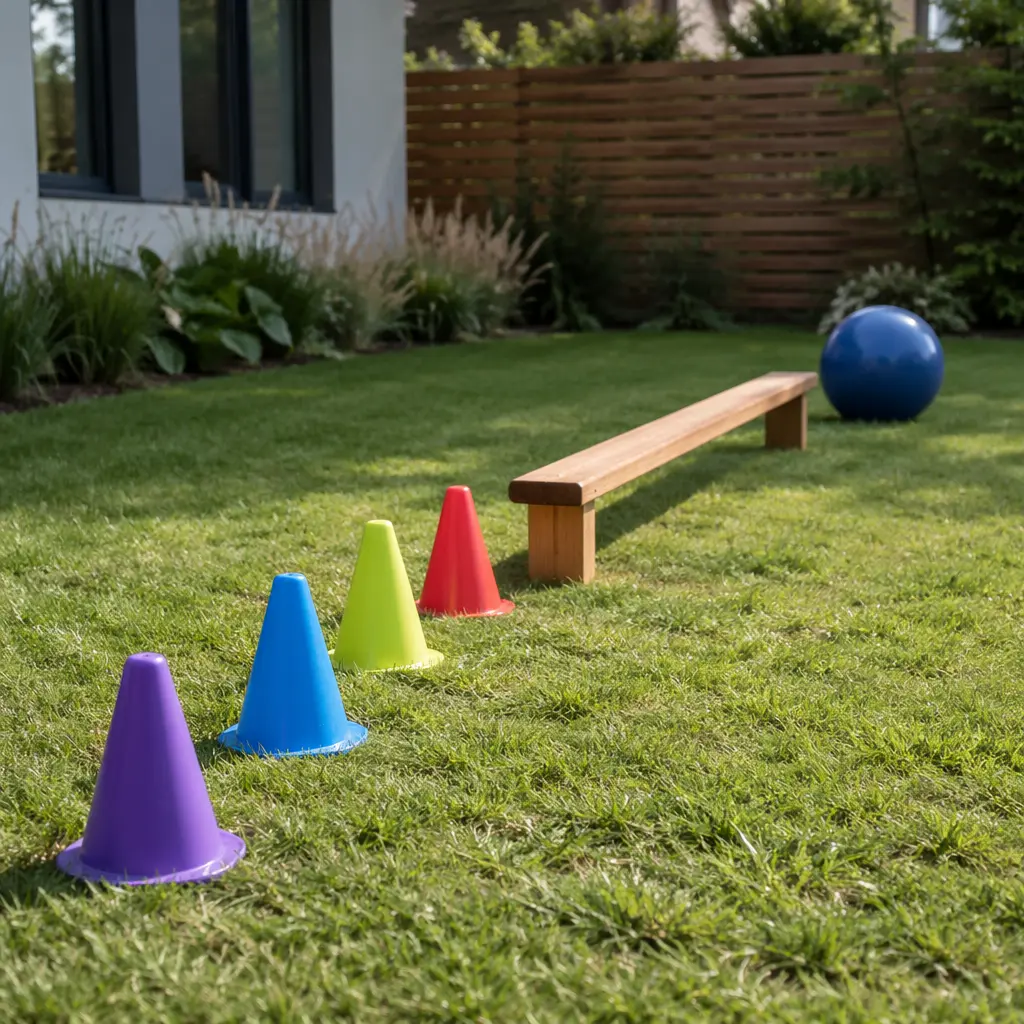
Sand and water toys are another strong option when chosen carefully. Simple buckets, shovels, and molds made from thicker plastic or rubberized materials tend to survive years of digging and scooping. Creative play items like sidewalk chalk, kites, or obstacle-course pieces (cones, hoops, balance boards) also punch above their price by adapting to a child’s changing interests. These toys may look basic, but their flexibility is exactly why they last.
Frequently asked questions
Are cheap outdoor toys always lower quality?
Not necessarily. Price often reflects branding, licensing, or extra features rather than durability. Many low-cost outdoor toys last longer because they are simpler and made from proven materials like rubber or solid plastic.
Do battery-free toys really hold kids’ attention?
For preschoolers, physical movement and imagination are powerful motivators. Toys that invite running, balancing, throwing, or pretending often stay interesting longer than electronic toys with fixed functions.
How can parents extend the life of outdoor toys?
Storing toys out of direct sun when not in use helps prevent fading and cracking. Rinsing off dirt or salt and checking for damage at the end of the season can also add years to a toy’s lifespan.
What materials last best outdoors?
Dense rubber, treated wood, and UV-resistant plastics generally perform well outdoors. Thin plastics and inflatable materials tend to wear out faster, especially with frequent use.
Cheap outdoor toys don’t have to be disposable. By choosing simple, well-made classics that match a preschooler’s abilities, parents can build an outdoor play collection that survives sun, rain, and energetic play. The result is less time shopping for replacements and more time spent outside, where these toys are meant to be used.