Cheap Outdoor Toys Toddlers Actually Use Daily
A buyer-focused guide to affordable, no-battery outdoor toys for 1–2 year olds. Learn what features matter, which classic types hold up to daily play, and how to choose safe options that grow with your toddler.
Compare prices and availability
Check current prices and availability for this guide on eBay.
As an eBay Partner, we may be compensated if you make a purchase.
For many families, the outdoor toys that get used every day aren’t the flashy ones with buttons and batteries. Toddlers ages 1–2 tend to return again and again to simple, sturdy toys that invite movement, exploration, and repetition. The good news: these classics are often inexpensive, widely available, and tough enough to handle daily play. This guide focuses on budget-friendly outdoor toys that actually earn their keep for young toddlers.
What to look for
At ages 1–2, toddlers are developing balance, coordination, and confidence. The best low-cost outdoor toys support these skills without being complicated. When comparing options, focus less on extras and more on how the toy fits everyday toddler behavior.
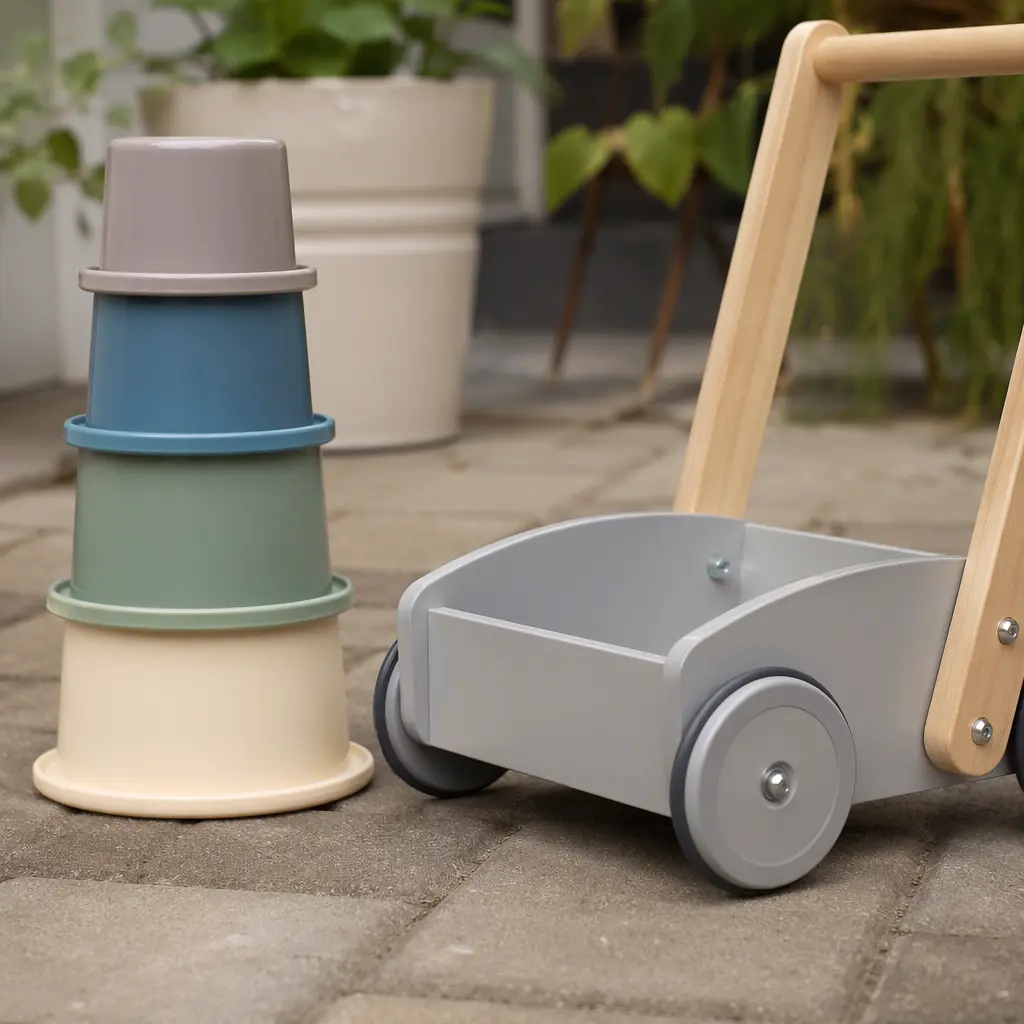
- Durable materials: Thick plastic, solid wood, or coated metal that can handle falls, throwing, and being left outside.
- Open-ended play: Toys that can be pushed, carried, filled, dumped, or climbed on tend to stay interesting longer.
- Right-sized scale: Low heights, wide bases, and easy-to-grip handles suit early walkers and climbers.
- Easy storage: Lightweight or stackable toys are more likely to be brought out daily.
- No batteries required: Mechanical or kid-powered toys keep working regardless of weather or storage.
Age suitability
For 1–2 year olds, outdoor toys should match early motor skills and short attention spans. Many toddlers are just learning to walk steadily, climb safely, and understand cause and effect. Toys designed for older kids may be frustrating or unsafe, while toys meant for infants can be outgrown quickly. Look for items labeled for 12 months and up, with room to grow into during the second year.
Standout categories or types
Certain types of outdoor toys consistently prove their value with toddlers. These categories are inexpensive, widely available, and easy to use every day without setup or instructions.
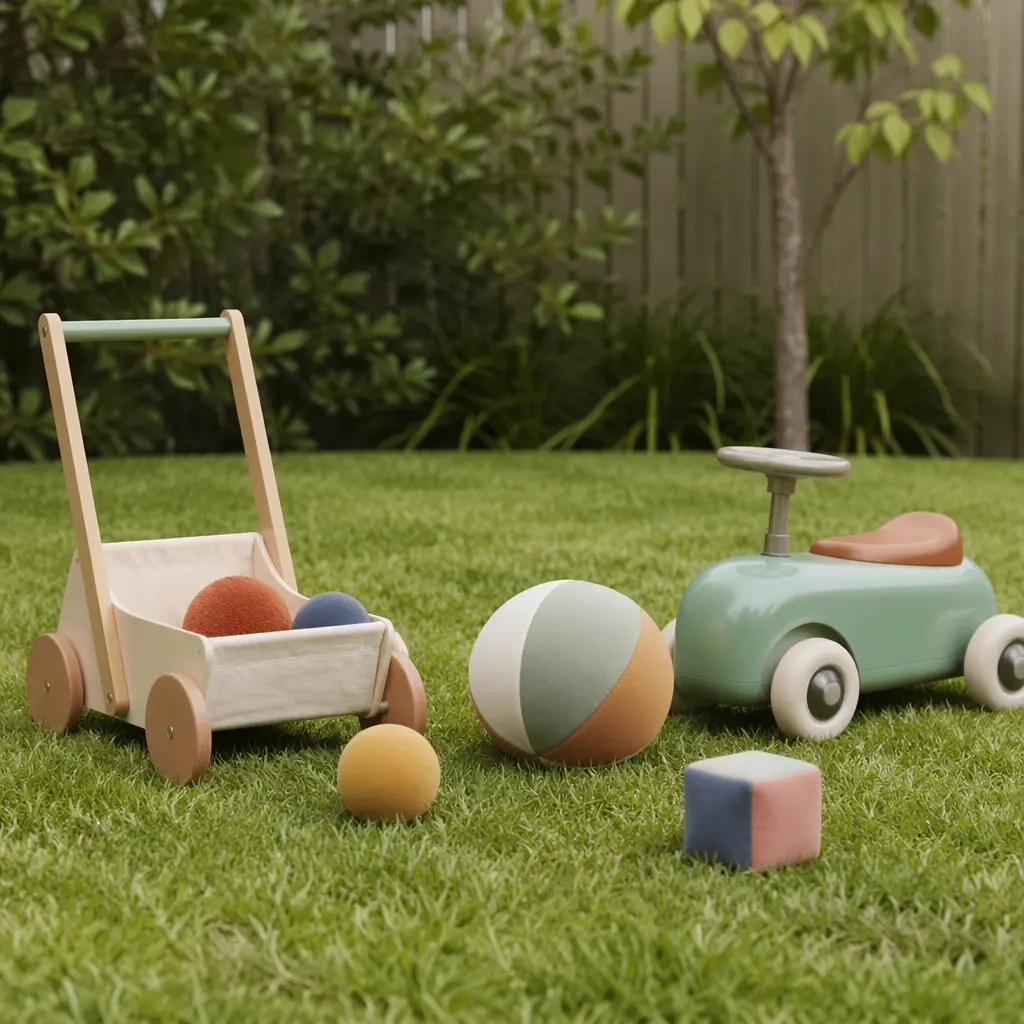
- Push and pull toys: These encourage walking practice and balance while giving toddlers a sense of purpose as they move.
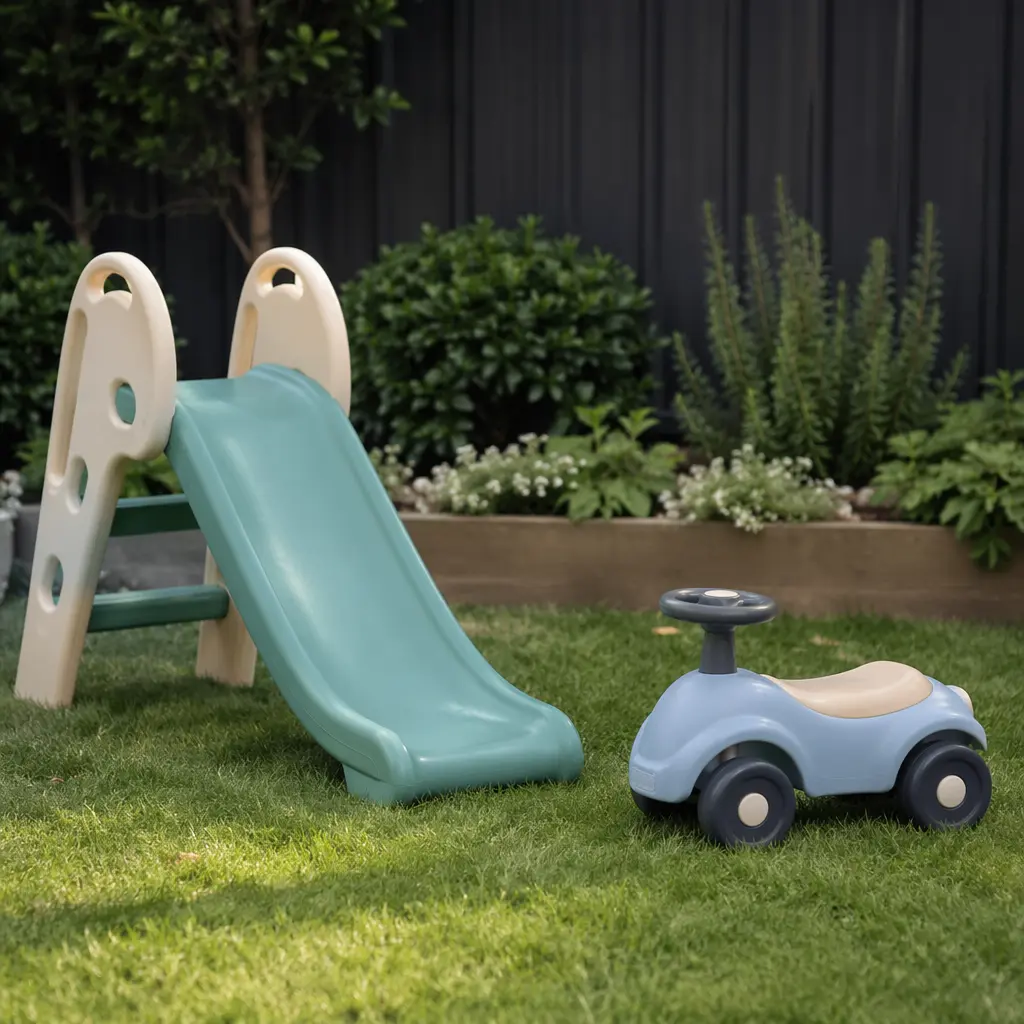
- Ride-on toys: Low, foot-powered ride-ons help develop coordination and are often used daily on driveways or patios.
- Balls of various sizes: Soft or lightweight balls support throwing, rolling, chasing, and kicking, even for very young toddlers.
- Water and sand basics: Buckets, cups, and scoops offer sensory play and can be used in multiple ways across seasons.
- Low slides and climbers: Simple, single-piece slides or climbers give toddlers safe ways to practice climbing and sliding.
Frequently asked questions
Are cheap outdoor toys safe for toddlers?
Price alone doesn’t determine safety. Many affordable outdoor toys meet the same safety standards as higher-priced options. Check age recommendations, avoid small detachable parts, and inspect toys regularly for wear.
How many outdoor toys does a toddler really need?
Most toddlers engage more deeply with a small rotation of toys than with a crowded play area. A few well-chosen items that encourage movement and exploration are usually enough for daily play.
Do toddlers get bored with simple toys?
Simple toys often last longer because toddlers can use them in different ways as they grow. A ball, for example, can be rolled, carried, thrown, or chased over many months.
Can these toys be used indoors too?
Many no-battery outdoor toys can be used indoors with supervision and enough space. Ride-ons and push toys are common examples, especially during bad weather.
For toddlers ages 1–2, the outdoor toys that see the most use are usually the simplest ones. Affordable, no-battery classics encourage daily movement, imagination, and skill-building without adding clutter or complexity. By focusing on durability, age-appropriate design, and open-ended play, parents can choose budget-friendly options that toddlers return to day after day.