Screen-Free Toys for Early Risers Ages 3–5
Quiet, low-mess toys can help early-rising preschoolers play independently without waking the whole house. This guide compares calm screen-free options for ages 3–5.
Compare prices and availability
Check current prices and availability for this guide on eBay.
As an eBay Partner, we may be compensated if you make a purchase.
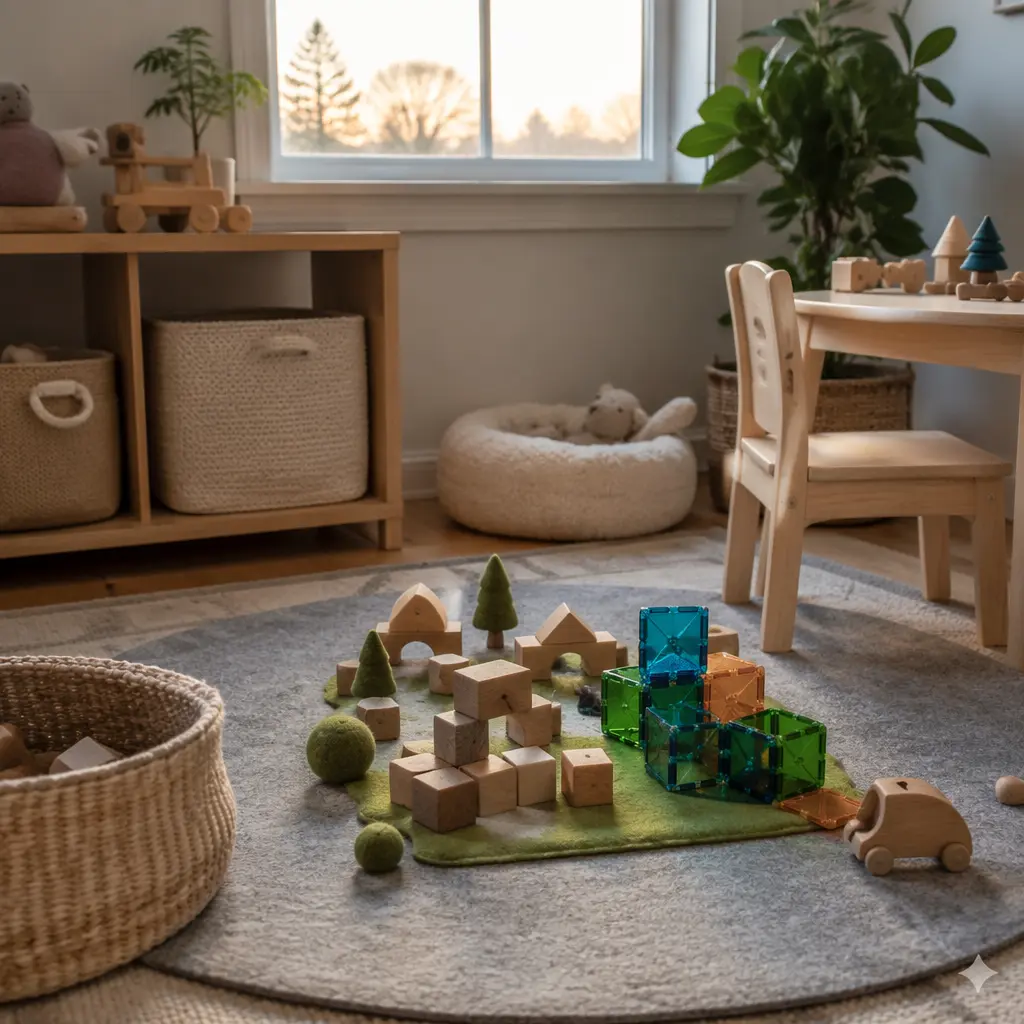
Some children are naturally early risers, which can make the first hour of the day difficult for the rest of the household. For ages 3–5, the most useful screen-free toys for early mornings tend to share a few qualities: they are quiet, easy to start without adult help, safe for short periods of independent play and simple to tidy away. Building and construction toys work especially well because they encourage focus without needing batteries, loud sound effects or large open spaces. The challenge for parents is balancing independence with practical concerns such as noise on hard floors, small parts around younger siblings, storage space and how much supervision a child still needs before adults are fully awake.
What to look for
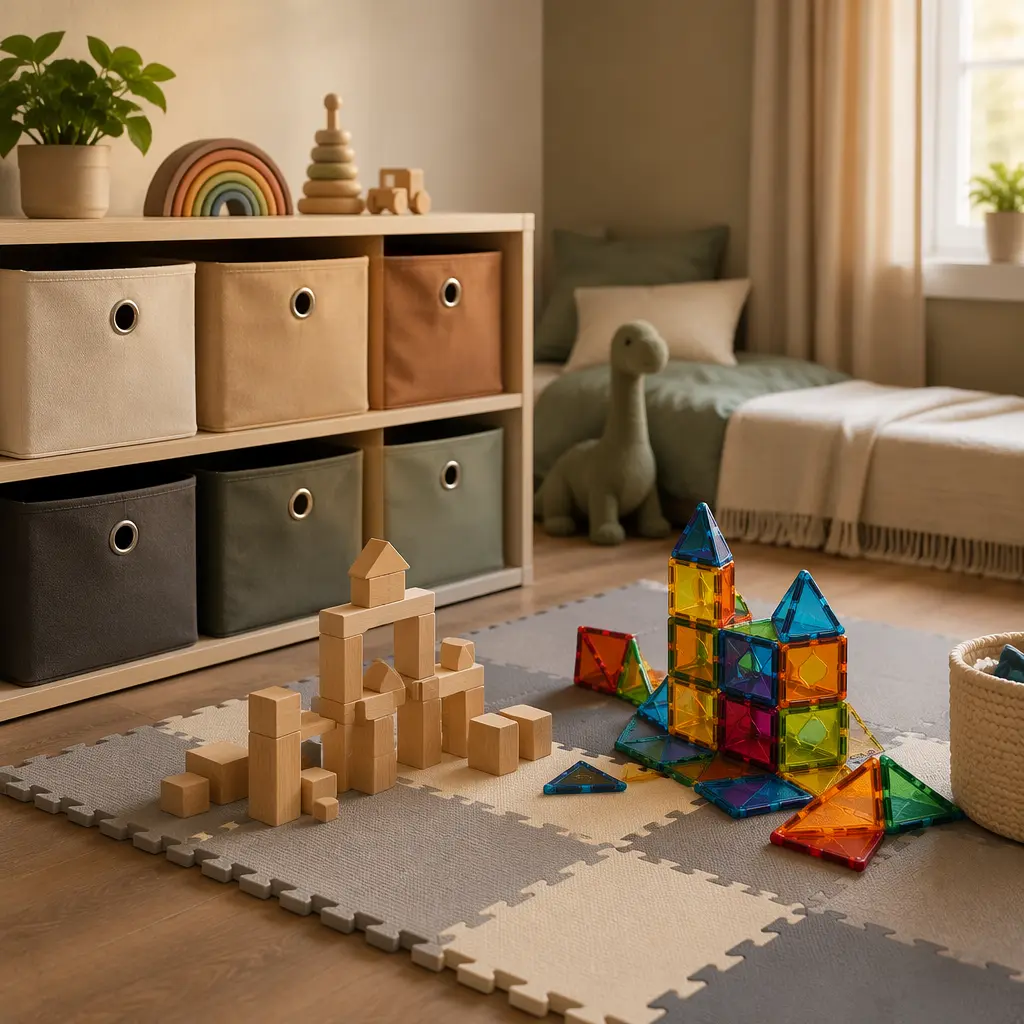
The best early-morning toys for preschoolers are usually open-ended rather than goal-driven. Children can start and stop easily without frustration, which matters at 6 a.m. when attention spans may still be short. Quiet materials also make a major difference. Plastic bins full of hard bricks can become surprisingly loud on wood or tile floors, while softer materials or foam play surfaces reduce noise significantly. Storage matters too: if a child can access and put away the toy independently, parents are less likely to face a large cleanup before breakfast.
- Choose larger preschool-sized pieces that are easy to handle and less likely to scatter under furniture.
- Look for toys that work on a rug or soft mat to reduce clattering noise.
- Simple open-ended sets often hold attention longer than toys with lights, sounds or complicated instructions.
- Compact storage bins with lids help contain mess and make quiet setup easier.
- Avoid toys with dozens of tiny accessories if younger siblings may also be awake nearby.
- Consider whether the toy can be used safely without direct adult setup or supervision for short periods.
Age suitability
Children between 3 and 5 years old vary widely in their ability to play independently. Younger preschoolers often do best with chunky wooden blocks, large interlocking bricks or simple magnetic tile builds that do not require precise instructions. Many 4- and 5-year-olds can manage more detailed construction activities such as marble-run style building systems designed for preschool ages, though these may create more noise and require occasional adult help. If a child still mouths objects, throws toys when frustrated or wakes siblings easily, softer and simpler building materials are usually a better fit than complex construction kits.
Options compared
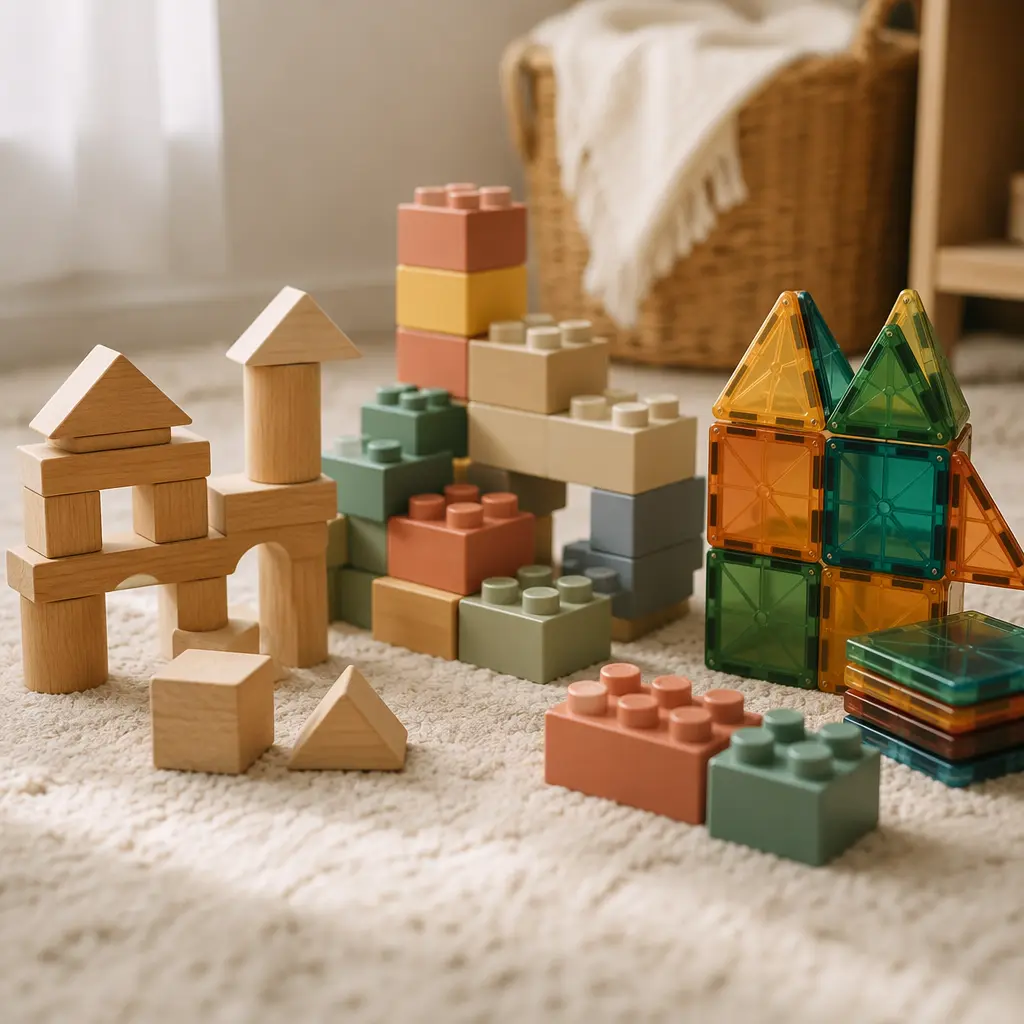
Wooden blocks remain one of the quietest and most flexible choices for early risers. They encourage calm stacking, pretend structures and open-ended creativity without overwhelming a child before the day begins. They also store easily and usually age well across multiple years. The trade-off is that some children lose interest quickly if they prefer more guided activities or moving parts.
Large interlocking brick systems designed for preschoolers add more structure and can keep children occupied longer through simple building challenges. These are often easier for independent play because pieces connect securely and builds stay together during transport from bedroom to living room. However, hard plastic pieces can become noisy in bins, and scattered bricks on hard floors are rarely appreciated by sleepy parents.
- Magnetic tiles: Good for children who enjoy building tall structures and experimenting with shapes. Best used on rugs or mats to soften noise. Higher upfront cost and requires careful storage if younger siblings are present.
- Wooden blocks: Quiet, durable and versatile. Suitable for calmer children who enjoy imaginative building. Less engaging for children who want moving or mechanical play.
- Large preschool construction bricks: Easy for small hands and often excellent for independent play. Bulkier storage needs and moderate noise when dumped out.
- Foam or cardboard construction sets: Light, quiet and safer for shared bedrooms or apartments. Less durable over time and may not satisfy children who prefer sturdy builds.
- Simple marble-run style preschool sets: More active and visually engaging for older preschoolers. Usually noisier and more likely to need adult assistance during setup.
Frequently asked questions
How can parents make construction toys quieter?
A soft play mat or low-pile rug makes a noticeable difference, especially with plastic bricks or magnetic tiles. Smaller containers also help because children are less likely to dump out an entire bin searching for pieces.
Are magnetic tiles suitable for 3-year-olds?
Many magnetic tile sets are marketed for preschool ages, but parents should still check age guidance carefully and supervise younger children. Larger tiles are generally easier and safer for 3-year-olds than smaller specialty pieces.
What toys work best in shared bedrooms?
Foam construction pieces, fabric play sets and wooden blocks tend to create less noise than hard plastic toys. Toys that do not require large bins of loose parts are also easier to manage quietly near sleeping siblings.
How much independent play is realistic at this age?
Many children in the 3–5 age range can manage 15 to 45 minutes of independent play with familiar toys, especially in predictable morning routines. Simpler toys usually work better than highly structured building kits that depend on instructions.
Should early-morning toys stay separate from regular toys?
Some families find that a small rotation of special quiet-time toys helps maintain interest and reduces clutter. Keeping a limited number of calm activities accessible can also make cleanup faster and expectations clearer.
The most successful early-rising toy setups are usually simple rather than elaborate. Quiet building toys with predictable routines, manageable storage and age-appropriate pieces often support calmer mornings better than highly stimulating gadgets. For preschoolers, independent play works best when toys are easy to access, easy to tidy and engaging enough to hold attention without needing a screen or constant adult involvement.