Viral Creator-Backed Building Toys for Christmas 2026
A parent-focused guide to 2026’s viral and creator-backed building toys for ages 9–12, comparing real play value, trend appeal, subscriptions, privacy, durability and long-term use.
Compare prices and availability
Check current prices and availability for this guide on eBay.
As an eBay Partner, we may be compensated if you make a purchase.
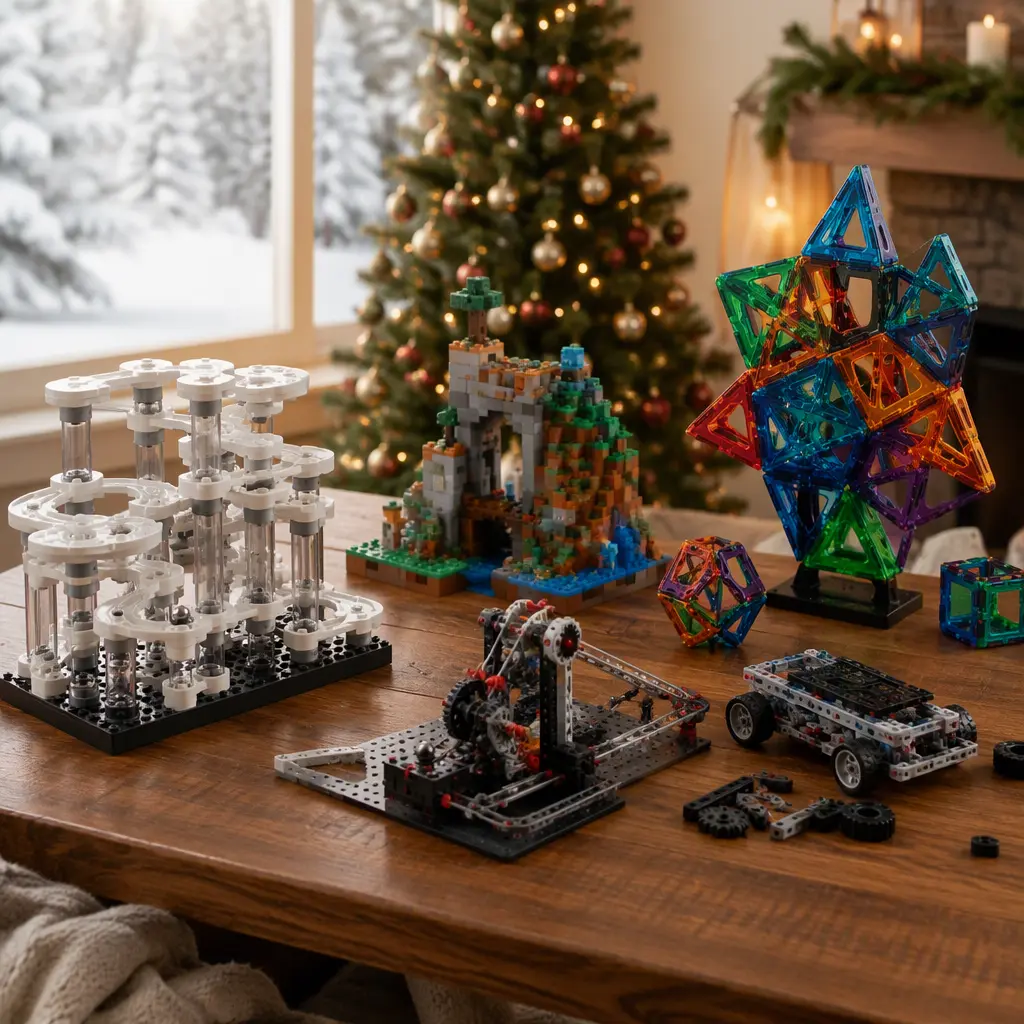
Creator-backed toys are likely to stay visible through Christmas 2026, especially in the building and construction category where YouTube engineers, gaming creators and TikTok trends can quickly turn a kit into a must-have item. For parents shopping for 9–12 year olds, the challenge is working out whether a toy still holds attention after the online hype fades. Some creator-linked sets genuinely encourage problem-solving, repeat building and open-ended play. Others are closer to collectible merchandise with a short novelty window. Looking beyond the social-media buzz usually comes down to a few practical questions: how much independent play the toy supports, whether extra purchases are required, how durable the parts are, and whether the connected features add value or simply lock the experience behind an app or subscription.
What to look for
For this age group, the strongest building toys usually balance guided projects with enough flexibility for kids to invent their own designs later. Creator involvement can help when it brings thoughtful instructions, engineering challenges or ongoing project ideas, but a famous name alone does not guarantee lasting value. It also helps to check whether the toy depends on online videos, an app or subscription service to remain useful. Many viral toys look impressive in short-form clips because of dramatic reactions or chain reactions, yet offer limited replay value once the first build is complete.
- Look for systems that support rebuilding rather than one finished display model.
- Check whether replacement parts are easy to find if pieces are lost.
- Subscription-based kits such as monthly STEM boxes can spread costs over time, but they may become expensive over a full year.
- If a toy includes an app, camera or online account, review what data is collected and whether the toy still works offline.
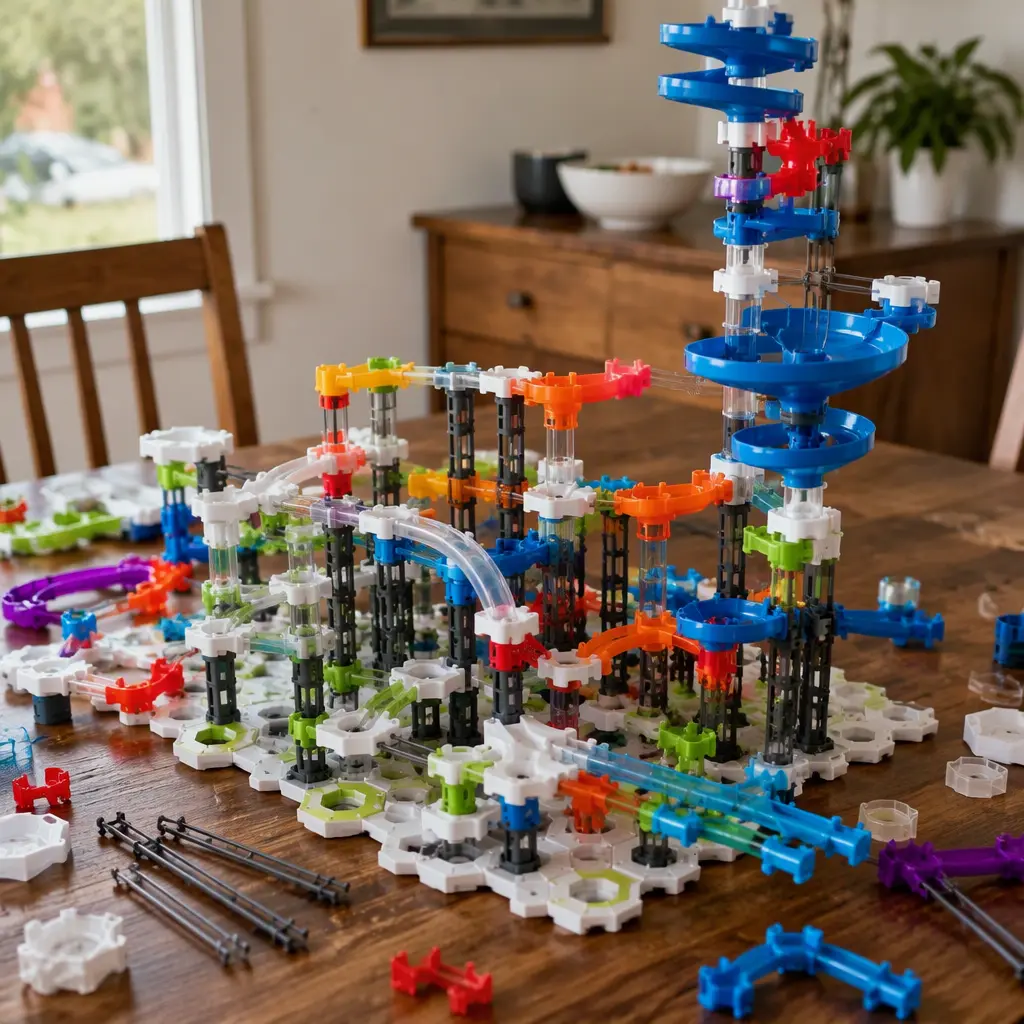
- Large marble runs and engineering kits often need permanent floor or table space during play.
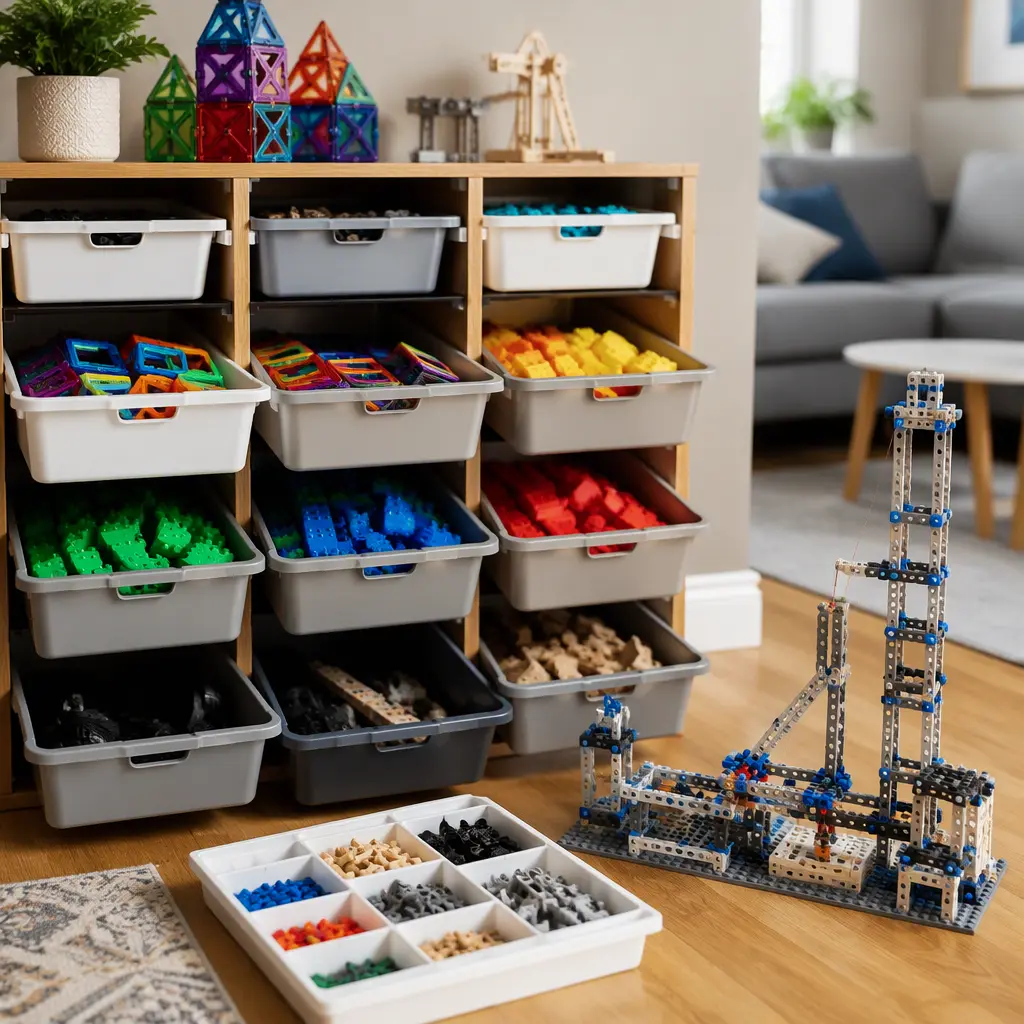
- Magnetic and small-piece construction sets usually require storage bins to avoid mixed or missing parts.
- Trend-driven licensed toys may become harder to expand if the product line is discontinued after the holiday season.
Age suitability
Children aged 9–12 are typically ready for more complex building systems, multi-step instructions and experimental play. Many enjoy toys connected to creators they already follow online, especially science and engineering channels that encourage building challenges rather than passive viewing. Kits aimed at younger children can feel restrictive at this age, while advanced collector-focused sets may become frustrating if they prioritise display detail over play. Some creator-backed STEM subscriptions, including engineering boxes associated with YouTube personalities such as Mark Rober’s CrunchLabs, tend to suit older children who enjoy troubleshooting and patience during assembly. Fast-moving trend toys with very simple builds may lose appeal quickly for confident builders in this age band.
Options compared
One of the clearest creator-backed construction trends heading into Christmas 2026 is the engineering subscription kit. CrunchLabs Build Box, created by former NASA engineer and YouTube creator Mark Rober, remains one of the more recognisable examples. The creator connection is central to the appeal because the builds are tied to science explanations and challenge-based videos rather than only branding. For families, the trade-off is cost structure. Subscription kits can maintain interest over time, but they create an ongoing expense and usually work best for children already enthusiastic about engineering concepts. They also rely partly on online video content, although the physical builds themselves remain screen-light compared with app-heavy toys.
Another strong category includes open-ended systems that became popular through TikTok and YouTube build videos rather than through a single celebrity partnership. Gravitrax marble runs, advanced magnetic tile systems and large modular brick sets fit here. These tend to have better long-term replay value because children can redesign layouts repeatedly instead of completing one fixed project. They also avoid many privacy concerns because most function entirely offline. The downside is storage and expansion cost, since larger creations often require additional packs. Licensed construction sets linked to gaming brands or internet trends can work well for children already invested in those communities, but they are usually less flexible once the novelty of the theme fades. Parents deciding between a viral licensed set and a more open-ended engineering system should consider whether the child enjoys collecting, displaying and fandom culture, or prefers experimentation and rebuilding.
- Subscription STEM kits: best for curious builders who enjoy guided engineering projects and regular deliveries; weaker for children who lose interest between shipments.
- Marble runs and chain-reaction systems: strong replay value and collaborative play; require storage space and patience during setup.
- Magnetic engineering sets for older kids: quick to build and flexible; quality varies widely between brands and cheaper sets may feel less sturdy.
- Licensed brick sets tied to games or creators: appealing for fans and display-focused kids; often more expensive per piece and sometimes less reusable for free building.
- Traditional open brick systems: usually the longest-lasting option for creative building, especially when compatible with existing collections.
Frequently asked questions
Are creator-backed building toys mostly marketing hype?
Not always. Some creator partnerships mainly add branding and online visibility, but others genuinely shape the product design. Engineering-focused creator kits often include project explanations, experiments or challenge ideas that extend play beyond simple assembly. The key difference is whether the toy still feels useful without watching the creator’s content every time.
Do these toys require apps or online accounts?
Many building toys in this category remain fully offline, which is one reason parents often prefer them over app-dependent gadgets. Subscription STEM kits may encourage access to online videos or companion instructions, while some connected toys add digital tracking or tutorials. Before buying, check whether setup requires account registration, recurring payments or access to cloud features.
Which type keeps children engaged the longest?
Open-ended systems generally last longer than fixed display builds. Marble runs, modular engineering kits and broad brick ecosystems encourage rebuilding and experimentation over months or years. Highly themed viral products may create intense short-term excitement but can lose momentum once the trend cycle moves on.
Are expensive STEM subscriptions worth it?
That depends on the child’s interest level and how often the projects are used. Families usually get better value when the child enjoys tinkering independently and revisits completed builds. If attention tends to move quickly between hobbies, a one-off engineering kit may be a safer starting point than a long subscription commitment.
What is the biggest practical issue parents overlook?
Storage is often the biggest challenge. Viral construction toys can arrive in multiple boxes with hundreds of pieces, and many children want to keep partially completed projects assembled. Clear bins, tray organisers and dedicated shelf space help prevent frustration and lost parts.
The strongest creator-backed building toys for Christmas 2026 are likely to be the ones that remain interesting after the social-media cycle fades. For most families, that means prioritising flexible building systems, durable parts and offline play over trend visibility alone. A creator connection can add motivation and ideas, especially for engineering-focused children, but long-term value usually comes from how much freedom the toy gives kids to keep experimenting once the first viral moment has passed.