Argos vs Smyths: Shared Christmas 2026 Toy Trends
A parent-focused snapshot of where Argos and Smyths overlap for Christmas 2026, including AI toys, interactive pets, creative tech, licensed ranges and age-group trends.
Compare prices and availability
Check current prices and availability for this guide on eBay.
As an eBay Partner, we may be compensated if you make a purchase.
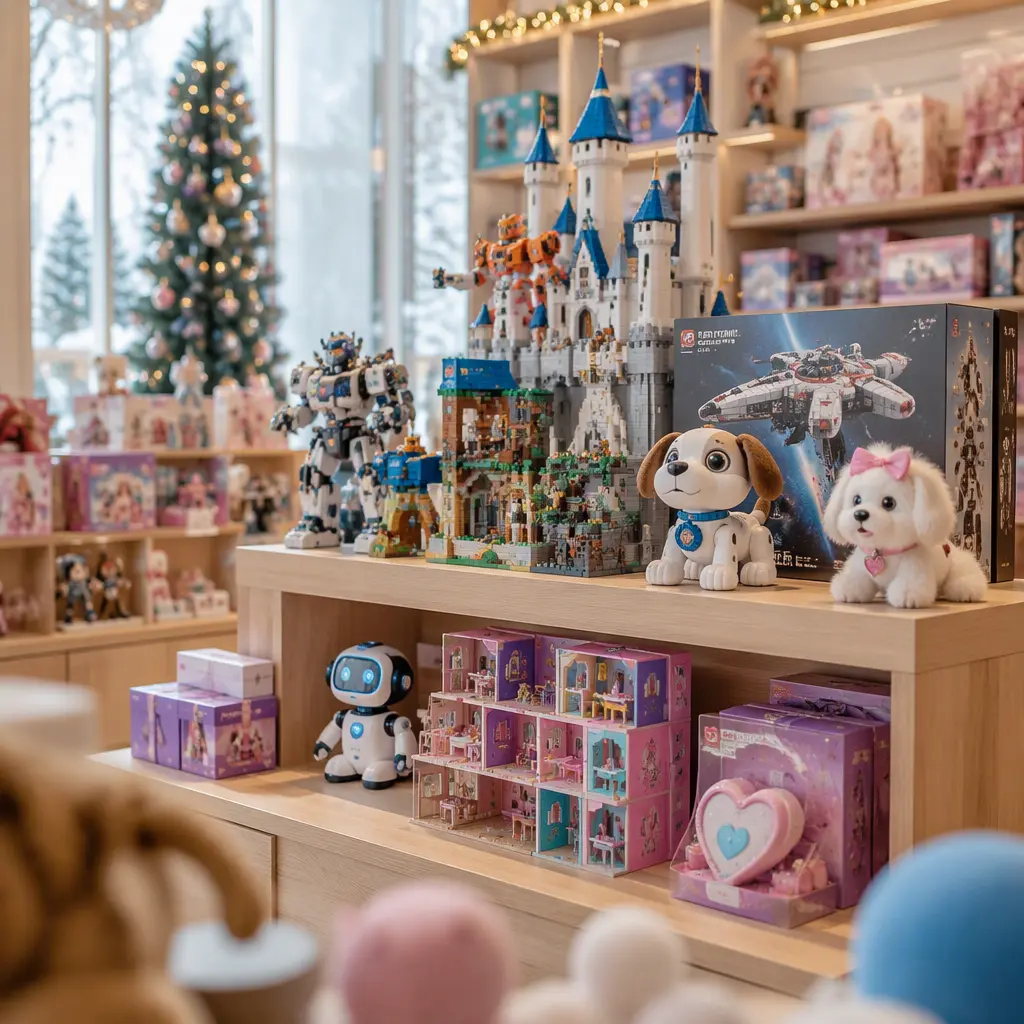
Argos and Smyths often spotlight many of the same toy categories during the Christmas season, even when the exact products differ. Looking at their current Christmas and “top toys” signals as a snapshot rather than a prediction, several overlaps stand out for 2026: interactive pets, AI-linked toys, creative technology kits, large licensed ranges and toys aimed at a wider age spread than in previous years. For parents, the useful comparison is less about which retailer will “win” Christmas and more about understanding what kinds of toys are likely to dominate shelves, adverts and wish lists. Shared themes can also help narrow decisions when children are exposed to heavy seasonal marketing from multiple retailers at once.
What to look for
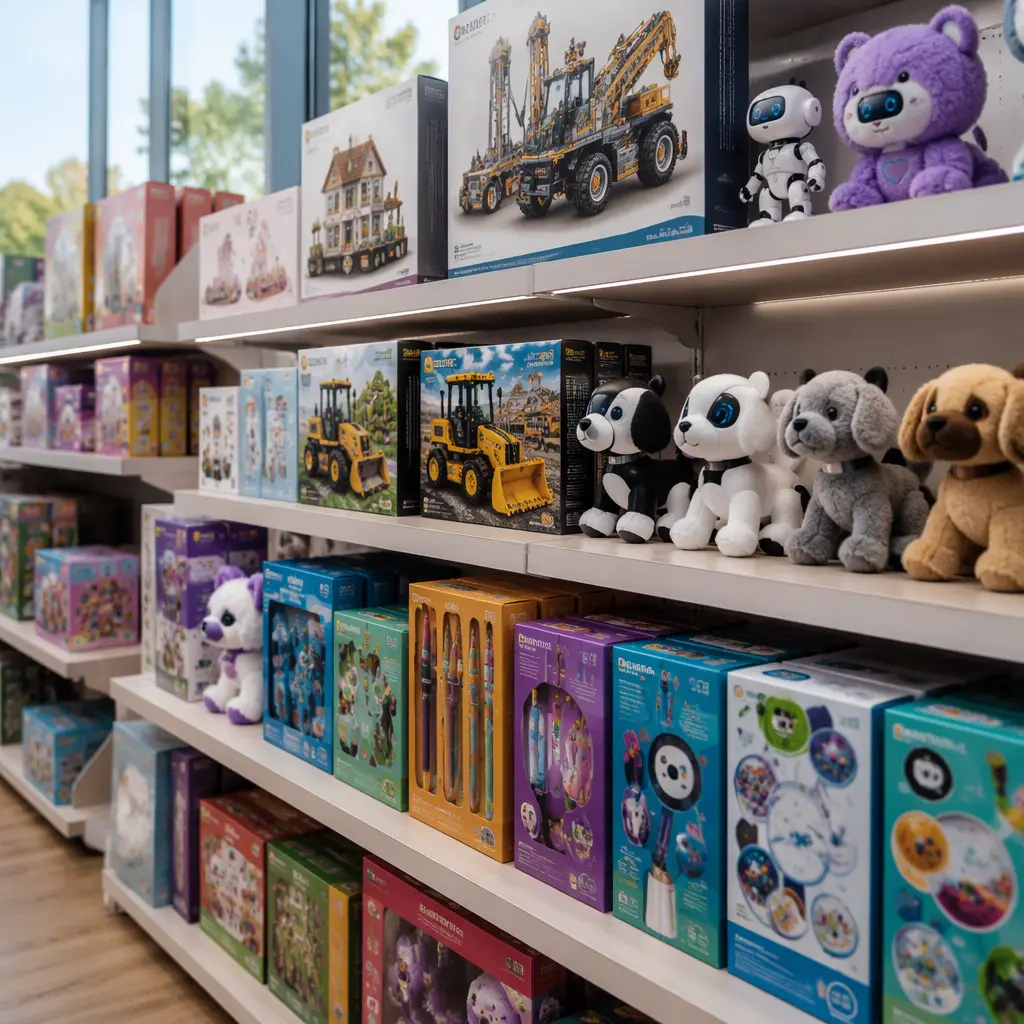
The biggest overlap between the two retailers is not one specific toy but a mix of connected play, familiar entertainment brands and products designed to feel more interactive than traditional dolls or figures. Parents comparing options should separate genuinely connected or AI-enabled toys from simpler motion sensors or prerecorded responses. Many toys marketed with AI features depend on apps, cloud processing or subscription systems, while others only use voice clips and reactive movements. That difference affects privacy, long-term usefulness and whether the toy still works well offline.
- Check whether a toy requires an app, account setup or Wi‑Fi for core features.
- Look for microphone and camera details on AI or connected toys, especially for younger children.
- Consider whether creative tech toys need ongoing consumables, refills or paid content.
- Licensed toys tied to films, games or streaming series can lose appeal faster than open-ended play toys.
- Large interactive pets and construction sets often need more storage space than parents expect.
- Noise levels vary widely with electronic pets, karaoke toys and voice-enabled gadgets.
- For younger children, simpler offline features may hold attention better than complicated app systems.
Age suitability
One noticeable overlap in current Christmas ranges is the wider spread of age targeting. Both retailers appear to be highlighting toys for preschoolers, primary-school children and older tweens rather than concentrating mainly on the early-primary market. Interactive pets and role-play toys still dominate the younger end, while creative technology, coding-style kits and advanced building sets increasingly target children aged eight and above. Teen-friendly collectibles and room decor gadgets also appear more visible than in past years. Parents of younger children may want to focus on durability, simplicity and repeat play value instead of headline features. Older children are more likely to care about app support, compatibility with phones or tablets and whether the toy connects with online trends or gaming culture.
Options compared
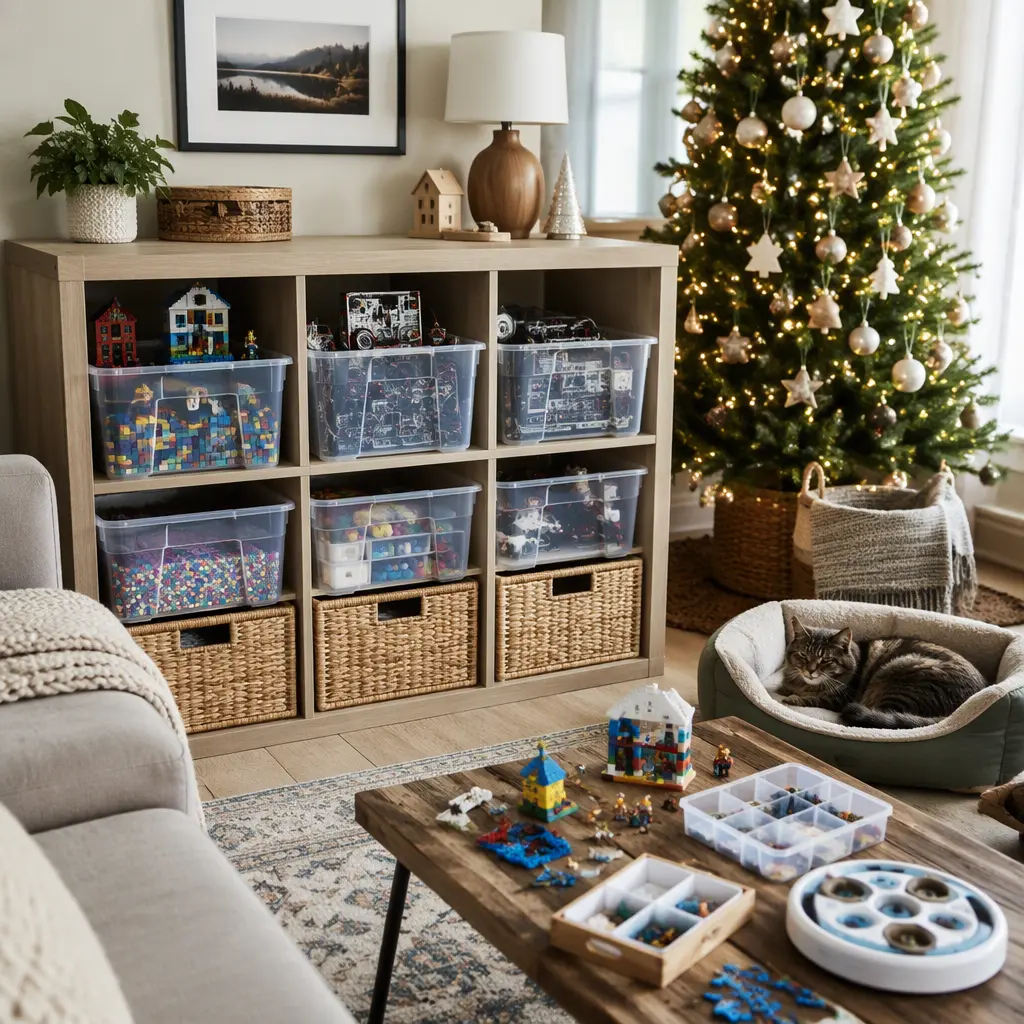
Interactive pets remain one of the clearest overlaps between Argos and Smyths. These range from simple animatronic plush toys to app-connected companions with speech recognition or AI-style chat features. The practical difference for families is maintenance and expectations. Simpler pets usually work straight out of the box and suit younger children who mainly want cuddly interaction and repetitive play patterns. More advanced connected pets may offer evolving responses or customisation, but they often rely on apps, batteries and ongoing software support. Parents who prefer lower-maintenance toys may lean toward offline versions that still function without updates or accounts.
Creative technology is another major overlap. Both retailers appear to be giving space to digital drawing tools, beginner coding kits, camera gadgets, music creation toys and hybrid craft products that combine physical making with apps. These can work well for older children who enjoy project-based play, but setup complexity varies a lot. Some products are essentially screen accessories rather than stand-alone toys. Families already managing significant screen time may prefer hands-on building sets, marble runs or engineering kits instead. Building and construction toys also continue to overlap strongly across both retailers because they cover such a broad age range and price spread. Smaller sets suit stocking-fillers and shared family budgets, while larger display-style builds increasingly target older children and adults.
- Interactive pets: strong appeal for younger children, but noise and battery use can become issues in shared spaces.
- AI-linked toys: potentially more personalised, though often dependent on apps, accounts or cloud services.
- Creative tech kits: good for children who enjoy projects and experimentation, but setup time can matter.
- Licensed toys: easy gift choices when children follow specific films, games or shows, though trends can move quickly.
- Construction sets: reliable for repeat offline play and broad age appeal, but larger kits require storage space and patience.
- Collectibles and surprise toys: lower entry price, though repeat purchases can add up over the holiday season.
Frequently asked questions
Are AI toys becoming a major Christmas category?
AI branding is becoming more visible, but many toys described as AI-powered still rely on fairly limited conversational systems or scripted responses. The practical difference for parents is whether the toy genuinely adapts over time or mainly uses marketing language around voice interaction. It is worth checking whether key features require internet access or subscriptions.
Why do licensed toys appear in both retailers' Christmas ranges?
Licensed toys remain popular because children recognise characters from streaming shows, films, games and online creators. Retailers often feature similar entertainment trends because they reflect broader media popularity. The trade-off is that interest can fade quickly once a trend changes, especially compared with open-ended toys such as building sets or craft kits.
Do connected toys still work if apps disappear?
That depends on the product design. Some connected toys keep core features offline, while others rely heavily on cloud servers or app updates. Parents considering expensive smart toys may want to check whether basic play remains available without internet services or account logins.
Which toy categories tend to suit mixed-age households?
Construction toys, craft kits and collaborative board games generally work better across age gaps than highly individual electronic gadgets. Shared play can also reduce clutter and simplify storage during the busy Christmas period.
Are expensive tech toys always better value?
Not necessarily. Higher-priced toys may include advanced electronics, larger builds or connected features, but replay value varies widely between children. Some children return repeatedly to simple offline toys, while complex gadgets may lose attention after the novelty period.
The strongest overlap between Argos and Smyths for Christmas 2026 is the move toward toys that combine familiarity with interaction. Licensed ranges, connected pets, creative gadgets and construction toys all appear positioned as major seasonal categories. For parents, the most useful approach is to focus less on headline trends and more on practical fit: storage, noise, screen dependence, supervision needs, long-term play value and whether a toy still feels enjoyable once the seasonal excitement fades.