Luka AI Cube vs Screen Readers for Reluctant Readers
A parent-focused guide to Luka AI Cube and screen-based reading tools for ages 3–5, covering pronunciation help, offline use, accents, privacy, supervision and whether AI features add enough value.
Compare prices and availability
Check current prices and availability for this guide on eBay.
As an eBay Partner, we may be compensated if you make a purchase.
Parents looking for extra reading support for a reluctant preschooler now have more choices than traditional phonics toys or read-along books. Devices such as the Luka AI Cube aim to make reading more interactive by recognising printed books and reading them aloud, while tablets, e-readers and screen-based reading apps offer text highlighting, audio narration and pronunciation support. The main buying decision is not simply whether one option is more advanced. It is whether the connected AI features genuinely help a child engage with books often enough to justify the extra cost, setup and supervision compared with simpler reading tools.
What to look for
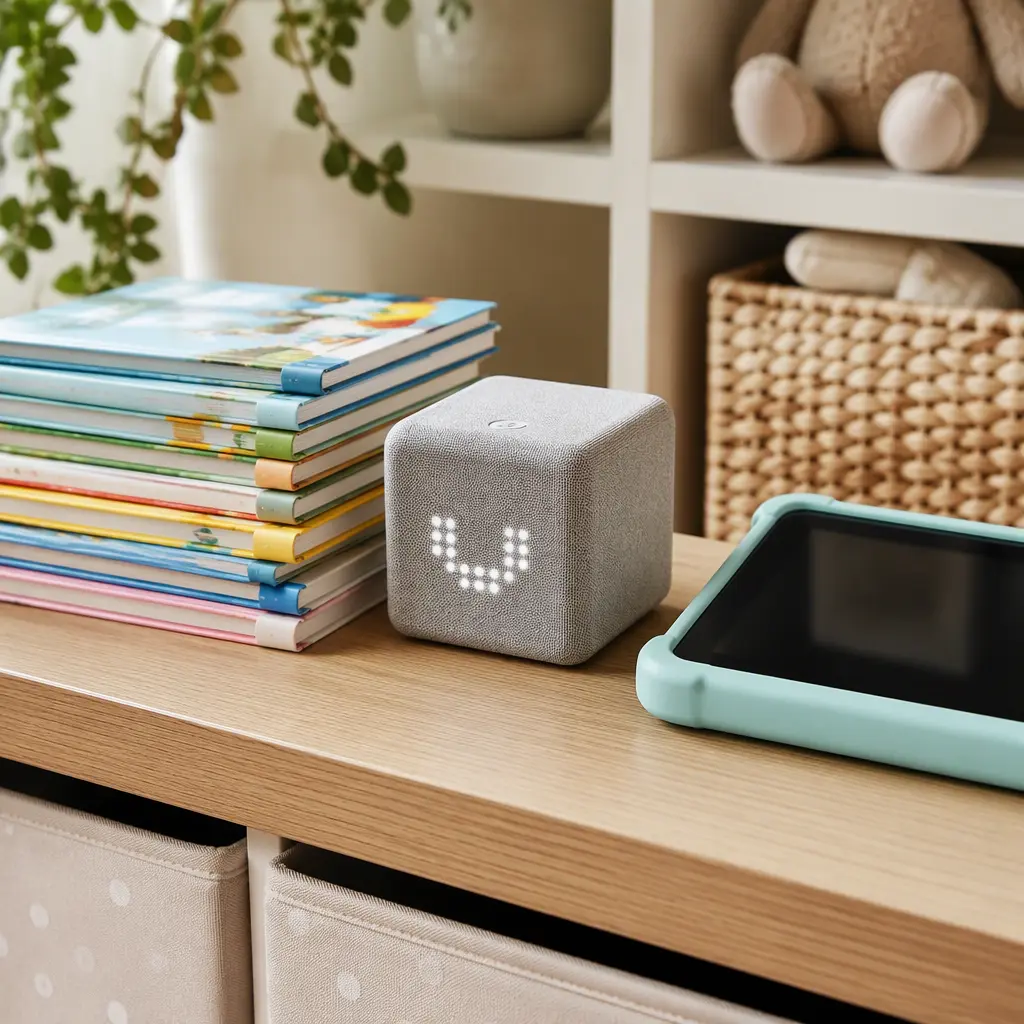
For children aged 3 to 5, the most useful reading support tools usually reduce frustration without replacing shared reading completely. Some children mainly need help hearing unfamiliar words clearly, while others engage more when books feel interactive or game-like. AI reading companions and screen readers solve slightly different problems, so it helps to focus on how your child actually struggles with books at home.
- Book compatibility matters more than novelty features. Some AI readers only recognise selected physical books, while tablets and e-readers may support a wider range of digital content.
- Check how much works offline. A device that depends heavily on cloud recognition or app syncing may be less useful during travel, weak internet connections or long-term support changes.
- Pronunciation support varies. Screen readers usually provide consistent narration, while AI book-recognition systems may handle accents, unusual names or mixed-language books differently.
- Consider privacy features carefully. Connected toys with microphones, cameras or companion apps may collect usage data or require accounts. Parents should review manufacturer privacy policies and parental controls before setup.
- Think about supervision and independence. Younger preschoolers may manage a dedicated reading cube more easily than a tablet with menus, notifications or other distractions.
- Noise level can become a daily issue. Some devices rely heavily on audio prompts and sound effects, while others allow quieter headphone use or lower-volume narration.
- Storage and durability matter for this age group. A compact reader that sits near bookshelves may fit family routines better than fragile tablets that need charging and protective cases.
- Subscription costs and app dependence can change the long-term value. Some connected reading products include limited content unless additional purchases or memberships are added later.
Age suitability
For ages 3 to 5, simpler interfaces generally work best. Preschoolers are still developing attention span, listening comprehension and fine motor control, so complicated menus or account systems can quickly become adult-managed devices rather than independent reading supports. Luka-style AI readers are usually designed around physical books and button-based interaction, which may suit children who already enjoy browsing picture books but resist reading time itself. Screen readers and reading apps can work well for children who respond positively to animation, highlighting or touch interaction, but they often require closer supervision to avoid drifting into unrelated content. Families aiming to limit recreational screen time may also prefer dedicated reading devices because they separate books from games and videos.
Options compared
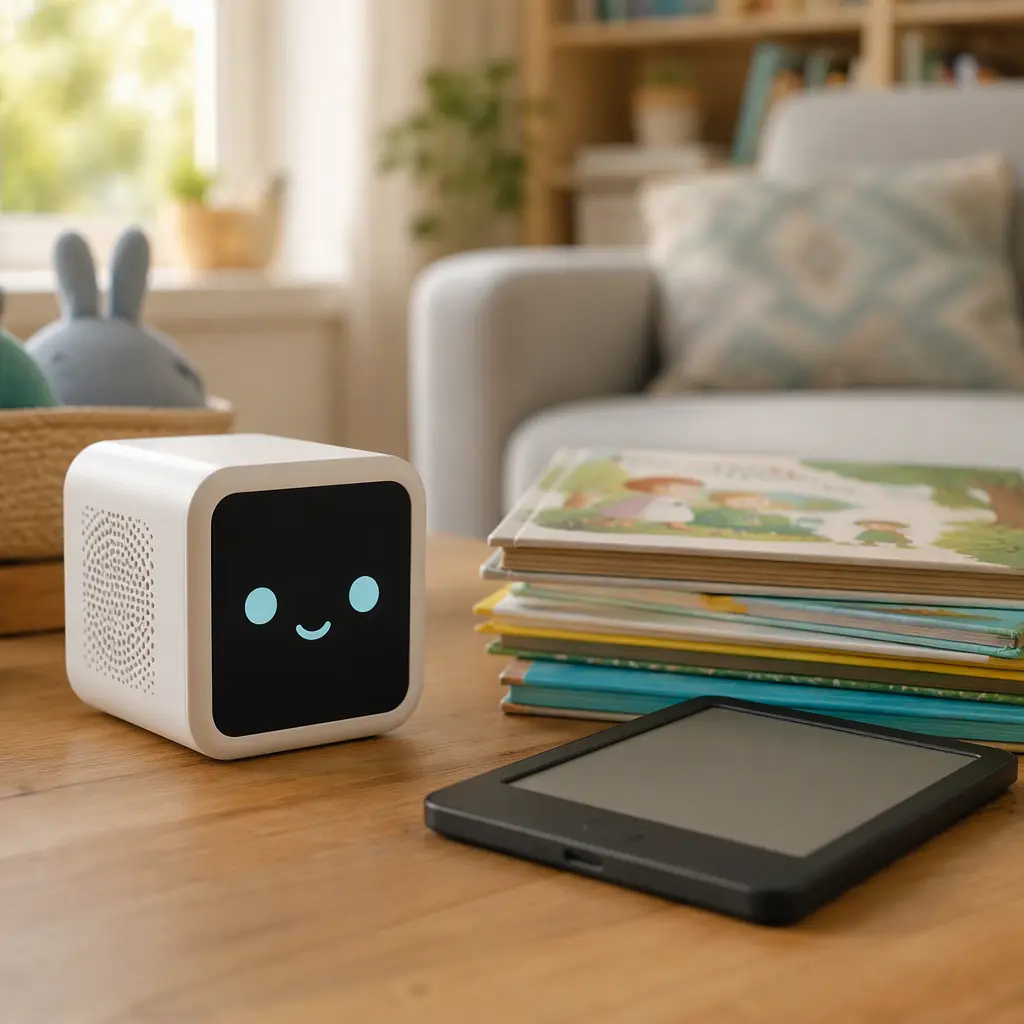
The Luka AI Cube and similar AI-assisted reading companions focus on physical books rather than screens. According to manufacturer descriptions, these devices identify supported books visually and read them aloud automatically. For some reluctant readers, especially children who already like holding books but become stuck on difficult words, this can feel less distracting than using a tablet. A dedicated reading cube also avoids app notifications, advertisements and easy switching into games. Parents who want a mostly offline-feeling reading routine may find this approach appealing even when cloud-based features exist behind the scenes.
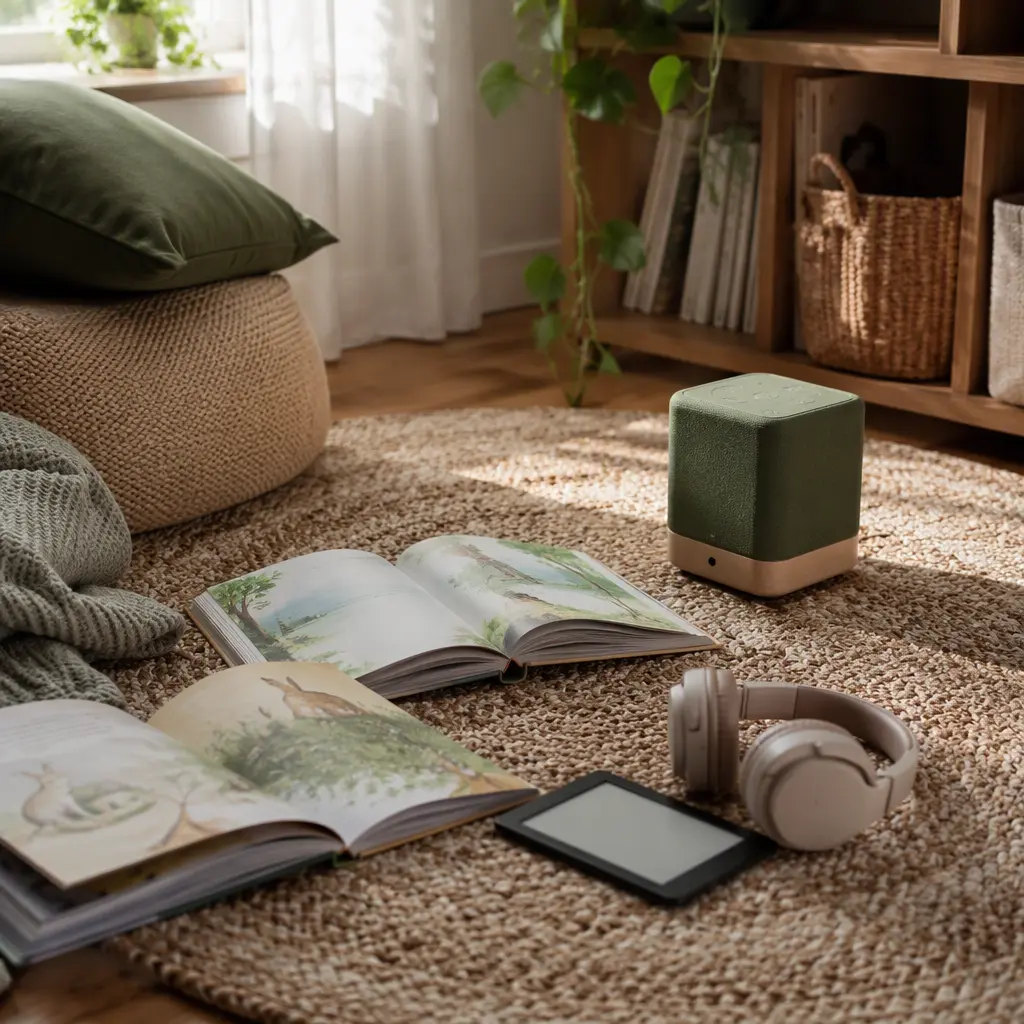
The trade-off is flexibility. AI book-recognition systems may support only selected titles or languages, and pronunciation quality can vary depending on accent, pacing or regional vocabulary. If a child mainly needs broad pronunciation help across many books, a tablet or e-reader with text-to-speech may provide wider coverage. Screen readers also tend to support adjustable fonts, text highlighting and accessibility settings that can help children with emerging literacy difficulties. However, tablets introduce additional concerns around screen time, internet access, battery management and distraction. Some children become more focused with animated reading apps, while others disengage from the story itself and focus only on tapping or visual effects.
- AI reading cubes suit families wanting a book-first experience with minimal menus and fewer general-purpose screen distractions.
- Screen readers and reading apps suit children who benefit from adjustable narration, larger digital libraries or accessibility settings.
- Children sensitive to noise or overstimulation may prefer quieter e-readers over highly interactive talking devices.
- Families with unreliable internet should prioritise devices with strong offline playback and setup options.
- Parents concerned about privacy may prefer simpler offline-capable products that avoid always-on microphones, cloud accounts or extensive app tracking.
- Budget-conscious households may find ordinary read-along books, library audiobooks or basic tablets more practical than premium AI reading companions.
Frequently asked questions
Does Luka AI Cube actually use artificial intelligence?
Products marketed as AI reading companions usually combine image recognition, audio playback and software matching to identify books and trigger narration. That is different from simpler talking toys with fixed recorded responses, but it does not necessarily mean the device understands stories conversationally like a chatbot.
Can these devices help with pronunciation?
They can help children hear unfamiliar words repeatedly, which may support confidence during reading time. The quality depends on the narration system, supported language and accent handling. Some digital reading systems offer more adjustable narration speeds or clearer text highlighting than physical-book recognition devices.
Are screen readers better for children with reading difficulties?
Sometimes, particularly when accessibility settings are important. Features such as enlarged text, highlighted words and adjustable pacing may help some children stay engaged. However, younger preschoolers can also become overstimulated by bright apps or multitasking devices, so simpler tools may still work better for certain families.
Do AI reading toys work without internet access?
That varies widely between products. Some devices store supported books locally after setup, while others rely more heavily on cloud services or app syncing. Parents should check what functions remain available offline before buying, especially if the device is intended for travel or long-term use.
Is a dedicated reading device worth the extra cost?
It depends on the child and family routine. Dedicated reading devices can reduce distractions and encourage independent book handling, but they may support fewer books than general reading apps. For some households, library audiobooks and shared reading achieve similar results without adding another connected device.
For most preschoolers, the strongest reading support still comes from regular access to books, repetition and engaged adults rather than any single gadget. AI reading cubes can make physical books feel more approachable for some reluctant readers, especially children who dislike screens but enjoy interactive objects. Screen readers and reading apps remain more flexible and often more accessible across larger libraries. The better choice depends less on which device sounds more advanced and more on how your child responds to books, audio and screen-based interaction in everyday use.