Best Washable Baby Toys for Daycare Families
A parent-focused guide to washable baby toys for daycare routines, covering fast-drying fabrics, dishwasher-safe materials, storage, hygiene, durability and age suitability for 0–12 months.
Compare prices and availability
Check current prices and availability for this guide on eBay.
As an eBay Partner, we may be compensated if you make a purchase.
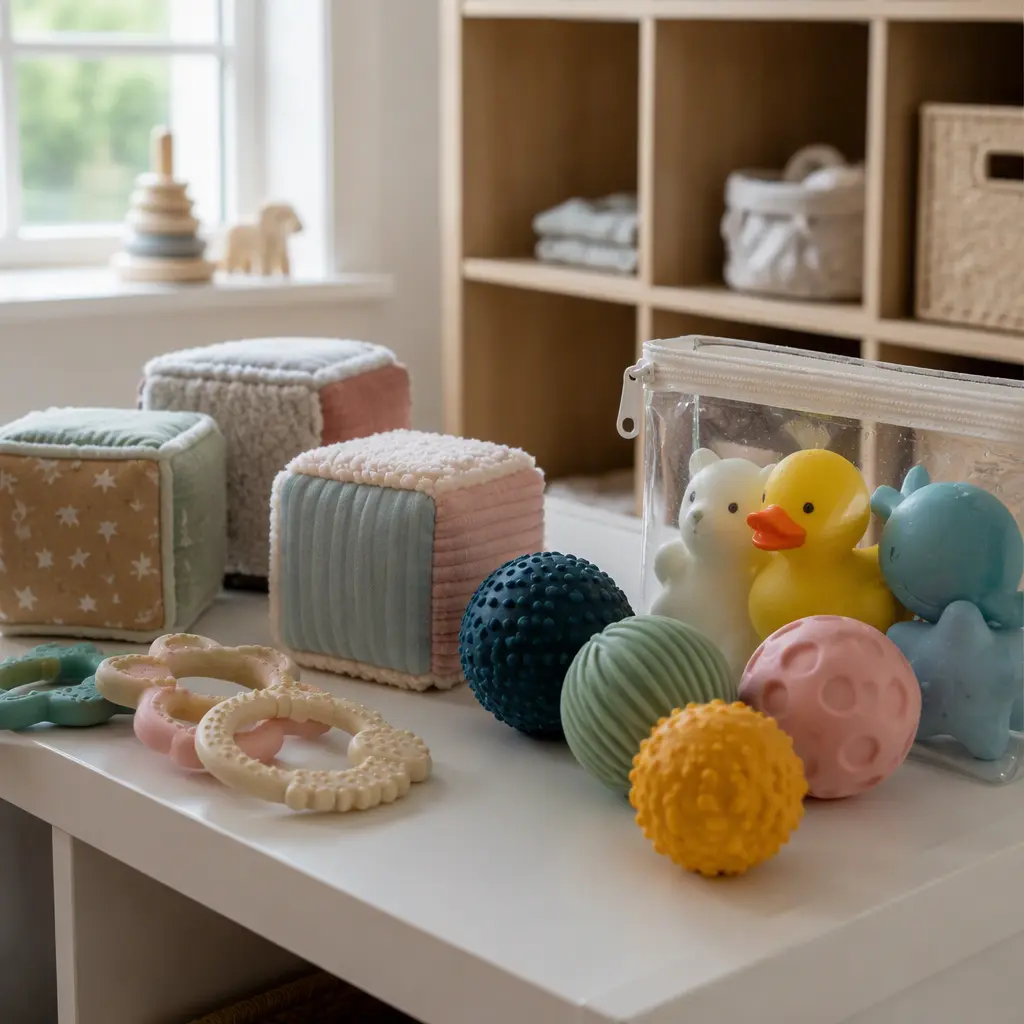
Families using daycare often need baby toys that can handle frequent cleaning without becoming damp, damaged or difficult to sanitize. Babies in the 0–12 month range explore toys with their hands and mouths, so washable materials matter for both hygiene and convenience. The most practical choices usually combine simple construction, quick drying and durable surfaces that tolerate repeated wiping, rinsing or dishwasher cleaning. Toys designed for easy maintenance can also reduce stress around illness seasons, shared play areas and daily packing between home and daycare.
What to look for
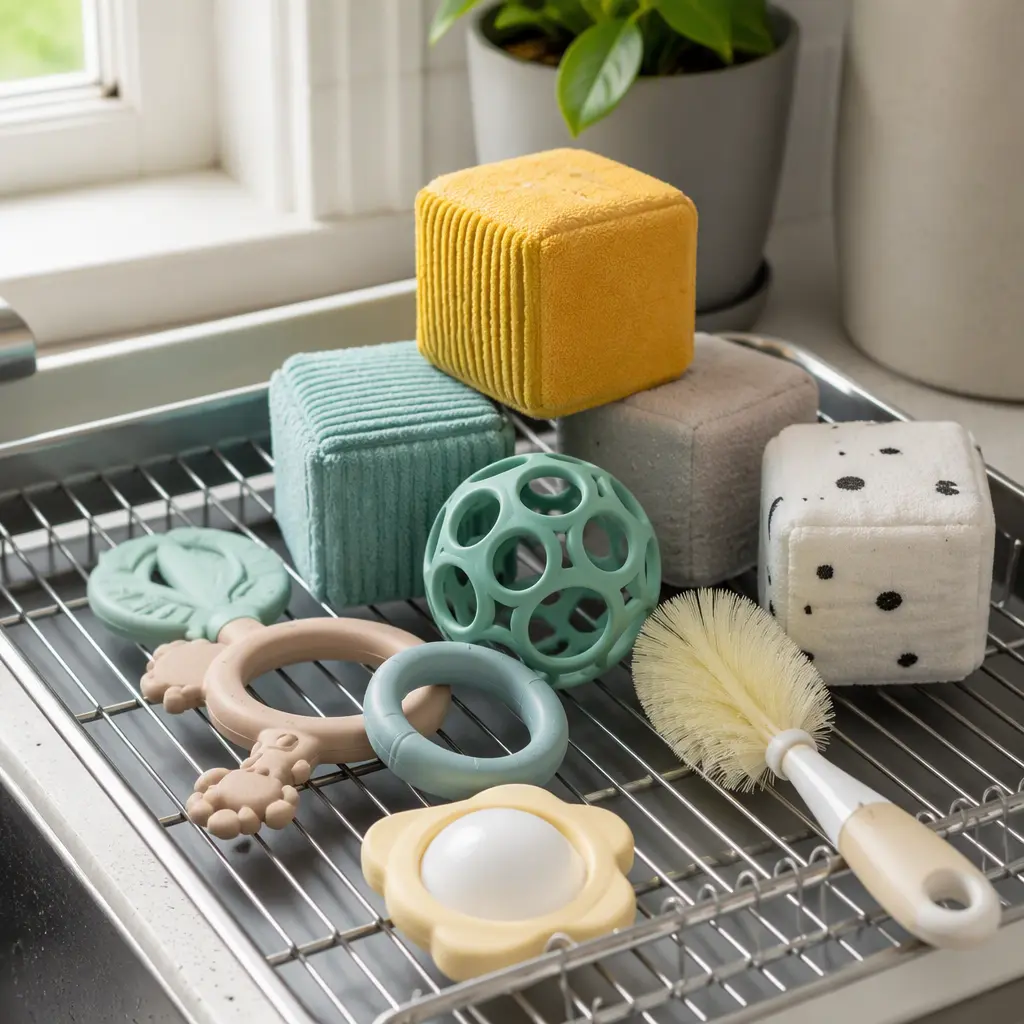
The easiest baby toys to maintain tend to avoid hidden water chambers, loose stuffing or complex moving parts. For daycare families, durability is just as important as softness or sensory appeal because toys may be cleaned more often than they would in a single-child home. Materials also affect drying time. Some plush toys survive machine washing but stay damp for hours, while silicone and sealed plastic designs can be cleaned and reused much faster. Consider how often the toy will travel between home and daycare, how much storage space is available and whether caregivers can clean it quickly during the day.
- Dishwasher-safe silicone toys are usually easier to sanitize and dry quickly.
- Sealed seams help prevent trapped moisture inside squeeze toys or fabric items.
- Machine-washable cloth toys work best when labeled quick-drying or lightly padded.
- Avoid bath toys with drainage holes that can trap moisture internally.
- Textured surfaces support sensory exploration without needing electronic features.
- Compact toys are easier to rotate through daycare bags and shared storage bins.
- Neutral noise levels matter in group-care environments where loud toys can become overwhelming.
- Simple one-piece designs often last longer under repeated cleaning routines.
Age suitability
For babies under six months, lightweight toys that are easy to grasp and safe for mouthing are usually the most practical. Soft sensory cloths, silicone teethers and crinkle toys with washable surfaces fit this stage well. Around six to twelve months, many babies begin throwing, banging and crawling after toys, so sturdier materials become more important. Textured balls, stacking cups and sealed bath toys can support motor development while remaining easy to clean. Parents and caregivers should still check age guidance carefully, especially for toys with detachable parts, ribbons or accessories that may not suit younger infants.
Options compared
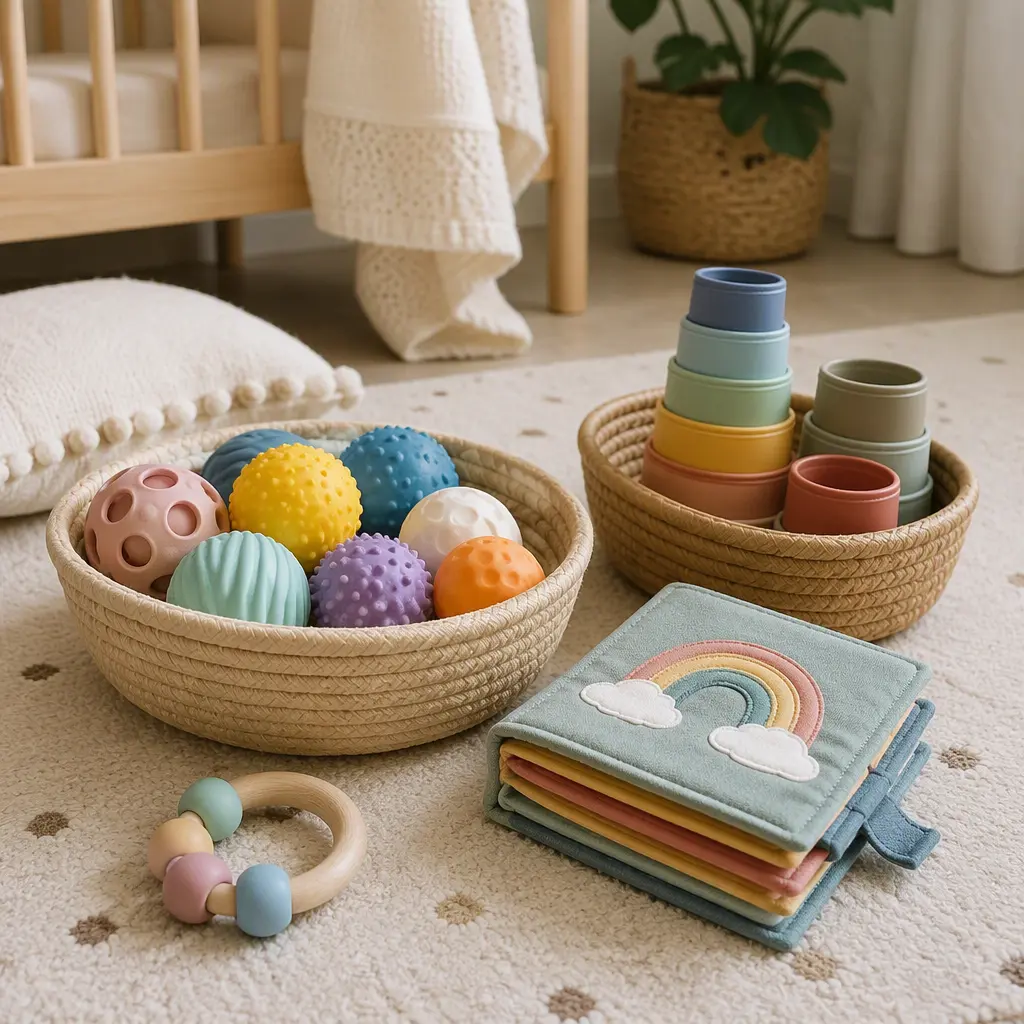
Silicone toys are often the easiest option for daycare routines because they dry quickly, resist stains and usually tolerate repeated sanitizing. Silicone teethers, sensory shapes and simple stacking toys work well for babies who mouth everything. The trade-off is that they can attract lint in diaper bags and may feel less comforting than fabric toys during quiet time.
Fabric toys still have advantages, particularly for younger babies who enjoy soft textures and lightweight items. Cloth books, crinkle squares and plush sensory cubes support tactile play without screens or batteries. The main drawback is drying time. Thick plush toys may remain damp internally after washing, which can become inconvenient when toys need to rotate quickly between daycare and home. Choosing lightly padded or mesh-lined designs can help.
- Silicone teethers and sensory toys: best for frequent sanitizing, teething stages and compact daycare packing; less cozy for comfort play.
- Machine-washable cloth toys: best for tactile comfort and quiet play; slower drying and sometimes bulkier to store.
- Hard plastic stacking cups and rattles: durable and affordable for group settings; can become noisy on hard daycare floors.
- Sealed bath toys: easy to rinse and wipe clean when fully sealed; avoid versions with squeeze holes that trap moisture.
- Natural rubber toys: soft and flexible for mouthing; may require gentler cleaning methods depending on care instructions.
- Wooden infant toys with sealed finishes: durable and screen-free with good grip for older babies; usually should not be submerged for long periods.
Frequently asked questions
Are fabric baby toys safe for daycare use?
Many fabric toys work well in daycare if they are machine washable and dry thoroughly between uses. Lightweight cloth toys with minimal padding are usually easier to maintain than heavily stuffed plush toys. Checking care labels matters because some fabrics lose shape after repeated washing.
Which baby toys dry the fastest after cleaning?
Silicone and sealed plastic toys generally dry much faster than plush or foam-filled options. One-piece designs without internal cavities are usually the simplest to clean and reuse the same day. Quick-drying fabric blends can also help for soft toys.
Should electronic baby toys be avoided for daycare?
Electronic toys are not automatically unsuitable, but they are often harder to sanitize because of battery compartments, speaker openings and fabric-covered controls. Many daycare families prefer simple screen-free toys that can be wiped down fully and used without sound effects.
How many washable toys does a daycare baby really need?
A small rotation is usually easier to manage than a large collection. A few teethers, one or two sensory toys and a compact soft toy often cover most daily needs for infants. Rotating toys also makes cleaning and drying more manageable in smaller homes.
What toy materials should parents avoid for shared infant play?
Toys with difficult-to-clean crevices, absorbent foam interiors or drainage holes can become impractical in shared settings. Delicate decorations, glued embellishments and long fabric trims may also wear down faster under frequent washing and handling.
The best washable baby toys for daycare families balance easy cleaning with developmentally appropriate play. Fast-drying materials, sealed construction and simple screen-free designs usually create the least maintenance over time. Choosing a smaller set of durable toys that match a baby’s current stage can also make daily daycare routines easier for both parents and caregivers.