Are AI Craft Kits Safe With Cloud Image Features?
A parent-focused guide to AI craft kits with cloud image tools, covering photo privacy, moderation limits, offline use, subscriptions and which features still work without internet access.
Compare prices and availability
Check current prices and availability for this guide on eBay.
As an eBay Partner, we may be compensated if you make a purchase.
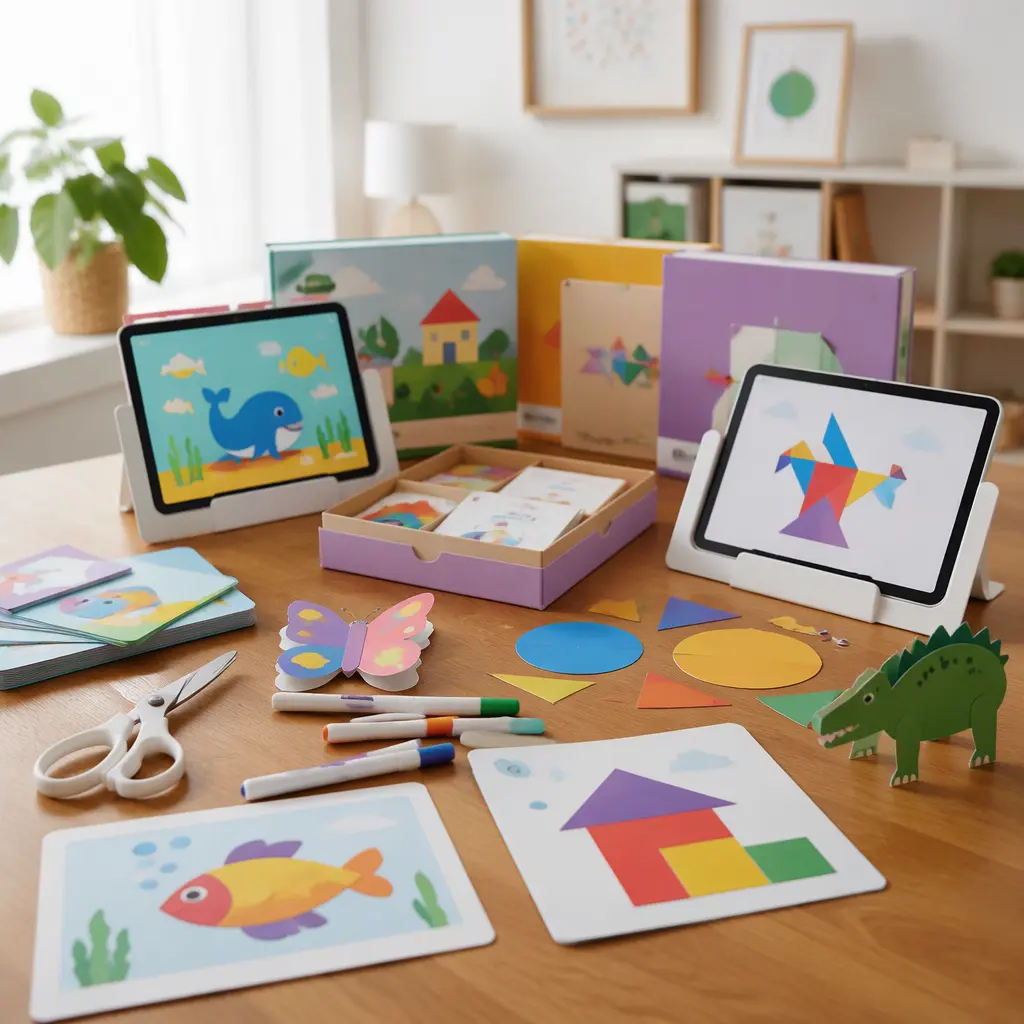
AI craft kits for older children often combine traditional art materials with apps that generate images, suggest designs or animate drawings using cloud-based tools. For parents, the main buying question is usually not whether the craft supplies are safe, but how the connected features handle photos, prompts and account data. Some kits upload images to remote servers for processing, while others only use simple on-device effects or templates. The difference matters because cloud features can affect privacy, moderation, long-term usefulness and whether the kit still works if the app loses support. For children aged 9–12, it is worth focusing on how much of the experience remains usable offline, how much supervision setup requires and whether the AI features genuinely add creative value rather than simply turning a craft project into more screen time.
What to look for
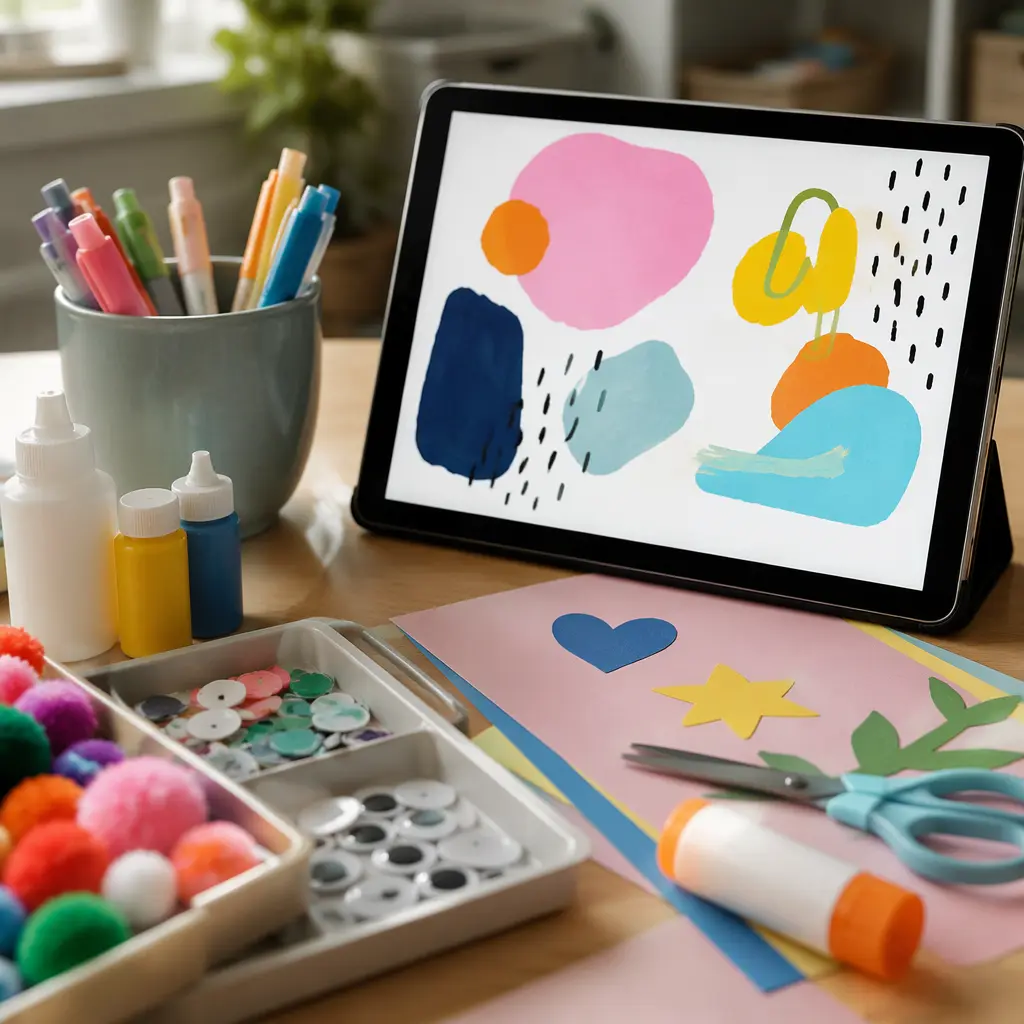
Many products marketed as AI craft kits use very different technology behind the scenes. Some rely on cloud image generation similar to mainstream AI art tools, while others use simpler image filters, pattern matching or animation effects. Parents should look past the marketing language and focus on what data leaves the device, how dependent the kit is on an app and what happens if internet access is unavailable. A strong offline mode can make a connected craft kit far more practical for travel, shared family devices and long-term use.
- Check whether photos are uploaded to cloud servers for processing or stored locally on the device.
- Look for clear parental controls, especially if children can type prompts, upload selfies or share creations online.
- See whether the kit still supports drawing, printing, cutting or other core activities without an active subscription.
- Review account requirements carefully. Some kits require a parent email address, app account or ongoing credits for AI image generation.
- Find out whether moderation tools block inappropriate prompts and images, but remember that automated moderation is never perfect.
- Consider device compatibility and storage needs, especially if the app requires newer tablets or frequent updates.
- Look for transparent privacy policies that explain how uploaded images may be stored, reviewed or used to improve AI systems.
Age suitability
Children aged 9–12 are usually old enough to understand basic online privacy rules and experiment creatively with guided AI tools, but they still benefit from adult involvement during setup and account management. This age group often enjoys combining digital design with hands-on crafting such as sticker making, printable cards, sewing patterns or custom coloring pages. Younger children may struggle with prompt writing and become frustrated by moderation blocks or generation limits. Older tweens may care more about whether the generated art feels original and customizable rather than repetitive. Parents should also think about emotional suitability: image-generation systems sometimes produce distorted faces, strange details or unexpected results that can confuse younger users. Kits that focus on collaborative family crafting or structured prompts tend to work better than fully open-ended social sharing platforms for this age range.
Options compared
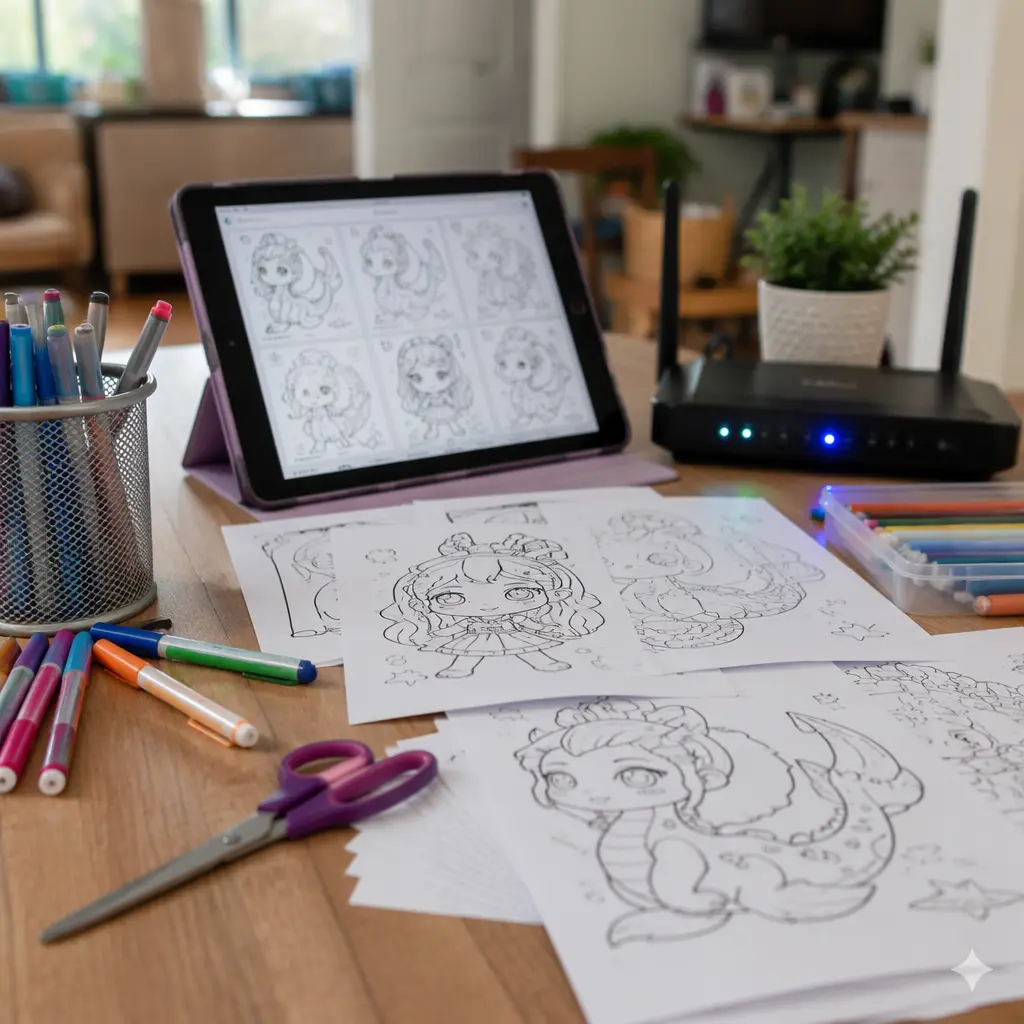
AI craft products generally fall into three categories. The first includes cloud-based image generators that create artwork from text prompts or uploaded sketches. These systems can feel impressive because they generate highly varied images quickly, but they are also the most dependent on internet access, moderation systems and ongoing company support. If the service changes pricing, adds generation limits or shuts down servers, the AI portion may lose usefulness even if the physical craft materials remain usable.
The second category uses lighter connected features such as background removal, coloring suggestions or animation effects. These tools often process less data and may work partly offline after initial installation. They usually offer a more predictable experience for children because results are less random than fully generative AI. The trade-off is that they can feel less creative or less flexible for older tweens who want open-ended design tools.
The third category is the most practical for many families: traditional craft kits with optional AI extras layered on top. In these kits, the core activities still work without cloud access. A child can continue drawing, cutting, painting or assembling projects even if the app is unavailable. Optional AI features may generate templates, suggest color palettes or create printable elements, but they are not required for basic play. These hybrid kits usually age better because the physical materials still provide value if the connected service changes.
- Cloud-heavy AI art kits suit children who enjoy experimenting with prompts and digital creativity, but they require more privacy oversight and stable internet access.
- Hybrid craft kits with optional AI tools are often the easiest choice for families who want screen time kept secondary to hands-on activities.
- Simpler app-assisted kits may work well for occasional use, travel or shared devices because they typically need fewer accounts and less maintenance.
- Families with limited storage space may prefer printable or reusable projects over kits that produce large amounts of paper crafts and leftover materials.
- Parents sensitive to noise or distraction should know that some apps include voice assistants, sound effects or animated companions that cannot always be fully disabled.
Frequently asked questions
Do AI craft kits keep children's photos?
Some do. Many cloud-based systems temporarily or permanently store uploaded images on remote servers to process requests or improve services. Policies vary widely between brands. Parents should review privacy documentation for details about storage periods, data deletion and whether images may be reviewed by human moderators.
Can these kits work without internet access?
It depends on the product design. Fully cloud-based image generators usually need internet access every time new artwork is created. Some hybrid kits allow previously downloaded templates, printing functions or physical crafting activities to continue offline after setup.
Are moderation filters reliable enough for children?
Moderation tools help reduce harmful or inappropriate content, but they are not flawless. AI systems may still produce strange, inaccurate or unexpected images. Parent supervision is still important, especially when children can enter unrestricted text prompts or upload personal photos.
Do AI craft kits usually require subscriptions?
Some manufacturers include limited image generations and then require subscriptions, credits or paid app tiers for continued use. Others bundle the AI features into the original purchase price. It is worth checking whether the physical kit still feels useful if the connected features become limited later.
What happens if the app stops being supported?
Connected toys and craft kits can lose functionality if apps are removed from app stores or cloud services shut down. Products with strong offline activities and reusable physical materials tend to hold value better over time than kits built entirely around remote AI services.
For most families, the safest and most durable choice is usually an arts-and-crafts kit where AI features remain optional rather than essential. Cloud image tools can add creative variety, especially for older tweens experimenting with design ideas, but they work best when paired with clear privacy controls, predictable moderation and meaningful offline play. Before buying, it helps to think beyond the initial novelty and consider how the kit will function after the first few weeks, whether it still encourages hands-on creativity and how much ongoing account management parents are comfortable handling.