Are AI Craft Toys With Image Generation Safe for Kids?
A parent-focused guide to AI craft toys with image-generation features, covering moderation tools, uploaded photos, privacy, subscriptions, offline use and creative value for ages 9–12.
Compare prices and availability
Check current prices and availability for this guide on eBay.
As an eBay Partner, we may be compensated if you make a purchase.
AI craft toys and creative apps aimed at older children increasingly include image-generation tools that can turn text prompts, sketches or uploaded photos into stickers, coloring pages, digital artwork or printable craft ideas. For parents of children aged 9 to 12, the key question is not only whether these tools are entertaining, but whether the connected features are safe, useful and worth the trade-offs. Unlike traditional craft kits, AI-enabled products may rely on cloud processing, user accounts and uploaded images. Some include microphones or cameras, while others work through companion apps on tablets or phones. The creative side can be genuinely engaging for children who enjoy drawing, storytelling and design, but the quality of moderation, privacy controls and offline usefulness varies widely between products.

What to look for
The safest and most practical AI craft toys for this age group are usually the ones that keep the creative process simple and transparent. Some products use AI only to remix drawings into new styles or suggest project ideas. Others allow children to upload selfies, generate characters from prompts or share creations online. Those added features can increase both creative flexibility and privacy concerns. Before buying, check how much of the toy still works without an internet connection and whether parents can limit sharing, uploads or spending on extra credits.
- Clear parental controls for uploads, sharing and account permissions
- Moderation systems that filter inappropriate prompts and generated images
- Simple explanations of how uploaded photos and artwork are stored or used
- Offline or limited offline functionality so the toy is still usable without cloud access
- Compatibility with devices already in the home, especially older tablets
- Transparent subscription or credit systems rather than open-ended purchases
- Easy export or printing options for children who prefer physical crafts over screen time
Age suitability
Most AI craft products marketed toward ages 9 to 12 assume a child can read prompts independently, navigate app menus and understand some online safety rules. That does not mean the experience is fully self-directed. Children in this age range may still upload personal photos impulsively or experiment with prompts designed to bypass filters. Products that work best for tweens usually combine guided creativity with strong boundaries, such as preset themes, limited sharing and parent-managed accounts. Younger children may become frustrated by prompt-based tools, while older teens may outgrow heavily restricted systems quickly. Families who already limit cloud-connected devices or avoid account-based toys may prefer traditional craft kits, drawing tablets without AI features or printable design apps that do not require uploads.
Options compared
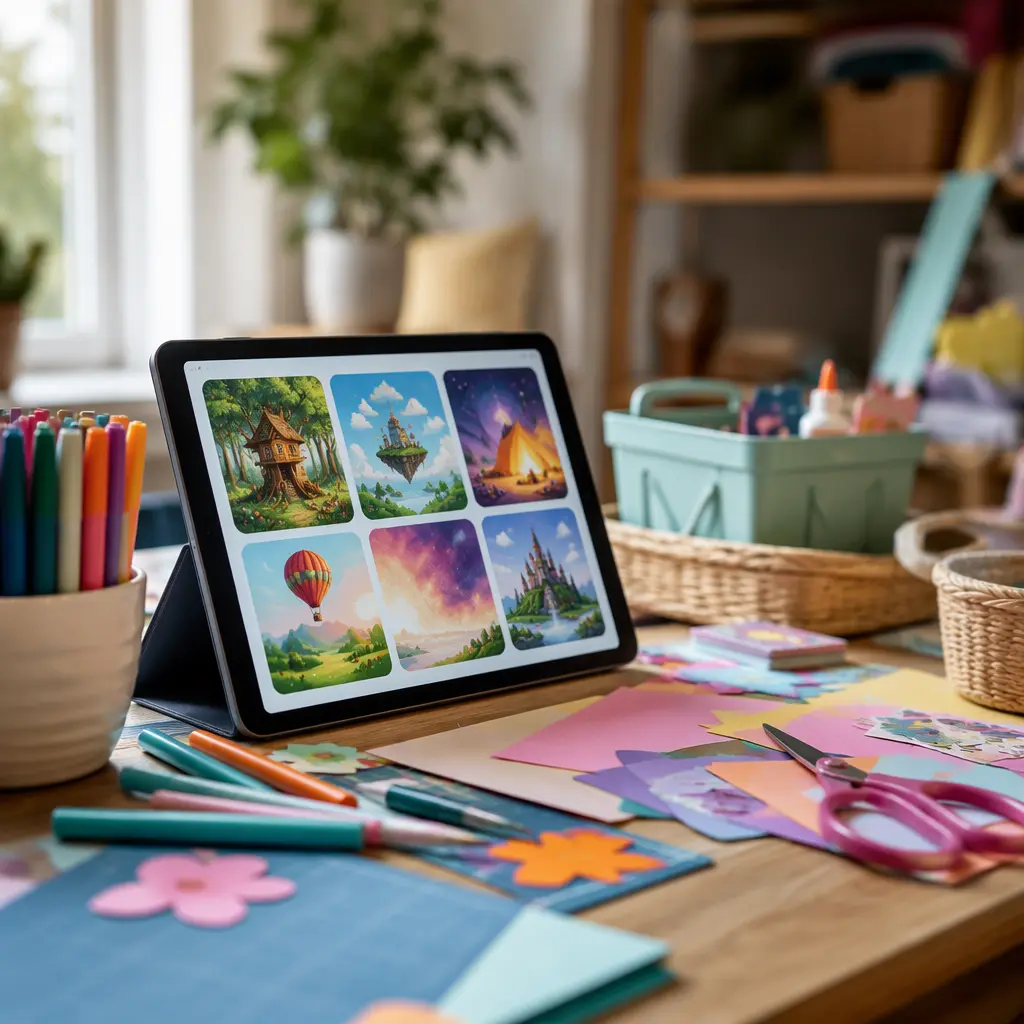
AI craft toys generally fall into three broad categories. The first is app-connected craft kits that generate printable templates, stickers or project ideas. These are often the easiest entry point for families because the AI feature acts more like a creativity assistant than a social platform. The child still spends most of their time coloring, cutting or assembling physical crafts. These products tend to suit children who already enjoy hands-on activities and parents who want limited screen use.
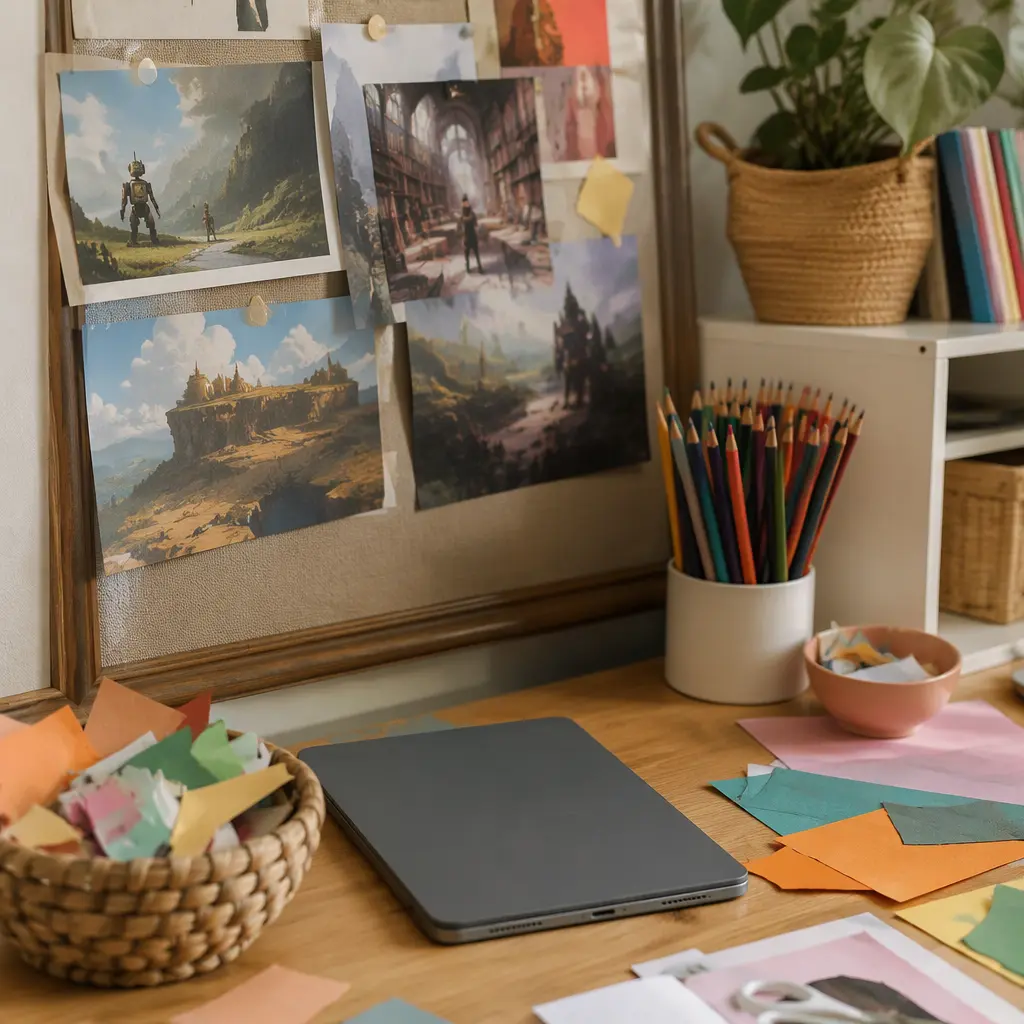
The second category includes drawing tablets or smart art devices with built-in image-generation tools. These can be more flexible for children who love digital art, but they also depend more heavily on accounts, internet access and ongoing software support. Some manufacturers promote AI style filters or text-to-image functions as educational creativity tools, though the results may vary in quality and appropriateness. Parents should check whether generated images are reviewed only by automated systems or whether there are reporting and account-management tools available.
The third category is broader AI companion apps tied to subscription ecosystems. These may include unlimited art generation, community galleries or seasonal content packs. They can feel fresh at first because children receive constant new outputs, but they also introduce recurring costs and more opportunities for data collection. Families who prefer predictable costs or low-maintenance toys may find these systems less practical over time.
- Best for mostly offline creativity: printable craft generators paired with physical materials
- Best for digitally focused tweens: drawing tablets with restricted sharing and strong parental settings
- Best avoided for younger tweens: open community art platforms with public galleries or unrestricted uploads
- Lowest-maintenance option: AI-assisted prompt cards or idea generators that do not require accounts
- Most likely to become expensive: subscription-based art ecosystems using credits or premium generation limits
Frequently asked questions
Do AI image generators expose children to inappropriate content?
They can, depending on how the moderation system works. Many companies state that prompts and outputs are filtered automatically, but automated moderation is imperfect. Children may still encounter strange, unsettling or inaccurate images. Products with preset prompts and restricted generation tools generally reduce this risk compared with fully open text-entry systems.
Are uploaded photos stored permanently?
Policies differ between companies. Some manufacturers say uploaded images are deleted after processing, while others may retain data for service improvement, moderation or account history. Parents should review privacy policies carefully, especially if the product encourages selfies or face-based art generation.
Do these toys still have value without internet access?
Some do. The strongest options usually support offline crafting after initial setup, such as printable templates, saved projects or local drawing tools. Products that depend entirely on cloud generation may become much less useful during outages or if the manufacturer later discontinues support.
Is AI-generated art educational?
It can support creativity when used as a starting point for storytelling, design or hands-on crafting. However, AI generation works best alongside traditional creative activities rather than replacing them. Children still benefit from drawing, experimenting with materials and developing original ideas without instant automated results.
Do AI craft toys require subscriptions?
Some products include free basic use with limits on image generation, while others rely heavily on monthly subscriptions or credit systems. Before buying, check whether important features such as printing, saving projects or advanced art styles are locked behind ongoing payments.
AI image-generation features can add genuine creative variety to craft toys, especially for tweens who enjoy experimenting with visual ideas and digital design. The most parent-friendly options are usually the ones that treat AI as a supportive tool rather than the entire experience. Strong moderation, limited sharing, clear privacy policies and meaningful offline play matter more than flashy generation features alone. For many families, the best balance comes from products that turn digital inspiration into real-world making instead of keeping children entirely inside an app.