Bath Crayons vs Foam Letters for Small Bathrooms
Choosing between bath crayons and foam letters for ages 3–5? Compare cleanup, mold risk, storage, replay value, and supervision needs for smaller bathrooms.
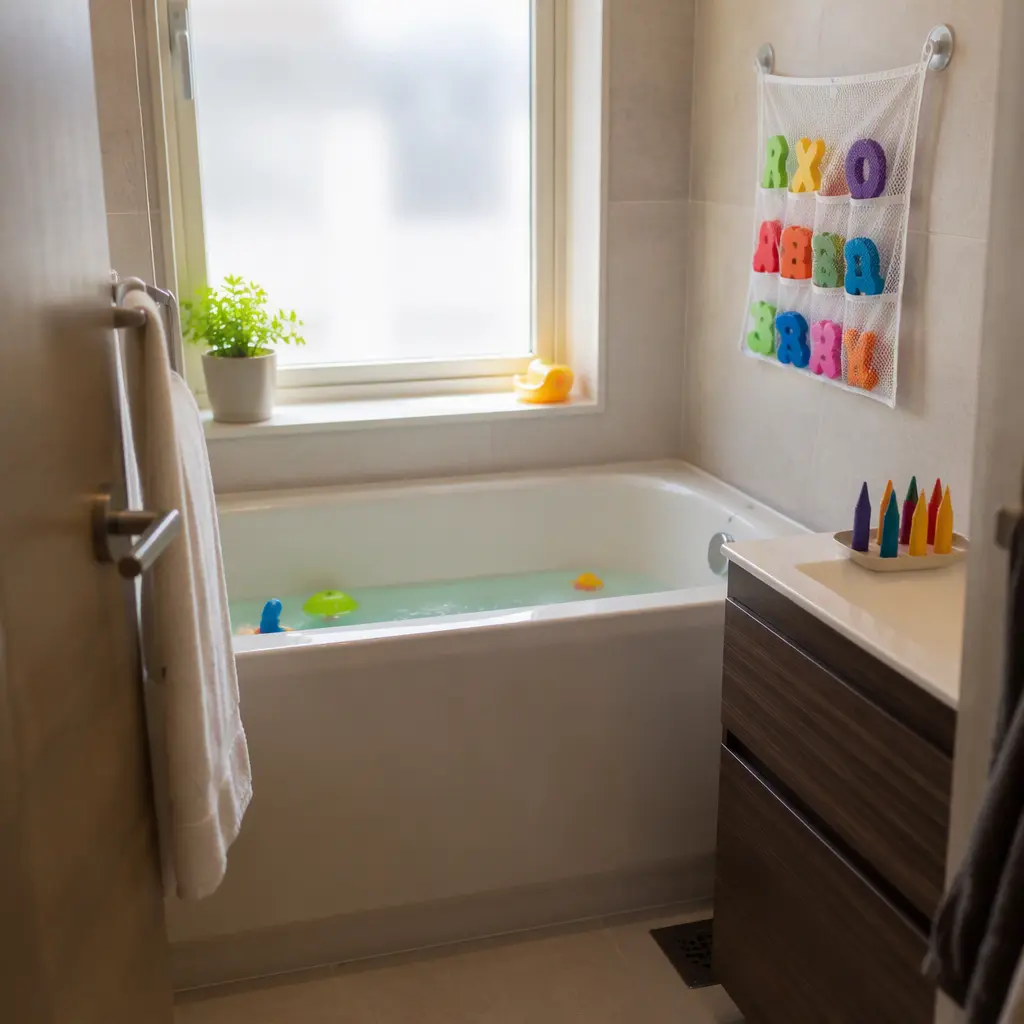
Compare prices and availability
Check current prices and availability for this guide on eBay.
As an eBay Partner, we may be compensated if you make a purchase.
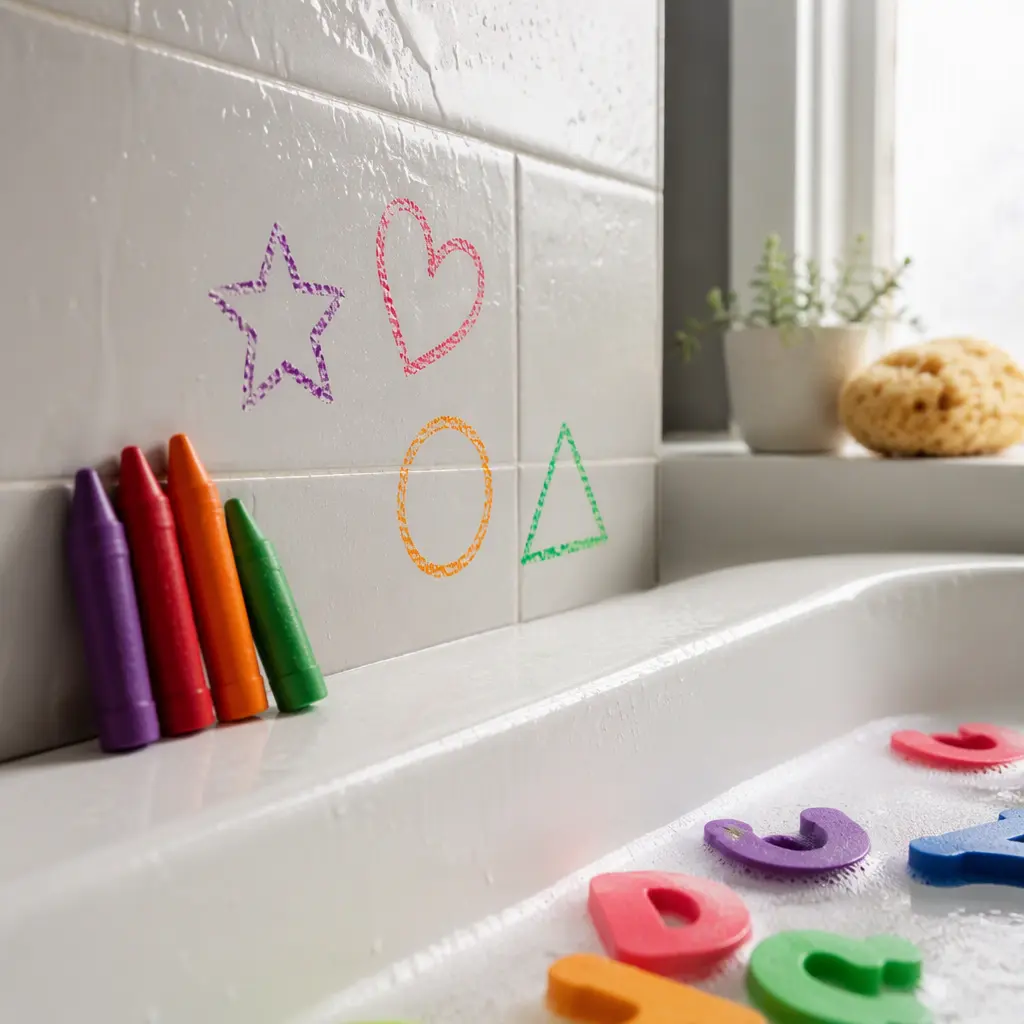
Bath toys can make evening routines smoother, but in a small bathroom, storage and cleanup matter as much as entertainment value. For children aged 3–5, bath crayons and foam letters are two common screen-free choices that encourage creativity and independent play. They work very differently in daily use, though. Bath crayons focus on drawing and imaginative play on wet surfaces, while foam letters lean toward early literacy, sorting, and floating games. Parents deciding between them often end up weighing replay value against cleaning effort, drying space, and the chance of mildew or residue building up over time.
What to look for
The best choice for a smaller bathroom usually depends less on the toy itself and more on how easily it fits into the family routine. Some toys stay fun because they can be used in different ways, while others lose appeal if cleanup becomes frustrating. Materials, drying time, and storage options all affect whether a bath toy remains practical after the first few weeks.
- Look for bath crayons that wipe away easily from tubs and tiles without heavy scrubbing.
- Choose foam letters made from quick-drying foam to reduce lingering moisture.
- Check whether pieces can dry fully in a mesh bag, basket, or wall organizer.
- Consider how many loose pieces the set includes if storage space is limited.
- Think about replay value: drawing supports open-ended creativity, while letters support matching, spelling, and sorting games.
- Avoid toys with hidden water chambers or sealed cavities that are difficult to dry.
- Factor in noise levels if baths happen close to bedtime; both options are generally quieter than electronic bath toys.
- Consider supervision needs, especially for younger preschoolers who may mouth smaller foam pieces or draw outside approved surfaces.
Age suitability
Both bath crayons and foam letters are commonly aimed at preschool-aged children, but the way children interact with them changes across the 3–5 age range. Younger children often enjoy foam letters because they float, stick to wet walls, and support simple color or shape recognition without requiring much fine motor control. Older preschoolers may get more long-term use from bath crayons because drawing games can become more detailed and imaginative over time. Some children also prefer crayons if they already enjoy coloring outside the bath. In households with siblings sharing bath time, foam letters can be easier for cooperative play, while crayons may lead to arguments over colors or drawing space in a smaller tub.
Options compared
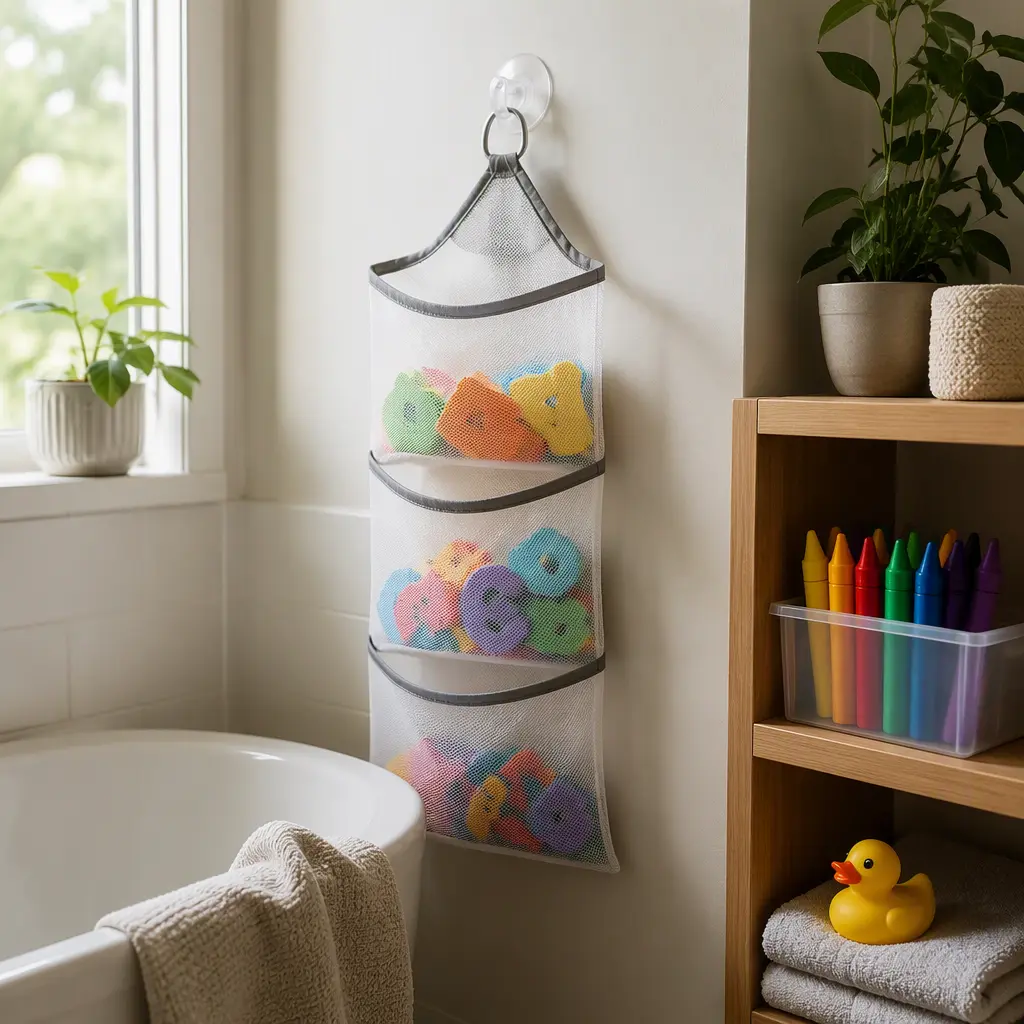
Bath crayons usually take up less storage space than foam letters, which can matter in apartments or homes with limited bathroom shelving. A small container or tray can hold several crayons neatly, while foam letters often need a hanging mesh organizer or drying basket. Crayons also tend to provide broader open-ended play. Children can draw roads, animals, shapes, or pretend game scenes directly on the tub or tiles, which can keep them engaged longer if they enjoy art-based activities.
The trade-off is cleanup. Some bath crayons wipe away quickly with water or a cloth, while others may leave visible residue if left on surfaces too long. Parents who already dislike cleaning soap scum may not enjoy adding another surface-cleaning task after baths. Foam letters are usually simpler to tidy because they can be gathered quickly and rinsed. However, they create more loose pieces to manage, and they need airflow to dry properly. In small bathrooms without good ventilation, damp foam pieces can become unpleasant faster than solid crayons.
- Bath crayons suit children who enjoy drawing, pretend play, and creative activities. They work well for families wanting one compact bath activity with high replay value.
- Foam letters suit children interested in alphabet games, matching, sorting, and floating toys. They can support early literacy during routine bath time.
- For very small bathrooms, crayons are often easier to store neatly, but foam letters may create less visible mess during use.
- For families prioritizing low cleanup effort, foam letters are usually quicker to rinse and collect.
- For children sensitive to sensory textures, some may dislike the slippery feel of wet foam, while others may dislike waxy crayon residue on hands.
- Families with limited drying space should pay attention to ventilation and storage methods for both toy types.
Frequently asked questions
Which option is easier to clean?
Foam letters are usually easier to collect and rinse quickly after bath time. Bath crayons may require wiping down the tub or tiles, especially if drawings are left to dry. Cleanup difficulty also depends on bathroom surfaces and how heavily the crayons are used.
Which toy has better replay value?
Bath crayons often last longer in terms of creative interest because children can invent new drawing games repeatedly. Foam letters can also stay engaging, particularly for children learning letters and simple words, but some children lose interest once matching activities become familiar.
Are foam letters or bath crayons better for small bathrooms?
Bath crayons usually win on storage because they fit into smaller containers and create less visual clutter. Foam letters need space to dry properly, which may require a hanging organizer or additional wall space near the tub.
How can parents reduce mold or mildew risk?
The main goal is allowing everything to dry fully between baths. Mesh storage bags, open baskets, and good airflow help more than sealed bins. Toys should be rinsed occasionally to remove soap residue and checked regularly for discoloration or odor.
Can these toys be used outside the bath?
Foam letters are often used for dry matching games on tables or floors once fully dry. Some bath crayons may also work on approved washable surfaces outside the tub, but parents should always check product guidance carefully because cleanup results vary by surface type.
For many families with smaller bathrooms, the decision comes down to whether creative play or quick cleanup matters more in the daily routine. Bath crayons offer flexible, imaginative play in a compact format, while foam letters provide simple educational games with less scrubbing. Either option can work well when storage, drying, and supervision are planned from the start.