Best Beginner Weaving Kits Without Tiny Pieces
A parent-focused guide to beginner weaving kits for ages 6–8, covering low-mess options, easy setup, storage, supervision, and which loom styles are least frustrating for new crafters.
Compare prices and availability
Check current prices and availability for this guide on eBay.
As an eBay Partner, we may be compensated if you make a purchase.
Beginner weaving kits can be a good fit for children who enjoy hands-on crafts but get frustrated by fiddly parts or complicated instructions. For ages 6–8, the easiest kits focus on large looms, chunky yarn and simple over-under weaving rather than detailed tapestry work. The best choices teach real coordination and planning skills while keeping setup manageable for parents. Storage, cleanup and durability matter just as much as creativity at this age, especially if the craft needs to come out repeatedly rather than becoming a one-time activity.
What to look for
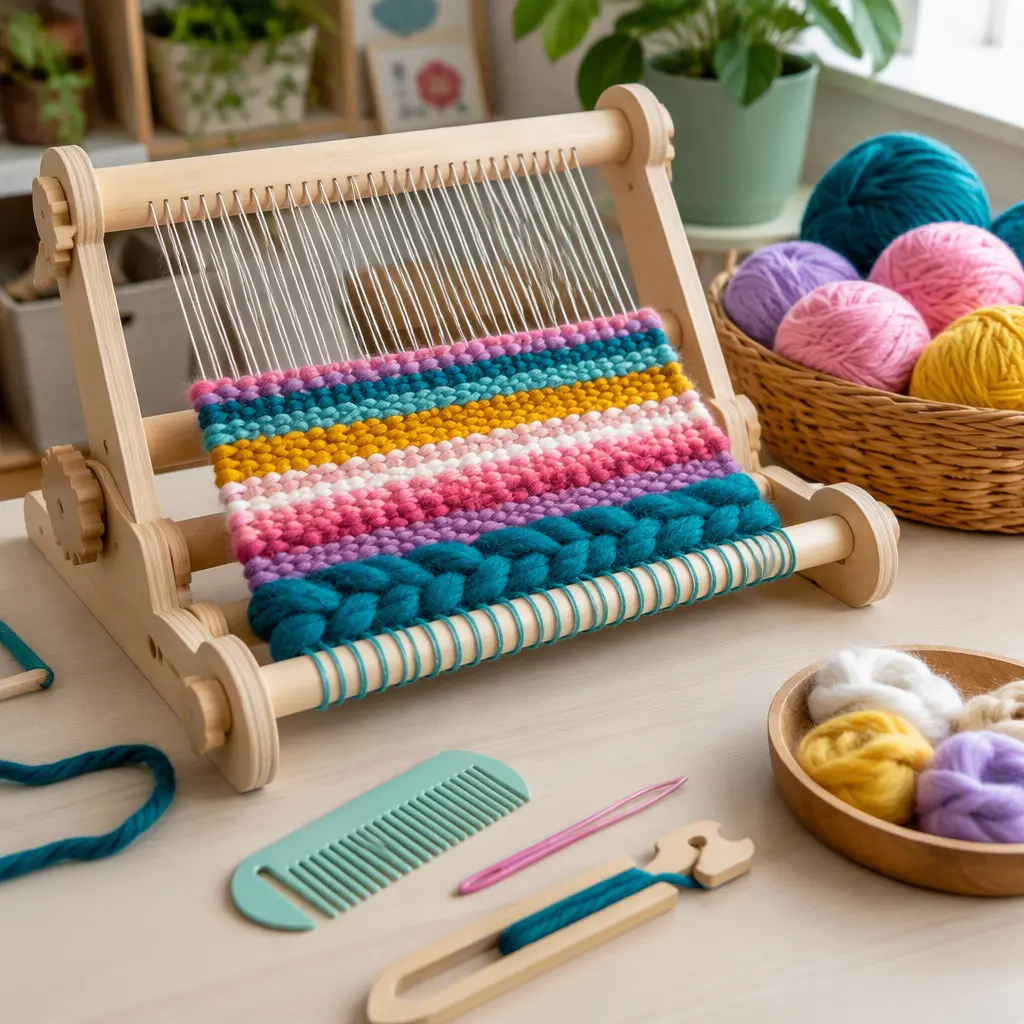
Low-frustration weaving kits usually share a few features: larger components, clear threading paths and materials that stay organized between sessions. Children in this age range are still developing fine motor control, so tiny hooks, thin thread and complicated patterns can quickly turn weaving into an adult-led project instead of an independent activity. Kits designed for beginners should allow children to complete small projects fairly quickly so they can see progress without losing interest.
- Choose frame looms or circular looms with wide spacing rather than tightly packed professional-style looms.
- Chunky yarn is easier for small hands to grip and less likely to knot than thin embroidery thread.
- Look for large plastic or wooden weaving needles that are easy to spot if dropped.
- Pre-cut yarn bundles reduce setup time and help avoid tangles.
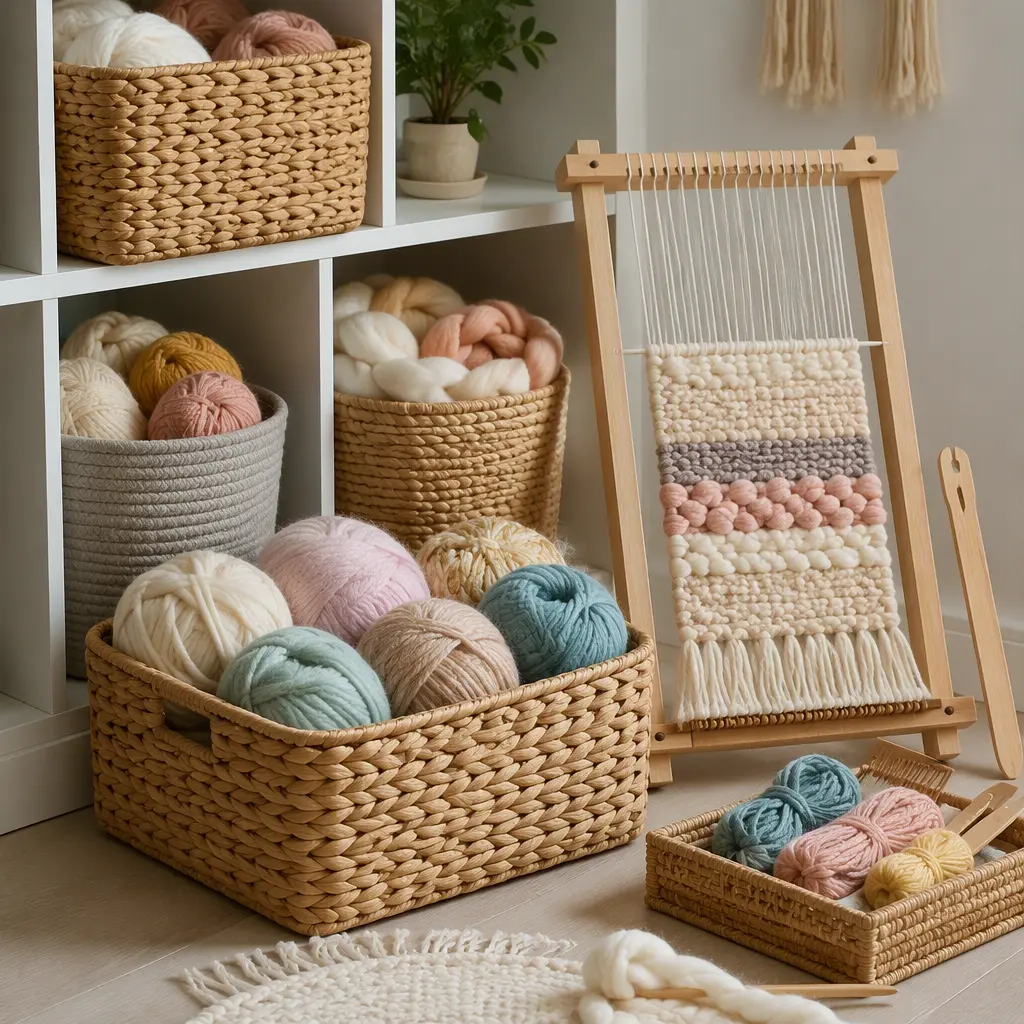
- Compact kits with trays, compartments or carrying cases are easier to store between sessions.
- Avoid kits with many decorative beads, sequins or miniature accessories if losing pieces is a concern.
- Washable or low-shed yarn is useful for homes sensitive to craft mess.
Age suitability
Most beginner weaving kits marketed for children start around age 6 because the basic weaving motion requires some hand coordination and patience. Younger children may enjoy yarn wrapping or cardboard weaving with adult help, but independent weaving usually becomes more realistic between 6 and 8. Children closer to age 6 often do best with short projects such as coasters, bookmarks or mini wall hangings using thick yarn and simple patterns. By age 8, many children can handle larger looms, color changes and more detailed designs without becoming overwhelmed. Attention span matters as much as age. A child who likes puzzles, building toys or repetitive crafts may enjoy weaving earlier than a child who prefers fast-paced play.
Options compared
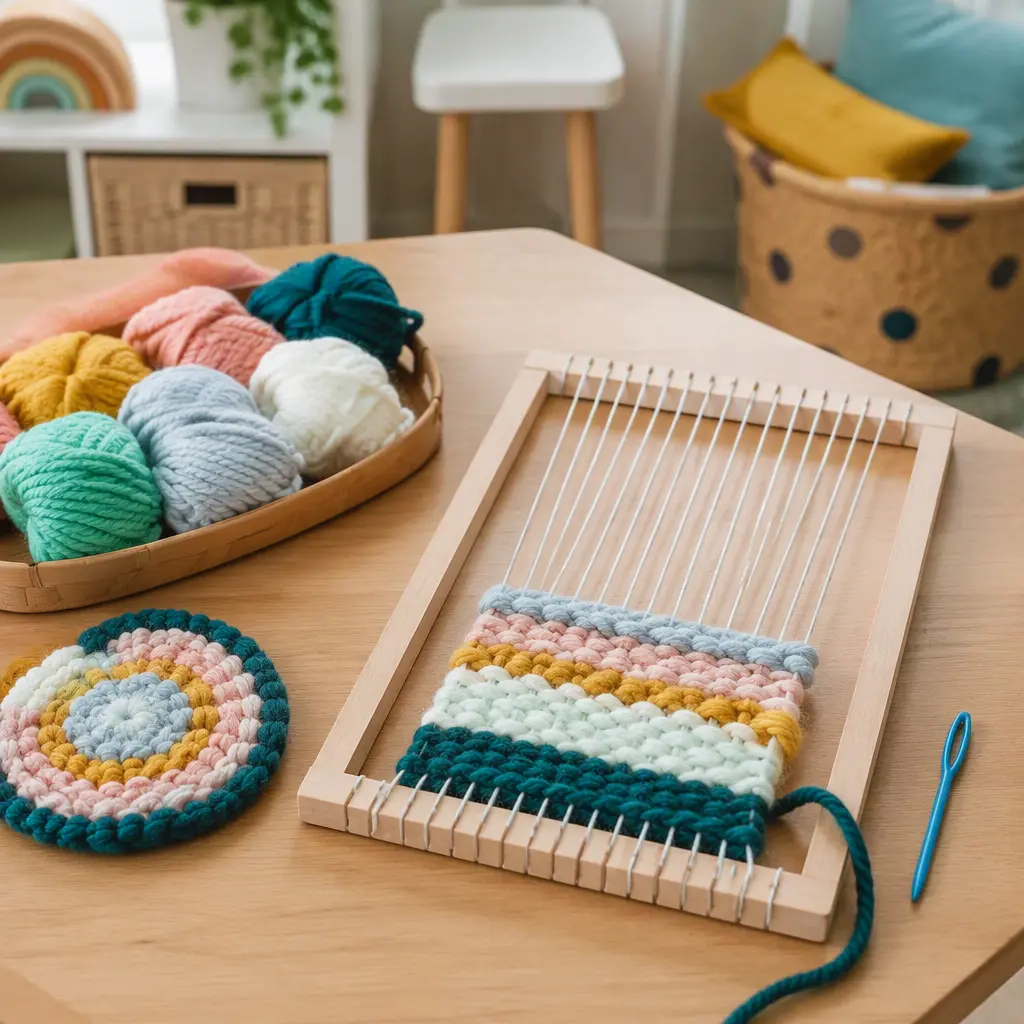
Frame loom kits are usually the easiest starting point for this age group. They use a flat rectangular frame with evenly spaced slots or pegs, making the weaving path easier to follow. These kits suit children who want quick success and minimal setup. They are also easier to store because the loom stays assembled between sessions. The trade-off is that projects tend to be smaller and less varied than advanced weaving systems.
Circular looms create woven shapes such as round coasters or decorative pieces. Some children enjoy the unusual shape and visible progress as the circle grows outward. However, the weaving pattern can become confusing for beginners who struggle with direction changes. These kits are often better for patient children around the upper end of the 6–8 range.
- Wooden frame loom kits: durable, reusable and stable on a table, but sometimes heavier and bulkier to store.
- Plastic frame loom kits: lightweight and easier for travel, though very lightweight looms can slide during use.
- Cardboard weaving sets: inexpensive and simple, but less durable for repeated projects.
- All-in-one weaving kits with yarn included: convenient for beginners and easier for gifting, though replacement materials may be needed sooner.
- Open-ended weaving supplies: better for children who already enjoy fiber crafts and want creative freedom rather than guided instructions.
Frequently asked questions
Are weaving kits messy?
Weaving is usually lower mess than painting, slime or bead crafts. The main cleanup involves yarn scraps and loose fibers. Choosing chunky yarn and storing materials in a box or zip pouch helps keep cleanup manageable.
How long does a weaving project take for beginners?
Small beginner projects often take between 20 minutes and an hour depending on the child's pace and attention span. Kits with very large looms or detailed patterns may require several sessions.
What type of yarn works best for children?
Soft, chunky yarn is usually easiest for ages 6–8 because it is simpler to grip, easier to see and less likely to tangle. Very fuzzy novelty yarn can sometimes make weaving patterns harder to follow.
Can weaving kits be reused?
Many beginner looms are reusable once the finished piece is removed. Reusable kits can be a better long-term value for children who enjoy repeated craft sessions. Parents may eventually need extra yarn supplies, but basic weaving tools often last for years if stored carefully.
Are weaving kits good for independent play?
Some children can work independently after learning the basic over-under pattern, especially with simple frame looms. Others may still need occasional help fixing skipped rows, tightening yarn or starting new colors. Kits with clear visual instructions are usually easier for solo crafting.
The best beginner weaving kits for ages 6–8 keep the focus on learning a real craft skill without overwhelming children with tiny accessories or complicated setup. Simple looms, chunky materials and manageable project sizes usually create the smoothest experience. Parents choosing between options should think about storage space, supervision needs, patience level and whether the child prefers structured projects or more open-ended creativity.