Best Puzzles for Kids Who Get Bored Easily (Ages 6–8)
A buyer’s guide to interactive, multi-stage puzzles for ages 6–8 that keep kids engaged longer with challenges that evolve, hands-on elements, and satisfying progress.
Compare prices and availability
Check current prices and availability for this guide on eBay.
As an eBay Partner, we may be compensated if you make a purchase.
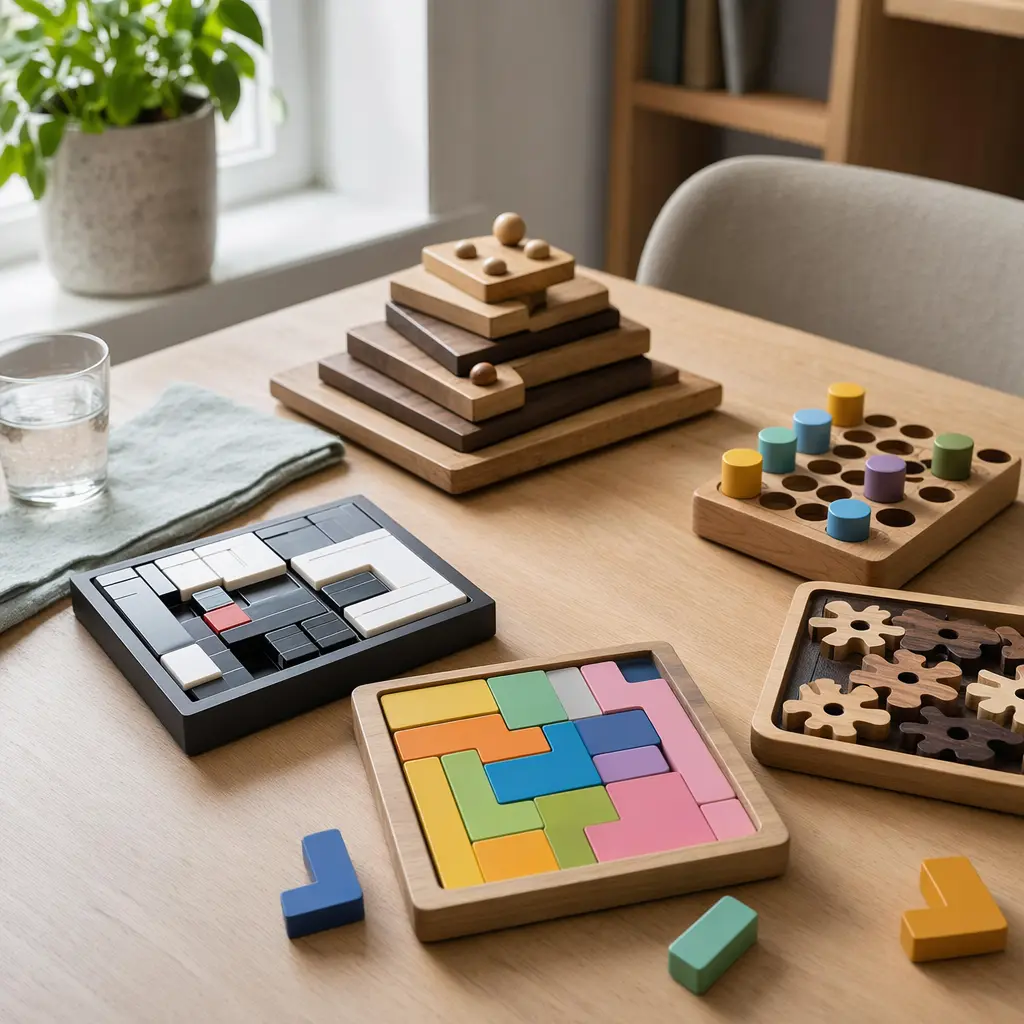
Some kids love puzzles but lose interest once the solution feels obvious. For ages 6–8, the best options add interaction, changing challenges, or multiple ways to play. This guide focuses on puzzle types designed to hold attention longer, especially for kids who finish standard jigsaws quickly or walk away halfway through.
What to look for
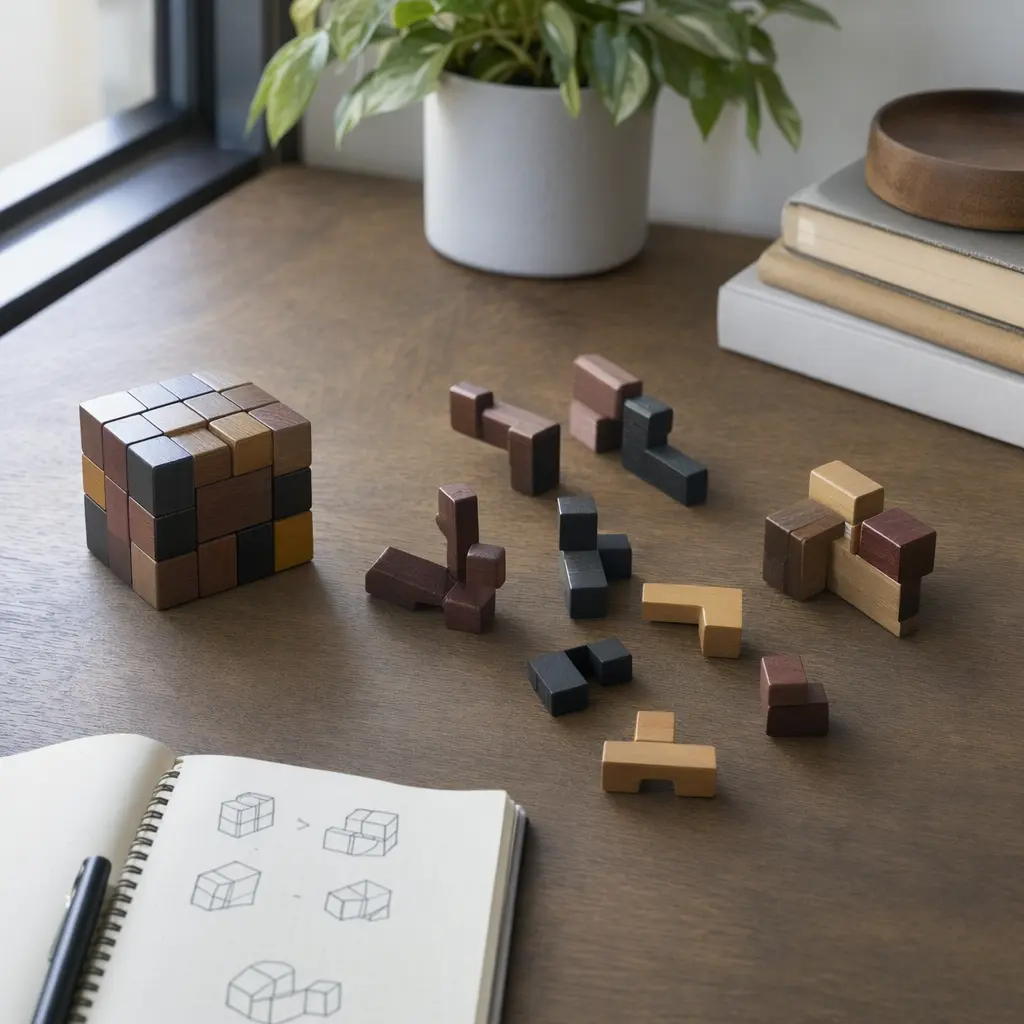
When shopping for puzzles for easily bored kids, look beyond piece count. The goal is sustained engagement, not just completion. Puzzles that change, respond, or build on earlier solutions tend to keep kids coming back.
- Multiple challenges in one set, such as cards or levels that increase difficulty
- Interactive elements like sliders, spinners, flaps, or movable tiles
- Clear goals with visible progress so kids feel motivated to continue
- Problem-solving that uses logic, patterns, or spatial reasoning rather than memorization
- Durable materials that can handle repeated setup and teardown
Age suitability
For ages 6–8, puzzles should balance challenge and independence. Many kids in this range can follow multi-step instructions, test ideas, and reset a puzzle on their own. Look for products labeled for this age band or slightly above, as under-leveled puzzles may be solved once and forgotten.
Standout categories or types
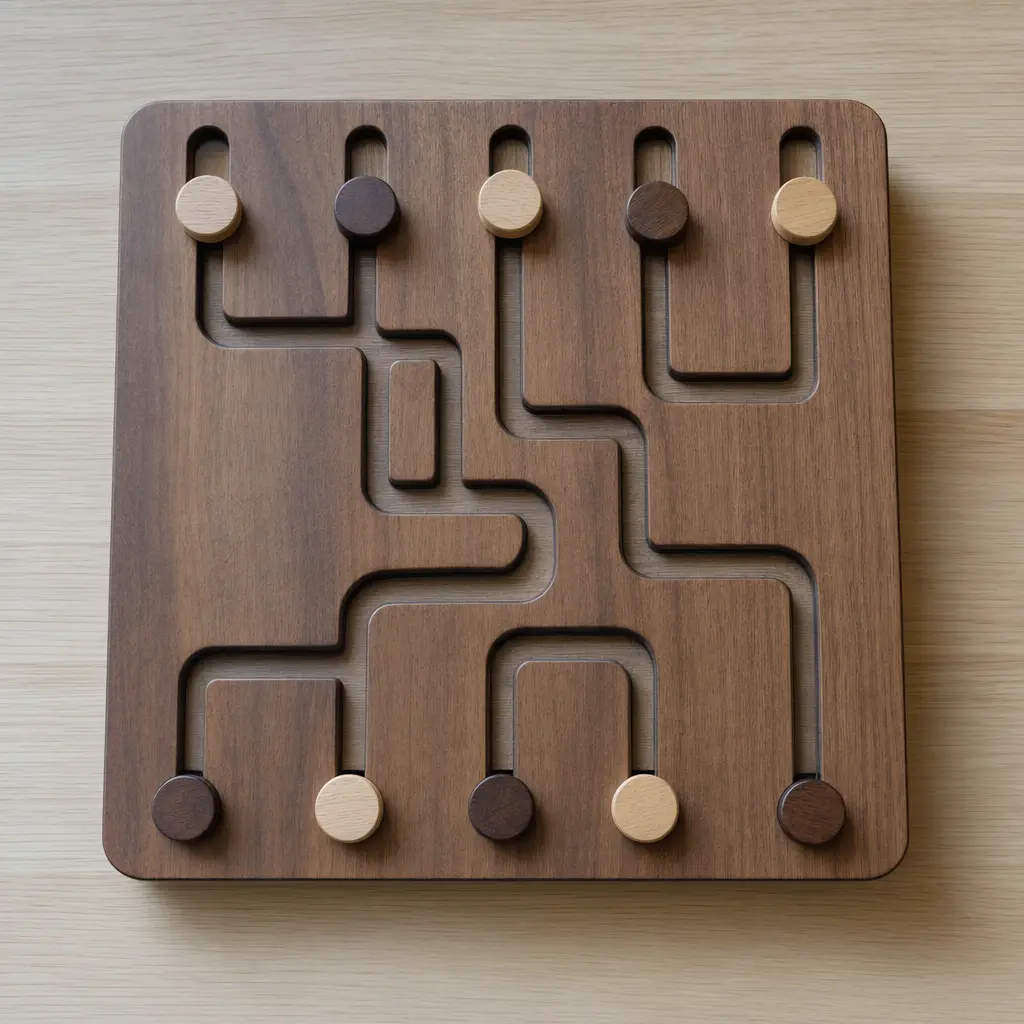
Certain puzzle categories are especially effective for kids who get bored easily because they offer variety within a single box. These puzzles often feel more like games or challenges than traditional puzzles.
- Multi-stage logic puzzles: Use challenge cards or levels that grow more complex, encouraging repeated play.
- Layered or 3D puzzles: Require assembling pieces in a specific order, adding depth and planning.
- Escape-style puzzle games: Present a series of interconnected problems that unlock the next step.
- Magnetic or modular puzzles: Allow kids to rebuild layouts and invent their own challenges.
- STEM-based brain teasers: Focus on engineering, math, or coding concepts through hands-on problem-solving.
Frequently asked questions
How long should a good puzzle hold a child’s attention?
For this age group, 15–30 minutes of focused play is a good benchmark. Puzzles with multiple levels can stretch engagement over several sessions.
Are harder puzzles always better for bored kids?
Not always. The best puzzles are challenging but fair. If a puzzle feels impossible, kids may give up quickly. Adjustable difficulty is ideal.
Do interactive puzzles replace traditional jigsaw puzzles?
They don’t have to. Many families keep both. Interactive puzzles are helpful for variety and longer engagement, while jigsaws build patience and visual skills.
Can these puzzles be played solo?
Most are designed for solo play, which is helpful for independent problem-solving. Some also work well as cooperative challenges with a parent or sibling.
What if my child finishes all the challenges?
Look for puzzles that encourage creating new challenges or free play after the guided levels are complete. This extends the life of the toy.
For kids who get bored easily, the right puzzle can turn short attention spans into deep focus. By choosing interactive, multi-stage designs, parents can offer challenges that grow with their child and stay interesting long after the first solution.