Low-Mess Reusable Craft Kits for Kids Ages 6–8
A parent-focused guide to low-mess craft kits that use reusable materials, helping children ages 6–8 stay creative without piles of waste, glitter or hard-to-clean supplies.
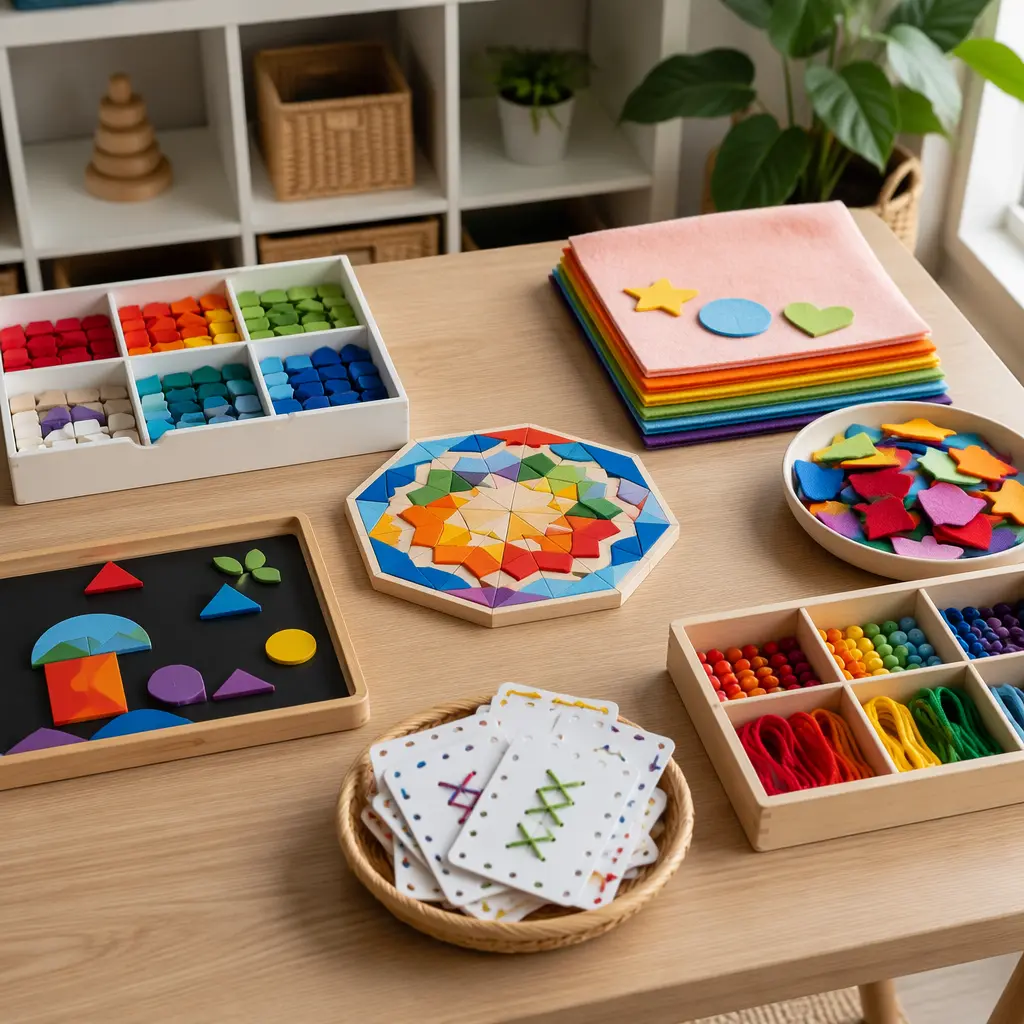
Compare prices and availability
Check current prices and availability for this guide on eBay.
As an eBay Partner, we may be compensated if you make a purchase.
Many craft kits aimed at children create a familiar problem for parents: a short burst of excitement followed by dried glue, scattered glitter and a pile of single-use scraps. Reusable craft kits take a different approach. Instead of relying on one finished project, they encourage children to build, rearrange and redesign with the same materials over and over again. For children ages 6–8, this style of play can support creativity while also reducing cleanup time, storage problems and ongoing supply costs. The best options combine open-ended play with enough structure to keep children engaged independently for reasonable stretches of time.
What to look for
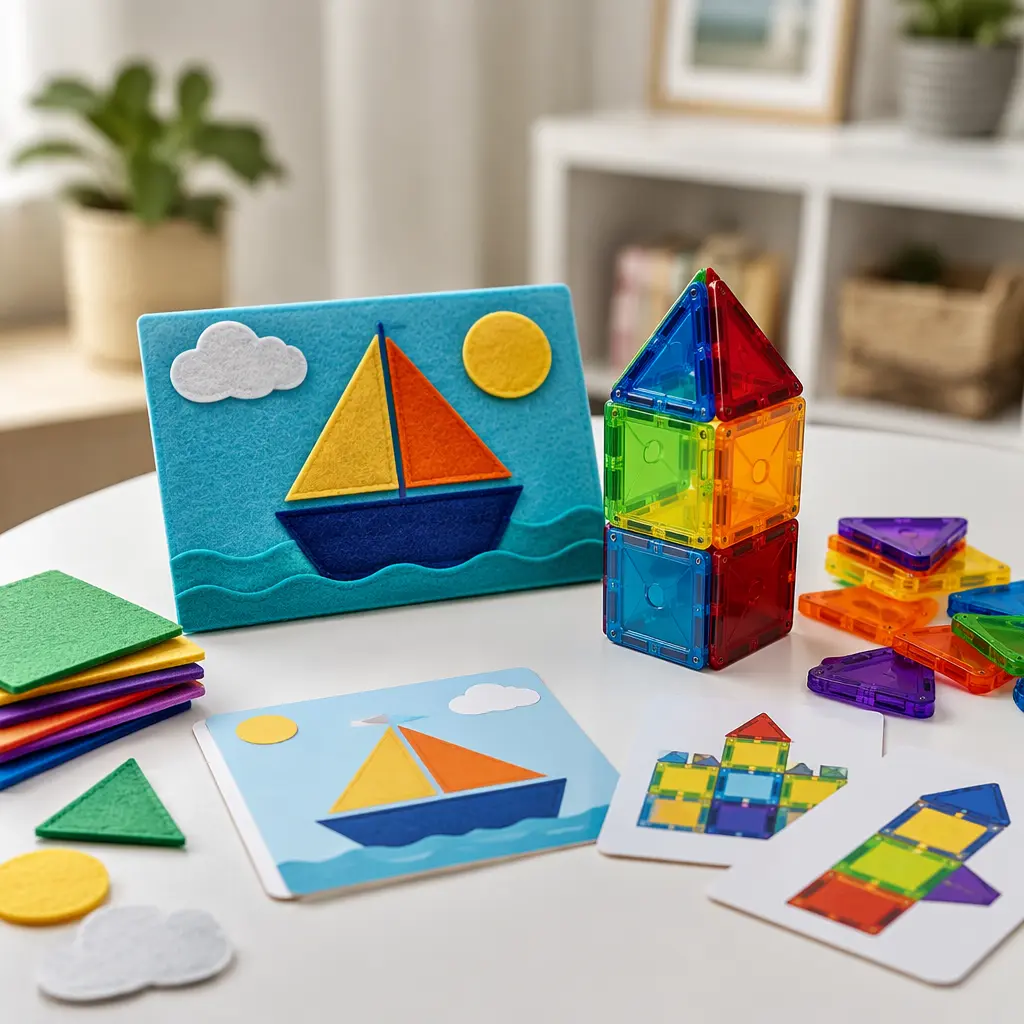
Reusable craft kits vary widely. Some focus on construction and design, while others lean toward art, sewing practice or puzzle-style creativity. For children in the 6–8 age range, the most useful kits balance independence with manageable complexity. Storage also matters more than many parents expect. A reusable kit only stays low-mess if pieces are easy to sort and put away after play.
- Choose kits with sturdy reusable components such as felt, magnetic tiles, silicone pieces, reusable stickers or snap-fit parts rather than disposable paper crafts.
- Look for contained storage systems including divided trays, zipper pouches or stackable boxes to reduce lost pieces.
- Consider noise levels. Magnetic building kits and threading activities are usually quieter than plastic snap systems or marble-style construction sets.
- Check how much table space the activity needs. Some reusable mosaics and engineering kits spread quickly across floors and dining tables.
- Avoid kits with very small loose parts if younger siblings are nearby.
- Look for activities that allow both guided and open-ended play so children can follow examples or invent their own designs.
- Consider cleanup realistically. Dry-erase drawing boards and reusable sticker scenes are easier to maintain than paint-based kits, even if marketed as washable.
Age suitability
Children between 6 and 8 are often ready for more detailed creative tasks, but patience and fine motor skills still vary widely. Simpler reusable sticker books, magnetic scenes and felt design boards work well for children who enjoy imaginative storytelling but lose interest in multi-step projects. Construction-style craft kits with connectors, weaving boards or beginner sewing cards usually suit children closer to 7 or 8 who can manage sequencing and small hand movements more comfortably. Some kits advertise broad age ranges, but younger children may need help organizing pieces or understanding instructions. Parents looking for independent quiet-time play should pay close attention to setup complexity rather than just the age printed on the box.
Options compared
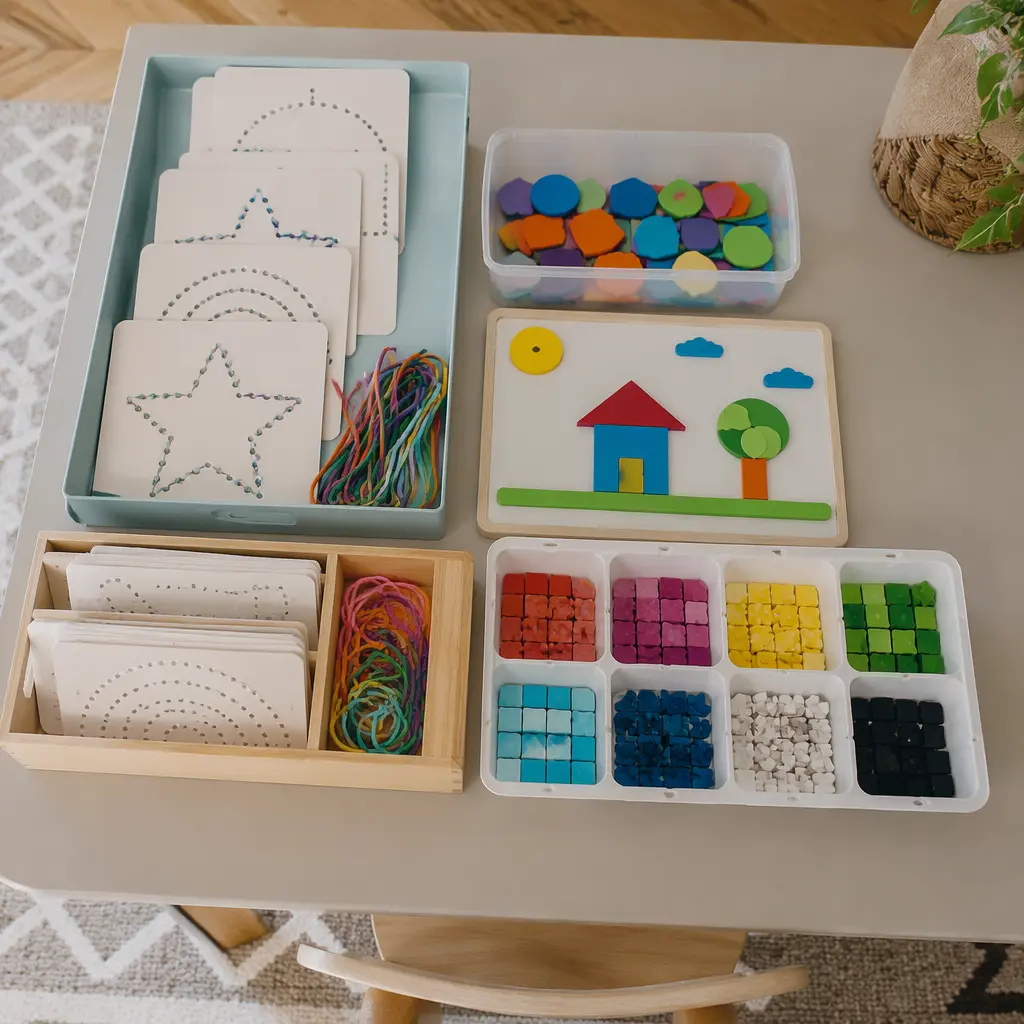
Reusable sticker scenes and magnetic play boards are among the easiest low-mess choices for families with limited storage or younger children in the 6–8 range. They are portable, quiet and usually quick to clean up. These kits suit children who enjoy storytelling, arranging scenes or visual creativity without needing detailed crafting skills. The trade-off is that some children outgrow them relatively quickly if they prefer more challenging hands-on projects.
Threading kits, weaving looms and beginner sewing sets offer longer-lasting engagement and stronger fine motor practice. They often appeal to children who like concentrating on patterns or making decorative items. However, they usually require more supervision at first and can frustrate children who prefer faster results. Snap-together design kits and reusable mosaics sit somewhere in the middle. They encourage experimentation and can occupy children for longer sessions, but loose pieces may spread easily around shared spaces. For quieter households, felt boards, reusable collage kits and magnetic pattern sets are usually less disruptive than plastic construction systems that click loudly onto hard floors.
- Reusable sticker scenes: best for travel, quick setup and imaginative play; less suited to children seeking complex building challenges.
- Magnetic pattern and mosaic kits: good for independent play and repeat use; can involve many small pieces to organize.
- Threading and weaving kits: useful for fine motor development and longer attention spans; may require patience and adult guidance.
- Felt shape and fabric design boards: quiet, portable and low cleanup; often better for creative storytelling than detailed crafting.
- Snap-fit construction craft kits: durable and versatile for engineering-minded children; typically noisier and harder to contain.
Frequently asked questions
Are reusable craft kits actually less messy?
Usually, yes. Kits built around reusable pieces avoid many common cleanup issues linked to glue, paint, glitter and paper scraps. That said, organization still matters. A kit with hundreds of loose plastic pieces can become messy if storage is poor or children dump everything out at once.
What works best for independent play?
Children who play independently often do best with activities that have simple setup and visible goals. Magnetic design boards, reusable mosaics and guided pattern kits tend to require less adult involvement than sewing or weaving projects. Easy cleanup also makes children more likely to reset the activity themselves.
Do reusable kits become boring over time?
Open-ended kits generally stay interesting longer than one-project craft boxes because children can redesign creations repeatedly. Variety matters, though. Kits with pattern cards, challenge prompts or multiple ways to combine pieces often maintain attention better than activities with only one style of outcome.
Are these kits suitable for small homes or apartments?
Many are. Portable magnetic cases, felt boards and compact threading kits store easily and work well on kitchen tables or small desks. Large construction kits and floor-based mosaic systems may be harder to manage in homes with limited storage space.
What should parents avoid?
Avoid kits that rely heavily on replacement consumables if the goal is low waste and low ongoing cost. It is also worth being cautious with sets that include extremely tiny pieces, weak storage containers or activities far beyond a child's patience level, since those often create frustration instead of independent creative play.
The most practical reusable craft kits combine creativity with manageable cleanup, realistic storage and repeat play value. For children ages 6–8, the strongest choices are usually open-ended enough to grow with changing interests while still being simple enough to use without constant adult help. Thinking about space, noise, supervision and organization before buying can make the difference between a craft kit that stays in regular rotation and one that disappears into a crowded cupboard after a single afternoon.