Toniebox Lite vs StoryPhones for Screen-Free Travel
A practical UK-focused comparison of Toniebox Lite and StoryPhones for ages 3–5, covering headphones, battery life, travel use, content costs, supervision and offline listening.
Compare prices and availability
Check current prices and availability for this guide on eBay.
As an eBay Partner, we may be compensated if you make a purchase.
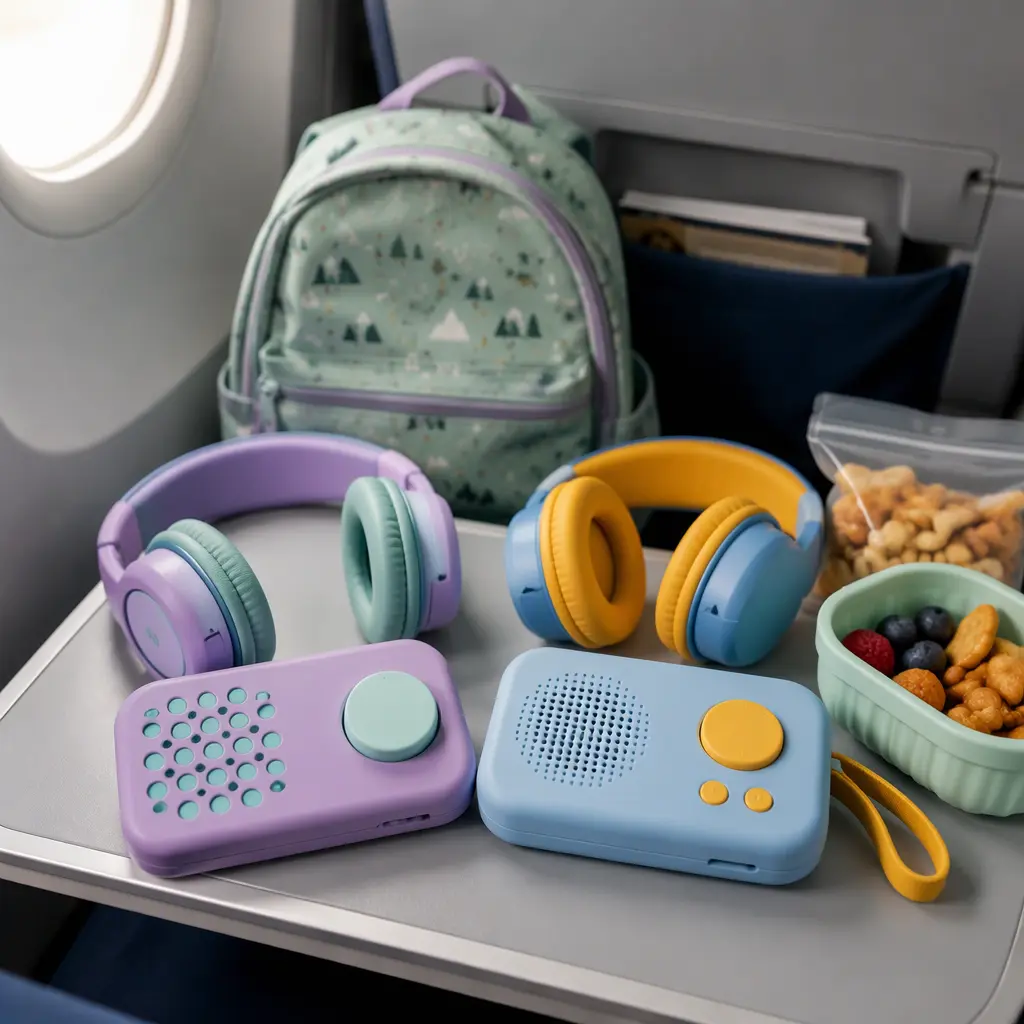
Screen-free audio players are a popular travel option for preschoolers because they keep stories and music accessible without handing over a phone or tablet. For UK families comparing Toniebox Lite and StoryPhones, the decision usually comes down to how children manage headphones, how reliably the device works away from home, and how expensive the content becomes over time. Both products aim to give young children more independence during travel, but they approach it differently. Toniebox Lite builds around character figures placed on top of a soft speaker box, while StoryPhones focuses on headphones with interchangeable audio tokens. That difference affects noise levels on planes and trains, portability, battery habits and how easy the system feels for a three- to five-year-old to control alone.
What to look for
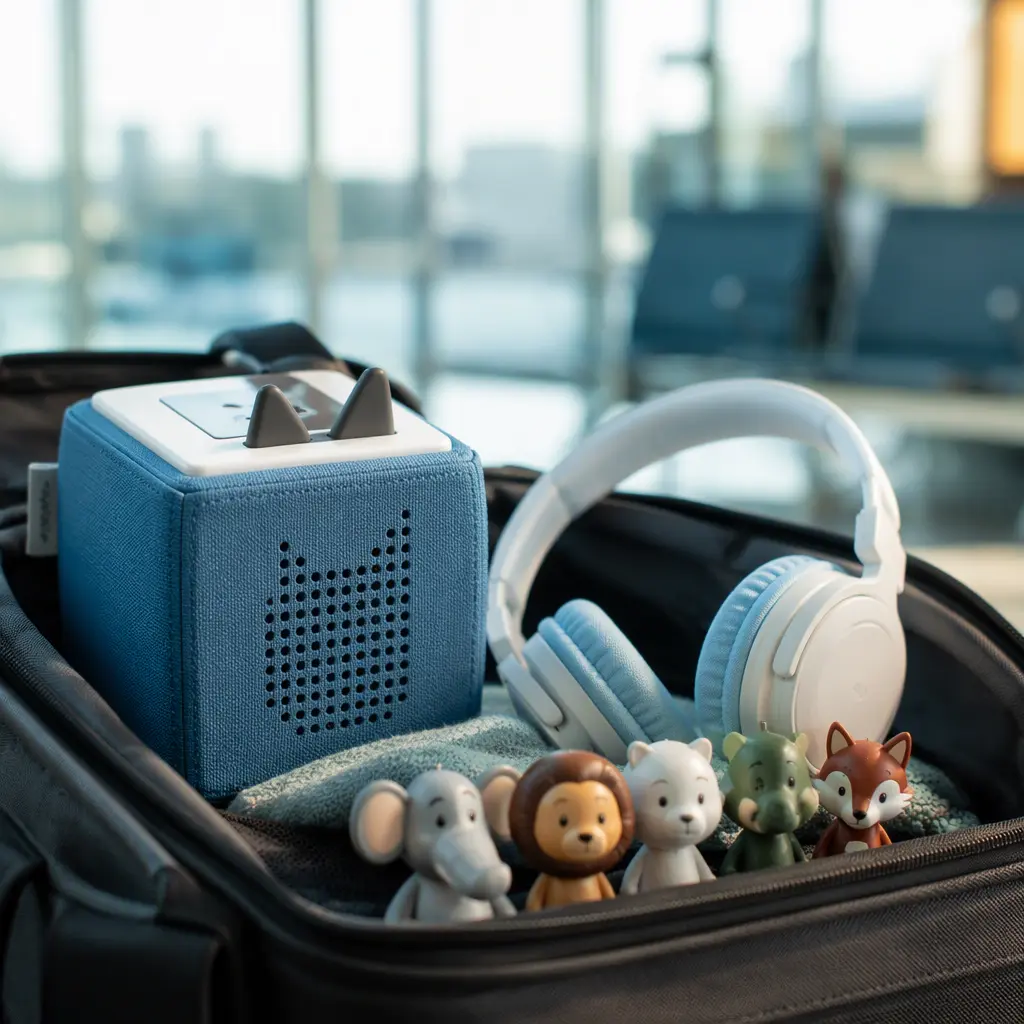
The most important difference for travel is whether the child will listen through a speaker or headphones. Toniebox Lite is designed primarily as a speaker-based player, although headphones can be connected depending on the version and accessories available in your region. StoryPhones is built around headphones from the start, which makes it more naturally suited to planes, shared hotel rooms and quiet public spaces. Families who already know their child dislikes wearing headphones for long periods may find Toniebox easier for home listening but less convenient during flights.
- Check whether the device works fully offline once content is downloaded, especially for flights with limited internet access.
- Look at replacement costs for figures, tokens or accessories because small travel items are easy to lose.
- Consider charging methods and realistic battery routines during long travel days or airport delays.
- Think about storage space in hand luggage, including bulky headphones or collections of figures.
- Review whether content purchases are one-off buys, subscription-based or tied to proprietary apps.
- Check parental setup requirements, including app compatibility with your phone or tablet.
- Consider how durable moving parts, headbands and charging ports may be for preschool handling.
Age suitability
Both systems are aimed at young children, but they support independence in different ways. Toniebox-style controls are intentionally simple, with tapping and tilting actions that many three-year-olds can learn quickly. The larger physical figures are also easier for smaller hands to manage than tiny buttons or touchscreens. StoryPhones can suit slightly older preschoolers who are already comfortable wearing headphones and swapping audio tokens independently. For children sensitive to noise or overstimulation during travel, headphones may help create a calmer personal listening space. However, some younger children find over-ear headphones uncomfortable after extended use, especially during naps or long-haul flights.
Options compared
Toniebox Lite is generally the easier system for children who enjoy tactile play. The figures act as both collectibles and content triggers, which can feel intuitive and engaging for preschoolers. For home use, the speaker-based design encourages shared listening and does not require children to keep headphones on. During travel, though, that same strength can become a limitation. Families often need separate child-safe headphones to avoid disturbing other passengers, and the box shape may take up more tray-table or backpack space than a headphone-first system.
StoryPhones takes a more travel-oriented approach because the listening happens directly through the headphones. That can make flights and train journeys smoother, especially when multiple siblings are travelling together. Some families may also prefer that there are fewer external speakers involved in public spaces. The trade-off is that headphones are more fragile than soft speaker boxes. Parents should expect more attention to charging, headband adjustment and careful packing. Younger children who repeatedly remove headphones may also get less value from the system.
- Toniebox Lite may suit families prioritising simple controls, shared listening and tactile play at home as well as travel.
- StoryPhones may suit frequent flyers, train commuters and families wanting quieter listening in public spaces.
- Toniebox-style figure collections can become expensive over time if children want many characters or stories.
- StoryPhones systems may involve separate audio cards, tokens or app-managed content that also adds ongoing cost.
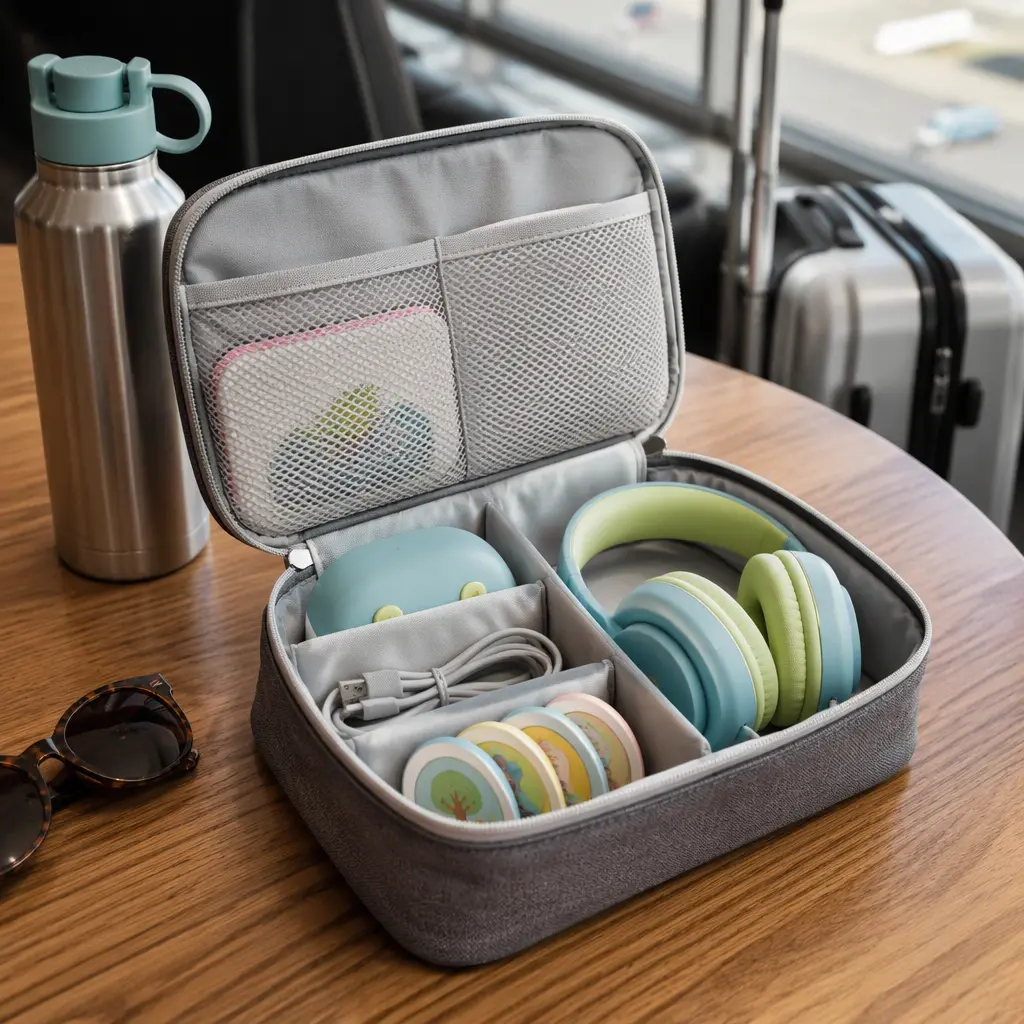
- Children prone to losing accessories may do better with fewer detachable pieces and clearly organised travel storage.
- Battery expectations matter: devices with speakers often use power differently from headphone-based systems, so charging habits during travel become important.
Frequently asked questions
Do these devices need Wi‑Fi during travel?
Most screen-free audio systems are designed to play downloaded content offline after setup. However, initial downloads, account management and new content transfers may require internet access through a companion app. Families should complete updates and downloads before leaving home.
Are subscriptions required?
The answer depends on the platform and the type of content chosen. Some stories or audio packs are bought individually, while others may connect to optional subscriptions or cloud services. Checking the long-term content model matters because ongoing costs can exceed the price of the hardware over several years.
Which option is quieter for planes?
StoryPhones is naturally quieter because the listening happens directly through the headphones. Toniebox-style players can also work on planes if compatible headphones are connected, but families should confirm headphone support and volume behaviour before travelling.
What happens if a child loses a figure or token?
Replacement costs vary by brand and retailer. Physical media systems are convenient for young children because they avoid screens, but small accessories are easier to misplace in airports, hotels and cars. Many families use labelled pouches or travel organisers to reduce losses.
Are connected features a privacy concern?
These products are simpler than conversational AI toys, but many still use companion apps, cloud downloads or account systems. Parents may want to review what data is collected during setup, whether microphones are present, and how long app support is likely to continue before investing heavily in content libraries.
For most UK families travelling with three- to five-year-olds, the choice comes down to listening style. Toniebox Lite leans toward tactile, room-based listening with collectible figures that also work well at home. StoryPhones is more naturally adapted to quieter travel because headphones are central to the experience. Neither option completely avoids ongoing costs, so it helps to budget for accessories, replacement parts and future content rather than focusing only on the starter set.