Best Cheap Baby Toys That Don’t Need Batteries
A buyer’s guide to affordable, battery-free baby toys for ages 0–12 months, with tips on safety, age fit, and classic options that support early development without screens or noise.
Compare prices and availability
Check current prices and availability for this guide on eBay.
As an eBay Partner, we may be compensated if you make a purchase.
Battery-free baby toys have stayed popular for a reason: they’re affordable, durable, and easy for babies to explore at their own pace. For parents shopping on a budget, these simple toys often provide just as much engagement as electronic options—without noise, screens, or constant upkeep. This guide breaks down what to look for in cheap, non-electronic toys for babies ages 0–12 months, with a focus on safety, age-appropriate play, and everyday value.
What to look for
When shopping for inexpensive baby toys that don’t need batteries, simplicity is a strength. Babies learn through touch, movement, and repetition, so the best options encourage hands-on exploration without overwhelming lights or sounds.
- Safe materials: Look for non-toxic finishes, BPA-free plastics, and securely stitched fabrics designed for mouthing.
- Easy-to-grip shapes: Rings, balls, and handles sized for small hands help build early motor skills.
- Durability: Well-made simple toys often last through multiple stages—and sometimes multiple children.
- Washability: Machine-washable fabrics or easy-to-wipe surfaces are practical for everyday messes.
- Open-ended play: Toys that can be shaken, stacked, rolled, or chewed grow with your baby.
Age suitability
For babies 0–12 months, age labels are helpful but not absolute. Younger babies (0–3 months) benefit from high-contrast visuals, gentle textures, and lightweight items they can bat at or grasp briefly. From about 4–6 months, babies typically enjoy toys they can mouth, shake, or pass from hand to hand. Older infants (7–12 months) often engage more with stacking, nesting, and cause-and-effect actions like dropping and rolling. Choosing toys that match your baby’s current abilities—rather than the next milestone—can lead to longer, more satisfying play.
Standout categories or types
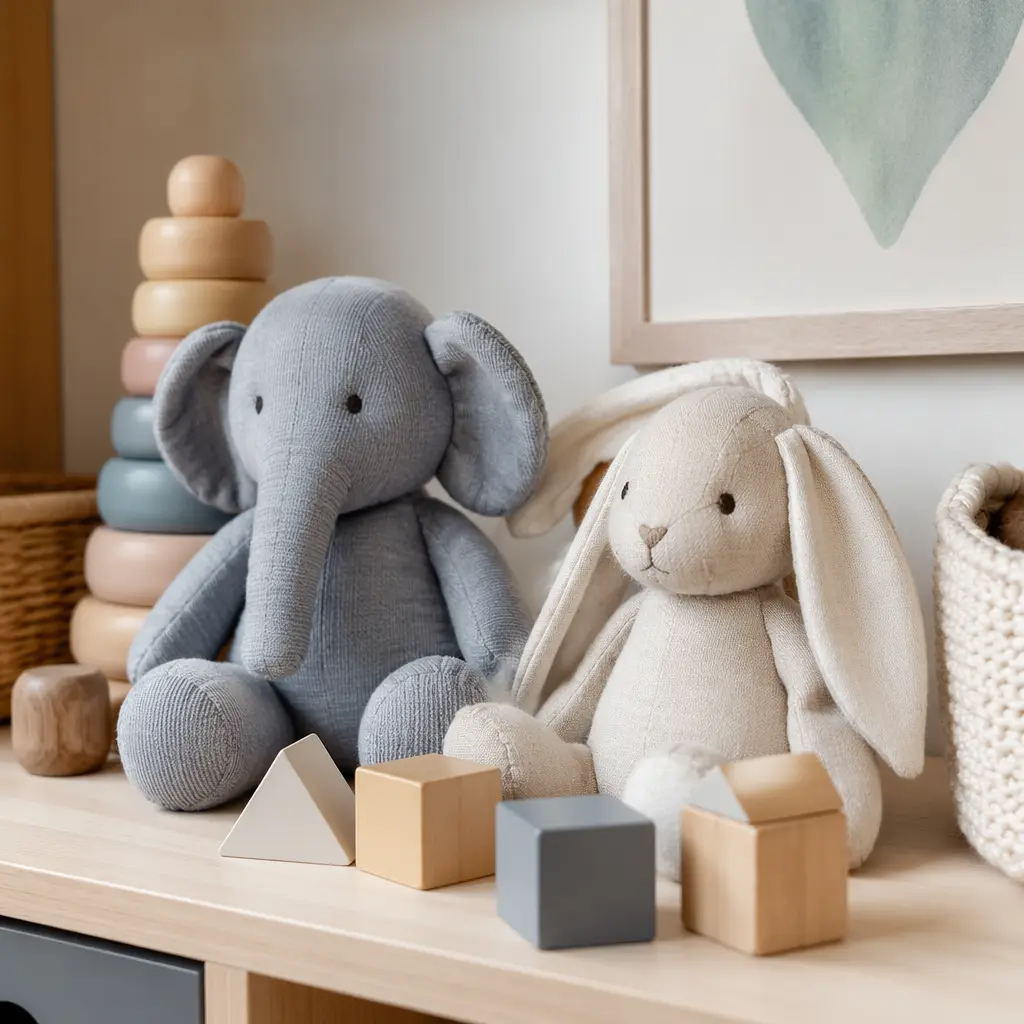
Certain types of battery-free toys consistently stand out for affordability and engagement. These categories tend to be widely available and easy to mix and match, making them practical for gift-giving or building a small rotation at home.
- Rattles and teethers: Simple rattles and chewable toys support sensory exploration and sore gums without electronic sounds.
- Soft books and fabric toys: Crinkle textures, flaps, and mirrors encourage tummy-time play and early curiosity.
- Stacking and nesting toys: Cups, rings, and blocks promote hand-eye coordination and problem-solving as babies grow.
- Balls and rollers: Lightweight balls are easy to grasp and motivate crawling when rolled across the floor.
- Activity gyms (non-electronic): Basic frames with hanging toys offer multiple play positions without batteries.
Frequently asked questions
Are battery-free toys really engaging for babies?
Yes. Babies are naturally curious, and simple toys often encourage longer, more focused play. Without lights or prerecorded sounds, babies create their own interactions by shaking, chewing, stacking, or repeating actions.
How many toys does a baby actually need?
Most babies do well with a small selection rotated over time. A few well-chosen toys that offer different textures and movements can be more effective than a large pile available all at once.
Do cheap toys compromise on safety?
Price alone doesn’t determine safety. Many affordable toys meet the same safety standards as higher-priced options. Always check age recommendations, material details, and manufacturer safety information.
When should electronic toys be introduced?
There’s no required age for electronic toys. Many parents choose to delay them, especially in the first year, focusing instead on physical interaction and caregiver-led play.
Cheap, battery-free baby toys prove that engaging play doesn’t have to be complicated or expensive. By focusing on safe materials, age-appropriate design, and open-ended play, parents can build a toy collection that supports early development while keeping costs and clutter under control.