Are Cheap Electronic Toys Safe for Babies Under One?
Budget electronic toys can be appealing, but parents should check battery safety, materials, sound levels, and durability before choosing toys for babies under 12 months.
Compare prices and availability
Check current prices and availability for this guide on eBay.
As an eBay Partner, we may be compensated if you make a purchase.
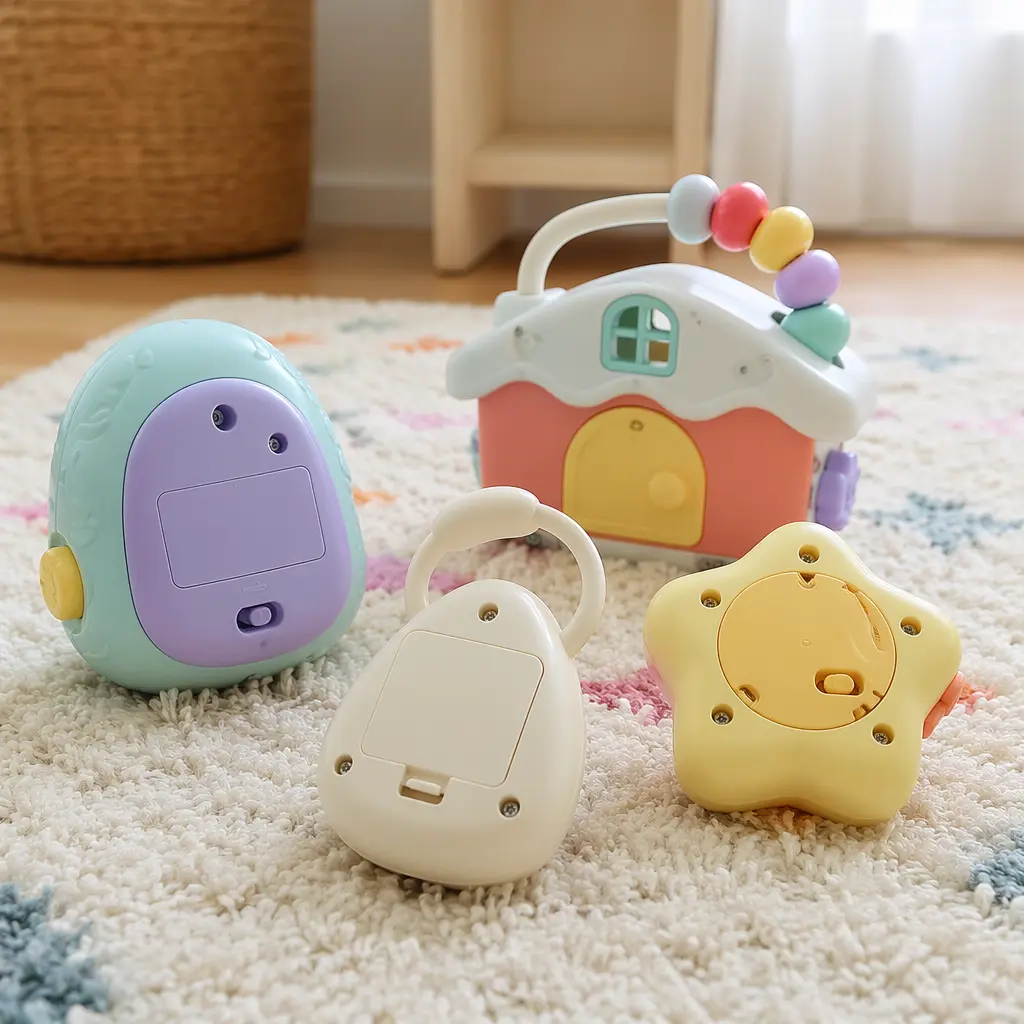
Low-cost electronic toys are easy to find online and in discount stores, especially for babies under one year old. Many include lights, sounds, buttons, or music designed to hold a baby's attention. Some budget-friendly options can be perfectly reasonable when they meet current safety standards and are used appropriately. At the same time, lower prices sometimes come with tradeoffs in build quality, durability, battery protection, and sound control. For infants who explore toys by mouthing, chewing, dropping, and shaking them, those details matter more than flashy features. Parents shopping for affordable electronic toys should focus less on entertainment claims and more on practical safety basics.
What to look for
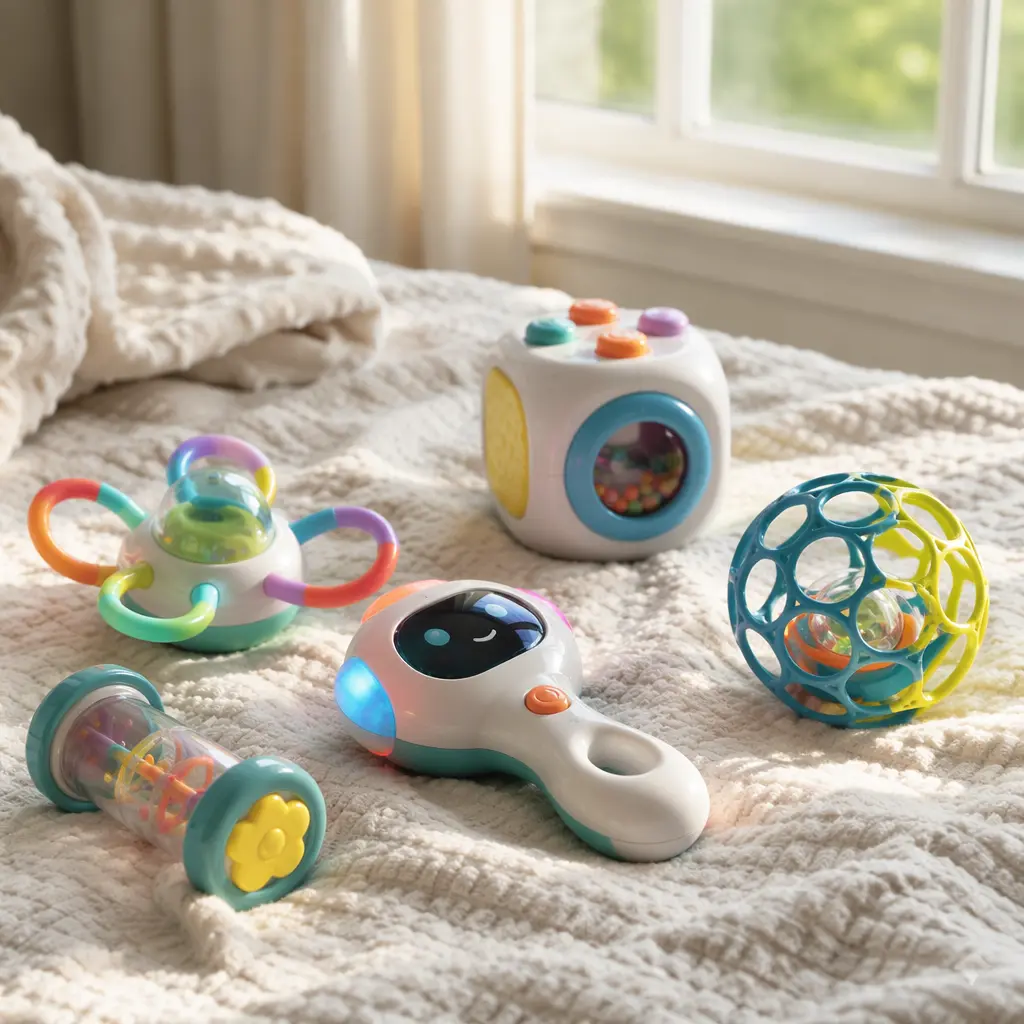
The safest electronic toys for babies under 12 months are usually simple, sturdy, and easy to inspect. Before buying, check the toy's materials, seams, screws, battery compartment, and overall construction. A toy that feels lightweight and poorly assembled may not hold up well to repeated chewing or drops. Sound levels also deserve attention because some electronic toys can become surprisingly loud when held close to a baby's ears. If shopping online, product photos and descriptions should clearly show safety details rather than only lights and features.
- Battery compartments should close securely with a screw or child-resistant fastener.
- Avoid toys with loose ribbons, detachable beads, or small decorative parts.
- Look for smooth edges and durable plastic without cracks or sharp seams.
- Check age recommendations carefully instead of relying on marketing images.
- Choose toys with adjustable volume or softer sound output when possible.
- Inspect for strong chemical odors, which may indicate lower-quality materials.
- Read recent safety recalls and customer reports about broken pieces or overheating.
Age suitability
Babies develop quickly during the first year, so a toy that is safe for a 10-month-old may not be appropriate for a newborn. Younger infants mainly benefit from simple sensory experiences such as gentle sounds, high-contrast visuals, and lightweight textures they can safely grasp. As babies begin sitting, crawling, and pulling objects closer, they become more likely to bite hard on plastic edges or pry at compartments. Electronic toys marketed as educational are not automatically safer or more developmentally useful. In many cases, simple toys with limited electronic features are easier to supervise and less overstimulating for younger babies. Parents should also remember that older siblings' toys can create hidden risks when mixed into a shared play area.
Standout categories or types
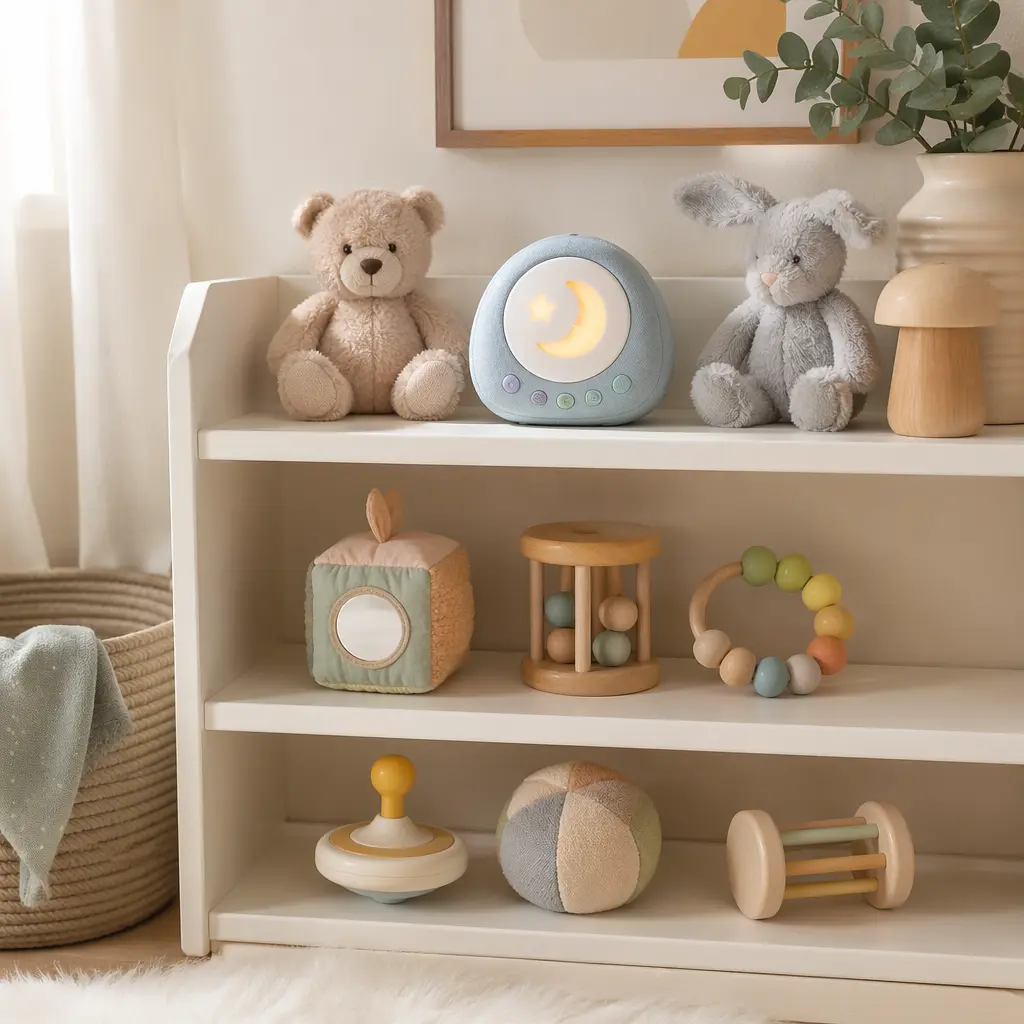
Some categories of affordable electronic toys tend to be safer and more practical for babies than others. Simple light-up rattles, soft musical toys, and motion-activated sensory toys often have fewer moving parts and lower mechanical risks. Toys designed specifically for teething may also include electronic features, but they should still use baby-safe materials and secure internal components.
Other categories deserve closer inspection before purchase. Plush toys with electronics sewn inside can be difficult to clean thoroughly, especially after drooling or spills. Toys with removable battery packs, spinning mechanisms, or pop-open compartments may wear out faster with heavy use. Very cheap imported toys with unclear labeling or missing safety information can also make it harder for parents to verify testing standards or material quality.
- Soft musical toys with stitched seams are often easier to inspect for damage.
- Light-up sensory balls can work well when they are large enough to avoid choking risks.
- Electronic activity panels should have firmly attached buttons and switches.
- Avoid toys with water beads, magnets, or exposed wiring.
- Simple cause-and-effect toys are usually more suitable than highly complex gadgets for infants under one year old.
Frequently asked questions
Are all cheap electronic toys unsafe?
No. Price alone does not determine safety. Some affordable toys meet safety standards and hold up well during regular use. The key is checking construction quality, secure battery access, age labeling, and recall history instead of assuming every low-cost toy is risky.
Why are button batteries considered dangerous?
Button batteries are especially hazardous because they can cause severe internal injuries if swallowed. Babies are naturally curious and may find loose batteries if a compartment opens or breaks. Toys for infants should have tightly secured battery compartments that require a tool to open.
Can loud toys affect babies?
Yes. Babies have sensitive hearing, and loud sounds played close to the ears may be uncomfortable or potentially harmful over time. If a toy sounds excessively loud to an adult at close range, it is worth choosing a quieter option or limiting use.
How often should electronic baby toys be checked?
It helps to inspect toys regularly for cracks, loose parts, rust, exposed wires, weak seams, or battery compartment damage. Frequent checks are especially important for toys that are dropped often or used during teething.
Are non-electronic toys safer for infants?
Not automatically, but many simple non-electronic toys have fewer failure points and are easier to clean and monitor. Safety still depends on size, materials, construction quality, and whether the toy matches a baby's developmental stage.
Budget electronic toys can fit into a baby's play routine when parents focus on safety basics instead of extra features. Secure batteries, durable construction, manageable sound levels, and age-appropriate design matter far more than flashing lights or marketing claims. Taking a few extra minutes to inspect a toy before purchase can help reduce risks and lead to safer everyday play.