Best No-Battery Baby Toys Pediatricians Recommend
A parent-friendly guide to no-battery baby toys that support early motor skills without lights or sounds, with tips on safety, age fit, and common categories for babies 0–12 months.
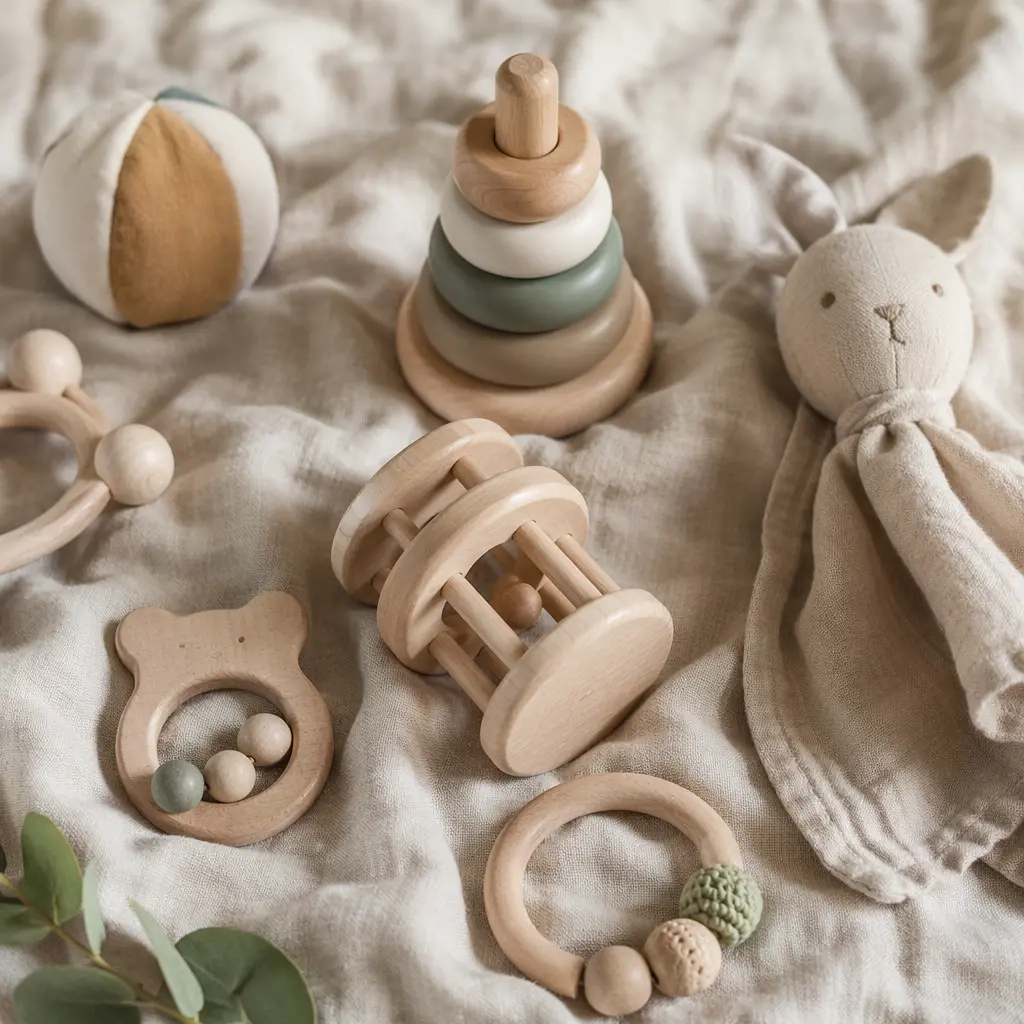
No-battery baby toys focus on the basics: touch, movement, sound made by the child, and cause-and-effect. Pediatricians often favor these simpler options because they invite babies to explore at their own pace without flashing lights or electronic noise. For parents of babies 0–12 months, these toys can support early motor skills while keeping playtime calm and flexible.
What to look for
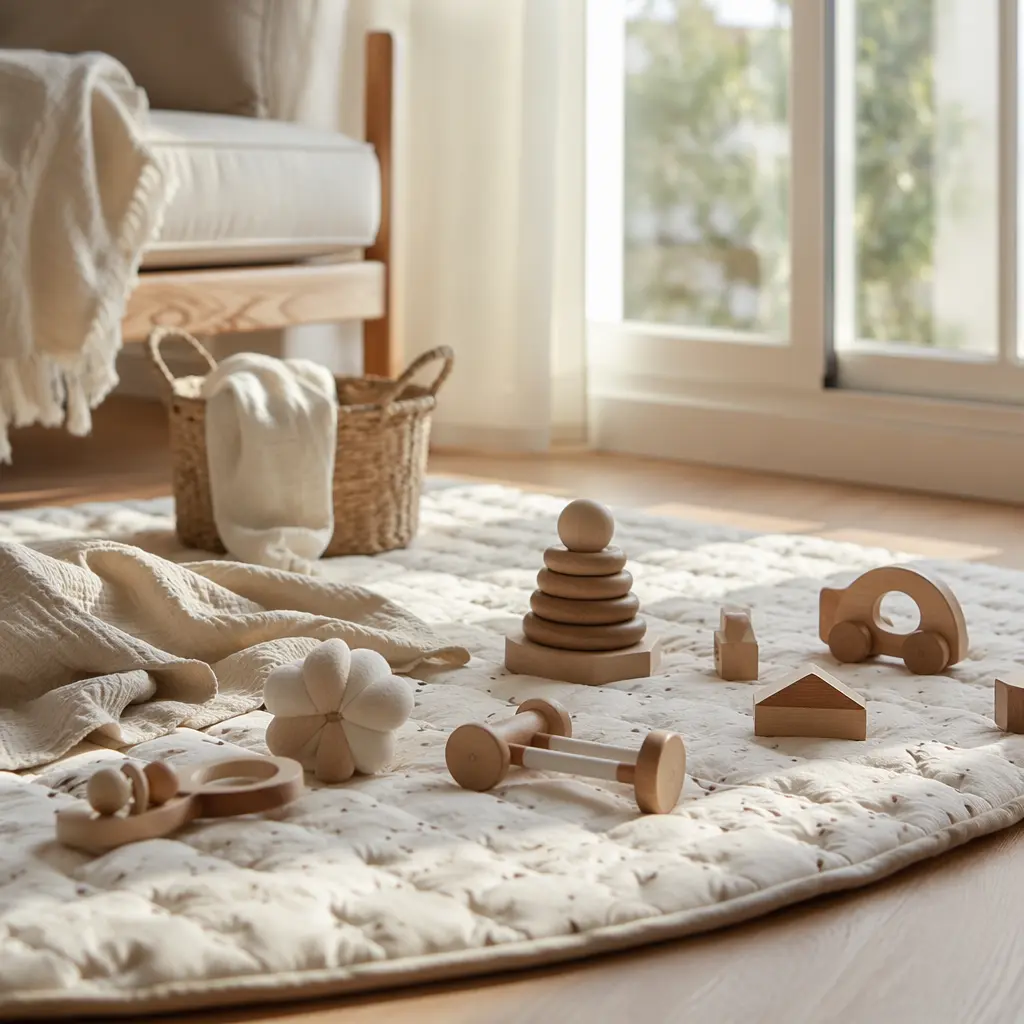
When shopping for no-battery toys, the goal is to find items that encourage movement and curiosity without overstimulation. Quality materials and thoughtful design matter more than how many features a toy claims to have.
- Simple cause-and-effect, such as rolling, stacking, or grasping
- Safe materials like solid wood, food-grade silicone, or tightly woven fabric
- Smooth edges and sturdy construction that can handle mouthing and drops
- Appropriate size for small hands, with no choking hazards
- Easy-to-clean surfaces for everyday use
Age suitability
Babies develop quickly in the first year, so age guidance matters. Newborns often benefit from high-contrast or soft-textured items they can look at or brush against. As babies reach 3–6 months, toys that encourage grasping, shaking, or bringing hands together become more useful. By 6–12 months, many babies enjoy toys that support sitting, crawling, and early problem-solving, such as nesting or rolling objects. Always check the manufacturer’s age range and observe how your baby interacts with the toy.
Standout categories or types
No-battery toys come in a wide range of styles, but a few categories consistently stand out for supporting early motor development. These toys rely on the baby’s actions, helping them learn how their bodies move and interact with the world.
- Grasping toys: Rings, rattles without electronics, and soft blocks sized for small hands
- Tummy-time supports: Simple rollers or textured mats that encourage lifting the head and reaching
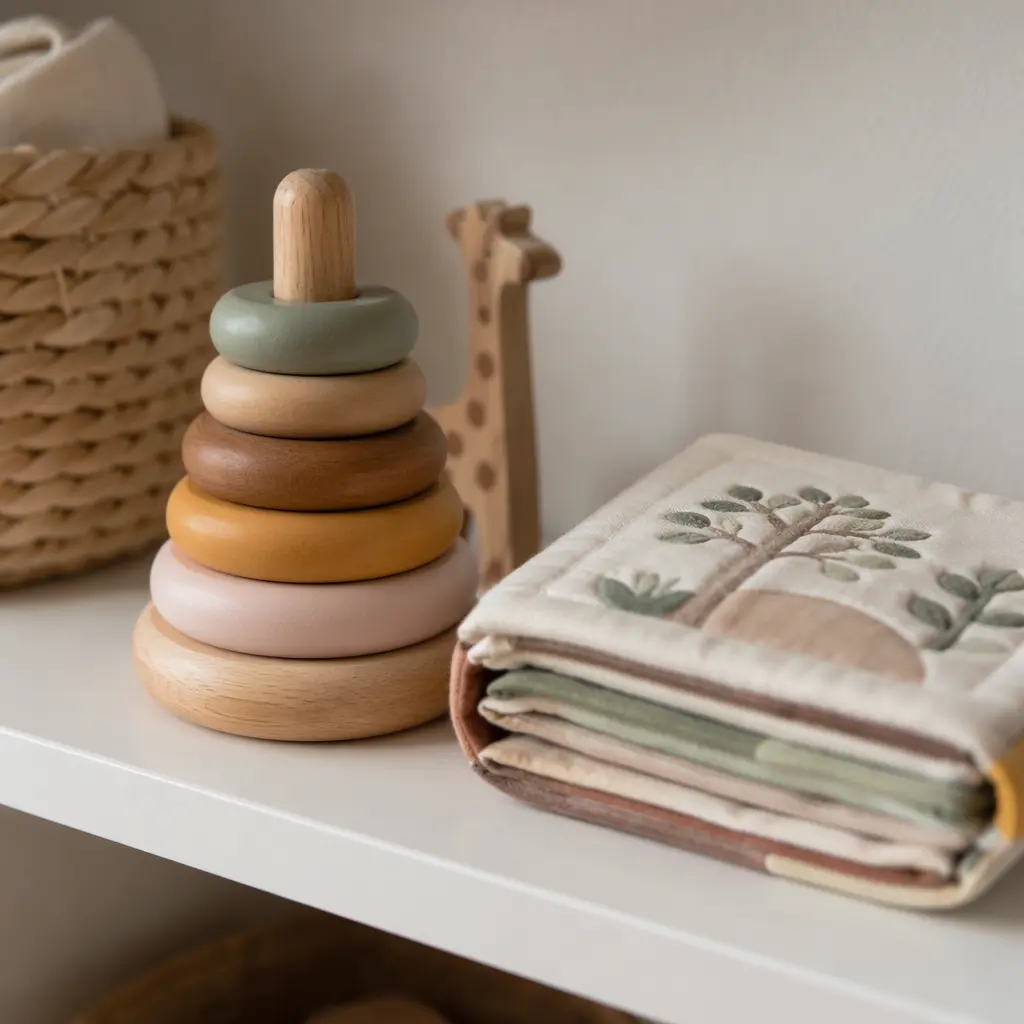
- Stacking and nesting toys: Cups or rings that build hand-eye coordination
- Push-and-roll toys: Lightweight objects that move when nudged, promoting crawling
- Cloth books and textured panels: Fabric pages with varied textures for sensory exploration
Frequently asked questions
Are no-battery toys better for brain development?
No-battery toys are often recommended because they encourage active play. Instead of responding to lights or sounds automatically, babies learn through their own movements, which can support problem-solving and attention skills.
Will my baby get bored without lights or music?
Many babies stay engaged longer with simple toys because they can explore them in different ways. Rotating toys and offering them during different routines can also keep playtime fresh.
What materials are safest for infants who mouth toys?
Look for toys made from untreated wood, food-grade silicone, or certified organic fabrics. These materials are commonly chosen for their durability and safety when babies chew or gum their toys.
How many toys does a baby need?
A small selection of well-chosen toys is usually enough. Offering just a few options at a time can help babies focus and explore more deeply.
No-battery baby toys can be a practical choice for parents who want to support early motor skills without adding noise or screens to their home. By focusing on safety, age fit, and simple design, you can build a toy collection that grows with your baby through the first year.