Classic Wooden Toys Worth Buying for Babies
A safety- and value-focused guide to classic wooden toys for babies. Learn what to look for, age suitability from 0–12 months, and which timeless toy types support early development.
Compare prices and availability
Check current prices and availability for this guide on eBay.
As an eBay Partner, we may be compensated if you make a purchase.
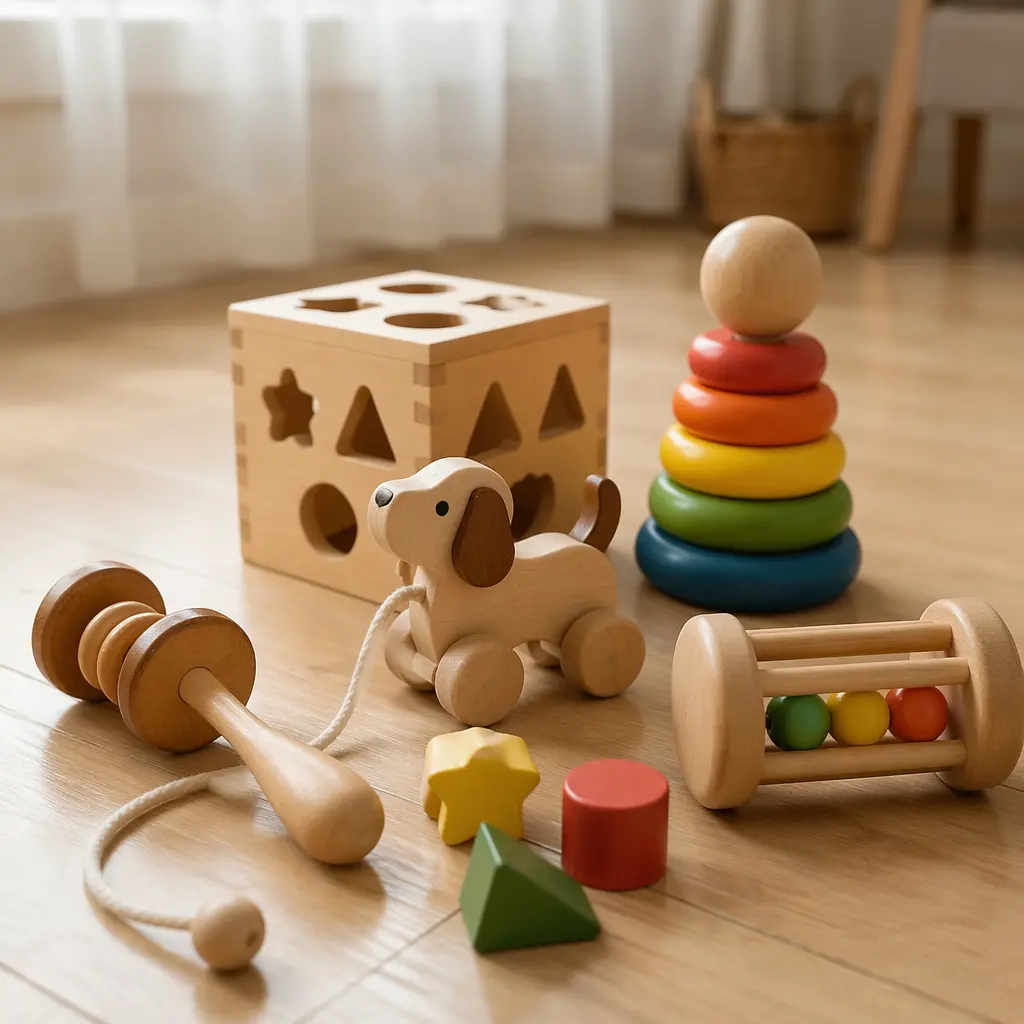
Classic wooden toys have been used for generations, and many parents still choose them for babies because they emphasize simplicity, durability, and safety. For infants under 12 months, the best wooden toys are designed to support early sensory exploration without overwhelming bright lights or electronic sounds. This guide focuses on what makes wooden toys a smart, long-term choice for babies, with special attention to safety, age-appropriate design, and overall value.
What to look for
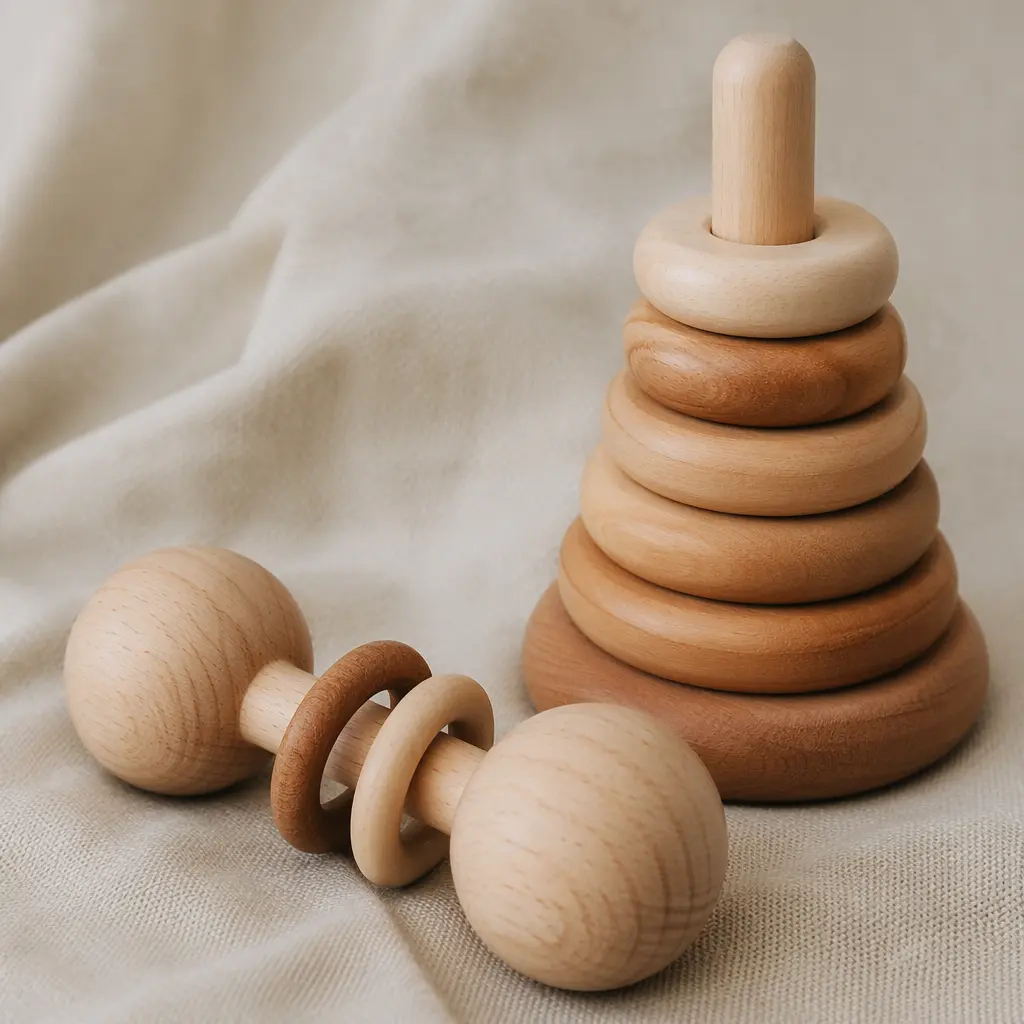
Not all wooden toys are automatically safe or suitable for babies. Because infants explore with their mouths and hands, details that might not matter for older kids are critical in the first year. When comparing options, focus on construction, materials, and how the toy matches your baby’s developmental stage.
- Smooth, splinter-free surfaces with rounded edges to reduce the risk of cuts or scratches
- Non-toxic finishes and paints that meet recognized safety standards for infant toys
- Solid construction that will not crack, shed pieces, or loosen over time
- Simple designs that encourage grasping, shaking, or gentle movement rather than complex play
- Appropriate size to prevent choking, especially for toys meant to be mouthed
Age suitability
For babies from 0 to 12 months, wooden toys should support early motor and sensory development. Younger infants benefit from lightweight items they can hold, shake, or tap, such as simple rattles or grasping toys. As babies approach the middle of the first year, they may enjoy toys that respond to action, like stacking pieces or objects that roll slowly. Toward the end of the first year, more interactive wooden toys can encourage problem-solving, hand-eye coordination, and early cause-and-effect learning. Always check age guidance and observe how your baby interacts with the toy to ensure it remains appropriate.
Standout categories or types
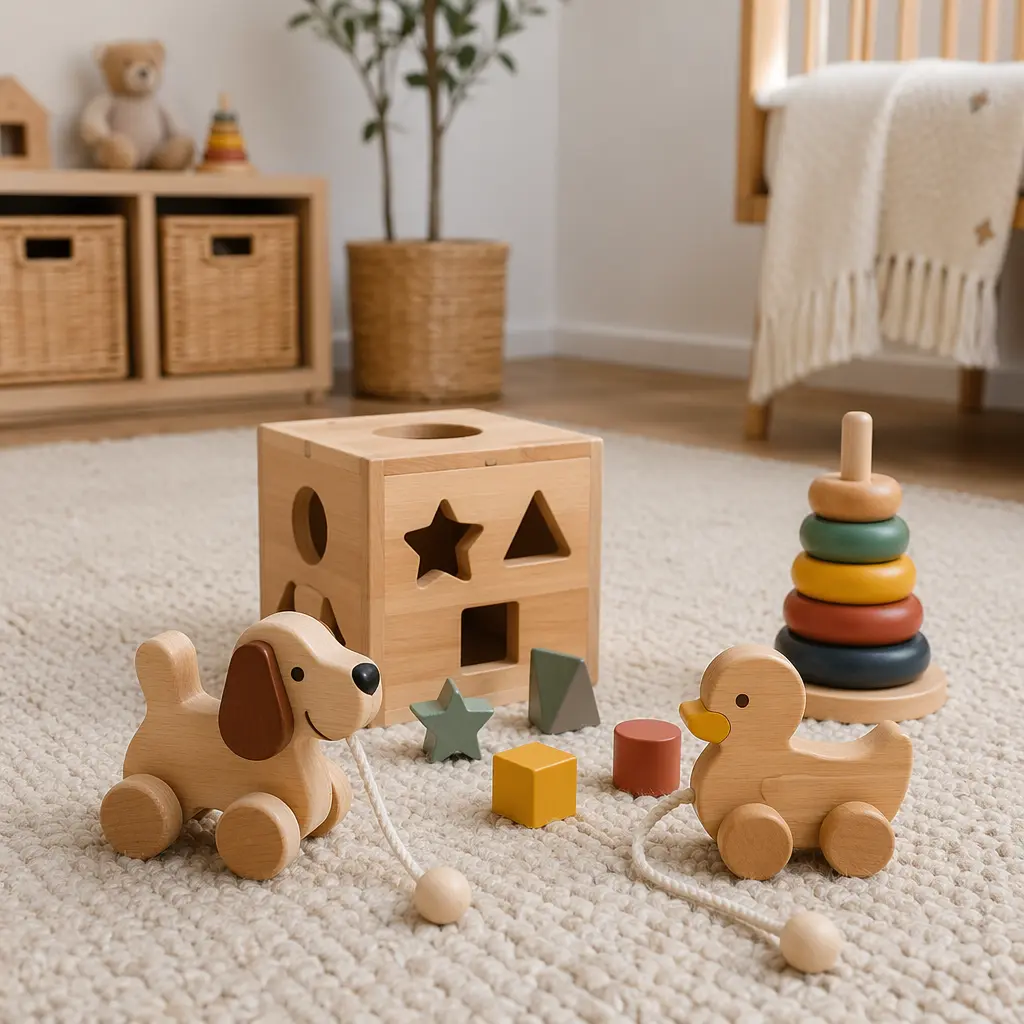
Some types of wooden toys have remained popular because they consistently meet the needs of babies while offering long-term value. These toys often grow with a child, remaining useful beyond the first year.
- Wooden rattles and grasping toys: Designed for tiny hands, these help build grip strength and introduce cause-and-effect through sound and movement.
- Stacking toys: Simple rings or blocks encourage coordination and spatial awareness as babies learn to place and remove pieces.
- Pull and push toys: Suitable for older babies who are beginning to crawl or stand, these promote movement and balance.
- Shape sorters: Basic wooden sorters introduce early problem-solving and fine motor skills without overwhelming complexity.
- Activity cubes: When designed for babies, these offer multiple simple actions in one sturdy toy, extending play value.
Frequently asked questions
Are wooden toys safe for babies to mouth?
Yes, when they are specifically made for infants and use non-toxic finishes. Babies naturally explore by mouthing, so it is important to choose toys that meet safety standards and are free from harmful chemicals or peeling paint.
Do wooden toys help with development in the first year?
Wooden toys can support early development by encouraging open-ended play. Their simple designs help babies focus on movement, texture, and cause-and-effect, which are key learning areas in the first 12 months.
Are wooden toys better than plastic toys for babies?
Wooden and plastic toys can both be safe and useful. Many parents prefer wooden toys for their durability, reduced sensory overload, and long lifespan. The best choice depends on safety, quality, and how the toy fits your baby’s needs.
How do you clean wooden baby toys?
Most wooden toys should be wiped with a damp cloth and mild soap, then air-dried. Avoid soaking them in water, as this can cause swelling or cracking. Always follow the care guidance provided with the toy.
Classic wooden toys remain a strong option for babies because they balance safety, learning, and long-term value. By focusing on age-appropriate design, solid construction, and non-toxic materials, parents can choose toys that support healthy development during the first year while standing up to daily use.