Beginner Board Games for Kids Who Can’t Read Yet
A parent-focused guide to beginner board games for preschoolers who cannot read yet, comparing icon-based play, replay value, attention span, setup, and how much adult help each style needs.
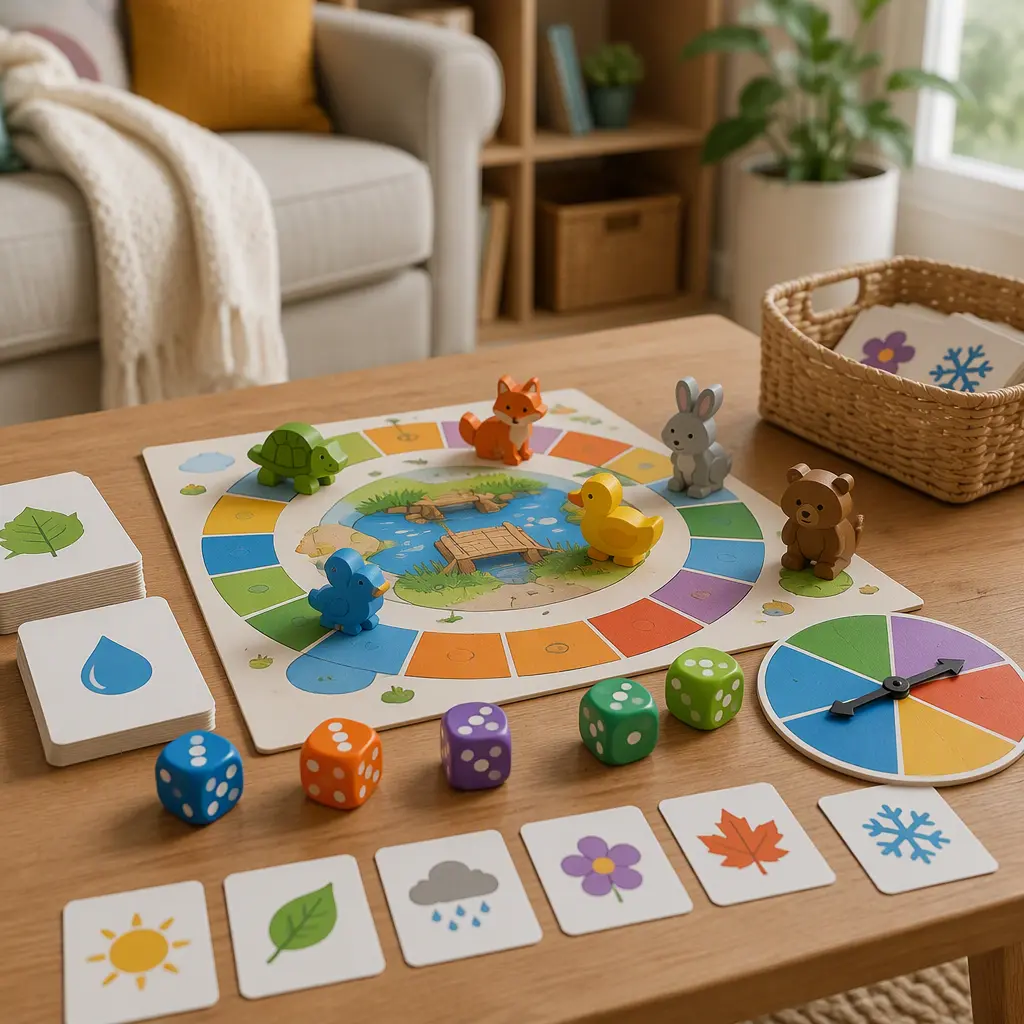
Compare prices and availability
Check current prices and availability for this guide on eBay.
As an eBay Partner, we may be compensated if you make a purchase.
Board games for children who cannot read yet work best when the rules are visual, turns are short and the goal is easy to understand after a few rounds. For ages 3–5, the biggest difference between games is usually not difficulty but how much adult support they need. Some games rely almost entirely on pictures, colors or matching symbols, while others still expect a parent to guide turn order, counting or decision-making. Choosing the right type can make family game time calmer and more enjoyable, especially for younger preschoolers with shorter attention spans.
What to look for
The best beginner games for non-readers use consistent symbols, limited choices and physical pieces that are easy for small hands to move. Preschoolers often enjoy repetition, so replay value usually comes from unpredictable outcomes, cooperative play or imaginative themes rather than complicated strategy. It also helps to think about practical household factors such as noise, setup time and how many players can realistically stay engaged.
- Icon-based instructions or picture matching instead of text-heavy cards
- Short rounds, ideally around 10–20 minutes for younger players
- Large durable pieces that are difficult to lose or damage
- Simple turn structure with one or two actions per turn
- Cooperative or low-conflict gameplay for children who struggle with losing
- Minimal setup and easy storage for frequent use
- Quiet components if the game will be played near siblings or shared living spaces
- Enough variety to stay interesting after the first few sessions
Age suitability
The 3–5 age range covers a wide spread of developmental stages. Many 3-year-olds can match colors, spin a spinner and follow simple routines, but may need help waiting for turns or understanding goals. By age 4, many children can handle basic counting, memory games and simple cooperative challenges. Around age 5, some children are ready for more structured board games with planning and beginner strategy, even if they still cannot read independently. A game marked for preschoolers may still feel frustrating if it expects long attention spans, precise counting or emotional resilience after losing. Cooperative games can be especially useful for younger children because players work toward a shared goal instead of competing directly.
Options compared
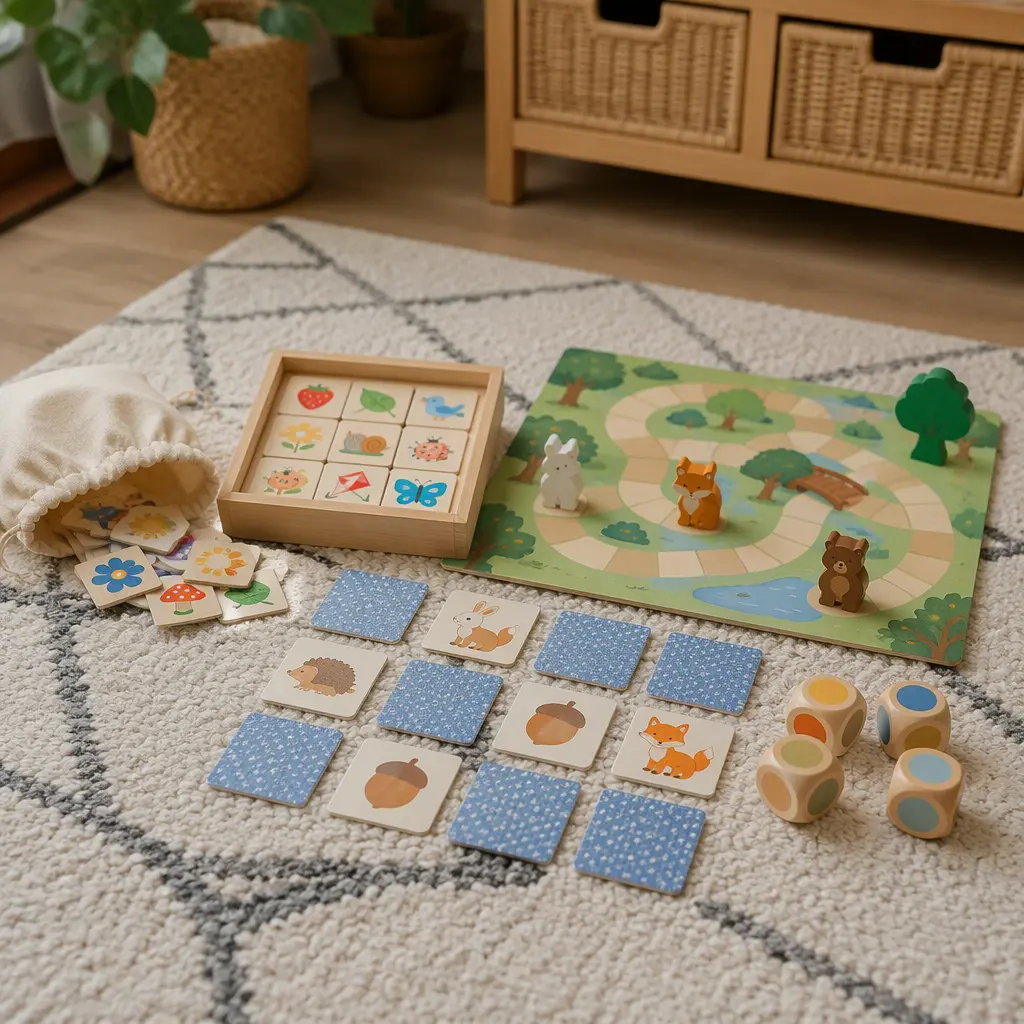
Matching and memory games are often the easiest starting point for non-readers. These games usually involve picture recognition, turn-taking and concentration rather than strategy. They tend to be affordable, compact and quiet, making them practical for small homes or travel. The downside is that adults may tire of repetitive gameplay sooner, and some children quickly memorize card layouts, reducing challenge over time.
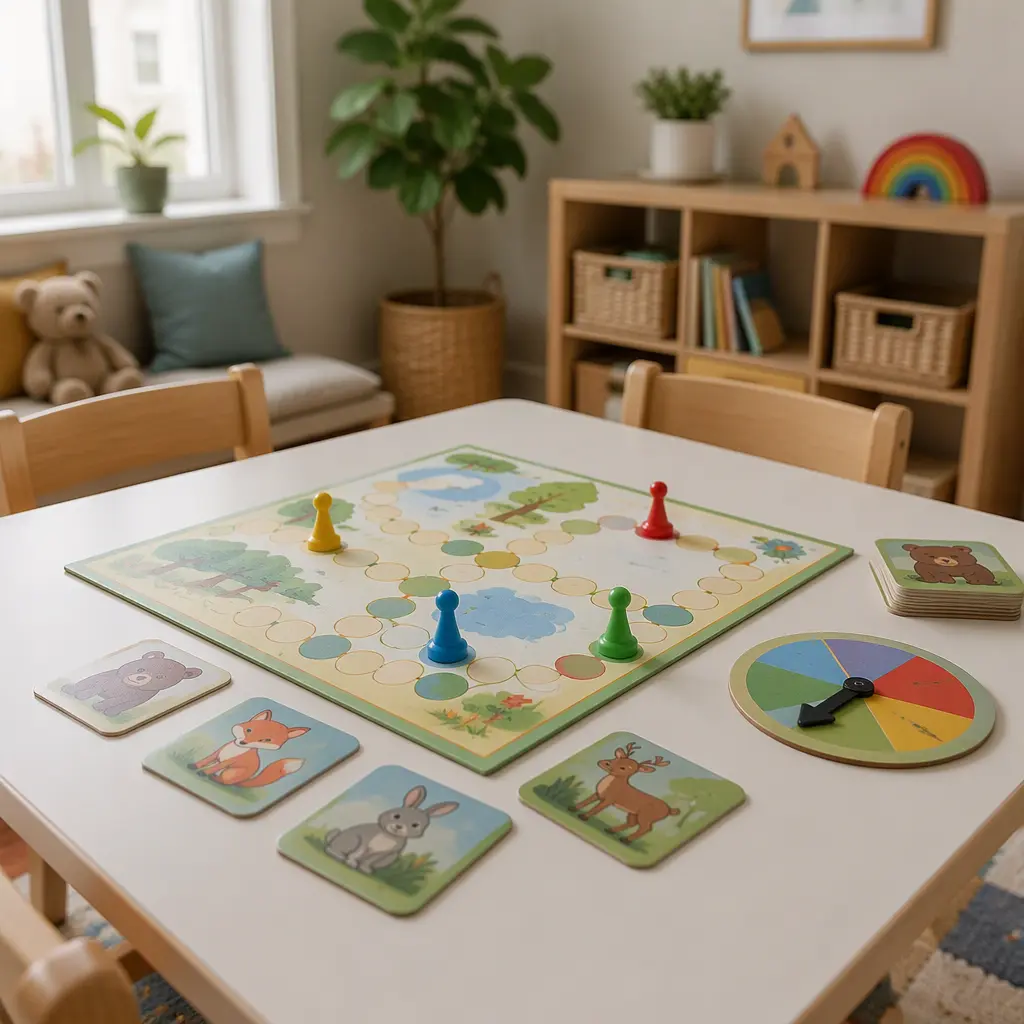
Spinner and path-based games are common for ages 3–5 because they teach routines such as moving pieces, following directions and waiting for turns. Many rely on colors or icons instead of numbers, which keeps them accessible for non-readers. These games suit children who enjoy physical interaction with the board and predictable rules. However, fully luck-based games may have limited replay value for older preschoolers who start wanting more meaningful choices.
- Cooperative games: Good for children who dislike losing or become upset during competition. Often require more parent guidance at first but encourage teamwork and communication.
- Picture-card games: Easy to learn and portable. Suitable for short play sessions and mixed ages, though gameplay can become repetitive for adults.
- Simple dice or spinner games: Familiar structure and strong turn-taking practice. Best for children comfortable sitting through complete rounds.
- Story-based board games: More imaginative and engaging for some preschoolers, but often need regular adult narration or rule reminders.
- Dexterity games with stacking or balancing: Helpful for active children who struggle to stay focused during traditional board games. Pieces may require more storage space and supervision.
Frequently asked questions
Can a child who cannot count still enjoy board games?
Yes. Many preschool games use colors, symbols or matching instead of counting. Children can participate successfully by spinning, choosing icons or moving along simple picture paths with adult guidance.
Are cooperative games better for preschoolers?
They can be a good fit for younger children who are still learning emotional regulation. Cooperative games reduce the focus on winning and losing while helping children practice teamwork, communication and shared problem-solving.
How long should a beginner board game last?
For most children ages 3–5, shorter is usually better. Games that finish within about 10–20 minutes are often easier to repeat and less likely to end with frustration or loss of focus.
What if a child ignores the rules?
That is common with early learners. At this stage, games often work best as guided play rather than strict competition. Flexible rules, cooperative goals and visual reminders can help children stay engaged without turning playtime into a correction exercise.
Do preschool board games help with learning?
Many support early skills such as turn-taking, memory, color recognition and following sequences. Some also introduce counting and simple planning, though the strongest benefit is usually social interaction and screen-free shared play.
A good beginner board game for non-readers should feel approachable after only a few turns and easy to bring out regularly. Picture-based gameplay, manageable session length and durable pieces matter more than complicated mechanics at this age. Parents choosing between game styles should focus on how much guidance their child still needs, how long they can stay engaged and whether cooperative or competitive play leads to a more enjoyable experience at home.