Best Starter Board Games With No Reading or Counting
A parent-friendly guide to beginner board games for ages 3–5 that avoid reading and heavy counting, with practical advice on rules, attention span, cleanup, and cooperative play.
Compare prices and availability
Check current prices and availability for this guide on eBay.
As an eBay Partner, we may be compensated if you make a purchase.
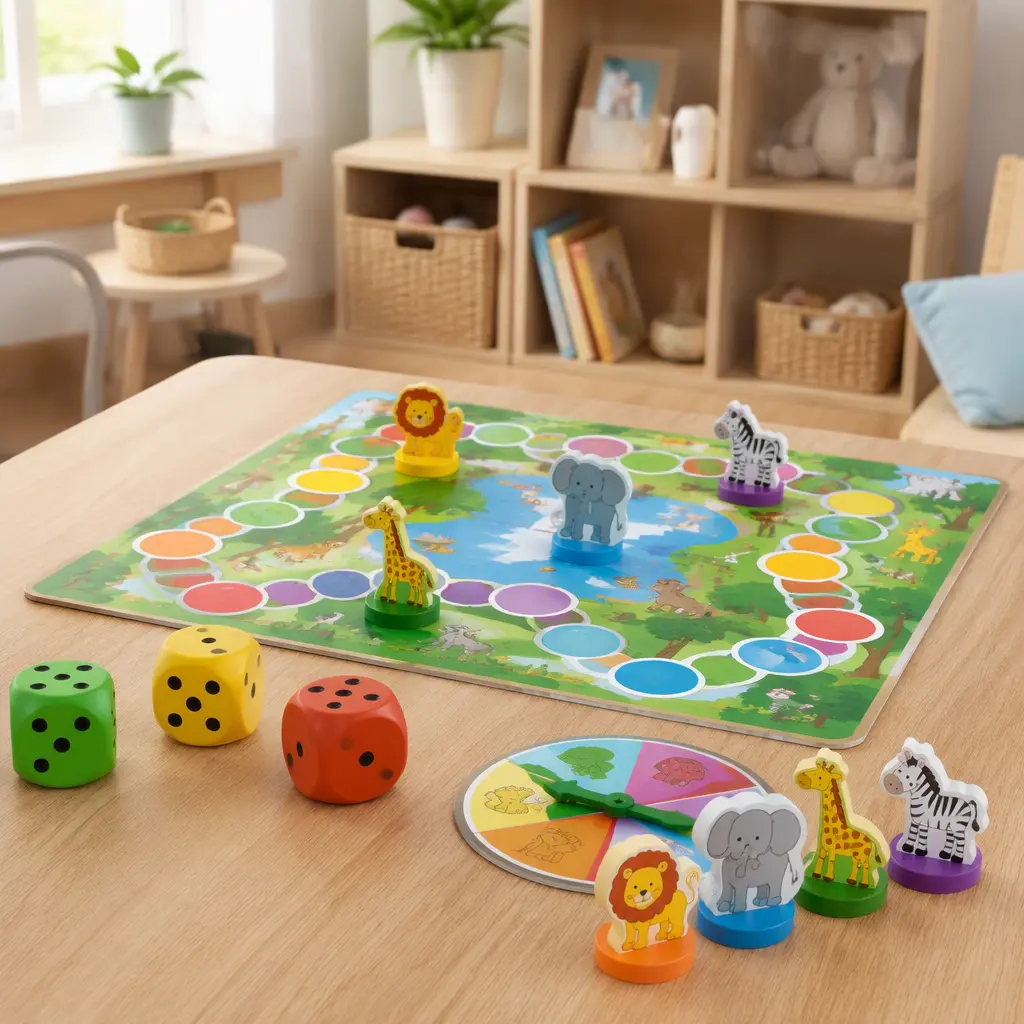
Starter board games for ages 3 to 5 work best when children can join in without needing to read cards, recognize numbers, or remember long rules. At this age, many children enjoy taking turns and moving pieces, but frustration builds quickly if the game relies on counting spaces, holding cards secretly, or following several steps at once. The most beginner-friendly games focus on matching colors or pictures, rolling a single die, spinning a spinner, or working together toward one shared goal. Parents often find that the right first game builds confidence for future family game nights, while a game that is too complicated can make children avoid tabletop play entirely.
What to look for
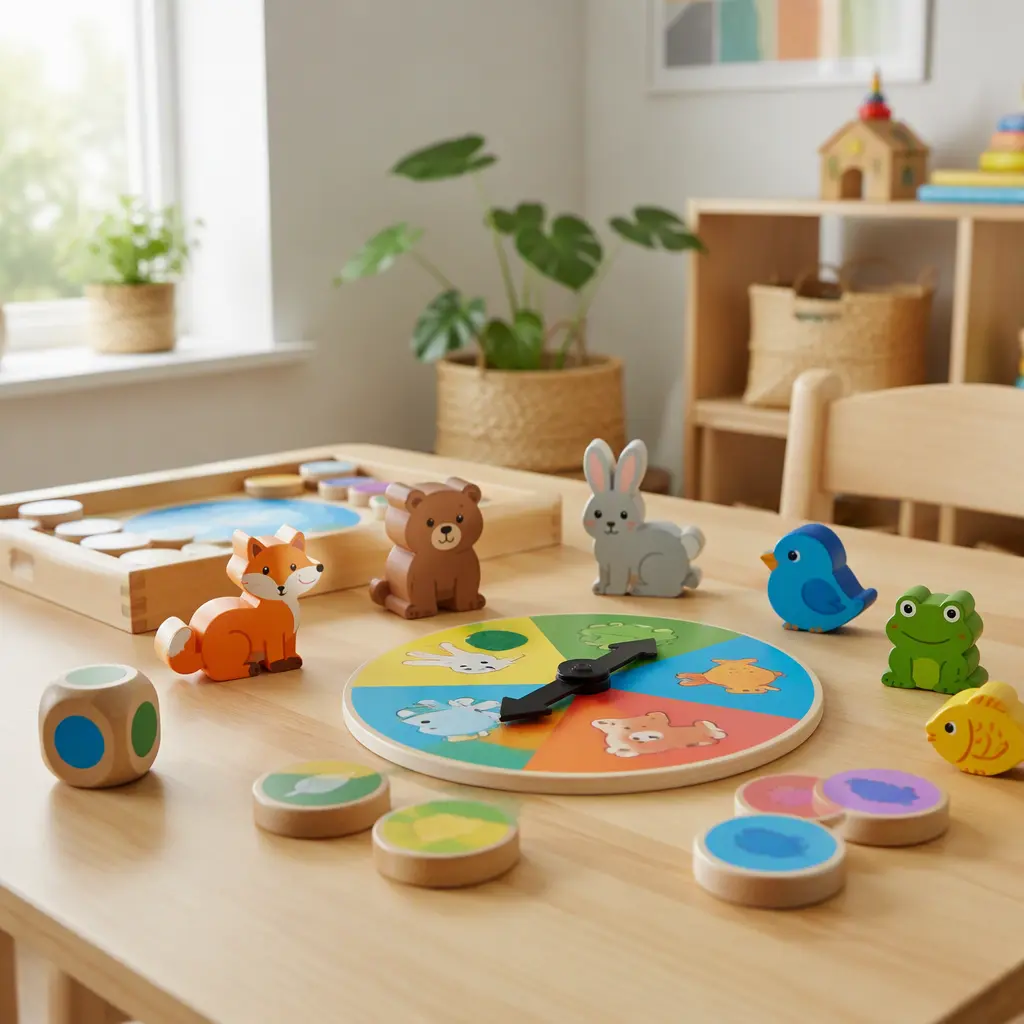
The best starter games for preschoolers keep the focus on one simple action at a time. Children in this age range usually do better with short rounds, visible goals, and pieces large enough for small hands to move easily. Cooperative games can be especially helpful for children who dislike losing or freeze when they feel pressured. Competitive games are still useful, but simpler versions with fast turns and clear outcomes tend to go more smoothly.
- Choose games with one main mechanic, such as color matching, picture matching, or simple movement.
- Look for playtimes under 20 minutes, especially for first-time players.
- Large, sturdy pieces are easier for preschoolers to handle and harder to lose.
- Games with minimal setup and cleanup are easier to bring out regularly.
- Cooperative games can reduce meltdowns for children who struggle with competition.
- Avoid games that require hidden strategy, reading cards, or tracking scores.
- Consider storage size if toys already compete for shelf or closet space.
- Quiet games with cardboard or wooden pieces may suit apartments better than electronic games with sound effects.
Age suitability
Ages listed on game boxes are often broad, so it helps to think about your child's attention span and comfort level rather than relying only on the printed recommendation. Many 3-year-olds can handle turn-taking games with adult support, especially if the game uses pictures instead of numbers. By age 4, many children can follow slightly more structured rules and wait longer between turns. Some 5-year-olds are ready for beginner strategy games, but others still prefer cooperative or movement-based play. Children who shut down when corrected usually benefit from games with flexible pacing and low pressure rather than games where mistakes stop progress. It is also worth considering whether younger siblings will be nearby, since tiny tokens and thin cards may not hold up well in mixed-age households.
Options compared
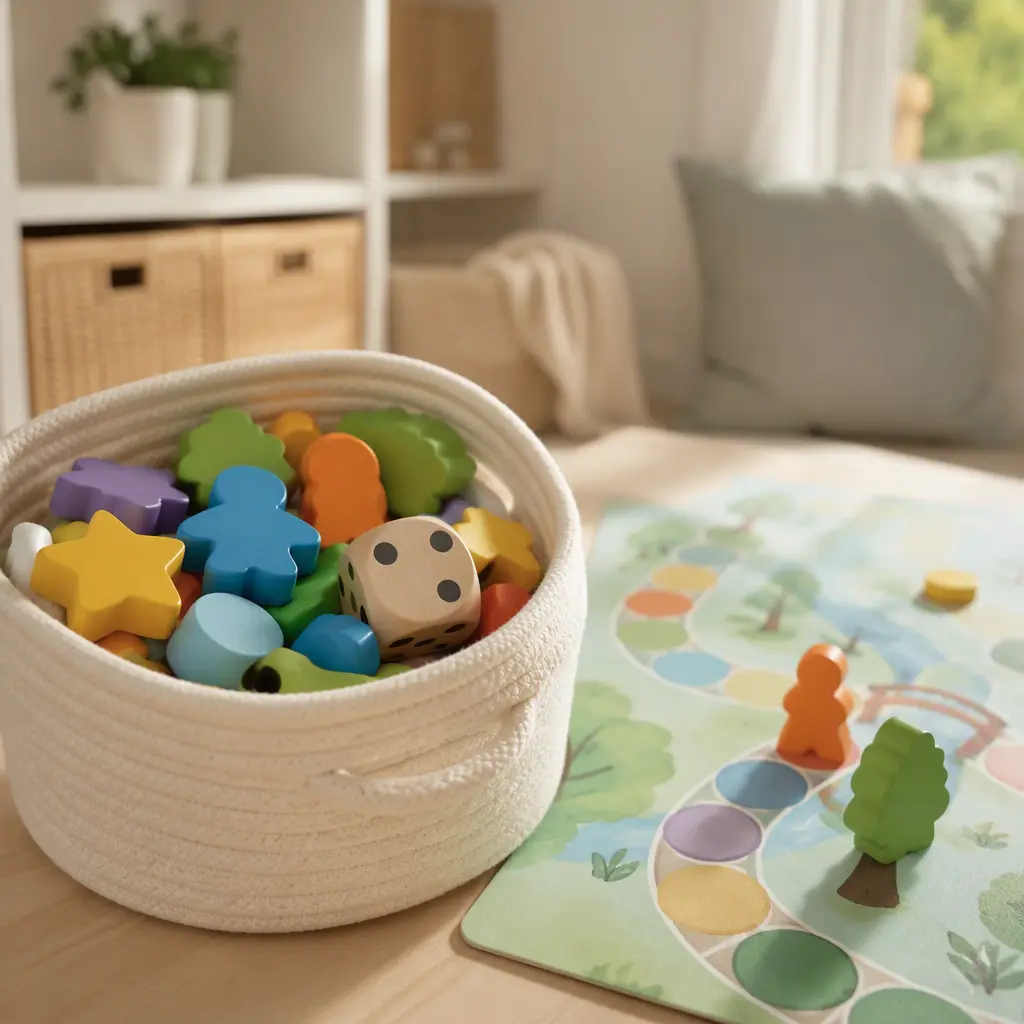
Color-matching games are usually the easiest entry point for ages 3 to 5. These games often use colored paths, cards, or tokens instead of numbered movement. They suit children who enjoy repetition and clear visual cues. Because there is little decision-making required, they are also easier for tired preschoolers at the end of the day. The trade-off is that adults may find them repetitive after repeated play.
Picture-matching and memory games add a slightly higher challenge level without introducing reading. These games help visual recognition and attention skills, but they can frustrate children who dislike waiting through other players' turns. Cooperative games, where everyone works toward a shared goal, often work well for children who become upset when they lose. They also encourage teamwork between siblings of different ages. Movement-based games that involve hopping, balancing, or acting out actions can hold energetic preschoolers' attention longer than sitting-only games, although they need more floor space and are usually noisier. Simple dice games designed for preschoolers can be a good bridge toward traditional family board games, but look carefully at whether the die uses colors or pictures rather than numbered counting.
- Color-matching games: best for first-time players and shorter attention spans.
- Cooperative games: helpful for children sensitive to losing or competition.
- Picture-matching games: good for visual memory and simple turn-taking practice.
- Movement games: useful for active children but require space and supervision.
- Simple dice or spinner games: good transition toward more advanced board games later.
Frequently asked questions
Should a 3-year-old already understand winning and losing?
Not necessarily. Many preschoolers are still learning emotional regulation and may react strongly to losing. Cooperative games or games where the outcome changes quickly can help children practice turn-taking without making every round feel high stakes.
Are card games or board games easier for beginners?
Board games are often easier at this age because the play area stays visible and organized. Card games can work if they use large picture cards and very simple rules, but holding cards privately and remembering actions is harder for many preschoolers.
How long should a starter game last?
For most children ages 3 to 5, a successful beginner game lasts around 10 to 20 minutes. Short games allow children to finish while still engaged, which helps build positive feelings around family game time.
Do electronic preschool games help with learning?
Some electronic games include educational features, but screen-free tabletop games often encourage more conversation, patience, and shared interaction. Non-electronic games are also usually quieter, easier to store, and less distracting for group play.
What if my child refuses to follow the rules?
That is common in early preschool years. Start with flexible play where the child explores the pieces and practices taking turns without worrying about strict outcomes. As confidence grows, many children become more willing to follow simple structures.
The most useful starter board games are the ones children can understand quickly and ask to play again. For ages 3 to 5, that usually means simple visual rules, short rounds, sturdy pieces, and low-pressure play. A well-chosen beginner game can support attention, patience, and social skills without turning family game time into a struggle over complicated instructions.