Beginner Board Games With No Reading Required
Compare simple board games for ages 3–5 that use colors, pictures, matching and memory instead of reading. Learn which game styles support independent play and manageable family game time.
Compare prices and availability
Check current prices and availability for this guide on eBay.
As an eBay Partner, we may be compensated if you make a purchase.
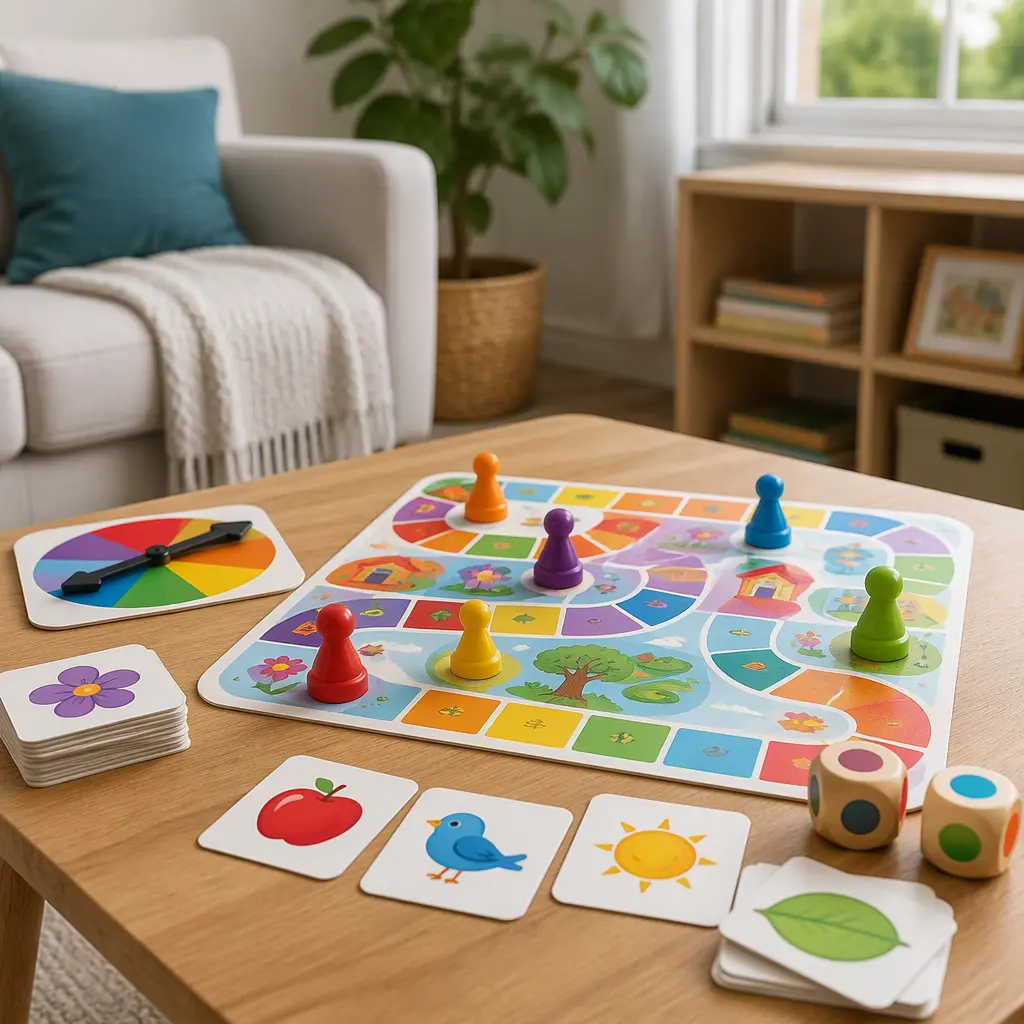
Board games for children aged 3 to 5 work best when the rules are short, turns move quickly and the game can be understood through pictures, colors or simple actions instead of written instructions. At this age, many children are still learning letters, waiting for turns and handling frustration when a game does not go their way. A good no-reading-required game should support those skills without making the child rely on an adult for every move. The strongest options usually focus on matching, memory, cooperative play, simple counting or physical actions rather than complicated scoring systems. Parents choosing a first game often need to balance independence, attention span, storage space, durability and noise level alongside educational value.
What to look for
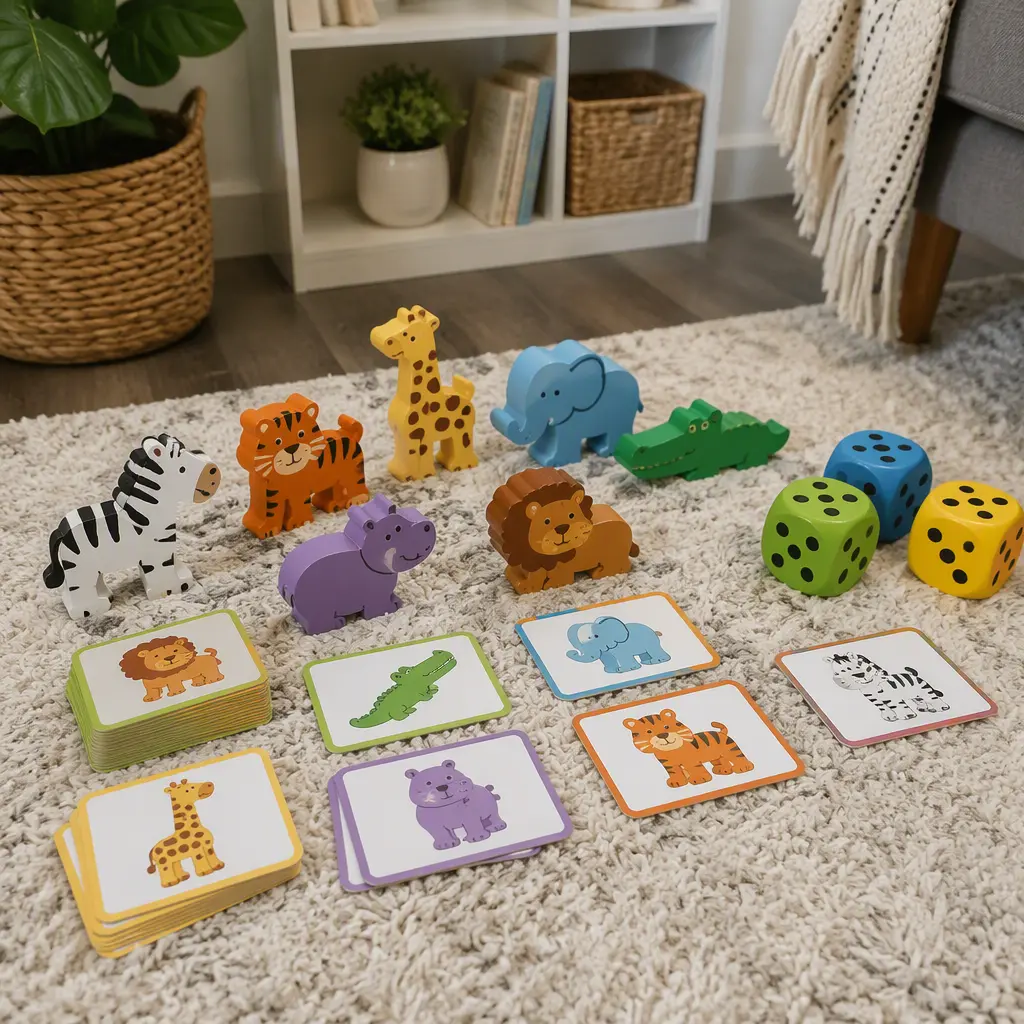
The easiest beginner games remove barriers that stop children from playing confidently. Preschoolers benefit from visual instructions built into the game itself, such as matching shapes, following colored paths or identifying pictures. Games that finish within 10 to 20 minutes tend to hold attention better than long sessions with elimination rules or delayed rewards. Components also matter. Thick cards, large tokens and sturdy boards usually survive repeated handling better than thin cardboard pieces designed for older players.
- Choose games that use colors, symbols or pictures instead of written cards.
- Look for short turns so children stay engaged while waiting.
- Cooperative games can reduce frustration for children who dislike losing.
- Memory and matching games are compact and quiet but may become repetitive for older preschoolers.
- Dice games help with counting practice but can frustrate children who dislike random outcomes.
- Avoid games with many tiny pieces if younger siblings are nearby.
- Check storage needs before buying large floor-based games or bulky boxes.
Age suitability
Children within the 3 to 5 age range can differ widely in patience, communication and fine motor skills. Many 3-year-olds manage basic matching or roll-and-move games with adult reminders, while older preschoolers may prefer games that involve light strategy or teamwork. Games labeled for ages 4 and up often assume children can follow multi-step instructions and wait through several players' turns. If a child is easily overwhelmed, cooperative formats or games with open information can feel more approachable than competitive games with hidden cards or complicated rules. Children already attending preschool may also enjoy games that reinforce sorting, sequencing and memory because the skills connect naturally with early classroom learning.
Options compared
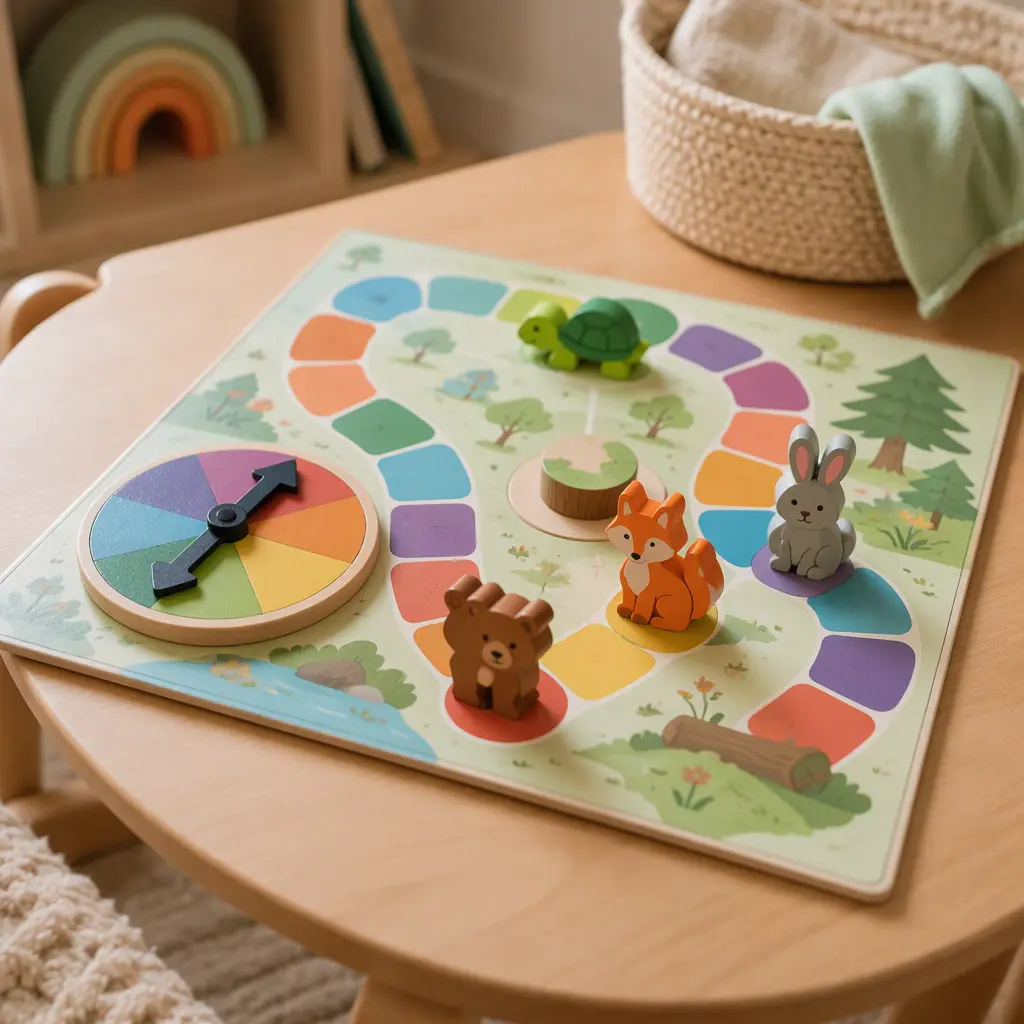
Matching and memory games are often the easiest starting point because children can play almost independently after a short explanation. These games are usually quiet, compact and affordable, making them practical for apartments, travel or shared spaces. The trade-off is replay value. Once children memorize card locations or patterns, the challenge can fade quickly unless the game includes enough variation.
Simple roll-and-move board games introduce turn-taking and counting in a familiar format. They work well for children who enjoy visible progress and colorful game boards. However, some younger players become frustrated if luck determines most outcomes. Cooperative games reduce that tension by having players work toward a shared goal instead of competing directly. These are useful for children who struggle with losing or for mixed-age family play. Action-based games that involve stacking, balancing or movement can hold energetic preschoolers' attention longer than seated games, but they may create more noise and require open floor space. Card games designed for preschoolers can be excellent for travel and storage, though very young children may find holding and organizing cards difficult without help.
- Matching and memory games: best for quiet play, short attention spans and travel; less ideal for children wanting deeper challenges.
- Roll-and-move games: good for learning turns and counting; less suitable for children frustrated by luck-based outcomes.
- Cooperative games: helpful for reducing competition stress and encouraging teamwork; may feel less exciting for highly competitive players.
- Action and dexterity games: useful for active children and family participation; often noisier and harder in small spaces.
- Picture-based card games: compact and flexible for trips; may require adult help with shuffling and card handling.
Frequently asked questions
Do preschoolers need educational board games?
Not necessarily. Many simple games naturally build useful skills such as taking turns, recognizing colors, counting spaces and following instructions. A game does not need to advertise educational content to support early learning.
Are cooperative games better for beginners?
They can be helpful for children who become upset when losing. Cooperative games encourage discussion and teamwork while reducing pressure around winning. Some children, however, enjoy light competition and may stay more engaged with traditional turn-based games.
How long should a beginner board game last?
For most children aged 3 to 5, games lasting around 10 to 20 minutes are easier to finish successfully. Longer games may lead to distraction or frustration, especially for first-time players.
What makes a game truly no-reading-required?
The child should be able to make choices using pictures, colors, symbols or physical actions without needing someone to read cards aloud every turn. Some games still require adults to explain setup rules initially, but the gameplay itself should remain visual and intuitive.
Are card games or board games easier for this age group?
Board games are often easier for younger preschoolers because the play area stays organized and turns are visually clear. Card games become more practical around age 4 or 5, especially for children with stronger fine motor control and longer attention spans.
The best beginner board games for preschoolers are usually the ones children can explain back to adults after only a few rounds. Clear visuals, short sessions and sturdy components matter more than complex mechanics or large collections of pieces. Families with limited storage may prefer compact card or memory games, while households looking for group interaction may get more value from cooperative or action-focused options. Choosing a game that matches a child's patience level and play style is often more useful than choosing the most advanced game for their age.