Best First Strategy Games for Kids Who Quit Easily
A parent-focused guide to low-frustration strategy games for children aged 6–8, with quick turns, simple rules, comeback chances, and manageable play sessions.
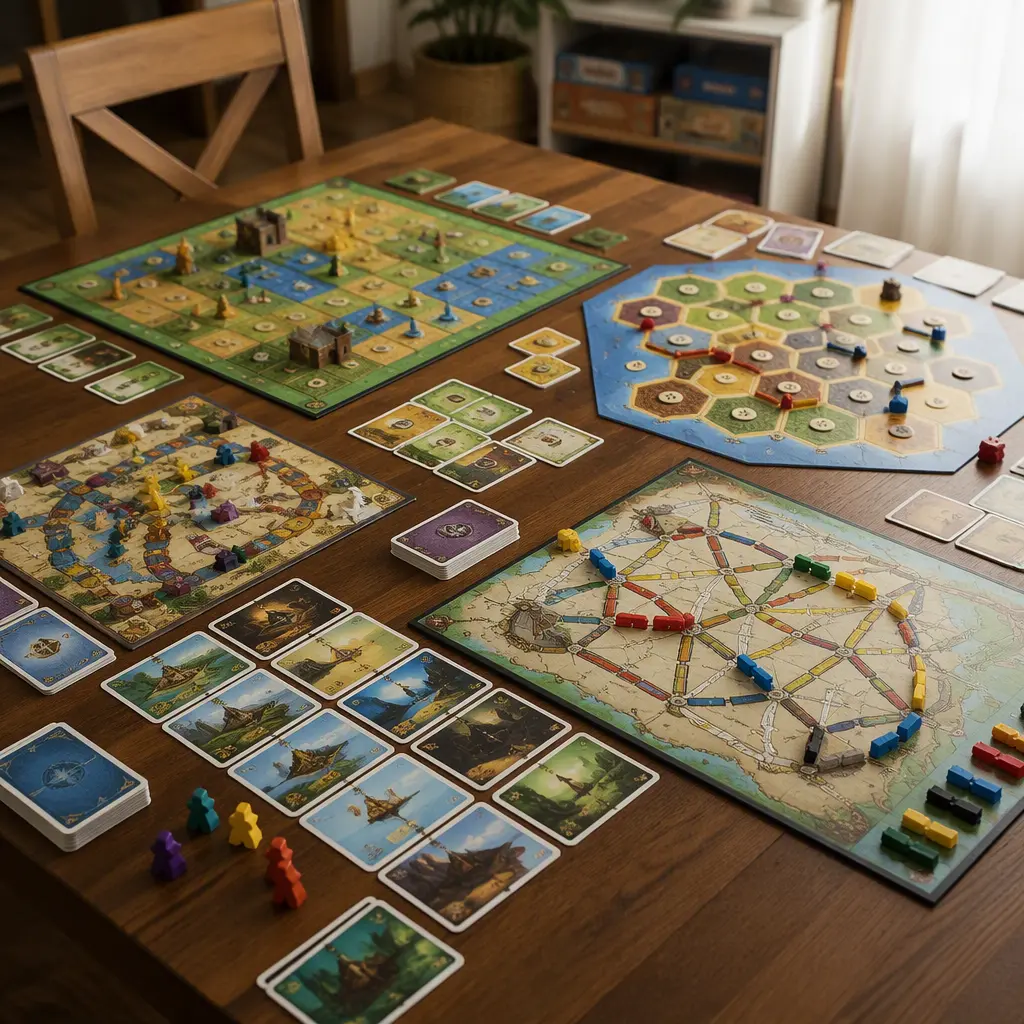
Compare prices and availability
Check current prices and availability for this guide on eBay.
As an eBay Partner, we may be compensated if you make a purchase.
Some children enjoy competition immediately, while others lose interest as soon as they fall behind or misunderstand a rule. For ages 6–8, the best first strategy games are usually the ones that keep turns short, avoid long periods of waiting, and give players ways to recover after mistakes. A low-frustration game does not mean a shallow one. Many beginner strategy games still teach planning, memory, pattern recognition, and decision-making without overwhelming younger players. The main goal is to find games that feel engaging even when a child is still learning how to lose, adapt, and try again.
What to look for
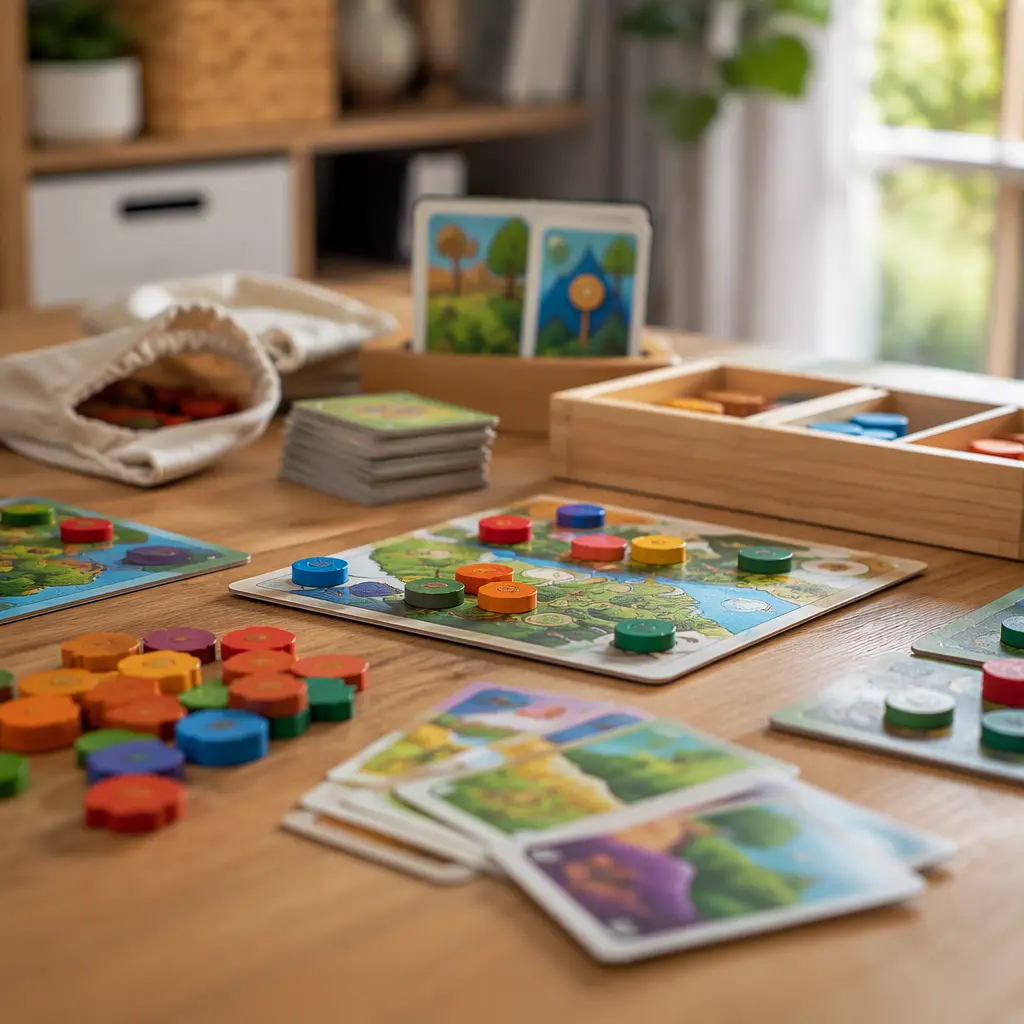
Strategy games for children in this age range work best when the rules can be explained quickly and the game state stays easy to understand. Games that punish mistakes too harshly often lead to quitting, especially for children who are still building patience and confidence. Parents should also consider how much reading is required, how long setup takes, and whether adults will need to supervise every round. Cooperative or team-based games can help children who dislike direct competition, while light competitive games often work well once children are comfortable taking turns and handling small setbacks.
- Look for games with turns under one minute so children stay involved.
- Choose games with visible progress and clear goals rather than hidden scoring.
- Simple comeback mechanics help prevent one early mistake from deciding the whole game.
- Short play sessions of 15–30 minutes are often easier for younger children to finish.
- Limited reading requirements make games more accessible for early readers.
- Durable cards, chunky pieces, and easy storage matter for frequent family use.
- Lower-noise games may suit apartments, shared bedrooms, or evening play.
Age suitability
The 6–8 age range covers a wide developmental spread. Younger children may still struggle with multi-step planning or remembering exceptions to rules, while older children often want more meaningful choices and a stronger sense of challenge. For first strategy games, matching the complexity to the child matters more than choosing the most advanced option. A seven-year-old who enjoys simple tactical choices and finishes games happily will usually build confidence faster than a child pushed into long, highly competitive games too early. Games with visual patterns, matching, tile placement, or basic resource management are often easier entry points than abstract games with many future-move calculations.

Options compared
Tile-laying and pattern-building games are often the easiest place to start for children who quit easily. These games usually provide immediate visual feedback, shorter turns, and fewer opportunities for a player to feel completely blocked. Children can focus on creating shapes, matching colors, or building areas without needing to predict many turns ahead. They also tend to scale well for mixed-age family play.
Simple card-based strategy games can also work well when the rules stay consistent and luck softens the competition. A moderate amount of randomness may frustrate adults looking for pure strategy, but it often helps children stay engaged because no player stays permanently behind. Cooperative strategy games are another strong option for children who become upset during direct competition. Instead of one winner and several losers, the group works toward a shared goal, which can reduce tension and encourage problem-solving discussions.
- Tile-placement games: good for visual thinkers, shorter attention spans, and children who enjoy hands-on play. Usually easy to store and quieter than large board games.
- Light card strategy games: suitable for travel and smaller spaces, though frequent shuffling and card handling may frustrate some younger players.
- Cooperative games: helpful for children sensitive to losing, but adults may need to guide strategy gently without taking over.
- Abstract strategy games: excellent for logic-building once children tolerate setbacks better, though some can feel unforgiving for beginners.
- Push-your-luck games: useful for teaching risk and decision-making while keeping the mood light through unpredictable outcomes.
Frequently asked questions
How long should a first strategy game last?
For most children aged 6–8, games lasting 15–30 minutes are the safest starting point. Longer games can work once a child already enjoys strategic thinking and can stay focused after setbacks. Shorter games also make rematches easier, which helps children process mistakes without dwelling on them.
Are cooperative games better than competitive ones?
Not always, but they can help children who stop playing after losing. Cooperative games encourage teamwork and shared problem-solving, though some children eventually prefer the excitement of friendly competition. Many families benefit from keeping both styles available and choosing based on mood and energy levels.
What if a child changes the rules or quits mid-game?
That is common in this age group, especially when children feel overwhelmed or frustrated. Games with simpler turns, faster pacing, and visible progress tend to reduce this behavior. Parents can also help by choosing games where losing never feels final until the last few turns.
Do strategy games need adult supervision?
Many beginner games can be played independently after a few sessions, but adults may still need to help with setup, scoring, or rule reminders. Games with minimal reading and consistent turn structures are usually easier for children to manage on their own.
Are digital versions a good substitute?
Digital adaptations can simplify rules and setup, but screen-free tabletop play often encourages stronger face-to-face interaction, patience, and communication. Physical games also help younger children practice handling turns, organizing pieces, and reading visual game states directly.
The best first strategy game for a child who quits easily is usually one that keeps momentum high and frustration low. Short turns, forgiving mechanics, and manageable playtimes matter more than complexity or popularity. A game that encourages a child to ask for another round is often a better long-term choice than one that looks impressive but feels discouraging after a single loss.