Dice Games vs Tile Games for Kids Who Hate Losing
A parent-focused guide to choosing between dice and tile games for children aged 6–8 who struggle with competitive frustration, including pacing, luck balance, noise, and emotional intensity.
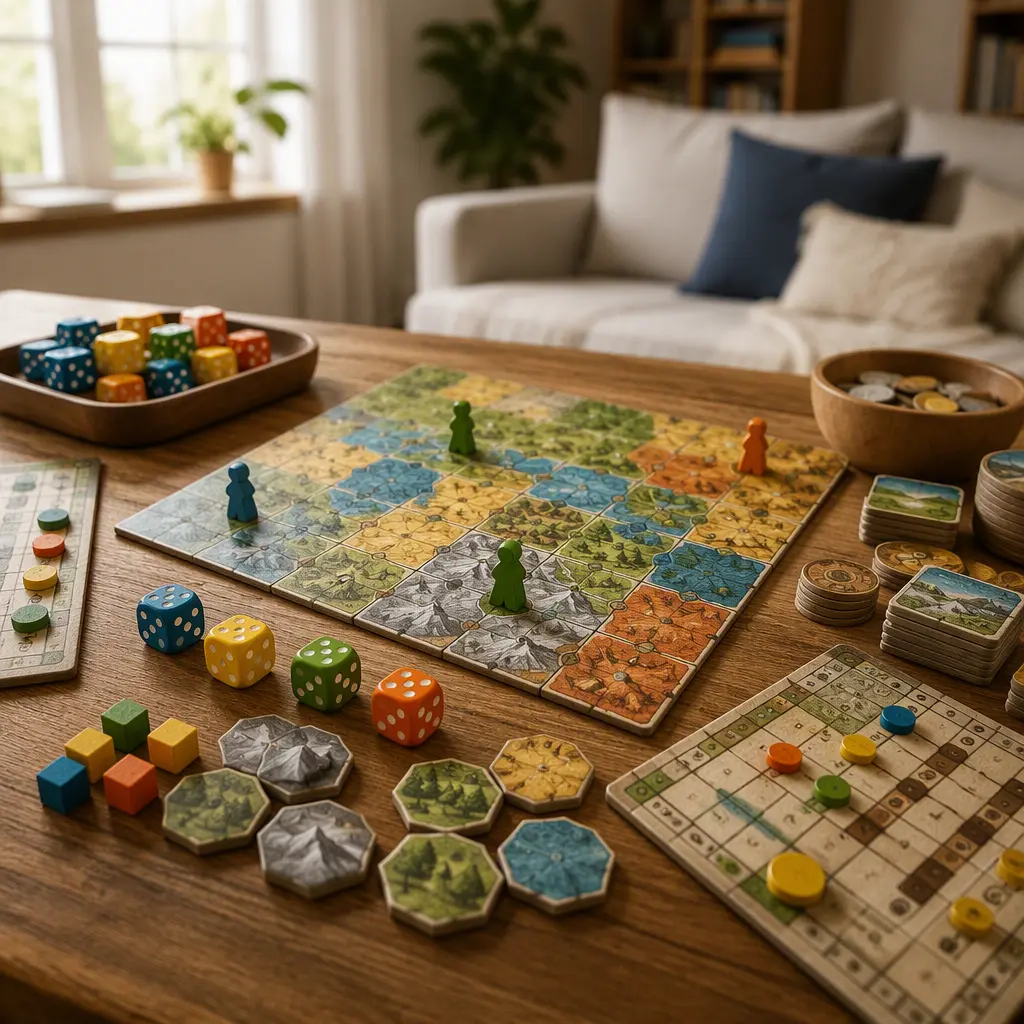
Compare prices and availability
Check current prices and availability for this guide on eBay.
As an eBay Partner, we may be compensated if you make a purchase.
For children who dislike losing, the type of game matters as much as the theme. Dice games and tile games create very different emotional experiences during play, especially for children aged 6–8 who are still developing frustration tolerance and flexible thinking. Dice games usually move faster and rely more heavily on chance, while tile games often reward planning and patience. Neither style is automatically better for sensitive or competitive children, but one may fit your household more comfortably depending on how your child reacts to setbacks, waiting turns, surprise outcomes, and direct competition.
What to look for
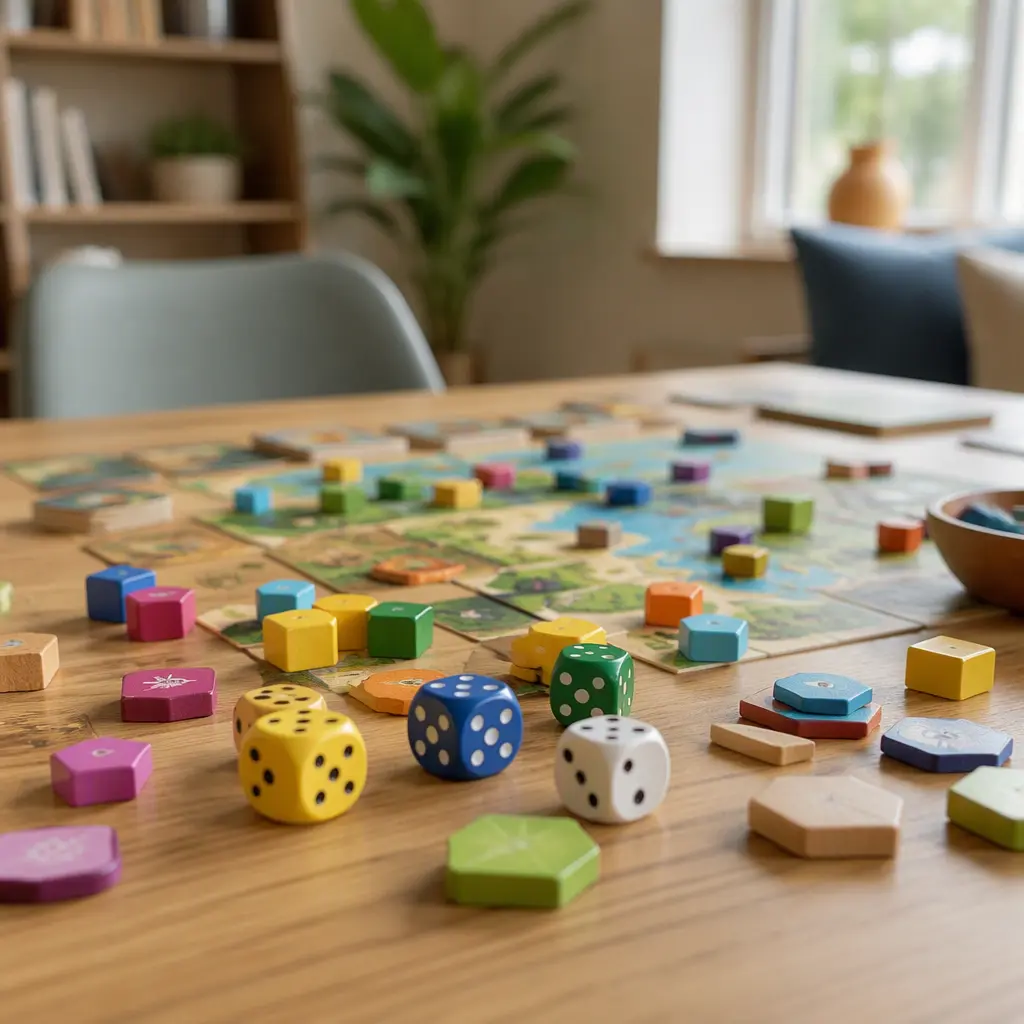
Children who become upset during games often react to a combination of unpredictability, pressure, and game length rather than simply losing itself. Some children cope better when luck clearly explains the outcome, while others become frustrated when random events erase careful decisions. Before choosing a game style, consider how your child handles waiting, surprises, noise, and visible score gaps. Family logistics also matter. Quick games are easier to replay after disappointment, while quieter games may work better in shared spaces or before bedtime.
- Choose shorter play sessions if your child struggles to recover after losing.
- Look for cooperative or team-based versions if direct competition causes conflict.
- Dice games usually create more excitement and noise but less long-term tension.
- Tile games often involve slower turns and more visible strategy, which can increase pressure for some children.
- Games with catch-up mechanics or hidden scoring can reduce emotional intensity.
- Chunky tiles are often easier to store and less likely to roll under furniture than loose dice.
- Children who dislike surprises may prefer games with open information and predictable turns.
Age suitability
Most children aged 6–8 can handle simple rule systems, but emotional readiness varies widely. Dice games are often easier for younger or more impulsive players because turns are quick and outcomes change rapidly. A bad roll feels temporary when another round starts immediately. Tile games can suit children who enjoy sorting, matching, building patterns, or planning ahead, but they may frustrate children who dislike waiting or watching others interfere with their setup. Some seven- and eight-year-olds enjoy strategic thinking, while others still prefer highly active, luck-driven play. Parents managing sibling rivalry may also find that strongly strategic games increase arguments if one child consistently dominates.
Options compared
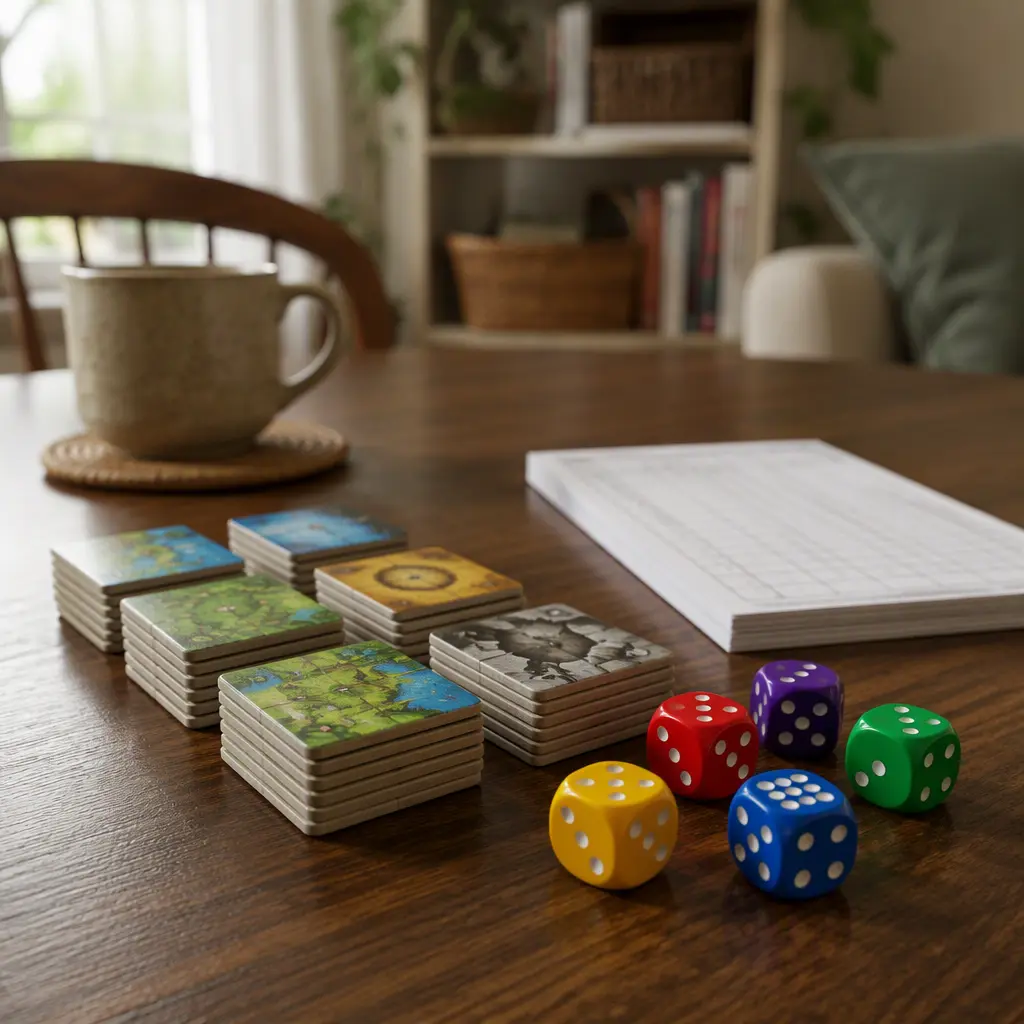
Dice games are often the easier starting point for children who take losses personally. Because luck plays such a visible role, children may feel less responsible for losing. Fast rounds also allow quick recovery. Roll-and-move games, simple racing games, and push-your-luck games tend to keep energy high and reduce long periods of tension. The trade-off is that some children become frustrated when outcomes feel unfair or random, especially if repeated bad rolls stop progress entirely. Dice can also increase noise levels and excitement, which may not suit calmer households or children who become overstimulated easily.
Tile games usually reward observation, memory, matching, or planning. Domino-style games, tile-laying games, and pattern-building games can feel calmer and more thoughtful. Children who enjoy organizing or solving puzzles often prefer this style. However, tile games may create stronger feelings around mistakes because players can see decisions developing over time. A child who loses after careful planning may react more strongly than they would in a luck-heavy dice game. Tile games also tend to involve longer turns and more visible score differences, which can increase tension in highly competitive families.
- Choose dice games for quick sessions, energetic play, mixed skill levels, and children who recover quickly when another round begins.
- Choose tile games for calmer pacing, quieter households, puzzle-oriented children, and families who enjoy strategy without fast reactions.
- Avoid highly strategic tile games if one child consistently outplays younger siblings.
- Avoid elimination-style dice games for children who struggle with exclusion or waiting after losing.
- Cooperative tile or dice games can work well for children who need practice handling setbacks without direct head-to-head competition.
Frequently asked questions
Are dice games too random for learning strategy?
Not necessarily. Many children benefit from games where luck softens the emotional impact of losing. Simple decision-making, turn-taking, and risk assessment still develop during dice games, especially in games where players choose when to stop rolling or how to use results.
Why do some children react more strongly to tile games?
Tile games often make progress visible. Children may spend several turns building toward a plan, so interruptions or losing can feel more personal. Slower pacing can also leave more time for frustration to build between turns.
Which style works better for siblings with different skill levels?
Dice games are usually easier for mixed ages because luck naturally narrows skill gaps. Strategic tile games may favor older or more experienced players unless the rules include balancing mechanics or cooperative goals.
Do cooperative games help with competitive frustration?
They can. Cooperative games shift the focus toward shared problem-solving rather than individual victory. This often reduces conflict while still teaching patience, communication, and emotional regulation. Some children eventually transition more comfortably into competitive games after positive cooperative experiences.
What practical differences matter for parents?
Dice games are often more portable and quick to set up, but they can be noisy and easy to lose under furniture. Tile games are typically quieter and sturdier on the table, though heavier sets may need more storage space and longer cleanup times.
For children aged 6–8 who hate losing, the most comfortable choice is usually the one that keeps disappointment manageable and replay opportunities frequent. Dice games tend to suit children who need quick emotional resets and lighter consequences, while tile games often appeal to children who enjoy slower thinking and structured play. Matching the game style to your child’s temperament can make family game time feel less stressful and more enjoyable for everyone at the table.