Skip-Bo Junior: A Kid-Friendly Twist on a Family Card Game
Skip-Bo Junior adapts the long-running sequencing card game for younger players with simpler rules, colorful art, and shorter rounds that encourage multi-generational play.
Compare prices and availability
Check current prices and availability for this guide on eBay.
As an eBay Partner, we may be compensated if you make a purchase.
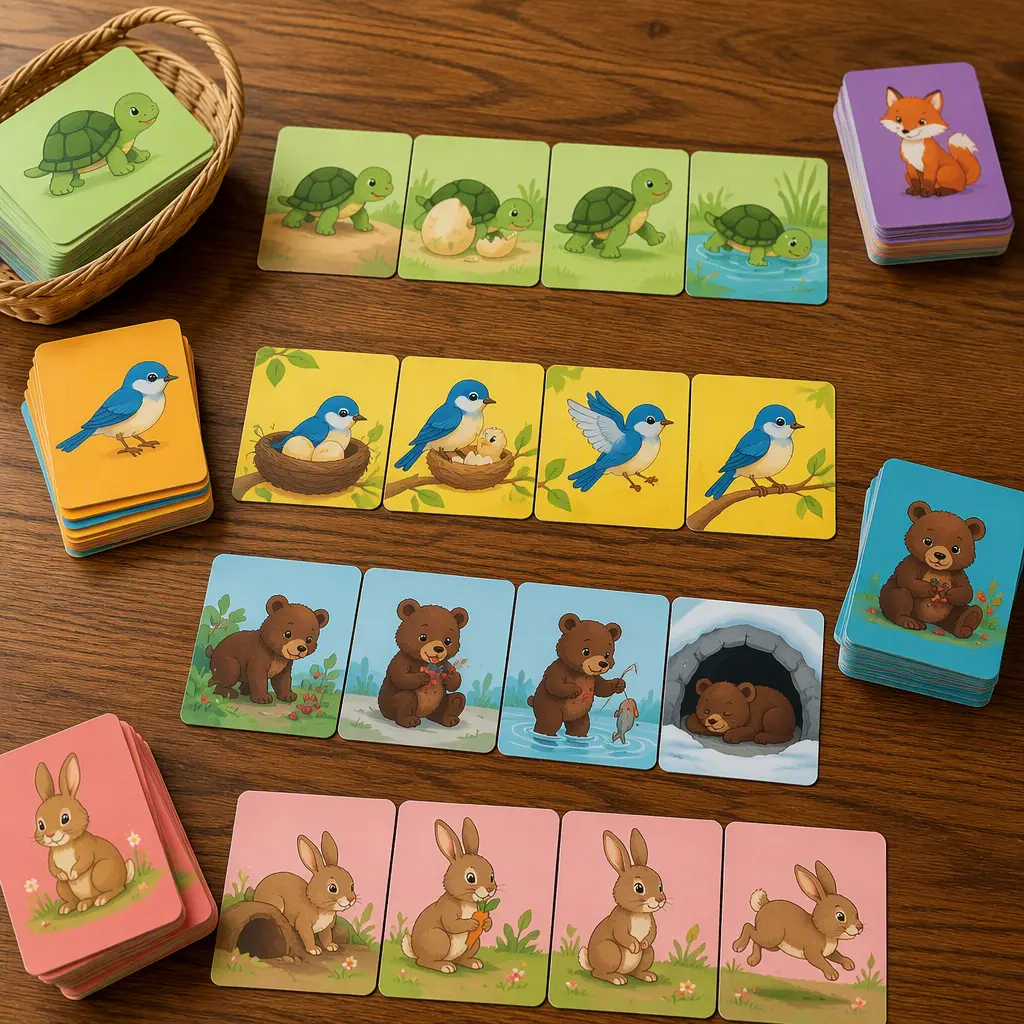
Skip-Bo Junior arrived at a moment when many family game makers were rethinking how younger children join game night. The original Skip-Bo has long been known as an easy-to-learn sequencing card game for mixed-age groups, but younger kids could still struggle with the pace, numbers, and hand management. The junior version trims down the complexity while keeping the core satisfaction of building sequences and clearing cards. The result is a game designed less around competition between experts and beginners, and more around giving younger players a genuine seat at the table.
Where it came from
The original Skip-Bo traces its roots back to the 1960s and became widely associated with family-friendly gameplay built around sequential stacking and simple strategy. Over decades, it earned a place alongside classic card and tabletop games that could work across generations without requiring long setup times or complicated rulebooks. Its appeal came from accessibility: players could learn the basics quickly while still making meaningful decisions during play.
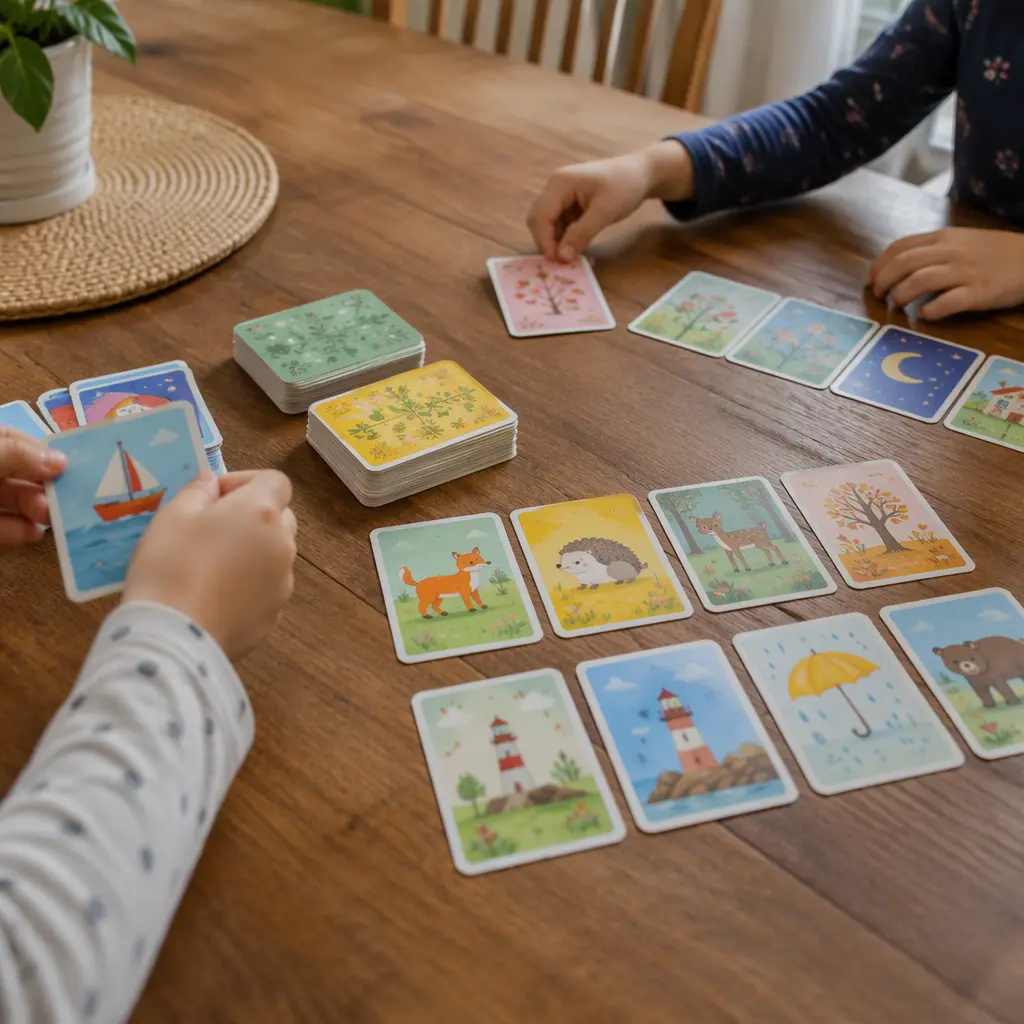
Skip-Bo Junior, introduced in 2023, reflects a broader trend in contemporary toy and game design. Publishers increasingly create junior editions not simply to simplify rules, but to adjust pacing, visual communication, and attention span expectations for younger children. In this version, brighter illustrations, gentler learning curves, and shorter rounds help early players understand turn structure and sequencing without becoming overwhelmed. Rather than treating children as spectators to an adult game, the adaptation reshapes the experience around participation and confidence-building.
Why it works
At its core, Skip-Bo Junior succeeds because it preserves the satisfying rhythm that made the original game popular. Players still work toward organizing and clearing cards in sequence, which creates a constant sense of progress. Younger children often respond well to games where actions visibly move the play state forward, and Skip-Bo Junior leans into that design principle. Turns tend to feel active instead of passive, reducing downtime that can frustrate younger participants.
The junior format also lowers the reading and math barriers that can discourage new players. Colorful symbols and approachable card layouts help children recognize patterns faster. The game becomes less about memorizing rules and more about spotting opportunities, matching sequences, and reacting to what other players do. Adults can still enjoy the strategic layer, but the experience stays accessible enough that children are not constantly asking for help.
- Shorter rounds that fit younger attention spans
- Simple sequencing mechanics that encourage pattern recognition
- Bright visual design that helps non-readers participate
- Low setup requirements for casual family play
- Enough strategy to keep older siblings and adults engaged
Who it's for
Skip-Bo Junior is aimed primarily at early elementary-age children, though its broader appeal comes from how comfortably it fits mixed-age households. Parents and grandparents often appreciate games that can be explained in minutes and replayed multiple times without fatigue. Younger players get the excitement of making decisions independently, while older players can subtly adjust their competitiveness to keep games balanced. The game also works well in classrooms, after-school groups, and travel settings because the rules are straightforward and the components are portable.
Variants and what to look for today
As with many successful family card games, Skip-Bo Junior sits within a growing category of simplified tabletop adaptations aimed at younger players. Some versions focus heavily on matching colors or pictures, while others preserve more of the original sequencing strategy. Families shopping today will notice that junior games often emphasize cooperative or low-pressure play styles compared with older competitive card games.
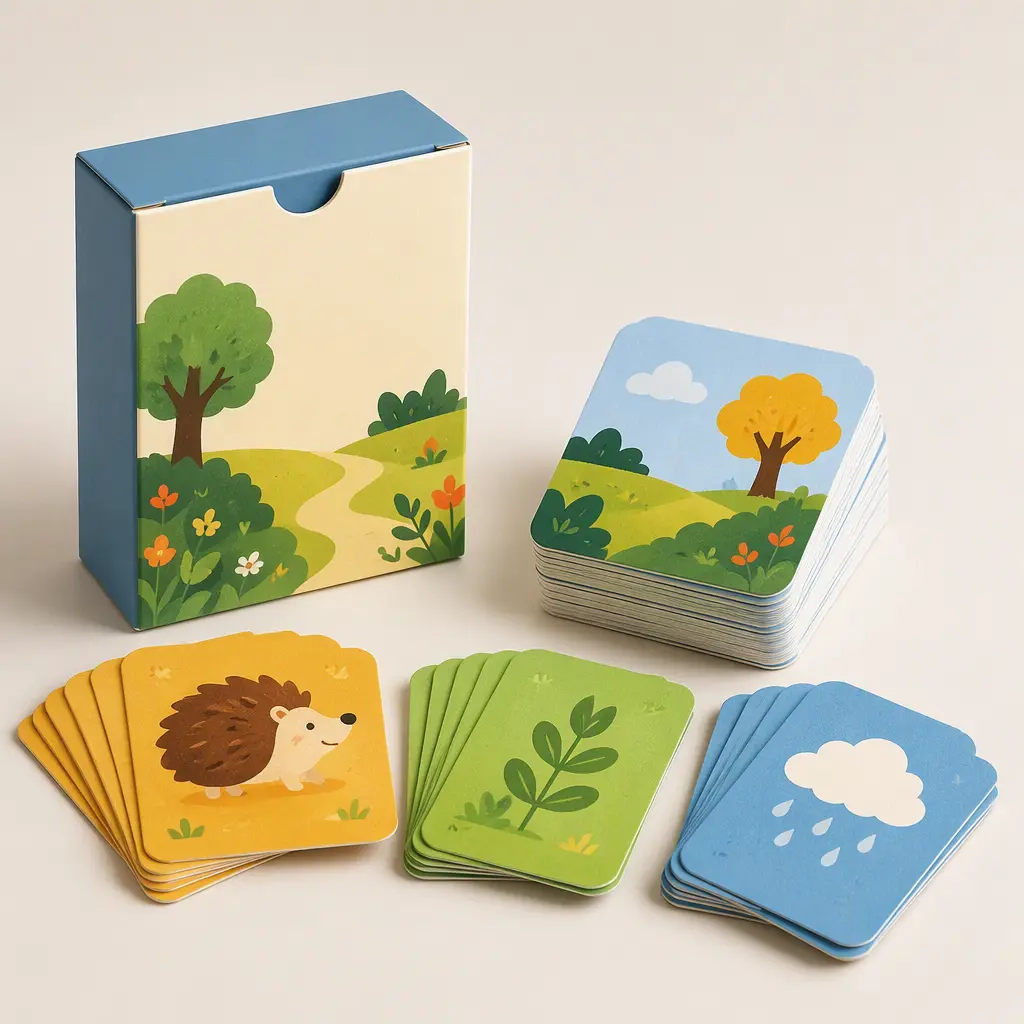
When choosing a version, it helps to focus on card durability, visual clarity, and ease of shuffling. Younger children can be rough on cards, so thicker stock and rounded corners are practical advantages. It is also worth checking whether the artwork and symbols are easy to distinguish at a glance, especially for children still learning numbers and patterns.
- Look for sturdy cards that can handle repeated family play
- Choose editions with clear color contrast and large symbols
- Travel-friendly storage can make the game easier to bring along
- Avoid unofficial low-quality copies with hard-to-read card layouts
- Consider whether younger players prefer competitive or cooperative game styles
Frequently asked questions
Is Skip-Bo Junior very different from the original game?
The junior version keeps the sequencing foundation of the original while simplifying presentation and pacing for younger players. It is designed to be easier to learn and faster to play.
What skills does the game encourage?
The game supports pattern recognition, turn-taking, basic sequencing, planning ahead, and social interaction. Because turns move quickly, it also encourages attention and adaptability.
Can adults still enjoy playing it?
Yes. While the strategy is lighter than the original Skip-Bo, many adults enjoy the quick pace and the opportunity to play on equal footing with younger children. It works especially well for casual family game nights.
Does it work for children who are new to card games?
Skip-Bo Junior is particularly approachable for beginners because the rules are direct and the visual design helps guide gameplay. Many families use it as an introduction to turn-based card games before moving to more advanced titles.
Skip-Bo Junior reflects a larger shift in contemporary game design toward shared family experiences instead of strictly age-separated play. By adapting a familiar sequencing game into a format younger children can genuinely participate in, it turns game night into something collaborative rather than instructional. Its success comes not from reinventing the original formula, but from carefully adjusting it so different generations can enjoy the same table together.