Taco Cat Goat Cheese Pizza and the Joy of Fast Chaos
Taco Cat Goat Cheese Pizza turned a simple deck of cards into a loud, fast party game built on timing, mistakes, and reflexes. Its quick rounds and easy rules helped it become a modern family-game hit.
Compare prices and availability
Check current prices and availability for this guide on eBay.
As an eBay Partner, we may be compensated if you make a purchase.
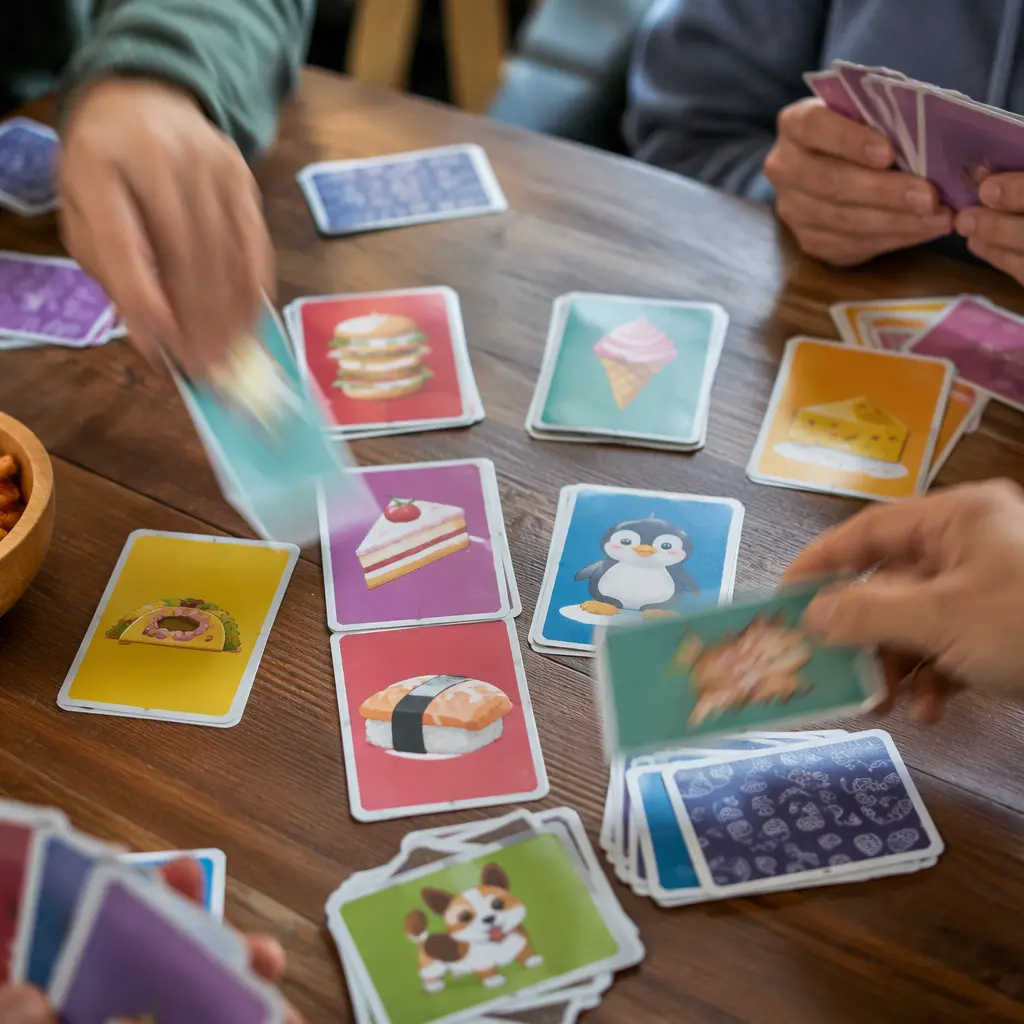
Some party games rely on strategy, while others depend almost entirely on timing, confusion, and the willingness of players to look a little ridiculous. Taco Cat Goat Cheese Pizza belongs firmly in the second category. Released during the modern boom in compact social games, it became popular because almost anyone can learn it in under two minutes, yet every round quickly dissolves into laughter, wrong moves, and frantic hand slaps on a growing pile of cards. The game combines rhythm, memory, and reflexes in a format that works equally well at family gatherings, classrooms, road trips, and adult game nights.
Where it came from
Taco Cat Goat Cheese Pizza first appeared in 2018 during a period when lightweight social games were becoming a major category in tabletop gaming. Many successful games of the era shared a few traits: portable boxes, short play sessions, simple rules, and strong reactions from players. Instead of long setup times or complicated scoring systems, these games focused on creating memorable moments almost immediately.
The design itself draws from older playground-style reaction games where players repeat words in sequence while watching for matching patterns. Taco Cat Goat Cheese Pizza transformed that familiar structure into a modern commercial card game with quirky art, fast pacing, and broad accessibility. The title's unusual sequence of words also helped it stand out. It sounds random at first, but repeating the phrase over and over becomes part of the experience, especially as players lose concentration under pressure.
Why it works
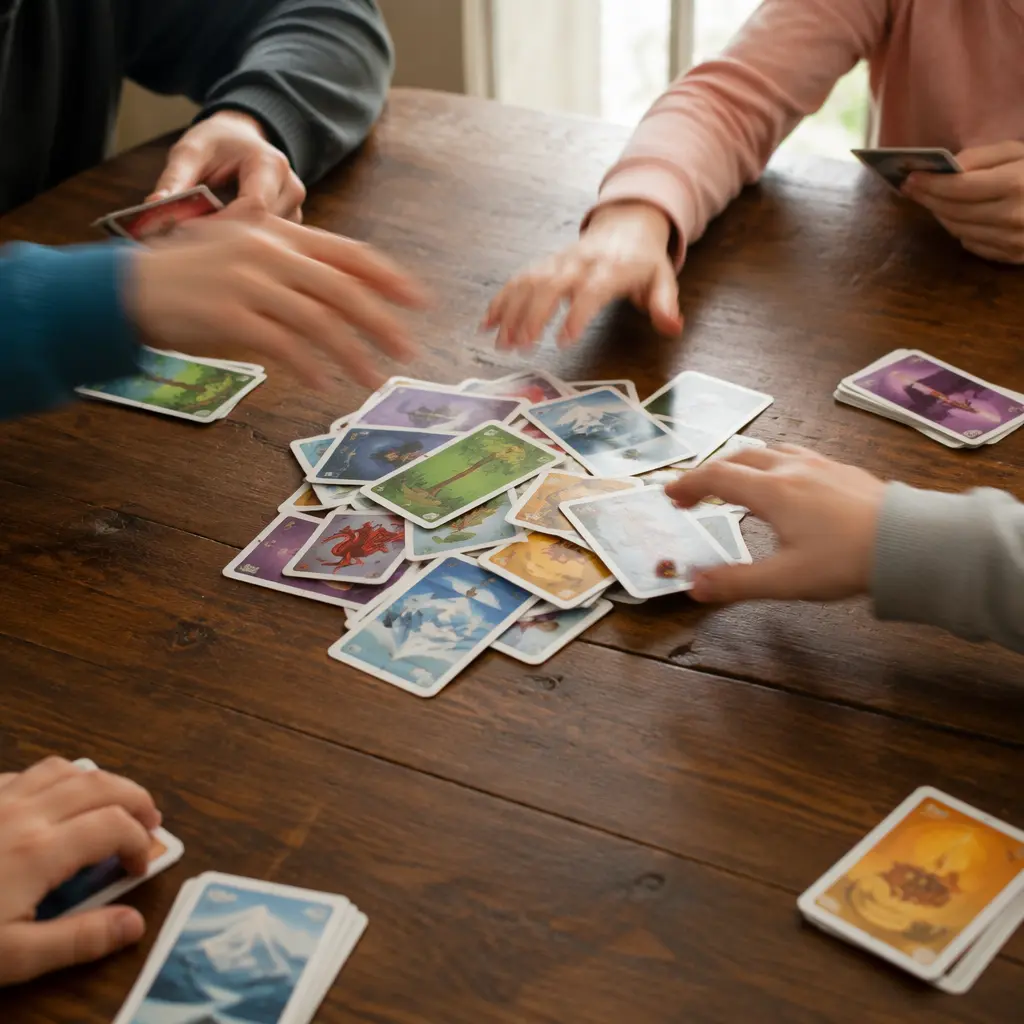
At its core, the game succeeds because it creates controlled confusion. Players take turns placing cards face up while saying one word from the repeating phrase: taco, cat, goat, cheese, pizza. Whenever the spoken word matches the revealed card, everyone races to slap the pile. Certain special cards add extra gestures or motions that interrupt the rhythm even further. The rules are simple enough for children, but the speed of play creates mistakes even among experienced adults.
The design cleverly balances predictability and chaos. Because players know the word order in advance, everyone feels briefly confident. Then the pace accelerates, someone hesitates, another player slaps too early, and the pile suddenly changes hands. Rounds are short, which keeps eliminated players from sitting out too long and encourages immediate rematches.
- Easy-to-learn rules that can be explained in minutes
- Fast rounds that suit parties and family gatherings
- Portable card-only format for travel or classrooms
- Strong replay value driven by player interaction rather than complex components
- Physical reflex gameplay that feels different from traditional strategy card games
Who it's for
The game is generally best for older children, teens, and adults who enjoy noisy group activities and quick reactions. Younger players can participate once they are comfortable following the repeating word sequence, although the speed and hand-slapping elements may frustrate some children at first. Adults often enjoy it because it creates the same kind of impulsive mistakes that make playground games funny, regardless of age. It also works well for mixed-age groups since experienced players do not always have an advantage. The social energy matters more than careful planning.
Variants and what to look for today
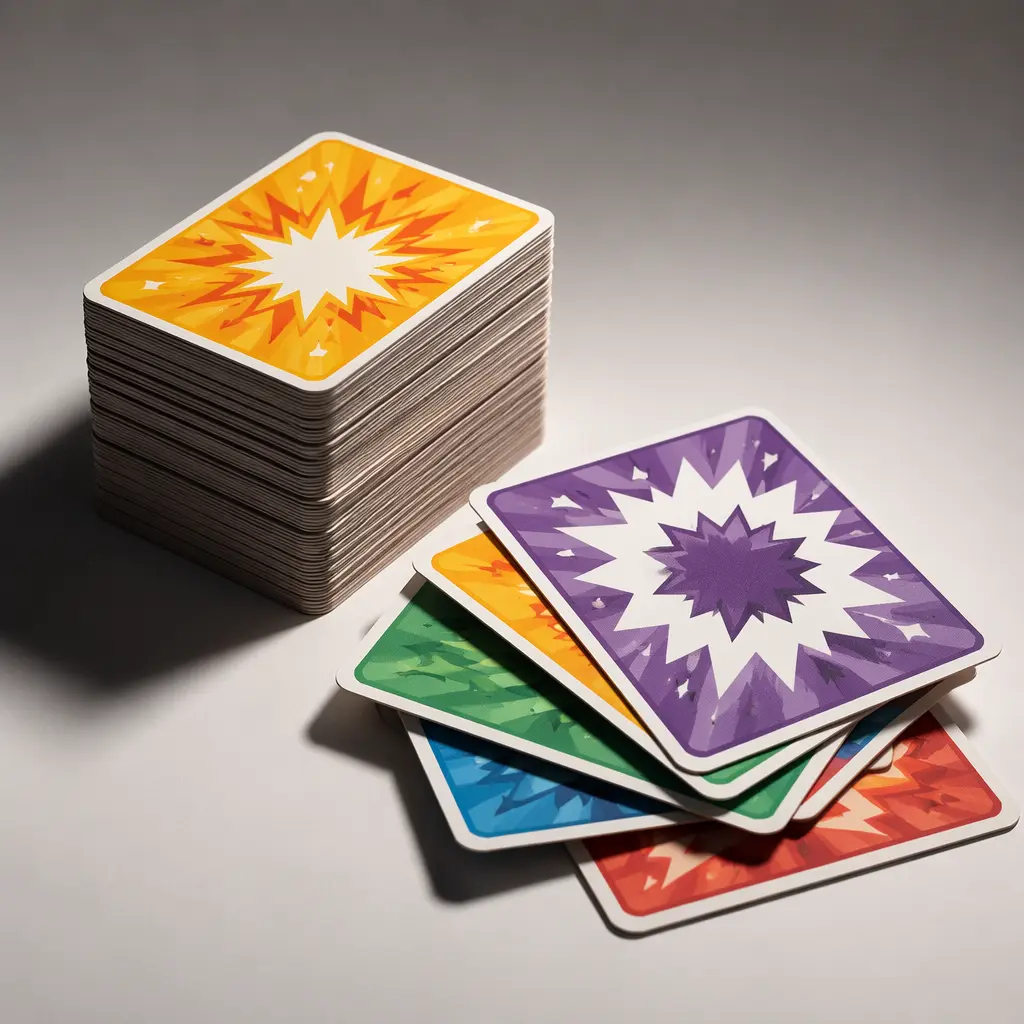
As the game's popularity grew, different editions and regional versions appeared, including travel-friendly formats and alternate card designs. The core gameplay remains largely the same across releases, so most players can safely choose whichever version is easiest to find. Compact packaging is part of the appeal, especially for families who want a game that can fit into a backpack or glove compartment.
When shopping today, buyers should pay attention to card durability and print quality. Fast reflex games put constant stress on decks because cards are repeatedly slapped, bent, and shuffled. Lower-quality imitation versions may wear out quickly or use slippery cardstock that changes the feel of the game.
- Look for sturdy cards that can handle repeated shuffling and quick grabs
- Compact travel editions are convenient for vacations and classrooms
- Larger groups tend to make the game louder and more chaotic
- Some editions include alternate artwork while keeping the same core mechanics
- Generic imitation decks may have weaker card stock or unclear illustrations
Frequently asked questions
How long does a typical game last?
Most rounds finish within 10 to 15 minutes, though groups often play several rounds in a row because setup is nearly instant.
Is it a strategy game or a reflex game?
It is primarily a reflex and attention game. Success depends more on timing, focus, and resisting mistakes than on long-term planning.
Can adults enjoy it as much as kids?
Yes. The game's appeal comes from how easily adults become flustered under pressure. Mixed-age groups often end up evenly matched because everyone makes errors.
Does it work well for travel?
The small deck format makes it especially convenient for travel, camping, restaurants, and gatherings where players want something quick without a large game board or accessories.
Taco Cat Goat Cheese Pizza represents a broader shift in tabletop gaming toward accessible social experiences that prioritize energy over complexity. It does not require deep strategy, expensive components, or hours of commitment. Instead, it turns a small stack of cards and a repetitive phrase into a game that reliably creates noise, tension, and laughter. That combination has helped it earn a lasting place among modern party games, especially for players who value quick reactions and shared chaos over careful planning.