Best Stackable Toys for Toddlers in Small Homes
Compact stacking toys can support motor skills and imaginative play without taking over a small living space. This guide compares practical options for toddlers aged 1–2.
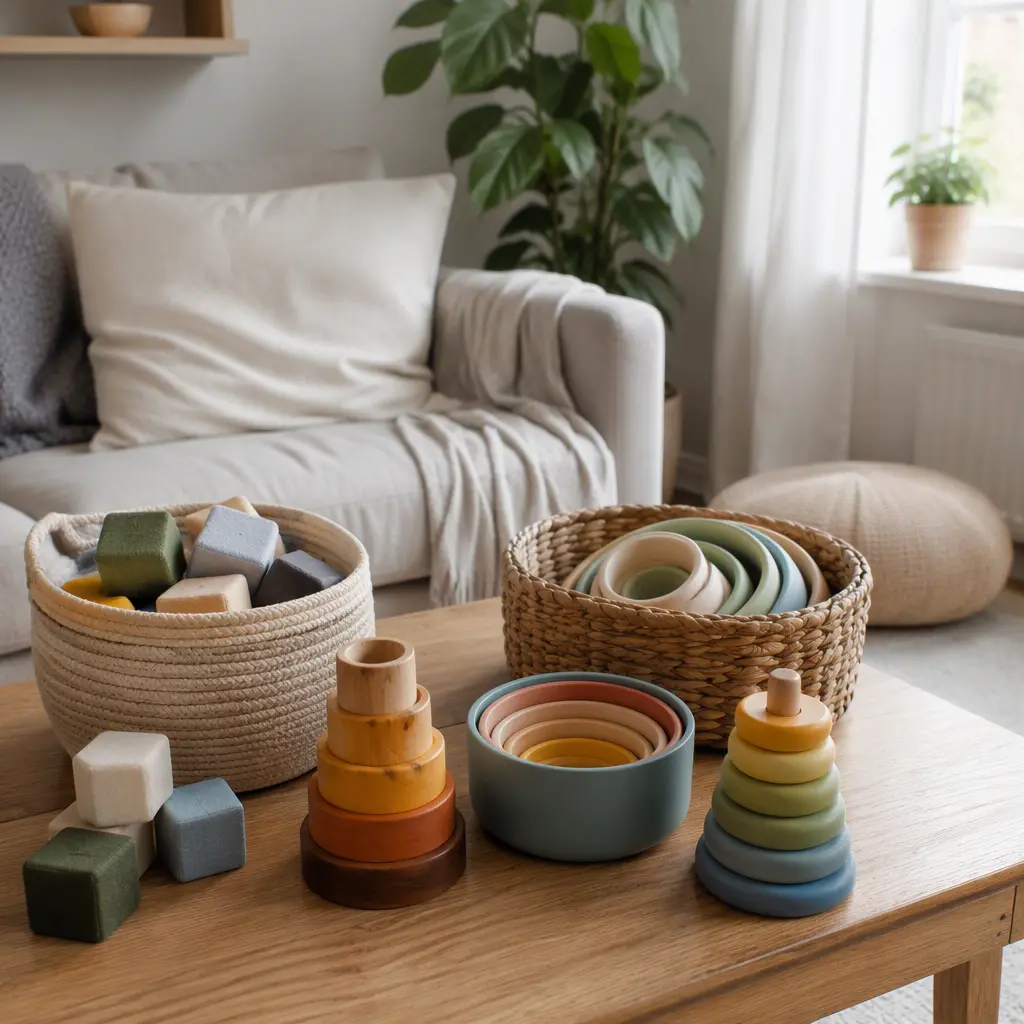
Compare prices and availability
Check current prices and availability for this guide on eBay.
As an eBay Partner, we may be compensated if you make a purchase.
Stackable toys are one of the easiest ways to keep toddler play areas manageable in a small home. Many stacking toys nest inside each other, fit into a single basket, and support a wide range of early skills without needing batteries or large floor space. For children aged 1–2 years, the best choices usually combine simple shapes, easy-to-grip pieces, and flexible play patterns that can grow from basic stacking into sorting, pretend play, and early building. The main challenge for parents is choosing toys that stay useful without creating clutter, noise, or supervision concerns.
What to look for
For small homes, compact storage matters as much as play value. Toys that fully nest or stack vertically tend to stay easier to manage than large open-ended building sets that spread across multiple rooms. Toddlers in the 1–2 year range also benefit from toys with rounded edges, lightweight parts, and clear cause-and-effect play patterns. Materials affect both durability and noise levels. Wooden toys often last longer and feel stable, while silicone, foam, or lightweight plastic options can be quieter on apartment floors.
- Choose nesting or self-contained sets that fit into one bin or basket.
- Look for large pieces designed for toddlers, especially for children who still mouth toys.
- Prioritize open-ended play value so the toy stays useful beyond simple stacking.
- Consider noise levels if you live in an apartment or share walls with neighbors.
- Check how easy the pieces are to wipe clean after floor play or snack-time use.
- Avoid overly complex sets with many tiny accessories that are difficult to store.
Age suitability
Most stackable toys labeled for toddlers are designed with large pieces and simple movements suitable for children between 12 and 24 months, but the exact stage still matters. Younger toddlers often enjoy knocking towers down more than building them, so lightweight cups, fabric blocks, and soft stackers can be easier to use successfully. Closer to age two, many children begin experimenting with balance, matching sizes, and pretend play. Nesting bowls may become kitchen props, while wooden blocks can turn into bridges, garages, or animal homes. If a child becomes frustrated easily, toys with obvious size progression and fewer pieces are usually more approachable than detailed construction-style sets.
Options compared
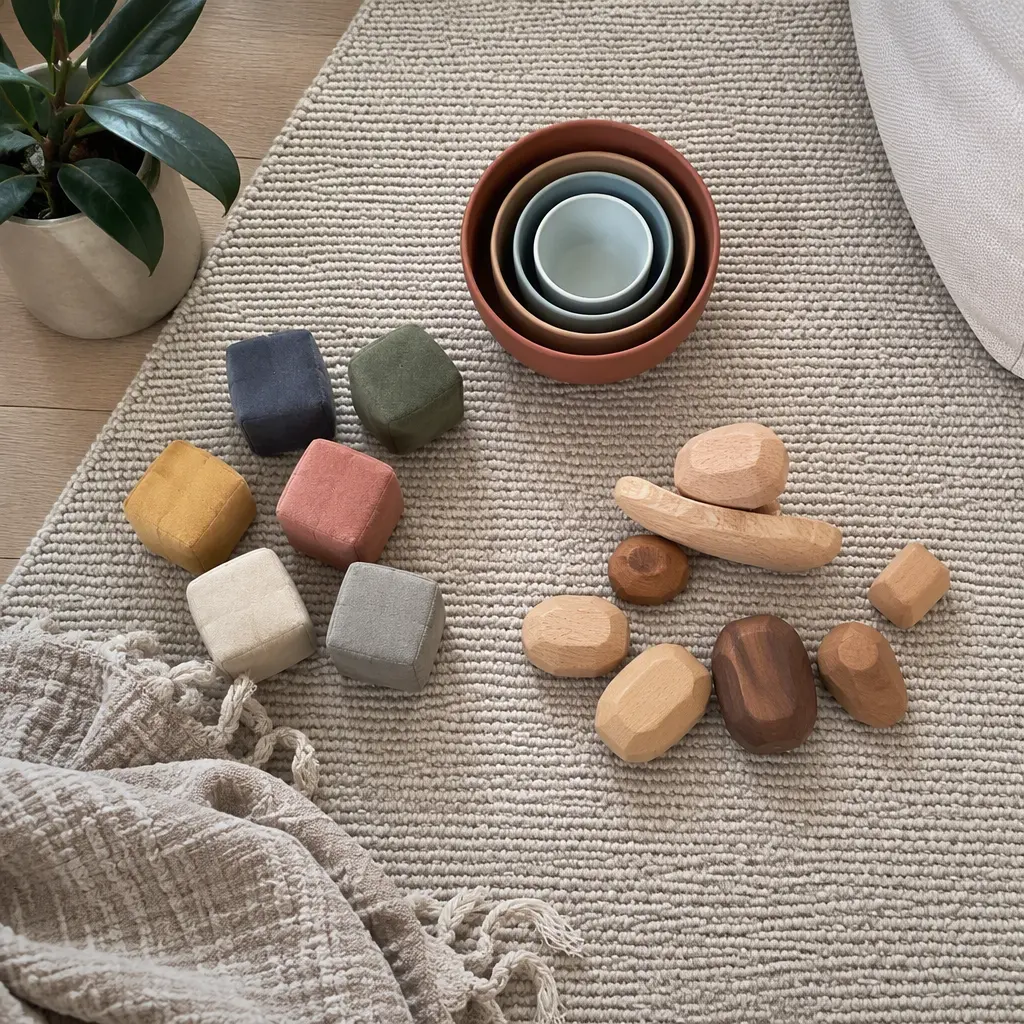
Stacking cups are often the most space-efficient choice for small homes because they collapse into a single tower when not in use. They suit younger toddlers well and work for water play, bath time, sand tables, and basic counting games later on. Plastic versions are lightweight and portable, while silicone options are quieter and softer underfoot. The trade-off is that some children lose interest faster if the cups do not support broader pretend play.
Wooden stacking rings and peg stackers offer a more structured experience. They can help toddlers practice hand-eye coordination and size sequencing, and they tend to stay visually tidy in living spaces. However, rigid wooden pieces can be noisy on hard flooring and may require more supervision during energetic play. Soft stacking blocks are usually quieter and safer for early climbers, but fabric styles sometimes take up more storage room because they do not nest tightly. Nesting bowls and open-ended wooden bowls often stay useful the longest because they support sensory play, toy rotation, sorting activities, and pretend cooking without needing additional accessories.
- Stacking cups: best for compact storage, travel, bath play, and younger toddlers.
- Wooden ring stackers: best for focused motor skill play and simple routines.
- Soft stacking blocks: best for quieter homes and active toddlers who throw toys.
- Nesting bowls: best for long-term open-ended play and multi-use activities.
- Balancing stones or irregular stackers: better for older toddlers nearing age two who enjoy experimentation and problem-solving.
Frequently asked questions
Are wooden stacking toys better than plastic ones?
Neither material is automatically better for every family. Wooden toys often feel sturdier and can last through multiple stages of play, but they are heavier and louder on hard floors. Plastic and silicone toys are usually lighter, easier to carry, and quieter in apartments or shared living spaces.
How many stacking toys does a toddler actually need?
In small homes, one or two versatile sets are often enough. A nesting cup set paired with either soft blocks or nesting bowls can cover many types of play without overwhelming storage space. Rotating toys instead of keeping everything available at once can also help maintain interest.
Do stacking toys help development?
Stacking and nesting activities can support fine motor coordination, hand control, early spatial awareness, and problem-solving. Open-ended sets also encourage repetition, which is a common way toddlers learn through play at this age.
What works best for apartment living?
Soft materials and nesting designs are usually easiest for apartment households. Silicone stackers, foam blocks, and lightweight cups reduce floor noise and store neatly in small spaces. Large wooden block sets may create more noise and require more floor area.
When should parents avoid advanced balancing toys?
Irregular balancing stones or complex stacking games can frustrate younger toddlers who are still learning basic stacking motions. These toys tend to work better closer to age two and usually require more supervision because pieces may be heavier or less stable.
The best stackable toy for a small home is usually the one that stays easy to store while still supporting different kinds of play over time. Simple nesting sets, stackers, and soft blocks can provide daily screen-free activities without filling every corner of a living room or nursery. Choosing compact, flexible toys often makes cleanup easier for parents and keeps play spaces calmer for toddlers.