Building Toys Teens Can Use Like Real Tools
A buyer’s guide to building toys for teens that focus on hands-on mechanics, real tools, and practical skills—what to look for, age fit, and common questions for parents.
Compare prices and availability
Check current prices and availability for this guide on eBay.
As an eBay Partner, we may be compensated if you make a purchase.
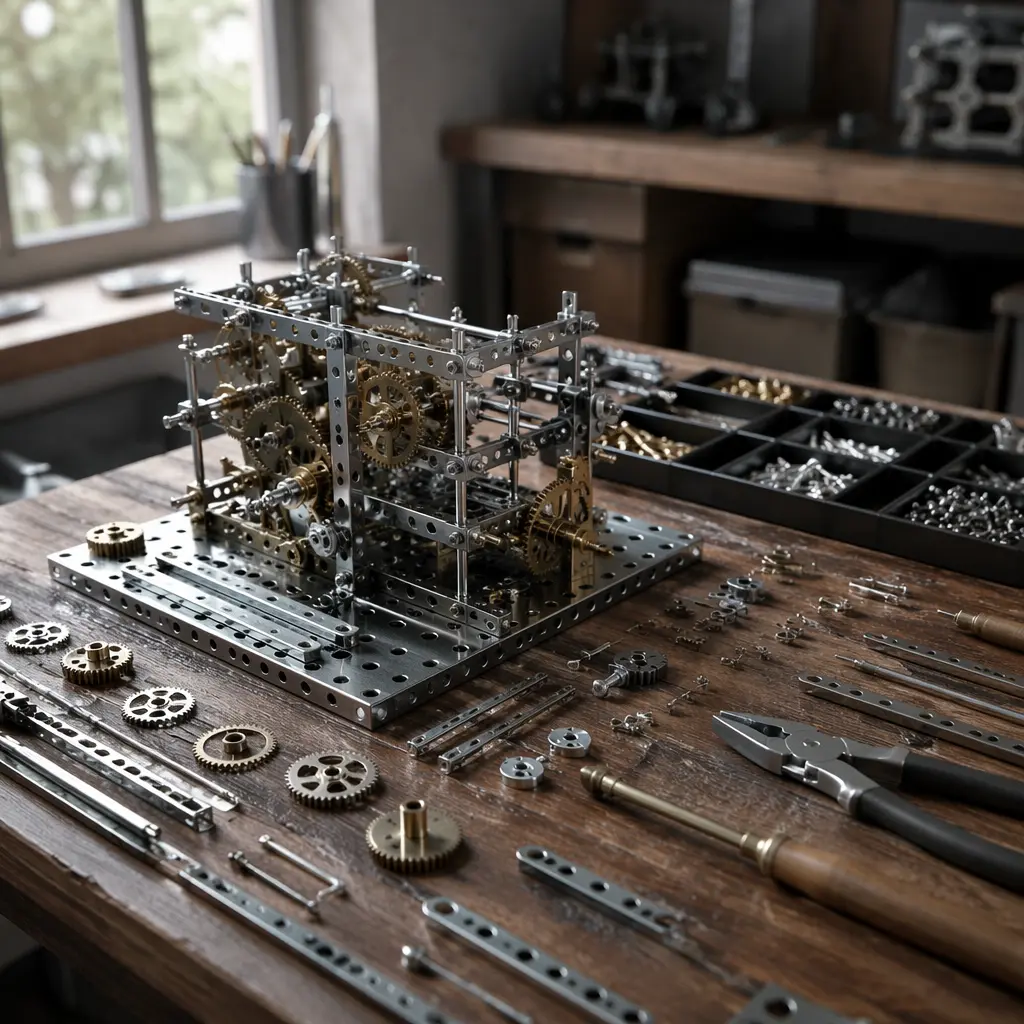
As kids move into their teen years, many outgrow toy-like construction sets that rely on bright colors or app-driven features. Building toys designed for teens can feel more like real tools and real projects. These sets emphasize mechanical understanding, problem-solving, and hands-on skills that mirror how things work outside the toy box. For parents shopping for ages 13 and up, the focus shifts from entertainment alone to learning by doing—tightening bolts, aligning gears, and building structures that behave like the real thing.
What to look for
Teen-focused building toys are less about quick builds and more about understanding systems. The best sets reward patience and careful thinking, and they feel closer to a workshop project than a playset. When comparing options, pay attention to how realistic and open-ended the experience is.
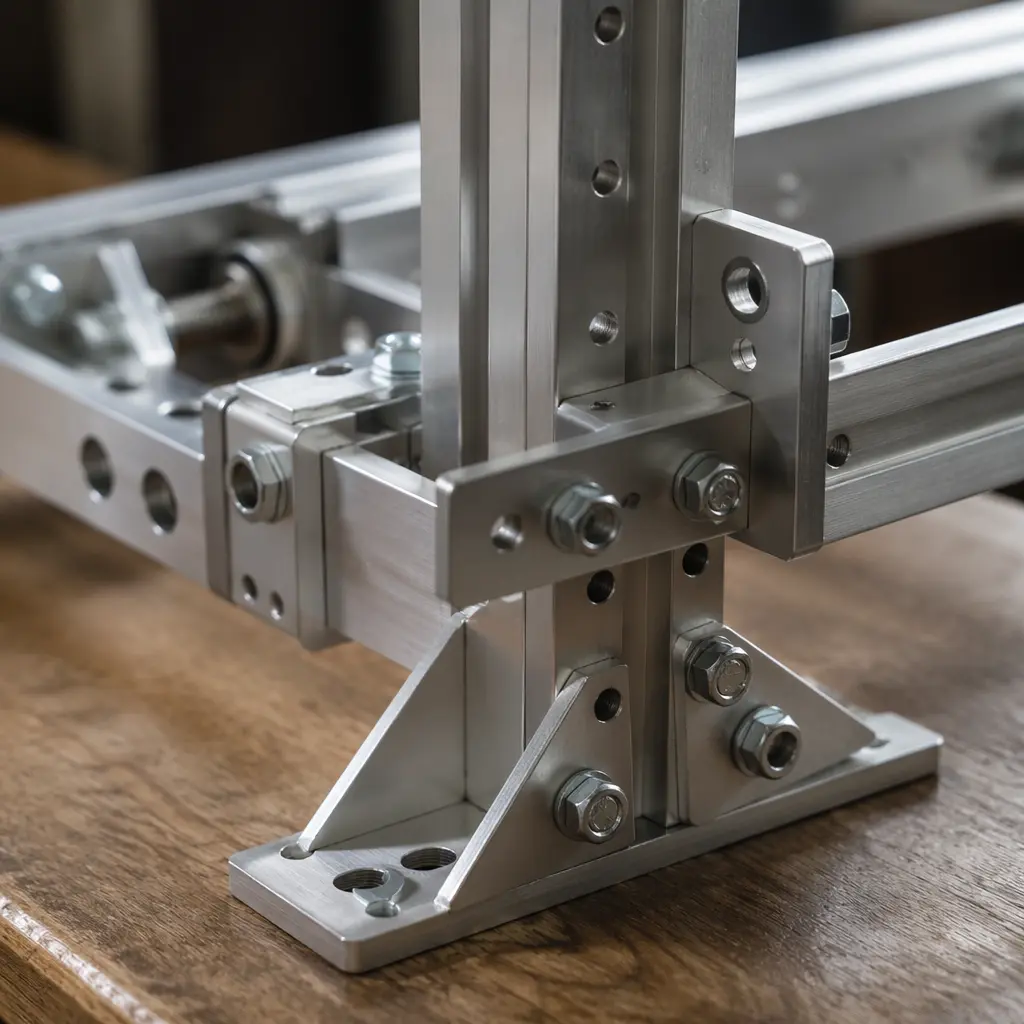
- Realistic materials such as metal, wood, or dense engineering plastics instead of lightweight snap pieces
- Functional fasteners like screws, nuts, bolts, or pins that require proper tools to assemble
- Mechanical elements including gears, pulleys, axles, or linkages that visibly transfer motion
- Clear, technical instructions that introduce diagrams and measured steps rather than cartoons
- Room for customization, allowing teens to modify designs or create their own builds
Age suitability
Sets labeled for ages 13 and up typically assume stronger fine motor skills, longer attention spans, and a willingness to troubleshoot mistakes. Builds may take hours or even days, and instructions may use symbols or terminology similar to real-world manuals. While motivated younger builders might manage with help, these toys are designed to challenge teens and give them a sense of responsibility and accomplishment. Parents should expect fewer instant results and more iterative learning.
Standout categories or types
Within the category of building toys for teens, several styles stand out for their focus on mechanics over flashy technology. Each type appeals to slightly different interests but shares a hands-on, tool-based approach.
- Mechanical construction sets that use metal beams and fasteners to build cranes, vehicles, or frameworks
- Woodworking-style kits that introduce measuring, sanding, and fastening wood components
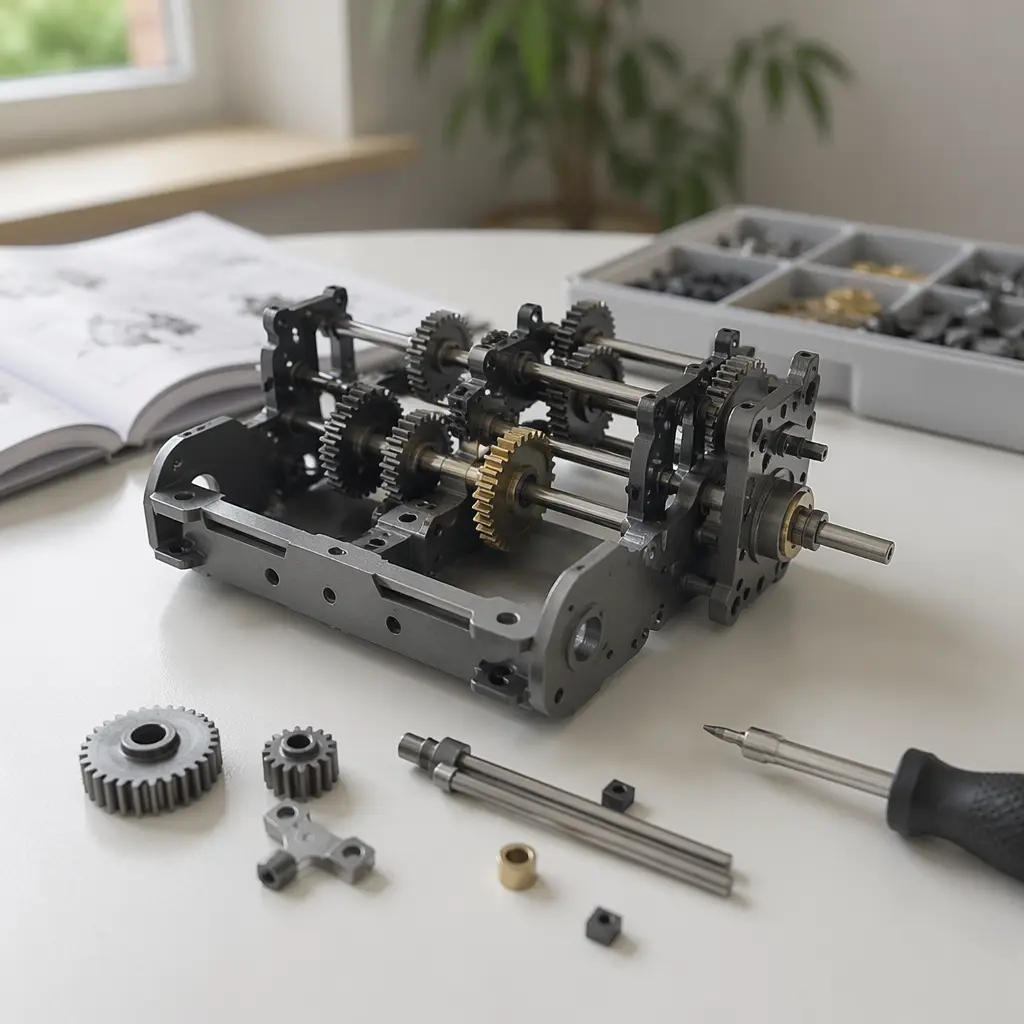
- Gear-and-motion kits focused on how rotational and linear movement interact
- Model engineering sets that replicate real machines in simplified but accurate form
These categories tend to attract teens who enjoy figuring out how things work rather than just following a script. They also scale well over time, as skills learned in one project often transfer to the next.
Frequently asked questions
Are these building toys educational or just hobbies?
They can be both. Many sets naturally introduce concepts from physics, engineering, and math, such as load-bearing structures or gear ratios. At the same time, they function as hobbies that encourage focus and persistence without feeling like schoolwork.
Do teens need prior experience with tools?
Most teen-oriented sets assume no formal experience but do expect a willingness to learn. Instructions usually explain tool use step by step. Parental guidance at the beginning can help build confidence, especially with unfamiliar tools.
How much adult supervision is required?
Supervision depends on the complexity of the tools involved. For sets with small parts or metal components, checking in regularly is wise. Many teens, however, can work independently once safety rules are clear.
Will these sets hold a teen’s interest long-term?
Open-ended sets with reusable parts tend to last longer than single-build kits. Teens who enjoy tinkering often revisit these toys to improve designs or create entirely new projects.
Building toys that feel like real tools offer teens a bridge between play and practical skills. By focusing on mechanics, materials, and thoughtful design, these sets can support creativity, confidence, and a deeper understanding of how everyday objects are made. For parents, they represent an option that respects a teen’s growing abilities while still encouraging safe, structured exploration.