Affordable Building Toys That Work Without Instructions
A parent-focused guide to budget-friendly building toys for ages 6–8 that encourage creativity without step-by-step instructions. Learn what to look for, age fit, safety tips, and common questions.
Compare prices and availability
Check current prices and availability for this guide on eBay.
As an eBay Partner, we may be compensated if you make a purchase.
Not every building toy needs a thick instruction booklet to be worthwhile. For children ages 6–8, open-ended building sets can offer hours of play by letting kids decide what to make, remake, and imagine. These toys focus less on following steps and more on experimenting, problem-solving, and personal creativity. The good news for parents is that many of the most flexible options are also affordable, durable, and easy to integrate with other toys at home.
What to look for
When shopping for instruction-free building toys, the goal is flexibility. These sets should invite trial and error and feel approachable even without guidance. A few practical features can make a big difference in how often the toy gets used.
- Simple pieces that connect in many ways, rather than only one correct configuration
- Durable materials that can handle repeated building, falling, and rebuilding
- A manageable number of parts so kids are not overwhelmed at the start
- Compatibility with other common building pieces for expanded play
- Clear age labeling that matches your child’s fine motor and problem-solving skills
Age suitability
For children ages 6–8, building toys without instructions tend to hit a sweet spot. Kids in this range usually have the hand strength and coordination to connect pieces securely, along with the imagination to plan their own designs. At the younger end, children may start with simple towers or patterns. Older kids often move toward bridges, vehicles, or pretend environments. Sets that grow with a child, rather than being “finished” in one afternoon, tend to offer the best long-term value.

Standout categories or types
Open-ended building toys come in several broad categories, each supporting creativity in a slightly different way. Some focus on balance and gravity, while others emphasize connection systems or spatial design. None require a finished model to be successful.
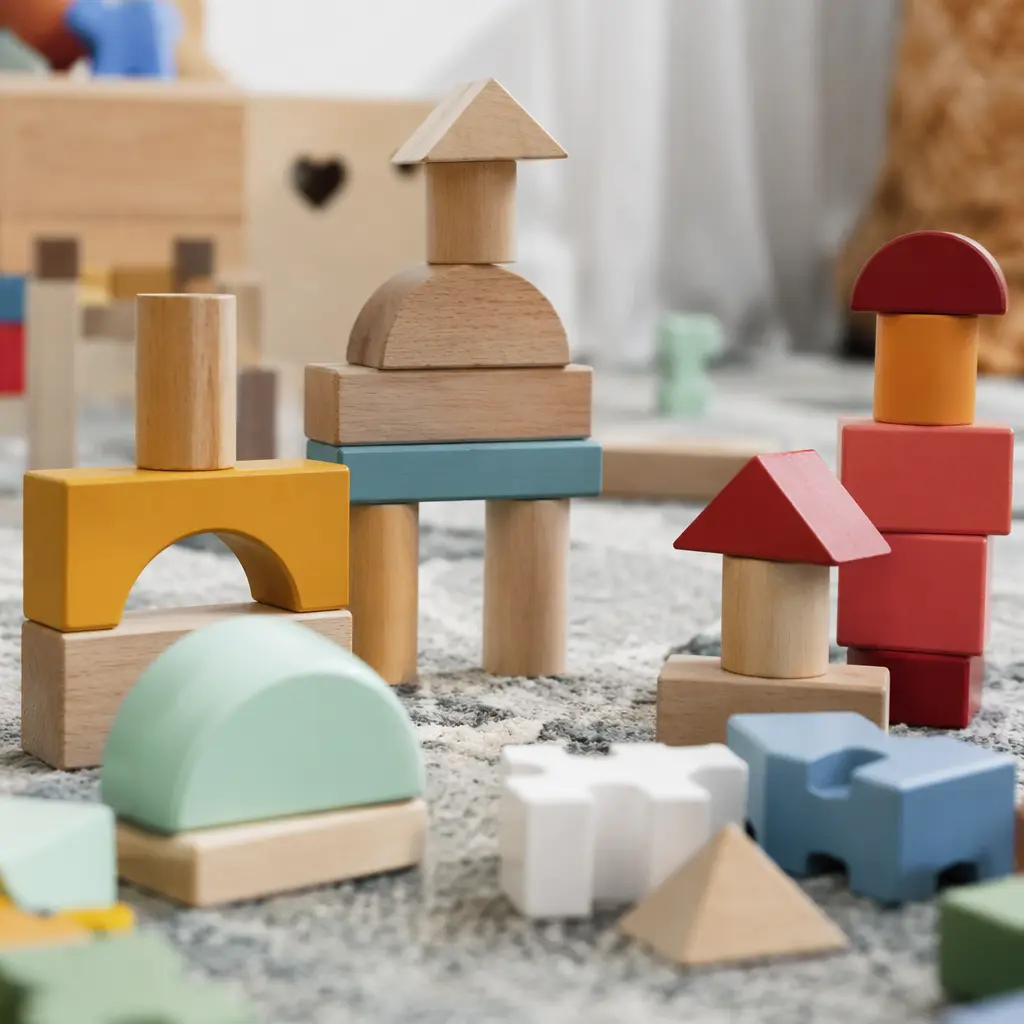
- Stacking and balance sets that encourage experimenting with weight, symmetry, and stability
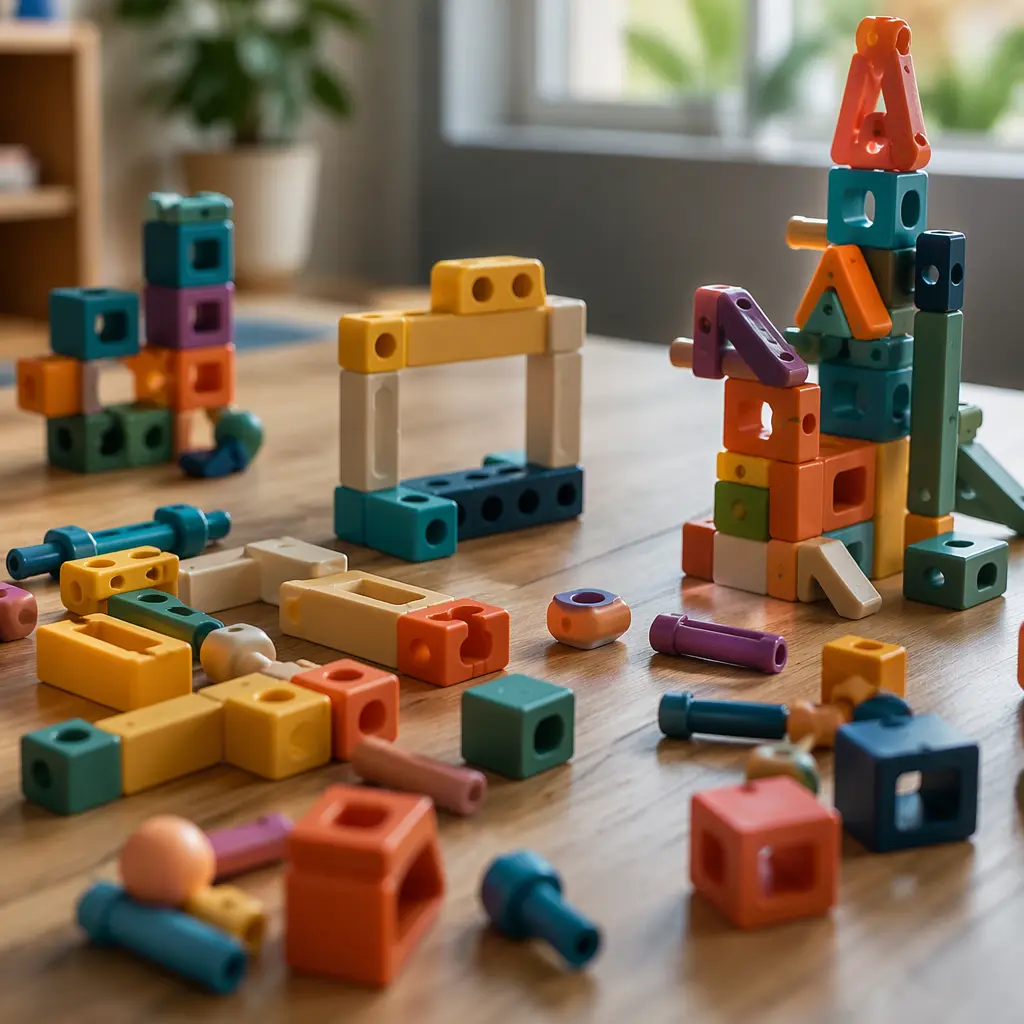
- Connector-based systems that snap, slot, or peg together for flexible structures
- Magnetic or interlocking shapes that allow quick rebuilding and redesigning
- Modular panels or planks that support larger, collaborative builds
Across these categories, affordability often comes from simplicity. Sets with fewer specialized parts usually cost less and still offer a wide range of possibilities. Many parents also find that these toys blend well with household items like cardboard, fabric, or recycled materials, further extending play without added cost.
Frequently asked questions
Will my child get bored without instructions?
Most children do not. In fact, many stay engaged longer because there is no single “right” result. If interest dips, a simple prompt like building something tall, fast, or imaginary can restart play without taking control away from the child.
Are these toys educational?
Yes, though in a less formal way. Open-ended building supports spatial reasoning, basic engineering concepts, fine motor skills, and creative thinking. These benefits come from hands-on experimentation rather than instruction-following.
How many pieces are enough?
For ages 6–8, a medium-sized set is often ideal. Too few pieces can feel limiting, while too many can be overwhelming. Many families start with a smaller set and add more later if interest stays high.
Can these be used for group play?
Most open-ended building toys work well for siblings or playdates because there is no single goal to compete over. Children can collaborate on one structure or work side by side on separate ideas.
Affordable building toys that work without instructions can be a smart choice for families who value creativity and flexibility. By focusing on simple, durable pieces and open-ended play, these sets often deliver lasting engagement without a high price tag. For children ages 6–8, they offer room to explore, invent, and grow at their own pace.