Cheap Building Toys That Encourage Open-Ended Play
A buyer’s guide to affordable building toys for ages 3–5 that encourage creativity without instructions, themes, or complicated systems.
Compare prices and availability
Check current prices and availability for this guide on eBay.
As an eBay Partner, we may be compensated if you make a purchase.
Open-ended building toys give young children the freedom to create, rebuild, and experiment without being locked into a single outcome. For preschoolers ages 3–5, the best budget-friendly options are simple, sturdy, and flexible—designed to work without step-by-step instructions or proprietary systems. These toys often cost less because they rely on basic shapes and repeatable pieces rather than licenses or complex parts, yet they can support years of imaginative and skill-building play.
What to look for
When shopping for inexpensive building toys, focus less on the box art and more on how the pieces can be used over and over. Open-ended sets should invite experimentation, allow for mistakes, and adapt to different play styles as your child grows.
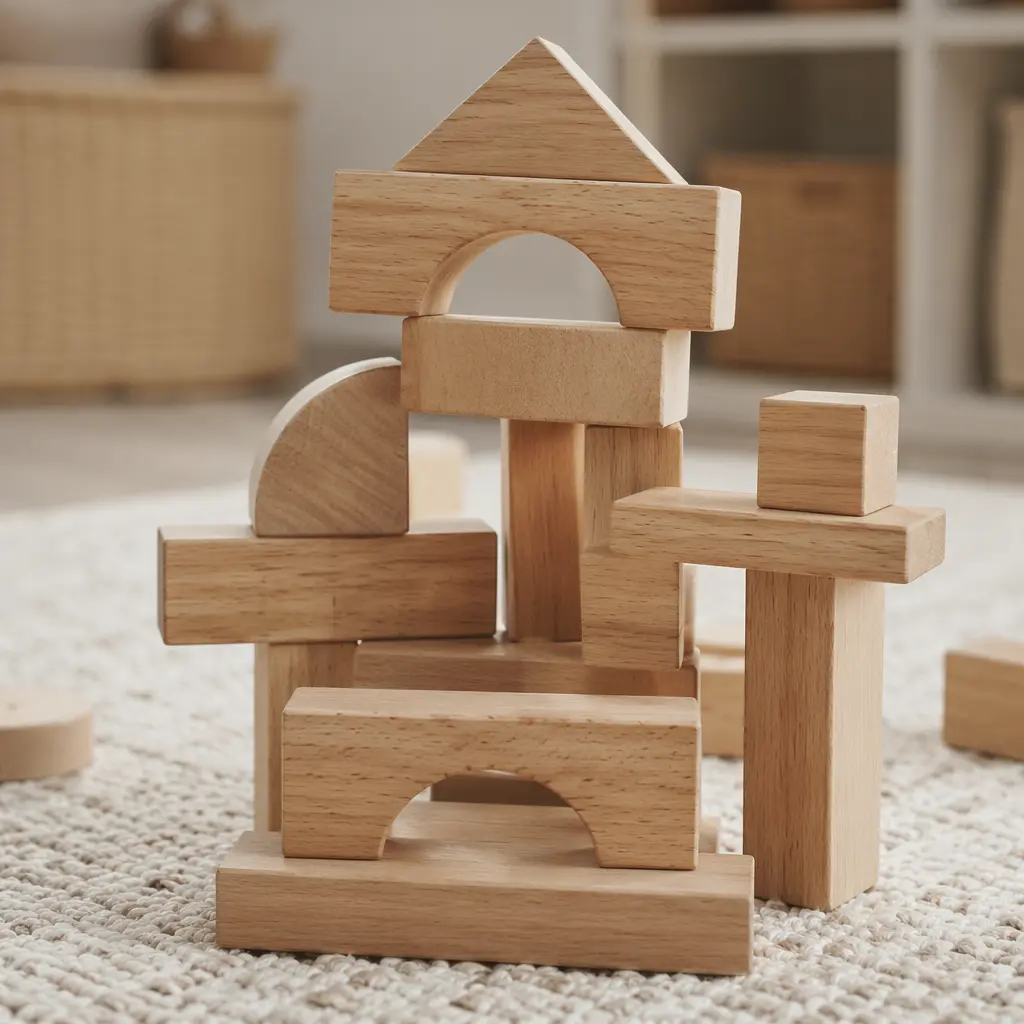
- Simple shapes: Blocks, planks, tubes, or tiles that can be combined in many ways without special connectors.
- Durable materials: Solid wood, thick plastic, or dense foam tend to hold up better than thin, brittle parts.
- Loose pieces over fixed builds: Sets without a single intended model support imagination and problem-solving.
- Reasonable piece size: Large enough for small hands to manage comfortably and safely.
- Expandable value: Sets that can mix with household items or other generic toys extend play without extra cost.
Age suitability
For children ages 3–5, building toys should balance challenge with approachability. At this stage, kids are developing fine motor skills, spatial awareness, and early planning abilities. Large blocks and simple connectors work well for younger preschoolers, while older children in this range may enjoy experimenting with balance, symmetry, and basic structures like bridges or towers. Avoid sets with very small pieces or fragile parts, as these can limit independent play and increase frustration.
Standout categories or types
Several categories of low-cost building toys consistently support open-ended play for preschoolers. These options focus on repeatable pieces and flexible use rather than themed builds or licensed characters.
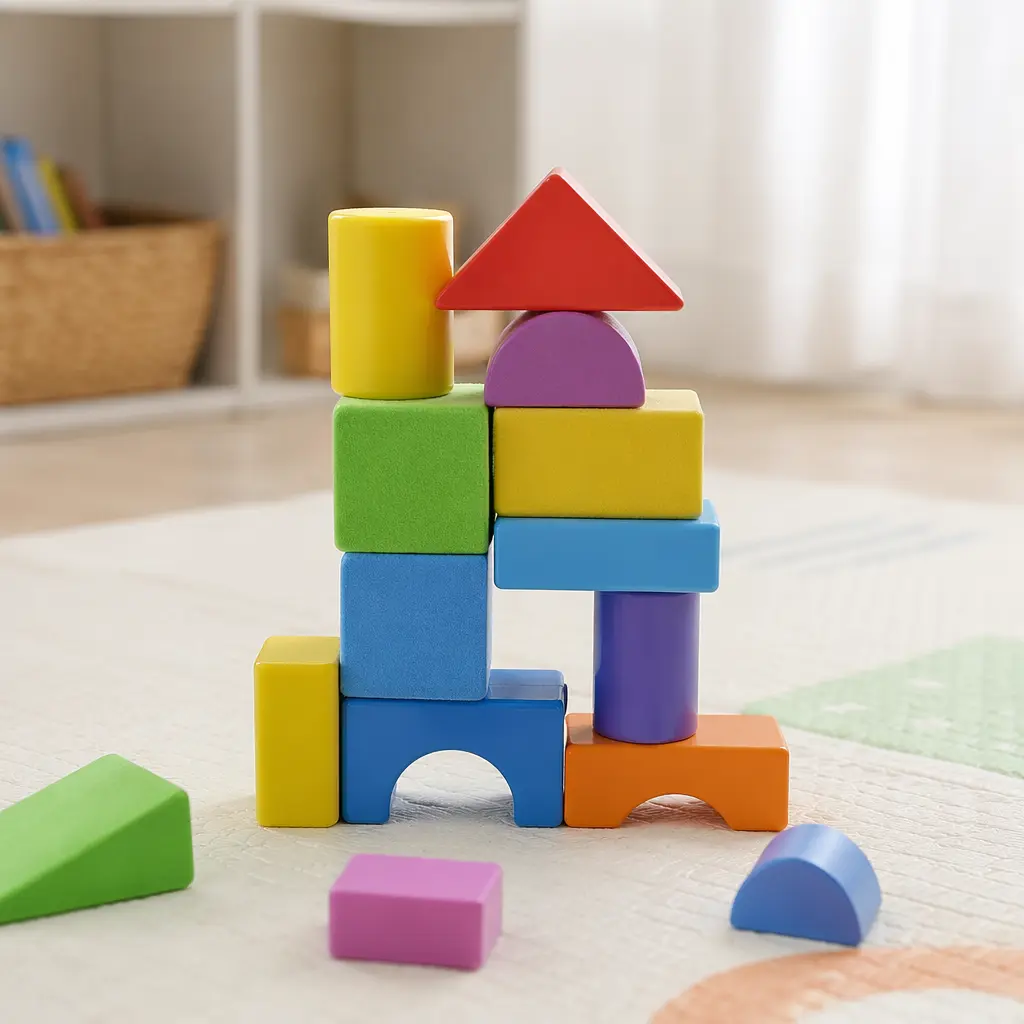
- Classic wooden blocks: Timeless, affordable sets that encourage balance, counting, and imaginative structures.
- Interlocking bricks with simple geometry: Generic brick sets without themes allow free building and easy rebuilding.
- Planks and balance boards: Flat pieces that challenge kids to think about weight, stability, and cause and effect.
- Magnetic or snap-together shapes: When made with large, enclosed magnets or simple snaps, these can be intuitive and satisfying for preschool hands.
- Foam or cardboard construction pieces: Lightweight options that are often budget-friendly and easy to store.
Frequently asked questions
Are instruction-free building toys really educational?
Yes. Open-ended building toys support early STEM skills by encouraging children to test ideas, solve problems, and learn from trial and error. Without instructions, kids practice planning, spatial reasoning, and creative thinking at their own pace.
How many pieces are enough for meaningful play?
For ages 3–5, a modest number of well-chosen pieces often works better than a very large set. Around 20–50 versatile pieces can provide plenty of building options without overwhelming younger children.
Do cheaper sets wear out faster?
Not always. Many inexpensive building toys use simple designs and sturdy materials that hold up well. Durability depends more on material thickness and construction than on price alone.
Can open-ended building toys grow with my child?
Yes. These toys often remain interesting as children develop new skills. A basic block set used for stacking at age three may become part of storytelling or more complex structures a few years later.
Affordable, open-ended building toys can deliver long-lasting value by focusing on creativity rather than complexity. By choosing simple, durable pieces that invite exploration, parents can support imaginative play and early learning without stretching the toy budget.