Are Electronic Building Sets Safe for Kids Ages 6–8?
A parent-friendly guide to safety, supervision, and learning value in electronic building sets for ages 6–8. Learn what to look for, age fit, and common questions before buying.
Compare prices and availability
Check current prices and availability for this guide on eBay.
As an eBay Partner, we may be compensated if you make a purchase.
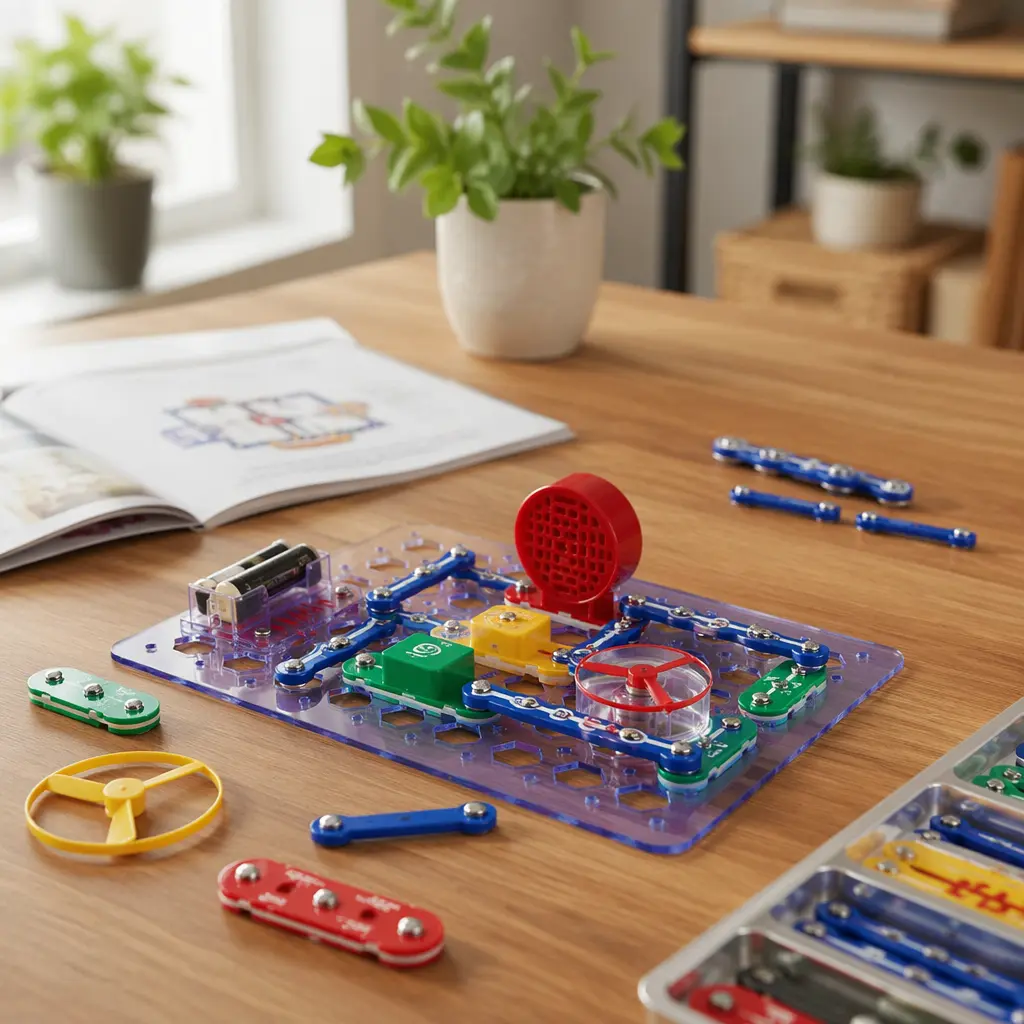
Electronic building sets introduce kids to circuits, switches, lights, and simple motors through hands-on play. For children ages 6–8, these kits can spark curiosity about how things work, but parents often wonder about safety, durability, and whether the learning claims hold up. This guide explains what matters most when choosing an electronic building set for this age group, with a focus on safety, supervision, and real educational value.
What to look for
Not all electronic building sets are designed with younger kids in mind. For ages 6–8, the safest and most useful kits balance simple electronics with sturdy construction and clear guidance.
- Low-voltage power sources, typically small batteries rather than wall plugs
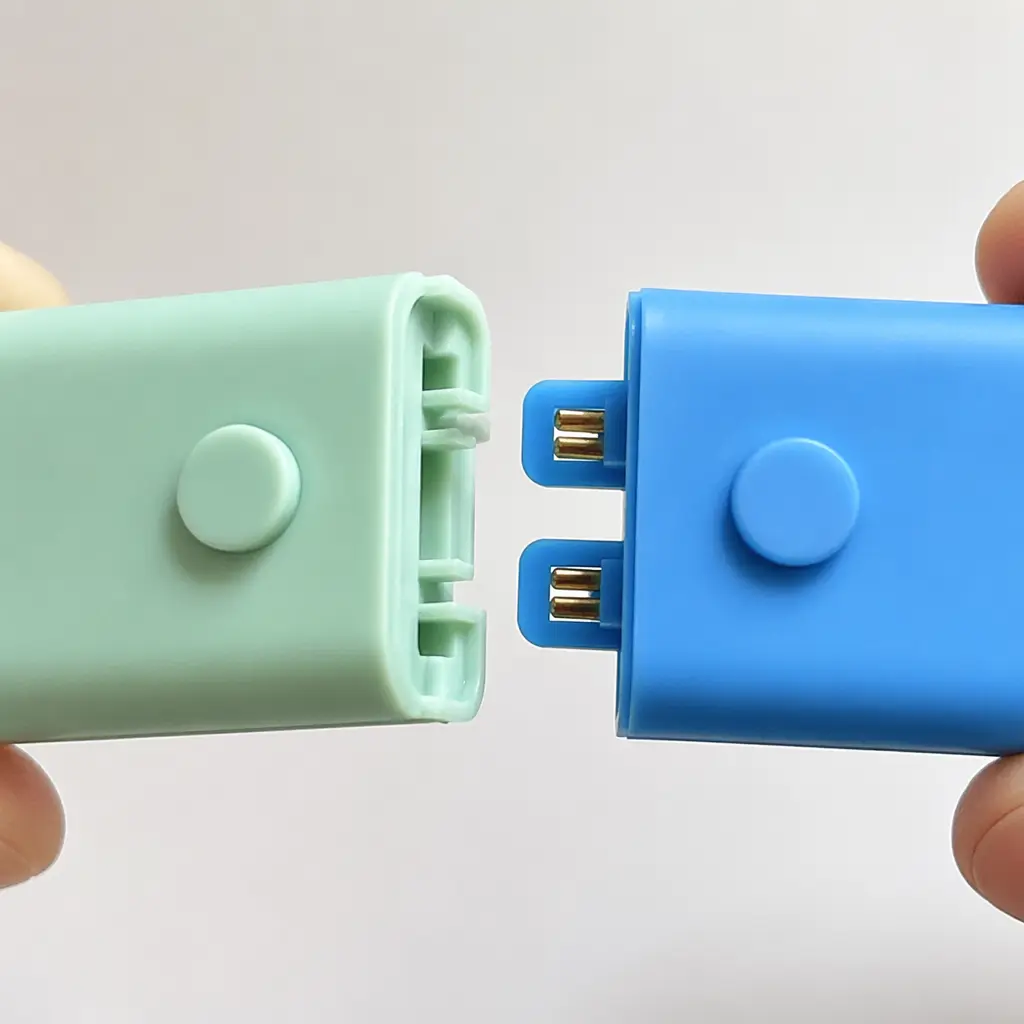
- Enclosed or insulated components that prevent contact with metal conductors
- Large, easy-to-handle pieces that reduce choking risk
- Clear visual instructions with step-by-step builds
- Durable plastic parts that can handle repeated assembly
- Automatic shutoff or limited power output to prevent overheating
Age suitability
Electronic building sets labeled for ages 6–8 are usually designed to match developing fine motor skills and early logical thinking. At this stage, kids can follow simple diagrams, connect parts in the correct order, and understand basic cause-and-effect relationships, such as a switch turning on a light. Sets meant for older kids may include exposed wires, tiny components, or open-ended instructions that can frustrate younger builders or require constant adult help. Checking the recommended age range and reading the skill descriptions can help ensure the set matches your child’s abilities rather than just their interests.
Standout categories or types
Electronic building sets for ages 6–8 generally fall into a few broad categories, each with different safety and learning considerations.
- Snap-together circuit kits: These use plastic connectors that only fit together one way, reducing wiring mistakes and exposed contacts.
- Block-based electronics: Electronic parts are built into larger blocks, making them easier to handle and harder to misuse.
- Light and sound projects: Kits focused on LEDs, buzzers, or alarms tend to use very low power and offer quick, visible results.
- Motor-based builds: Sets with small motors add motion and excitement but should have enclosed gears and clear warnings about hair or fabric getting caught.
From a learning perspective, the best sets encourage experimentation within safe limits. Look for kits that allow kids to rebuild projects in multiple ways rather than following a single script. This flexibility helps children learn problem-solving and basic engineering thinking without increasing risk.
Frequently asked questions
Do electronic building sets pose an electric shock risk?
For sets designed for ages 6–8, the risk of electric shock is very low. These kits typically use low-voltage batteries and insulated components. Problems are more likely if kids mix parts with household electronics, which is why adult guidance and clear rules matter.
Are small parts a concern for this age group?
Some electronic sets include small pieces, especially battery covers or connectors. Children ages 6–8 are usually past the highest choking-risk stage, but families with younger siblings should be extra cautious and store sets out of reach when not in use.
How much supervision is really needed?
Most kids in this age range can build independently after an introduction, but supervision helps with reading instructions, inserting batteries correctly, and troubleshooting. Being nearby also turns the activity into a shared learning moment.
Do these sets actually teach useful skills?
Well-designed electronic building sets can reinforce basic STEM concepts such as circuits, energy flow, and cause and effect. They also support patience, following directions, and creative problem-solving. The learning value is highest when kids are encouraged to experiment rather than rush to the finished build.
What safety checks should parents do before each use?
Before play, check that battery compartments are closed, parts are not cracked, and instructions are followed. Removing batteries during long breaks and storing all pieces together can also prevent wear and accidental misuse.
Electronic building sets can be a safe and rewarding choice for kids ages 6–8 when they are age-appropriate and used with basic supervision. By focusing on low-voltage designs, sturdy parts, and clear instructions, parents can feel more confident that these kits offer both engaging play and meaningful learning without unnecessary risk.